How to Get Rid of Insects in Bathroom: 12 Proven Methods That Work
To effectively eliminate insects from your bathroom, focus on reducing moisture, clutter, and light that attract them. Start by drying surfaces and removing standing water. Implementing twelve proven methods can help, including cleaning drains, repairing leaks, sealing gaps, improving ventilation, and using targeted baits or non-toxic repellents. Regular maintenance and thorough cleaning of grout and fixtures are essential. If the problem persists, consider professional help for severe infestations. Follow this guide for a step-by-step plan and a roadmap to prevent future issues.
Why Insects Appear in Bathrooms and How to Identify Common Types
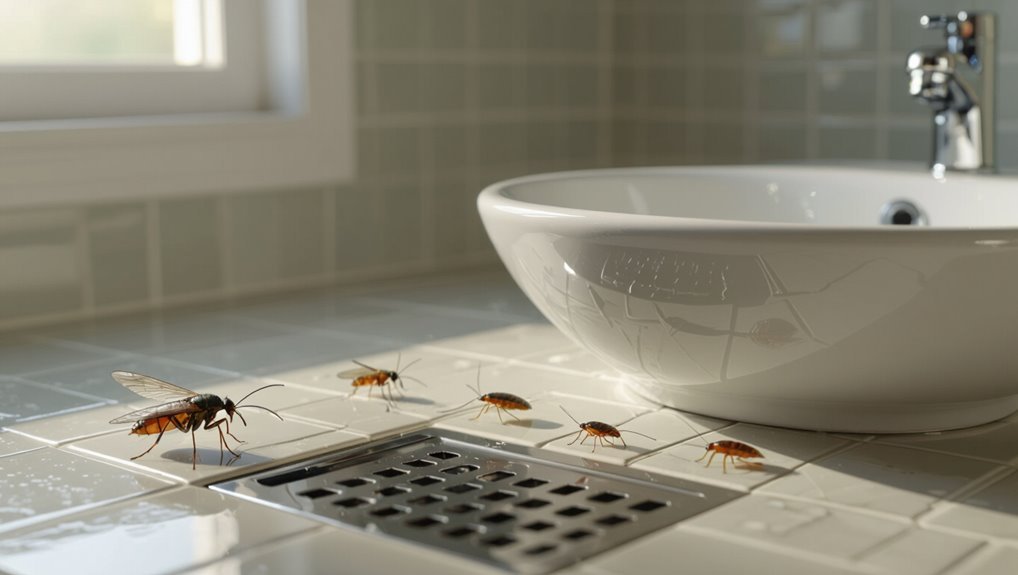
Bathrooms often host small insects such as drain flies, silverfish, ants, and cockroaches, each distinguishable by size, shape, movement, and preferred hiding spots.
These pests are drawn to moisture, standing water in drains, light sources, and occasional organic debris or toiletries.
Infestation levels and species vary with seasons and behaviors—humid months and nighttime activity typically increase sightings.
Typical bathroom insects and their identifying features
Moisture, warmth, and accessible food sources draw a variety of insects into the bathroom, where leaking pipes, clogged drains, and damp grout create ideal microhabitats.
Identification aids how to get rid of insects in bathroom by targeting species.
- Drain flies: tiny, mothlike, fuzzy wing edges, hover near sinks and tubs.
- Silverfish: teardrop body, fast, prefer dark crevices.
- Cockroaches: oval, nocturnal, grease marks and droppings.
What attracts insects to bathrooms (moisture, drains, lighting, food sources)
Having identified common bathroom pests, it becomes clear that certain environmental factors consistently draw them in.
Persistent moisture, leaks, humid air and standing water attract drains flies, cockroaches and silverfish. Organic buildup in drains and grout supplies food and breeding sites.
Bright or warm lighting lures moths and flying insects.
Clutter, towels and toiletries offer shelter and nourishment, increasing infestation risk.
Seasonal and behavioral patterns that influence infestations
Because insect activity often follows seasonal cues and daily routines, infestations in bathrooms tend to peak at predictable times and under specific conditions.
Warmer months increase fly and ant intrusions; cooler seasons drive spiders and cockroaches indoors seeking warmth.
Nighttime lighting attracts moths and drain flies.
Behavioral factors—humidity from showers, irregular cleaning, and standing water—create persistent hotspots for breeding and shelter.
Immediate Actions to Stop Insects Now
When insects are spotted in the bathroom, immediate defensive steps include isolating the area, removing standing water, and gently capturing or sweeping pests out of reach.
Safe temporary repellents and traps—such as sticky traps, sealed containers for captures, or short‑term scent repellents away from vents—can reduce numbers without harsh chemicals.
DIY treatments that risk spreading eggs, driving pests into walls, or creating hazardous fumes should be avoided and replaced by targeted measures or professional advice.
Quick defensive steps to take when you spot insects
Spot the insect, then act quickly to limit its movement and prevent others from entering nearby.
Close windows and doors, turn off exhaust fans, and isolate the area by sealing gaps with a towel or paper.
Remove standing water and block access to drains.
Keep lights dim to reduce attraction.
Note entry points and document sightings for targeted follow-up measures.
Safe temporary repellents and traps for immediate reduction
Deploying safe, temporary repellents and traps can quickly reduce insect activity while longer-term fixes are prepared.
Small, non-toxic repellents (peppermint spray, vinegar solutions) deter without residue. Sticky traps capture crawling insects. Motion-activated LED traps attract flying pests.
Maintain ventilation and remove attractants to enhance effectiveness.
- Non-toxic sprays and sachets
- Sticky monitoring traps
- Motion-activated light traps
When to avoid DIY treatments that could make the problem worse
Although quick DIY fixes can seem appealing, certain treatments should be avoided because they risk spreading infestations, creating health hazards, or damaging plumbing and finishes.
Harsh chemicals, boiling water, bleach mixtures, and pouring pesticides down drains can harm occupants, corrode pipes, and drive pests deeper.
Professional assessment is advised when infestations persist, involve structural access, or when vulnerable individuals or pets are present.
12 Proven Methods to Eliminate Bathroom Insects
A concise set of practical measures can systematically reduce bathroom insect problems by addressing moisture, sanitation, and entry points.
The upcoming methods prioritize actionable steps—from stopping leaks to improving airflow—to remove breeding sites and block reinfestation.
Each recommendation pairs specific tools, materials, and placement guidance to make implementation straightforward.
- Fix leaks and reduce humidity: stepwise checklist
- Clean and maintain drains: step-by-step removal of breeding sites
- Seal entry points and improve ventilation: materials, sealing sequence, and dehumidifier placement
1. Fix leaks and reduce humidity stepwise checklist
Start by locating and repairing all water sources that feed persistent dampness, because moisture is the primary attractant and breeding ground for most bathroom insects.
Inspect fixtures, seals, and pipes; tighten fittings and replace worn washers.
Improve ventilation with exhaust fans or dehumidifiers, maintain indoor humidity below 50%, and promptly dry wet surfaces.
Monitor periodically and document repairs to prevent recurrence.
2. Clean and maintain drains to remove breeding sites step-by-step
With leaks sealed and humidity controlled, attention shifts to drains, which commonly harbor the organic matter and standing water that sustain cockroaches, drain flies, and other bathroom pests.
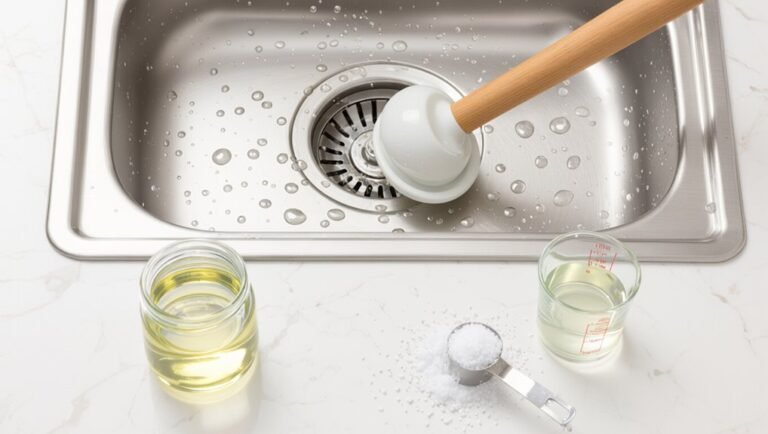
Remove and clean strainers, flush with boiling water, scrub pipes with a long brush and enzyme cleaner, rinse thoroughly, and repeat weekly.
Inspect traps and replace damaged seals to prevent reentry and stagnation.
3. Deep-clean grout, corners, and hidden crevices tools and techniques
Targeting grout lines, corners, and other concealed crevices removes the organic residue and moisture that attract and shelter bathroom insects.
Use stiff-bristled brushes, grout cleaners, steam cleaners, and vinegar solutions to dislodge biofilm. Focus on tile joints, behind fixtures, and under trim.
Rinse thoroughly, dry with microfiber towels, and use a toothbrush for tight spots.
Repeat regularly to prevent reestablishment.
4. Seal entry points and gaps materials and sealing sequence
Seal gaps and entry points to block insects from moving between the bathroom and their preferred harborage.
Inspect baseboards, pipe penetrations, window frames, vents, and tile edges.
Use silicone caulk for small cracks, expanding foam for larger voids, and metal mesh for vent openings.
Clean and dry surfaces before sealing.
Prioritize sealing sequence from exterior-facing breaches inward toward plumbing and fixtures.
5. Improve ventilation and use dehumidifiers placement and settings
After sealing visible gaps, attention turns to controlling indoor humidity and airflow, since many bathroom pests thrive in moist, stagnant air.
Increase exhaust fan runtime, guarantee vents vent outdoors, and open windows when feasible.
Position dehumidifiers centrally; set to 50% relative humidity or lower for problem areas.
Empty and clean collection trays regularly.
Improved ventilation and correct dehumidifier use reduce breeding sites and discourage infestations.
6. Use natural repellents and essential oils safely recipes and application
Employ natural repellents and essential oils with care to reduce bathroom insect presence without harsh chemicals.
Dilute 2–3 drops of peppermint, tea tree, or eucalyptus oil per ounce of carrier (water or alcohol) in a spray bottle; test on surfaces first.
Apply to corners, baseboards, and drains sparingly. Reapply weekly.
Keep oils away from pets, children, and porous finishes to avoid harm.
7. Install traps and baits effectively types and placement tips
Install targeted traps and baits to monitor and reduce bathroom insect populations efficiently.
Use sticky traps for flying insects, non-toxic bait stations for roaches, and pheromone traps for pantry-invading species.
Place devices near entry points, under sinks, behind appliances, and along baseboards.
Rotate and inspect traps weekly, dispose of captured pests, and adjust placement based on activity patterns to maximize effectiveness.
8. Apply targeted insecticidal treatments safe products and timing
Choose targeted insecticidal treatments that balance effectiveness with safety for bathroom use, focusing on formulations and application methods appropriate to the species and environment.
Use low-toxicity gels, baits, or residual sprays labeled for indoor wet areas, applying to cracks, crevices, and entry points.
Follow label directions, allow drying and ventilation, limit human and pet exposure, and reapply only on recommended schedules.
9. Manage drains with enzymatic cleaners and mechanical cleaning frequency
After targeted insecticidal measures reduce adult activity, attention should turn to drains, a common breeding and feeding site for many bathroom pests.
Regular mechanical cleaning—snaking, scrubbing trap surfaces, removing hair and biofilm—combined with periodic enzymatic drain cleaners breaks down organic residues that attract larvae.
Establish a cleaning schedule based on usage, inspect traps, and treat persistent infestations by repeating enzymatic applications until drains remain clear.
10. Maintain sanitary storage and remove food/organic residue checklist
A concise checklist helps secure all potential food sources and organic residues are addressed so insects lose the incentives to colonize bathroom storage areas.
Inspect shelves, baskets, and containers weekly; discard expired cosmetics, cotton swabs, and damp sponges.
Wipe surfaces with appropriate cleaners, guarantee containers are dry before storing, use airtight bins for toiletries, and label items with dates.
Empty trash regularly.
11. Use light and fixture adjustments to deter insects bulb types and placement
Several practical adjustments to lighting and fixture placement can greatly reduce bathroom insect activity by altering attraction cues and eliminating harborage.
Choose warm LED bulbs with lower UV/blue output, install motion or dimmer switches to limit continuous illumination, and position fixtures away from doors and vents.
Seal gaps around mounts, use enclosed fittings, and direct light downward to minimize insect attraction and resting spots.
12. When and how to call professional pest control what to expect
When should homeowners call professional pest control for bathroom infestations, and what can they expect from the service?
Professionals should be contacted when infestations persist, spread, or involve health risks.
Technicians inspect, identify species, recommend treatments, perform targeted application, and advise on prevention and sanitation.
Expect follow-up visits, warranties, safety precautions, minimal disruption, and clear cost estimates before work begins.
Comparison of Treatment Options and When to Choose Each
A clear comparison of natural versus chemical treatments, and DIY approaches versus professional services, helps determine the best choice based on effectiveness, safety, and cost. The table below summarizes key trade-offs to guide selection. When infestations persist or safety risks are high, professionals are generally preferred.
| Option | Strength | Consideration |
|---|---|---|
| Natural treatments | Lower toxicity | Often slower, may need repetition |
| Chemical treatments | Faster, more potent | Higher health/environmental risks |
Natural vs chemical treatments effectiveness, safety, cost
Although natural remedies often appeal for safety and sustainability, their effectiveness against bathroom pests varies and is generally slower than targeted chemical treatments.
Natural options (vinegar, diatomaceous earth, essential oils) suit minor infestations and sensitive households but may require frequent application.
Chemical insecticides act faster and cover severe infestations but pose greater health and environmental risks and typically cost more for professional-grade products.
DIY methods vs professional services pros and cons
Because bathrooms vary in layout, moisture levels, and the severity of infestations, deciding between DIY methods and professional services hinges on pest type, scope, and homeowner capacity.
DIY is cost-effective for minor issues, using traps, sealing, and cleaners.
Professionals offer thorough inspections, safe insecticide application, and guarantees for severe or recurring infestations.
Choose based on risk, time, and efficacy needs.
Preventive Maintenance Plan to Keep Bathrooms Insect-Free
A practical preventive maintenance plan organizes weekly, monthly, and seasonal checklists to keep bathrooms dry, clean, and free of attractants.
It also recommends long-term upgrades—improved fixtures, sealed drains, and moisture-resistant materials—that reduce insect entry and breeding.
Regular monitoring for early warning signs, such as unexplained moisture, droppings, or shed skins, enables prompt corrective action before infestations develop.
Weekly, monthly, and seasonal maintenance checklists
Several clear checklists—weekly, monthly, seasonal—help maintain a bathroom that remains unattractive to insects.
Routine tasks target moisture, debris, and entry points. Weekly wiping, drain clearing, and ventilation checks prevent buildup.
Monthly inspections catch leaks, caulk gaps, and deep-clean grout.
Seasonal reviews prepare for humidity shifts and pest-prone months, documenting actions and needed repairs.
- Wipe surfaces, unclog drains, run fans
- Inspect seals, fix leaks, deep-clean grout
- Seasonal humidity prep, pest monitoring, document actions
Long-term upgrades that reduce insect risk (fixtures, drains, materials)
Consider strategic, long-term upgrades to fixtures, drains, and materials that eliminate common insect attractants and entry routes. These investments reduce maintenance burden and limit pest pressures over years rather than days.
Install sealed, water-tight fixtures; replace porous grout with epoxy; fit drain screens and trap primers; use nonporous cabinetry and moisture-resistant drywall; seal gaps around pipes and vents; choose antimicrobial finishes to discourage biofilm and breeding.
Monitoring signs to catch problems early
Early detection hinges on regular visual and sensory checks that flag subtle changes before infestations establish.
The plan specifies weekly inspections of drains, grout, vents, and storage; noting moisture, droppings, shed skins, live insects, and musty odors.
Record findings, timestamp photos, and track trends.
Promptly address leaks, seal gaps, and sanitize affected areas.
Routine monitoring prevents small issues from becoming infestations.
Common Mistakes That Prolong Bathroom Insect Problems
Many bathroom insect problems persist because occupants use ineffective products or apply treatments incorrectly.
Overlooking plumbing leaks, poor ventilation, and gaps that serve as entry points also undermines control efforts.
Additionally, unsafe practices—such as mixing chemicals or spraying improperly—can create hazards without solving the infestation.
Using ineffective products or incorrect application
Using the wrong products or applying them improperly often turns a minor bathroom insect issue into a persistent one.
Many commercial sprays lack residual activity for common bathroom pests or are diluted below effective concentrations. Misplaced bait, wrong formulation, or skipping label instructions reduces control and wastes time.
Proper product selection, correct dosing, targeted placement, and following safety directions increase success and prevent recurring infestations.
Neglecting plumbing, ventilation, or structural entry points
Failing to address the physical routes insects use to enter and live in a bathroom often undermines even the best product choices and applications.
Cracked grout, gaps around pipes, clogged vents, and damaged weatherstripping provide access and habitat. Ignoring these allows pests to return despite treatments.
Regular inspection, sealing openings, clearing vent pathways, and repairing leaks eliminate entry and reduce moisture that attracts insects.
Unsafe practices to avoid (hazardous mixes, improper sprays)
A handful of common mistakes—mixing cleaning agents, applying sprays too liberally, and treating confined spaces without ventilation—create hazards that can worsen insect problems and endanger occupants.
Combining chemicals produces toxic gases; overuse masks infestations rather than eliminating sources; spraying near drains or electrical fixtures risks contamination and fire.
Professionals recommend targeted use, label adherence, protective gear, and ventilated treatments to avoid harm and recurrence.
Safety, Health, and Environmental Considerations
Consideration of safe insect control in bathrooms must include proper use and storage of insecticides to protect children and pets.
Eco-friendly alternatives and correct disposal of chemical products reduce household and environmental harm.
Persistent or unusual infestations should prompt assessment for underlying health risks or structural problems.
Safe use of insecticides in bathrooms and around children/pets
When insecticides are used in bathrooms, precautions must minimize exposure to children, pets, and household surfaces while still targeting pests effectively.
Only label-approved products for indoor use should be applied, following dilution and ventilation instructions.
Treat cracks and voids, avoid sprays on sinks or toys, keep occupants out until residues dry, store chemicals locked, and dispose of containers per local regulations.
Eco-friendly alternatives and disposal of chemical products
Although chemical sprays and baits can offer rapid control, eco-friendly alternatives and careful disposal reduce health risks and environmental harm by prioritizing prevention, least-toxic treatments, and proper waste management.
Nonchemical options—sealing gaps, reducing moisture, traps, and botanical repellents—minimize exposure.
Expired or partial pesticides should be taken to hazardous-waste facilities; containers rinsed per label and recycled if allowed.
Follow local disposal rules.
When insects indicate larger health or structural issues
If insects persist despite routine cleaning and moisture control, they may signal underlying health hazards or structural failures that require prompt attention.
Persistent infestations can indicate leaks, mold, sewer line breaches, or compromised seals.
Health risks include allergen exposure and disease vectors.
Recommend professional inspection, targeted repairs, mold remediation, and verification of ventilation and plumbing integrity to resolve root causes.
Real-Life Examples and Short Case Guides
The section presents concise real-world cases to illustrate practical diagnosis and remedies.
Examples cover a drain fly infestation with steps taken and results, a cockroach problem linked to poor ventilation, and ants entering through tiny gaps with sealing and prevention measures.
Each case highlights actionable actions and observable outcomes for quick reference.
Case: Drain flies diagnosis, steps taken, outcome
A homeowner noticed tiny, mothlike insects clustering near a slow-draining bathroom sink and initiated a simple diagnostic routine: inspect for organic buildup, run a white-sheet test over drains to confirm activity, and sample trap areas with tape for close inspection.
They cleaned traps, flushed drains with enzymatic cleaner, repeated monitoring, and sealed minor leaks. Infestation cleared within two weeks; occasional maintenance prevented recurrence.
Case: Cockroaches in a bathroom with poor ventilation
Investigators documented a recurring cockroach problem in a small bathroom with poor ventilation where moisture and dark corners provided ideal hiding spots.
Homeowners reported seeing roaches at night near the vanity, along baseboards, and inside cabinets.
Technicians sealed entry points, reduced humidity with a fan and dehumidifier, removed food and clutter, applied targeted baits and insecticidal dust in voids, and monitored results until activity ceased.
Case: Ants entering through tiny gaps sealing and prevention
Several homeowners reported persistent ant trails entering bathrooms through hairline gaps around plumbing fixtures and window frames, especially where caulk had failed or paint had chipped.
Technicians documented sealing gaps with silicone caulk, replacing degraded sealant, and applying weatherstripping.
Recommendations included removing food residues, trimming exterior vegetation, and monitoring for nests.
Follow-up inspections confirmed reduced activity when barriers and sanitation were maintained consistently.
Checklist: DIY Action Plan to Eliminate and Prevent Bathroom Insects
The article presents a clear DIY action plan structured as a 7-day emergency checklist to halt active infestations and a 90-day prevention roadmap to keep insects from returning.
Each step is concise, prioritized, and focused on practical tasks like sanitation, moisture control, and targeted treatments.
Readers are guided to implement immediate fixes first, then follow the longer-term schedule to sustain results.
7-day emergency checklist
Day 1 begins with a swift assessment: document visible insects, note moisture sources, and identify entry points to prioritize targeted actions over broad, ineffective measures.
Day 2–3: deep clean drains, vents, and corners; remove organic debris.
Day 4: apply appropriate insect-specific traps or baits.
Day 5–6: fix leaks, improve ventilation, seal gaps.
Day 7: reassess, dispose of remains, and repeat targeted steps as needed.
90-day prevention roadmap
Following the week-long assessment and immediate fixes, a 90-day prevention roadmap structures sustained actions into manageable phases to eradicate lingering infestations and prevent recurrence.
Weeks 1–4: deep clean, seal gaps, fix leaks, remove breeding sites.
Weeks 5–8: monitor traps, apply targeted treatments, replace damaged fixtures.
Weeks 9–12: reassess, reinforce sanitation routines, schedule seasonal checks, document results for long-term maintenance.
Conclusion
Bathrooms attract pests due to moisture, food residues, and entry points; addressing these factors stops infestations efficiently. One striking statistic highlights that homes with even minor humidity issues are 2.5 times more likely to report bathroom insect problems, underscoring moisture control’s central role. By combining immediate actions, proven treatments, and ongoing preventive maintenance, homeowners can eliminate current insects and markedly reduce recurrence, balancing effectiveness with health and environmental considerations.