How to Get Rid of Sulphur Smell in Toilet Quickly: 8 Proven Fixes
To quickly eliminate a rotten-egg smell in your toilet, follow these effective steps:
- Flush and Ventilate: Start by flushing the toilet and opening windows for fresh air.
- Scrub with Disinfectant: Clean the bowl and trap thoroughly with a disinfectant.
- Use Baking Soda and Vinegar: Pour baking soda and vinegar into the toilet to neutralize odors.
- Run Water through Drains: If you have seldom-used drains, run water through them to refill dry traps.
- Place Activated Charcoal: Set activated charcoal near the toilet to absorb lingering smells.
If the smell persists, check the vents, seals, and sewer line for issues. For detailed step-by-step fixes and preventive measures, continue reading.
Why Your Toilet Smells Like Sulphur (Rotten Egg Odor)
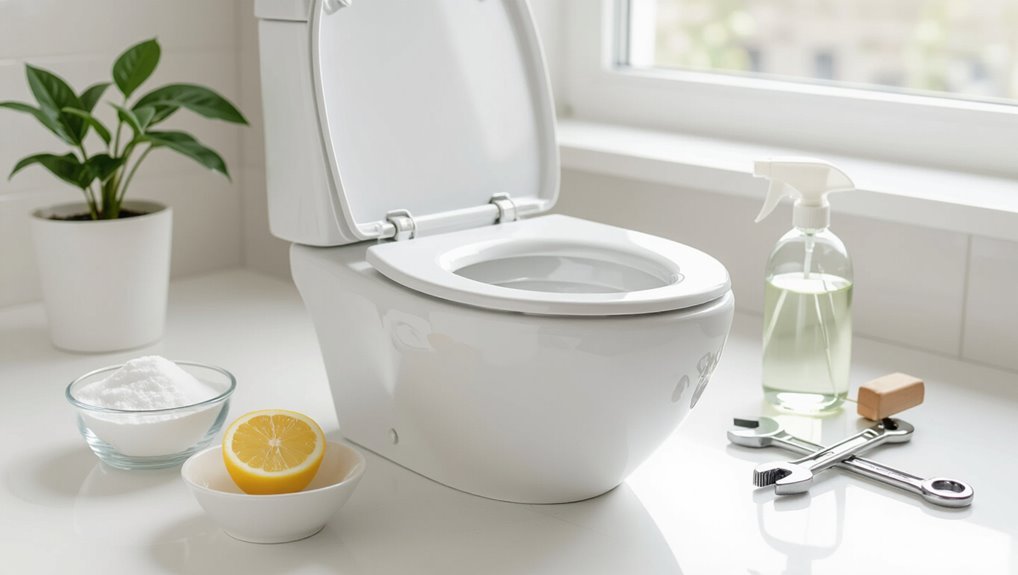
Common causes of a sulphur or rotten egg smell in a toilet include bacterial growth, trapped sewage gases, and issues with the water supply.
Hydrogen sulfide forms when sulfate-reducing bacteria in stagnant water or organic buildup break down sulfur-containing compounds.
While occasional odors point to minor hygiene or venting problems, persistent or strong smells can indicate a serious plumbing leak, sewer line blockage, or contaminated well water requiring immediate attention.
Common causes of sulphur smell in toilets
When a toilet emits a sulphur or rotten-egg odor, several typical sources should be considered: bacterial growth in the bowl or trap, dry P-trap allowing sewer gas entry, decaying organic matter in pipes, contaminated water heater or supply, and sewage line leaks.
Readers seeking how to get rid of sulphur smell in toilet should inspect these points before pursuing targeted remedies.
How hydrogen sulfide forms in plumbing
Hydrogen sulfide (H2S) forms in plumbing primarily through anaerobic bacterial breakdown of sulfur-containing organic matter and sulfate salts in stagnant or low-oxygen environments, producing the characteristic rotten-egg odor.
Bacteria reduce sulfates to H2S in biofilms, drains, and traps when oxygen is limited. Decaying organic debris, sediment, and slow flow promote this chemistry, releasing gas into fixtures and vent stacks.
When the smell indicates a serious problem
Several telltale signs distinguish a harmless sulphur smell from one that signals a serious plumbing issue.
Persistent odor despite cleaning, multiple fixtures affected, gurgling drains, slow drainage, or sewage backup suggest sewer line breach, dry traps, or bacterial colonization in pipes.
Immediate inspection by a plumber is advised to diagnose leaks, venting failures, or septic problems and prevent health risks and structural damage.
Quick Immediate Fixes to Remove Sulphur Smell Now
For immediate relief from a sulphur (rotten egg) smell, simple actions can make a quick difference: flushing and opening windows or running an exhaust fan disperses fumes fast.
Rapid household remedies—sprinkling baking soda then pouring vinegar, or using a bleach/disinfectant—neutralize odors and kill odor‑causing bacteria.
When a fast non‑chemical option is preferred, placing activated charcoal or commercial odor absorbers in the bathroom soaks up lingering smells.
Flush and ventilate: fastest temporary solutions
Flush the toilet and open windows or turn on an exhaust fan to clear a quick sulphur-like odor; running water often displaces trapped sewer gases while ventilation dilutes lingering smells.
Repeat flushing, briefly pour clean water into seldom-used drains, and keep air moving.
Use temporary measures until permanent fixes address traps, vents, or plumbing faults that cause recurring rotten-egg odors.
Using baking soda and vinegar for rapid odor neutralization
Sprinkle about a cup of baking soda into the toilet bowl. Let it sit for a few minutes, then pour a cup of white vinegar in to create fizzing action that neutralizes hydrogen sulfide odors and loosens grime.
After 10–15 minutes, scrub and flush to remove residues and freshen the bowl.
Repeat weekly or after strong odors; combine with brushing under the rim and checking water level for ongoing control.
Bleach and disinfectant methods to kill odor-causing bacteria
Apply bleach or EPA-registered disinfectants to quickly kill the bacteria that produce hydrogen sulfide and other foul toilet odors.
Pour diluted bleach into the bowl, scrub under the rim and let sit 10–15 minutes before flushing.
For tanks, add a small amount, run a brief flush, and ventilate the room.
Follow label instructions and avoid mixing with ammonia or acids.
Using activated charcoal or odor absorbers for instant relief
Place activated charcoal or commercial odor absorbers near the toilet to neutralize hydrogen sulfide and other foul smells immediately. Their porous surfaces trap sulfur compounds, reducing odor without masking with fragrances.
Use breathable pouches or canisters, replace according to manufacturer guidance, and position where airflow carries fumes.
Combine with ventilation and routine cleaning for lasting effectiveness; charcoal works best as a quick, nonreactive stopgap.
Eight Proven Fixes with Step-by-Step Actions
The article now presents eight practical fixes with clear, step-by-step actions to eliminate sulphur odors from a toilet.
Each fix targets a common source—surface grime, trapped mineral buildup, compromised seals, vent or drain blockages, and biological growth in pipes.
The following list highlights key areas where readers can expect actionable instructions and safety tips.
- Thorough cleaning and sanitizing of the bowl, rim, and trap
- Clearing and descaling the toilet trap and siphon jet
- Inspecting and replacing a failing wax ring or seal
1. Clean and sanitize the bowl, rim, and trap thoroughly
Scrub the bowl, rim, and trap using a disinfectant cleaner and a firm toilet brush to remove organic buildup that produces sulfur odors.
Clean under the rim, around jet holes, and inside the trap seal area. Rinse thoroughly and flush repeatedly.
Finish with a sanitizing spray or tablet per product instructions.
Repeat weekly until odors stop, then maintain regular cleaning.
2. Clear and descale the toilet trap and siphon jet
Clear mineral deposits and biofilm from the trap and siphon jet to restore proper flow and eliminate sulfur-producing anaerobic pockets.
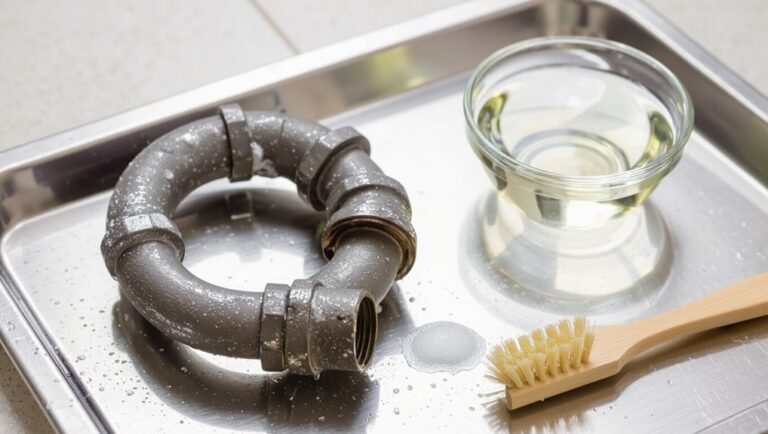
Use a flexible brush and descaling solution (vinegar or diluted CLR) to scrub the trap interior and jet hole.
Flush repeatedly, inspect jet flow, and repeat descaling if needed.
Restored water movement prevents stagnant zones that foster hydrogen sulfide formation and odor.
3. Inspect and replace a failing wax ring or seal
After restoring proper flow in the trap and siphon jet, attention should turn to the seal between the toilet base and the flange. A failing wax ring or gasket can allow sewer gases, including hydrogen sulfide, to escape into the bathroom.
Inspect for wobble, water stains, or odor at the base. Shut off water, drain, unbolt, replace with a new wax or rubber seal, reseat and test for leaks.
4. Check and clean the vent stack (roof vent) for blockages
Examine the vent stack on the roof, since a blocked or restricted vent can prevent sewer gases from escaping properly and cause hydrogen sulfide odors to back up into the bathroom.
From ground level check for visible debris; safely access roof, remove leaves, bird nests, or snow.
Flush the vent with water or use a plumber’s snake; reseal flashing if leaking.
5. Treat the drain and sewer line with enzyme cleaners
Treating the drain and sewer line with enzyme cleaners targets the organic buildup that fuels hydrogen sulfide odors by introducing live bacteria and enzymes that digest grease, hair, and biofilm.
Apply according to label: pour measured dose into dry drain, allow prolonged dwell (overnight ideal), then flush with warm water.
Repeat weekly until odors subside; maintain monthly to prevent recurrence.
6. Repair or replace a corroded or contaminated water heater
Inspecting a water heater for corrosion or contamination is a critical step when persistent sulphur odors originate from hot water. Mineral buildup, rusty anode rods, or bacterial growth inside the tank can produce hydrogen sulfide that feeds the rotten-egg smell.
Recommend flushing the tank, replacing the anode rod, disinfecting with a bleach or hydrogen peroxide treatment per manufacturer guidance, and replacing the unit if corrosion or contamination persists.
7. Install or replace plumbing vent filters or trap primers
Plumbing vent filters and trap primers help prevent sewer gases, including hydrogen sulfide, from entering a bathroom by keeping vents clear and maintaining trap seals.
Inspect vents for blockages, replace damaged vent caps, and fit mesh or charcoal filters where appropriate.
Install or repair trap primers to guarantee water levels in traps stay adequate.
Test for odor after each adjustment and retighten fittings as needed.
8. Use point-source removal: install in-bowl cleaners or carbon filters
After clearing vents and ensuring traps hold water, attention turns to point-source removal inside the bowl itself: in-bowl cleaners and carbon filters capture or neutralize hydrogen sulfide at its emission point.
Install tablet or rim-feed cleaners per manufacturer directions for continuous sanitation.
For persistent odor, fit a small activated-carbon cartridge in the bowl outlet or line; replace regularly to maintain adsorption efficiency.
How to Diagnose the Source: Step-by-Step Troubleshooting
The guide outlines a clear troubleshooting sequence to pinpoint whether the odor originates from the bowl, drain, sewer line, or water supply.
It recommends simple home tests—smell the bowl and drain, use food dye in the tank, and listen for gurgling in drains—to localize the problem.
It also identifies warning signs that warrant calling a plumber or water specialist for diagnosis and repair.
Narrowing down: bowl vs. drain vs. sewer vs. water supply
When a persistent sulphur (rotten-egg) smell appears in a bathroom, systematically isolating the source—bowl, drain, sewer line, or water supply—focuses efforts and avoids unnecessary repairs.
This begins with simple sensory checks and a few quick tests that distinguish localized from system-wide problems. Inspect bowl condition, nearby drains, venting signs, and water odor at multiple fixtures to narrow likely origin before pursuing repairs or professional help.
Tests to perform at home (smell test, dye test, listening for gurgles)
Begin by conducting a few simple, systematic tests that distinguish between bowl, drain, sewer, and water-supply sources: a controlled smell check at the bowl and nearby drains, a dye test to see whether water movement or backflow is involved, and quiet listening for gurgles or bubbling that indicate venting or sewer-line issues.
Record findings: odor location, dye movement, and timing of noises to pinpoint cause.
When to call a plumber or specialist
After completing the basic smell, dye, and gurgle checks, determine whether the findings indicate a simple fix or a problem requiring professional assessment.
Call a plumber when persistent odor, recurrent backflow, slow drains, multiple fixtures affected, visible sewer gas, or suspected venting/blockage occur.
Also seek specialists for septic issues, corroded seals, or gas leaks.
Document observations and provide photos to expedite diagnosis.
Preventive Measures to Stop Sulphur Smells from Returning
A consistent prevention plan combines a regular cleaning routine with targeted products to inhibit odor-causing bacteria and mineral deposits.
Scheduled maintenance of vents, traps, and seals reduces the chance of gases escaping into the bathroom.
Periodic water heater checks and treatments prevent anaerobic bacterial growth that can reintroduce sulphur smells.
Regular cleaning routine and products that work
Establishing a consistent cleaning routine and using targeted products prevents hydrogen sulfide buildup and keeps toilet odors from returning.
Weekly toilet bowl scrubs with a bleach-free disinfectant and an acid cleaner for mineral deposits remove odor sources.
Add enzyme-based cleaners for organic residue and a mild drain treatment monthly.
Use ventilation during cleaning and replace worn brushes and disposable pads regularly to maintain effectiveness.
Maintenance schedule for vents, traps, and seals
Schedule regular inspections and simple maintenance tasks for vents, traps, and seals to prevent hydrogen sulfide odors from recurring.
Inspect vent openings and clear debris quarterly, verify trap water levels monthly, and check seal integrity around toilet bases and pipe connections every six months.
Replace deteriorated wax rings or gaskets promptly.
Record actions and dates to guarantee consistent preventive care and rapid issue detection.
Water heater maintenance and avoiding anaerobic bacteria buildup
Inspect water heaters regularly and maintain conditions that deter anaerobic bacteria, since these microbes often produce hydrogen sulfide when reacting with sulfate-rich water or deteriorating anode rods.
Flush tanks annually to remove sediment, replace corroded magnesium anodes with aluminum or switch to powered anodes, raise water temperature briefly to kill bacteria if safe, and test water chemistry to prevent recurrence.
Health and Safety Considerations
The section outlines potential health risks from hydrogen sulfide exposure, noting that even low concentrations can cause irritation and higher levels may be dangerous.
It emphasizes safe handling of cleaning chemicals, warns against mixing products like bleach and acids, and advises following manufacturer instructions.
Recommended precautions include using gloves and eye protection and ensuring adequate ventilation when treating persistent odors.
Health risks associated with hydrogen sulfide exposure
Recognize that hydrogen sulfide (H2S), the gas responsible for a rotten-egg odor in toilets, poses measurable health risks even at low concentrations.
Acute exposure can cause eye, nose, and throat irritation, headache, dizziness, and nausea. Higher levels risk respiratory distress, loss of consciousness, and, rarely, fatality.
Chronic low-level exposure may exacerbate cardiovascular and neurological symptoms; vulnerable individuals require prompt ventilation and assessment.
Safe handling of cleaning chemicals and mixing warnings
Handle cleaning chemicals with caution and respect their labels and hazard warnings to prevent dangerous reactions and exposures.
Users should never mix products (especially bleach with acids, ammonia, or toilet cleaners). Store chemicals in original containers, keep lids secured, and separate incompatible substances.
Follow dilution instructions, use measuring tools, and dispose of unused solutions per label guidance to avoid harmful fumes or spills.
Protective gear and ventilation best practices
Wear appropriate personal protective equipment and guarantee adequate ventilation before attempting to remove a sulfur (rotten-egg) odor from a toilet to minimize exposure to irritating gases and cleaning chemicals.
Use gloves, eye protection, and a mask or respirator rated for VOCs if concentration is uncertain.
Open windows, run exhaust fans, and avoid confined-space entry.
Evacuate occupants with respiratory sensitivity until odors dissipate.
Comparing Odor Removal Methods
A comparison of common odor-removal methods helps identify trade-offs in effectiveness, cost, speed, and longevity. The table below summarizes typical options for quick reference.
| Method | Quick overview |
|---|---|
| Enzyme cleaners | Moderate cost, gradual effectiveness, long-lasting with regular use |
| Bleach & chemicals | Low cost, fast effect, short-lived and potential safety concerns |
Effectiveness, cost, speed, and longevity of common fixes
When evaluating sulfur odors in toilets, effectiveness, cost, speed, and longevity determine which remedy suits a situation best.
Chemical cleaners act fast and are low-cost but offer short-lived relief.
Enzyme treatments cost more, work moderately quickly, and provide longer control by breaking organic build-up.
Plumbing repairs or pipe replacement are costly and slow but deliver permanent elimination when structural issues cause hydrogen sulfide.
Signs the Problem Is More Serious and Requires Professional Repair
If a sulphur smell persists after several home remedies, it may signal a deeper issue that needs professional attention.
Indicators such as recurring sewer gas odors, visible mold growth, or signs of sewage backup (slow drains, gurgling, or wet floors) warrant immediate inspection.
Typical plumbing interventions include seal and trap repairs, sewer line cleaning or replacement, and mold remediation, with costs varying widely by severity and ranging from a few hundred to several thousand dollars.
Persistent odor after multiple fixes
Recognize that a lingering sulphur smell despite repeated DIY fixes indicates a deeper plumbing or sewer issue requiring professional assessment.
Persistent odor after multiple attempts suggests hidden trap failures, venting problems, or degraded seals.
A licensed plumber can perform pressure tests, camera inspections, and seal replacements to locate and remediate the source safely.
Prompt professional action prevents escalation and health risks.
Sewer gas leaks, mold, or sewage backup indicators
Several clear signs indicate the issue has progressed beyond routine maintenance and demands professional repair: persistent rotten-egg odor throughout the home, visible mold growth near drains or base of the toilet, gurgling or bubbling in fixtures, slow or backed-up drains, and unusually high humidity or sewage stains on floors and walls.
These symptoms suggest sewer gas leaks, compromised venting, or sewage backup requiring immediate inspection and remediation.
Typical plumber solutions and estimated costs
When the rotten-egg odor, visible mold, gurgling fixtures, slow drains, or sewage stains indicate a serious condition, plumbers typically follow a defined set of interventions with predictable cost ranges.
Typical responses include camera inspections ($100–$400), trap and vent repairs ($150–$600), sewer line cleaning ($150–$600), partial sewer replacement ($1,000–$4,000), full replacement ($3,000–$10,000+), and mold remediation ($500–$6,000).
Quick Reference Checklist for Eliminating Sulphur Smell
A concise checklist helps prioritize steps to stop and prevent the sulphur odor efficiently.
It outlines immediate actions, short-term fixes for the next 24 hours, and longer-term maintenance to prevent recurrence. The reader can follow this sequence to address the issue quickly and sustainably.
- Immediate actions to take: ventilate, flush, and check trapped drains.
- Short-term fixes for next 24 hours: clean traps, use enzyme cleaners, and inspect vents.
- Long-term preventive tasks: schedule pipe maintenance, install or repair traps/vents, and maintain water quality.
Immediate actions to take
Start by ventilating the space and isolating obvious sources: open windows, run an exhaust fan, and check for standing water, dry P-traps, and visible leaks.
Then remove trash, flush all fixtures, run water through seldom-used drains, and inspect the toilet tank and bowl for deposits.
Use a quick neutralizer (baking soda and vinegar) and note persistent odors for professional assessment.
Short-term fixes for next 24 hours
Begin with a concise plan of small, prioritized tasks that can neutralize or isolate sulphur odors within 24 hours:
- ventilate room,
- run exhaust fan,
- and open windows.
Flush and pour baking soda plus vinegar into bowl and drains.
Clean rim, trap, and visible pipes with bleach solution.
Use activated charcoal or odor absorbers and a temporary air freshener.
Recheck after six hours.
Long-term preventive tasks
An effective long-term strategy focuses on preventing hydrogen sulfide formation, maintaining plumbing integrity, and ensuring continuous ventilation to keep sulphur odors from recurring.
Regularly inspect and clean drains, traps, and vents; repair leaks and degraded seals; install or service exhaust fans; maintain water heaters and softeners to limit bacterial growth; flush seldom-used fixtures weekly; and schedule professional plumbing inspections annually to catch issues early.
Conclusion
The sulphur stench, once a quiet bathroom tyrant, can be banished with simple checks and swift fixes — or escalate into a plumbing melodrama if ignored. With the eight proven remedies and clear troubleshooting, homeowners reclaim restroom serenity, fending off future olfactory assaults like seasoned commanders. Follow preventive steps and heed safety signs; most smells yield to DIY measures, yet dramatic, persistent odors may demand professional intervention to restore order and breathe victory.