How to Remove Black Sludge From Drain Pipes Quickly and Safely
To quickly and safely remove black sludge from drain pipes, start by wearing gloves and eye protection, and ensure proper ventilation. Remove the P-trap for manual cleaning, followed by a hot-water flush and a biodegradable degreaser. For deeper blockages, use an auger. Apply enzyme cleaners for ongoing maintenance to break down organic buildup. Avoid mixing harsh chemicals, and check seals afterward. If sludge, odors, or blockages persist, seek professional help. For more detailed steps, risks, and maintenance tips, continue reading.
What Causes Black Sludge in Drain Pipes
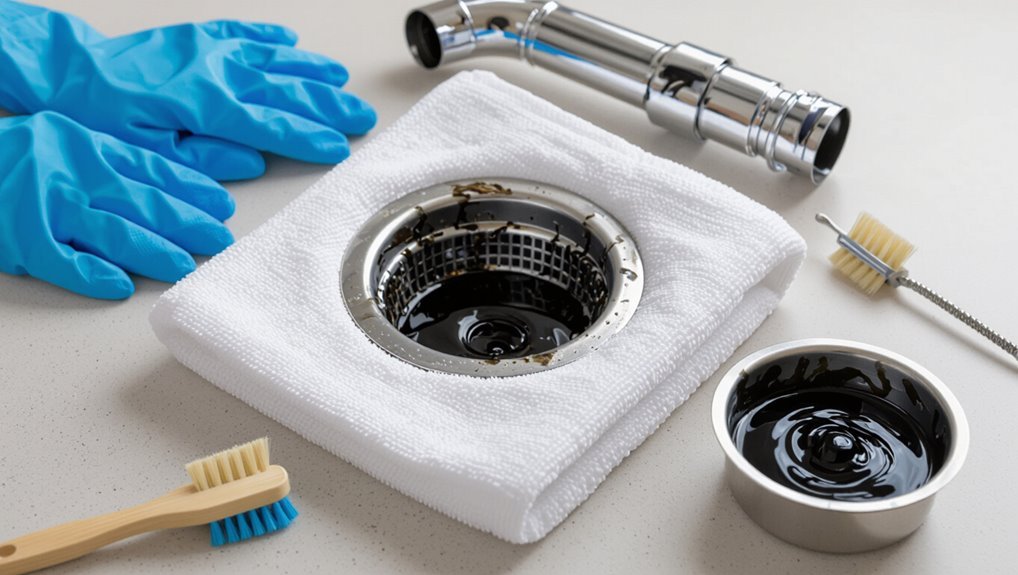
Black sludge in drain pipes commonly forms from biological growths such as mold, mildew, and slippery biofilm that accumulate on damp surfaces.
Chemical and mineral deposits—soap scum, grease, and hardened minerals from hard water—bond with that organic layer and darken the buildup.
Slow drainage, trapped debris, and certain pipe materials promote retention and growth, increasing sludge formation.
Common biological causes (mold, mildew, biofilm)
Identify common biological contributors to dark, slimy buildup in drains: mold and mildew thriving on organic residues, and bacterial biofilms formed by communities of microorganisms.
These organisms digest hair, skin cells, food particles and soap trace nutrients, creating persistent black sludge.
Understanding microbial sources informs how to remove black sludge from drain pipes: mechanical scrubbing, targeted enzymatic cleaners, and consistent drying to disrupt regrowth.
Chemical and mineral contributors (soap scum, grease, hard water deposits)
While microbial growth often gets the most attention, chemical and mineral residues play an equally significant role in forming dark, slimy buildup in drains.
Soap scum, emulsified oils and grease, and mineral scale from hard water accumulate, creating a sticky matrix. These residues trap organic matter and support discoloration.
Regular removal and water-softening measures reduce recurrence and ease cleaning.
Structural and usage factors (slow drains, trapped debris, pipe material)
Drain geometry and household habits strongly influence where and how dark, slimy deposits form inside plumbing.
Slow-moving sections, low-sloped runs and dead-ends encourage sediment accumulation. Frequent hair, food particles and lint provide organic matter for microbial growth.
Pipe material and roughness—corroded metal, aged PVC or cast iron—increase adhesion.
Irregular fittings and poor venting exacerbate buildup, reducing flow and fostering persistent black sludge.
Quick Safety Precautions Before You Begin
Before starting work on black sludge in drain pipes, the reader should wear appropriate personal protective equipment and guarantee adequate ventilation.
They should know when to shut off water or power to prevent flooding or electrical hazards.
Any signs of severe blockage, sewage backup, gas odors, or structural damage warrant calling a professional immediately.
Personal protective equipment and ventilation
Several basic pieces of personal protective equipment and adequate ventilation are essential when tackling black sludge in drain pipes.
Gloves, eye protection, and a disposable coverall prevent skin and clothing contamination. A respirator with organic vapor/particulate filters is advised for strong odors or chemical cleaners.
Guarantee cross-ventilation or use an exhaust fan to disperse fumes; avoid confined, poorly ventilated spaces.
When to shut off water or power
Shut off the water supply and electrical power when work on pipes could allow leaks, splashes, or exposure to live wiring.
Isolate valves feeding the affected fixture and deactivate breakers if electrical fixtures, pumps, or disposal units are nearby. Confirm locks or tags where possible.
Remaining water should be drained from fixtures before proceeding.
Restore systems only after leak-free verification and safe reassembly.
When to call a professional immediately
Call a professional immediately if signs indicate a hazardous situation beyond routine DIY scope: persistent sewage backup, visible mold growth inside pipes or walls, foul gasses that cause dizziness or nausea, major corrosion or structural pipe failure, or water damage affecting electrical circuits.
A qualified plumber or remediation specialist assesses risk, secures the area, performs safe removal or repairs, and prevents contamination or recurrence.
Fast Methods to Remove Black Sludge (Quick-Action Solutions)
Fast methods for removing black sludge include physical extraction with gloves, brushes, and drain snakes, followed by hot water flushes and biodegradable degreasers to break down residues.
Enzyme-based drain cleaners can target organic buildup safely over time, while certain household mixtures (such as diluted dish soap with hot water) may help when used correctly.
Avoid harsh chemical combinations and corrosive cleaners that can damage pipes or produce dangerous fumes.
Manual removal with gloves, brushes, and drain snakes
Begin by donning heavy-duty gloves and using a stiff brush to loosen accumulated black sludge around accessible pipe joints and trap areas.
Then employ a drain snake to extract compacted debris from deeper sections. Work methodically: remove P-traps where feasible, collect sludge in disposable containers, wipe interior surfaces, and repeat snaking until water drains freely.
Dispose of waste per local regulations; sanitize tools afterward.
Hot water flush and biodegradable degreasers
Flushes of hot water combined with biodegradable degreasers can quickly loosen and wash away black sludge lining drain pipes without harsh chemicals.
Practitioners should pour sustained hot (not boiling) water while introducing a plant-based degreaser per label instructions, allowing dwell time for emulsification.
Follow with a strong water rinse and repeat if necessary.
Observe safety: avoid thermal shock to older pipes and ventilate the area.
Enzyme-based drain cleaners for organic sludge
After loosening and removing surface grease with hot water and plant-based degreasers, enzyme-based drain cleaners offer a targeted biological approach for remaining organic sludge.
They contain microbes and enzymes that digest fats, proteins and cellulose, reducing buildup without harsh chemicals.
Proper temperature, contact time and periodic application improve effectiveness. Users should follow manufacturer instructions and allow adequate dwell time for enzymes to work.
Safe household mixtures that work (what to use and what to avoid)
For quick removal of black sludge, homeowners can rely on a few safe household mixtures—hot water with a mild dish detergent to break up grease, a baking soda and vinegar fizz for light organic residue, or diluted enzymatic cleaners as an immediate follow-up—while avoiding combinations that produce toxic gases (never mix bleach with ammonia or acids) and steering clear of concentrated drain solvents that can damage pipes and harm skin.
Use gloves, ventilate, and test in small amounts.
Step-by-Step Deep Cleaning for Persistent Sludge
For persistent black sludge, a systematic deep-cleaning routine guarantees thorough removal and prevents recurrence.
Follow a clear sequence:
- Tools and supplies checklist
- Access and remove P-trap for cleaning
- Brush and rinse accessible pipe sections
- Use an auger safely, then perform a final flush and inspection.
Each step is executed with appropriate safety precautions and careful inspection for damage.
Tools and supplies checklist
A concise assortment of tools and supplies guarantees the deep-cleaning process proceeds efficiently and safely; essential items include protective gear (gloves, goggles, mask), basic hand tools (plunger, plumber’s wrench, basin wrench), mechanical cleaners (drain snake or auger), chemical or enzymatic cleaners appropriate for persistent organic sludge, scrub brushes and disposable rags, a bucket for catchment, and a flashlight for inspection.
Additional necessities: replacement seals, pipe lubricant, trash bags, and a notebook for notes.
How to access and remove P-trap and clean it
With tools and safety gear assembled, attention shifts to the P-trap beneath the sink, the common reservoir for black sludge and odors.
The plumber’s wrench loosens slip nuts; a bucket catches wastewater. Remove the trap, inspect for gunk, and scrape or pick solids into the bucket.
Rinse the trap with water and a mild cleaner, reassemble, and test for leaks and proper flow.
Cleaning inside accessible pipes with brush and rinsing
Begin by preparing a flexible pipe brush, a length of mild detergent or enzymatic cleaner, and a water source; the technician inserts the brush into the accessible pipe section and works it back and forth to dislodge adherent sludge while periodically flushing with warm water to carry loosened material away.
After thorough brushing, they rinse until runoff is clear, inspect with a flashlight, and repeat if residues remain.
Using an auger or plumber’s snake safely
Having cleared loose debris by brushing and rinsing, the technician moves on to using an auger or plumber’s snake for persistent sludge lodged deeper in the line.
The technician inserts the snake slowly, advancing while rotating to break buildup. When resistance is felt, retract and clean the head.
Wear gloves, eye protection, and keep a bucket ready. Avoid forcing tools to prevent pipe damage.
Final flush and inspection
The technician performs a thorough final flush to clear dislodged sludge and then inspects the line for remaining buildup or damage. This involves running hot water or a pressurized rinse through the drain until the effluent runs clear, checking joints and visible pipe sections for leaks, and monitoring flow rate to confirm normal drainage.
Camera inspection verifies clearance; any persistent deposits are noted for targeted follow-up or repair.
Chemical Cleaners: Effectiveness and Risks
Chemical options for black sludge—enzymatic, caustic, and oxidizing cleaners—offer differing mechanisms and effectiveness levels that should be weighed against safety and pipe material compatibility. Clear guidelines for dilution and contact time reduce risk, while environmental disposal and potential for pipe corrosion or seal damage remain important considerations. The following table summarizes trade-offs to guide product choice and safe use.
| Cleaner type | Key considerations |
|---|---|
| Enzymatic | Gentle on pipes, slower acting, biodegradable |
| Caustic/Oxidizing | Fast and potent, risk of corrosion, hazardous handling |
Comparison of enzyme, caustic, and oxidizing cleaners
Although all three categories—enzyme, caustic, and oxidizing cleaners—aim to clear organic buildup, they differ markedly in mode of action, speed, safety profile, and suitability for various pipe materials. Enzymes digest organics slowly and safely; caustics dissolve fats quickly but corrode certain metals; oxidizers react fast but can bleach and be hazardous.
| Type | Speed | Risk |
|---|---|---|
| Enzyme | Slow | Low |
| Caustic | Fast | Moderate |
Safe dilution and contact-time guidelines
Given the differing mechanisms and risks of enzyme, caustic, and oxidizing cleaners, proper dilution and contact time determine whether a product is effective without causing damage or hazard.
Manufacturers’ labels provide required concentrations and exposure intervals; deviations reduce efficacy or increase risk.
Enzymes need longer, milder exposure; caustics act faster at specified strength; oxidizers require strict timing to avoid substrate attack and fumes.
Environmental and plumbing risks to consider
Awareness of environmental and plumbing risks is essential when selecting and using drain cleaners, because their active ingredients can harm aquatic ecosystems, corrode pipe materials, and react dangerously with residues or other chemicals.
Chemical cleaners may degrade rubber seals, thin metal, and generate toxic fumes or heat if mixed.
Prefer targeted mechanical methods, enzyme formulations, or professional assessment to minimize ecological damage and plumbing failure.
Preventing Black Sludge from Returning
Preventing black sludge from returning requires consistent routines and small changes to daily habits.
Regular weekly maintenance—such as flushing drains with hot water and using enzyme treatments—combined with avoiding greasy or fibrous wastes down the sink reduces buildup.
Installing strainers or traps and scheduling periodic professional inspections provide mechanical and expert safeguards against recurrence.
Weekly maintenance routines (hot water, enzyme treatments)
Establishing a simple weekly routine of hot-water flushes and enzyme treatments keeps organic buildup from re-forming in drain pipes.
Run a kettle or hot tap water down each drain for thirty seconds, then apply a biological enzyme product per label directions. These enzymes digest grease and hair without harming pipes.
Repeat weekly; monitor flow and reapply sooner if odors or slow drainage recur.
Changing habits (what to rinse down drains)
Change everyday disposal habits to cut off the food and grease that feed black sludge.
Users should scrape plates into compost or trash, avoid pouring oil, coffee grounds, eggshells, starchy water, and fibrous scraps down sinks.
Rinse minimal residue with cold water only when necessary.
Repeatable, consistent disposal choices reduce organic buildup and slow sludge reformation without requiring hardware changes.
Installing strainers, traps, and regular professional inspections
After adjusting disposal habits to limit the organic feed that fuels black sludge, adding physical protections and scheduled checks helps keep pipes clear.
Mesh strainers catch solids before they enter drains; one-way traps prevent backflow and odor.
Regular professional inspections detect early biofilm buildup and mechanical issues, enabling targeted cleaning and preventive maintenance to reduce recurrence and prolong pipe life.
Signs You Need Professional Plumbing Services
Persistent black sludge after repeated cleaning, strong foul odors, slow drains, or frequent backups often signal problems beyond routine maintenance.
Visible pipe corrosion, unexplained leaks, or damage from harsh chemicals further indicate the need for trained inspection and repair.
In such cases, professional plumbing services can diagnose underlying issues and recommend safe, lasting solutions.
Recurring sludge despite cleaning
If black sludge reappears soon after routine cleaning, it often signals an underlying issue beyond surface buildup.
Persistent recurrence suggests biofilm, damaged pipe lining, or contamination sources feeding deposits.
Professional inspection using cameras and testing locates root causes and recommends targeted remediation—mechanical removal, chemical treatment, or pipe repair.
Timely intervention prevents escalation and recurring maintenance costs.
Foul odors, slow drains, or backups indicating deeper issues
Many homeowners overlook foul odors, slow drains, or occasional backups as minor nuisances, but these signs often point to deeper plumbing problems such as trapped organic matter, collapsed vents, or compromised sewer lines.
Persistent smells, repeated slow drainage, or recurrent backups warrant professional inspection; plumbers can diagnose blockages, root intrusion, or mainline issues using cameras and hydro-jetting, preventing health risks and costly structural damage.
Pipe corrosion, leaks, or damage from chemicals
Check for discolored water, visible pitting or flaking on pipes, and damp spots or stains that indicate corrosion, chemical damage, or active leaks requiring professional attention.
Persistent metal taste, reduced water pressure, or staining around fixtures suggest compromised pipe integrity.
Professional assessment identifies hazardous chemical residues, replaces corroded sections, and tests for structural failure, preventing contamination, collapse, or escalating repair costs.
Cost and Time Estimates for Common Remediation Options
Cost and time comparisons help homeowners choose between quick DIY measures and hiring a professional for black sludge remediation. Typical quick-clean efforts often cost little and take under an hour, while professional cleaning and repairs have wider price and time ranges depending on severity. A simple table below sketches expected ranges for cost, duration, and typical outcome.
| Option | Cost Range | Typical Duration |
|---|---|---|
| DIY quick-clean | $0–$50 | < 1 hour |
| Professional cleaning | $100–$400 | 1–3 hours |
| Repair/replacement | $200–$1,500+ | several hours–1+ day |
DIY quick-clean cost and duration
Estimate expenses and time realistically before starting a DIY quick-clean, since simple methods vary widely in both cost and duration.
Typical supplies—commercial drain cleaners, baking soda, vinegar, plungers, basic tools—cost $5–$40.
Simple flushes or enzymatic treatments often take 30–90 minutes per fixture; minor manual snaking can require 1–3 hours.
Allow extra time for drying and repeat treatments if residues persist.
Professional cleaning and repair cost ranges
Professional interventions for black sludge in drain pipes span a range of services—from simple power-snaking to full pipe relining—and their prices and durations reflect differences in equipment, labor, and severity of the problem.
Typical costs:
- power snaking $100–$300 (1–2 hours)
- hydro-jetting $200–$600 (1–3 hours)
- video inspection $150–$400 (30–90 minutes)
- pipe relining or replacement $800–$6,000+ (one day to several days).
Real-World Examples and Short Case Scenarios
A homeowner reports that a simple enzymatic cleaner and a few plunges cleared black sludge from a typical kitchen sink within a day, illustrating a quick-fix success.
In another case, recurring dark residue led a property manager to discover a failing sewer line during camera inspection.
These examples contrast short-term remedies with situations that require professional sewer repair.
Quick fix success story (typical kitchen sink)
Homeowners reported a clogged kitchen sink coated in black sludge that formed a foul odor and slow drainage; a single evening project cleared the line and prevented recurrence.
They disassembled the P-trap, removed sludge manually, flushed with hot water, and used a biodegradable enzyme cleaner.
After reassembly and routine monthly enzyme treatments, flow remained clear and odors did not return.
When sludge signaled a sewer line problem
Noticing persistent black sludge in multiple drains often proved to be the first clear indication of deeper sewer-line issues.
A landlord discovered recurring backups; camera inspection revealed tree-root intrusion and collapsed joint.
Another homeowner traced foul sludge to a cracked main caused by shifting soil.
Both required professional excavation, targeted repairs, and preventive measures—lining, root barriers, and routine inspections—to stop sludge recurrence and protect plumbing.
Practical Tips to Keep Drains Healthy Long-Term
To maintain clear drains and prevent recurrence of black sludge, practical long-term habits are essential. Recommended measures include a simple seasonal deep-clean schedule, eco-friendly product recommendations, and monitoring and early-detection practices to catch issues before they escalate:
- Quarterly mechanical or enzymatic cleaning
- Use of biodegradable, non-corrosive cleaners
- Regular visual and smell checks plus simple flow tests
- Prompt professional inspection when warning signs appear.
Seasonal deep-clean schedule
Although minor maintenance can prevent many problems, a seasonal deep-clean schedule guarantees accumulated organic matter and grease that cause black sludge are addressed before they become blockages or odor sources.
Inspect drains quarterly, remove visible debris, flush with hot water, and mechanically agitate traps and pipe sections.
Log dates and findings, note recurring trouble spots, and schedule professional inspections annually to prevent buildup escalation.
Eco-friendly product recommendations
Recommend using biodegradable, enzyme-based cleaners and plant-derived degreasers that break down organic matter without harming pipes or septic systems.
Choose products labeled non-corrosive, phosphate-free, and safe for septic systems.
Use powdered or concentrated formulas sparingly to reduce packaging waste.
Complement with occasional natural descalers (citric acid) and biodegradable grease traps or strainers to minimize buildup and extend pipe lifespan.
Monitoring and early-detection practices
Regular inspections and simple early-detection routines can catch developing drain problems before black sludge becomes entrenched, preserving pipe function and reducing costly repairs.
Technicians or homeowners should schedule periodic visual checks, odor monitoring, and flow-rate tests, plus use inspection cameras for hidden sections.
Track trends, note small slowdowns or smells, and address buildup promptly with targeted cleaning to prevent escalation.
Conclusion
Like a city shaken clean by sudden rain, the final sweep leaves pipes gleaming and flow restored. Homeowners who act swiftly—balancing quick, safe fixes with careful deep cleaning or choice of professional aid—can banish black sludge before it hardens into stubborn decay. Thoughtful use of methods, awareness of chemical risks, and consistent upkeep forge a quieter, healthier plumbing future, where drains run clear and problems drain away like shadows at dawn.