
How to Bathe a Dog in the Tub Without Clogging the Drain: Easy Steps and Preventive Tips
To bathe a dog in the tub without clogging the drain, start by grooming your dog to remove loose fur and use a drain cover or hair trap. Pre-rinse the coat to wash away shed hair, then apply lukewarm water and pet-safe shampoo while catching stray hairs with your hand or a towel. After the bath, remove any visible fur from the strainer, flush the drain with hot water, and use enzymatic cleaners regularly. Following these steps will help prevent clogs and maintain a clean drain.
Why bathing a dog in the tub can clog your drain and how to avoid it
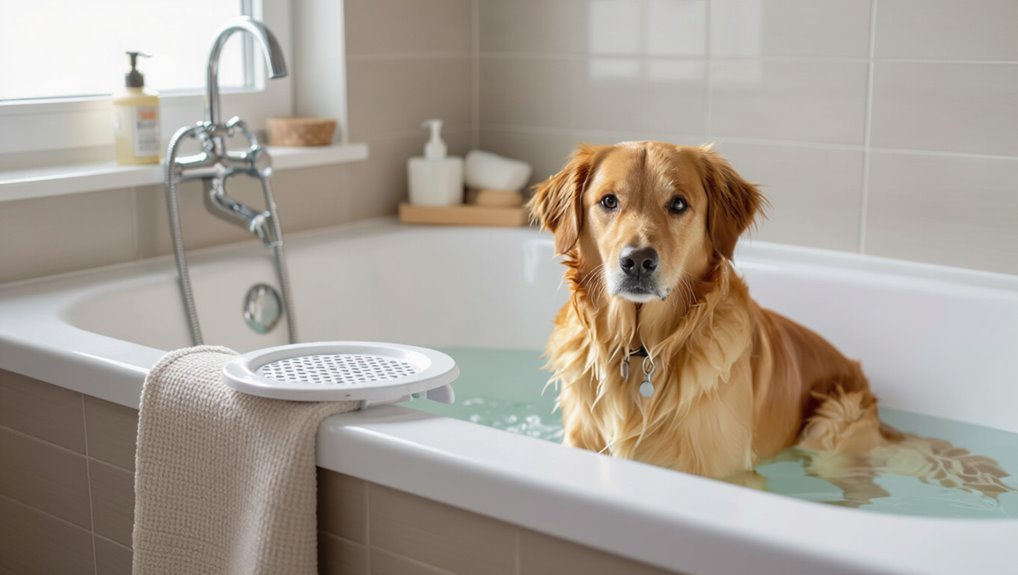
Bathing a dog in the tub often leads to clogs from loose fur, shed undercoat, dirt, and accumulated oils that bind with soap residue.
These materials can collect in the drain or trap, reducing flow and eventually blocking pipes.
If a dog sheds heavily, is very dirty, or the plumbing is old or narrow, alternative locations such as a utility sink, outdoor area, or professional groomer should be considered.
Typical causes of tub clogs during dog baths
Hair, dirt, and oils shed by a dog combine with soap residue and small debris to form the common blockages that clog bathtub drains during pet baths.
Typical causes include loose fur mats, oily residue binding with soap scum, tracked-in mud, loose toys or kibble, and hair accumulating around the strainer.
Proper prep addresses how to bathe dog in tub without clogging drain.
When to consider alternative bathing locations
A household should consider alternative bathing locations when a dog’s size, shedding level, or the bathroom’s plumbing setup makes clogging likely. Options include outdoor hoses, utility sinks, garage tubs, or professional groomers.
Choose sites with larger drains, accessible hair traps, or easier cleanup. For heavy shedders, pre-brushing outdoors reduces hair load.
Select alternatives that minimize plumbing risk and simplify disposal.
Quick checklist before you start the bath
Before filling the tub, gather all necessary tools and supplies—shampoo, towels, a non-slip mat, and a rinsing cup—to keep the process efficient.
The bathroom should be prepared by removing breakables, securing the dog with a leash or helper, and placing towels where water may splash.
Protect plumbing by using a drain cover to catch hair and running a short pre-rinse to clear loose fur.
Tools and supplies to gather
Several essential items should be gathered before starting a dog bath: dog-formulated shampoo, conditioner if needed, towels, a non-slip mat, a brush, cotton balls for the ears, treats for reassurance, and a spray nozzle or pitcher for rinsing.
A concise kit reduces stress and speeds the process.
- Shampoo and conditioner
- Towels and a mat
- Brush and comb
- Ear cotton balls
- Treats and rinsing tool
Preparing the bathroom and protecting plumbing
Prepare the bathroom by creating a safe, dry workspace and protecting fixtures and pipes from hair, water, and accidental damage.
Place a non‑slip mat, secure towels around the tub edges, clip a sink strainer or hair trap over the drain, and cover exposed faucets.
Keep grooming tools on a nearby waterproof tray.
Check water temperature, close vents, and remove rugs that could soak.
Step-by-step guide to bathing a dog in the tub without clogging the drain
A concise routine helps keep loose fur out of the plumbing: brush and remove shed hair before bathing, fit a temporary drain protector such as a mesh strainer or stopper, and choose methods that reduce hair flow.
During wetting, lathering, and rinsing, work from head to tail while using a handheld sprayer and towels to catch loosened hairs.
After rinsing, perform a final hand-run through and clear the drain protector before releasing water to prevent clogs.
Pre-bath grooming and loose hair removal
Begin by removing loose fur and tangles so fewer hairs enter the tub and the drain.
Brush coat thoroughly with a slicker or deshedding tool, focus on shedding-prone areas, and clip long mats carefully.
Trim excess hair around paws and rear.
Brush again to collect loosened hair in a towel or bin.
Dispose of hair properly before bathing begins.
Installing temporary drain protection (methods and options)
Because loose hair and debris can quickly clog household drains, installing temporary drain protection is a practical step before bathing a dog in the tub.
Options include simple and removable solutions to catch fur and allow water flow:
- Silicone drain cover with mesh
- Snap-on hair catcher
- Rubber stopper with built-in strainer
- Microfiber drain sock
- DIY mesh stretched over drain
Safely wetting, shampooing, and rinsing while minimizing hair loss into the drain
Prepare the tub and dog so that wetting, lathering, and rinsing proceed smoothly while most loose fur is captured before it reaches the drain.
Use warm, gentle sprays from a detachable showerhead aimed at the coat, not the skin.
Work shampoo top-to-tail with short strokes, rinse thoroughly with steady low-pressure flow, and brush continuously toward a handheld catcher or surface mat to collect loose hair.
Post-rinse steps to prevent hair entering the drain
Once rinsing is complete, attention shifts to capturing stray fur and keeping it out of the drain.
They remove larger clumps by hand with gloves, gather loose hair using a damp paper towel or rubber glove, and place debris into a trash bag.
Finally, they rinse the tub with a high-pressure stream, inspect the drain cover, and dispose of collected hair securely.
Drain protection options compared
A comparison of drain protection options helps choose the best way to keep fur and suds out of the plumbing.
Consider rubber drain screens versus metal strainers for fit and durability, DIY fixes like mesh or pantyhose for cost and convenience, and temporary plugs or towels for short-term effectiveness and their limitations.
Evaluating clog prevention, ease of cleaning, and potential for water backup guides the selection.
Rubber drain screens vs. metal strainers
Although both rubber drain screens and metal strainers aim to prevent clogs during a dog bath, they differ in material, fit, durability, and ease of cleaning—factors that affect performance and suitability for different drains and grooming habits. Rubber molds to shape, trapping larger hairs; metal offers rigid, long‑lasting filtration but can corrode.
| Type | Fit | Maintenance |
|---|---|---|
| Rubber | Flexible | Rinse |
| Metal | Rigid | Scrub |
DIY solutions: mesh, pantyhose, and plastic covers
DIY drain covers offer inexpensive, adaptable ways to catch loose fur during a dog bath.
Mesh strainers, cut-to-fit pantyhose secured over the drain, and flexible plastic covers each trap hair while allowing water flow.
Mesh is durable; pantyhose conform to odd shapes and are disposable; plastic covers are quick to position.
Choice depends on tub shape, pet shedding and desired cleanup effort.
Temporary plugs and towels: effectiveness and limitations
Several common household items serve as temporary sink or tub plugs during a dog bath, but they vary widely in effectiveness and drawbacks.
Rubber stopper-like lids seal poorly on uneven drains; folded towels block hair but saturate and can slip, requiring frequent replacement.
Silicone mats grip better but may trap odor. None match a purpose-built hair catcher for reliability and hygiene.
How to clean and maintain your tub drain after a dog bath
After a dog bath, attention to the tub drain prevents clogs and odors by removing trapped hair and debris with a rubber-gloved hand, a drain snake, or a mesh strainer.
Pet-safe enzymatic cleaners can break down organic residue without harming pets or plumbing, while harsh chemical drain cleaners should be avoided when possible due to toxicity and potential pipe damage.
Establishing a simple routine—clearing visible hair after each bath and applying an enzymatic treatment weekly or monthly depending on use—keeps buildup from accumulating.
Safe methods to remove trapped hair and debris
Preventing clogs begins with removing loose fur and debris before water goes down the drain.
Using a rubber drain cover, hair catcher, or towel to gather shed hair makes cleanup quicker and reduces build-up.
For trapped hair, employ a pair of disposable gloves or needle-nose pliers to pull strands from the strainer.
Flush with hot water and wipe the flange; repeat as needed.
Using pet-safe enzymatic cleaners and when to avoid chemical drain cleaners
A small, regular application of pet-safe enzymatic cleaner helps break down organic residues like hair, dander, and shampoo oils without harming animals or septic systems.
Such cleaners digest buildup gently; follow label directions and rinse thoroughly.
Avoid caustic chemical drain cleaners after a pet bath—these can react with organic matter, damage pipes, and pose toxicity risks to pets and humans.
Use mechanical removal first.
Routine maintenance schedule to prevent buildup
Following the use of pet-safe enzymatic cleaners and mechanical removal, a short routine maintenance schedule keeps tub drains clear and odors at bay.
Weekly: remove visible hair, rinse with hot water.
Biweekly: flush with a baking soda and vinegar treatment, wait 15 minutes, then hot water.
Monthly: inspect and clean the trap, replace strainers as needed to prevent buildup and backups.
Signs a clog is forming and simple emergency fixes
A gradual slowdown of draining water, gurgling sounds, or lingering odors can signal a developing clog after bathing a dog.
Simple emergency fixes include using a plunger, manually removing hair with gloves or a hook, or employing a hand drain snake to clear the obstruction.
If water backs up persistently, foul smells intensify, or repeated attempts fail, a professional plumber should be called.
Early warning signs of a developing clog
How can one tell when a drain is beginning to clog?
Slow drainage during rinsing, water pooling around the dog’s paws, gurgling sounds after water flows, and faint odors from the drain indicate buildup.
Sudden changes in flow after partial clearing suggest accumulating debris.
As immediate steps, halt bathing, remove visible hair from the strainer, and rinse with hot water to flush loosened residues.
Quick fixes: plunging, manual removal, and drain snakes
When a drain shows early signs of clogging—slower runoff, rising water level, or gurgling—quick, targeted actions often prevent a full blockage: plunging to restore suction, manual removal of visible hair and debris, and using a drain snake to reach and extract deeper buildups.
Use a rubber plunger with a seal, remove the stopper to clear debris by hand or tool, then snake gently to pull out lodged hair.
When to call a professional plumber
Several clear signs indicate it’s time to call a professional plumber: persistent slow drainage despite plunging, recurrent gurgling or bubbling noises, multiple fixtures backing up simultaneously, foul sewage odors, or water pooling around drains and fixtures.
A plumber can diagnose main-line or vent issues.
Meanwhile, shut off water, remove visible hair, use a handheld snake cautiously, and avoid chemical cleaners until inspected.
Preventive habits to reduce future clogs
Regular grooming routines for heavy shedders reduce the amount of loose fur that reaches the drain.
Establishing a bathing schedule that reflects coat type and seasonal shedding helps prevent buildup.
Using tools and products such as deshedding brushes, pre-rinse de-shedding treatments, and tub hair traps further minimizes hair accumulation.
Regular grooming routines for shedding dogs
Establishing consistent grooming habits helps minimize loose fur before it accumulates in the home and plumbing.
Regular brushing, targeted deshedding, and coat maintenance reduce bath-time shedding. Suggested routine steps include:
- Brush daily or several times weekly
- Use deshedding tools suited to coat type
- Trim excess undercoat where appropriate
- Wipe paws and edges before indoor entry
- Collect loose hair with a lint tool immediately
Recommended bathing frequency and seasonal adjustments
How often a shedding dog should be bathed depends on coat type, activity level, and seasonal shedding cycles.
Generally, bathing every 4–8 weeks balances cleanliness and skin health; active or dirty dogs may need more frequent rinses.
Increase grooming sessions during heavy shedding seasons, schedule baths shortly after intensive brushing, and monitor skin condition to avoid overbathing that can worsen shedding.
Products and tools that reduce loose hair in the tub
Minimize tub hair by using targeted products and tools designed to capture loose fur before it reaches drains.
Rubber bath mats, drain covers with fine mesh, and silicone sink strainers trap hair effectively.
A grooming mitt or deshedding brush used over the tub captures loose fur pre-wash.
Disposable pet hair towels and a handheld vacuum for wet/dry use speed cleanup, reducing future clogs.
Special considerations for different dog sizes and coat types
Bathing approaches vary with size and coat: small breeds benefit from space-saving setups and gentler drain protection.
Medium to large dogs require preparations for greater hair and water volume to keep the area manageable.
Thick double coats and heavy shedders often need pre-bath deshedding techniques to prevent matting and reduce clog risk.
Small breeds: space-saving and gentler drain protection
Small-breed dogs require compact setups and gentler drain protection.
Bathtubs or sinks should use small silicone strainers to catch short fur without restricting water flow. A handheld sprayer with low pressure reduces stress and prevents loose hair from flushing rapidly into the drain.
Towel barriers and a quick brush beforehand minimize shedding; dispose of collected hair in trash, not downpipes.
Medium to large breeds: handling volume of hair and water
Because medium and large dogs produce more loose hair and displace greater water volume, their baths require sturdier containment, stronger drain protection, and a plan for managing runoff.
Use a fitted tub mat, a heavy-duty drain strainer, and a handheld sprayer to control water.
Keep towels and a bucket nearby for quick absorption and hair collection.
Rinse slowly to minimize agitation.
Thick double coats and heavy shedders: pre-bath deshedding techniques
Prepare each dog for the tub by reducing loose undercoat and tangles ahead of time: use an undercoat rake or deshedding tool on thick double coats, a slicker brush for mats, and dematting tools where needed, working from the skin outward and in short, gentle strokes to avoid irritation.
Remove shed hair with a vacuum or lint roller, collect debris on a towel, and trim severely matted areas carefully.
Common mistakes to avoid when bathing a dog in the tub
Common errors during tub baths include rinsing large amounts of loose fur or carrying out washes without a drain cover, both of which raise the risk of clogs.
Using harsh chemicals, very hot water, or forcing a frightened dog can injure the animal and damage plumbing fixtures.
Clear, simple precautions prevent most of these problems.
Mistakes that increase clog risk
Several routine missteps during a tub bath can considerably raise the chance of a clogged drain.
Failing to brush loose fur beforehand, rinsing large debris directly into the drain, using excessive conditioner or oily products, and neglecting a hair trap are common contributors.
Allowing long fur to shed unchecked or draining without a strainer compounds buildup, necessitating frequent plunging or professional snaking.
Mistakes that harm the dog or plumbing
After addressing drain-clogging pitfalls, attention should turn to mistakes that can injure the dog or damage plumbing.
Using human shampoos, excessive water pressure, scalding temperatures, or unsecured pets risks burns, skin irritation, and panic.
Pouring harsh chemicals or pouring oil down drains harms pipes.
Skipping rinses or leaving soap film causes skin problems.
Gentle products, lukewarm water, secure footing, and proper disposal prevent harm.
Product recommendations and quick shopping guide
A brief shopping guide highlights practical products for safer, cleaner baths.
It covers top-rated drain protectors, grooming tools that reduce shedding during washing, and criteria for choosing between a portable pet tub or professional grooming.
Readers are encouraged to match purchases to pet size, coat type, and bathing frequency.
Best drain protectors for pet baths
Why worry about clogged drains when a simple protector can catch fur, nails, and debris before it becomes a plumbing problem?
Practical options balance fit, mesh size, and ease of cleaning. Recommended types include:
- Silicone sink strainer with deep cup
- Metal hair catcher with fine holes
- Adhesive flat drain cover
- Rubber drain guard with suction
- Portable tub insert for quick removal
Recommended grooming tools to minimize shedding in the tub
Start by gathering a small kit of targeted tools that remove loose hair before and during bathing: a slicker brush or deshedding rake to lift undercoat, a rubber curry mitt or grooming glove to capture surface fur in suds, a fine-toothed comb for finishing touches, and a lightweight, high-suction vacuum attachment or portable lint remover for post-bath cleanup.
- Slicker brush
- Deshedding rake
- Grooming glove
- Fine-toothed comb
- Portable lint remover
When to invest in a portable pet tub or professional grooming
When is it worth upgrading to a portable pet tub or booking professional grooming?
Owners should consider a portable tub for large, anxious, or arthritic dogs needing safer handling and contained water flow; choose models with non-slip mats and hose attachments.
Professional grooming suits heavy shedders, matted coats, or owners lacking time.
Compare durability, size, drainage design, and price before buying.
Sample step-by-step routine you can follow
A concise, timed routine helps guarantee baths are efficient and safe for both dog and handler.
For small dogs a 10–15 minute quick bath covers wetting, shampooing, rinsing, and drying; larger or heavy-shedding dogs often require a 30–45 minute thorough process that includes extra brushing and extended rinses.
The following step-by-step outlines adapt to coat type and temperament so owners can choose the appropriate pace.
10 to 15 minute quick bath routine for small dogs
Move through the routine methodically to complete a thorough 10–15 minute quick bath for a small dog: gather supplies, secure the dog in a sink or tub with non-slip surface, wet coat gently, apply a small amount of diluted dog shampoo and lather briefly from neck to tail, rinse fully, towel-dry while comforting the dog, and brush lightly once mostly dry.
Then check ears, clean face with a damp cloth, reward calmly.
30 to 45 minute thorough bath routine for large or heavy-shedding dogs
For owners accustomed to a quick 10–15 minute bath for a small dog, larger or heavy-shedding breeds require a more deliberate 30–45 minute routine to address dense undercoats, tangles, and greater shedding.
Begin by thoroughly brushing to remove loose hair, pre-rinse with warm water, apply a detangling shampoo, massage and let sit, rinse fully, condition if needed, towel and blow-dry while continuing to brush.
Additional resources and troubleshooting references
When problems arise or specialized guidance is needed, a curated list of reliable resources and troubleshooting references can direct caretakers to vetted techniques, professional services, and product recommendations.
These include links to veterinarian advice, groomer tutorials, breed-specific bathing tips, and safety checklists to address common issues such as skin irritation, matting, or anxiety.
- Veterinary helplines and dermatology guides
- Certified groomer videos
- Breed-specific care pages
- Drain-protection product reviews
- Emergency contact and clinic directories
Conclusion
Bathing the dog in the bathtub becomes a breezy, bristle-banishing business when basic barriers and believable best practices are brought into play. The owner prepares protective plugs, pauses to pick preferred products, and proceeds patiently, preventing pore- and pipe-plugging problems. With simple steps, steadfast supervision, and sensible seasonal scrubbing, the pet stays pristine while pipes stay passable—proving practical planning prevents painful, pricey plumbing predicaments and promotes peaceful, pleasant post-bath procedures.
