
How to Keep Rats Out of Drains: Effective Prevention and Long-Term Solutions
To keep rats out of drains, focus on exclusion, sanitation, and plumbing solutions. Start by cleaning grease and organic buildup, use mesh or weighted plugs to temporarily block outlets, and install rat-proof grates, one-way flaps, or backflow valves. Seal gaps around pipes and schedule regular inspections. For ongoing infestations, consult professionals for repairs or relining. Combining physical barriers, waste management, and monitoring will significantly reduce the risk of rat entry. Further guidance offers detailed methods and associated costs.
Why Rats Enter Drains and What Attracts Them
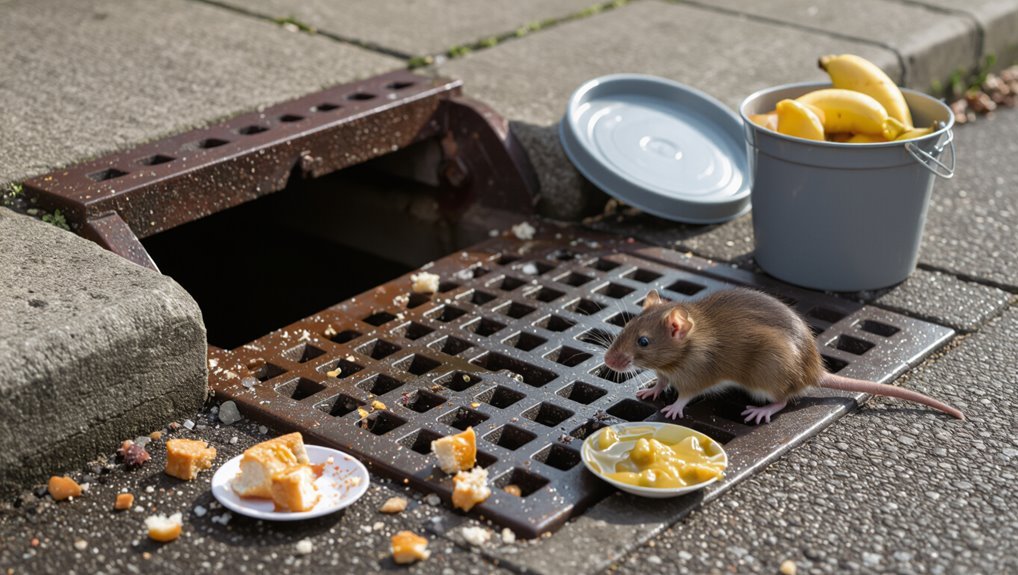
Rats enter drains primarily in search of food and water, exploiting organic buildup, grease traps, and standing water as reliable resources.
Structural features such as cracked pipes, uncovered access points, and connected sewer networks provide easy entry and movement.
Seasonal and environmental conditions—wet weather, food scarcity, or nearby construction—can elevate the likelihood of infestation.
Common food and water sources in drains
Organic debris, grease buildup, and standing water in drains create concentrated sources of food and hydration that attract rodents.
Food residues, fruit peels, fats, and small organic particles accumulate along pipes, while slow drainage leaves moisture.
These conditions explain why rats seek drain environments.
Regular cleaning, grease traps, and eliminating standing water are practical measures for how to keep rats out of drains.
Drain structure and access points that allow entry
Because drain systems connect indoor and outdoor spaces through continuous pipes and openings, they provide multiple entry points for rodents seeking shelter, food, or water.
Cracked seals, broken grates, missing covers, roof vents, inspection chambers, and poorly fitted traps create accessible pathways.
Vertical stacks and grease-clogged runs offer footholds and hiding spots.
Unprotected overflow outlets and yard access points further facilitate ingress.
Environmental and seasonal factors that increase risk
Seasonal shifts and local conditions drive rodents toward drainage systems by altering food availability, shelter needs, and movement patterns.
Heavy rains flood burrows, pushing rats into drains for refuge. Drought concentrates food and water near human waste outlets.
Crop cycles, urban waste peaks, and colder months increase foraging and denning behavior.
Vegetation and standing water near drains further attract and sustain infestations.
Immediate Steps to Keep Rats Out of Drains Today
The reader is advised to visually inspect accessible drain openings and surrounding areas for droppings, gnaw marks, or fresh tracks to confirm rat activity.
Immediate, noninvasive measures—such as fitting temporary wire mesh covers or weighted drain plugs—can block entry without harming pipes.
Concurrently, promptly remove food and organic debris, flush drains with hot water and a mild disinfectant, and secure outdoor waste to eliminate attractants.
How to inspect drains and identify rat activity
A quick, systematic drain inspection can reveal signs of rat presence before an infestation takes hold.
Inspect grates, cleanouts and visible pipe openings for grease-smudged tracks, droppings, gnaw marks, and displaced debris.
Listen for scratching or squeaking at night.
Use a flashlight and mirror, note foul odors, and map suspected entry points.
Photograph findings for follow-up action.
Temporary measures to block entry without plumbing damage
Several simple, non-destructive actions can be taken immediately to block rats from entering drains while preserving plumbing integrity.
Temporary barriers include mesh drain covers, rubber stoppers sized to fit drains, and tightly secured wire gauze under grates.
Air-tight-fitting sink plugs and weighted drain covers deter access.
These measures are reversible, require no plumbing alterations, and allow normal water flow when appropriately selected.
Safe sanitation steps to remove attractants
After installing temporary barriers, attention should turn to removing food and water sources that draw rats to drains.
Surfaces should be cleaned with degreasers, food residues promptly removed, and organic debris cleared from gutters and yard drains.
Fix leaks and eliminate standing water.
Use sealed trash bins, secure compost, and schedule regular sanitation to deny rodents sustenance and nesting materials near plumbing.
Long-Term Physical Barriers and Drain Modifications
Long-term control relies on durable physical barriers and targeted drain modifications to block rodent entry points. Options include rat-proof covers and grates, one-way flaps or backflow valves, and stainless-steel mesh screens, each with specific pros and limitations.
Proper sealing of gaps around pipes, manholes, and sewer openings using rodent-resistant materials and correct installation methods guarantees lasting protection.
Installing rat-proof drain covers and grates
Install durable, rat-proof drain covers and grates to block rodent entry while maintaining proper water flow.
Materials like stainless steel or heavy-duty cast iron resist gnawing and corrosion. Secure anchoring prevents displacement. Regular inspection guarantees integrity.
- Select corrosion-resistant materials.
- Match grate size to flow requirements.
- Anchor with tamper-proof fasteners.
- Inspect and replace damaged units promptly.
Backflow valves, one-way flaps, and mesh screens: options and limitations
Several effective backflow prevention devices—one-way flap valves, spring-loaded nonreturn valves, and fine mesh screens—can be integrated into drain systems to block rats while allowing normal wastewater flow. Each has installation, clogging, and maintenance trade-offs; professionals assess site conditions, flow rates, and debris load before selection.
| Device | Limitation |
|---|---|
| Flap valve | Warping, biofilm buildup |
| Spring valve | Mechanical failure risk |
| Mesh screen | Clogging, requires cleaning |
| Combination | Higher cost, maintenance complexity |
Sealing gaps around pipes, manholes, and sewer openings
Sealing gaps around pipes, manholes, and sewer openings creates a durable barrier that prevents rat entry while preserving drainage function.
Routine inspection identifies voids where rodents exploit seams and deteriorated joints.
Targeted sealing, recessed collars, and tightly fitted covers reduce access without obstructing flow.
Coordinated maintenance with sewer authorities guarantees integrity, timely repairs, and monitoring to maintain long-term exclusion and system performance.
Recommended materials and installation tips for durability
Choose materials and methods that balance strength, corrosion resistance, and ease of maintenance to confirm long-term exclusion of rats from drains.
Use stainless steel grates, welded wire mesh (≤1/4″ openings), and cast-iron or heavy-duty PVC fittings.
Secure with tamper-resistant fasteners and corrosion-resistant sealants.
Confirm tight joints, proper slope for drainage, and accessible panels for inspection and cleaning to maintain durability and function.
Plumbing and Sewer System Solutions
Recognition of persistent or severe rodent activity typically prompts consultation with a licensed plumber or pest control specialist to assess access points and health risks.
Major concerns such as damaged or collapsing sewer lines may require repair or replacement to eliminate entry routes and prevent recurrence.
Establishing and following a routine drain maintenance schedule helps identify problems early and reduces the likelihood of future infestations.
When to call a professional plumber or pest control
When should a homeowner escalate from do-it-yourself fixes to professional help?
Persistent rat activity, visible entry points in drains, repeated trap or bait failures, foul sewage odors, or signs of structural damage warrant calling a licensed plumber or pest control.
Professionals assess infestation extent, secure sewer access, apply targeted rodent control, and recommend repairs or sanitation steps that DIY measures cannot safely or effectively provide.
Sewer line repairs and replacement considerations
Any significant or recurring rat intrusion through household drains often indicates damage or deterioration in the sewer line that may require repair or replacement.
Professionals assess pipe material, extent of collapse, root intrusion, and offsets. Options include spot repairs, relining, or full replacement; trenchless methods minimize disruption.
Decisions weigh cost, longevity, property access, and local code requirements before proceeding.
Routine drain maintenance schedules to prevent infestations
Regularly scheduled drain maintenance is a practical line of defense against infestations, reducing conditions that attract rats by keeping pipes clear, seals intact, and flow consistent.
Monthly inspections, quarterly professional cleanings, and prompt repair of leaks or damaged traps prevent access points.
Routine grease and debris removal, verified backflow prevention, and documented service logs create accountability and detect issues before they become infestations.
Chemical and Biological Controls: What Works and What to Avoid
Chemical and biological options require careful selection and application to protect non-target animals and people, with approved rodenticides used only in tamper-resistant bait stations placed away from drains and water.
Applying poisons directly into drains is generally ineffective and poses contamination and legal risks due to toxin spread and carcass retrieval issues.
Some natural repellents can reduce activity but tend to offer limited, short-term results and should be combined with exclusion and sanitation for meaningful control.
Safe rodenticides and bait placement guidelines
Choose rodenticides and placement with care to minimize risks to people, pets, and non-target wildlife.
Preferred products are approved anticoagulants in tamper-resistant bait stations, installed along runways and near entry points but away from accessible areas.
Rotate active ingredients periodically to prevent resistance.
Monitor stations frequently, remove carcasses promptly, and document usage.
Consult licensed pest professionals for complex infestations or legal compliance.
Why poisons in drains are often ineffective or dangerous
After discussing proper rodenticide selection and secure bait placement, it is important to address why introducing poisons directly into drain systems is generally ill-advised.
Chemicals disperse unpredictably, reducing effectiveness and exposing non-target wildlife, pets, and humans. Residues contaminate water and plumbing, complicate municipal treatment, and mask infestations.
Additionally, carcass retrieval is difficult, increasing secondary poisoning and odor problems.
Natural repellents and their efficacy
Natural repellents—ranging from plant extracts and essential oils to predator cues and probiotic microbes—are frequently proposed as safer alternatives to conventional rodenticides, but their efficacy varies widely and is often context-dependent.
Studies show short-term avoidance from strong scents, yet habituation is common.
Application logistics, drain airflow, and available food sources determine real-world success; repellents rarely eliminate infestations alone.
Integrated Prevention Strategy for Homes and Businesses
An integrated prevention strategy combines sanitation, exclusion, and monitoring to reduce the likelihood of rats entering drains.
It extends beyond individual fixtures to property-wide landscaping and waste management practices that remove food and shelter.
A concise preventive checklist for homeowners and facility managers summarizes routine actions, inspection points, and response thresholds.
Combining sanitation, exclusion, and monitoring
When sanitation, physical barriers, and routine monitoring are used together, they form a coordinated strategy that considerably reduces the likelihood of rats establishing in drains and adjacent spaces.
Consistent cleaning removes attractants, seals and screens deny access, and scheduled inspections detect breaches early.
Combined records guide targeted repairs and sanitation priorities, enabling timely, cost-effective interventions and sustained rodent-free conditions.
Property-wide landscaping and waste management practices
Beyond cleaning, sealing, and inspecting individual drains, landscape design and waste handling across the entire property shape the environment that attracts or repels rats.
Strategic pruning, removing dense ground cover, and elevating woodpiles reduce harborage.
Secure, sealed trash containers with routine collection and compost management deny food sources.
Routine inspections coordinate landscaping and refuse practices to minimize pathways and incentives for rodent activity.
Preventive checklist for homeowners and facility managers
Because prevention is most effective when it’s systematic, a concise checklist helps homeowners and facility managers coordinate inspection, sanitation, exclusion, and monitoring tasks across the property.
- Inspect drains, sewers, foundations, and entry points monthly.
- Maintain sanitation: secure waste, clear debris, eliminate water sources.
- Seal gaps: mesh vents, repair screens, caulk openings.
- Monitor: set traps, log sightings, schedule professional reviews quarterly.
Signs of a Persistent Drain Rat Problem and How to Respond
Persistent evidence of rats in drains includes nocturnal scratching or splashing, accumulations of droppings near access points, and chewed or gnawed pipes and seals.
When signs persist, escalate by conducting a systematic inspection, deploying targeted traps or baits, and engaging professional exclusion services to seal entry routes.
If infestations pose contamination risks or affect multiple properties, notify public health authorities for coordinated remediation and monitoring.
Evidence to watch for: sounds, droppings, and damage
Listen for skittering or gnawing at odd hours, inspect for small, dark droppings near drain exits and access points, and check for chew marks or displaced seals around pipes—these are the clearest indicators that rats are using drains repeatedly.
Also note greasy rub marks, urine odors, disturbed insulation or nesting materials, and recurring foul smells from slow drains suggesting chronic infestation and internal pipe activity.
Escalation steps: inspection, trapping, and professional exclusion
When signs point to repeated drain activity—nocturnal noises, fresh droppings, damaged seals—escalation should proceed methodically: inspect access points, map entry routes, and document findings.
Deploy targeted trapping near identified tunnels using secure, legal traps. Sanitize with drain-safe products after captures.
If entry persists or structural breaches exist, contract licensed exclusion specialists to seal openings, repair fittings, and verify long-term integrity.
Health risks and when to involve public health authorities
How serious are the health risks posed by ongoing rat activity in drains?
Persistent drain infestations risk disease transmission (leptospirosis, hantavirus, salmonella), contaminating water and food preparation areas.
Recurrent sightings, droppings, gnaw marks, foul odors, or unexplained pet illness warrant immediate escalation.
Contact local public health authorities or pest control when infestations persist despite exclusion and sanitation measures to protect community health.
Cost Estimates and Budgeting for Rat-Proofing Drains
A brief comparison of typical costs for DIY fixes versus professional services helps readers set realistic expectations.
Estimates should outline common expenses such as mesh inserts, sealants, trap costs, and inspection or repair fees from pest control contractors.
Recommendations prioritize interventions by risk and budget, directing limited funds to high-impact measures first.
Typical costs for DIY fixes vs professional services
One clear way to plan rat-proofing work is to compare typical DIY expenses—materials and tools—against professional service fees, so homeowners can choose based on budget, skill, and urgency. DIY kits, mesh, sealants cost $20–150; professional inspection and sealing runs $200–800. Consider warranty, time, and complexity when deciding.
| Option | Typical cost |
|---|---|
| DIY materials | $20–150 |
| Professional service | $200–800 |
| Parts replacement | $50–300 |
Prioritizing interventions based on risk and budget
After comparing DIY and professional costs, homeowners should rank rat-proofing tasks by likelihood of entry, potential damage, and available funds.
Prioritize sealing large gaps, installing one-way valves, and clearing debris around drains. Allocate emergency funds for professional sealing where structural risk exists.
Schedule lower-cost maintenance later. Track expenses, compare quotes, and adjust priorities as infestation signs or budget change.
Maintenance and Monitoring Plan to Keep Drains Rat-Free
A clear maintenance and monitoring plan outlines a routine inspection checklist with set frequencies for drains, traps, and access points.
It specifies seasonal tasks and the early warning signs to watch for—such as fresh gnaw marks, droppings, or unusual odors—and schedules heightened checks during high-risk periods.
All findings, treatments, and repairs are recorded with follow-up actions and dates to guarantee accountability and track efficacy.
Routine inspection checklist and frequency
Regular inspections, performed on a planned schedule, guarantee early detection of vulnerabilities and verify that preventive measures remain effective.
A concise checklist and set frequency reduce infestation risk.
Recommended routine:
- Inspect grates, seals, and access points monthly.
- Check traps, guards, and screens biweekly.
- Record drainage flow and blockages monthly.
- Log findings, corrective actions, and next inspection dates.
Seasonal tasks and early warning signs to track
When seasons change, maintenance priorities shift to address weather-driven vulnerabilities and rat behavior cycles. Scheduled seasonal tasks—winter seal reinforcement, spring drain flushing, summer vegetation trimming, and autumn bait-station checks—prevent access and attractants that fluctuate throughout the year.
Routine monitoring should note fresh gnaw marks, droppings near grates, new burrows, unusual noises in pipes, and recurring blockages as early warning signs requiring prompt intervention.
Record-keeping and follow-up after treatments or repairs
Following seasonal checks and the identification of warning signs, a formal record-keeping and follow-up routine documents actions taken and guides future response.
Logs should note dates, locations, treatments, materials, contractor details, photos, and observed outcomes.
Scheduled reassessments confirm repair integrity and trap efficacy.
Digital records enable trend analysis, budget planning, and regulatory compliance.
Prompt follow-up addresses failures and prevents recurrence.
Case Examples and Common Mistakes to Avoid
The section presents brief case examples showing one property that achieved long-term exclusion by combining physical barriers, routine maintenance, and targeted trapping.
It contrasts that with situations where reliance on a single tactic—typically baiting or flushing—allowed rats to re-establish.
Common DIY errors that can worsen infestations, such as poorly fitted seals, improper bait placement, and neglecting upstream access points, are highlighted for avoidance.
Short case: successful exclusion using combined methods
A combined approach yielded rapid, lasting exclusion in several short case examples where technicians sealed entry points, replaced damaged traps, and installed one-way valves on drain lines.
Follow-up inspections confirmed no re-entry. Homeowners documented reduced odors and damage.
Coordinated repairs, targeted sanitation, and periodic monitoring prevented reinfestation.
Clear documentation of interventions guided maintenance schedules and validated long-term effectiveness.
Short case: why single-method approaches failed
Illustrated here are cases where single-method efforts—baiting only, trap-only campaigns, or sole reliance on chemical drenches—failed to achieve lasting exclusion because they addressed symptoms rather than access and habitat factors.
Without sealing entry points, clearing vegetation, or improving sanitation, rats returned via drains and gaps.
Temporary reductions misled occupants; recurring infestations demanded integrated exclusion, habitat modification, and monitoring to succeed.
Common DIY mistakes that worsen infestations
Following the failures of single-method campaigns, many well-meaning homeowners adopt DIY fixes that inadvertently worsen rat problems.
Improper baiting, partial sealing, chaotic trapping, and crude repellents can disperse, injure, or stress colonies, increasing movement and breeding.
Case examples show escalation when measures lack planning, inspection, or follow-up.
- Improper baiting
- Partial sealing
- Chaotic trapping
- Crude repellents
Conclusion
In the grand theater of domestic plumbing, the rat’s encore can be politely declined. With a wink to homeowners who prefer their drains drama-free, sensible barriers, vigilant maintenance, and a few practical plumbing tweaks turn sewers from five-star buffets into unfashionable alleys. Let the rodents keep auditioning—doors shut, traps set, vents capped—and watch as the metropolitan pest scene collapses into embarrassing silence, leaving only smug humans and impeccably obedient drains.
