
How to Unclog a Dishwasher Drain Pipe Fast: Easy DIY Fixes
To quickly unclog a dishwasher drain pipe, first turn off the power and water supply for safety. Remove the lower rack and scoop out any standing water. Next, take out and rinse the filter and drain trap. Check the disposal inlet or air-gap for any visible debris, then disconnect the drain hose to inspect for kinks or blockages. If necessary, use a snake or vacuum to clear any obstructions. After reassembling, run a short rinse cycle to ensure proper drainage. For detailed steps, safety tips, and guidance on when to call a professional, continue reading.
Quick 3‑Step Fix to Get Your Dishwasher Draining Now
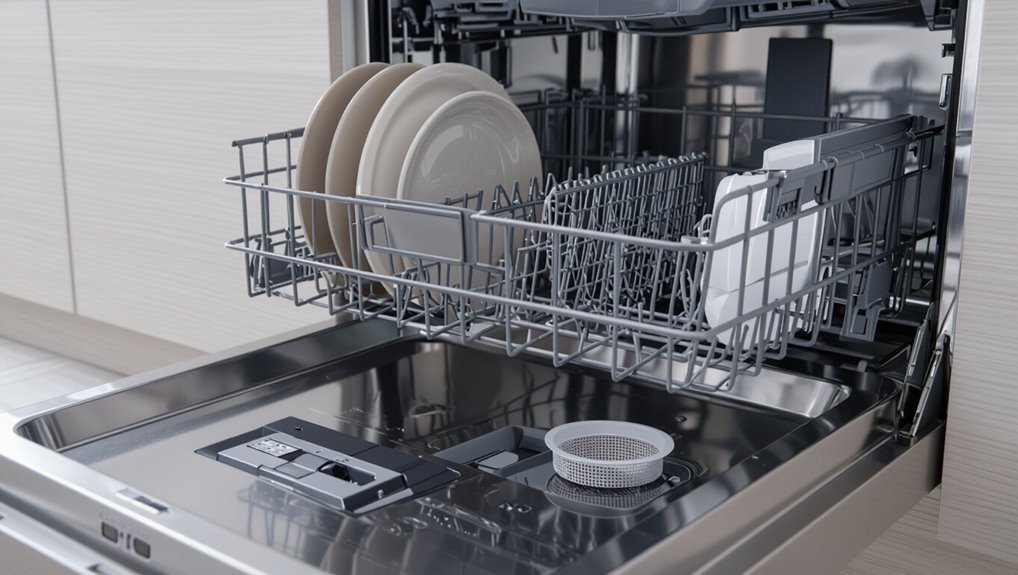
Start by turning off power to the dishwasher and the water supply to prevent accidents and leaks.
Next, remove the lower dish rack and inspect the drain area; clear visible debris and food particles by hand or with a gloved grabber.
Then, check the drain filter and trap beneath the lower spray arm; unscrew or unclip as needed, emptying trapped gunk into a container and rinsing parts under warm water.
Finally, run a short rinse cycle to confirm improved flow. If water still stagnates, reassess for deeper blockage or call a professional to avoid damage.
Tools and Materials for a Fast DIY Drain Fix
For a fast DIY dishwasher drain fix, having the right tools and materials on hand saves time and prevents damage: basic essentials include a pair of rubber gloves, a flashlight, adjustable pliers, a screwdriver set, and a bucket to catch water.
Additional useful items include a wet/dry vacuum or manual hand pump, a flexible drain snake or coat hanger, and a small bowl to remove debris. Keep plumbing tape, replacement hose clamps, and a sponge or shop towels ready. A mild degreasing dish soap and baking soda with vinegar can help dissolve buildup. A parts tray prevents lost screws.
Safety First: Turn Off Power and Water (Safe Disconnect)
Before any tools touch the dishwasher or its drain, the power and water supply must be safely disconnected to prevent electrical shock and flooding.
The technician or homeowner should verify that the appliance is de-energized and that water cannot flow into the unit. Inspect nearby circuit breakers and shut off the correct breaker; confirm with a noncontact voltage tester.
Close the dishwasher’s shutoff valve or the house’s relevant water supply line, then open a nearby faucet to relieve pressure and drain residual water.
Wear appropriate gloves and eye protection. Proceed only when both power and water are confirmed off and conditions are safe.
How to Disconnect the Dishwasher From Power and Water
Shut off power at the circuit breaker and close the dishwasher’s water supply to fully isolate the appliance before any disconnection work begins. A technician or homeowner verifies power off with a noncontact tester and shuts the shutoff valve under the sink. Disconnecting follows: pull the unit out slightly, unplug the cord or remove wire nuts at the junction box, then loosen the water inlet compression fitting or disconnect the braided hose. Catch residual water with a towel and bucket. Label wires if removed. Restore covers and secure fittings before moving to drain inspection.
| Task | Tool/Note |
|---|---|
| Verify power | Noncontact tester |
| Close water | Shutoff valve |
| Disconnect power | Unplug or junction box |
| Disconnect water | Wrench, bucket |
Where the Dishwasher Drain Hose Runs and Common Clog Spots
The dishwasher drain hose typically runs from the appliance to a connection under the sink, where bends and clamps can trap food and grease.
It also often ties into the garbage-disposal inlet, a common junction for blockages caused by disposal debris or improper hose routing. Identifying these two locations helps target inspection and clearing efforts.
Under-Sink Connection
Locate the dishwasher drain hose where it runs beneath the sink—this short stretch between the appliance and the garbage disposal or sink drain is a frequent source of blockages.
Inspect the hose for kinks, sharp bends, or compression from nearby pipes. Check the hose connection at the sink cabinet wall for loose clamps or deteriorated fittings that allow debris buildup.
Look for trapped food particles, soap residue, or grease pooling in low spots and the high loop if present.
Clean accessible sections with a flexible brush or compressed water, then resecure fittings and test for free flow before closing the cabinet.
Garbage-Disposal Junction
Beneath the sink, where the dishwasher drain hose meets the garbage disposal, clogs most often form at the stub-out or the knockout port where food particles, grease, and soap scum accumulate.
The hose can kink, loosen, or be blocked by trapped debris; the disposal inlet often holds compacted residue. To inspect, disconnect power, loosen the hose clamp, and detach the hose clear of the knockout opening.
Use a flashlight and a small brush or plumbing snake to remove buildup. Reattach securely, guarantee a smooth hose curve, and run hot water and a short dishwasher cycle to confirm flow and check for leaks.
How to Tell the Drain Pipe Is Clogged: Fast Symptoms
Often a clogged dishwasher drain shows up quickly through a few unmistakable signs. The household observer will notice dishwashing cycles that end with standing water, slow draining, or water backing into the sink.
Unusual gurgling noises during or after a cycle and persistent foul odors near the dishwasher signal trapped debris. These symptoms often appear without needing to open the machine, indicating a blockage somewhere between the dishwasher and the drain system. Prompt recognition helps prioritize simple DIY checks or professional service to prevent leaks, odors, and motor strain.
- Standing water after a cycle
- Slow draining or backups
- Gurgling noises
- Persistent foul odors
How to Inspect a Clogged Dishwasher Drain Hose Without Taking the Machine Apart
With the dishwasher still installed, the homeowner can check the drain hose for obvious kinks, loose clamps, and visible blockages from accessible access points without dismantling the appliance. Visually follow the hose from pump to disposal/sink tailpiece, feel along its length for soft spots, and gently squeeze fittings to detect leaks. Use a flashlight to inspect bends and the high loop, ensuring clamps are tight. If debris is seen near terminals, carefully clear with gloved fingers or a flexible brush. Test by running a short drain cycle and watching for improved flow or persistent resistance.
| Area inspected | What to feel/look for | Immediate action |
|---|---|---|
| Hose bends | Kinks, crushed sections | Adjust routing |
| Clamp joints | Loose, corroded clamps | Tighten/replace |
| Visible ends | Debris, standing water | Clear cautiously |
| High loop | Proper height | Re-secure loop |
Quick Sink-Side Check: Is the Sink or Garbage Disposal Causing the Backup?
Could a clogged sink or a malfunctioning disposal be the real cause of a dishwasher backup? A quick sink-side check rules out sink-side blockages before dismantling the dishwasher.
Inspect the sink drain for slow drainage, run the disposal briefly to hear unusual sounds, and look for standing water after running the dishwasher. Confirm the knockout plug was removed when a new disposal was installed. If odors or gurgling occur, suspect a sink-side issue. If none appear, the problem likely lies in dishwasher plumbing. Proceed with hose and air gap checks only after sink-side issues are excluded.
- Listen for grinding or rattling in the disposal
- Observe sink drainage speed while dishwasher drains
- Check for standing water or sewage smell at sink
- Verify knockout plug removal on new disposal installation
Garbage Disposal vs. Dishwasher Hose: How to Tell Which Is Clogged
A sour or rotten odor near the sink combined with standing water often indicates a disposal clog, while a neutral smell with pooled water at the back of the dishwasher points to a hose blockage.
Inspecting where debris accumulates—inside the disposal chamber versus visible buildup in the dishwasher drain or hose connection—helps pinpoint the source.
These simple sensory and visual checks guide the next troubleshooting steps.
Smell And Water Backup
Often a foul odor or standing water near the sink signals a clog, but distinguishing between a garbage disposal blockage and a dishwasher hose obstruction requires observing specific clues. Smell intensity, water location, and when symptoms appear point to the source.
Disposal clogs often produce rotten odors and slow draining from the sink; dishwasher hose issues cause pooling in the dishwasher or gurgling during drain cycles. Timing—after rinsing dishes versus during wash—also helps. Use simple tests before disassembly to avoid unnecessary work.
- Strong odor and sink-only backup suggest disposal blockage
- Dishwasher-only standing water suggests hose or internal drain issue
- Gurgling during dishwasher cycles indicates hose restriction
- Odor after food scraps points to disposal buildup
Visible Debris Location
Visible debris location provides one of the clearest clues for distinguishing a garbage disposal clog from a dishwasher hose obstruction: food scraps and fibrous bits lodged around the disposal rim, under the splash guard, or trapped in the disposal chamber point to the disposal as the culprit, whereas gobs of grease, detergent residue, and food particles pooled at the dishwasher drain outlet or collected inside the air gap/hose inlet indicate a hose or dishwasher-side blockage.
Inspect the visible areas: disposal fouling is coarse, smells sour, and appears near the unit; hose or air-gap deposits are slimy, emulsified, and sit at the dishwasher connection or in the hose.
How to Remove and Check the Dishwasher Air Gap or High Loop
Before inspecting the dishwasher’s drain connection, identify whether the installation uses an air gap or a high loop, since each requires a different removal and check procedure; the air gap sits atop the sink or countertop and has a visible cap and body, while a high loop is formed by routing the drain hose up under the countertop.
The technician removes an air gap cap by unscrewing or prying off the decorative cover, then disconnects the hoses beneath the sink to inspect for blockages and corrosion. For a high loop, the hose is traced and loosened at its clamps to check kinks or deterioration.
- Locate the fitting type and power off the dishwasher
- Remove cap or loosen hose clamps carefully
- Inspect for debris, splits, or hardened grease
- Reassemble securely and test for proper drainage
Clear an Air Gap or High Loop Clog Fast
With the fitting identified and preliminary checks completed, the quickest way to clear an air gap or high loop clog is to work from the most accessible point toward the appliance, flushing and dislodging obstructions methodically.
Disconnect the air gap cap, inspect for visible debris, then use a damp cloth and a small brush to remove gunk.
Run hot water through the opening while compressing and releasing the hose near the loop to push residue toward the sink.
If flow improves, reconnect and test the dishwasher drain cycle.
Repeat flushing until water runs freely; replace worn hose clamps or fittings to prevent recurrence.
Fast Method: Plunge the Dishwasher Drain Hose From the Sink Side
Plunge the dishwasher drain hose from the sink side to quickly dislodge clogs that sit between the sink connection and the appliance. One person holds the hose near the sink, sealing around the tailpiece; another operates a sink plunger over the drain. Rapid, controlled plunges force water and pressure into the hose, breaking loose soft blockages.
Repeat several times, then run the dishwasher on a short drain cycle to clear residue. If no improvement, stop and inspect for hard obstructions or kinks.
- Use a flange plunger for best seal
- Protect fittings with a towel
- Maintain steady, short thrusts
- Avoid excessive force that may damage fittings
Quick Manual Clear: Removing Visible Debris From the Drain Hose
If plunging from the sink side fails to clear the line, a quick manual inspection of the drain hose can remove visible debris that blocks flow. The dishwasher is turned off, the hose detached at the pump, and light checked for obstructions. Fingers or a flexible brush clear food, grease accumulations, and small objects. Reattach and test for proper drainage. If resistance persists, deeper tools or professional help may be needed.
| Step | Tool | What to look for |
|---|---|---|
| 1 | Gloves | Food clumps |
| 2 | Flashlight | Grease film |
| 3 | Brush | Slimy buildup |
| 4 | Rag | Loose debris |
How to Use a Wet/Dry Vacuum to Suck a Clog Out Fast
A wet/dry vacuum can pull stubborn clogs from a dishwasher drain quickly and without disassembly.
A person should disconnect power, remove standing water, and seal the vacuum hose to the dishwasher drain or hose.
Use high suction briefly, checking for suction loss and recovered debris.
Afterward, flush the line with water to confirm flow and reattach components.
- Make certain power is off and water is drained before starting.
- Use a rubber adaptor or towel to seal the hose to the drain opening.
- Run short bursts of suction to avoid damaging seals.
- Inspect and dispose of debris safely.
Fast Snake Technique: Using a Hand Auger on the Dishwasher Line
Before using a hand auger, the dishwasher line should be prepared by turning off power and water and disconnecting the hose to give clear access.
The snake is inserted gently into the line and fed forward while rotating to break and catch debris without forcing or kinking the cable.
After withdrawal, the line and hose are flushed and the dishwasher is run to confirm unrestricted flow.
Prepare The Dishwasher Line
With the dishwasher shut off and the sink clear, the technician readies the hand auger by retracting the cable and inspecting the tip for damage or debris.
He disconnects the dishwasher drain hose at the sink tailpiece or garbage disposal, places a bucket beneath to catch water, and clears visible gunk from the hose ends. He checks for kinks, measures hose length to guarantee enough slack, and confirms the work area is well lit and ventilated. Safety gloves and eye protection are donned before proceeding.
- Disconnect hose at tailpiece or disposal
- Drain residual water into a bucket
- Inspect hose for kinks or wear
- Wear gloves and eye protection
Proper Snake Insertion
After the hose is disconnected and the immediate work area cleared, the technician positions the hand auger’s head at the drain opening and aligns the cable so it feeds straight into the pipe. With steady pressure, the operator rotates the drum clockwise to advance the cable, feeling for resistance changes that indicate obstruction or bends.
Small, controlled pushes prevent kinking; gentle retraction and re-advancement help break soft clogs. If the cable binds, it is backed out slightly, rotated to change angle, then reinserted. Metal fragments or sharp resistance prompt stopping to avoid damage. The process continues until the cable moves freely.
Clean And Test Flow
The technician flushes the line and inspects the outflow to confirm the obstruction has cleared and water runs freely. He retracts the hand auger slowly, wiping debris onto a cloth, then runs a hot water cycle to verify unobstructed flow.
Observations include steady drain speed, no gurgling, and absence of trapped odors. If issues persist, a second pass or checking the trap and air gap follows. Finally, connections are resecured and the area cleaned. Routine testing prevents recurrence.
- Verifies steady sink-to-disposal drainage
- Confirms no residual debris in hose
- Listens for normal drain sounds
- Runs final hot-water cycle
When and How to Use Baking Soda and Vinegar Safely on the Hose
Occasionally homeowners consider baking soda and vinegar to clear a dishwasher drain hose, but they should understand both the effective uses and the limitations before applying the mixture.
A small baking soda sprinkle followed by diluted white vinegar can dislodge mild organic buildups; allow fizzing for several minutes, then flush thoroughly with hot water.
Never pour undiluted vinegar or large amounts of baking soda directly into tight hose bends.
Disconnecting the hose for a controlled treatment reduces risk of backflow or damage.
If blockages persist, foul odors remain, or the hose shows wear, seek professional inspection rather than repeat home remedies.
Why You Should Avoid Bleach and Harsh Chemicals on Drain Hoses
While mild household solutions like baking soda and diluted vinegar can sometimes clear soft organic residue, stronger chemicals such as bleach and drain cleaners pose risks to dishwasher drain hoses and adjacent components.
They can degrade rubber and plastic, causing cracks or softening that lead to leaks. Harsh agents may corrode metal clamps and fittings, increasing failure risk. Residual chemicals left inside the hose can damage pump seals or contaminate dishes. Strong fumes also create a safety hazard in enclosed spaces.
- Accelerated hose deterioration shortens part lifespan
- Corrosion of clamps and connectors
- Seal and pump damage from residue
- Toxic fumes and user safety
Flush the Drain With Hot Water for a Fast Clear
A few hot-water cycles can quickly soften and wash away grease and small debris trapped in the drain.
Running several boiling cycles is recommended to maximize heat exposure without using chemicals.
Attention should be given to directing the flow toward the filter area, where most clogs originate.
Run Several Boiling Cycles
Frequently, running several boiling cycles is the quickest way to clear a dishwasher drain: hot water helps dissolve grease and loosen food debris that cling to the pipe walls.
The homeowner brings a kettle to a rolling boil, pours carefully into the sink or directly into the dishwasher drain, and runs short wash cycles between pours.
Repeating this sequence melts accumulated oils and flushes softened residue down the trap.
Patience and repeated application often restore flow without tools. If resistance persists after multiple attempts, mechanical inspection may be required.
- Boil water in a safe container
- Pour slowly into the drain
- Run short wash cycles
- Repeat 3–5 times
Focus On Filter Area
After using boiling cycles to soften grease and grime, attention should shift to the dishwasher’s filter area, where trapped food particles and residue most commonly block flow.
The filter assembly, usually at the tub base, should be removed per manufacturer instructions. Rinse the filter under very hot tap water, using a soft brush to dislodge trapped debris and rinse away oils.
Inspect the surrounding sump and drain opening for visible obstructions and flush them with a steady stream of hot water to carry loosened material into the drain.
Reassemble the filter securely and run a short rinse cycle to confirm improved drainage.
How to Check and Clean the Dishwasher Filter and Drain Basket Quickly
Before inspecting the filter and drain basket, the dishwasher should be powered off and the lower rack removed to expose the assembly; this prevents accidental operation and gives clear access.
The person inspects the coarse and fine filters, twisting out the cylindrical or flat screens. Rinsing under running water removes debris; a soft brush dislodges stuck particles.
The drain basket or cover is checked for food, labels, or glass and cleared.
Reassemble parts securely, ensuring seals sit properly, then run a short rinse cycle to verify flow. Regular monthly checks prevent blockages and prolong drain performance.
- Remove lower rack
- Twist out filters
- Rinse and brush parts
- Reinstall and test
Fast Troubleshooting: Dishwasher Drains but Water Still Pools in the Tub
A common cause of residual water after a drain cycle is a blocked garbage disposal inlet where the dishwasher discharge hose connects, which can trap debris and restrict flow.
Another frequent issue is a clogged or misassembled air gap on the sink that prevents proper venting and allows water to pool.
Checking both the disposal connection and the air gap provides a quick way to rule out these simple obstructions.
Check Garbage Disposal
Why does the garbage disposal matter for a dishwasher that appears to drain but still has water pooled in the tub? The disposal connects to the dishwasher drain hose; a clog, knockout plug left in, or jam can impede outflow so the machine shows partial draining while water remains. Checking it is quick and often resolves backups before more invasive work.
- Confirm power is off; inspect inlet where dishwasher hose attaches.
- Run disposal briefly to clear lodged debris.
- Remove and clean the flange or trap if accessible.
- Verify the knockout plug was removed when disposal was installed.
Inspect Air Gap
How should the air gap be checked when a dishwasher appears to drain yet water remains pooled in the tub? One instructs removal of the chrome cap and inspects for debris blocking the inlet or outlet.
If visible grit, rinse under running water and use a thin brush or pick to clear trapped particles. Next, run a short drain cycle while watching for steady flow through the outlet; irregular sputtering indicates partial blockage.
Reassemble the cap securely. If clearing fails, detach the hose to verify flow toward the disposal or sink, and replace the air gap if cracks or persistent obstructions remain.
How to Check the Pump and Filter Cover for Jams Without Tools
Begin by disconnecting the dishwasher from power and opening the door to access the lower rack area; this guarantees safety while inspecting the pump and filter cover for visible debris or obstructions.
The technician inspects the removable filter assembly and the pump cover by hand, feeling for trapped utensils, food chunks, or plastic. Rotate the filter gently to lift it free, then peer into the pump inlet; trapped objects are often near the impeller area.
Run a short hand cycle (power off) by turning the rack to check clearance and reposition parts.
- Remove loose debris with gloved hands
- Rotate and lift the filter gently
- Feel around pump inlet carefully
- Re-seat parts before restoring power
How to Reroute or Shorten a Sagging Drain Hose (Quick Fix)
A sagging dishwasher drain hose can invite backups and odors if not corrected.
The technician raises the hose into a high loop, trims excess length, and secures the line to maintain proper drainage.
These quick adjustments restore flow without major disassembly.
Raise The High Loop
Reroute the dishwasher drain hose to form a high loop secured near the underside of the countertop so wastewater cannot flow back into the appliance; this quick fix involves lifting the hose above the dishwasher’s drain outlet and fastening it with a clamp or zip tie to maintain the upward arc.
The installer checks hose condition, clears kinks, and routes it as close to the counter base as possible.
The loop prevents siphoning and reduces clogs.
Simple tools suffice and no cutting is required.
After securing, run a short wash to confirm proper drainage and inspect for leaks.
- Inspect hose for damage
- Remove kinks or bends
- Fasten loop tightly
- Test drainage and leaks
Shorten And Secure Hose
When a dishwasher drain hose sags below the high loop, shortening and securing it restores proper flow and prevents standing water. The homeowner inspects the hose length, locates the sag, then disconnects power and water. A measured cut removes excess; a hose clamp and barb fitting guarantee a leak-free join. Alternatively, reroute the hose upward and secure it with zip ties or a mounting clip to the underside of the countertop. Test by running a short cycle and checking for leaks and proper drainage. If damage appears, replace the hose. Professional help is advised for persistent drainage issues.
| Action | Tool | Time |
|---|---|---|
| Inspect | Flashlight | 5 min |
| Shorten | Utility knife | 10 min |
| Secure | Zip ties/clamp | 5 min |
Quick Test to Confirm the Clog Is Cleared and the System Is Leak-Free
Often the final check involves running a short cycle and observing both drainage and visible fittings for leaks. The person starts the dishwasher on a rinse or short wash, watches water exit the drain hose, and inspects under the sink and around connections.
Any slow drainage, pooling, or damp spots indicate remaining blockage or a loose fitting. If all looks clear and dry, the repair is confirmed. If leaks appear, power should be cut and fittings tightened or seals replaced before retesting.
- Run a 10–15 minute rinse cycle
- Watch hose and pump area for seepage
- Check under-sink connections and clamp tightness
- Verify water clears the drain quickly
Fast Preventive Steps to Stop Future Drain Pipe Clogs
To prevent recurring blockages, the operator should adopt a few fast, routine habits.
Regularly cleaning the dishwasher filter, running a brief hot-water cycle before each wash, and scraping off food residue from dishes greatly reduce grease and debris buildup.
These simple steps minimize the chance of future drain-pipe clogs without professional intervention.
Regular Filter Cleaning
Regularly cleaning the dishwasher filter prevents food particles and grease from accumulating and causing slow drainage or clogs.
The homeowner inspects and removes the filter per manufacturer instructions, rinses debris under running water, and gently scrubs with a soft brush.
Reassembling correctly guarantees proper flow and prevents odors.
Frequency depends on usage—weekly for heavy use, monthly otherwise.
Keeping larger scraps out of the dishwasher and using a rinse aid can reduce buildup.
Periodic checks catch small issues before they escalate, preserving pump performance and reducing the need to access the drainpipe or call for repairs.
- Remove and rinse the filter
- Scrub with a soft brush
- Reinstall securely
- Check weekly or monthly
Run Hot Water
Frequently, running hot water down the kitchen sink before and during a dishwasher cycle helps flush residual oils and food particles through the household drain, reducing the chance they cool and congeal in the dishwasher drain pipe. The practice warms pipes, thins grease, and moves particulates toward the main sewer line, lowering buildup risk. Recommended actions include a 30–60 second pre-rinse and keeping the faucet trickling while the dishwasher drains. Monitor water temperature and avoid scalding. Periodic hot-water flushes complement other maintenance steps to maintain flow and prevent minor clogs from developing into blockages.
| Action | Duration | Purpose |
|---|---|---|
| Pre-rinse hot water | 30–60s | Warm pipes |
| Trickle during drain | Entire cycle | Flush debris |
| Monthly flush | 1–2 min | Remove grease buildup |
| Check temp | N/A | Safety measure |
Avoid Food Residue
How can simple habits at the sink prevent dishwasher drain clogs? Minimizing food residue before loading reduces buildup in the drain and garbage disposal.
Scraping plates, rinsing large particles, and avoiding fibrous scraps keep the dishwasher filter and pipes clear. Regularly inspecting and cleaning the filter prevents small accumulations from becoming clogs.
Consistent habits save time and reduce the need for chemical cleaners or disassembly.
- Scrape plates into compost or trash before loading
- Rinse off heavy sauces and starches quickly
- Avoid putting coffee grounds, eggshells, or fibrous peels in the sink
- Clean the dishwasher filter weekly
Common Mistakes That Make Clogs Worse and How to Avoid Them
Although attempts to clear a dishwasher drain may seem straightforward, certain common mistakes can compact debris, damage components, or push clogs deeper into the plumbing.
Using excessive force with a plunger or wire can deform seals and grind food into tighter masses. Pouring chemical drain cleaners risks corroding rubber parts and harming finishes. Running the dishwasher repeatedly while a blockage remains may spread residue or flood adjacent drains. Ignoring the filter, air gap, or garbage disposal connection overlooks common obstruction points.
Instead, remove and inspect parts gently, use a hand snake or water flush, and avoid harsh chemicals to prevent worse clogs.
When to Call a Plumber: Signs You Need Professional Help Now
When should a homeowner stop DIY attempts and call a plumber? Persistent backups despite clearing traps, repeated foul odors indicating trapped residue, sewage smell or wet floors beyond the dishwasher, and visible leaks or water pooling under cabinets require professional intervention.
Complex symptoms suggest deeper blockages, damaged pipes, or failing pumps that DIY tools won’t safely fix. Immediate attention prevents structural damage, mold, and health risks. A plumber can diagnose with proper equipment, perform safe repairs, and advise on prevention. Delay increases cost and hazard; escalating signs merit contacting a licensed professional promptly.
- Persistent backups after attempts
- Sewage odors or wet floors
- Visible leaks or water pooling
- Repeated or worsening symptoms
Cost and Time Comparison: DIY Quick Fixes vs. Professional Repair
Compare estimated expenses and time commitments for quick DIY fixes versus hiring a professional to clarify decision-making.
DIY solutions—plunger, baking soda and vinegar, basic tools—typically cost $5–$30 and take 15–60 minutes, suitable for simple clogs and confident homeowners.
Professional service fees range $100–$300+ with 1–3 hours onsite, including diagnosis, parts, and labor, and may resolve complex or hidden issues more reliably.
Factor in warranty, safety, and potential repeat attempts when DIY fails.
Choose DIY for low-cost, quick attempts; choose a pro when time, risk, or complexity outweighs savings.
Quick Checklist to Keep in Your Kitchen for Emergency Clogs
After weighing DIY versus professional options, homeowners can reduce hassle by keeping a compact emergency clog kit within easy reach.
A concise checklist guarantees rapid response to dishwasher drain issues and avoids escalation.
Items should be durable, clearly stored, and labeled.
Regularly verify function and replace consumables after use.
Quick reference notes with basic safety steps help nontechnical users act confidently while awaiting service if needed.
- Plunger (small cup-type) and rubber gloves
- Drain snake or flexible zip tool
- Baking soda, vinegar, and a measuring scoop
- Flashlight and waterproof bucket
Conclusion
Coincidentally, the simplest remedy often arrives just as patience thins: a brief, methodical inspection, a cleared kink, and the slow sigh of water retreating. The homeowner watches from a neutral distance while the machine’s hum returns to order, as if the kitchen itself had been holding its breath. This small, timely intervention preserves time and money, and—by chance—reasserts a quiet confidence that routine faults can be resolved without drama.