Is Galvanized Steel Pipe Safe for Drinking Water? Facts & Risks
Galvanized steel pipe can supply drinking water, but its safety can be questionable due to factors like age, corrosion, and water chemistry. Over time, the zinc coating can deteriorate, leading to the release of substances such as iron, zinc, and sometimes lead from fittings. This can result in issues like discoloration, a metallic taste, reduced water flow, and potential health risks for sensitive individuals. Additionally, corrosion may trap sediment and promote biofilms that can compromise water quality. Regular testing and occasional replacement of these pipes are advisable. Further sections will cover how to identify galvanized pipes, testing methods, associated risks, and options for repair or replacement.
Quick Answer: Is Galvanized Pipe Safe for Drinking Water?
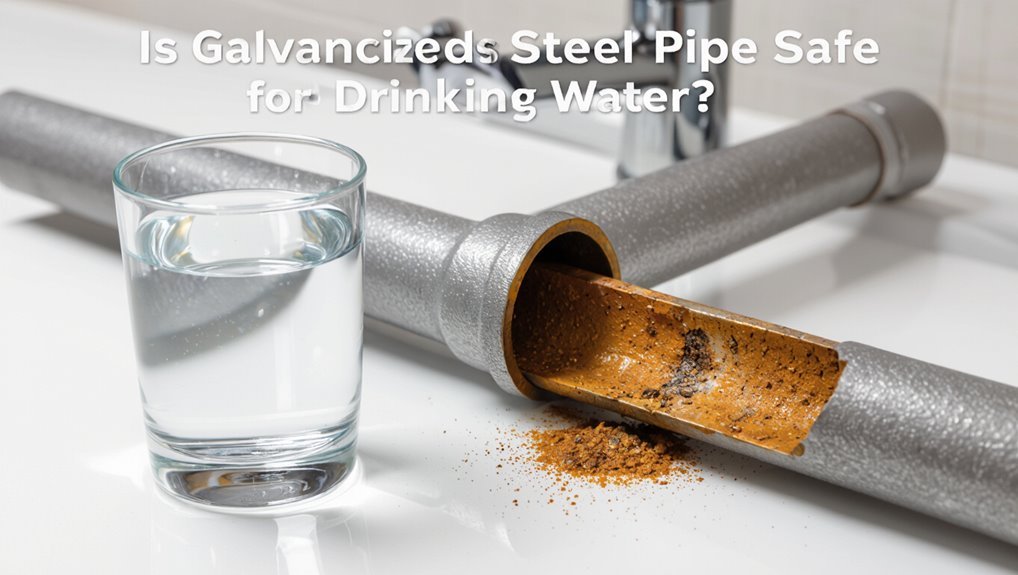
Galvanized steel pipe can carry potable water safely in many situations, but its suitability depends on age, water chemistry, and regulatory limits for lead and corrosion byproducts.
Older galvanized systems may leach iron, zinc, and traces of lead from fittings or galvanizing, increasing discoloration, taste issues, and potential health concerns if concentrations exceed standards.
Corrosion builds scale that reduces flow and traps bacteria.
Regular monitoring, water quality testing, and adherence to local codes determine acceptability.
Replacement with noncorroding materials is often recommended where corrosion, frequent leaks, or elevated metal levels are documented, or when meeting modern plumbing standards.
How to Tell If Your Plumbing Is Galvanized Pipe
Identify visible clues and perform simple tests to determine whether plumbing is galvanized steel.
Inspect exposed pipes in basements, crawlspaces, or utility rooms for gray, scaly, or flaking surfaces; threaded fittings and hexagonal coupling nuts often indicate galvanized pipe.
Magnetic attraction is a quick check: galvanized steel is magnetic, whereas copper and PVC are not.
Measure wall thickness and weight compared with copper when possible—galvanized steel is heavier.
Look at connection types: soldered joints suggest copper, while threaded screw joints suggest galvanized.
Check pipe markings or stamps for material codes.
When uncertain, consult a plumber for definitive identification.
How to Test Your Tap Water at Home
Once a homeowner suspects galvanized pipe or simply wants to confirm water safety, testing tap water at home provides direct information about contaminants and quality.
Home testing begins with selecting appropriate kits: basic chlorine/pH strips, heavy metal specialty tests (lead, iron), or thorough digital meters.
Proper sampling—flushing, using clean containers, and testing cold water—reduces error.
Results guide whether professional laboratory analysis or plumbing inspection is needed.
Interpreting limits against EPA or local standards helps prioritize actions.
Consistent follow-up testing after repairs or replacements validates improvements and guarantees ongoing potable water safety.
- Choose tests matching suspected contaminants
- Follow manufacturer sampling steps exactly
- Compare results to regulatory limits
How Galvanized Pipe Changes Water Quality
Corrosion of zinc-coated iron alters water chemistry and can introduce metallic tastes, discoloration, and elevated concentrations of iron and zinc.
Over time scale buildup of oxide and hydroxide films occurs, trapping sediments and promoting turbidity.
Corrosion byproducts change pH locally, affecting disinfectant persistence and encouraging scale formation that reduces flow.
Detached flakes and rust particles discolor water and clog fixtures.
Metal release rates vary with water chemistry, temperature, and stagnation, so contamination can be intermittent.
Chemical interactions with chlorine and other treatment residuals may form additional byproducts.
Replacement or lining reduces these impacts and stabilizes water quality.
Health Risks From Galvanized Household Plumbing
Galvanized household plumbing can pose health risks as zinc coatings age and underlying metals, including lead from fittings or solder, leach into drinking water. Corrosion progressively degrades pipe integrity and promotes the buildup of scale that traps metals and microbial biofilms.
Evaluating leaching, corrosion rates, and scaling helps determine exposure risk and remedial actions.
Lead And Metal Leaching
Exposing household plumbing to acidic or soft water can accelerate deterioration of zinc and iron coatings, releasing not only those metals but also trace amounts of lead and other contaminants into drinking water.
Evidence indicates that older galvanized systems, especially those joined to lead-containing fittings or solder, pose higher risks of cumulative lead leaching.
Health impacts depend on concentration, exposure duration, and occupant vulnerability.
Mitigation includes testing and targeted replacement.
Monitoring is critical where children or pregnant people reside because even low-level lead exposure carries developmental risks.
- Older fittings and joints often introduce additional lead sources.
- Water chemistry markedly alters leaching rates.
- Routine sampling detects trends before clinical effects.
Corrosion And Pipe Scaling
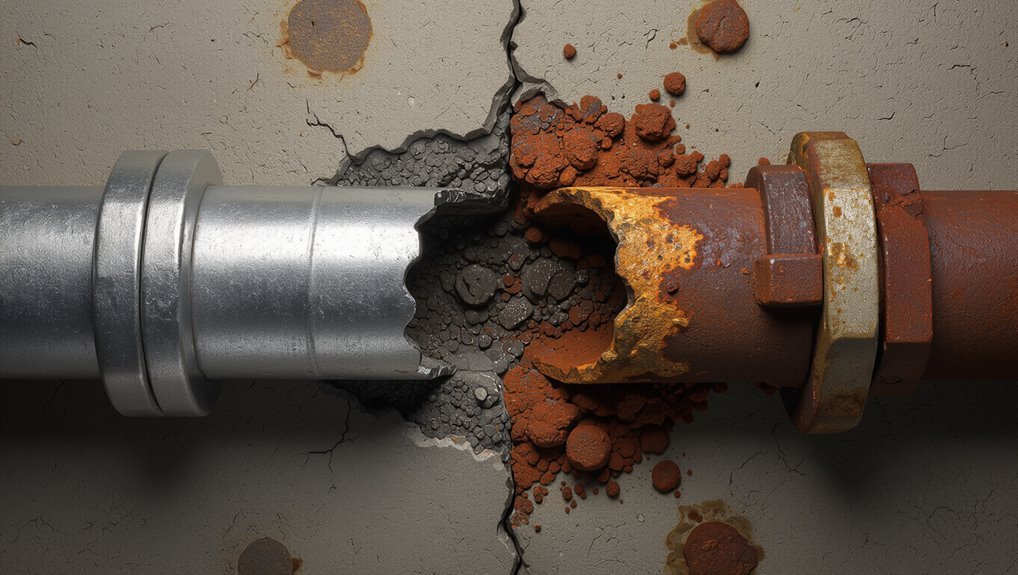
In older household plumbing, the gradual breakdown of zinc and iron coatings leads to rust buildup and mineral deposits that narrow pipes, reduce flow, and create rough surfaces where bacteria and contaminants can accumulate.
Corrosion and scaling alter water chemistry, raising turbidity and trapping heavy metals previously leached from fittings. Reduced diameter increases pressure fluctuations and can promote pipe failure.
Biofilms adhere more readily to pitted interiors, raising microbial risk even if disinfectant residuals exist.
Routine inspection, water testing, and targeted replacement of severely corroded sections mitigate health risks. Complete replacement with non-corroding materials offers the most reliable long-term solution.
When to Repair, Treat, or Replace Galvanized Pipe
Decisions about galvanized pipe should be based on condition, water quality, and cost-effectiveness.
Minor leaks or isolated corrosion spots may warrant repair or localized treatment, while widespread pitting, heavy internal buildup, or persistent contamination signal the need for replacement.
A professional inspection and simple tests can help determine the most practical option.
When To Repair
Evaluating whether to repair, treat, or replace galvanized steel pipe depends on the pipe’s age, extent of corrosion, water quality issues, and the cost-benefit balance of interim fixes versus full replacement.
Repair is appropriate when corrosion is localized, structural integrity remains, and water tests show contaminants within acceptable limits; targeted patching, section replacement, or internal lining can extend service life.
Treatment options—chemical inhibitors or filtration—address minor scaling or taste problems but require monitoring.
Decisions weigh short-term savings against recurring maintenance and potential health risks.
Regular inspections and water testing guide timing and scope of repair actions.
- Localized pinhole leaks or small rust pockets
- Acceptable contaminant levels after testing
- Short remaining service life with planned monitoring
When To Replace
Replace galvanized pipe when corrosion, integrity loss, or water-quality failures exceed what repairs or treatments can reliably fix. Replacement is advised if persistent leaks, internal scaling reducing flow, or elevated lead/iron levels recur after fixes. Consider replacement for systems over 40 years old, repeated patching, or when inspections reveal widespread pitting and wall loss. Prioritize full replacement for main lines, visible structural damage, or health-based contamination. Temporary treatments include liners or corrosion inhibitors; long-term safety usually requires new piping (copper, PEX, or PVC). Costs, service disruption, and coordination with licensed plumbers guide timing.
| Trigger | Typical sign | Recommended action |
|---|---|---|
| Corrosion widespread | Pitting, flakes | Full replacement |
| Recurrent leaks | Multiple repairs | Replace sections |
| Water quality fail | High iron/lead | Replace + testing |
| Age/service life | >40 years | Plan replacement |
Replacing Galvanized Pipe: Costs, Materials, and Next Steps
When galvanized plumbing shows widespread corrosion, persistent leaks, low water pressure, or brown-tinted water, homeowners typically consider replacing the lines; this section outlines likely costs, common replacement materials (copper, PEX, CPVC), and practical next steps for planning a project, obtaining estimates, and coordinating permits and contractors.
Replacement cost varies with home size, accessibility, and material: expect several thousand dollars for partial replacements and $5,000–$15,000 for whole-house jobs.
Copper offers durability, PEX flexibility and cost savings, CPVC resists corrosion.
Steps include inspection, multiple bids, permit checks, scheduling, and post-installation pressure and water-quality verification.
- Get three written estimates and timelines.
- Verify local permit and inspection requirements.
- Choose material based on budget, longevity, and water chemistry.
Conclusion
Like an aging lighthouse, galvanized pipe once guided countless households to safe water but now casts a dimmer, rust-tinted beam. Over time the zinc coating flakes and iron whispers into the flow, altering taste and carrying risks that whisper louder for children and those with sensitivities. Testing and timely decisions—repair, treatment, or replacement—steer homes back to clarity. Heed the signs, weigh the costs, and replace the old beacon before corrosion fogs the way.