
How to Use Liquid Fire Drain Cleaner in Toilet Safely and Effectively
To safely and effectively use Liquid Fire drain cleaner in your toilet, ensure the bathroom is well-ventilated and wear chemical-resistant gloves and eye protection. Keep others away during the process. Pour 1–2 capfuls slowly into the bowl, wait 15–60 minutes, then flush cautiously or use cool water if any residue remains. Avoid mixing with other chemicals and do not use on suspected sewer lines or delicate plumbing. For more detailed precautions and alternative methods, refer to additional guidelines.
What Liquid Fire Drain Cleaner Is and When to Use It
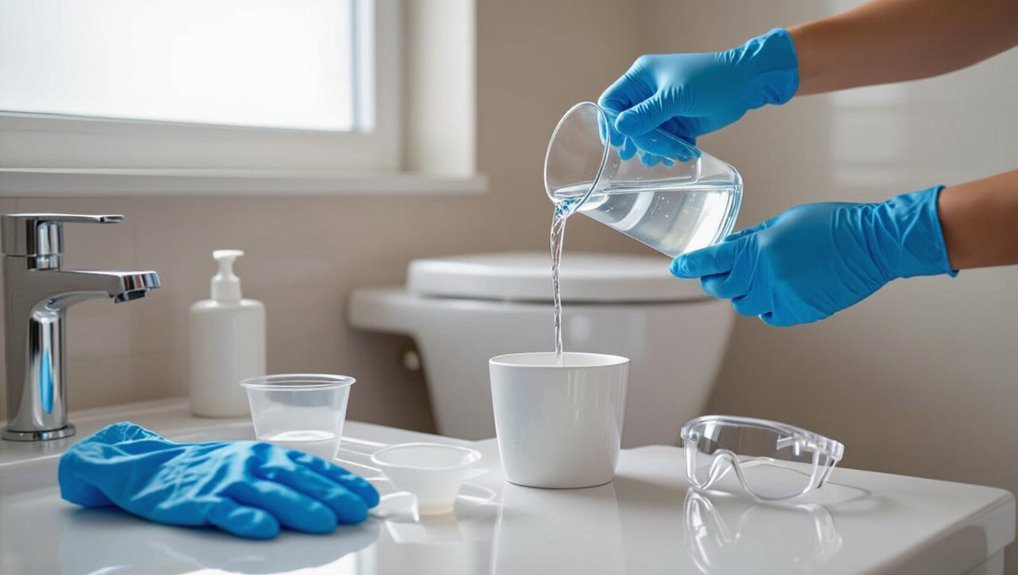
Liquid Fire is a caustic, fast-acting chemical drain cleaner that breaks down organic matter such as hair, paper, and grease by generating heat and promoting chemical reactions. It can be effective for common toilet clogs caused by excess toilet paper, human waste, or small organic buildups. It should not be used on toilets with chemical-sensitive seals, visible cracks, or when the clog is due to non-organic objects or a suspected sewer line blockage.
What the product is and how it works
A concentrated alkaline chemical formulated to dissolve organic blockages, Liquid Fire Drain Cleaner combines strong caustic agents—typically sodium hydroxide or potassium hydroxide—with surfactants and sometimes oxidizers to break down hair, grease, soap scum, and other organic matter in drains.
The product acts by saponifying fats and cleaving proteins, generating heat and gas; users seeking how to use liquid fire drain cleaner in toilet should follow label directions.
Common toilet clog causes that Liquid Fire can address
Many toilet clogs result from organic materials that alkaline caustics target effectively, so after explaining composition and action it helps to identify which blockages are appropriate for this product.
Suitable clogs include hair, toilet paper buildup, bodily waste, and biodegradable organic debris. Grease deposits and light soap scum may respond.
Dense mineral scale, solid objects, and nonorganic materials typically require mechanical removal or professional service.
When not to use Liquid Fire in a toilet
Although caustic drain cleaners can be effective for certain organic clogs, they are inappropriate for toilets with plastic or older metal components, toilets connected to septic systems where harsh chemicals can disrupt microbial balance, and situations involving solid foreign objects, mechanical blockages, or severe mineral scale that require physical removal or professional service.
Additionally, avoid use when corrosion, persistent odors, or recent chemical treatments are present; call a plumber.
Safety Precautions Before Using Liquid Fire
Before using Liquid Fire, the user should confirm appropriate personal protective equipment is on—chemical-resistant gloves, eye protection, and long sleeves—and that the bathroom is well ventilated with windows or a fan running.
They must guarantee pets and other household members are kept out of the area and that sinks, tubs, and drains are cleared of standing water or incompatible materials.
Finally, the person should never mix the product with other cleaners or chemicals and must check labels for specific interaction warnings.
Personal protective equipment to wear
When handling Liquid Fire, users should wear protective equipment that shields skin, eyes, and lungs: chemical-resistant gloves (nitrile or neoprene), splash-resistant goggles or a face shield, and a properly fitted respirator with organic vapor cartridges if ventilation is inadequate.
Additionally, wear long sleeves, a chemical-resistant apron, and closed-toe shoes.
Remove jewelry, tie back hair, and have eyewash access nearby for immediate decontamination.
Ventilation and bathroom preparation
Adequate ventilation and careful bathroom preparation are essential to minimize inhalation risk and prevent accidental spills. Open windows and run an exhaust fan before starting.
Remove pets, children, and breakables; clear floor space around the toilet. Place absorbent material or towels nearby for accidental drips.
Guarantee stable footing and good lighting. Keep towels and mop for immediate cleanup.
Chemical interaction risks with other cleaners or materials
Although highly effective at dissolving organic blockages, Liquid Fire can react violently with other household cleaners or incompatible materials, producing toxic gases or heat.
It must never be mixed with bleach, ammonia, acids, or metal powders. Residual chemicals in pipes, sink traps, or containers can trigger dangerous reactions.
Always flush and isolate plumbing, read labels, and use only as directed to prevent chemical hazards.
Household members and pets: keeping them safe
Always guarantee household members and pets are kept well away from the area and alerted before Liquid Fire is used, because its fumes and spills can cause respiratory irritation, burns, or poisoning.
Secure children and pets in another room with closed doors, ventilate windows, and post visual warnings.
Store the product locked and out of reach.
Have emergency numbers and first-aid steps readily available.
Step-by-Step Guide to Using Liquid Fire in a Toilet
The following steps outline preparing the toilet and surrounding area, measuring and pouring the recommended amount, and timing the product’s contact.
It then covers the proper flushing and rinsing procedure and immediate safety actions.
Finally, instructions describe when to repeat treatment or seek professional help if the clog persists.
Preparing the toilet and area
Before treating the clog, confirm the bathroom is ventilated, surfaces are protected, and occupants are cleared from the area; this preparation minimizes exposure to fumes and reduces the risk of accidental contact with the caustic drain cleaner.
Remove rugs and personal items, cover nearby plumbing and finishes with damp cloths or plastic, keep children and pets out, and have protective gloves, goggles, and a neutralizing agent ready.
Recommended amount and pouring technique
One to two capfuls of Liquid Fire are typically sufficient for a standard toilet clog; pouring slowly down the bowl center helps control splash and directs the product toward the blockage.
Use the measuring cap, keep a steady hand, and pour directly without splashing. Avoid pouring over ceramic rims or onto surfaces.
If unsure, err on the lower side and repeat only if necessary.
How long to let it sit
How long should Liquid Fire sit in the toilet to work effectively? The manufacturer’s label usually recommends 15–30 minutes for typical clogs; longer exposure (up to one hour) may help stubborn blockages but increases chemical exposure.
Do not exceed label limits. Monitor for reactions (fumes, bubbling).
Guarantee room ventilation and no contact with skin or fabrics while the product sits.
Flushing and rinsing procedure
After the waiting period, proceed carefully to flush and rinse the toilet to remove residual cleaner and dissolved material.
Wear gloves and eye protection, then flush once while standing back. If residue remains, pour a bucket of cool water into the bowl to aid flow; avoid multiple rapid flushes.
Inspect bowl and surrounding surfaces; wipe any splashes with damp disposable towels and dispose safely.
What to do if the clog persists
If the clog persists despite initial treatment, proceed methodically to avoid damage or injury:
don protective gloves and eye protection, ventilate the bathroom, and reassess the blockage’s severity before attempting further action.
Try a plunger or toilet auger; avoid adding more chemical cleaner.
If mechanical methods fail, contact a licensed plumber.
Document product used and symptoms for professional reference.
Tools and Alternative Methods to Combine or Try First
Before resorting to Liquid Fire, basic mechanical tools such as a plunger or a toilet auger are recommended to clear common clogs.
Safer chemical options and enzymatic cleaners can be tried when noncaustic methods are preferred or when pipes are older.
If these approaches fail or if there is repeated backing up, a professional plumber should be contacted.
Mechanical options: plunger, toilet auger
Try using a plunger or toilet auger to clear clogs mechanically before reaching for chemicals; these tools often remove blockages with less risk to pipes, plumbing fixtures, and user safety.
A flange plunger creates a better seal; pump firmly. For deeper obstructions, feed a toilet auger slowly, rotate to break or retrieve debris, then withdraw gently.
Clean and disinfect tools after use.
Safer chemical alternatives and enzymatic cleaners
When mechanical methods fail or are impractical, safer chemical alternatives and enzymatic drain cleaners offer targeted, lower-risk options for routine clogs and maintenance.
Enzymatic products use bacteria or enzymes to digest organic matter over hours; they are noncorrosive and suitable for regular use.
Oxygen-based cleaners (peroxide or sodium percarbonate) loosen debris without strong acids or alkalis, preserving pipes and seals.
When to call a professional plumber
In many cases a homeowner can resolve slow or partial clogs with hand tools, a plunger, a drain snake, or enzymatic and oxygen-based cleaners.
However, persistent, recurrent, or complex problems warrant a professional plumber.
Call a plumber if drains remain blocked after safe mechanical and enzymatic attempts, if sewage backups, foul odors, damaged pipes, leaks, strange noises, or multiple fixtures are affected, or if root intrusion is suspected.
Potential Risks and How to Mitigate Them
Use of Liquid Fire can threaten older or plastic plumbing and disrupt septic system biology if used repeatedly or in large quantities.
It may etch or discolor toilet porcelain and surrounding finishes if splashed or left in contact.
Proper precautions and disposal reduce risks to pipes, fixtures, and the environment.
Risks to plumbing pipes and septic systems
Aggressive chemical drain cleaners can damage metal pipes, degrade plastic fittings, and upset septic system biology if applied improperly or repeatedly.
Prolonged exposure weakens seals, causes corrosion, and kills beneficial bacteria essential for waste breakdown.
To mitigate risks, limit use, follow label dilution and contact-time guidelines, flush thoroughly, inspect older plumbing before treatment, and consult a professional or use enzyme-based alternatives for septic systems.
Damage to toilet porcelain and finishes
Toilet porcelain’s glazed surface and decorative finishes can be chemically etched, discolored, or dulled by liquid fire drain cleaners if strong acids or caustic agents contact them too long or are used at full strength.
To mitigate risk, dilute per label, limit contact time, rinse thoroughly, test on an inconspicuous area, and avoid repeated applications.
Use protective gloves and consider noncaustic alternatives for delicate fixtures.
Environmental and disposal concerns
Because liquid fire drain cleaners contain strong acids, alkalis, and reactive chemicals, their improper disposal can harm aquatic life, contaminate groundwater, and disrupt wastewater treatment processes.
Users should never pour leftovers into storm drains or soil. Neutralize small amounts per manufacturer instructions, store sealed for hazardous-waste pickup, and contact local waste authorities for disposal guidance.
Prefer mechanical or enzyme-based alternatives when possible.
Troubleshooting Common Problems After Use
If a drain remains blocked after treatment, the user should consider mechanical clearing or professional assistance rather than repeating chemical doses.
Any persistent corrosive smell or visible fumes warrants evacuating the area, ventilating thoroughly, and avoiding inhalation while seeking advice from poison control if symptoms occur.
Visible pitting, discoloration, softening of pipes, or leaking joints are signs of chemical damage and require inspection and likely replacement by a qualified plumber.
Continued blockage after treatment
Persisting blockages after using Liquid Fire indicate the chemical treatment did not fully penetrate the clog or that a non-chemical obstruction is present.
The user should avoid repeated chemical additions. Instead, inspect with a plunger or toilet auger; remove visible debris manually with gloves.
If mechanical clearing fails, contact a professional plumber to assess intracam or pipe damage and to determine safe next steps.
Corrosive smell or fumes management
After mechanical attempts fail to clear a blockage, users may notice a strong chemical odor or visible fumes when the drain cleaner has been left sitting or mixed with other substances.
Ventilate the area immediately—open windows, run exhaust fans—and evacuate people and pets.
Avoid inhalation; if dizziness occurs, seek fresh air and medical help.
Do not introduce other chemicals; contact professionals for persistent fumes.
Signs of chemical damage to plumbing
Inspect plumbing for chemical damage by looking for discoloration, softening, pitting, cracks, swelling of PVC joints, corroded metal fittings, or unusual leaks that appear after using a liquid fire drain cleaner.
Document affected areas, stop using affected fixtures, and avoid mixing chemicals.
Replace compromised sections and consult a licensed plumber for hidden damage or persistent leaks to guarantee system safety and prevent failures.
Comparative Overview of Drain Cleaners for Toilets
A concise comparison highlights how Liquid Fire differs from caustic cleaners and from enzymatic or biological products regarding mechanism and typical results. Considerations of effectiveness, safety, and cost help determine appropriate use for toilet clogs and routine maintenance. The table below summarizes key trade-offs for quick reference.
| Feature | Summary |
|---|---|
| Liquid Fire vs caustic | Strong chemical action; high effectiveness on organic clogs; greater safety risks |
| Liquid Fire vs enzymatic/biological | Faster action by chemistry vs slower, gentler biological breakdown; differing suitability for maintenance |
Liquid Fire vs. caustic drain cleaners
While both Liquid Fire and traditional caustic drain cleaners aim to dissolve organic blockages in toilets, they differ in active ingredients, reaction profiles, and safety considerations.
Liquid Fire uses sulfuric acid blends that rapidly hydrolyze organic matter but generate intense heat and fumes.
Caustic cleaners rely on sodium hydroxide or potassium hydroxide, producing exothermic saponification.
Both require PPE, ventilation, and strict adherence to label instructions.
Liquid Fire vs. enzymatic and biological products
Having contrasted Liquid Fire with caustic alkalis, attention shifts to how strong acid-based formulas compare with enzymatic and biological products for toilet clogs.
Liquid Fire offers rapid chemical breakdown of mineral and organic blockages, whereas enzymatic/biological cleaners use microbes or enzymes for gradual digestion and maintenance.
Enzymatic options are gentler on plumbing and septic systems, but act slower and require repeated applications.
Effectiveness, safety, and cost comparison
Compare effectiveness, safety, and cost across common toilet drain cleaners to help users choose the right product for their needs.
Chemical caustics like Liquid Fire clear severe clogs quickly but pose high burn and plumbing risks.
Enzymatic/biological cleaners act slowly, are safer and environmentally friendly yet less effective on heavy blockages.
Mechanical methods are low-cost, immediate, and safe for most toilets but require manual effort.
Practical Tips and Best Practices
Practical tips focus on preventing future toilet clogs through routine maintenance and mindful use of flushable items.
Guidance also covers safe storage and handling of Liquid Fire to minimize exposure and accidental mixing.
Finally, attention is drawn to legal and regulatory requirements for proper use and disposal to guarantee compliance and environmental safety.
Preventing future toilet clogs
Several simple habits can greatly reduce the risk of future toilet clogs: limit what is flushed to human waste and toilet paper, discard wipes and sanitary products in a trash bin, and avoid disposing of grease, large amounts of paper, or non-biodegradable items down the toilet.
Regularly inspect plumbing for slow drains, use a plunger promptly, avoid chemical overuse, and schedule professional maintenance when recurring blockages occur.
Safe storage and handling of Liquid Fire
When storing and handling Liquid Fire, keep it in its original, clearly labeled container with the cap tightly secured and placed upright in a cool, well-ventilated area away from heat sources, flames, children, and pets.
Wear chemical-resistant gloves and eye protection when moving or using it.
Avoid mixing with other chemicals.
Clean spills immediately with appropriate absorbent and ventilate the area thoroughly.
Legal and regulatory notes for disposal and use
Because drain cleaners like Liquid Fire contain corrosive and potentially hazardous ingredients, users must follow applicable laws and local regulations for storage, use, and disposal to avoid civil or criminal liability.
Disposal should follow hazardous-waste guidelines: never pour concentrated product into storm drains or soil. Retain labels and safety data sheets for officials.
Commercial or large-quantity use may require permits and professional disposal services.
Sample Use Scenarios and Stepwise Action Plans
The following scenarios present concise, actionable sequences for using Liquid Fire safely in common situations.
Each scenario pairs a clear stepwise plan with safety checks to minimize risk and prevent damage. Readers should consult product instructions and seek professional help if uncertainty remains.
- Minor clog resolved with Liquid Fire
- Stubborn clog requiring mechanical aid after chemical use
- Emergency response when chemical exposure occurs
Minor clog resolved with Liquid Fire
Identify the problem quickly: a minor sink or shower drain clog that allows slow draining but still responds to basic measures can often be cleared safely with Liquid Fire when used according to label instructions.
Follow label PPE and ventilation, pour recommended dose, wait specified time, then flush with hot water.
Repeat once if needed. If no improvement, stop and seek mechanical or professional help.
Stubborn clog requiring mechanical aid after chemical use
When a drain remains stubborn after one or two properly applied doses of Liquid Fire, proceed to mechanical options while maintaining the same safety precautions used for chemical treatment: eye protection, gloves resistant to caustics, and adequate ventilation.
Allow time for chemical neutralization, then use a plunger, plumbing snake, or auger. Inspect with a flashlight; avoid hand retrieval.
If obstruction persists, consult a professional plumber.
Emergency response when chemical exposure occurs
Act immediately to remove contaminated clothing and flush affected skin or eyes with copious water while summoning emergency help if exposure is significant.
Seek medical evaluation for burns, respiratory distress, or prolonged irritation. Do not induce vomiting.
Isolate the area, ventilate, and keep others away. Provide product label information to responders.
Follow hazardous-materials instructions and document the incident for prevention and reporting.
Conclusion
Like a lantern guiding through fog, Liquid Fire serves as a lantern’s spark—useful but not to be cradled carelessly. When used correctly, it can clear blockages as a river finds its path, yet it must be approached with respect, tools, and precautions as if tending a controlled flame. The toilet becomes a small, watched harbor; careful hands, proper gear, and patience keep the harbor safe while the current restores flow.
