How to Unclog a Restaurant Floor Drain Quickly: Proven Steps for Kitchens
To quickly unclog a restaurant floor drain, start with a visual inspection for any grate blockages, standing water, or odors. Remove any visible debris, flush the drain with hot water, and use a plunger or hand snake for minor clogs. For more stubborn blockages, consider a power auger or hydro-jet. Regular maintenance with enzyme degreasers can help prevent future issues, while harsh chemicals should only be used as a last resort with proper protective equipment. If you encounter persistent sewage backups, it’s best to call a licensed plumber for assistance.
Fast Assessment: How to Determine Why a Restaurant Floor Drain Is Clogged
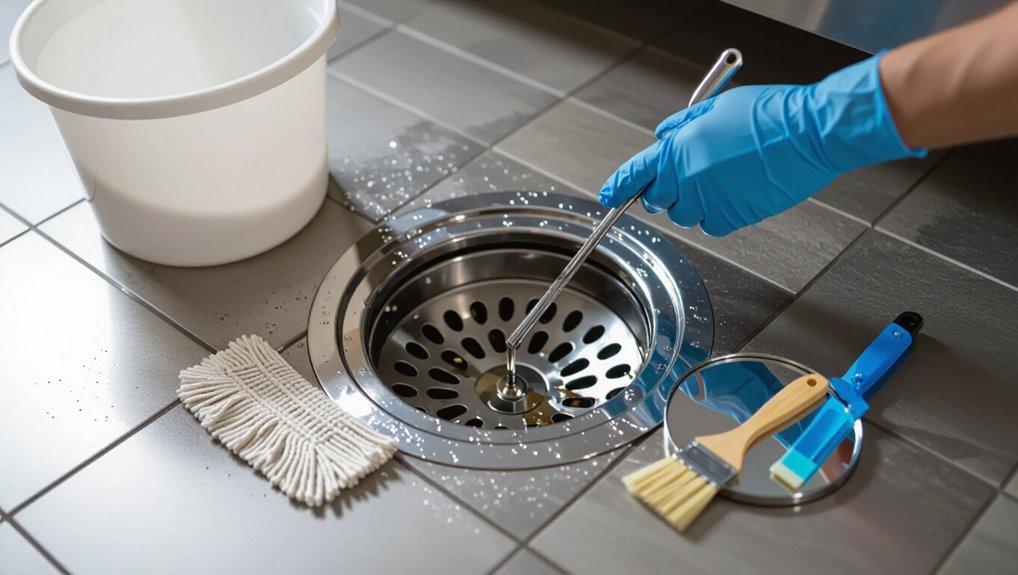
A quick assessment begins with a visual inspection of the grate and trap for grease, food debris, or foreign objects and noting any standing water or slow drainage.
Odors and the pattern of water flow help distinguish between a local block (gurgling, isolated backup) and a main sewer issue (multiple fixtures affected, strong sewage smell).
Before any work, personnel should confirm safety and sanitation protocols are in place, including PPE, slip controls, and containment to prevent cross‑contamination.
Visual inspection steps for kitchen floor drains
Begin by scanning the drain area for obvious signs: standing water, pooled grease, food debris, or displaced grates that indicate surface blockage or recent tampering.
Note grate condition, visible debris, and nearby equipment leaks. Photograph issues, record approximate depth of standing water, and check trap access covers.
These observations guide next steps and inform how to unclog a restaurant floor drain safely and efficiently.
Smell and water flow clues to identify blockage type
How quickly water drains and what odors emanate from a floor drain provide immediate, diagnostic clues: Slow drainage with gurgling suggests partial blockages in the trap or nearby pipe; standing water with sour, rotten smells indicates organic buildup or grease. Fast drainage but sewage odor points toward venting issues or deeper line problems. Neutral, quick flow implies minor, surface obstructions.
When a clog is localized vs. part of the main sewer line
Observations about flow speed and odor guide the next step: determining whether the problem is isolated to the fixture or indicative of a main sewer line issue.
Inspect adjacent drains, fixtures, and roof vents for similar symptoms. Localized clogs show limited backups and faster drainage elsewhere; mainline problems produce simultaneous backups, gurgling, and widespread slow drains, prompting broader diagnostics and possible sewer authority contact.
Safety and sanitation checks before work begins
Before any tools are introduced, verify that the area is safe and sanitary: check for standing water depth, note odors that could indicate sewer gas, guarantee electrical sources and equipment are de-energized or kept away from wet zones, and confirm adequate ventilation and lighting.
Inspect for biohazard residues, secure PPE (gloves, goggles, boots), isolate nearby food prep, post warning signs, and document conditions before work starts.
Immediate, Safe Actions to Restore Drain Flow Quickly
The crew should start with quick, safe steps that target visible blockages and restore flow without risking injury or contamination. This includes sweeping away surface debris, using a properly seated plunger on the drain, and removing obstructing material by hand with gloves and simple tools.
If the clog persists or water threatens nearby equipment, staff should shut down affected appliances and stop water sources before proceeding.
Short-term measures to clear surface debris
Begin by removing visible debris from the grate and immediate drain opening using gloved hands or a small brush; this quick action often restores flow without tools.
Next, flush the area with hot water to dislodge light grease and soap residue.
Use a stiff nylon brush to clean the visible pipe lip, and replace the grate when flow improves.
Monitor for recurrence.
Using a plunger effectively on floor drains
Place a cup-style or flange plunger over the floor drain, ensuring a tight seal around the grate; a good seal concentrates suction and pressure for effective clearing.
Push down firmly then pull up sharply in controlled cycles, maintaining the seal.
Repeat 15–20 times, checking flow periodically. If water level drops and drains freely, flush with hot water.
Stop if resistance persists.
Manual removal with gloves and hand tools
Wear sturdy gloves and remove the drain grate to access visible debris by hand or with simple tools; this allows immediate removal of hair, soap scum, and small objects that commonly cause clogs.
Use a hooked pick, plumber’s snake, or tongs to extract material, placing waste into a bucket.
Inspect the trap opening, flush with hot water, and reassemble the grate once flow is restored.
When to shut down nearby kitchen equipment or water
Shut off nearby water sources and nonessential kitchen equipment immediately when a floor drain backs up to prevent further flooding and reduce contamination risk.
Staff should stop dishwashers, mop sinks, and low-priority faucets; maintain essential cooking and refrigeration if safe.
Isolate steam lines and floor-mounted appliances if leakage threatens electrical or food safety.
Reopen sequentially after flow restoration and inspection.
Step-by-Step Mechanical Methods for Rapid Unclogging
Mechanical methods offer immediate, controlled ways to clear most floor drain blockages with the right tool and technique.
A concise checklist highlights key options and when to choose them:
- Drain snake/auger: procedure and practical tips.
- Power auger vs. hand snake: selection criteria.
- High-pressure water jetting: basics for stubborn clogs.
- Plumber’s closet auger: targeted use for hair and grease.
Proper technique and safety precautions determine success and prevent damage.
Using a drain snake or auger procedure and tips
Begin by feeding the snake or auger cable into the floor drain slowly, keeping a steady hand to feel for resistance.
When the cable meets an obstruction, rotate the handle clockwise to engage and break apart or hook the clog.
Then withdraw slowly while maintaining rotation to clear debris.
After clearing, run hot water and flush with a biological enzyme cleaner.
Sanitize tools and work area.
Power augers vs. hand snakes: which to use and when
When should a power auger be chosen over a hand snake depends on clog size, pipe access, and required speed; power augers suit deep, stubborn blockages in larger-diameter lines, while hand snakes are better for shallow, minor clogs and tight or delicate fixtures.
Consider safety, operator skill, and equipment availability: use hand snakes for quick, controlled clearing and augers when torque and reach are necessary.
High-pressure water jetting basics for tough blockages
For stubborn floor-drain blockages that resist snakes and augers, high-pressure water jetting uses a focused stream of water to cut through grease, roots, and compacted debris.
Operators select nozzle size and pressure based on pipe diameter and material, advance the hose carefully to avoid damage, and flush loosened material downstream.
Proper PPE, containment, and trained technicians minimize risk and guarantee effective clearing.
Using a plumber’s closet auger for hair and grease clogs
A plumber’s closet auger is a compact, manually operated tool specifically designed to clear hair and grease from shower and floor drain traps without dismantling piping.
The operator feeds the flexible cable into the drain, rotates the handle to break and hook debris, then retracts slowly.
Sanitizing and testing flow follow.
Use gloves, eye protection, and avoid excessive force to prevent trap damage.
Chemical and Enzymatic Options: Quick vs. Safe Choices
The article contrasts fast-acting chemical drain cleaners, which can clear clogs quickly but carry risks to pipes and user safety, with enzyme-based degreasers that work slower yet target organic buildup with fewer corrosive effects.
It outlines proper application, required contact times, and neutralization or flushing steps to minimize damage and exposure.
It also considers compatibility with commercial plumbing systems and applicable health or regulatory guidelines.
Fast-acting chemical drain cleaners effectiveness and risks
Effectiveness and speed often make caustic, fast-acting chemical drain cleaners an appealing first response to a clogged floor drain, but their rapid action carries significant risks: strong alkalis or acids can dissolve organic blockages quickly yet also damage pipes, seals, and finishes, pose severe burn and inhalation hazards, and interfere with septic systems or enzymatic alternatives.
Use protective gear, follow labels, and limit use to last resort.
Enzyme-based degreasers for kitchen drains pros and cons
When chosen for routine kitchen drain maintenance, enzyme-based degreasers work gradually by supplying microbes or enzymes that break down fats, oils, and organic residue into simpler compounds that flush away with water.
They are safer for pipes, staff, and the environment and reduce odor long-term.
Downsides include slower action, limited effectiveness on heavy chemical clogs, temperature sensitivity, and variable product quality.
Proper application, contact time, and neutralization steps
Apply chemicals and enzymes according to label instructions to guarantee proper dosage, contact time, and safe neutralization; deviations can reduce efficacy or create hazards.
Personnel should measure products, follow required dwell times, and avoid overapplication.
After treatment, perform recommended flushing or neutralization steps, dispose of residues per label, and document actions.
Use appropriate PPE throughout to protect staff and surfaces.
Compatibility with commercial plumbing and health regulations
Because commercial plumbing systems and public-health rules vary, selecting between fast-acting chemical drain openers and slower enzymatic treatments requires checking both material compatibility and regulatory constraints.
Facility managers should verify pipe, trap, and grease interceptor tolerances, consult local health codes, and document approved products.
Prioritize enzyme cleaners where regulations or corrosion risks limit chemicals; keep safety data sheets and disposal records on file.
Tools and Materials Every Kitchen Needs Onhand
A concise kit keeps kitchen floor drains manageable until a plumber arrives. Recommended items include:
- Basic hand tools (plunger, plumber’s snake, screwdrivers)
- Mechanical/powered equipment (wet/dry vacuum, auger)
- Safe cleaners (enzyme drain treatments, non-corrosive drain gel)
- PPE and sanitation (gloves, eye protection, disinfectant)
These selections prioritize fast response, effectiveness, and user safety.
Essential hand tools for immediate response
Several basic hand tools allow an immediate response to most kitchen floor drain clogs: a plunger for suction, a plumber’s snake for deeper blockages, adjustable pliers for trap removal, and a screwdriver for access panels and grate fasteners.
Additional essentials include disposable gloves, a bucket, replacement washers, and a wire brush to clear residue.
These items enable fast, safe, on‑site intervention without powered equipment.
Recommended mechanical and powered equipment
After basic hand tools handle most minor blockages, more robust mechanical and powered equipment lets a kitchen tackle stubborn or recurrent floor drain clogs swiftly and with less labor.
Recommended items include a compact electric drain auger, manual drum auger, wet/dry shop vacuum, drain camera for inspection, and portable hydro jet for severe buildup.
Proper training and PPE are essential.
Safe chemical and enzymatic products to stock
Safe, effective chemicals and enzymatic treatments form an essential complement to mechanical tools for maintaining clear floor drains in a commercial kitchen.
Stock biodegradable enzymatic drain cleaners for organic buildup, non-corrosive degreasers for grease, and mild acid descalers for mineral deposits.
Include odor-neutralizing microbial products and enzyme-based maintenance gels.
Store per label instructions and rotate stock before expiration.
Personal protective equipment and sanitation supplies
Personal protective equipment and sanitation supplies are essential for protecting staff and preventing cross-contamination when maintaining floor drains.
Gloves, splash goggles, waterproof aprons, and non-slip boots minimize exposure to chemicals and wastewater.
Disinfectants, sanitizing wipes, drain brushes, and disposable absorbent pads enable effective cleaning.
Clearly labeled containers, hand soap, and trash bags support hygiene and proper hazardous-waste disposal during and after maintenance.
Preventative Procedures to Reduce Future Clogs
Preventative procedures focus on routine actions that keep drains clear and reduce the need for emergency repairs.
These include daily cleaning of drain mouths and strainers, proper disposal practices for grease, food waste, and solids, and scheduled maintenance such as snaking, jetting, and inspections.
A concise staff training checklist guarantees personnel follow these practices and recognize common clog causes.
Daily cleaning routines for drain mouths and strainers
Wipe the drain mouth and strainer daily to remove hair, soap scum, and debris before they accumulate into a clog.
Use a microfiber cloth and a mild detergent, rinsing residue into a waste bin.
Inspect for trapped solids, lift and tap the strainer to dislodge particles, and flush the area with hot water.
Log maintenance times for accountability and consistency.
Best practices for grease, food waste, and solids disposal
Alongside daily wiping of drain mouths and strainers, proper handling of grease, food scraps, and solids is the next line of defense against blockages.
Staff should cool and collect grease in sealed containers for recycling, scrape plates into bins before washing, use drain screens, and discard solid waste appropriately.
Clear labeling, staff training, and consistent waste-log checks minimize accidental disposal and reduce clog frequency.
Scheduled maintenance: snaking, jetting, and inspections
Establishing a regular schedule for snaking, hydro-jetting, and visual inspections keeps drains functioning and catches developing problems before they become blockages.
Routine snaking clears accumulating debris; periodic hydro-jetting removes grease and biofilm buildup.
Scheduled visual and camera inspections identify pipe corrosion, root intrusion, or misalignments.
Documentation of service dates and findings guarantees timely follow-up and optimizes long-term drain performance.
Staff training checklist to avoid common clog causes
To prevent common floor-drain clogs, staff should be trained on specific behaviors, inspection routines, and reporting protocols that target the usual causes—hair, grease, solids, and careless disposal.
A concise checklist covers daily drain-top clearing, grease scraping and binning, hair containment, floor sweeping, proper waste segregation, chemical-use limits, inspection logging, immediate incident reporting, and refresher training schedules to enforce consistent compliance.
When to Call a Professional Plumber Immediately
If standing water, sewage backup, persistent bad odors, or failed DIY attempts occur, the situation likely exceeds on-site repair and warrants immediate professional attention.
The homeowner should expect an emergency response window, initial inspection timeline, and clear scope of work, while preparing questions about licensing, service agreements, and estimated costs.
Attention should also be paid to permit requirements, code-compliance for restorations, and how those factors affect pricing and timelines.
Signs the clog is beyond on-site repair
When should a homeowner stop DIY efforts and call a professional?
Persistent slow drainage after multiple attempts, recurrent backups from multiple fixtures, sewage odors or visible sewage, gurgling noises, and water rising when other appliances run indicate deeper or systemic issues.
Signs of structural pipe damage, collapsed lines, or repeated clogs despite cleaning mean on-site methods are insufficient and require licensed plumbing intervention.
Emergency plumbing response expectations and timelines
How urgently should a homeowner summon a professional plumber?
Immediate contact is required for overflowing sewage, persistent backups after basic measures, foul odors indicating sewer gas, visible pipe damage, or flooding risking safety or operations.
Expect prioritized emergency response within hours, onsite assessment, temporary containment and repair estimates.
Noncritical clogs may wait for scheduled service within 24–48 hours.
Questions to vet commercial plumbers and service agreements
After determining that a situation demands immediate professional intervention, homeowners should prepare a brief set of targeted questions to vet commercial plumbers and understand service agreements before personnel arrive.
Ask about licensure, insurance, emergency response time, scope of work, diagnostic fees, warranty terms, subcontracting, and temporary containment measures.
Request written estimates, payment terms, and a clear timeline for completion and follow-up.
Cost factors and permit/code considerations for restorations
Considerations of cost and local code requirements should shape the decision to call a professional plumber immediately.
Restoration scope, permit fees, inspection costs, and potential fines influence expense. Emergency rates and after-hours surcharges raise urgency.
Complex repairs affecting grease traps, waste mains, or sanitary connections often legally require licensed contractors and permits; noncompliance risks citations, closures, and higher long-term costs, justifying rapid professional engagement.
Troubleshooting Challenging Situations
When simple clearing methods fail, the article examines recurring clogs to identify systemic grease buildup or venting problems.
It also addresses blockages that slow multiple fixtures and those that produce foul odors or attract pests, outlining appropriate inspection and removal tactics.
Finally, guidance is given on post-repair testing, sanitation, and documentation to confirm resolution and prevent recurrence.
Recurring clogs: diagnosing systemic grease or vent issues
Recurring clogs often indicate a problem beyond surface debris and require systematic diagnosis to determine whether grease buildup or venting faults are the cause.
Inspect grease traps, lines and interceptors for accumulation and proper maintenance records.
Check roof vents for obstructions and test airflow with smoke or pressure gauges.
Distinguish grease-related slow drainage from venting by timing, odor, and backup patterns before corrective measures.
Blockages causing slow drains across multiple fixtures
If multiple fixtures slow or back up simultaneously, the issue likely lies downstream of individual traps—within a shared branch, the main sewer line, or the venting system feeding those drains.
Investigators should check cleanouts, inspect accessible branch lines for grease buildup or roots, test vent airflow, and confirm sewer line grade.
Professional camera inspection and hydro-jetting are appropriate when local clearing fails.
Handling clogs that produce foul odors or pests
Why does a clogged floor drain sometimes emit foul odors or attract pests?
Organic buildup and standing wastewater create anaerobic decomposition, releasing sulfurous and rancid gases that signal food sources to flies, cockroaches, and rodents.
Addressing such clogs requires removing organic matter, sanitizing affected areas, repairing trap seals, and eliminating access points to prevent recurrence and pest harborage without delaying professional intervention when infestations persist.
Steps after repair: testing, sanitation, and documentation
Begin by verifying the repair through systematic testing: run water at varying flow rates, observe drainage speed and trap retention, and inspect for leaks or seepage around joints and cleanouts.
Sanitize surrounding surfaces and the drain interior with food-safe disinfectant, flush with hot water, and deodorize if needed.
Record actions, materials, test results, and follow-up recommendations in maintenance logs for compliance and future reference.
Quick Sanitation and Compliance Steps After Unclogging
After clearing a floor drain, the work area should be cleaned and disinfected using approved chemicals and PPE to prevent contamination.
Removed grease and debris must be disposed of following local waste regulations, and records of the incident, disposal, and any corrective actions should be entered into maintenance logs for health inspections.
Staff should be notified of the event and any changes to standard operating procedures to prevent recurrence.
Cleaning and disinfecting the work area safely
Wear appropriate PPE—gloves, eye protection, and a mask—before handling contaminated tools or surfaces to prevent exposure to biological or chemical residues.
Clean with detergent and hot water, scrubbing surrounding flooring and drain lip. Rinse thoroughly, then apply an EPA-registered disinfectant at label contact time.
Allow surfaces to air-dry, document cleaning times and products used, and ventilate the area until odors dissipate.
Waste disposal rules for grease and removed debris
Dispose grease and solid debris according to local regulations: collect liquids in sealed, labeled containers and solids in leak‑proof bags before placing them in designated waste bins or taking them to an approved disposal facility.
Make certain staff use gloves and follow spill‑control procedures, prevent drain recontamination, segregate recyclables and hazardous wastes, and arrange timely removal by licensed haulers to maintain hygiene and regulatory compliance.
Recordkeeping for health inspections and maintenance logs
Proper documentation links waste-handling actions to facility compliance by creating a clear audit trail of who performed the work, what was removed, and how residues were handled.
Logs should record date, time, personnel, methods used, disposed materials, disposal location, and any corrective actions.
Maintain photographic evidence and receipts.
Retain records per local health-code timelines to support inspections and demonstrate routine maintenance.
Staff notification and updated SOPs after incidents
Notify affected staff immediately after a floor drain clog is cleared, specifying the time, location, personnel involved, and any potential exposure risks.
Management documents the incident, corrective actions, and sanitation measures.
Updated SOPs and training notes are distributed, highlighting prevention, PPE, and monitoring changes.
All staff must acknowledge receipt; records retained for compliance and reviewed after repeat incidents to refine procedures and responsibilities.
Comparison of Unclogging Methods by Speed, Cost, and Risk
When choosing a method to unclog a floor drain, weigh speed, cost, and risk together because a fast fix can be expensive or risky while a cheap option may be slow or ineffective. Methods vary: plungers and augers are moderate speed, low cost, moderate risk; chemicals act fast but pose corrosion and safety hazards; professional services are fastest and safest but costliest.
| Method | Speed | Risk/Cost |
|---|---|---|
| Plunger/Auger | Moderate | Low/Moderate |
| Chemicals | Fast | High (corrosion/safety) |
| Professional | Fastest | High cost/Low risk |
Conclusion
Like a kitchen guardian returning a river to its channel, swift, informed action restores flow and order. The drained basin symbolizes operational health: routine inspection, the right tools, and judicious methods clear blockages before they cascade into crises. When complicated obstructions or safety risks arise, calling a professional is the lighthouse steering teams away from costly mistakes. Vigilant maintenance and prompt responses keep the restaurant’s pulse steady and service uninterrupted.