
How to Stop Outside Drains Smelling: Simple DIY Fixes That Work
To eliminate unpleasant odors from outside drains, start by removing trapped organic matter and debris. Begin with hot water flushes, clearing grates and gullies, and using a baking soda and vinegar solution. For deeper clogs, a plumber’s snake can be effective. Check for damaged traps and replace cracked seals. Monthly application of enzyme cleaners can also help. Additionally, inspect vents, adjust landscaping to improve drainage, and install leaf guards to prevent future issues. If the smell persists, consider a professional inspection for underlying structural problems. Follow these step-by-step fixes for a fresher outdoor drainage system.
Why outside drains smell and why it matters
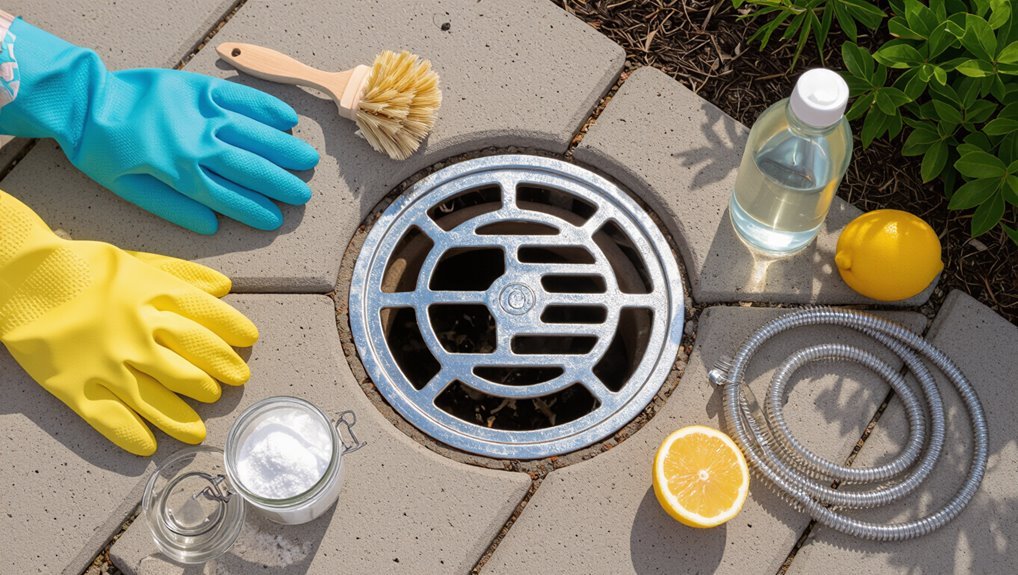
Outdoor drain odors commonly arise from trapped organic matter, blocked pipes, stagnant water in gullies, or broken seals that allow sewer gases to escape.
Persistent smells can indicate health and hygiene hazards—bacterial growth, insect attraction, and potential property damage from leaks or corrosion.
Determining whether the source is a drain or something else requires simple checks like sniffing along drain runs, inspecting nearby soil and waste bins, and temporarily sealing or testing drains to see if the smell stops.
Common causes of foul odours from outdoor drainage
Because drains connect to complex sewer and surface-water systems, foul odours often originate from a handful of identifiable causes: trapped organic matter and biofilm, sewer gas intrusion through damaged seals or dry traps, blocked or collapsed pipes that encourage anaerobic decomposition, and contamination from nearby composting or animal waste.
Identifying sources guides practical DIY steps on how to stop outside drains smelling quickly and effectively.
Health, hygiene, and property risks of persistent drain smells
When persistent foul smells emanate from outside drains, they signal more than a nuisance: they suggest potential health hazards, hygiene problems, and threats to property integrity.
Bacterial growth and methane or hydrogen sulfide exposure can aggravate respiratory issues and cause nausea.
Persistent odors indicate blockages, sewage leaks, or standing water that attract pests, promote mold, and accelerate pipe corrosion, risking structural damage and costly repairs.
How to diagnose whether the smell comes from a drain or another source
How can one tell if a foul odor in a yard originates from a drain or from another source?
Inspect wind direction, concentrate near grates, and note odor character (sewer, rot, chemical).
Perform a smoke or incense test to trace airflow into drains.
Check for pooling water, blocked vents, animal carcasses, compost, or petrol spills.
Record timing and persistence to pinpoint cause.
Quick fixes you can try right now (fast, no-tools solutions)
Quick, no-tools measures can often reduce or remove odors from outside drains before professional help is needed. Practical options include flushing with hot water, a simple baking soda and vinegar treatment, and cautious use of bleach only when appropriate.
The following list outlines clear steps and safety notes for each approach.
- Pour boiling or very hot water slowly into the drain and repeat to break down grease and organic build-up.
- Sprinkle 1/2 cup baking soda into the drain, follow with 1 cup vinegar, wait 15–30 minutes, then flush with hot water.
- If odors persist, repeat the baking soda + vinegar cycle once more before escalating.
- Use household bleach sparingly: dilute well, avoid mixing with other chemicals, and apply only where it won’t harm plants or pipes.
- If smells return quickly or worsen, stop home treatments and consult a plumber to check for deeper blockages or structural issues.
Hot water flushes and when they help
A simple hot water flush can often neutralize odors caused by light grease, soap scum, or organic deposits lining an outside drain.
Pouring steadily hot (but not boiling) water down the drain helps dissolve and carry away these buildup sources, restoring normal flow and scent in minutes.
It works best for shallow, recent deposits; repeat once or twice.
Avoid if pipes are PVC near heat-sensitive joints.
Baking soda + vinegar method step-by-step
If hot water flushes fail to lift persistent odors, the baking soda and vinegar routine offers a fast, no-tools alternative that targets organic buildup and mild blockages.
Pour half a cup of baking soda into the drain, follow with one cup of white vinegar, cover for 10–15 minutes to let fizzing loosen residue, then flush with hot water.
Repeat weekly as needed.
Bleach precautions and limited-use guidance
Bleach can be an effective short-term solution for disinfecting smelly outside drains but requires strict precautions and very limited use.
It should be diluted, applied sparingly, and flushed thoroughly with plenty of water. Avoid mixing with acids or ammonia, wear gloves and eye protection, and keep pets and children away.
Use only occasionally to prevent pipe corrosion and environmental harm.
Simple DIY repairs for persistent smells (tools required)
For more persistent odours, simple DIY repairs using basic tools can address the most common causes.
Tasks include clearing gully traps and grates, removing and cleaning drain covers and strainers, and using a plumber’s snake to extract trapped organic matter.
If seals or gaskets are cracked or missing, replacing them restores watertight connections and prevents future smells.
Cleaning and clearing debris from gully traps and grates
Begin by removing visible debris from gully traps and grates to restore proper water flow and eliminate common odor sources.
Use gloves, a scoop or trowel, and a stiff brush to dislodge leaves, sediment and sludge.
Flush with a hose to confirm clearance.
Inspect for blockages deeper in the trap; if persistent, use a plumber’s probe or call a professional.
Removing and cleaning drain covers and strainers
After clearing surface debris from gully traps and grates, attention should shift to the removable covers and strainers that sit atop outdoor drains.
Using gloves and a screwdriver or wrench, lift covers, inspect for buildup, and scrape away grime.
Soak metal strainers in vinegar or diluted bleach, rinse thoroughly, dry, then reassemble securely.
Regular inspection prevents odor recurrence.
Using a plumber’s snake to unblock trapped organic matter
A plumber’s snake can reach and dislodge organic matter lodged deep within outdoor drain lines, restoring flow and eliminating stale odors.
Insert the flexible auger into the drain, advance while turning to break clogs, then retract slowly, removing debris with gloves and a bucket.
Flush the line with water to clear residues.
Repeat if necessary; inspect for recurring buildup requiring professional help.
Replacing damaged or missing drain seals and gaskets
Check the drain outlets and access points for cracked, warped, or missing seals and gaskets, since these small components often allow sewer gases to escape and produce persistent odors.
Replace with matching rubber or neoprene parts, cleaning mating surfaces first. Use basic tools—screwdriver, pliers, utility knife—and silicone lubricant or sealant if specified.
Test after reassembly and retighten as needed to guarantee an odor-tight fit.
Deep cleaning methods for stubborn odours
The section outlines targeted deep-cleaning options for persistent outdoor drain odours.
It compares enzyme and bacterial cleaners—how they break down organic matter and safe application practices—alongside high-pressure water jetting, noting the limits of DIY kits versus professional equipment.
It also covers steam cleaning and the situations where heat treatment is appropriate.
Enzyme and bacterial drain cleaners how they work and how to use them safely
Several specialized enzyme and bacterial drain cleaners use biological agents to break down organic matter that causes persistent outdoor drain odors.
Users should follow label instructions, apply at recommended temperatures and dwell times, and avoid mixing with chemical cleaners.
Repeat treatments may be needed.
Choose products certified for outdoor use, store safely, and wear basic PPE (gloves, eye protection) to minimize exposure and environmental impact.
High-pressure water jetting for outdoor drains (DIY vs pro)
After enzyme and bacterial treatments loosen organic buildup, high-pressure water jetting can remove remaining debris and biofilm that sustain stubborn outdoor drain odours.
DIY units suit light blockages and routine flushing; operators should use proper nozzles and eye protection.
Professional jetting handles severe fouling, deeper lines and high-pressure equipment safely, reducing damage risk and ensuring compliant waste disposal and thorough odor removal.
Steam cleaning and when it’s appropriate
Steam cleaning uses high-temperature steam to dissolve grease, lift biofilm and sanitize drain surfaces without harsh chemicals, making it effective for deeply embedded organic matter and bacterial colonies that resist enzymatic or mechanical treatments.
It suits persistent odours after repeated DIY efforts, hard-to-reach pipe sections and porous surfaces.
Professional equipment guarantees sufficient temperature and pressure; homeowners should consider pros for safety and thoroughness.
Preventative measures to stop smells returning
Preventing smells from returning requires regular attention and targeted changes to the surrounding area.
A concise outdoor drain maintenance checklist, adjustments to landscaping and runoff to limit organic debris, and the installation of leaf guards, grit traps or interceptor baskets can markedly reduce odour recurrence.
The following section outlines practical steps and schedules to keep drains clear and functioning.
Routine outdoor drain maintenance checklist
A simple, regular maintenance checklist helps keep outdoor drains clear and odor-free by addressing common causes before they escalate.
Inspect covers, remove debris, flush with water, treat with enzyme cleaner, and note odors or blockages for prompt action.
- Check and clean grates monthly
- Remove leaves and sediment
- Flush with hot water weekly
- Apply enzyme treatment monthly
- Record and address recurring smells
Landscaping and runoff changes to reduce organic debris entry
Regrade gutters, redirect downspouts, and adjust planting beds so runoff and yard debris are kept away from drain inlets; thoughtful landscaping changes limit leaves, soil, and mulch washing into outdoor drains and thereby cut the organic load that causes persistent odors.
Add gravel or permeable paving near inlets, create swales or rain gardens to absorb flow, and trim overhanging plants to reduce entrained debris.
Installing leaf guards, grit traps and interceptor baskets
Install durable leaf guards, grit traps, and interceptor baskets at drain inlets to capture organic debris and coarse sediment before they enter the drainage system.
Regularly inspect and clear these devices to prevent buildup and odour sources. Choose corrosion-resistant materials sized for flow rates, and secure fittings to deter displacement.
Properly maintained, they reduce blockages, limit organic decay, and extend intervals between deep cleans.
When the problem is structural or plumbing-related
When persistent odours remain despite surface cleaning, the cause may be structural—broken pipes, collapsed drains or ground infiltration.
Visible signs such as recurrent wet patches, gurgling, slow drainage or sewage smells near inspection chambers indicate a need for professional inspection or a CCTV survey.
Typical fixes range from local pipe repairs and joint resealing to drain lining or replacement, with costs varying by severity and access.
Identifying broken pipes, collapsed drains, and infiltration
Several clear signs can indicate that odors originate from structural plumbing failures rather than surface blockages.
Persistent foul smells despite cleaning, localized sinkholes or subsidence, unusually wet patches in the yard, sewage bubbling in drains after rainfall, and gurgling noises from pipe runs point to broken pipes, collapsed sections, or groundwater/sewage infiltration.
These warrant targeted structural assessment and repair.
Signs you need a professional inspection or CCTV survey
Signs that a structural or plumbing fault requires professional attention include persistent or worsening symptoms despite routine cleaning and DIY fixes.
Additional indicators are recurrent foul odours, slow or gurgling drainage, sewage backups, unexplained sinkhole formation, soggy ground near runs, cracks in external pipework, or multiple affected outlets.
These warrant a qualified inspection and CCTV survey to locate defects and assess repair needs.
Typical professional repairs and expected costs
Typical professional interventions for structural or plumbing-related outdoor drain smells range from targeted repairs—such as patching cracked pipes, relining drains with cured-in-place pipe (CIPP), or replacing collapsed sections—to broader works like regrading runways, replacing manholes, or installing new ventilated inspection chambers. Costs vary by scope, typically £150–£5,000+. Below is a concise cost guide:
| Repair | Typical cost | Notes |
|---|---|---|
| Patch | £150–£600 | Localized fix |
| Relining | £500–£2,000 | Minimal excavation |
| Replace | £1,000–£5,000+ | Extensive work |
Safer product choices and environmental considerations
Consideration of product choice can reduce harm to pipes, local sewers, and wildlife by preferring enzyme- or bacterial-based cleaners and avoiding strong caustics except when professionally required.
Users should be warned that harsh chemicals can corrode infrastructure and pass through wastewater systems, affecting downstream ecosystems.
Guidance will cover safer alternatives, proper use, and appropriate disposal to minimize environmental impact.
Eco-friendly drain cleaners and when to avoid caustics
When choosing products to clear or deodorize drains, homeowners should prioritize formulations that minimize harm to plumbing, septic systems, and local waterways.
Enzyme- and bacteria-based cleaners break down organic build-up without the corrosive effects of caustics, while plant-derived surfactants and biodegradable solvents offer safer grease-cutting performance.
Avoid strong alkalis and acids on older pipes, rubber seals, or near sensitive landscaping; test small amounts first.
Disposal and downstream impacts of chemicals on sewers and wildlife
Discarded drain chemicals travel beyond the yard, entering municipal sewers, septic systems, and ultimately streams or wetlands where they can harm microbial communities, fish, and amphibians.
Proper disposal, minimal use, and preference for biodegradable, enzyme- or bacterial-based cleaners reduce impacts.
Avoid pouring concentrated caustics or solvents outdoors; collect and take them to hazardous waste facilities.
Regular mechanical cleaning prevents reliance on harsh chemicals.
Troubleshooting guide: match symptoms to likely causes
A concise troubleshooting approach helps identify whether outside drain smells originate from weather, a single drain, or plumbing faults. Observing when the odour appears and whether drains are slow narrows the likely causes and guides corrective steps.
The following quick comparisons help match observed symptoms to probable problems.
- Smell only after rain — possible surface runoff pooling or overflowed gully traps
- Smell during dry weather — potential trapped organic matter or broken seals
- Localised smell by one drain — likely a blocked trap, damaged pipe, or dry trap at that location
- Pervasive smell across the yard — consider sewer gas escape, widespread contamination, or dried-out multiple traps
- Odour plus slow drainage — suggests partial blockage or biofilm buildup restricting flow
Smell after rain vs smell during dry weather
If odors appear only after rainfall versus persisting through dry spells, the underlying causes typically differ and guide targeted fixes.
Odour after rain often signals surface runoff carrying organic debris into drains, blocked gutters or trapped leaves; flushing and clearing surface channels, leaf guards and gutter cleaning help.
Persistent dry-weather smells suggest dry traps, sewer gas leaks or biofilm buildup requiring trap rewetting, seals inspection and deep cleaning.
Localised smell by one drain vs pervasive smell across yard
When odours are confined to a single drain versus spread across the yard, the likely causes and remediation steps differ markedly.
A localised smell usually indicates trapped debris, a damaged trap seal, or a blocked pipe section; cleaning, flushing, and trap repair focus remediation.
Widespread odour suggests sewer line leaks, saturated soil, or multiple failing traps; inspect main drains, venting, and surrounding drainage, then repair or consult professionals.
Odour plus slow drainage vs odour without blockage
Different symptom combinations point to distinct failure modes:
Odour paired with slow drainage commonly signals a partial blockage or restricted venting that traps gases behind standing water, while odour without any flow impairment often indicates a dry or broken trap seal, lateral sewer leaks, or soil-sourced gases entering through cracks.
Inspect for debris and venting issues when slow; test traps, seals and nearby soil when not.
Tools and materials checklist for DIY drain odour fixes
A concise checklist helps guarantee the right tools and materials are on hand before attempting any outdoor drain odour repair.
The list covers basic hand tools and personal protective equipment, plus recommended cleaners and sealants suited to common causes of smells. Proper selection reduces time, risk, and the chance of repeat problems.
- Heavy-duty gloves and safety goggles
- Adjustable wrench, pliers, and a drain snake
- Stiff-bristle brush and a hand shovel or trowel
- Enzymatic drain cleaner and a bleach solution (use separately)
- Waterproof sealant and pipe-friendly silicone caulk
Essential hand tools and safety equipment
Several basic hand tools and a few pieces of personal protective equipment make most DIY drain odour jobs safe and effective.
Recommended items include adjustable wrench, pliers, drain brush, plumber’s snake, flathead screwdriver and bucket.
Safety gear: gloves, eye protection, dust mask and waterproof boots.
A flashlight and spare rags aid inspection and cleanup.
Tools should be clean, rust-free and used per instructions.
Recommended cleaning products and sealants
With the basic tools and protective gear assembled, attention turns to the cleaning products and sealants that actually neutralise odours and prevent recurrences.
Recommended cleaners: enzyme-based drain treatments, biodegradable degreasers, and diluted bleach for stubborn biofilm.
For sealing: silicone or polyurethane sealant for joints and removable drain covers with rubber gaskets.
Use product labels and local regulations for safe disposal.
Estimated timeframes and maintenance frequency
A recommended routine is to inspect outdoor drains at least quarterly and clear debris after heavy use or visible blockages.
Seasonal tasks include spring clearing of winter debris and autumn leaf management, with more frequent checks during wet months.
Before storms, a brief inspection and removal of surface obstructions can prevent backups and odours.
How often to inspect and clean outdoor drains
Although frequency depends on local conditions and drain type, a practical baseline is to inspect residential outdoor drains seasonally and perform light cleaning every three months.
High-use areas, nearby trees, or heavy rainfall warrant monthly checks and debris removal.
Deep cleaning, flushing with water and mild detergent, or professional servicing should occur annually or sooner if odors, slow drainage, or blockages appear.
Seasonal tasks and storm-prep actions
When seasons shift and storms approach, homeowners should follow a concise schedule of seasonal tasks and storm-prep actions to minimize odors and prevent clogs:
Clear leaves and debris each autumn.
Flush drains with hot water monthly in winter.
Inspect grates and traps before spring rains.
Tighten joints and replace damaged seals in summer.
Pre-storm flush and debris checks 24–48 hours ahead.
Summary action plan: step-by-step decision flow for fixing a smelly outside drain
Begin by evaluating the odor’s pattern and source: note when the smell is strongest, check nearby fixtures and grates for visible blockages, and confirm whether the problem is limited to one drain or affects multiple areas.
Then follow a concise decision flow to diagnose, clean, treat, test, and schedule maintenance.
- Inspect and document timing
- Clear visible debris
- Flush and deodorize
- Apply enzyme treatment
- Reassess and plan maintenance
Conclusion
Like a gardener tending a forgotten corner, the homeowner returns to the outside drain with practical patience, knowing smells are signals, not mysteries. Simple rinses and enzyme treatments are the watering can; small repairs the pruning shears; deep cleans the soil turned. With routine checks as seasons change, the nuisance fades into background hum—a once-offensive breath now kept, like a well-tended path, quietly open for whatever weather comes next.