How Does Drain Jetting Work? A Simple, Step-by-Step Guide to High-Pressure Drain Cleaning
High-pressure drain jetting is an effective method for clearing blocked pipes using a specialized hose and nozzle to blast water at high pressure. This technique breaks down and flushes away grease, scale, roots, and debris. A technician first diagnoses the blockage, adjusts the pressure and flow, and then inserts the hose into the pipe until resistance is felt. They then employ specific jetting patterns to effectively clear the clog. Depending on the job size, either portable or truck-mounted units are used. Safety measures, pipe condition assessments, and follow-up inspections are standard practices in this process, ensuring thorough and effective drain cleaning.
What Drain Jetting Is and Why It’s Used
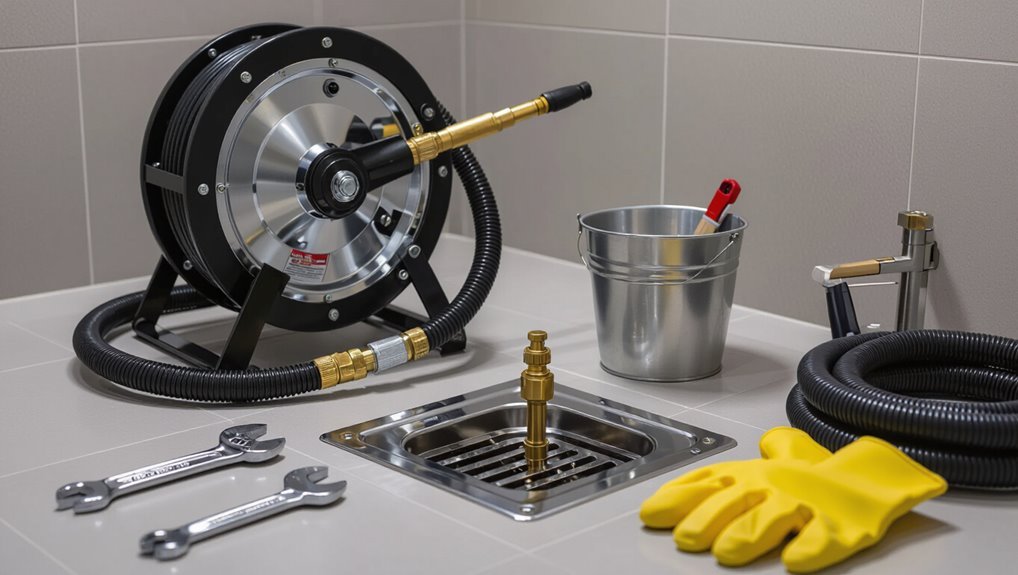
Drain jetting, or high-pressure water jetting, uses concentrated streams of water to clear blockages and clean pipe interiors.
It is typically employed for stubborn clogs, grease and scale buildup, tree root intrusion, and routine preventative maintenance.
Compared with snaking, chemical cleaners, or excavation, it cuts and flushes debris without chemicals, reaches farther than mechanical augers, and often avoids costly pipe replacement.
Definition of drain jetting (high-pressure water jetting)
High-pressure water jetting, often called drain jetting, is a mechanical cleaning method that uses a powerful stream of water to remove blockages, grease, scale, and buildup from pipes and sewer lines.
It employs pressurized hoses and specialized nozzles to cut and flush debris.
Descriptions address principles, equipment, pressure settings, and safety to explain how does drain jetting work efficiently and safely.
Typical situations that require drain jetting
After explaining the mechanics and equipment of high-pressure water jetting, attention shifts to the situations where it is most effective.
Typical uses include stubborn grease and fat buildup, mineral scale, tree root intrusion, consolidated debris blocking laterals, and sediment accumulation in commercial drains.
It also addresses recurring blockages in aging pipes and prepares lines for inspection or repair by thoroughly cleaning interior surfaces.
Benefits compared with snaking, chemical cleaners, and excavation
Offers a more thorough, noninvasive option, jetting clears lines in ways snaking, chemicals, and excavation cannot match.
It removes grease, roots, and mineral buildup rather than just punching holes like a snake. Unlike caustic cleaners, jetting is eco-friendlier and avoids pipe damage.
Versus excavation, it restores full flow without digging, reducing cost, disruption, and long-term maintenance needs.
How High-Pressure Drain Cleaning Works Step by Step
The process begins with a careful assessment to diagnose the type and location of the blockage.
Technicians then prepare the site, follow safety precautions, and set up the jetting equipment—selecting appropriate machines, nozzles, hoses, and pumps.
Finally, the hose is inserted to locate the obstruction and the jetter is operated at specified pressure and flow settings, using controlled motion patterns to remove the blockage.
Assessment and diagnosis of the blockage
A trained technician begins the assessment and diagnosis of a blockage by gathering information on symptoms, pipe layout, and recent events that might have caused or exacerbated the clog.
They inspect accessible fixtures, test flow, and listen for air or gurgling.
Camera inspection and manual probing determine blockage type, location, and severity, guiding selection of pressure, nozzle, and technique for effective jetting.
Preparing the site and safety precautions
Preparation begins with securing the work area and establishing clear safety protocols before any equipment is energized.
Personnel don PPE—gloves, eye and ear protection, waterproof clothing—and isolate utilities.
Erect barriers and signage to keep bystanders away.
Verify ventilation for confined spaces and prepare spill containment.
Confirm communication plans and emergency shutdown procedures.
Inspect access points for safe entry and exit.
Equipment setup: machines, nozzles, hoses, and pumps
With the site secured and personnel briefed, attention shifts to assembling and positioning the drain-jetting equipment for operation.
Operators verify machine integrity, select nozzle type and pressure rating, and route reinforced hoses with secure couplings.
Pumps are primed, pressure gauges calibrated, and safety relief valves checked.
Cable management prevents kinks; containment for wastewater is arranged before initiating flow.
Insertion technique and locating the blockage
Operators guide the hose and selected nozzle into the drain, advancing slowly while monitoring pressure and hose feed to detect resistance changes.
When resistance increases, they pause and adjust angle or retract slightly to confirm obstruction location.
Visual inspection, camera insertion, and listening for flow alteration help triangulate the clog.
Once pinpointed, they secure hose position and prepare for targeted cleaning.
Jetting process: pressure ranges, flow rates, and motion patterns
Jetting begins by selecting pressure and flow settings tailored to the pipe material, diameter, and nature of the blockage: typical residential jobs use 1,500–3,000 psi at 4–12 gallons per minute (GPM), while commercial or industrial clogging can require 3,000–4,000+ psi and higher flow rates.
The operator employs pulsed or continuous jets, advancing and retracting hose strategically to erode deposits, dislodge roots, and emulsify grease.
Clearing the line and confirming flow restoration
After the high-pressure hose has traversed the blockage zone, the technician systematically advances and retracts the nozzle while monitoring discharge to break up remaining debris and flush it downstream.
Flow restoration is confirmed by observing steady, unrestricted outflow and by checking upstream fixtures for improved drainage.
Any residual resistance prompts targeted re-jetting passes until normal velocity and clear discharge indicate the line is clear.
Post-jetting cleanup and inspection
With flow confirmed and any stubborn blockages removed, attention turns to post-jetting cleanup and inspection to guarantee system integrity and site safety.
Technicians flush residual debris, retrieve tools and cameras, and dry access points.
Video inspection verifies pipe condition, seals, and joint integrity.
They document findings, recommend repairs if needed, and leave the site secure and free of contaminants.
Types of Nozzles, Machines, and Accessories
The section outlines common nozzle types—such as zero-degree, rotating, and penetrating tips—and their specific functions for cutting, scouring, and flushing blockages.
It compares portable jetting units with truck-mounted systems, noting capacity, pressure differences, and typical use cases.
It also reviews essential accessories like hoses, reels, pressure gauges, and required safety gear.
Common nozzle types and their functions
Nozzles are the critical interface between a drain jetter’s power and the pipe being cleaned, directing water flow into focused patterns that determine cutting ability, flushing efficiency, and abrasion control.
Common nozzle types and functions briefly described:
- Rotating nozzles: high-impact cutting for root and scale removal.
- Forward-flushing nozzles: penetrate blockages, advance hose.
- Fan/flush nozzles: gentle basin cleaning and debris rinse.
Portable vs. truck-mounted jetting units and when to use each
Choosing between portable and truck-mounted jetting units depends on job scale, access constraints, and required water pressure and flow. Portable units suit tight spaces, lighter clogs, and quick service; truck-mounted units deliver higher flow for long runs and heavy buildup. Operators choose based on site access, distance to dump, and required horsepower.
| Portable | Truck-mounted |
|---|---|
| Compact | High capacity |
| Easy access | Long reach |
| Lower flow | Greater power |
Hoses, reels, pressure gauges, and safety gear
Hoses, reels, pressure gauges, and safety gear form the operational backbone of any jetting setup, linking machine power to effective, controlled cleaning.
Durable, kink-resistant hoses and managed reels guarantee reach and prevent abrasion. Accurate pressure gauges monitor safe operating limits. Appropriate nozzles match tasks.
Personal protective equipment—gloves, face shields, splash suits—and machine guards minimize risk during high-pressure operations.
When Drain Jetting Is Appropriate and When It’s Not
Drain jetting is most suitable for durable materials such as cast iron, PVC, and other intact pipelines that can withstand high-pressure water.
It should be avoided on fragile, corroded, cracked, or partially collapsed pipes where the pressure may cause further damage.
For those vulnerable systems, lower-pressure mechanical cleaning, chemical treatments, or CCTV inspection followed by targeted repairs are safer alternatives.
Pipe materials and conditions suitable for jetting
Pipe composition and existing damage largely determine whether jetting is an appropriate cleaning method.
Suitable pipes include modern PVC, vitrified clay in good condition, copper, and sturdy cast iron with intact joints.
Fragile, corroded, or cracked lines, aging clay with loose bedding, and recently repaired sections may be unsuitable.
Assessment by inspection cameras guarantees safe selection before jetting.
Situations where jetting risks pipe damage
Although high-pressure jetting is highly effective for many blockages, it carries a real risk of worsening existing structural problems or dislodging vulnerable materials.
Therefore, professionals must weigh benefits against potential harm. Jetting is risky when pipes show fractures, extensive corrosion, loose joints, offset connections, or degraded clay, cast iron, or older vitrified clay.
Prior inspection and conservative judgment prevent catastrophic failures.
Alternatives for fragile or collapsed pipes
Given the risks posed by fractures, severe corrosion, loose joints, and degraded materials, technicians often seek gentler methods when lines are fragile or partially collapsed.
Alternatives include camera inspection, careful manual snaking, pneumatic or low-pressure hydro-jetting, localized excavation, and pipe lining or replacement.
Selection depends on access, pipe material, collapse extent, budget, and long-term repair goals to avoid worsening damage.
Risks, Safety Considerations, and Regulations
Drain jetting carries distinct hazards, including injury from high-pressure water and aerosolized contaminants, so operators must use appropriate personal protective equipment and training.
Careful techniques are required to prevent damage to fixtures, pipe joints, and surrounding property.
Compliance with professional certifications, plumbing codes, and local environmental rules for wastewater disposal is essential.
Health and injury risks from high-pressure water
When exposed to concentrated jets of high-pressure water, workers and bystanders face significant risks ranging from deep tissue lacerations and eye injuries to air embolism and secondary infections; proper training, protective equipment, and strict adherence to safety protocols are therefore essential to mitigate these hazards.
Other dangers include shock from equipment recoil, hearing damage from noise, slips from wet surfaces, and contamination from sewage pathogens.
Protecting property and existing plumbing
Protect contractors and homeowners by evaluating vulnerability of pipes, fixtures, and surrounding materials before jetting begins: older or corroded pipes, brittle plastic fittings, lead solder, exposed joints, and nearby landscaping or finished surfaces can all be damaged by high-pressure water or by dislodged debris.
Use pressure settings suited to pipe condition, employ isolating plugs and splash shields, document pre-existing damage, and secure adjacent areas to prevent secondary harm.
Professional certifications, codes, and environmental disposal rules
Although high-pressure jetting offers efficient clearing of blockages, adherence to professional certifications, local plumbing codes, and environmental disposal rules is essential to minimize legal and safety risks.
Practitioners must maintain licenses, follow manufacturer and municipal specifications, document procedures, and use approved containment for wastewater and debris.
Improper disposal or uncertified operators can incur fines, liability, and environmental harm; compliance reduces these risks.
Troubleshooting Common Problems During Jetting
When problems arise during jetting, operators must quickly assess causes such as a nozzle stuck or unable to advance.
They should also investigate persistent or recurring blockages that suggest incomplete clearing or upstream issues.
Additionally, inspection for hidden damage caused by jetting—such as cracks or loosened joints—helps determine if repairs or a different technique are required.
Nozzle stuck or unable to advance
A jetting nozzle that becomes stuck or fails to advance halts cleaning and can indicate obstructions, collapsed lines, or inadequate pressure.
The operator should stop, relieve pressure, and inspect cable and hose for kinks or damage. Use a shorter nozzle or reduce pressure to withdraw safely.
If resistance persists, CCTV inspection and professional assessment are required before applying more force.
Persistent or recurring blockages after jetting
Persistent or recurring blockages after jetting signal that initial cleaning did not fully address the underlying cause and require methodical follow-up.
Technicians should inspect pipe routes with a camera, check for partial buildup, scale, tree roots, or misaligned joints, and schedule targeted re-jetting or mechanical cutting.
Document findings, adjust pressure/nozzle selection, and recommend preventive maintenance to prevent recurrence.
Identifying hidden damage caused by jetting
Technicians’ careful post-jetting inspections are essential for spotting hidden damage that high-pressure water can cause to pipes and fittings.
They use CCTV surveys, pressure tests, and tactile checks to detect hairline cracks, displaced joints, eroded seals, and weakened pipe walls.
Prompt identification prevents leaks, collapses, and contamination. Documented findings guide repairs, material replacement, and adjusted jetting pressures to avoid recurrence.
Costs, Timeframes, and What to Expect from Professionals
Cost considerations for drain jetting typically reflect factors such as clog severity, pipe access, equipment needed, and whether the job is residential or commercial, with prices varying accordingly.
Common timeframes range from under an hour for simple home clearances to several hours for commercial or complex jobs.
Homeowners and facility managers are advised to ask contractors about licensing, insurance, method details, guarantees, and itemized pricing before hiring.
Typical cost factors and price ranges
Expense expectations for drain jetting hinge on several concrete factors: the severity and location of the clog, pipe material and diameter, accessibility, presence of damage or roots, required equipment (from handheld jetters to commercial rigs), and whether additional services—camera inspection, repairs, or permits—are needed.
Typical residential jobs range $150–$600; commercial or complex jobs can run $500–$2,500, with hourly rates or flat fees depending on scope.
Time required for common jobs (residential vs. commercial)
After outlining how factors like clog severity, pipe type, and required equipment influence price, attention turns to how those same variables shape the time required for jetting jobs.
Residential blockages often take one to three hours including setup, inspection, and cleanup.
Commercial systems, larger and more complex, commonly require half a day to multiple days with coordination, permits, and extended access or remediation.
Questions to ask a contractor before hiring
Why ask specific questions up front? Homeowners should confirm contractor licensing, insurance, and references.
Ask for an itemized estimate covering labor, equipment, disposal, and potential extra charges.
Clarify expected timeframe, start-to-finish steps, guarantees, and cleanup responsibilities.
Request explanation of risks, pipe inspection results, and preventive recommendations.
Verify emergency availability and warranty terms before hiring.
Maintenance and Prevention After Jetting
Following jetting, professionals typically recommend scheduled follow-up inspections and occasional camera surveys to confirm lines remain clear and to spot emerging issues.
A routine maintenance plan—combining periodic professional services with simple DIY habits like strainer use, mindful waste disposal, and occasional enzymatic treatments—helps extend the effectiveness of jetting.
Choosing appropriate cleaning products and adopting preventive habits considerably reduces the likelihood of clog recurrence.
Recommended follow-up inspections and camera surveys
When should a technician return to verify drain integrity and spot developing issues?
A follow-up inspection is recommended within two to four weeks after jetting, with subsequent camera surveys at three- and twelve-month intervals for high-risk systems.
Inspections confirm clearance, detect damaged pipes, early root intrusion, or recurring buildup, and document condition for maintenance planning and warranty purposes.
Routine maintenance schedules and DIY prevention tips
After confirming post-jetting integrity through initial inspections and scheduled camera surveys, a clear routine maintenance schedule helps sustain flow and prevent recurrence.
Technicians recommend periodic checks, simple homeowner actions, and documentation to track performance.
- Monthly visual checks of drains and exposed pipes
- Quarterly flushing with hot water and mechanical clearing of strainers
- Annual professional inspection and camera survey for early detection
Products and habits that reduce clog recurrence
Adopt a combination of targeted products and simple habits to keep pipes clear and extend the benefits of drain jetting.
Use enzyme-based cleaners monthly, hair and grease traps, and biodegradable degreasers for kitchens.
Avoid pouring fats, coffee grounds, and harsh chemicals.
Regularly flush drains with hot water and vinegar.
Inspect seals and screens, and schedule professional checks to prevent recurring blockages.
Case Examples and Before/After Scenarios
Several brief case examples illustrate drain jetting’s range: a residential kitchen sink clog cleared by high-pressure jetting restored flow and eliminated lingering odors.
In a commercial setting, persistent grease buildup was managed through jetting combined with a scheduled maintenance program to prevent repeat blockages.
In some instances, jetting exposed structural pipe damage that prompted timely replacement rather than repeated cleaning.
Residential kitchen sink clog resolved by jetting
Homeowners often call for professional jetting when a kitchen sink shows persistent slow drainage, gurgling, or recurring backups that simple plunging and enzyme treatments cannot fix.
Technicians used a high-pressure hose to clear compacted food, grease film, and soap residue from the trap to the main branch. Flow restored immediately; odors vanished.
Minimal invasive access and a brief follow-up inspection guaranteed sustained performance.
Commercial grease buildup and maintenance program
Moving from a residential sink example, the focus shifts to commercial kitchens where grease buildup occurs on a much larger scale and with different operational consequences.
Case examples show regular high-pressure jetting removing thick congealed grease, restoring flow and reducing odors.
A scheduled maintenance program—inspections, periodic jetting, and grease trap servicing—prevents costly shutdowns, guarantees compliance, and extends plumbing lifespan.
When jetting revealed underlying pipe replacement needs
Inspection and jetting sometimes expose problems beyond blockages: high-pressure cleaning can dislodge scale, reveal cracks, or uncover badly deteriorated joints that indicate sections of pipe must be replaced rather than repeatedly cleared.
Technicians documented cases where jetting transformed surface condition, prompting targeted replacement of corroded runs. Before/after photos showed restored flow after swapping compromised segments, preventing recurrent failures and costly emergency repairs.
Quick Reference: Choosing the Right Service and Preparing for a Visit
A concise checklist helps homeowners choose a reputable drain jetting service and get the property ready for the visit.
Key items to reflect on include certifications, access prep, and warranty details, summarized here:
- Checklist to evaluate claims and certifications
- How to prepare access points and protect your home
- Red flags and warranty/guarantee questions
Checklist to evaluate claims and certifications
When evaluating claims and certifications, homeowners should verify credentials, ask for documentation, and confirm that stated qualifications match recognized industry standards.
Check license numbers with local authorities, inspect certification bodies for legitimacy, request proof of insurance and bonding, compare claimed experience to references, and ascertain equipment certifications (pressure ratings, safety checks) are current.
Note any vague or unverifiable statements and seek alternatives.
How to prepare access points and protect your home
Several simple steps make access preparation efficient and minimize risk: homeowners should clear pathways and work areas, provide unobstructed access to external and internal cleanouts, and protect floors and landscaping with drop cloths or plywood where technicians will need to operate.
Remove fragile items, secure pets, note shutoff locations, and communicate concerns.
Confirm parking and access codes so crews can begin promptly and safely.
Red flags and warranty/guarantee questions
After preparing access points and protecting the home, homeowners should scan for service red flags and clarify warranty or guarantee terms before technicians arrive.
They should verify licenses, insist on written estimates, ask about damage liability, and confirm what the warranty covers and its duration.
Beware high-pressure sales, vague timelines, or refusal to provide documentation; document agreements and contact details before work begins.
Conclusion
A hiss fades as the last surge of water retreats, leaving pipes like renewed rivers beneath the house. The reader is reminded that jetting is a focused strike—a powerful, precise flood that clears grease, roots, and sediment to restore flow. When matched to the right problem, it promises efficient cleanup and longer lives for plumbing; when misapplied, it risks damage. Choosing wisely and maintaining systems keeps the underground currents clear and steady.