
How to Keep Sink Drains Clean: Simple Daily Habits and Deep-Clean Solutions
To keep your sink drains clean and odor-free, adopt simple daily habits alongside regular deep-cleaning routines. Start by rinsing your sink with hot water after each use, wiping down strainers, and avoiding the disposal of grease or fibrous scraps to prevent buildup. Weekly, use a plunger or install a hair trap to maintain steady drainage. Monthly, remove stoppers, clean the P-trap, and apply enzyme treatments to eliminate hidden debris. For stubborn clogs, consider using a snake, and if issues persist, don’t hesitate to call a plumber. Follow these practical steps for effective maintenance and troubleshooting.
Why Clean Sink Drains Matter for Home Hygiene and Plumbing Health
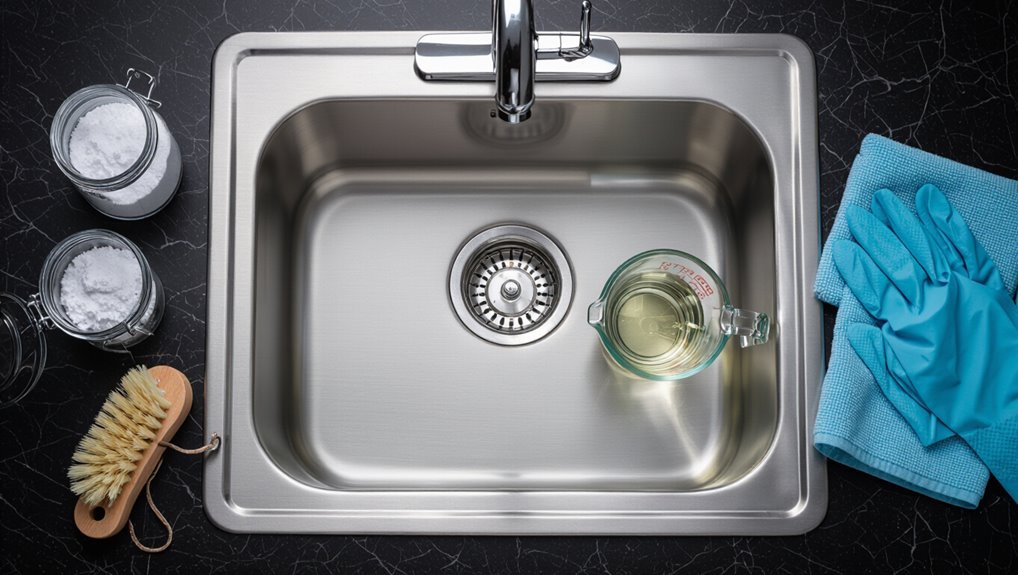
Clogged sink drains often result from hair, grease, food scraps, and soap buildup that accumulate over time.
Left unaddressed, these blockages can cause foul odors, slow drainage, backups, and long-term pipe damage.
Visible signs like gurgling sounds, persistent odors, or slow runoff indicate the drain needs prompt attention.
Common causes of sink drain clogs
Many everyday activities introduce materials that progressively narrow sink drains, leading to blockages that affect hygiene and plumbing.
Accumulated hair, soap scum, grease, food scraps, and mineral buildup are common causes. Improper disposal habits and lack of routine maintenance exacerbate clog formation.
Clear guidelines on how to keep sink drains clean—strainers, regular flushing with hot water, and periodic deep cleaning—prevent buildup effectively.
Risks of neglected drains (odor, backups, pipe damage)
Several common neglects—ignored hair, grease buildup, and mineral deposits—can quickly turn a slow sink into a source of persistent odor, frequent backups, and progressive pipe damage.
Left unattended, bacterial colonies emit unpleasant smells, standing water attracts pests, and pressure from blockages stresses joints and seals.
Long-term corrosion and root intrusion may necessitate costly repairs or pipe replacement.
Signs your sink drain needs attention
When odors, backups, or visible corrosion appear, they often signal that a sink drain requires prompt attention to prevent worsening hygiene and plumbing problems.
Other clear signs include slow drainage, gurgling sounds, recurring clogs, discolored water, and dampness beneath cabinets.
Persistent insect activity or mold growth near the sink also indicates organic buildup or leaks needing inspection and timely remediation.
Quick Daily Habits to Keep Drains Clear
A few simple daily habits can greatly reduce clogs and odors in sink drains. Rinsing with hot water after each use, wiping rims and strainers to remove food and hair, and sweeping crumbs from surrounding surfaces help keep debris from entering the pipes.
Avoid pouring grease, coffee grounds, or fibrous food scraps down the sink to prevent buildup.
Rinsing and flushing routines after use
Run a quick hot-water rinse after each sink use to wash away loose debris and dissolve light grease before it cools and sticks to pipe walls.
Periodically follow with a longer hot-water flush—two to three minutes—to move remaining residues.
For slower drains, run hot water while operating the disposal briefly.
Finish weekly with a vinegar rinse to break down mineral buildup and freshen pipes.
Simple wipe-and-sweep practices to prevent debris buildup
Although small, daily wipe-and-sweep habits prevent most sink-clogging debris before it reaches the drain: countertops, rims, and strainers are wiped with a damp cloth after use; crumbs, soap residue, and hair are swept into a trash bin; any visible buildup around the drain is brushed away gently.
Regular quick inspections guarantee debris doesn’t accumulate, reducing need for deeper cleaning.
What to avoid pouring or rinsing down the sink
Prevent pouring grease, cooking oil, coffee grounds, or starchy pasta water down the sink, as these substances solidify or bind with debris and narrow pipes over time; instead, collect fats in a disposable container, wipe oily pans with a paper towel, and toss grounds and large food scraps into the trash or compost to keep drains flowing.
Avoid fibrous vegetable peels, eggshells, overly greasy sauces, and rice.
Weekly Maintenance Steps Anyone Can Do
Once a week, simple maintenance steps help prevent buildup and odors.
Recommended actions include flushing the drain with hot water, pouring a baking soda and vinegar rinse, using a strainer or stopper properly to catch debris, and brushing visible parts of the drain and stopper.
These tasks are quick, require no special tools, and keep drains functioning smoothly.
Hot water flush method
Run hot water until it flows steadily hot, then let it pour down the drain for several minutes to loosen and carry away grease, soap, and small debris.
This weekly flush helps prevent buildup, especially after dishwashing. It’s simple, chemical-free, and effective for most sinks.
Follow by running cold water briefly to solidify fats farther down the pipe and move residues along.
Baking soda and vinegar maintenance rinse
Combine common pantry ingredients into a simple weekly rinse: pour about half a cup of baking soda into the drain, follow with a cup of white vinegar, let the fizzing reaction sit for 10–15 minutes, then flush with a strong stream of hot water.
This non-corrosive method loosens minor deposits, neutralizes odors, and reduces buildup when used regularly as preventive maintenance.
Using a drain strainer or stopper correctly
When a simple mesh strainer or rubber stopper is used correctly, it prevents hair, food scraps, and other debris from entering the drain and forming clogs.
Weekly checks and quick cleanings keep these devices effective without the need for tools or chemicals. Inspect for damage, empty trapped debris into the trash, rinse under hot water, and reposition securely to maintain a reliable barrier against blockages.
Brushing visible parts of the drain and stopper
Brush the visible parts of the drain and stopper once a week to remove soap scum, hair, and mineral buildup before they travel deeper into the plumbing.
Using a small brush and mild cleaner, scrub crevices, gasket edges, and the stopper face. Rinse thoroughly, lift and clean removable stoppers, then dry components to inhibit corrosion and microbial growth.
Regular attention prevents clogs.
Monthly Deep-Clean Procedures
Monthly deep-clean procedures focus on tasks that go beyond routine wiping and rinsing.
They cover removing and cleaning the drain stopper, manually extracting hair and debris from the trap, and comparing enzyme-based cleaners with harsher chemical options.
Guidance also addresses safe chemical use and scenarios when chemicals should be avoided.
How to remove and clean the drain stopper
Remove the drain stopper to access accumulated hair, soap scum, and mineral deposits that reduce flow and cause odors.
Twist or lift per model, noting clips or pivot rods.
Rinse stopper under hot water, scrub with brush and baking soda paste, and soak in vinegar for mineral buildup.
Reassemble, operate mechanism to confirm smooth motion and proper seal, adjusting linkage if necessary.
Manual removal of hair and debris from the trap
With the stopper reinstalled and checked, attention shifts to the trap beneath the sink for a deeper monthly clean.
The practitioner places a bucket, loosens slip nuts, and removes the P-trap.
Visible hair and debris are cleared manually using gloved hands or a tool, rinsed, and inspected for damage.
Reassemble, tighten nuts, run water, and check for leaks.
Enzyme-based cleaners vs. chemical cleaners
When choosing a drain cleaner for the monthly deep clean, homeowners should weigh enzyme-based products against traditional chemical formulas. Enzyme cleaners digest organic buildup slowly and are environmentally gentler; chemical cleaners act faster on tough clogs but are harsher. Selection depends on clog type, speed needed, pipe material and environmental concerns.
| Type | Action | Suitability |
|---|---|---|
| Enzyme | Slow | Organic clogs |
| Chemical | Fast | Stubborn clogs |
| Enzyme | Gentle | Frequent use |
| Chemical | Harsh | Rare use |
Safe use of chemicals and when to avoid them
Handle chemical drain cleaners cautiously: they can clear stubborn clogs quickly but pose risks to people, plumbing, and the environment.
Use protective gloves and eye protection, ventilate the area, follow label instructions, and never mix products.
Avoid chemicals for old pipes, frequent blockages, or after mechanical snaking.
Prefer enzymatic treatments, plumbing inspection, or professional service when safety or pipe integrity is a concern.
Tools and Products That Make Drain Care Easier
A concise set of tools and products can simplify routine drain maintenance and prevent common clogs. Recommended items include practical strainers and stoppers for trapping debris, basic hand tools like plungers and drain snakes, and effective cleaning agents and brushes for buildup removal.
Consider these essentials when planning a regular care routine:
- Silicone or mesh sink strainers
- Universal rubber stoppers
- Cup plunger and handheld drain snake
- Hand auger for deeper clogs
- Enzyme cleaners, degreasers, and scrub brushes
Recommended strainers and stoppers
Several types of strainers and stoppers can considerably reduce clogs and simplify maintenance by catching debris before it enters the drain or by sealing the opening for cleaning.
Mesh or silicone strainers fit most sinks, trapping food and hair; stainless steel basket strainers resist corrosion.
Universal rubber stoppers create tight seals for deep-soak cleaning.
Choose durable, easy-to-clean models sized to the sink and drain.
Hand tools (plunger, drain snake, hand auger)
Keep a few reliable hand tools on hand—plunger, drain snake, and hand auger—to tackle most household clogs before they require professional help.
A cup plunger clears shallow blockages; a sink plunger fits seals better.
A manual drain snake reaches deeper, retrieving hair and debris.
A compact hand auger handles tougher obstructions in traps or short runs; inspect and sanitize tools after use.
Cleaning products (enzyme cleaners, degreasers, brushes)
Hand tools are effective for immediate blockages, but chemical and accessory products simplify routine maintenance and prevent buildup from recurring.
Enzyme cleaners digest organic residue without harsh fumes, ideal for weekly use. Degreasers tackle oily kitchen clogs; choose biodegradable formulas and follow label safety.
Stiff nylon brushes and narrow bottle brushes remove hair and soap scum physically, extending intervals between deeper cleanings.
How to Unclog a Stubborn Drain: Step-by-Step
First try simple, non-chemical methods such as removing visible debris and checking the stopper assembly.
If that fails, apply a plunger with proper seal and technique, then consider a drain snake or auger used carefully to avoid pipe damage.
Reserve chemical treatments for persistent clogs and follow product instructions and safety precautions, and call a plumber when the blockage persists or signs of a serious issue appear.
Initial non-chemical steps
Several simple mechanical steps can often free a stubborn sink drain without chemicals.
Remove visible debris from the stopper or strainer, then detach and inspect the stopper assembly.
Use a flashlight and a flexible grabber or bent wire to extract hair and gunk from the trap.
Finally, loosen and remove the P-trap to clear and rinse blockages before reassembling carefully.
Using a plunger effectively
Grab a plunger with a flange suited to the sink type and position it over the drain to create a tight seal; then work with steady, forceful strokes—about 15–20 pumps—maintaining the seal and alternating short bursts of pressure and suction to dislodge the clog.
After pumping, quickly lift the plunger to check flow; repeat if needed, and flush with hot water to clear residue.
Using a drain snake or auger safely
Feed the auger into the drain slowly, keeping a firm grip and watching for resistance so the cable can break through or hook the blockage without kinking.
Rotate the handle gently, advance until obstruction is felt, then retract to extract debris.
Wear gloves and eye protection, clear splash risks, and avoid forcing tools past sharp bends.
Inspect and clean the auger after use.
When to use chemical treatments and how to do so safely
Although chemical drain treatments can dissolve hair, grease, and organic buildup when mechanical methods fail, they should be used only as a targeted last resort.
Choose enzyme-based cleaners for routine use and potent caustic or oxidizing agents only for severe clogs.
Follow label directions, ventilate the area, wear gloves and eye protection, avoid mixing products, and flush thoroughly with water after treatment.
When to call a plumber
If chemical and mechanical approaches have been tried carefully — enzyme cleaners for maintenance, plungers, snakes, and manual trap cleaning — but the drain remains slow, smells persist, or water backs up intermittently, it is time to contemplate professional help.
A plumber should be contacted for recurring clogs, suspected sewer-line issues, damaged pipes, or when inspections (camera or hydro-jetting) are warranted to diagnose and resolve underlying problems.
Preventative Strategies for Different Sink Types
Preventative measures vary by sink type to address the specific debris each collects.
Kitchen sinks require strategies to keep grease and food waste out of the drain.
Bathroom sinks benefit from hair traps and regular soap-scum removal, while utility and laundry sinks need lint screens and careful handling of chemicals.
Kitchen sinks: grease and food waste prevention
Treating grease and food waste as routine hazards helps maintain kitchen sinks across different types and materials. Each sink—stainless steel, composite, porcelain, or farmhouse—has preferred practices to minimize buildup and clogs.
Use strainers, scrape plates into compost or trash, cool and dispose of fats rather than rinsing, run hot water with dish soap after meals, and periodically flush drains with baking soda and vinegar followed by boiling water.
Bathroom sinks: hair and soap scum control
Control hair and soap scum buildup in bathroom sinks by tailoring simple habits to the sink material and drain design.
Use a fine drain screen to catch hair, clear it daily, and rinse with hot water after use.
For porcelain or enamel, wipe surfaces with a mild vinegar solution to prevent scum.
Periodically flush drains with baking soda and hot water to dislodge residue.
Utility and laundry sinks: lint and chemical considerations
Lint accumulation and harsh detergents present distinct challenges in utility and laundry sinks, where fibers, pet hair, and concentrated chemicals can quickly clog drains or degrade plumbing.
Routine lint traps, mesh strainers, and brushing after use reduce buildup.
Diluting bleach and enzyme cleaners, avoiding solvent pours, and flushing with hot water after heavy loads protect pipes.
Periodic professional inspection prevents long-term damage.
Common Mistakes That Damage Drains and How to Avoid Them
Common mistakes can accelerate wear and lead to costly repairs if not corrected.
Key issues include:
- Misusing chemical cleaners
- Ignoring slow drains
- Using the wrong tools that damage pipes
- Pouring grease or food scraps down the sink
- Over-tightening fittings during DIY repairs
Recognizing and avoiding these errors helps maintain drain function and extend plumbing life.
Misusing chemical cleaners
Misusing chemical drain cleaners can accelerate pipe corrosion, damage seals, and worsen clogs rather than fix them.
Many homeowners overuse or combine products, creating hazardous fumes and reactions. Concentrated chemicals can eat through P-traps and rubber gaskets.
Instead, use enzyme-based treatments, follow label directions, ventilate, and consult a plumber for persistent blockages to prevent costly, irreversible plumbing damage.
Ignoring slow drains
After warnings about chemical cleaners, homeowners sometimes ignore slow drains until they become full blockages. This delay often turns a minor, fixable issue—hair, grease, or soap buildup—into a more serious problem that stresses pipes and traps.
Regular inspection and prompt removal of surface debris, periodic hot-water flushing, and routine strainers prevent escalation, reduce odors, and avoid costly repairs by addressing clogs while they remain simple.
Incorrect tool use that harms pipes
Using the wrong tools or techniques can quickly turn a simple clog into costly pipe damage. Improper plungers, metal snakes, or excessive force can dent, crack, or dislodge seals.
Harsh chemical drain cleaners eat away pipes and joints.
Professionals recommend rubber plungers, plastic augers sized to the drain, and enzymatic cleaners; when unsure, consult a plumber to prevent irreversible harm.
Seasonal and Long-Term Maintenance Checklist
A concise maintenance checklist helps preserve drain function over time.
It outlines quarterly tasks—such as flushing with hot water, using enzyme cleaners, and clearing trap debris—to prevent buildup.
It also recommends annual inspections and when to schedule professional maintenance for persistent or hidden issues.
Quarterly tasks for sustained drain health
Although not required every month, performing a concise set of quarterly tasks prevents buildup and catches developing issues before they escalate.
Inspect and clean strainers, flush drains with hot water and a vinegar baking soda rinse, remove visible gunk with a plumbing brush, check under-sink for leaks or moisture, tighten fittings as needed, and test slow drains to address minor clogs before they worsen.
Annual inspections and professional maintenance tips
Schedule an annual inspection to catch wear, hidden corrosion, and developing blockages that routine quarterly care can miss.
A licensed plumber should inspect traps, venting, seals, and grease buildup, perform camera inspections for hidden obstructions, and recommend pipe replacements or relining when needed.
Request written findings, prioritised repairs, and preventive measures such as enzyme treatments or water-softening options to extend system lifespan.
Troubleshooting Table for Drain Problems and Solutions
A concise troubleshooting table helps identify common sink drain symptoms, probable causes, and quick DIY fixes, plus guidance on when to call a professional. The following compact table pairs typical issues with straightforward next steps for clarity. Use it as a quick-reference before attempting repairs or scheduling service.
| Symptom / Cause | DIY fix / When to call a pro |
|---|---|
| Slow draining / Hair, soap buildup | Plunge or remove stopper; snake drain; call a pro if persistent |
| Foul odor / Food trapped, buildup | Flush with baking soda and vinegar; clean trap; call if smell returns after cleaning |
Symptom, probable cause, DIY fix, when to call a pro
Many common drain problems can be diagnosed quickly by noting the symptom, matching it to a likely cause, and attempting a simple fix before calling a professional.
A table lists symptom (slow drain, gurgling, odor, leak), probable cause (clog, vent issue, buildup, seal failure), DIY fix (plunger, clean trap, baking soda/vinegar, tighten/replace seal), and when to call a pro (persistent, recurring, or damaging).
Quick Reference: Safe Substances to Dispose of Down the Drain vs. Not Allowed
Several clear categories distinguish what can safely go down a household sink from what should never be poured or flushed: water and mild, biodegradable soap; small amounts of food scraps caught by a strainer; and dilute, sink-safe cleaners are acceptable, whereas grease, coffee grounds, fibrous peels, harsh chemicals, and pharmaceuticals must be kept out to prevent clogs, odor, and environmental harm.
- Safe: plain water
- Safe: biodegradable soap
- Avoid: cooking grease
- Avoid: coffee grounds
- Avoid: medications
Conclusion
Keeping sink drains clean preserves household hygiene and prevents costly plumbing issues, as routine care guards against clogs and odors. Simple daily habits, weekly rinses, and monthly deep-cleans work together like a well-tuned orchestra, each action supporting the next to maintain smooth flow. Thoughtful use of the right tools and avoidance of common mistakes extend drain life, while seasonal checks and a clear troubleshooting plan guarantee reliable performance and peace of mind for the home.