
How to Get Rid of Sulfur Smell in Water Pipes: Easy Fixes and Long-Term Solutions
If you’re dealing with a persistent rotten-egg smell in your water pipes, it’s likely caused by hydrogen sulfide, bacteria, or issues with your water heater. For quick fixes, you can flush your faucets, clean aerators, shock-chlorinate fixtures, or flush or replace the water heater anode. For long-term solutions, consider aeration, activated-carbon or catalytic filters, chlorination systems, and regular maintenance. Start by testing whether the odor is coming from hot or cold water and whether you have well or municipal water. If bacteria are present, disinfecting is essential. Continue reading for detailed diagnostics, treatment options, and safety tips.
How to Get Rid of Sulfur Smell in Water Pipes
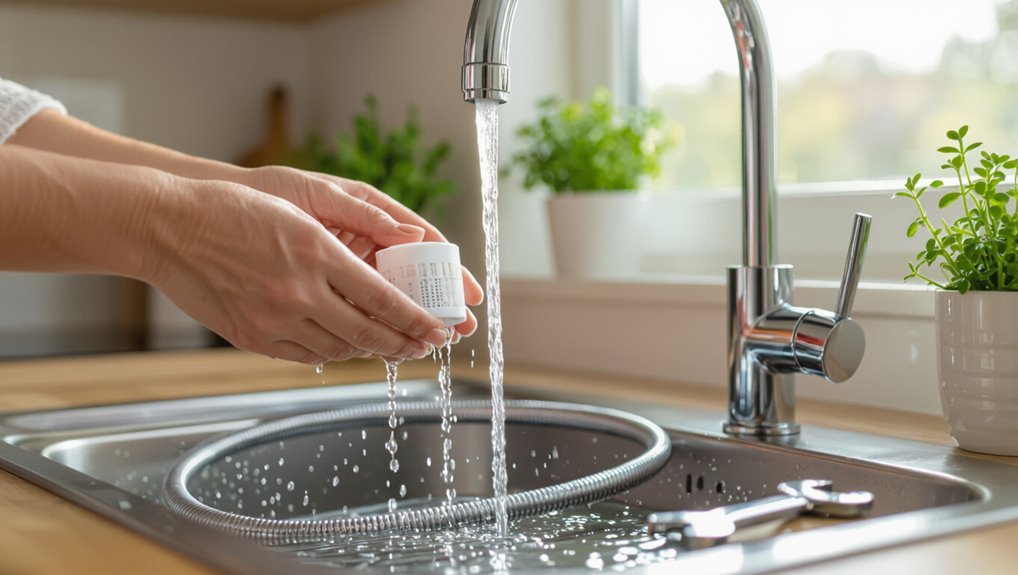
The section outlines quick actions homeowners can take immediately, such as flushing taps, cleaning aerators, and running hot water to reduce sulfur odor.
It then explains signs that indicate the problem persists or is systemic, like odors in multiple fixtures or recurring smells after treatment.
Finally, it notes when to contact a licensed plumber or water treatment specialist for testing and permanent solutions.
Immediate short fixes you can try right now
Begin by flushing cold water through faucets and fixtures for several minutes to determine whether the sulfur odor is localized or system-wide; if it fades after running, stagnant water in pipes or a single contaminated fixture is likely to blame.
For immediate short fixes, run hot water, clean aerators, disinfect fixtures with diluted bleach, and flush the water heater to address how to get rid of sulfur smell in water pipes.
When to call a professional
If sulfur odors persist after basic troubleshooting or recur frequently, a professional plumber or water treatment specialist should be consulted to diagnose an underlying issue and recommend targeted repairs or treatment.
They assess sources—well systems, bacterial contamination, corroded anodes, or failing water heaters—perform tests, suggest disinfection, filtration, aeration, or component replacement, and guarantee solutions meet safety and local code requirements.
What Causes a Sulfur (Rotten Egg) Smell in Water Pipes
A sulfur or “rotten egg” smell in plumbing usually stems from hydrogen sulfide gas present in well water or introduced through municipal supplies, and from bacterial activity within pipes and water heaters.
Corrosion-related reactions—such as those involving sacrificial anode rods—or sewer backflow can also produce similar odors. Noting whether the smell appears in hot versus cold water or at every tap versus a single fixture helps pinpoint the source.
Hydrogen sulfide gas from well water and municipal sources
When water carries hydrogen sulfide gas, the unmistakable rotten-egg odor can originate from both private wells and municipal supplies, produced either by bacterial activity in groundwater or by chemical reactions within distribution systems.
Sources include sulfur-rich geologic formations, decaying organic matter, and corrosion of sulfide-containing materials. Concentrations vary with depth, temperature, and disinfectant residuals, affecting detectability and treatment choices.
Bacterial activity in plumbing and water heaters
Detectable rotten-egg odors in household plumbing often originate from sulfur-reducing bacteria that colonize pipes, fixtures, and water heaters, where they convert sulfate and organic sulfur compounds into hydrogen sulfide gas.
These microbes thrive in warm, stagnant, low-oxygen environments.
Regular flushing, maintaining hot water temperatures, periodic disinfection, and removing sediment reduce bacterial growth and the resulting odor without addressing unrelated corrosion or sewer issues.
Corrosion, anode rod reactions, and sewer backflow
Beyond microbial causes, several nonbiological factors can produce a sulfur or rotten-egg odor in household water.
Corroding pipes and fittings release sulfide compounds as metals react with dissolved minerals.
Sacrificial anode rods in water heaters can chemically interact, generating hydrogen sulfide.
Additionally, sewer backflow or cracked seals may introduce gaseous odors into plumbing, requiring inspection and prompt repair.
How to distinguish odor sources: hot vs cold, every tap vs single fixture
How can one tell where a sulfur smell is coming from in a home’s plumbing? A systematic approach isolates source by temperature and scope.
Check hot and cold separately, test multiple fixtures, and note patterns.
Common indicators include:
- Smell only from hot taps
- Smell from cold taps
- Smell at every fixture
- Smell at a single fixture
- Smell after water sits unused
Diagnosing the Problem How to Identify the Source
To identify the source of a sulfur odor, one should start with quick localization tests—comparing cold and hot water, checking an outdoor hose, and isolating individual fixtures.
If tests point to the supply rather than a single appliance, collecting water samples for laboratory analysis (hydrogen sulfide, sulfate-reducing bacteria, and residual chlorine) is recommended.
Simple home tools such as smell checks, chlorine test strips, and a pH meter help narrow causes and indicate whether the problem is municipal, a private well, or the building’s plumbing.
Quick tests to localize odor (cold vs hot, outdoor hose, single fixture)
Where does the smell appear first: when the cold tap is opened, only from hot water, or at a single fixture?
Conduct simple checks: run cold then hot water separately, test outdoor hose and garden spigot, and isolate individual fixtures by turning others off.
Note persistence, strength, and whether only hot systems or one appliance produce odor to narrow source before further testing or remediation.
Water sample testing: what to test for and where to send samples
Having narrowed the source by comparing cold versus hot water and isolating fixtures, the next step is collecting water samples for laboratory analysis to confirm whether hydrogen sulfide, sulfate-reducing bacteria, high sulfate levels, or other contaminants are present.
- Test for hydrogen sulfide concentration
- Culture for sulfate-reducing bacteria
- Measure sulfate and total dissolved solids
- Check chlorine residual and iron
- Send samples to certified municipal or private labs
Tools and equipment for home diagnosis (smell test, chlorine test strips, pH meter)
Several basic tools make home diagnosis of a sulfur smell practical: a simple smell test protocol, chlorine test strips, and a handheld pH meter can quickly distinguish likely causes and guide next steps.
- Perform smell test (cold vs hot water)
- Use chlorine strips to detect residual disinfectant
- Measure pH with a handheld meter
- Check aerators and fixtures
- Record results for follow-up testing
When the issue is municipal vs well vs plumbing system
After collecting basic measurements and fixture checks, the next step is to determine whether the odor originates from the municipal supply, a private well, or the building’s internal plumbing. Systematic isolation—testing at the meter, a neighbor’s tap, and individual fixtures—narrows the source. Use chlorine, sulfur, and iron indicators; record results and consult supplier or well service as indicated.
| Source tested | Positive indicator | Next action |
|---|---|---|
| Municipal main | Chlorine present, shared odor | Contact utility |
| Neighbor tap | Same odor | Utility issue |
| Single fixture | Only local odor | Inspect plumbing/components |
Short-Term DIY Fixes
The section outlines immediate homeowner actions to reduce or mask sulfur odors while longer-term solutions are arranged.
It covers flushing and aerating plumbing, options for bleach disinfection (whole-house shock versus treating a single fixture), and cleaning faucets, aerators, and showerheads.
It also addresses replacing or cleaning in-line filters and refrigerator lines, plus temporary use of point-of-use filters or bottled water.
Step 1: Flushing and aerating the system
Begin by running cold water from every faucet in the home for several minutes to purge stagnant water and release trapped hydrogen sulfide gas.
Open outdoor spigots and showerheads, then run until the odor fades.
Flush toilets and cold-water appliances.
Afterward, ventilate crawlspaces and basements and consider aerating well water by drawing and exposing water to air until sulfur scent dissipates.
Step 2: Disinfecting with household bleach whole-house shock vs single fixture
With stagnant water and trapped gas flushed, attention shifts to disinfecting lines with household bleach to kill bacteria that produce the rotten-egg odor.
The choice: whole-house shock vs single-fixture treatment depends on contamination scope, plumbing layout, and safety.
Consider concentration, contact time, isolation, rinsing, and notification.
- calculate proper bleach dose
- isolate fixtures if needed
- circulate solution
- wait recommended contact time
- flush thoroughly
Step 3: Cleaning and sanitizing faucets, aerators, and showerheads
Scrub and soak faucets, aerators, and showerheads to remove biofilm and mineral buildup that trap sulfur-producing bacteria.
Disassemble aerators and showerheads, soak parts in a vinegar solution or dilute bleach for 15–30 minutes, then brush with an old toothbrush.
Rinse thoroughly, reassemble, and run water to flush residue.
Repeat periodically or after disinfecting plumbing to prevent recurrence.
Step 4: Replacing or cleaning water filters and refrigerator lines
After cleaning fixtures, attention should turn to point-of-use filters and refrigerator water lines, which often harbor bacteria or trapped sulfur compounds that reintroduce odors even after plumbing disinfection.
Replace cartridge filters per manufacturer schedules, flush and sanitize filter housings, and inspect refrigerator lines for kinks or sediment.
Replace aged tubing and run several gallons through new filters to eliminate residual odor.
Step 5: Temporarily using point-of-use filters or bottled water
Use temporary point-of-use filters or bottled water to bridge the gap while longer-term fixes are arranged.
Homeowners can install inline carbon filters on faucets or pitchers to reduce odor for drinking and cooking. Bottled water provides an immediate, reliable alternative.
These measures offer short-term relief but do not address source issues; schedule professional inspection and permanent repairs for lasting results.
Long-Term Solutions and Permanent Repairs
Long-term control focuses on permanent system changes and targeted repairs to eliminate hydrogen sulfide at the source. Options include well treatments (chlorination, aeration, shock chlorination), installing and maintaining air-injection or activated-carbon systems sized for the household, and using water softeners or catalytic carbon where appropriate.
Routine plumbing maintenance—such as replacing sacrificial anode rods and inspecting or servicing water heaters—prevents recurring odors and protects equipment.
Well systems: chlorination, aeration, and shock chlorination procedures
Several effective treatments address sulfur odors in private well systems, with chlorination, aeration, and shock chlorination among the most reliable for lasting results.
- Test water for hydrogen sulfide and bacteria before treatment.
- Routine chlorination oxidizes sulfur and disinfects plumbing.
- Shock chlorination treats persistent contamination; follow safety protocols.
- Aeration reduces dissolved gases prior to filtration.
- Post-treatment testing confirms odor elimination and system integrity.
Installing and maintaining air injection (aeration) systems
After addressing hydrogen sulfide with chlorination or shock treatments, homeowners seeking a permanent fix often turn to air injection (aeration) systems.
These introduce oxygen to oxidize sulfide gas, converting it to removable solids. Proper sizing, placement before storage tanks, periodic maintenance of air pumps and vents, and routine sediment removal guarantee consistent odor control and system longevity without relying on carbon polishing.
Activated carbon filtration: types, sizing, and maintenance
Activated carbon filtration removes hydrogen sulfide and other taste- and odor-causing compounds by adsorbing them onto a high-surface-area media.
Selection among granular activated carbon (GAC), catalytic carbon, and powdered activated carbon (PAC) depends on contaminant concentration, flow rate, and contact time requirements.
Proper sizing uses bed depth and empty bed contact time calculations.
Routine backwashing, periodic carbon replacement, and monitoring breakthrough guarantee sustained performance.
Water softeners and catalytic carbon for sulfur control
Water softeners and catalytic carbon systems provide durable approaches to address hydrogen sulfide in domestic water supplies: softeners reduce sulfate-reducing bacteria activity indirectly by removing calcium and magnesium that promote scale and biofilm, while catalytic carbon directly converts dissolved hydrogen sulfide to elemental sulfur for subsequent filtration.
Proper sizing, routine backwashing, and periodic media replacement guarantee consistent odor control; professional assessment optimizes system selection.
Replacing sacrificial anode rods and inspecting water heaters
Inspecting the hot water heater and replacing its sacrificial anode rod are among the most effective long-term measures to reduce hydrogen sulfide odor originating from plumbing systems.
Technicians should check anode condition, sediment buildup, and tank corrosion. Replacing a depleted magnesium or aluminum anode with an appropriate type, or installing a powered anode, often eliminates internal sulfur-producing reactions and prolongs heater life.
Plumbing fixes: checking traps, vents, and sewer connections
Examine plumbing traps, vents, and sewer connections systematically, because faults in these components commonly allow sewer gas or hydrogen sulfide to enter buildings.
Inspect trap seals for drying or leaks, clear blocked vent stacks to restore proper airflow, and verify sewer line joints and cleanouts for cracks or loose fittings.
Repair or replace defective parts promptly and test for lingering odors after fixes.
When to replace piping and fixtures
When should pipes and fixtures be replaced rather than repaired?
Replacement is recommended for persistent sulfur odors when corrosion, biofilm buildup, repeated leaks, or degraded seals prevent effective cleaning.
Old galvanized or lead lines, extensive pitting, or recurring contamination after treatment indicate permanent failure.
Upgrading to corrosion-resistant materials and modern fixtures eliminates odor sources and reduces future maintenance and health risks.
Comparison of Treatment Options Effectiveness, Cost, and Maintenance
Although treatment choice depends on water chemistry and source, comparing effectiveness, upfront and ongoing costs, and maintenance needs clarifies which options suit particular situations. Treatment options vary: sediment filtration is low cost but limited; activated carbon reduces odor temporarily; chlorination treats bacteria but needs monitoring; aeration is effective but costly; ion exchange targets sulfur compounds with moderate upkeep.
| Option | Effectiveness | Cost/Maintenance |
|---|---|---|
| Sediment filter | Low | Low/Minimal |
| Activated carbon | Moderate | Low/Replace media |
| Chlorination | High (bacterial) | Moderate/Monitor |
| Aeration | High | High/System upkeep |
| Ion exchange | Moderate-High | Moderate/Resin care |
How to Choose the Right Solution for Your Situation
Choosing the right fix begins with a clear decision flow—is the source a well or municipal supply, and is the odor isolated to hot water or present throughout the house.
Practical factors like budget, willingness to perform or pay for maintenance, and the typical lifespan and upkeep of options (e.g., chlorination, aeration, catalytic carbon, or water heaters) should guide selection.
Before committing, the homeowner should ask a water treatment professional targeted questions about diagnostics, expected maintenance tasks, costs, and warranties.
Decision flow: well vs municipal; hot-water-only vs whole-house; budget and maintenance capacity
Why does the source of water matter for sulfur odor solutions? The treatment choice depends on source, scope, and resources.
Well systems often need targeted filtration; municipal supplies may allow simpler fixes.
Consider hot-water-only versus whole-house treatment, plus upfront cost and upkeep ability:
- Well vs municipal: contamination source
- Hot-only: water heater focus
- Whole-house: all-encompassing control
- Budget: initial expense
- Maintenance: time/skills
Questions to ask a water treatment professional
What should be asked when hiring a water treatment professional to address a sulfur odor?
The homeowner should request water testing details, proposed treatment options with pros/cons, expected timeline, permits or code considerations, references and certifications, warranty and service terms, monitoring recommendations, estimated costs and financing, and clarification on whether solutions target source versus plumbing.
Answers must be specific, measurable, and comparable.
Typical lifespan and expected maintenance tasks for common systems
Lifespan expectations and routine upkeep vary widely among odor-removal systems, so homeowners should compare service intervals, part replacement schedules, and typical failure modes when evaluating options.
Activated carbon filters typically last 6–12 months with periodic backwashing; chlorination systems require injector checks and media replacement every 1–3 years; ozone and UV units need annual servicing and lamp replacement.
Mechanical components demand occasional lubrication and inspection.
Common Mistakes and Pitfalls to Avoid
Common errors can worsen sulfur odors or create new problems, such as overusing bleach or applying improper disinfection methods that damage plumbing or fail to fully treat the source.
Treating only faucets with point-of-use fixes when the issue requires whole-house treatment, or skipping water testing before selecting a system, leads to ineffective results.
Attempting DIY installations can void warranties and cause costly damage, so professional assessment and installation are often warranted.
Overusing bleach or incorrect disinfection methods
Treating a sulfur odor with bleach requires care, because excessive chlorine or improper application can damage plumbing, harm fixtures, and create hazardous byproducts.
Overusing bleach may corrode pipes, degrade rubber seals, and leave toxic residuals.
Incorrect dosing or mixing with ammonia/other cleaners produces dangerous gases.
Professional guidance, proper measurements, and flushing protocols prevent damage and health risks while ensuring effective disinfection.
Relying only on point-of-use fixes when whole-house treatment is needed
A point-of-use filter or faucet-mounted cartridge can mask a sulfur (rotten egg) smell at a single tap, but relying solely on these localized fixes overlooks broader system sources and often fails to protect the entire household.
Whole-house hydrogen sulfide problems often require centralized solutions—oxidation, aeration, or catalytic media—plus plumbing remediation.
Temporary point fixes delay proper treatment and increase cumulative cost and exposure.
Ignoring water testing before choosing a system
Unless water chemistry and hydrogen sulfide concentrations are measured first, selecting a treatment system is guesswork that can lead to ineffective remediation and wasted expense.
Homeowners and professionals rely on test results to match technologies—oxidation, aeration, activated carbon, or chlorination—to specific levels and bacterial presence.
Skipping testing risks undersized equipment, persistent odors, regulatory noncompliance, and repeated costly adjustments.
DIY installations that void warranties or cause damage
Attempting DIY installation of odor-removal systems often leads to voided warranties, damaged components, and safety hazards when homeowners bypass manufacturer instructions or local codes.
Improper connections, incorrect media selection, and inadequate ventilation can cause leaks, contamination, or system failure.
Professional installation guarantees proper sizing, compliance, and safe electrical or plumbing work; cutting corners increases repair costs and liability.
Prevention, Maintenance, and Best Practices
A clear prevention and maintenance plan reduces the chance of recurring sulfur odor and pinpoints emerging issues early.
It should include a regular testing schedule with targeted parameters, routine water heater and well system servicing, and timely filter replacements with simple record-keeping.
Seasonal inspections and attention to specific warning signs complete the protocol to catch and correct problems before they worsen.
Regular testing schedule and what parameters to monitor
How often should plumbing systems be tested to prevent recurring sulfur odors?
Quarterly testing is recommended, with immediate checks after odor recurrence or treatment.
Monitor key parameters to detect and prevent hydrogen sulfide sources.
- Hydrogen sulfide (H2S) levels
- Sulfate concentration
- Bacterial indicators (iron/sulfate-reducing bacteria)
- pH and oxidation-reduction potential
- Residual disinfectant (chlorine)
Routine water heater and well system maintenance
Because routine maintenance of water heaters and well systems targets the root causes of sulfur odors, homeowners and service professionals should follow a concise schedule of inspections and simple preventive actions.
Inspect anode rods, flush tanks to remove sediment, disinfect wells after contamination, check pressure tanks and ventilation, and test sacrificial anodes.
Promptly repair corrosion, leaky fittings, and damaged well seals to prevent anaerobic conditions.
Filter replacement schedules and record-keeping tips
Routine inspections of heaters and wells naturally lead to attention on filtration components, since clogged or exhausted filters can reintroduce odors and contaminants even after system repairs.
Establish manufacturer-based replacement intervals, adjust for water quality and usage, and mark dates on a maintenance calendar.
Keep a simple log of filter type, installation date, replacement date, and notes on performance to track trends and justify proactive changes.
Seasonal checks and signs of recurring problems
Seasonal checks help catch early signs of recurring sulfur odors and prevent small issues from becoming persistent problems.
Inspect faucets, vents, and water heaters quarterly for odor, discoloration, or residue. Test water after seasonal changes and document results.
If odors return despite maintenance, investigate biofilm, anode rod corrosion, or well contamination.
Schedule professional evaluation when patterns recur or tests indicate contamination.
When to Call a Professional Signs and Expected Services
Persistent rotten-egg odor, any accompanying health symptoms, or a detectable gas smell are red flags that warrant a professional inspection.
A qualified contractor will typically offer water testing, shock chlorination, plumbing system assessment and redesign, and handle necessary permits.
Homeowners should compare written bids, check licenses and insurance, and verify references before hiring.
Red flags that require pro inspection (persistent odor, health concerns, gas smell)
When a rotten-egg odor in water fails to fade after basic home treatments, it signals the need for professional assessment.
Persistent odor despite flushing or filters, reports of nausea or eye irritation, unexplained corrosion or stains, and any detectable gas-like smell near plumbing are red flags.
Professionals should be called promptly to diagnose source, rule out hazards, and recommend corrective action.
Services a pro will offer: testing, shock chlorination, system design, permitting
If the rotten-egg smell remains after basic remedies or other warning signs appear, a professional plumber or water specialist will conduct specific diagnostics and offer targeted remedies.
Services include water chemistry testing, bacterial and H2S source identification, shock chlorination of the system, targeted pipe and fixture disinfection, long-term system redesign (filters, aeration, or UV), and assistance with required permits and code-compliant installations.
How to evaluate bids and verify credentials
How should a homeowner judge competing bids and confirm a contractor’s qualifications before authorizing work on a sulfur-smelling water system?
Compare itemized estimates, timelines, warranties, and chemical/product specifications.
Verify licensing, certifications (water treatment, plumbing), insurance, and local references.
Check online reviews and BBB records.
Request written contracts detailing scope, permits, testing, post-treatment verification, and dispute resolution before signing.
Resources, Checklists, and DIY Safety Guidelines
The section provides a concise step-by-step checklist homeowners can follow to identify and reduce sulfur odors in plumbing.
It emphasizes essential safety precautions for handling chemicals and working in confined spaces.
It also points to reliable testing labs, certification bodies, and authoritative resources for further guidance.
Step-by-step checklist for a homeowner to eliminate sulfur smell
Begin by gathering essential tools and safety gear—gloves, goggles, a flashlight, a wrench set, a bucket, and test strips or a water test kit—so tasks proceed efficiently and safely.
Then follow a concise sequence to diagnose and treat sulfur smell:
- Test water source and record results
- Isolate affected fixtures
- Flush and replace aerators/filters
- Shock chlorinate well or clean heater
- Retest and monitor for recurrence
Safety precautions for handling chemicals and entering confined spaces
Exercise caution when handling disinfectants, acids, or chlorine-based cleaners and when entering crawlspaces, basements, or water-tank enclosures: these activities carry chemical, inhalation, and asphyxiation risks that require specific PPE, ventilation, and monitoring.
Recommended practices include:
- Use gloves, goggles, and respirators rated for chemicals.
- Guarantee forced ventilation or fans.
- Test oxygen and gas levels before entry.
- Keep a buddy and communication plan.
- Store chemicals locked and labeled.
Links to testing labs, certification bodies, and further reading
After outlining safety measures for chemical use and confined-space entry, readers should be directed to vetted external resources for testing, certification, and more detailed guidance.
Recommended links include accredited labs, state plumbing boards, water quality standards, professional associations, and practical guides.
- Accredited water testing laboratories
- State and provincial plumbing certification bodies
- EPA and local water quality standards
- Professional trade associations
- Practical DIY and safety guides
Conclusion
Sulfur odors in household water demand both immediate attention and long-term planning. After trying simple remedies like flushing, cleaning aerators, or treating hot water tanks, residents may still face persistent hydrogen sulfide from well water, bacteria, or anode rods—so what next? Professional testing, targeted disinfection, or system upgrades often provide lasting relief. With routine maintenance and informed choices, families can prevent recurrence and restore safe, odor-free water for everyday use.
