How to Get Rid of Sewer Flies in Bathroom Fast: Proven DIY Methods and Prevention
To quickly eliminate sewer flies in your bathroom, focus on removing adults, larvae, and their breeding sites. Start by trapping or vacuuming visible flies. For rapid capture, use apple cider vinegar or sticky traps, and consider using a labeled aerosol spray to knock down adults if necessary. Clean open drains by scrubbing away biofilm with brushes, pouring boiling water, or using a mix of baking soda and vinegar or enzyme cleaners. Run a drain snake to clear any buildup. Additionally, fix leaks, keep surfaces dry, and use exhaust fans to prevent their return. Follow these steps for effective elimination and long-term prevention.
Fast, Effective Ways to Eliminate Sewer Flies in Your Bathroom
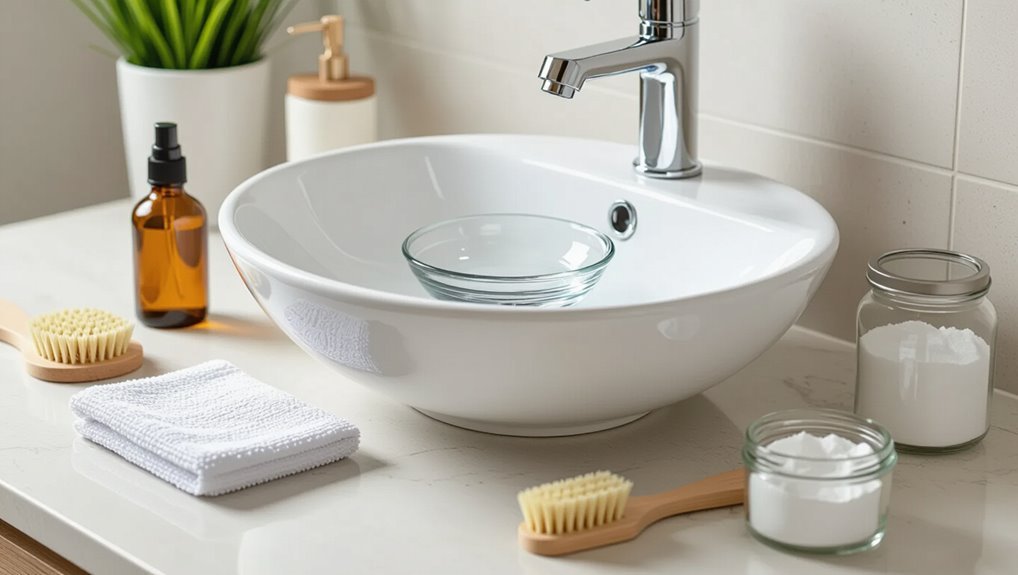
Sewer flies, small moth-like insects with fuzzy wings and a habit of hovering near drains, can signal an active infestation when seen in numbers or clustered on sink rims and shower grout.
Their presence in bathrooms usually stems from breeding in organic buildup within drains, p-traps, or neglected drains and floor drains.
Identifying their appearance and tracing common breeding sites is the first step toward fast, effective elimination.
What sewer flies (drain flies) look like and how to identify an infestation
A small, mothlike fly hovering near drains often signals the presence of drain flies (also called sewer flies). They measure 1.5–5 mm, have fuzzy, V-shaped wings and slow, fluttering flight.
Clusters on walls, near sinks or showers, and tiny larvae in slimy film indicate infestation. Readers seeking how to get rid of sewer flies in bathroom should confirm these signs before treatment.
Why they appear in bathrooms: common breeding sites and causes
After confirming the identifying signs, understanding why drain flies show up in bathrooms helps target treatment.
They breed in organic buildup inside drains, P-traps, and sink overflow channels; damp grout, shower drains, and floor drains harbor larvae.
Leaky pipes, infrequent cleaning, and stagnant water provide sustained sites.
Eliminating residue, fixing leaks, and maintaining dry conditions disrupts their life cycle and prevents recurrence.
Immediate DIY Actions to Stop Sewer Flies Today
The section outlines immediate DIY steps to halt sewer fly activity the same day.
It covers quick-kill methods for visible adults, simple traps made from household items, and an emergency cleaning checklist to remove attractants.
Each action is practical, fast to implement, and aimed at reducing adult fly presence immediately.
Quick-kill methods for visible adults
Start by removing visible adults quickly to reduce immediate irritation and breeding potential: use a handheld vacuum, disposable fly swatter, or sticky traps to capture flies on walls, sinks, and near drains.
Then seal and discard collected insects in a sealed bag.
Follow with targeted surface sprays labeled for flying insects, quick pyrethrin aerosols for instant knockdown, and wipe residues from affected areas.
Fast traps you can make with household items
Mix simple household items into quick, effective traps to catch sewer flies immediately and reduce adult populations while longer-term fixes take effect.
Create safe, urgent traps:
- A jar with apple cider vinegar and a few drops of dish soap — irresistible, deadly.
- A paper funnel over a sugary bait — trapped, unable to escape.
- Tape-lined light source near drains — draws and holds pests until disposal.
Emergency cleaning checklist to reduce adult fly activity
Act quickly to remove attractants and interrupt breeding: focus on visible adult removal, surface cleaning, and drain treatment to cut down fly activity immediately.
Close vents, wipe counters with disinfectant, remove standing water and damp towels, empty trash and seal bags, scrub sink and shower drains with brush and enzymatic cleaner, pour boiling water or bleach solution, and set temporary traps to reduce adult populations.
Step-by-Step Drain Treatment to Remove Larvae and Eggs
The next section outlines a practical, step-by-step drain treatment to eliminate larvae and eggs, starting with safe removal and cleaning of drain covers and strainers.
It compares chemical approaches (bleach, commercial drain cleaners, enzyme products) with natural methods (boiling water, baking soda and vinegar, enzyme-based solutions) and explains precautions for each.
Mechanical options—snaking, brush scrubbing, and targeted biofilm removal—are then presented as essential complements to chemical or natural treatments.
How to safely remove and clean drain covers and strainers
Begin by removing any visible debris from the drain cover and surrounding area to expose where larvae and eggs may hide.
Unscrew or pry off covers with appropriate tools, wearing gloves.
Scrub covers and strainers with a stiff brush and hot, soapy water, rinse thoroughly, and dry.
Inspect seals and reassemble securely.
Dispose of debris in a sealed bag and sanitize hands and tools.
Chemical options: how to use bleach, enzyme cleaners, and drain cleaners safely
Once covers and strainers are cleaned and reseated, attention shifts to chemical treatments that remove remaining larvae and eggs in the drain passage.
Use diluted bleach (follow label, ventilate, never mix with acids), pour, wait, then flush with water.
Apply commercial drain enzymatic cleaners per instructions when safe for pipes.
For caustic drain cleaners, wear gloves, eye protection, and avoid metal plumbing or repeated use.
Natural options: boiling water, baking soda + vinegar, and enzyme-based solutions
Use natural, low-risk treatments to flush out larvae and eggs from drains without harsh chemicals.
Pour boiling water down the drain in stages to dislodge pests and soften grime.
Follow with a half-cup baking soda, then a cup of vinegar; wait 15 minutes, flush with hot water.
Apply enzyme-based drain treatments per label to digest organic matter and interrupt breeding cycles.
Mechanical cleaning: snaking, brush scrubbing, and biofilm removal
After flushing and treating the drain with hot water, baking soda, vinegar, or enzymes to loosen organic buildup, mechanical cleaning removes the remaining larvae, eggs, and biofilm that chemical or thermal methods cannot reach.
A plumber’s snake dislodges clogs; rotating drain brushes scrub pipe walls; nylon or stainless tools scrape biofilm.
Rinse thoroughly, repeat weekly until activity stops, then maintain with preventive cleaning.
Preventing Reinfestation: Long-Term Bathroom Maintenance
Long-term prevention focuses on routine habits that keep drains and fixtures unappealing to sewer flies.
This includes simple daily and weekly cleaning of drains, regular inspection and sealing of P-traps and under-sink plumbing, and consistent ventilation and moisture control.
Together these measures reduce breeding sites and the chance of reinfestation.
Daily and weekly cleaning routine to keep drains inhospitable
A simple, consistent cleaning schedule—daily light clearing and a deeper weekly treatment—keeps bathroom drains inhospitable to sewer flies by removing food, organic build-up, and moist breeding sites. Daily wipes, hair removal, and enzyme drain drops combine with weekly scrubs and hot-water flushes; inspect grates and use a brush for residue.
| Task | Frequency |
|---|---|
| Wipe surfaces | Daily |
| Remove hair | Daily |
| Enzyme drops | Daily |
| Hot-water flush | Weekly |
| Brush scrub | Weekly |
How to check and maintain under-sink P-traps and plumbing seals
Inspect the P-trap and surrounding seals regularly to prevent sewer flies from returning: check for leaks, corrosion, and loose slip nuts; verify the trap holds water and that gasketed connections are tight; and look for damaged or dried-out rubber seals that can allow gas and pests to escape.
Tighten fittings, replace worn gaskets, clear trap clogs, and reseal threaded joints with plumber’s tape to maintain integrity.
Ventilation and moisture control strategies to reduce breeding
Proper ventilation and strict moisture control are essential to prevent sewer fly breeding in bathrooms.
Confirm exhaust fans run during and 15–20 minutes after showers; install timer switches if needed.
Repair leaks, grout, and caulking promptly.
Use a dehumidifier or increase airflow via windows.
Keep surfaces dry, clean drains weekly with enzyme cleaners, and inspect hidden damp areas to eliminate breeding habitat.
When DIY Isn’t Enough: Signs You Need Professional Help
When large numbers of sewer flies persist despite sanitation and traps, or breeding sites appear hidden in walls or drains, it indicates an infestation beyond typical DIY measures.
In such cases, a professional assessment can locate concealed breeding areas, identify plumbing or structural issues, and recommend targeted treatments.
Expect a technician to perform an inspection, apply drain foams or residuals, and outline follow-up or repair options to prevent recurrence.
Indicators of a large-scale or hidden infestation
Several clear signs point to a large-scale or hidden sewer fly infestation that typically requires professional intervention.
Persistent swarms despite repeated DIY measures, larvae visible in drains or floor grates, unexplained foul odors, flies emerging from multiple fixtures, and recurrent infestations after sanitation indicate deeper breeding sites.
Structural issues, inaccessible sewer lines, or widespread plumbing leaks often underlie these signs and warrant expert inspection.
What to expect from a pest control visit and common treatments
Resolution often comes with a professional inspection: a pest control technician will first assess infestation extent, trace breeding sources, and identify structural or plumbing issues contributing to sewer fly activity.
Technicians may recommend targeted treatments, sanitation, and repairs. Typical interventions include:
- Rapid relief: residual insecticides and larvicides
- Deep fix: plumbing repairs or drain replacement
- Prevention: odor control and sanitation protocols
Useful Products and Tools to Keep on Hand
Practical, readily available products can make routine control of sewer flies more effective and prevent re-infestation.
Enzyme-based drain cleaners are recommended because they break down organic buildup that attracts larvae, while a selection of traps, aerosols, and mechanical tools—such as sticky traps, foaming bacterial treatments, and drain augers—address adults and block breeding sites.
The following list reviews specific options, how they work, and when to use each.
Recommended enzyme drain cleaners and why they work
Consider enzyme drain cleaners an essential, non-corrosive option for controlling the organic buildup that feeds sewer flies. They digest fats, hair, and biofilm over time, reducing breeding sites without harsh fumes.
Recommended products include biological blends with protease and lipase enzymes, safe for pipes and septic systems.
- Relief: fewer gnats, cleaner drains
- Confidence: long-term prevention
- Ease: simple regular use
Traps, aerosols, and mechanical tools worth buying
Stock a small kit of targeted traps, aerosol treatments, and mechanical tools to tackle sewer flies quickly and prevent recurrence.
Essential picks: sticky funnel traps for monitoring, pyrethroid aerosols for quick knockdown, and a drain auger to remove breeding material.
Replace traps regularly, follow aerosol directions, and inspect drains weekly to avoid re-infestation.
- Relief-focused: instant results
- Control-focused: lasting defense
- Confidence-focused: simple tools
Common Mistakes That Make Sewer Fly Problems Worse
Many homeowners worsen sewer fly problems by relying on temporary fixes or misusing chemical treatments that kill adults but leave breeding sites intact.
Repeated surface cleaning without addressing drains, traps, or moisture sources often leads to quick recurrence.
Effective troubleshooting requires inspecting plumbing seals, checking for organic buildup in traps and drains, and adjusting treatment methods based on those findings.
Ineffective practices to avoid (temporary fixes, misuse of chemicals)
Avoid temporary fixes and improper chemical use, as these often worsen sewer fly problems rather than resolve them.
Relying on surface sprays, masking odors, or pouring random cleaners down drains can disperse larvae, damage plumbing seals, and create toxic residues.
Overuse of bleach or pesticides risks resistance, environmental harm, and false security; address breeding sources and use targeted, approved treatments instead.
How to troubleshoot recurring infestations
When infestations recur, the problem usually stems from overlooked breeding sites, incorrect assumptions about source locations, or counterproductive control attempts.
Effective troubleshooting requires identifying and eliminating the actual larval habitat rather than treating visible adults. Inspect drains, traps, and hidden leaks; remove organic buildup; verify sewer line integrity; avoid blanket insecticide use; monitor after fixes; document patterns to locate persistent sources and prevent repetition.
Quick Reference: Step-by-Step Plan to Get Rid of Sewer Flies Fast
A concise, actionable plan outlines immediate steps and longer-term checks to eliminate sewer flies.
It begins with a 24-hour action plan to stop active infestations, follows with a 7-day checklist to remove lingering breeding sites, and schedules a 30-day prevention routine to keep flies from returning.
Each phase lists specific tasks and timing for quick implementation and monitoring.
24-hour action plan
Start by isolating affected areas and gathering basic supplies—trash bags, enzyme drain cleaner, household bleach, a stiff drain brush, and sticky traps—so each step can be executed without delay.
Empty trash, remove standing water, scrub sink and floor drains with enzyme cleaner and brush, rinse, then apply bleach where safe.
Set traps near drains and vents, ventilate room, and monitor for fly reduction through the evening.
7-day follow-up checklist
Although follow-up is often routine, a concise 7-day checklist guarantees consistent checks and timely treatments to eliminate remaining sewer flies.
Day 1: inspect drains, run enzyme cleaner.
Day 2: dry traps, remove standing water.
Day 3: reapply trap gel.
Day 4: replace damaged seals.
Day 5: vacuum larvae, sanitize surfaces.
Day 6: monitor fly activity.
Day 7: reassess and repeat targeted treatments.
30-day prevention schedule
Building on the 7-day checklist, the 30-day prevention schedule outlines a practical, step-by-step plan to sustain drain hygiene and prevent sewer fly recurrence.
It assigns weekly tasks, inspection points, and corrective actions to maintain cleanliness, monitor traps, and address odors promptly.
- Relief: visible cleanliness restores calm.
- Confidence: regular checks prevent surprises.
- Pride: maintained fixtures reflect care.
Conclusion
Sewer flies can be banished quickly with focused action: a single saturated drain can harbor hundreds of maggot-like larvae, meaning one overlooked pipe may fuel an entire bathroom infestation. Promptly scraping traps, enzymatic treatments, and vigilant drying cut reproduction cycles and reclaim hygiene. Regular maintenance—monthly enzyme cleanings, sealed drains, and trap checks—keeps populations down. If flies persist beyond two weeks despite diligent DIY efforts, professional remediation should be sought.