How Septic Systems Work: A Clear, Step-by-Step Guide to Components, Flow, and Maintenance
A septic system effectively treats household wastewater on-site by directing sewage from plumbing into a sealed tank. Here, solids settle into sludge, while oils create a scum layer. Anaerobic bacteria break down organic matter, allowing clarified liquid to flow into a distribution box and then to a drainfield for soil filtration and additional microbial treatment. To ensure optimal function and protect groundwater, it is crucial to design the system properly, conduct regular inspections, and perform periodic pumping. For further details on operational steps, common issues, maintenance tips, and emergency procedures, continue reading.
What a Septic System Is and Why It Matters

A septic system is an on-site wastewater treatment assembly that collects, separates, and partially treats household sewage before dispersing effluent into the soil.
It is typically used by homes and properties outside municipal sewer service areas, with ownership and maintenance falling to the property owner.
When a system fails, untreated wastewater can contaminate drinking water, spread pathogens, and harm nearby ecosystems.
Definition and basic purpose of a septic system
Septic systems serve as on-site wastewater treatment infrastructures that collect household sewage, separate solids from liquids, and biologically break down organic waste before safely dispersing effluent into the soil.
Their purpose is to protect public health and groundwater by preventing untreated sewage from entering the environment.
They provide decentralized treatment, reduce pathogen loads, and illustrate how septic systems work to manage waste where municipal sewers are unavailable.
Who needs a septic system vs. municipal sewer
When municipal sewer lines are absent or impractical, households and businesses rely on on-site systems to manage wastewater.
Rural properties, remote cabins, and new developments beyond utility reach typically require septic systems. Property owners choosing lower long-term costs or decentralized control may also opt for septic.
Urban residences, dense neighborhoods, and areas with established infrastructure connect to municipal sewer networks for centralized treatment and regulation.
Environmental and health impacts of a failing system
One failing septic system can release untreated wastewater that contaminates soil and groundwater, spreads pathogens, and harms aquatic ecosystems.
Communities face increased disease risk, private wells become unsafe, and shellfish or recreational waters close.
Nutrient loads trigger algal blooms and oxygen depletion, killing fish.
Property values drop and cleanup costs rise.
Regular inspection, pumping, and prompt repairs prevent these public health and environmental consequences.
Core Components of a Typical Septic System
A typical septic system consists of several key components that determine performance and longevity. These include the septic tank (its design, materials, and size), inlet and outlet baffles or tees, the drainfield and its construction type, and the distribution box and piping that route effluent.
Soil absorption area and soil type also critically influence system design and function.
Septic tank design, materials, and sizes
Septic tank design balances hydraulic capacity, retention time, and structural integrity to guarantee effective solids settling and anaerobic treatment.
Tanks are typically concrete, fiberglass, or polyethylene, chosen for durability, watertightness, and local code approval. Sizes range by household flow—commonly 750–2,000 gallons—scaled for occupants and peak flow.
Accessibility, inspection ports, and proper burial depth complete practical design considerations.
Inlet and outlet baffles and tees
Several essential components—the inlet and outlet baffles or tees—control flow and protect tank function.
The inlet baffle directs incoming sewage downward, reducing disturbance to settled solids. The outlet baffle or tee prevents solids and scum from exiting, allowing only clarified effluent to leave.
Proper installation and maintenance of these parts minimize clogging, prolong tank efficiency, and reduce premature system failure.
Drainfield (leach field) types and construction
With inlet and outlet baffles managing flow into and out of the tank, attention shifts to the drainfield where treated effluent is dispersed and further purified.
Common types include conventional trench systems, bed systems, gravelless chambers, and mound systems for high water tables.
Construction emphasizes proper soil evaluation, correct depth and slope, suitable media, separation from groundwater, and durable, permeable distribution material.
Distribution box and pipes
A distribution box, often abbreviated as D-box, and its network of pipes serve as the junction that evenly routes clarified effluent from the septic tank into the drainfield.
The D-box equalizes flow to multiple lateral trenches, preventing overload.
Pipes are sloped to maintain gravity flow, inspected via risers or cleanouts, and must be sized, aligned, and maintained to avoid clogs, breaks, or uneven distribution.
Soil absorption area and soil types
Because the soil absorption area receives and treats the clarified effluent from the distribution system, its composition and configuration determine how effectively contaminants are removed before groundwater recharge.
Designers match trench or bed size, depth, and media to soil texture, structure, permeability, and seasonal water table.
Sandy soils drain fast; clays restrict flow.
Suitable soils enable aeration, filtration, and microbial breakdown of pollutants.
Risers, lids, and access ports
Soil performance dictates maintenance needs and the locations where service access is required, so attention shifts next to the risers, lids, and access ports that allow inspection, pumping, and repairs.
These components provide safe, watertight access from grade to buried tanks and distribution boxes, reducing excavation during service.
Properly fitted, locked lids and corrosion-resistant risers improve safety, longevity, and regulatory compliance.
Optional components: pump chamber, aerobic treatment units, alarms
Optional components expand a septic system’s functionality to suit site constraints and regulatory requirements.
A pump chamber lifts effluent to higher drainfields; an aerobic treatment unit introduces oxygen, enhancing breakdown and producing cleaner effluent.
Alarms and floats warn of high water or pump failure, prompting maintenance. These additions increase performance and compliance but require electrical supply, routine inspection, and occasional repairs.
How Wastewater Flows Through a Septic System Step-by-Step
Wastewater leaves household plumbing and flows into the septic tank, where primary treatment separates solids, scum, and liquid effluent.
The clarified effluent is then distributed to the drainfield for soil-based treatment and natural filtration.
Finally, treated water disperses into the subsurface and mixes with groundwater under controlled conditions.
From household plumbing to the septic tank
When a household plumbing system releases used water and solids, the flow follows a simple, gravity-assisted path toward the septic tank: fixtures feed into branch drains, which converge into a main sewer line that directs all effluent to the tank’s inlet.
Pipes slope gently to maintain flow, venting prevents siphonage, and cleanouts provide access for inspection and clearing blockages before wastewater enters the tank.
Primary treatment in the tank: solids, scum, and effluent
Inside the septic tank, incoming effluent separates by density into three layers—heavy solids that settle to form sludge, lighter fats and oils that rise as scum, and the middle layer of clarified liquid called effluent—which together initiate the tank’s primary treatment.
Natural anaerobic bacteria break down settled organic matter, reducing volume and odors, while suspended solids gradually consolidate, leaving clearer effluent ready for further handling.
Secondary distribution to the drainfield
After leaving the tank, clarified effluent flows by gravity or pump into a distribution box that channels it evenly toward the drainfield; this controlled diversion guarantees each lateral receives similar loading.
The distribution box balances flows, directs effluent into multiple perforated pipes or chambers, and reduces hydraulic overloading.
Valves, risers, and inspection ports allow adjustment, inspection, and occasional maintenance without disturbing laterals.
Soil-based treatment and natural filtration
As effluent leaves the distribution box and enters the drainfield, it percolates through layered soil where physical trapping, biological breakdown, and chemical reactions progressively remove pathogens, nutrients, and organic matter.
Gravity and soil texture control the rate of movement while aerobic microbes near the surface and anaerobic communities deeper down transform contaminants into harmless compounds.
Soil pores filter particles, sorption binds chemicals, and biodegradation reduces biochemical oxygen demand.
Final dispersal and groundwater interaction
Once soil filtering has reduced solids, pathogens, and organic load, treated effluent moves through the perforated laterals and into the surrounding subsoil where final dispersal and interaction with groundwater occur.
Percolation continues, microbes polish remaining contaminants, and adsorption removes nutrients.
Proper drainfield design, adequate separation from the water table, and maintenance prevent contamination, protect aquifers, and sustain long-term dispersal efficiency.
Typical Septic System Designs and Variations
Septic systems come in several common configurations tailored to site conditions and treatment needs.
Conventional gravity-fed systems, pumped systems for low-slope sites, and mound systems for high groundwater or poor soils represent typical distribution approaches.
Meanwhile, aerobic treatment units and other advanced systems provide higher levels of treatment.
A concise comparative overview will clarify when each design is appropriate and what performance or maintenance differences to expect.
Conventional gravity-fed systems
When a household uses a conventional gravity-fed system, wastewater flows from the building into a buried septic tank and then into a drainfield solely by gravity.
Solids settle, scum rises, and clarified effluent exits to perforated distribution pipes in gravel trenches or beds.
Design relies on proper slope, soil percolation, tank sizing and routine inspection to prevent backups and preserve effluent dispersal.
Pumped systems for low-slope sites
Pumping systems move treated or partially treated effluent from a septic tank to a higher or distant drainfield using a timed or demand-activated pump and a pressurized distribution network. They suit low-slope sites where gravity flow is impractical.
Components include a pump chamber, alarms, pressure lines, and dosing controls. Regular inspection prevents clogs and pump failure; electrical backup improves reliability.
Mound systems for high groundwater or poor soils
Because natural soil and groundwater conditions can prevent adequate effluent absorption, mound systems elevate and recreate an effective treatment zone by placing a constructed sand and gravel bed above the native ground surface.
A septic tank collects solids; effluent is dosed into the mound’s sand layer, where percolation and microbial activity treat wastewater before dispersal.
Mounds suit high water tables and impermeable soils.
Aerobic treatment units and advanced systems
Although relying on different biological processes than conventional gravity systems, aerobic treatment units (ATUs) and other advanced systems introduce oxygen and additional treatment stages to achieve higher-quality effluent.
They use aeration, suspended-growth or fixed-film reactors, and secondary clarification to reduce BOD, solids, and pathogens.
These systems often require electricity, routine monitoring, and periodic maintenance but enable smaller drainfields, tighter effluent standards, and groundwater protection.
Comparative overview
When comparing typical septic system designs and their variations, key distinctions center on how solids separation, effluent treatment, and dispersal are accomplished: A concise comparison highlights gravity-fed tanks, chamber systems, drip dispersal, mound systems, and aerobic units, noting site constraints, maintenance needs, and performance. Choose based on soil, space, budget, and regulatory requirements.
| System | Treatment level | Best use |
|---|---|---|
| Conventional | Basic | Stable soil |
| Mound | Moderate | High water table |
| ATU | Advanced | Limited soil |
Signs of Septic System Problems and Common Causes
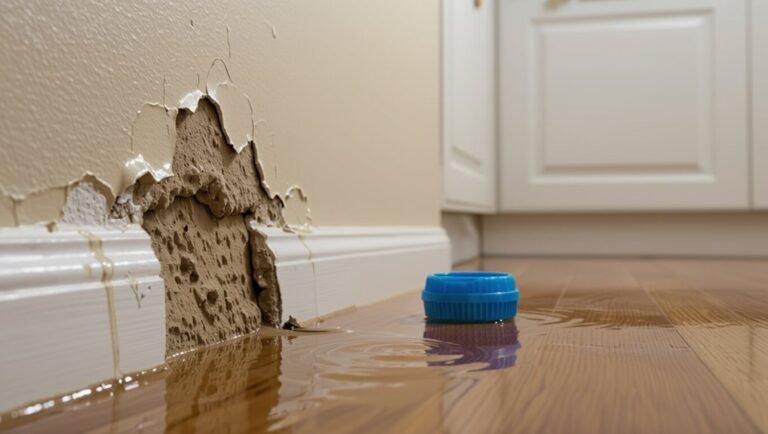
Visible warning signs of a failing septic system include soggy or unusually green areas in the yard, persistent sewage odors, slow drains, and occasional backups inside the home.
Common causes range from pipe or drainfield clogging and intrusive tree roots to a high water table or structural failure of the tank or leach field.
When these symptoms appear, homeowners or professionals typically use inspections, dye tests, measuring effluent levels, and camera or probe diagnostics to identify the problem and its location.
Visible symptoms in the yard and home
A failing septic system often announces itself through specific yard and household signs that, taken together, point to plumbing or drainfield issues.
Saturated, unusually green or spongy lawn areas above the drainfield, pooling water, and unusually lush vegetation concentrate potential problems.
Interior warning signs include persistent toilet gurgling, slow fixture performance, and repeatedly wet basement floors near plumbing fixtures, indicating system stress or failure.
Odors, slow drains, and backups
Signs in the yard and house often coincide with more direct plumbing complaints: persistent sewage odors, slow drains, and backups signal that solids, fats, or tree roots may be impairing the septic tank or drainfield.
These problems manifest as recurring toilet or sink backups, gurgling pipes, and localized foul smells.
Prompt diagnosis avoids health risks, property damage, and escalating repair complexity.
Causes: clogging, tree roots, high water table, structural failure
Multiple factors commonly undermine septic performance, with clogging, invading tree roots, elevated groundwater, and structural failure being the primary causes.
Clogging from solids, grease, and non-degradable items restricts flow. Tree roots breach pipes and tanks seeking moisture.
A high water table reduces soil absorption and causes surfacing.
Tank or drainfield collapse, corrosion, or joint failure disrupts containment and distribution, leading to system malfunction.
Diagnostic tests and inspection methods
Following the common causes of failure, diagnosing a malfunctioning septic system relies on targeted inspection methods and tests to pinpoint sources of trouble.
Technicians perform visual inspections, measure scum and sludge levels, test effluent quality, dye-trace plumbing, probe soil absorption, and monitor drainfield saturation.
Flow tests, camera inspections, and pressure checks reveal blockages, leaks, or hydraulic overloads, guiding repairs or replacement decisions.
Routine Maintenance and Recommended Schedule
Routine maintenance keeps a septic system functioning and prevents costly failures.
Owners should follow a pumping schedule based on tank size, household size, and wastewater habits, arrange periodic professional inspections to check baffles, scum and sludge levels, and monitor drainfield condition, and adopt household practices that minimize solids and harmful chemicals entering the system.
Clear records of pumping, inspections, repairs, and any required permits support proper care and regulatory compliance.
How often to pump the tank and factors that affect frequency
A septic tank should be inspected and pumped on a schedule tailored to household size, tank capacity, and water use: generally every 3–5 years for a typical household, sooner for larger families, small tanks, or high water consumption.
Frequency depends on solids accumulation rate, tank volume, household habits, garbage disposal use, and presence of heavy laundry or commercial-like waste.
Proper pumping prevents system failure.
Regular inspections and what professionals check
Schedule and conduct regular inspections to catch issues early and extend system life.
Certified technicians examine tank integrity, scum and sludge levels, inlet/outlet baffles, distribution box function, pipe and drainfield condition, and pump/electrical components.
They measure effluent quality, check for backups or saturation, document findings, and recommend pumping or repairs.
Inspection frequency typically aligns with household size, tank capacity, and system age.
Household habits that reduce strain on the system
Several simple household habits can greatly reduce stress on a septic system and extend its service life. Residents should conserve water, space out laundry loads, avoid pouring grease or chemicals down drains, and use septic-safe cleaners.
Regularly pump solids as recommended, protect the drainfield from heavy vehicles and deep-rooted plants, and promptly repair leaking fixtures to prevent overload and premature failure.
Record-keeping and permit considerations
Good record-keeping reinforces effective septic maintenance by documenting inspections, pumpings, repairs, and permit records. Logs should note dates, service details, technician contacts, and tank levels.
Retain permits, design plans, and inspection certificates per local regulations. Owners must check municipal renewal schedules and submission requirements.
Organized records streamline compliance, facilitate troubleshooting, and preserve property value during sale or transfer.
Troubleshooting and Repairs
When problems arise, owners must distinguish simple do-it-yourself fixes—such as clearing minor clogs—from issues requiring a professional, like extensive pipe repair or drainfield failures.
Common repairs include baffle replacement, pipe repairs, and measures to restore a compromised drainfield.
Immediate professional response is recommended for backups and overflows to protect health and property.
When to call a professional vs. DIY fixes
How should a homeowner decide between attempting a septic repair and calling a professional?
Assess symptom severity, safety risks, and permit requirements.
Simple tasks—tank inspections, pumping schedules, cleaning filters—can be DIY with proper tools and knowledge.
Major issues, recurring backups, sewage exposure, structural damage, electrical faults, or regulated work require licensed professionals to guarantee health, code compliance, and system longevity.
Common repairs: baffle replacement, pipe repair, drainfield restoration
After deciding whether a situation warrants professional help or a homeowner can handle it, attention turns to the most frequent septic repairs: baffle replacement, pipe repair, and drainfield restoration.
Baffles prevent solids escape and often corrode; replacement restores flow.
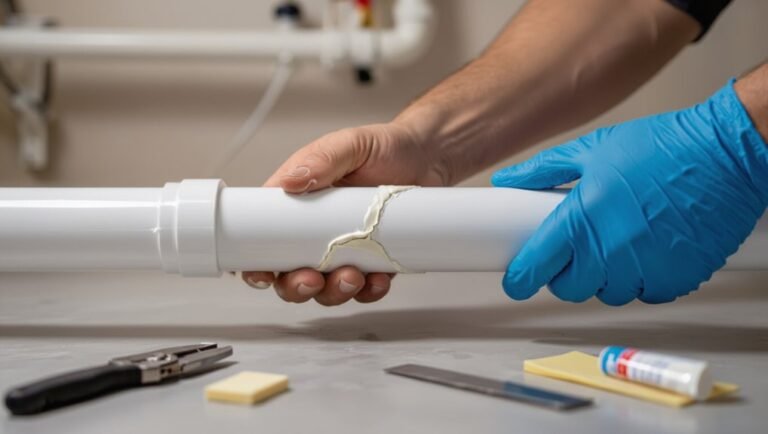
Pipes require leak or clog repairs, sometimes trenching.
Drainfield restoration involves aeration, soil amendments, or regrading; full replacement may be necessary when remediation fails.
Emergency response for backups and overflows
A limited set of immediate actions can prevent property damage and health risks when a septic backup or overflow occurs.
Occupants should stop water use, avoid contact with sewage, and ventilate affected areas.
Notify a licensed septic service promptly.
Document the event with photos, isolate contaminated items, and arrange professional pumping, inspection, and repairs.
Follow authority guidance for disposal and disinfection.
Cost Considerations and Lifespan
Typical costs associated with septic systems include installation, routine pumping, inspections, and occasional repairs, each varying by system size and site conditions.
Lifespan is influenced by maintenance, soil type, usage patterns, and component quality, with replacement timing driven by functional failure or local regulations.
Financing options, insurance coverage, and required permits can materially affect the total outlay and timing of major work.
Typical costs: installation, pumping, inspections, repairs
Cost factors for septic systems vary widely based on system type, soil conditions, local regulations, and property size: installation can range from several thousand to tens of thousands of dollars.
Routine pumping typically costs $200–$600, inspections $100–$300, and minor repairs $100–$2,000.
Major component replacement or drainfield repairs can reach several thousand.
Budgeting for regular maintenance reduces unexpected expenses.
Factors that influence lifespan and replacement timing
Because installation methods, usage patterns, and site conditions differ widely, the useful life of a septic system can vary from a decade to several decades.
Material quality, tank type, soil percolation, groundwater levels, maintenance frequency, household size, and load intensity all affect longevity.
Timely pumping, avoiding chemical overloads, and repairing leaks extend service life; severe damage or persistent failure indicates replacement is necessary.
Financing, insurance, and permits
Financing, insurance, and permitting together shape the practical affordability and legal viability of septic system installation, repair, or replacement.
Homeowners evaluate loan options, grants, and payment plans against insurance coverage limits for backup, collapse, or contamination.
Local permits dictate design standards, inspections, and timelines; compliance affects costs and longevity.
Proactive budgeting and proper documentation reduce unexpected expenses and regulatory delays.
Best Practices to Extend System Life
Practical measures can greatly prolong a septic system’s service life by reducing solids buildup, preventing clogs, and protecting the drainfield.
Key actions include conserving water to limit hydraulic load, strictly controlling what is flushed or drained into the system, managing landscaping and surface water to keep the drainfield dry, and performing seasonal checks and freeze protection as needed.
Following these practices helps maintain system performance and avoid costly repairs.
Water conservation strategies for septic health
How can modest changes in household water use substantially lengthen a septic system’s life?
Targets include reducing peak flows, limiting solids, and keeping the drainfield unsaturated.
Practical measures focus on efficient fixtures, staggered laundry, mindful irrigation, and routine inspections.
- Install low-flow fixtures and aerators.
- Space laundry loads across days.
- Direct roof runoff away from the drainfield.
- Monitor water meter and fix leaks promptly.
What to flush and what to avoid
With water-use habits managed to reduce peak flows and prevent drainfield saturation, attention turns to the solids and chemicals entering the system: what is put down toilets, sinks, and drains directly shapes treatment performance and longevity.
Flush only human waste and toilet paper; dispose of grease, wipes, dental floss, feminine products, diapers, medicines, solvents, paints, and harsh cleaners elsewhere.
Use septic-safe products sparingly.
Landscaping and surface water management around the drainfield
A property’s landscaping and surface water management around the drainfield play a critical role in preserving soil permeability and preventing system overload.
Vegetation should be shallow‑rooted, avoiding trees and deep shrubs.
Grade slopes to divert runoff away, install gutters and French drains as needed, and prevent compaction by restricting vehicle or heavy equipment traffic.
Maintain mulch layers; avoid impermeable paving.
Seasonal care and freeze protection
Because septic systems are vulnerable to temperature extremes and seasonal shifts, proactive winterization and seasonal maintenance are essential to prevent freezing, backups, and premature wear.
Regular inspections, insulating exposed pipes, maintaining adequate sludge levels, and diverting surface water reduce risk.
Adjust household water use during cold spells, schedule professional pumping before freeze-up, and restore insulation or mulch each spring to protect system components.
Local Regulations, Permits, and When to Upgrade
Local building departments set codes and permit requirements for septic installation, alteration, and replacement. Homeowners should consult local offices or their websites to confirm applicable rules.
Mandatory upgrades or full replacements are commonly required when systems fail, pose health or environmental risks, or when property changes increase wastewater load.
Licensed septic professionals are typically needed to evaluate systems, obtain permits, and perform authorized work.
Finding local codes and permit requirements
Property owners should consult local health departments, county planning or building offices, and municipal websites for code texts, permit applications, setback rules, and inspection schedules.
Contacting licensed septic professionals and reviewing state environmental agency guidance guarantees compliance.
Recordkeeping of permits and inspections facilitates future transactions and enforcement inquiries.
Situations that require system upgrades or replacement
After confirming applicable codes and maintaining permit records, property owners should also recognize circumstances that trigger required upgrades or full system replacement.
Common triggers include chronic backups, persistent drainfield saturation, failed tank inspections, expanded household size or increased wastewater load, changes in land use or lot lines, and new local ordinances.
Documented violations or repeated repair failures typically mandate replacement rather than repeated patching.
Working with licensed septic professionals
Engage licensed septic professionals early to guarantee compliance with local regulations, secure required permits, and assess whether upgrades or replacement are necessary.
Certified contractors inspect system condition, interpret codes, prepare permit applications, and recommend appropriate repair or replacement options.
They coordinate inspections, soil tests, and engineered designs when needed, ensuring installations meet health department standards and protecting property value and environmental safety.
Quick Reference: Emergency Checklist for Septic Failures
When a septic failure occurs, the guide lists clear, prioritized actions to limit health risks and property damage.
It outlines who to contact, what details to provide, and practical short-term measures to manage the situation until professionals arrive. The checklist is designed for quick reference under stress and to support coordinated emergency response.
- Stop water use immediately and restrict access to affected areas.
- Contact the septic service provider and local health or environmental authority; provide property address, system type, and observed symptoms.
- Contain spills with absorbent materials and prevent irrigation or laundry use; avoid flushing or running appliances.
- Document conditions with photos and notes, and follow professional guidance for repairs and cleanup.
Immediate steps for a backup or overflow
If a septic backup or overflow occurs, occupants should immediately stop using water and avoid flushing toilets or running appliances that discharge to the system.
Close bathroom and laundry doors, and restrict access to affected areas. Turn off nonessential water-using devices.
Contain visible effluent with absorbent materials or sandbags. Document conditions with photos and preserve safety by keeping children and pets away.
Who to contact and information to provide
After securing the scene and limiting water use, contact the appropriate professionals and authorities to report the failure and request assistance.
Provide name, address, phone, and property access details.
Describe observed symptoms, odor, visible backups, and timeline.
Share system type, pump alarm status, septic service history, last inspection date, and any recent heavy water use or landscaping changes to help prioritize response and diagnosis.
Short-term mitigation while waiting for repairs
Limit water use immediately and implement simple, low-cost measures to reduce system stress and health risks while awaiting professional repairs.
Temporarily divert nonessential water, suspend laundry and dishwasher cycles, fix visible leaks, and stagger toilet use.
Block access to saturated drainfield areas, post warning signs, and collect any backups for safe disposal.
Avoid harsh chemicals; document conditions and photos for the contractor.
Conclusion
Beneath the yard, the septic system hums like a hidden river, quietly sorting, digesting, and returning water to the earth. Through tanks, pipes, and soil the household’s waste completes its slow journey, fragile as a reed bridge. When care is steady—pumping, inspections, mindful use—the system endures; neglected, it falters, sending ripples of odor and expense. Knowledge, routine, and timely repairs keep that buried ecosystem balanced and the landscape whole.