
How to Unclog a Toilet Full of Poop Quickly and Safely: Step-by-Step Fixes
To quickly and safely unclog a toilet full of poop, follow these steps: First, wear gloves and eye protection, and ensure the area is well-ventilated while keeping children and pets away. Check the water level to assess overflow risk. Use a flange plunger, applying firm, controlled pumps. If this doesn’t work, slowly feed a toilet auger into the drain and crank it to break the blockage. For a temporary fix, pour a steady bucket of water into the bowl to create pressure and force the blockage through. After resolving the issue, sanitize all surfaces and tools. If the clog persists or multiple fixtures are affected, stop and call a plumber for further assistance.
How to Unclog a Toilet Full of Poop Quickly and Safely
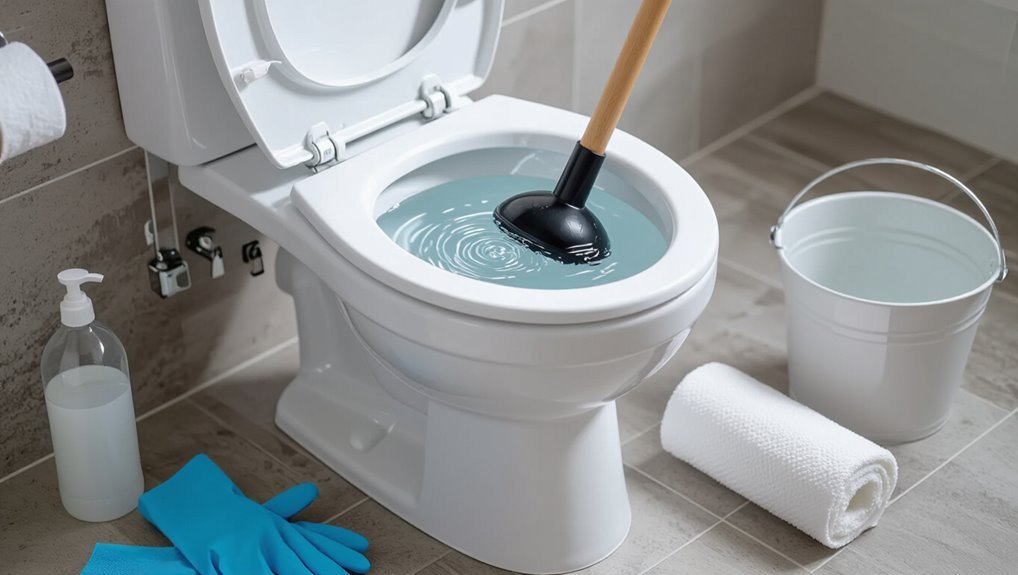
Before any action, the writer notes basic safety and hygiene: wear gloves, protect flooring, ventilate the room, and keep children and pets away.
A quick assessment follows to judge severity and likely cause—overflow risk, solids-only blockage, or foreign objects—which will determine the method.
Finally, prepare essential tools and supplies (plunger, rubber gloves, bucket, disposable wipes, and a toilet auger or drain snake if available).
Immediate safety and hygiene precautions before you start
A few simple precautions reduce health risks and make the job faster: don disposable gloves, put on eye protection, and open a window or run an exhaust fan to ventilate odors and aerosols.
Before attempting how to unclog a toilet full of poop, remove children and pets, cover nearby surfaces with disposable towels, keep disinfectant and hand sanitizer nearby, and wash hands thoroughly after finishing.
Quick assessment: determine severity and cause of the blockage
How severe is the backup and what caused it?
Observe water level, overflow risk, and any gurgling or slow drainage.
Note recent flushes, non-flushable items, or excessive paper.
Check adjacent drains for shared blockage signs.
Distinguish between partial clog, full bowl backup, or main sewer issue.
This assessment guides whether a simple fix or professional help is needed.
Tools and supplies to have ready ()
Once the assessment is complete, gather a small kit of purpose-built and household items to handle a toilet clogged with fecal matter safely and effectively.
Essential supplies minimize mess and risk.
- Plunger (flange type), rubber gloves, eye protection.
- Toilet auger, bucket, old towels.
- Disinfectant, disposable wipes, sealable trash bag.
Fast, step-by-step methods to clear the clog
The following concise, step-by-step methods address common clogs: proper plunger technique, safe use of a toilet auger, and a bucket‑and‑dump water boost when plunging fails.
It also covers appropriate use of enzyme or biological drain cleaners and sensible improvised tools, with clear warnings about what to avoid.
Each method is presented for fast, practical application and safety.
Method 1 Effective plunger technique
Start by positioning a flange or cup plunger over the drain to create a solid seal, ensuring the bowl contains enough water to cover the plunger head.
Push down gently to expel air, then pump with firm, steady strokes—pulling slightly on the upstroke.
Repeat about 15–20 times, test flush, and repeat if needed.
Clean and disinfect the plunger and surrounding area afterward.
Method 2 Use a toilet auger (snake) safely
Grab a toilet auger and position the curved end into the bowl, then feed the cable slowly down the drain until resistance is felt.
Crank the handle clockwise to break or hook the blockage, apply steady pressure, then retract slowly.
Clean the cable and bowl afterward, wearing gloves and eye protection.
Dispose of removed waste hygienically and sanitize tools before storage.
Method 3 Bucket-and-dump water boost (when plunger fails)
If a plunger fails, use the bucket-and-dump water boost to force water through the trap and dislodge the blockage. This method relies on gravity and volume rather than suction, so it works best for partial clogs and when the bowl has space to accept added water.
Fill a 3–5 gallon bucket, stand behind the bowl, pour steadily but forcefully into the center, and repeat once or twice.
Method 4 Enzyme or biological drain cleaners (when appropriate)
Consider enzyme or bacterial (biological) drain cleaners when clogs are organic—hair, toilet paper, or waste—and mechanical methods or harsh chemicals are unsuitable.
Choose a product labeled for toilets, follow dosage and wait times, pour carefully, keep room ventilated, and avoid mixing with bleach or acids.
Repeat treatment per instructions; results are slower but safe for plumbing and septic systems when used as directed.
Method 5 Improvised tools and when to avoid them
When a plunger or auger is unavailable, household items can be repurposed to dislodge simple clogs quickly; however, improvisation should be limited to noncorrosive, noninvasive tools and only used for visible or soft blockages.
Use a wire coat hanger fashioned into a gentle hook, a disposable plastic bottle to create pressure, or a wet/dry vacuum with care.
Avoid chemical mixing, rigid metal probes, and deep obstructions.
Detailed walkthroughs with troubleshooting
The section outlines emergency steps to stop bowl overflow and protect floors and fixtures.
It then explains corrective actions when plunging worsens the situation or forces waste into the overflow, and safe techniques for freeing a stuck auger.
Finally, it differentiates signs of a trap-level clog from indications that the main sewer line is blocked.
When the bowl overflows emergency steps to stop spillage
Act quickly to prevent water from spilling onto the floor by shutting off the toilet’s water supply valve—typically located behind the bowl—until the flow stops; if the valve is inaccessible or stuck, lift the tank lid and press the float down to stop the fill valve or pinch the supply line with a cloth and pliers as a temporary measure.
Mop up excess with towels, block door thresholds, remove rugs, and use a bucket to bail remaining bowl water.
If plunging pushes waste into overflow or makes it worse corrective actions
If plunging forces waste toward the overflow or worsens the clog, stop and reassess before continuing.
The person should remove excess water with a small container or wet/dry vacuum to reduce backflow.
Inspect for visible obstruction; switch to a flange plunger for better seal.
If resistance increases, pause and try enzyme drain cleaner or call a professional to avoid damage or contamination.
When the auger gets stuck safe removal techniques
When an auger becomes lodged in a toilet, proceed methodically to prevent damage and injury: pause cranking, note how far the cable has entered, and avoid forcing it further.
Back out gently while rotating counterclockwise to disengage curls. If resistance holds, retract slightly, adjust angle, and try incremental pushes with steady tension.
Cut power tools; wear gloves and eye protection. Call a pro if metal bends.
Signs that the clog is in the main sewer line vs. the toilet trap
Because the location of a blockage dictates the response, diagnosing whether a toilet is clogged at the trap or farther down the main sewer line begins with simple, observable tests and systematic elimination.
If one toilet backs up when another flushes, multiple drains are slow, or sewage appears in floor drains or basement fixtures, the main line is likely clogged.
Single-toilet issues point to the trap.
When to call a professional plumber
Persistent backups, sewage odors, repeated clogs, or visible damage are clear indicators that a professional plumber is needed.
Homeowners should be prepared to describe recent symptoms, attempted fixes, water levels, and any noises to help the plumber diagnose the issue quickly.
Typical professional unclogging appointments vary by region but commonly range from 1–3 hours and cost from a modest service fee to several hundred dollars depending on complexity.
Clear indicators you need professional help
How can a homeowner tell if a clog requires professional attention?
Persistent backups after plunging, sewage odors or seepage outside the bowl, multiple fixtures backing up, visible pipe damage, repeated clogs within days, or signs of a sewer-line issue (soggy yard, slow drains throughout the house).
Electrical or structural concerns related to repairs also warrant a licensed plumber to prevent damage and health risks.
What to tell the plumber to speed diagnosis
When contacting a plumber, the homeowner should provide concise, specific information: the fixture(s) affected, recent symptoms (e.g., gurgling, slow drain, sewage smell), when the problem began, any attempted remedies (plunging, chemicals), visible signs (overflow, water in basement, soggy yard), and whether multiple drains are involved.
Additionally note water level behavior, sewer cleanout access, any sump or ejector pump issues, and accessibility constraints.
Typical costs and timeframes for professional unclogging
Several factors determine the cost and duration of a professional toilet unclogging job: location, severity of the blockage, access, required tools (plunger, auger, hydro-jet), and whether follow-up repairs or sewer-line work are needed.
Typical service calls range $75–$250; simple auger jobs often take 30–60 minutes. Complex obstructions or sewer repairs can span several hours to a day and cost substantially more.
Preventing future toilet clogs
Preventing future toilet clogs begins with simple user habits: avoid flushing wipes, sanitary products, excess paper, and grease, and follow safe disposal practices for solids and chemicals.
Choosing the right toilet paper, moderating bidet or flush settings, and teaching household members correct use further reduces blockage risk.
Regular maintenance—periodic drain cleaning, inspecting seals and venting, and addressing slow drains promptly—keeps the system functioning.
Habits to avoid and safe disposal practices ()
Developing mindful bathroom habits and following safe disposal practices greatly reduces the chance of future toilet clogs.
The homeowner should discard wipes, sanitary products, and excessive packaging in a bin, limit nonbiodegradable items entering drains, and educate household members on proper disposal.
Follow local waste rules to prevent plumbing and sewage issues.
- Use a trash bin for non-flushables.
- Avoid pouring grease.
- Teach guests.
Recommended toilet paper and bidet/flush behavior
When selecting toilet paper, choose brands labeled septic-safe or designed to dissolve quickly, and use moderate amounts per flush to reduce blockage risk.
Similarly, bidet users should allow adequate drying time or pat dry with a small amount of septic-safe paper rather than flushing excessive sheets.
Use single-ply or quick-breakdown options in homes with older plumbing, and educate household members about conservative flushing habits.
Regular maintenance tips to keep drains clear
Several simple, regular actions can greatly reduce the risk of future toilet clogs: schedule monthly inspections, flush only appropriate materials, limit paper quantity per flush, and use high-efficiency fixtures.
Run water through infrequently used drains, clear visible debris from trap and rim, and apply a mild enzyme cleaner quarterly.
Promptly address slow drainage and call a plumber for persistent blockages to prevent escalation.
Cleaning and sanitizing after unclogging
After a clog is cleared, attention turns to cleaning and disinfecting the toilet and surrounding area using appropriate cleaners and disinfection procedures to kill germs without damaging surfaces.
Tools and protective gear should be sanitized or disposed of and handled with gloves and eye protection to prevent contamination.
Finally, odor removal and proper ventilation help restore air quality and reduce lingering smells.
Safe cleaning agents and disinfection procedures
Use EPA-registered disinfectants or a fresh bleach solution (1/3 cup household bleach per gallon of water) to sanitize surfaces touched during the unclogging process, and always follow manufacturer contact-time instructions for effective germ kill.
Wipe nonporous surfaces, allow proper dwell time, then rinse. For sensitive finishes, use EPA disinfectants labeled safe for those materials.
Ventilate the area during and after cleaning.
How to sanitize tools and protect yourself ()
A simple routine for sanitizing tools and protecting oneself reduces infection risk and prolongs equipment life.
After unclogging, remove debris, disinfect tools, and launder clothing promptly.
Follow this checklist:
- Wear gloves and eye protection; wash hands thoroughly afterward.
- Soak plunger and snake in diluted bleach or EPA disinfectant for recommended time.
- Rinse, dry, and store tools; wash contaminated fabrics in hot water.
Odor removal and ventilation tips
Once tools and clothing are cleaned, attention should turn to eliminating lingering odors and ventilating the space to restore air quality.
Open windows, run exhaust fans, and place a fan to direct air outward.
Use baking soda or activated charcoal to absorb smells; avoid mixing chemical deodorizers with cleaners.
Finish by wiping surfaces with disinfectant and laundering affected textiles promptly.
Common mistakes and myths to avoid
The section outlines common mistakes and myths that can worsen clogs or damage plumbing.
It warns against risky DIY hacks and explains why some chemical cleaners and pouring very hot water are ineffective or harmful.
It also clarifies how repeated forceful flushing can push blockages farther into the trap and sewage line.
Dangerous DIY methods that cause damage
Avoiding quick-fix instincts prevents costly damage when addressing a clogged toilet. Several common DIY methods—using chemical drain cleaners, pouring boiling water, or forcefully dismantling components—can warp seals, crack porcelain, and corrode mechanisms.
Other risky tactics include improvised plungers, metal coat hangers, and excessive force that damage trapways, flappers, and flush valves.
Professional tools and measured techniques reduce repair needs and hazards.
Misconceptions about chemical cleaners and hot water
While many homeowners assume chemical drain cleaners and boiling water are harmless shortcuts, both carry real risks and limited effectiveness for toilet clogs.
Corrosive chemicals can damage porcelain, seals and plumbing, and create toxic fumes. Boiling water risks cracking bowls and loosening seals.
Neither reliably clears solid blockages; mechanical methods or professional help are safer, more effective options to prioritize.
Why forceful flushing can make problems worse
After noting the limits and hazards of chemical cleaners and boiling water, attention should turn to another common mistake: repeatedly or forcefully flushing a clogged toilet.
Doing so can worsen blockages by compacting waste, overfilling the bowl, and risking sewer backups. It may damage seals, overflow floors, and spread contamination.
Controlled plunging or professional help is safer and more effective.
Quick decision checklist for emergency unclogging
A concise decision checklist helps determine the safest, fastest unclogging method based on symptoms and available tools.
It guides whether to try a plunger, a plumbing snake, enzyme treatment, or to call a professional.
The checklist prioritizes quick assessment of overflow risk, pipe type, and severity to prevent damage or contamination.
Step-by-step decision flow to choose a method ()
Begin by evaluating the situation quickly and calmly: determine if the water level is rising, whether a plunger is immediately available, and if the clog is confined to one fixture or affecting multiple drains. Follow this decision flow: try a plunger, escalate to a closet auger, call a plumber if multiple fixtures back up.
| Condition | Immediate action | Next step |
|---|---|---|
| Low water | Plunge | Auger if needed |
| High water | Stop fill | Protective cleanup |
| Multiple drains | Call pro | Avoid chemicals |
Conclusion
The problem seemed solved, yet a faint gurgle lingered — a reminder that vigilance matters. Following the clear, safe steps could free the bowl and restore calm, but persistent backups hint at deeper trouble. Armed with simple tools, sanitation tips, and a decision checklist, one could act fast or call a pro before matters worsened. In the quiet that follows, one must watch closely; the next flush will reveal whether the victory truly holds.
