Is Drano Bad for Pipes? Safe Alternatives & Expert Tips
Drano can indeed clear some organic blockages, but it poses significant risks to your plumbing. Its strong alkalis and heat can corrode metal pipes, weaken older joints, and soften certain plastics, especially with frequent or high-concentration use. While occasional use may help with fresh grease or hair clogs, repeated applications increase the likelihood of damage and can make future blockages harder to clear. For safer long-term solutions, consider using mechanical methods or enzyme cleaners. Read on for practical alternatives, necessary precautions, and guidance on when to call a professional.
Quick Answer: Is Drano Bad for Pipes?
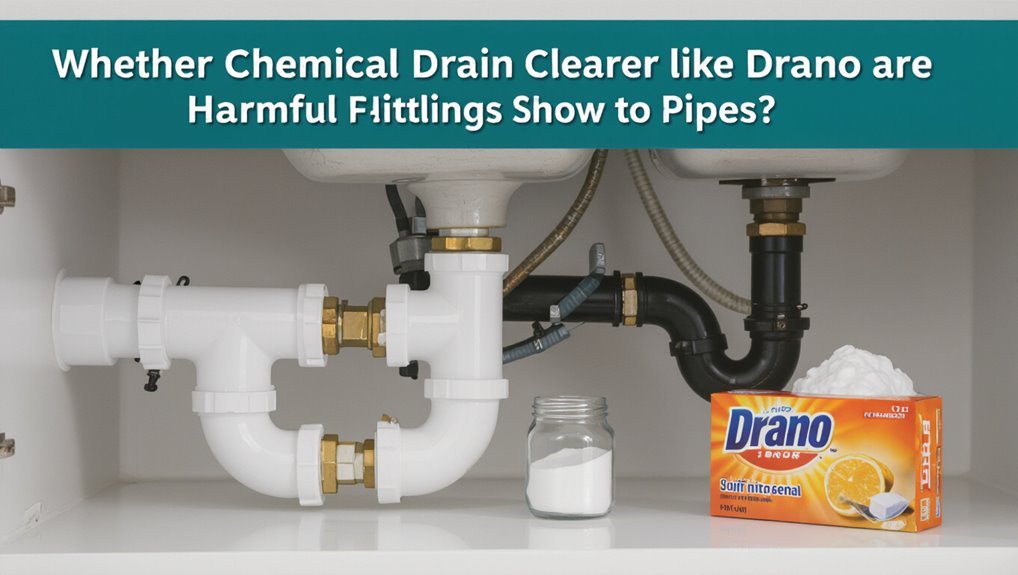
Occasionally, homeowners wonder whether Drano harms plumbing; the quick answer is that it can, depending on pipe material and frequency of use.
Evidence shows occasional, limited use in metal pipes may clear clogs without immediate damage, but repeated application and high concentrations increase corrosion risk. Plastic pipes tolerate chemical drain cleaners less predictably; heat and reactive agents can soften or deform some plastics over time.
Joints, older fixtures, and compromised seals are particularly vulnerable.
For persistent or recurring blockages, professional inspection or mechanical removal is safer. Users should weigh short-term convenience against potential long-term repair costs.
How Drano Actually Works in Your Drain
Having noted the conditions under which chemical drain cleaners can damage pipes, it is useful to understand how those products actually clear a clog.
They act by generating heat and breaking apart organic matter, dissolving hair, grease and soap residue that trap debris. Reaction products flow away with water, restoring partial flow. Effects depend on contact time, concentration and physical blockage severity. Users should note that chemical action is limited against solid obstructions or items like plastic.
- Heat generation speeds chemical breakdown of organic material.
- Caustic reaction fragments and solubilizes residues.
- Flow carries dissolved matter downstream.
- Limited effectiveness on solid or nonorganic blockages.
What’s in Drano? Common Active Ingredients
Drano formulations rely on a few key active ingredients that produce heat, break down organic matter, and move debris through the pipe. Typical components include sodium hydroxide (caustic soda) to saponify fats and fibers, aluminum granules to generate heat via reaction with hydroxide, and solvents or surfactants to loosen residues. These actants combine mechanical, chemical, and thermal effects to clear blockages but can be aggressive toward some materials. Users should note concentration and contact time influence outcomes; labels and safety data sheets list specifics.
| Ingredient | Function |
|---|---|
| Sodium hydroxide | Dissolves organic matter |
| Aluminum | Produces exothermic heat |
| Surfactants/solvents | Loosen and carry debris |
Why Some Clogs Respond : and Some Don’t
Clogs respond differently because their composition, location, and age determine how chemical, thermal, and mechanical actions interact with the blockage.
Older, compacted masses resist solvents; loose hair-and-soap buildups yield to mechanical removal.
Organic matter may be broken down by enzymes or hot water, while mineral scale requires acidic or abrasive action.
Accessibility matters: traps and shallow bends allow plungers or augers; deep or collapsed runs limit intervention.
Temperature affects solubility; recent grease is softer than cooled congealed fat.
Material of pipe and biofilm presence also influence outcomes, guiding whether mechanical, thermal, or enzymatic approaches succeed.
- Composition: hair, grease, scale, organic
- Location: trap, bend, main line
- Age: fresh vs. compacted buildup
- Accessibility: tools and reach determine method
When Chemical Cleaners Can Make a Clog Worse
In certain situations, chemical drain cleaners can worsen a blockage rather than clear it. They may dissolve surface material but leave a glue-like residue that traps hair, grease, or fibers, compacting the obstruction.
Exothermic reactions can soften plastic fittings or expand clogs, causing partial collapses and irregular flow that hinders later mechanical removal.
Repeated applications can create layered, chemically altered masses harder to dislodge. In systems with standing water, concentrated chemicals can pool and corrode seals or epoxy, leading to leaks that migrate debris.
Homeowners and technicians should recognize these risks and consider mechanical or enzymatic options before repeating chemical treatments.
Which Pipe Materials Are Vulnerable to Drano
Frequently, certain common plumbing materials are more vulnerable to chemical drain cleaners than others. Exposure can cause corrosion, pitting, joint failure, or softened seals depending on composition and construction. Careful selection of cleaners matters.
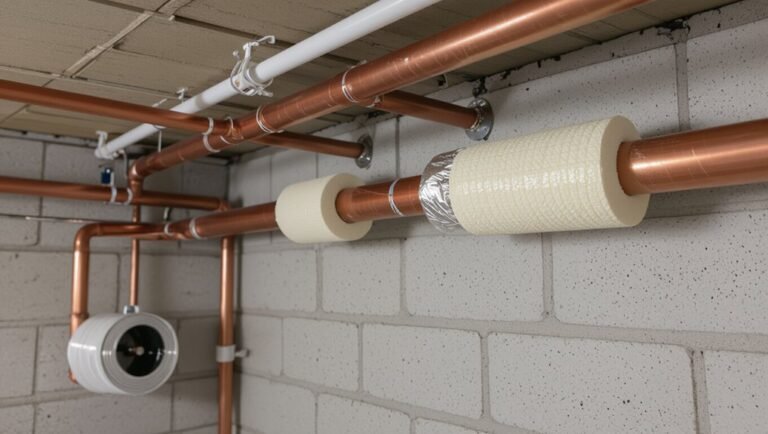
- Copper: reactive to strong alkalis, risking surface erosion and weakened joints.
- Galvanized steel: susceptible to accelerated corrosion as coatings degrade chemically.
- PVC/CPVC: can soften or craze if exposed repeatedly to harsh chemicals or high temperatures.
- Rubber gaskets and seals: chemical attack leads to swelling, cracking, and leaks, compromising connections and fixtures.
Why Older Pipes Are More Likely to Be Harmed
Older plumbing often shows corroded metal pipes that react more readily with strong chemical cleaners.
Fragile PVC joints installed or repaired years ago can crack under the heat and pressure generated by such products.
Longstanding mineral buildup further concentrates chemicals and weakens pipe walls, increasing the risk of damage.
Corroded Metal Pipes
Corroded metal pipes often present the greatest risk when chemical drain cleaners are used, because years of oxidation, mineral buildup, and microscopic pitting weaken their walls and joints.
Older iron, galvanized steel, and brass can react unpredictably with caustic or acidic agents, accelerating deterioration and causing leaks or sudden failures.
The loss of protective coatings exposes raw metal, increasing vulnerability to thermal and chemical stress.
Professional inspection is advised before using strong cleaners; mechanical methods or enzyme-based alternatives reduce risk.
Regular maintenance and prompt repair of small corrosion spots prolong service life and prevent extensive damage.
- Accelerated chemical attack
- Thinned pipe walls
- Joint and flange failure
- Increased leak risk
Fragile PVC Joints
In aging plumbing systems, PVC joints become increasingly fragile as solvent-welded connections and rubber gaskets lose flexibility and adhesive strength over time. This deterioration makes older plastic fittings more susceptible to stress from thermal cycling, mechanical strain, and chemical exposure.
Harsh drain cleaners can exacerbate microcracks or cause joint separation by softening adhesives and swelling seals. Once compromised, leaks may appear at fittings rather than along pipe lengths, complicating diagnostics and repairs.
Routine inspection and gentle cleaning methods reduce risk; when joints show brittleness or movement, replacement with properly prepared solvent welds or new gasketed fittings is recommended.
Longstanding Mineral Buildup
Over years of use, mineral deposits like calcium and magnesium accumulate inside drains and around fittings, narrowing passages and creating rough surfaces that trap further buildup.
Older metal and even aged PVC pipes become more susceptible to chemical attack where scaling has weakened the substrate.
Harsh drain cleaners can react unpredictably with mineral layers, causing localized corrosion, pitting, or accelerated degradation at joints.
Routine mechanical removal and gentler maintenance reduce risk.
Consider professional descaling, periodic inspections, and using enzyme cleaners instead of caustic solvents to protect integrity and extend service life.
- Cause: hard water scaling
- Effect: narrowed flow
- Risk: chemical interaction
- Prevention: descaling/enzymes
Risks to PVC and Plastic Plumbing
Chemical drain cleaners can react with PVC and other plastics, potentially causing chemical softening or surface degradation.
Exothermic reactions may raise temperatures enough to warp or weaken plastic fittings.
Repeated exposures compound these effects, increasing the risk of leaks and premature failure over time.
Chemical Reaction With PVC
Reacting with PVC and other common plastic plumbing materials, drain-cleaning formulations—particularly strong alkaline or oxidizing products—can cause surface degradation, stress cracking, and weakening at joints and fittings. Exposure may reduce tensile strength, promote microfractures, and compromise solvent-welded connections.
Repeated or prolonged contact increases cumulative damage, especially where chemicals pool. Plasticizers and pigments can be leached, altering flexibility. Visible signs include whitening, crazing, or brittle fractures around bends and seals.
To minimize risk, users should avoid harsh formulations on plastic runs and prefer mechanical or enzyme-based alternatives. Routine inspection catches early deterioration before catastrophic failure.
- Surface degradation
- Stress cracking
- Loss of joint integrity
- Chemical leaching
Heat Damage To Plastics
Frequently, exposure to elevated temperatures from clogged drains, hot-water flushes, or exothermic reactions causes PVC and other plastic plumbing components to soften, deform, or lose mechanical strength. Plastics can warp, seal failures may occur, and joints can loosen. Short bursts of heat may not show immediate leaks, but visible distortion or brittle cracking can follow rapid cooling. Immediate inspection after any intense heat event is recommended. Repair or replacement of affected fittings prevents sudden failures. Avoid pouring boiling liquids or reactive chemicals down plastic-lined drains; use mechanical clearing or enzyme cleaners instead.
| Risk | Sign | Action |
|---|---|---|
| Softening | Warping | Inspect |
| Joint failure | Leaks | Replace |
| Cracking | Brittleness | Test |
Cumulative Long-Term Effects
Accumulating exposure to drain cleaners, repeated heat cycles, and intermittent mechanical stress gradually degrades PVC and other plastic plumbing materials, reducing stiffness, fatigue life, and solvent-weld integrity.
Over years, microcracking, crazing, and softening combine to narrow passages, raise leak risk, and shorten service intervals.
Chemical attack can embrittle joints; thermal cycling accelerates creep; mechanical agitation worsens surface flaws.
Inspection difficulty means damage often appears after multiple events, complicating diagnosis and repair decisions.
- Microcracking from repeated chemical stress and thermal expansion.
- Solvent-weld weakening and joint leakage.
- Creep and dimensional change under heat and load.
- Accelerated failure after cumulative insults.
Risks to Copper, Galvanized, and Iron Pipes
Occasionally, chemical drain cleaners like Drano can pose significant risks to metal plumbing; their strong alkaline or oxidizing formulations may corrode or weaken copper, galvanized steel, and cast iron over time.
Copper fittings can suffer pitting and thinning, accelerating leaks where solder joints or thin-walled tubing exist.
Galvanized steel—already prone to internal rust—can experience accelerated coating breakdown, exposing base metal and worsening corrosion.
Cast iron may develop surface scaling and localized erosion, compromising structural integrity.
Repeated applications increase chemical exposure and stress, raising failure risk.
For metal systems, mechanical clearing or enzymatic cleaners are safer, less corrosive options.
Effects on Sewer Lines and Septic Systems
When introduced into sewer lines or septic systems, chemical drain cleaners like Drano can disrupt both plumbing infrastructure and biological treatment processes.
Exposure to strong caustics may corrode joints, fittings, and older clay or plastic pipes, increasing leak risk.
In municipal sewers, reactive chemicals can damage manholes and concrete conduits.
In septic systems, they can alter solids settling and scum formation, impairing tank function without detailing microbial toxicity here.
Professionals recommend mechanical clearing or enzymatic products and prompt inspection after chemical use to prevent costly repairs and protect downstream treatment facilities.
- Corrosion of pipe materials
- Damage to sewer structures
- Impaired septic tank performance
- Need for mechanical or enzymatic alternatives
How Chemical Residue Harms Septic Bacteria
Beyond structural harm, residual chemicals from drain cleaners can directly disrupt the microbial community that treats household wastewater. These products often contain caustic agents or oxidizers that enter septic tanks and reduce populations of bacteria and archaea responsible for breaking down organic matter.
Diminished microbial activity slows sludge decomposition, increases solids accumulation, and can lead to more frequent pumping or system failure. Toxic residues also alter microbial balance, favoring resistant strains while suppressing beneficial ones, which degrades overall treatment efficiency.
Repeated chemical inputs compound these effects, making biological recovery slow and costly and reducing septic system longevity.
Safety Risks for People and Pets in the Home
Chemical drain cleaners can cause severe skin and eye burns on contact, so users should handle them with protective gloves and eyewear.
Vapors from these products can also irritate respiratory passages and worsen conditions like asthma, posing risks to both people and pets.
Proper ventilation and secure storage away from children and animals are essential precautions.
Skin And Eye Hazards
Often overlooked, drain cleaners like Drano pose acute risks to skin and eyes because their alkaline or oxidizing ingredients can cause severe irritation, chemical burns, and permanent damage on contact. Immediate flushing with water is essential; contaminated clothing should be removed.
Medical attention is required for persistent pain, vision changes, or large exposures. Pets are vulnerable to paw or fur contamination and should be kept away from treated areas until surfaces are fully rinsed.
- Use gloves and eye protection when handling or pouring.
- Avoid splashing; pour slowly and directly.
- Keep products locked away from children and pets.
- Rinse tools and spills thoroughly with water.
Household Chemical Fumes
Household cleaners and drain products can release fumes that irritate the respiratory tract, eyes, and skin, and may be especially harmful to children, older adults, and pets with smaller airways or compromised health.
Vapors from caustic or solvent-based products can trigger coughing, wheezing, headaches, dizziness, and asthma exacerbations; severe exposure risks include chemical pneumonitis.
Mixing chemicals (for example, bleach with ammonia or acids) creates toxic gases such as chloramines or chlorine, posing acute danger.
Proper ventilation, sealed storage, childproofing, quick removal of pets from treated areas, and using less-toxic alternatives reduce inhalation hazards and emergency incidents.
Don’t Mix Cleaners: Dangerous Chemical Interactions
When drain cleaners, bleach, ammonia, or acidic bathroom cleaners are combined, they can produce toxic gases or violent reactions that harm people and damage plumbing.
Professionals warn that residues interact unpredictably in pipes, releasing chloramines, chlorine gas, or heat that can warp seals and corrode metal.
Ventilate and evacuate if fumes appear.
Do not attempt neutralization without guidance.
Labeling and storage should prevent accidental mixes.
Seek medical help for exposure.
For clogs, prefer mechanical methods or a single recommended product used per manufacturer instructions.
- Avoid mixing products
- Flush and ventilate
- Store separately and label
- Call professionals if unsure
How Long to Wait After Using Drano Before Doing Anything
After pouring a chemical drain opener, a person should wait the full dwell time specified on the product label before taking any further action. This interval allows the reagent to break down clogs and minimizes exposure to concentrated fumes.
Typical dwell times vary from 15 minutes to several hours; strict adherence prevents ineffective flushing or accidental skin contact. After the labeled period, running cold water for the recommended duration is usually advised to clear residues and cool pipes.
If the drain remains slow, repeating the product beyond label instructions is unsafe; professional assessment or mechanical clearing should be pursued instead.
Signs Your Pipes Were Damaged by Chemicals
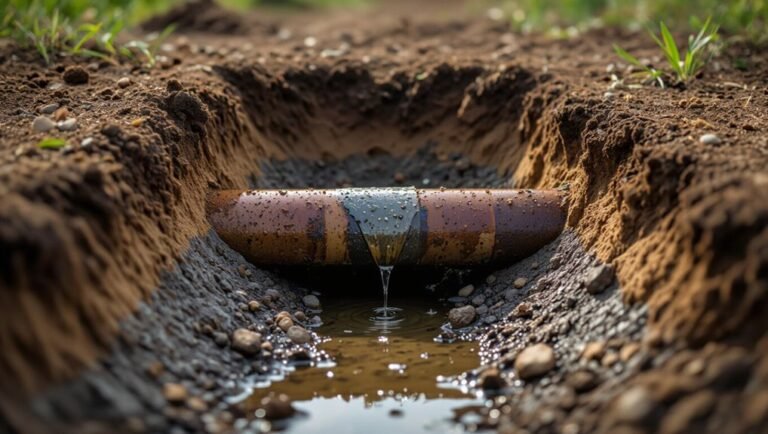
Visible discoloration, pitting, or verdigris on pipe surfaces can indicate chemical corrosion from drain cleaners.
A persistent chemical odor in drains or around plumbing fixtures may further signal residual caustic agents or ongoing damage.
Together, these signs warrant prompt inspection by a qualified plumber to prevent leaks or structural failure.
Discolored Or Corroded Pipes
Exposed to harsh drain chemicals, metal pipes can develop unusual discoloration and surface pitting that signal chemical damage rather than ordinary aging. Observers may note flaking, chalky residues, greenish or dark stains, and thin spots that precede leaks. Such visual cues often indicate corrosive reactions between caustic products and pipe metal, accelerating deterioration. Prompt inspection and documentation help determine risk and necessary repairs.
Recommended responses include stopping use of chemical cleaners, isolating affected fixtures, and consulting a plumber to assess structural integrity and recommend replacement or protective measures.
- Flaking or pitting
- Greenish or dark stains
- Thinning or soft spots
- Chalky residue
Persistent Chemical Odors
Often, a lingering chemical smell coming from drains or vents signals that reactive cleaners have remained in contact with pipe materials long enough to cause damage. The odor often indicates degraded seals, pitting, or residual solvent trapped in microcracks. Affected plumbing may later leak or fail; detection warrants inspection. Professionals recommend stopping chemical use, flushing with water, and contacting a plumber to assess corrosion or plastic degradation. Persistent smells paired with visible damage suggest replacement. The table compares common signs and implications.
| Sign | Likely implication |
|---|---|
| Strong chlorine scent | Metal corrosion |
| Solvent odor | Plastic softening |
| Musty chemical mix | Seal breakdown |
| Intermittent smell | Trapped residue |
How to Inspect Visible Pipes After Using a Cleaner
After running a chemical drain cleaner, inspect all accessible pipe surfaces for discoloration, swelling, cracks, or softened spots that can indicate chemical damage or a reaction with the pipe material.
Visually scan joints, traps, and connectors under sinks and behind appliances, using a flashlight. Note odors, residue, or powder deposits and wipe a small area with a damp cloth to test firmness. Compare appearance to unaffected sections.
Photograph any abnormalities and record their location and severity. If corrosion or brittle sections appear, avoid applying stress.
Continue monitoring over 24–48 hours for changes before deciding next steps.
- Check joints and traps
- Look for residue
- Test firmness gently
- Photograph and record
When to Stop DIY and Call a Plumber
In cases where visible damage, persistent leaks, strong chemical odors, or recurring clogs occur despite initial remedies, a professional plumber should be contacted promptly.
A plumber assesses structural risks, identifies hidden corrosion, and evaluates chemical exposure impacts that DIY methods can miss. Call when water seeps from joints, seals bulge, or fixtures wobble; when multiple drains back up simultaneously; or when attempts to clear blockages require excessive force or produce no effect.
Also seek help if electrical components near plumbing are wet, or if health symptoms follow chemical use. Early professional intervention prevents escalation and costly repairs.
Quick Decision Flow: Which Drain Method Should You Try First?
A quick visual check of the drain and trap helps identify obvious blockages or visible damage before action is taken.
If no structural issues are apparent, mechanical methods such as a plunger or hand auger are recommended as the first response.
Chemical cleaners should be used only when mechanical options fail and with caution due to potential pipe and health risks.
Quick Visual Check
Which signs of trouble are visible at a glance? A quick visual check helps decide next steps without tools.
Observers note obvious spills, corrosion, or misalignment under sinks, slow drain height in tubs or basins, foul odors emanating from drains, and any visible block near grates or stoppers.
Visible damage or standing water suggests avoiding chemical approaches and seeking professional advice.
Minor surface debris or slow initial flow may permit gentler remedies.
The checklist below guides a basic assessment before selecting a method, emphasizing observable evidence rather than hidden or technical diagnostics.
- Corrosion or rust
- Standing water
- Foul odor
- Visible obstruction
Try Mechanical First
Following the quick visual check, mechanical methods should be attempted before chemical treatments whenever safe and practical.
Homeowners are advised to start with simple, low-risk tools: a plunger for sinks and tubs, a hand auger for deeper blockages, and a drain snake for hair buildup.
Removing and cleaning trap assemblies often resolves clogs in drains under sinks.
Mechanical approaches minimize chemical exposure, protect older or damaged pipes, and allow inspection of debris type.
If mechanical efforts fail after careful, measured attempts—or if structural issues appear—escalation to professional services is the prudent next step.
Use Chemical Cautiously
When mechanical options fail or are impractical, chemical cleaners may be considered but only with strict precautions to reduce risk to people and pipes. The recommendation stresses reading labels, choosing products formulated for the pipe material, and avoiding mixing chemicals.
Protective gear, ventilation, and timed contact minimize exposure. If corrosion, old piping, or unclear blockages exist, professional inspection is advised before use. Chemical methods are a last resort, useful for organic clogs but risky for seals and finishes.
Follow disposal instructions and neutralize spills promptly; when in doubt, hire a plumber to prevent costly damage.
- Read label and compatibility
- Use PPE and ventilate
- Do not mix products
- Consult a professional
Safer Liquid Alternatives for Small Clogs
For minor sink and shower blockages, several milder liquid options can clear drains without the hazards of concentrated chemical cleaners.
A funnel of boiling water often dissolves grease and soap residue in small runs; pour slowly in stages to avoid plumbing shock.
A mixture of baking soda followed by vinegar creates a fizzy reaction that dislodges soft buildup; allow foam to act for 15–30 minutes before flushing with hot water.
Liquid dish detergent emulsifies greasy clogs when combined with hot water and mechanical agitation.
These approaches reduce corrosion risk and chemical exposure, though they suit only light, recent obstructions.
Enzyme-Based Cleaners: When They Work and When They Don’t
Enzyme-based cleaners can effectively break down organic matter in slow-moving or partially clogged drains when given sufficient contact time. Their limitations include reduced effectiveness on inorganic blockages, grease that has solidified, or in very cold conditions that slow enzymatic activity.
Timing and proper application—allowing several hours or overnight and avoiding immediate flushing with strong chemicals—determine success.
When Enzymes Work
Under the right conditions, enzyme cleaners break down organic clogs—hair, grease, food residue—by catalyzing their natural decomposition into smaller, water-soluble components.
They work best in warm, moist drains where microbes contact the blockage; given time, enzymes reduce buildup without harsh chemicals. Enzyme products vary in specificity and formulation, so user instructions matter for activation and contact time.
Not suitable for inorganic obstructions or immediate emergency clearing, their strength depends on concentration and repeated application. Consider them a maintenance tool rather than a rapid fix.
- Warm, moist environment aids activity
- Organic material present
- Adequate contact time
- Correct product selection
Limitations And Timing
In practice, enzyme cleaners have clear limits: they require the right biological conditions and time to work, and they cannot dissolve inorganic or mechanically lodged obstructions.
They perform best on organic buildup—hair, grease, soap scum—within warm, oxygenated environments where enzymes remain active.
Cold water, strong chemical residues, or repeated solvent use can inactivate enzymes, reducing effectiveness.
Slow drains with biological buildup may respond over days to weeks; acute, complete clogs usually need mechanical removal.
Regular enzyme maintenance can prevent recurrence but is not a rapid cure.
Users should match product selection and expectations to the clog type and timeline.
Homemade Solutions That Are Actually Safe
When addressing minor clogs with household ingredients, a few proven homemade methods can clear drains safely and without harsh chemicals.
A simple enzymatic approach uses biological drain cleaners or diluted enzyme packets to digest organic buildup over days.
Manual removal with a drain snake or a hooked wire clears hair and debris without chemicals.
A mixture of baking soda followed by vinegar creates a fizzing reaction that can loosen light blockages; flush with cold water after waiting.
Regularly removing trap debris and using mesh strainers prevents recurrence and reduces reliance on caustic products.
- Enzyme-based cleaners
- Drain snake or manual removal
- Baking soda + vinegar
- Trap cleaning and strainers
Using Boiling Water Safely for Grease Clogs
For grease-clogged kitchen drains, pouring boiling water can be an effective first response if done carefully: it softens and carries away congealed fats but must be applied in stages and with attention to pipe material and fittings to avoid damage.
The method involves pouring a kettle slowly, waiting between pours to let heat dissipate and melted grease flow.
PVC joints tolerate no sudden thermal shock; metal pipes handle heat better but older seals may fail.
Repeat three to four times, then run hot tap water to flush residue.
If flow doesn’t improve or pipes are fragile, stop and consult a professional.
Vinegar and Baking Soda: Realistic Expectations
After attempting staged boiling-water flushes for grease issues, homeowners often consider a baking soda-and-vinegar mix as the next inexpensive option.
The reaction produces fizz and can dislodge light debris, but it rarely clears established grease blockages or hair clogs.
It is safe for most pipes when used occasionally, yet effectiveness is limited.
Dependence on this method delays proper diagnosis.
- Best for fresh or minor buildups, not heavy clogs.
- Works mechanically and briefly, not chemically like caustics.
- Safe for metal and plastic with infrequent use.
- Follow with hot water; repeat cautiously.
How to Use a Plunger Correctly (Step-by-Step)
How should a plunger be used to clear a typical sink or toilet clog? A practitioner selects the correct plunger: cup type for sinks, flange type for toilets.
Inspect and remove standing water until a seal can form.
Position the cup over the drain, ensuring full contact.
Apply firm, steady pressure downward, then pull sharply upward without breaking the seal.
Repeat 8–12 times, checking progress periodically.
If water begins to drain, finish with several flushes or running water to clear residue.
Sanitize the plunger and surrounding area after use.
If resistance persists, escalate to mechanical methods or professional help.
How a Hand Auger (Snake) Clears Clogs Better Than Chemicals
A hand auger clears blockages by mechanically breaking up and extracting debris, avoiding the corrosive action of chemical cleaners.
This method is gentler on older or fragile pipes, reducing the risk of damage and leaks.
Additionally, snakes are reusable and relatively inexpensive, making them a cost-effective choice for routine maintenance.
Mechanical Clog Removal
Using a hand auger, plumbers physically break up or extract blockages, offering a direct solution that chemicals cannot match.
Mechanical removal targets the obstruction—hair, grease, and debris—without relying on caustic reactions.
A snake reaches beyond the trap, loosening compacted material and retrieving solid masses.
This reduces recurrence and avoids chemical residues that can linger.
It provides immediate flow restoration and clearer assessment of pipe condition.
Proper technique limits pipe damage compared with repeated chemical use.
Hand augers are portable, reusable tools suitable for many household clogs and allow inspection and confirmation that a blockage has been fully cleared.
- Breaks up or extracts material
- Targets deep clogs
- No chemical residue
- Immediate, reusable solution
Safe For Old Pipes
For older plumbing systems, a hand auger is often gentler and more reliable than chemical drain cleaners. The flexible steel cable reaches blockages directly, breaking or extracting hair, grease, and debris without exposing pipes to corrosive agents. Unlike caustic liquids that can erode solder, brass, and older cast iron over repeated use, a snake applies targeted mechanical force, reducing long-term wear.
Hand augers also avoid chemical residues that can harm joints or septic systems. Proper technique—slow feeding, turning, and retracting—minimizes pipe damage. For aging plumbing, this controlled, nonchemical approach preserves integrity while restoring flow effectively.
Reusable And Affordable
Many homeowners find a hand auger more cost-effective over time than repeatedly buying chemical drain cleaners. A hand auger physically removes hair, grease, and debris without corrosive residues, protecting pipes and fittings. It requires minimal maintenance, has a long service life, and eliminates recurring purchase costs. Proper use reduces the chance of pushing clogs deeper or harming seals.
- Direct mechanical removal: targets blockages rather than dissolving them.
- Reusable design: one tool covers many issues over years.
- Safer for materials: no caustic exposure to metal or rubber.
- Cost-effective: lower lifetime expense than frequent chemical use.
When a Hand Auger Is the Right Tool
When a clog is within reach and accessible by hand, a hand auger offers a simple, controlled option for clearing blockages without introducing harsh chemicals or risking damage to plumbing fixtures.
It excels for localized obstructions in sinks, showers, and short trap runs where visibility and access allow manual feeding.
The operator can feel resistance changes, retrieve hair and gunk, and avoid forcing debris deeper.
Selection favors compact augers sized to the pipe, with flexible cables and protective tips to prevent scratching.
After use, thorough cleaning of the tool and flushing the drain helps confirm residual material is removed and flow restored.
How Professional Plumbers Clear Stubborn Clogs
Professional plumbers approach stubborn clogs with a sequence of diagnostic and mechanical methods tailored to the blockage type and pipe layout.
They begin with inspection—visual checks, flow tests, and sometimes a camera to locate and classify obstructions.
Choice of technique depends on material, access, and pipe condition.
Mechanical removal minimizes chemical use and protects plumbing integrity.
Post-clearing inspection confirms success and checks for damage or recurring causes like tree roots or buildup.
- Camera inspection to pinpoint location and nature
- Manual or powered augering to break and extract debris
- Enzyme or biodegradable treatments for organic residue
- Sectional repair or replacement when damage is found
When Hydro-Jetting Is the Right Choice
In situations involving heavy grease, mineral buildup, or invasive root intrusion, hydro-jetting offers a high-pressure, non-chemical method to clear and restore full pipe flow. It suits municipal lines, main sewer trunks, and severely scaled residential pipes where mechanical snaking fails.
Technicians select nozzle pressure and flow to match pipe material and condition, minimizing damage risk. Hydro-jetting removes biofilm, calcification, and compacted debris, reducing recurrence compared with chemical cleaners.
It is not recommended for fragile, aged, or cracked infrastructure without prior assessment. Professional evaluation and proper safety protocols guarantee effectiveness and protect long-term pipe integrity.
When an Inspection Camera Is Needed
For complex or recurring drainage problems, an inspection camera provides objective internal views that guide diagnosis and repair. It helps locate blockages, identifies root intrusion, and distinguishes between localized clogs and systemic line collapse without invasive excavation.
Technicians use footage to decide targeted interventions, document conditions for homeowners or insurers, and avoid unnecessary chemical treatments when mechanical or structural fixes are warranted. Recommended when repeated clogs recur, odors persist despite cleaning, suspicious sounds come from drains, or visible aging exists in plumbing installations.
- Confirm recurring obstruction locations
- Diagnose non-chemical causes
- Guide targeted repairs
- Document pipe condition
Repairing Pipe Corrosion Caused by Chemical Cleaners
When chemical drain cleaners repeatedly contact metal or older PVC pipes, they can accelerate corrosion and produce pitting, brittle joints, or softened plastic that compromises seals. Repair begins with a full assessment: identify affected sections, material type, and extent of damage. Minor corrosion may be addressed by cutting out and replacing short pipe segments or installing epoxy linings for metal pipes where appropriate.
Severely weakened joints or extensive PVC degradation require full section replacement and new fittings. After repairs, apply corrosion-resistant materials, guarantee proper slope and support, and recommend noncaustic maintenance to prevent recurrence and prolong system life.
Will Drain Cleaners Affect Your Warranty or Insurance?
The use of chemical drain cleaners can intersect with warranty and insurance terms, particularly where coverage excludes damage from chemical exposure.
Manufacturers may require specific maintenance practices and prohibit certain cleaners to keep warranties valid.
Homeowner insurance policies also commonly limit coverage for gradual damage or neglect, so claims for chemical-induced corrosion may be denied.
Warranty Coverage Exclusions
Liability concerns often arise around using chemical drain cleaners because warranty and insurance terms can exclude damage caused by consumer-applied chemicals.
Manufacturers and insurers often stipulate that corrosion, melted seals, or joint failures from caustic products are not covered.
Documentation, proof of alternative causes, and inspection reports influence claim outcomes.
Homeowners should review policy language and warranty clauses before using aggressive cleaners to avoid unexpected repair costs.
- Exclusions often list chemical-induced corrosion and seal damage.
- Burden of proof can fall on the claimant.
- Service records and inspections affect claims.
- Using approved methods reduces denial risk.
Manufacturer Maintenance Requirements
Because warranty and insurance exclusions frequently hinge on chemical-induced damage, manufacturers often spell out maintenance actions that homeowners must follow to preserve coverage—this includes which drain-cleaning methods are permitted, recommended service intervals, and required documentation of professional repairs. Manufacturers typically require use of noncaustic cleaners, periodic professional inspections, and prompt repair documentation to validate claims. Consumers should record receipts, technician reports, and product labels when servicing drains. Failure to follow stated procedures can void component warranties. Consulting the appliance or pipe manufacturer’s maintenance guide before using chemical cleaners reduces dispute risk and clarifies acceptable practices.
| Requirement | Typical Example |
|---|---|
| Allowed cleaners | Enzyme or mild surfactant products |
| Inspection interval | Annual or biennial plumbing check |
| Documentation | Receipts, service reports, product labels |
Homeowner Insurance Limits
Many homeowner insurance policies contain specific exclusions or limits related to chemical damage from drain cleaners, and policyholders should verify whether using caustic products could jeopardize coverage for pipe corrosion, joint failures, or secondary water damage.
Policy language often ties claims to maintenance practices, manufacturer instructions, and documented repairs. Consumers are advised to retain receipts, product labels, and service records to support claims.
If uncertain, contact the insurer or agent before using aggressive chemicals. Consider safer alternatives recommended by manufacturers to avoid voiding warranties.
- Check policy exclusions and endorsements
- Document maintenance and repairs
- Follow manufacturer recommendations
- Consult the insurer before use
How Often Is It Safe to Use Chemical Drain Cleaners?
Occasionally using a chemical drain cleaner for a stubborn clog can be acceptable, but routine reliance on these products poses risks to plumbing and safety; manufacturers and plumbers generally advise limiting use to infrequent, emergency situations and following label instructions precisely.
Frequency recommendations vary: some suggest no more than once or twice a year per drain; others advise only when mechanical methods fail.
Repeated use can corrode pipes, damage seals, and complicate future repairs.
If clogs recur, inspection and mechanical clearing or professional service are preferable.
Conservative, sparing application minimizes long-term harm and helps identify underlying issues requiring repair.
Proper PPE and Ventilation When Using Chemical Cleaners
When using chemical drain cleaners, users should wear chemical-resistant gloves to protect skin from burns and irritation.
They should also make sure the room is well ventilated to minimize inhalation of fumes.
These precautions reduce immediate injury risk and improve overall safety.
Wear Chemical-Resistant Gloves
Before handling Drano or any caustic drain cleaner, a person should don chemical-resistant gloves that protect against strong bases and solvents. Gloves provide a barrier preventing skin burns, irritation, and long-term chemical exposure. Selection should match the product: nitrile or neoprene resist many drain agents; PVC suits strong alkalis.
Inspect gloves for tears, replace if compromised, and avoid fabric liners that retain chemicals. After use, remove gloves without touching the exterior and wash hands. Dispose of disposable gloves per local guidance.
- Choose material suited to product chemistry
- Inspect and replace damaged gloves
- Proper removal technique
- Post-use cleaning and disposal
Ensure Proper Room Ventilation
During use of caustic drain cleaners such as Drano, adequate room ventilation is essential to disperse fumes and reduce inhalation risk. Users should open windows, run exhaust fans, and avoid confined spaces. Proper PPE—eye protection and chemical-resistant gloves—complements ventilation. If odors persist, vacate the area and seek fresh air; prolonged exposure can irritate lungs and eyes. Mechanical ventilation or a portable fan directed outward accelerates removal of vapors. Always follow product label instructions and never mix cleaners. The following quick-reference table summarizes simple ventilation steps and priorities.
| Action | Priority |
|---|---|
| Open windows | High |
| Use exhaust fan | High |
| Run portable fan outward | Medium |
| Leave if odors persist | High |
| Avoid mixing cleaners | Critical |
Storing Drain Cleaners Safely Away From Kids and Pets
Households should routinely keep drain cleaners locked or stored on high shelves in their original, clearly labeled containers to prevent accidental access by children and pets. Containers must remain sealed, away from food and medicines, and kept in cool, dry areas to preserve labels and safety information.
Store corrosives separately from other household chemicals to reduce reaction risk if spills occur. Caregivers should review product instructions and emergency procedures, and use childproof locks on cabinets where cleaners are stored.
- Keep in original, labeled containers
- Use high or locked storage
- Separate from other chemicals
- Post emergency contact info
Disposal and Environmental Concerns With Chemical Cleaners
Proper disposal of used drain cleaner and empty containers prevents hazardous chemical waste from entering landfills or sewage systems.
Improper handling can lead to waterway contamination and harm aquatic life downstream.
Guidance on rinsing, sealing, and taking materials to hazardous-waste facilities reduces environmental and public-health risks.
Chemical Waste Disposal
When disposing of chemical drain cleaners, attention to environmental and public health impacts is essential: many formulations contain corrosive alkalis or oxidizers that can harm wastewater treatment processes, aquatic life, and soil if released improperly. Disposal should follow label instructions and local hazardous-waste guidelines; never pour concentrated residues down household drains or into storm sewers.
Containers must be sealed and transported to certified collection sites. Neutralization or dilution at home is discouraged without professional guidance. Documentation of disposal and communication with waste authorities reduces liability and environmental risk. Proper handling protects municipal systems and responders.
- Follow label and local hazardous-waste rules
- Do not pour residues into drains or storm sewers
- Use certified collection or household hazardous-waste programs
- Seal containers and inform waste authorities
Waterway Contamination Risks
How might common chemical drain cleaners affect rivers, estuaries, and groundwater? Studies show that sodium hydroxide, sulfuric acid, and reactive compounds entering sewage systems can persist through treatment or react to form toxic byproducts.
Aquatic organisms face pH shocks, mucous membrane damage, and disrupted reproduction. Chemical loads can harm microbial communities that process organic waste, reducing wastewater treatment efficacy and enabling pollutant release.
Groundwater risks arise from leaching at septic fields or landfill sites, contaminating wells. Chronic low-level exposure accumulates in sediments, impacting food webs.
Minimizing chemical disposal and promoting biodegradable alternatives reduces ecological and public-health hazards.
Proper Container Handling
Because spent bottles, partially used containers, and residues can continue to release harmful chemicals into the environment long after product use, attention must extend from active application to container handling and disposal.
Proper handling reduces contamination risks and protects sanitation workers.
Labels should be read and followed for rinsing and disposal instructions.
Never pour leftovers down storm drains or into soil.
Use approved hazardous-waste collection services for concentrated or unknown products.
Empty, triple-rinsed bottles may be recyclable where permitted.
Store used containers securely until disposal to prevent leaks and accidental exposure.
- Read label instructions
- Triple-rinse when allowed
- Use hazardous-waste collection
- Secure storage prior to disposal
Step-by-Step: How to Safely Use Drano If You Choose To
Before using Drano, the user should assess the clog and the plumbing material to determine whether chemical treatment is appropriate, as some blockages and pipes (PVC with recent joints, older metal, or septic systems) can be damaged or worsened by caustic drain cleaners.
Wear goggles and chemical-resistant gloves; make sure the area is ventilated.
Remove standing water if possible and fish out visible debris.
Follow product instructions precisely: measure dose, pour slowly, and avoid splashing.
Wait the manufacturer’s recommended time before flushing with hot (not boiling) water.
If the clog persists or corrosion is suspected, stop and consult a plumber.
What Never to Mix With Drano
Never mix Drano with any other household cleaners or chemicals, as combining strong caustics with acids, bleach, or ammonia can produce dangerous fumes or violent reactions.
The compound’s alkalinity reacts unpredictably, releasing toxic gases or generating heat that may rupture containers or damage plumbing.
To minimize hazards, treat Drano use as isolated: flush thoroughly with water before and after, and never introduce other products into the same drain.
If uncertainty exists, consult product labels or professionals.
Avoid attempts to neutralize with household items; improper mixing causes harm.
Safe alternatives include mechanical clearing or calling a plumber.
- Bleach
- Ammonia
- Acid-based cleaners
- Vinegar
How to Remove Chemical Residue Before Repairs
Before beginning repairs, the affected pipe should be rinsed thoroughly with copious water to remove loose residues.
Any remaining caustic or acidic traces must then be neutralized using an appropriate neutralizing agent applied according to product instructions. The technician should confirm the surface is chemically safe before proceeding.
Rinse Thoroughly With Water
One thorough flush with plenty of cold water markedly reduces lingering drain-cleaner residues and lowers the risk of chemical burns or reactions during subsequent repairs.
The technician should run a steady flow for several minutes, observing water clarity and any odor. Cold water limits vaporization and slows chemical activity.
After flushing, inspect accessible fittings and trap areas for residue or discoloration. Use gloves and eye protection while checking.
If particulates remain, continue flushing until clear. Document the procedure and elapsed time before touching plumbing components. Make sure proper ventilation throughout to disperse any fumes.
- Run steady cold-water flow for minutes
- Observe clarity and odor
- Inspect fittings and trap
- Wear PPE and document process
Neutralize Remaining Chemicals
When chemical drain cleaners have been flushed, residual caustic or oxidizing agents can remain on pipe surfaces and trap components and must be neutralized before any repair work proceeds.
Technicians should first ventilate the area and wear appropriate PPE.
For caustics, rinse thoroughly then apply a dilute acetic acid solution (vinegar 5–10% diluted) to neutralize alkaline residues, followed by copious water.
For oxidizers, use sodium thiosulfate solution to reduce active oxidants, then flush.
Test surfaces with pH paper until neutral.
Dispose of rinse water per local regulations.
Avoid mixing neutralizers with other chemicals; proceed only when surfaces test safe.
Cost vs Effectiveness: Drano Versus Alternatives
In comparing drain-cleaning options, cost must be weighed against effectiveness and long-term consequences. The discussion contrasts upfront price, frequency of use, and potential pipe damage. Cheaper chemical products may clear clogs quickly but can erode plumbing over time, increasing repair costs. Mechanical methods and enzymatic cleaners often cost more initially or act slower yet preserve pipe integrity and reduce replacement likelihood. Professional service has highest immediate expense but can resolve underlying issues, preventing repeats.
- Chemical drain cleaners: low price, higher long-term risk
- Enzymatic cleaners: moderate price, safer for pipes
- Mechanical tools: variable cost, durable solution
- Professional service: high cost, thorough fix
Quick Checklist: Decide DIY or Hire a Pro
Deciding whether to tackle a clogged drain yourself or call a professional begins with a rapid assessment of severity, risk to plumbing, and available tools.
Check location: fixture-level blockages suit DIY; main sewer or multiple fixtures require pros.
Evaluate symptoms: slow draining and minor odors can be handled with plungers, snakes, or enzyme cleaners; backups, bubbling toilets, or sewage smell demand a technician.
Consider pipe material and age—corroded or plastic piping is fragile.
Factor experience, time, and safety: chemical use and confined spaces increase risk.
Estimate cost versus potential damage; when in doubt, hire licensed help.
Troubleshooting After a Failed Chemical Treatment
What went wrong if the chemical drain treatment produced little or no result? The homeowner should assume either the clog is mechanical, the product was used incorrectly, the formula was exhausted, or pipe damage prevents flow.
Immediate steps focus on safety and diagnosis. Avoid adding more chemicals. Ventilate and wear PPE. Use a plunger or remove the trap to inspect. If debris appears, clear manually; if not, the blockage may be deeper.
Document odors, residue, or corrosion for a professional. Call a licensed plumber when resistance persists, smells of chemical reaction occur, or suspected structural harm exists.
- Confirm correct use and dosage
- Try mechanical clearing first
- Inspect trap and accessible pipes
- Call a plumber if unresolved
Real Homeowner Cases: When Drano Helped and When It Harmed
For many homeowners, a bottle of Drano has been either a quick fix that restored sink function or an expensive mistake that worsened pipe damage; the cases that follow illustrate the conditions that led to each outcome.
One household used Drano on a minor hair-and-soap clog in a modern PVC bathroom line; flow returned within hours and no corrosion occurred.
Another applied repeated doses in an older home with corroded galvanized pipes; leaks developed and a section required replacement.
A third combined chemical drain cleaner with a mechanical snake, prompting a dangerous reaction and professional intervention.
Each outcome depended on pipe material, clog type, and prior damage.
Preventive Habits to Avoid Clogs Without Chemicals
Given those real-world outcomes, many homeowners prefer habits that prevent clogs before chemical or costly fixes are considered.
Simple daily practices reduce buildup and protect plumbing longevity.
Attention to what enters drains, timely disposal, and minor behavioral changes often suffice.
- Use sink strainers to catch hair, grease solids, and food scraps; empty into trash.
- Wipe greasy pans with paper towels before rinsing; never pour fat down drains.
- Run hot water briefly after dishwashing to carry residual oils through pipes.
- Flush rarely used drains monthly with hot water to prevent stagnation and sediment accumulation.
Best Routine Maintenance for Kitchen and Bathroom Drains
Regularly scheduled maintenance keeps kitchen and bathroom drains flowing and prevents minor issues from becoming costly repairs.
A simple monthly routine includes flushing drains with hot water, running the garbage disposal with cold water afterward, and removing visible debris from strainers.
Use a sink plunger or a zip-it tool for superficial blockages before they worsen.
Every few months, inspect P-traps and accessible trap arms for leaks or buildup; clean them if comfortable doing so.
For showers and tubs, remove and clear drain covers and hair catchers.
Document maintenance dates to track patterns and address recurring problems promptly.
Key Takeaways: Safest, Most Effective Steps to Clear a Drain
When addressing a clogged sink or tub, prioritize approaches that balance safety, effectiveness, and minimal damage to plumbing.
The safest sequence begins with manual and mechanical methods, advances to enzymatic treatments, and reserves harsh chemicals or professional intervention for persistent blockages.
Quick assessment of blockage type guides choices; grease and hair respond differently.
Protective gear and brief exposure times reduce risk if chemicals are used.
Routine maintenance prevents recurrence.
Maintain clear documentation of actions taken and, when in doubt, consult a licensed plumber to avoid costly pipe damage or health hazards.
- Try plunger, auger, or manual removal first.
- Use enzyme cleaners for organic buildup.
- Avoid frequent chemical drain cleaners.
- Call a plumber for stubborn or recurring clogs.
Conclusion
Drano can clear hair and grease, and Drano can scar old pipes; coincidence of outcomes shapes caution. Homeowners reach for quick chemical fixes and sometimes reach for plumbers instead; small clogs surrender while tough blockages persist. When Drano works it feels like triumph, and when it harms it feels like surprise. Balanced habits prevent problems, and safer tools and mechanical clearing often restore flow without risking pipes—so choose method and moment wisely.