
How to Stop Water Marks on Chrome Taps: Easy Cleaning & Preventive Tips
To effectively stop water marks on chrome taps, establish a quick daily cleaning routine. Simply wipe the taps with a microfiber cloth, use a pH-neutral cleaner or diluted vinegar, and then dry them thoroughly. For stubborn build-up, consider vinegar soaks, a baking soda paste, or a chrome-safe descaler, followed by applying a protective wax or hydrophobic spray. Additionally, addressing water quality with filters can provide long-term relief from mineral deposits. Follow our detailed tips and step-by-step methods for optimal care.
What Causes Water Marks on Chrome Taps
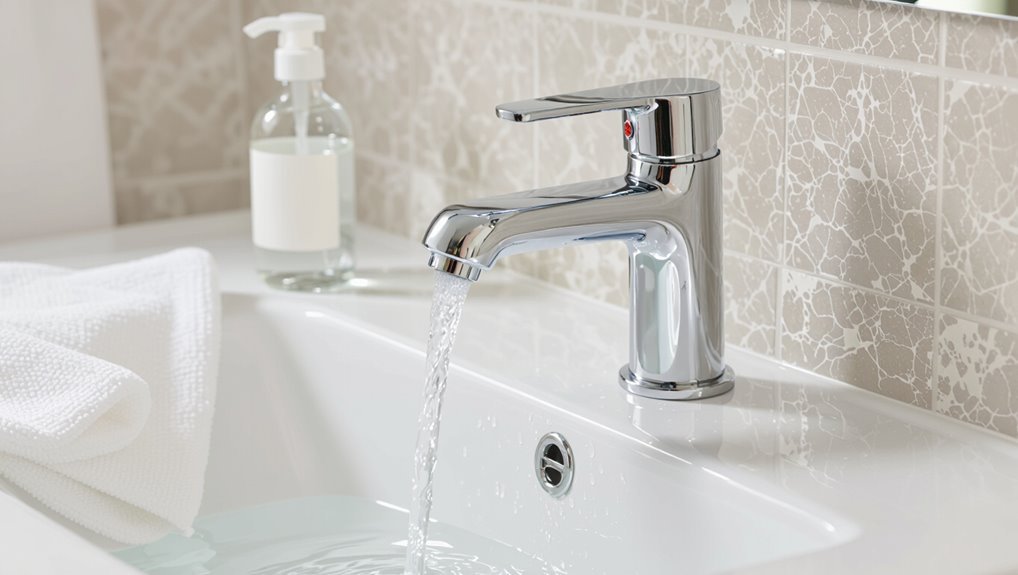
Water marks on chrome taps commonly originate from mineral deposits left by hard water and the chemistry that causes them to crystallize.
Additional contributors include soap scum, skin oils, and other residue that adhere to the surface.
Scratches or worn finishes and environmental or usage factors can trap deposits and accelerate visible marking.
Mineral deposits and hard water chemistry
Because household supply often contains dissolved minerals like calcium and magnesium, chrome taps develop cloudy, whitish deposits as the water evaporates and leaves those minerals behind.
Hard water chemistry causes mineral salts to precipitate, adhere and crystallize on polished surfaces. Understanding this explains why regular descaling and drying matter and informs practical how to stop water marks on chrome taps strategies focused on mineral removal and prevention.
Soap scum, oils, and residue buildup
Shifted residues from soaps, lotions, and grease collect on chrome taps as a thin film that traps minerals and darkens when it dries.
This residue reduces shine, attracts dirt, and resists simple rinsing. Residual oils from hands and cleaning products bond with soap scum, creating streaks and cloudy patches.
Regular gentle cleaning and removing buildup prevents persistent stains and maintains chrome brightness.
Surface scratches and finish wear that trap deposits
Alongside residue buildup, microscopic scratches and worn finish on chrome taps create tiny grooves that trap minerals, soap scum, and oils.
These surface imperfections prevent effective rinsing and polishing, promoting stubborn, dull deposits that darken over time.
Repeated cleaning with abrasive pads, contact with hard particles, or degraded protective coatings accelerates entrapment, making marks harder to remove and reducing the tap’s reflective appearance.
Environmental and usage factors that accelerate marking
When chrome taps are exposed to hard water, frequent temperature fluctuations, airborne contaminants, and heavy daily use, these environmental and usage factors speed the formation of water marks by increasing mineral deposition, weakening protective coatings, and promoting residue buildup in microscopic surface imperfections.
Ambient humidity, acidic cleaners, salt air, and prolonged wetting further accelerate etching and staining, while irregular maintenance compounds accumulation and cosmetic degradation.
Quick Fix: Safe Daily Cleaning Routine for Chrome Taps
A concise daily routine keeps chrome taps bright and reduces mineral buildup.
Recommended items include a soft microfiber cloth, a mild pH-neutral cleaner or diluted vinegar, and a dry towel for finishing.
A one-minute wipe-down—spray or dampen the cloth, wipe all visible surfaces, then thoroughly dry—prevents water marks when done consistently.
Materials and cleaners to keep on hand
Keeping a small, consistent set of supplies makes a quick daily wipe-down of chrome taps effective and safe.
Suggested materials and cleaners include:
- Microfiber cloths (soft, lint-free)
- Mild dish soap (diluted)
- White vinegar solution (50/50 for occasional use)
- Spray bottle (for mixtures)
- Drying towel (soft cotton)
These items cover gentle cleaning, mineral spot removal, and thorough drying without abrasive damage.
Step-by-step one-minute wipe-down method
Start by gathering a microfiber cloth and the diluted dish soap or water-vinegar mix, then turn the tap off and make this a focused, 60-second routine.
Wipe systematically to remove droplets and grime without abrasive scrubbing.
- Apply solution sparingly
- Wipe base, spout, handles
- Use light pressure
- Rinse cloth as needed
- Finish with a smooth pass
Best post-cleaning drying techniques to prevent marks
Pat the chrome dry immediately after cleaning to prevent mineral deposits from forming.
Use a soft microfiber cloth, blotting rather than rubbing, and follow contours to remove moisture from joints and seams.
For tight spots, cotton swabs or a silicone-tipped tool absorb residual water.
Finish with a light buffing stroke to restore shine.
Repeat daily after use to maintain a spotless finish.
Deep Cleaning Methods for Stubborn Water Marks
For persistent water marks and mineral buildup, the text explains targeted deep-cleaning options including vinegar soaks with timing guidelines and baking soda paste for gentle abrasion.
It also covers choosing and using chrome-safe commercial descalers and when a magic eraser or mild abrasive may be appropriate, with precautions to prevent scratching.
Practical step-by-step procedures and safety notes accompany each method.
Vinegar soak for mineral deposits procedure and timing
Loosen mineral buildup by soaking affected chrome areas in a diluted white vinegar solution, which dissolves limescale without harsh abrasives.
Apply vinegar 1:1 with water to cloth or soak removable parts; wrap non-removable taps with soaked cloth and secure with plastic.
Allow 15–30 minutes depending on severity, then rinse thoroughly and dry.
Repeat once if deposits persist; avoid prolonged exposure.
Baking soda paste for gentle abrasion procedure
After using a vinegar soak to break up mineral scale, stubborn water marks can be removed with a baking soda paste that provides gentle abrasion without scratching chrome.
Mix baking soda with water into a spreadable paste, apply with a soft cloth or toothbrush, rub lightly in circular motions, rinse thoroughly, and dry with a microfiber cloth to prevent new marks and restore shine.
Commercial descalers and chrome-safe cleaners selection and use
When mineral deposits resist household remedies, targeted commercial descalers and chrome-safe cleaners offer stronger, controlled options designed to dissolve scale without damaging finishes.
Choose products labeled chrome-safe, follow dilution and contact-time instructions, test discreetly, rinse thoroughly, and ventilate.
Consider:
- Acid-based descaler for heavy limescale
- Neutral pH chrome cleaner
- Non-abrasive spray
- Microfiber-compatible formula
- Manufacturer-recommended products only
When to use a magic eraser or mild abrasive precautions
Reserve a melamine foam pad (Magic Eraser) or a mild abrasive only for persistent, non-reactive water marks after gentler methods—like vinegar, soap, and commercial chrome-safe cleaners—have failed.
Test on an inconspicuous spot, use light pressure, and avoid prolonged scrubbing. Rinse thoroughly, dry immediately, and inspect for micro-scratches.
Limit frequency to prevent finish wear; discontinue if damage appears.
Preventive Treatments and Protective Coatings
Preventive treatments and protective coatings can reduce mineral buildup and make routine cleaning easier by creating a smooth, water-repellent surface.
Practical options include applying car wax or chrome polish—follow manufacturer instructions for cleaning, application, buffing, and curing—and using hydrophobic sprays or sealants that bead water and resist spotting.
Protection should be reapplied according to product guidance or when beading fails, visible clouding appears, or cleaning becomes noticeably harder.
Applying car wax or chrome polish benefits and step-by-step
Applying a thin layer of car wax or chrome polish creates a protective barrier that repels water and reduces mineral deposits on tap surfaces.
Benefits include prolonged shine, easier cleaning, and diminished etching.
Steps: clean and dry thoroughly, apply a small amount with a soft cloth, buff gently in circular motions, allow curing if instructed, then remove residue and reapply periodically for maintenance.
Hydrophobic sprays and sealants for faucets how they work
Hydrophobic sprays and sealants form an invisible, water-repellent layer on chrome faucets that causes droplets to bead and roll off before minerals can settle.
They rely on low-surface-energy polymers or silica-based coatings that reduce adhesion, encouraging runoff.
Proper application yields smoother surfaces less prone to spotting; effectiveness depends on surface cleanliness and coating chemistry, which determine durability and resistance to abrasion.
Reapplying protection: frequency and signs it’s needed
After establishing how hydrophobic sprays and silica-based sealants create a protective, low-surface-energy layer on chrome taps, attention turns to maintaining that protection over time.
Reapplication frequency depends on product claims, water hardness, and use: typically every 1–6 months.
Signs a redo is needed include beading loss, visible staining, or increased spots after drying.
Light cleaning before reapplication guarantees adhesion.
Long-Term Solutions: Reduce Cause, Not Just Effects
Long-term prevention focuses on addressing water quality, maintenance, and material choice rather than treating marks after they appear.
Installing a whole-house softener or point-of-use filters reduces mineral deposits, while a simple routine maintenance schedule preserves the chrome finish.
Selecting fixtures with durable protective coatings further minimizes staining and extends time between cleanings.
Installing a water softener or point-of-use filter options and impact
Consider installing a whole-house water softener or point-of-use filter to tackle the mineral deposits that cause chrome spotting at their source. These systems reduce hardness, extend fixture life, and cut cleaning frequency. Costs and space vary; professional sizing recommended. Benefits include fewer stains and gentler water.
| Option | Impact |
|---|---|
| Whole-house softener | Treats all outlets |
| Under-sink filter | Targets faucets |
| Salt-free system | Low maintenance |
| Reverse osmosis | High purity |
Routine maintenance schedule for lasting chrome finish
Establishing a routine maintenance schedule keeps chrome taps looking new and prevents mineral buildup from becoming corrosive.
A concise plan extends finish life and reduces cleaning effort.
- Weekly wipe with microfiber and mild detergent
- Monthly descaling with vinegar solution
- Quarterly polish with chrome-safe product
- Inspect seals and aerators every six months
- Document actions and dates for consistent care
Choosing chrome fixtures with better protective finishes
Choosing chrome fixtures with superior protective finishes greatly reduces the likelihood of water marks and extends the life of the fixture by minimizing direct contact between water, minerals, and the metal substrate.
Specify models with durable PVD, ceramic, or clear-coat treatments. These barriers resist corrosion, scratching, and mineral buildup, cutting cleaning frequency.
Prioritize warranties and manufacturer maintenance guidance to guarantee long-term performance.
Common Mistakes That Damage Chrome Finishes
Readers should be warned about common errors that harm chrome finishes, such as using harsh chemicals and abrasive pads that strip coatings.
Neglecting seals and crevices allows mineral deposits to build up and corrode metal over time.
Applying undiluted acid cleaners or homemade remedies can cause immediate etching and long-term damage.
Harsh chemicals and abrasive pads to avoid
Many common household cleaners and abrasive pads can strip chrome’s protective layer or leave fine scratches that trap water and accelerate staining.
Avoid these offenders and use gentler options:
- Bleach-based cleaners
- Ammonia solutions
- Scouring powders
- Steel wool or metal pads
- Strong acid descalers
Choose mild soap, microfiber cloths, and diluted vinegar for safe cleaning.
Overlooking seals and crevices that harbor deposits
Even with gentle cleaners and soft cloths, neglecting the small seals and crevices around a chrome tap invites mineral buildup and trapped moisture that accelerate staining and corrosion.
Dirt and limescale accumulate in joints, aerators, and base seams, undermining finishes and causing pitting.
Regular inspection, gentle brushing with a soft toothbrush, and drying hidden areas prevent deposits from embedding and prolong chrome integrity.
Using undiluted acid cleaners and DIY pitfalls
Avoid pouring undiluted acid cleaners or improvised mixtures onto chrome taps, as concentrated acids and harsh DIY solutions can rapidly strip protective finishes, etch the surface, and cause dulling or pitting.
Instead, choose products labeled safe for chrome, follow dilution instructions, test discreetly, rinse thoroughly, and avoid abrasive pads.
Professional polish restores minor damage; replacement may be required for severe corrosion.
Quick Troubleshooting Guide for Specific Problems
The guide outlines targeted fixes for common post-cleaning issues, starting with causes and remedies for a cloudy surface.
It then contrasts repair options for pitted or etched chrome and explains when replacement is the safer choice.
Finally, it provides escalation steps for stubborn stains that resist standard treatments.
Cloudy surface after cleaning causes and fixes
Inspecting a chrome tap that looks cloudy after cleaning often reveals either mineral residue, a damaged protective coating, or leftover cleaning product film as the primary causes.
Remedies target removal and protection:
- Rinse and dry with microfibre immediately
- Use diluted vinegar for mineral film
- Neutralize acidic residues with water
- Apply a polish/restorer for shine
- Avoid abrasive cleaners and pads
Pitted or etched chrome repair options and when to replace
Cloudiness after cleaning can sometimes be more than surface residue; when chrome shows pits or etching, the issue is physical damage rather than removable film.
Minor pitting can be minimized with fine polishing compounds and nonabrasive pads, but deep etching often cannot be fully restored.
Consider replacing fixtures when damage affects function, corrosion spreads, or aesthetics can’t be reclaimed by polishing.
Stains that won’t budge escalation steps
When stubborn stains resist standard cleaning, escalate methodically: document the stain’s appearance and location, try progressively stronger but safe cleaners (mild detergent → vinegar solution → baking soda paste → commercial chrome cleaner), and test each on an inconspicuous spot before full application.
If stains persist, consider gentle mechanical removal with a soft brush or nylon pad, repeated short treatments, professional refinishing, or replacing the fixture when integrity is compromised.
Recommended Products and Tools
This section lists practical products and tools for preventing and removing water marks on chrome taps.
It compares common household items, top-rated commercial cleaners and protective sprays, and useful maintenance tools such as microfiber cloths and soft brushes.
Recommendations focus on effectiveness, safety for chrome, and ease of use.
Best household items for prevention and cleaning
Several everyday household items double as effective, low-cost tools for preventing and removing water marks from chrome taps.
These items clean, polish, and protect without harsh chemicals. Recommended options include:
- White vinegar for mineral deposit removal
- Baking soda paste for gentle scrubbing
- Microfiber cloths for streak-free drying
- Lemon juice for mild acid polishing
- Olive oil for light protective buffing
Top-rated commercial cleaners and protective products
A selection of top-rated commercial cleaners and protective products can simplify removing mineral deposits and maintaining chrome taps, offering stronger, longer-lasting results than many household remedies.
- Acid-based limescale remover for stubborn buildup
- Mild citrus cleaner for regular maintenance
- pH-neutral chrome polish for shine
- Protective wax or sealant to repel water spots
- Anti-spotting rinse aid for faucets and fixtures
Tools that make maintenance easier (microfiber, soft brushes)
Alongside commercial cleaners and protective products, the right tools speed up maintenance and reduce the risk of scratching chrome.
Recommended items focus on gentle, lint-free contact and reaching crevices without abrasion.
- Microfiber cloths (soft, plush)
- Cotton polishing pads
- Soft-bristle toothbrushes
- Silicone-tipped detailing brushes
- Rubber squeegee for quick drying
Practical Tips for Different Locations and Use Cases
Advice varies by location and use: bathroom taps often need gentle, frequent wiping while kitchen taps may require stronger descaling for food and grease residues.
High-use homes and commercial sites benefit from durable finishes, routine maintenance schedules, and signage or staff training to reduce buildup.
For travel properties, rentals, and seasonal homes, a concise care checklist and winterizing or vacancy protocols help prevent marks during periods of low occupancy.
Bathroom taps vs kitchen taps: tailored approaches
Because bathroom and kitchen taps face different water exposure and usage patterns, prevention and cleaning strategies should be tailored to each location.
Bathroom taps benefit from gentle daily wiping, mild vinegar soaks for soap scum and softer water residue, and anti-fog polishes.
Kitchen taps need frequent degreasing, occasional descaling for mineral buildup, and durable protective coatings to withstand food acids and heavier use.
High-use households and public/commercial settings
When taps are used constantly—such as in large households, office restrooms, restaurants, or schools—maintenance must focus on durability, ease of cleaning, and rapid prevention of water marks.
Use commercial-grade chrome or protective coatings, install aerators to reduce splashing, schedule frequent quick wipes with microfiber, deploy neutral pH cleaners, and train staff or household members on simple post-use drying to keep finishes pristine.
Travel homes, rentals, and seasonal care checklist
Many travel homes, short-term rentals, and seasonal properties face irregular use and longer idle periods, so care routines should prioritize quick touch-ups, corrosion prevention, and clear guest instructions.
Practical checklist:
- Rinse and wipe taps after each checkout
- Use water-softening options where possible
- Apply thin protective wax monthly
- Leave microfiber cloths and instructions for guests
- Inspect for leaks before vacancy
Conclusion
In the battle against water marks, one small wipe becomes heroic: chrome taps emerge triumphant, gleaming like mirrors that mock hard water itself. Daily gentle care, the occasional vinegar cavalry, and smart prevention turn stains into distant memory, as if mineral deposits were mere myths. With consistent habits and the right products, faucets resume their role as tiny polished monuments—untouchable, unblemished, and absurdly proud of their everlasting shine.