How to Get Rid of Drain Fly Larvae in Toilet: Fast, Safe Solutions That Work
To effectively get rid of drain fly larvae in your toilet, start by removing visible larvae with gloves and a disposable scoop, then flush the toilet. Scrub the trap and bowl thoroughly with a stiff brush. For quick elimination, pour boiling water or a diluted bleach solution into the toilet. Follow this with an enzymatic drain cleaner to dissolve any remaining organic matter. Repeat these treatments regularly and check adjacent drains for signs of larvae. For deeper cleaning, prevention tips, or if the problem persists, consider contacting a professional.
What Toilet Drain Fly Larvae Are and Why They Appear
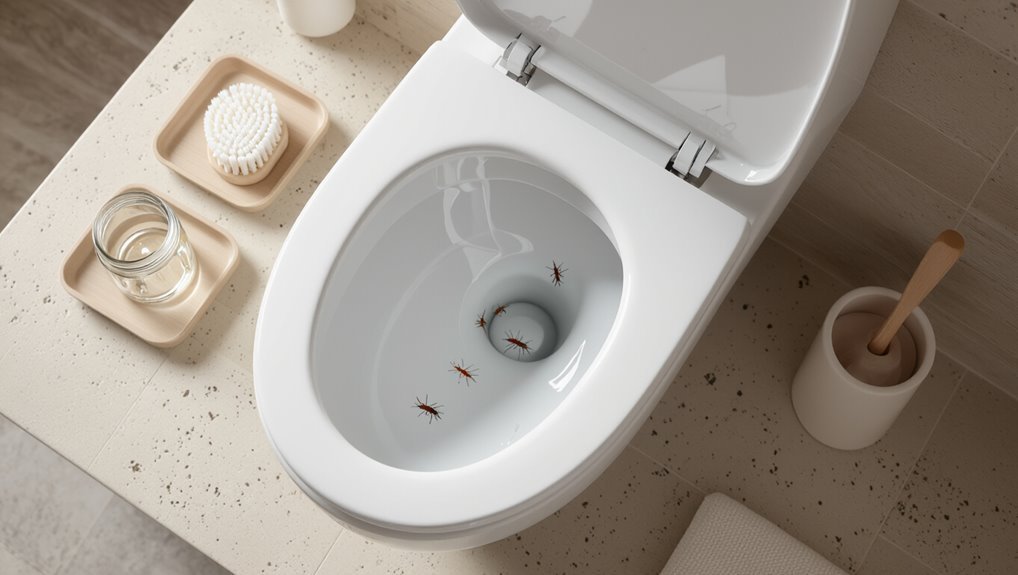
Drain flies are small, moth-like insects with fuzzy bodies and the larvae are slender, wormlike maggots.
Their lifecycle includes egg, larva, pupa, and adult stages, with larvae developing in moist organic matter found in pipe biofilms and sludge.
Infestations in toilets and nearby drains usually originate from accumulated organic debris, leaking seals, or slow-moving water that sustains the breeding substrate.
What drain flies and their larvae look like
Small, moth-like insects with fuzzy wings, drain flies (Psychodidae) are commonly found near moist, organic-rich areas such as toilet drains. Their larvae are slender, legless maggots that thrive on the biofilm lining pipes.
Adults measure 1.5–5 mm, mottled gray or brown; larvae are translucent to dark, tapered, and roughly 4–10 mm. This description aids decisions about how to get rid of drain fly larvae in toilet.
Typical lifecycle and where larvae develop
Begin with eggs: females lay clusters of 20–100 tiny, sticky eggs on moist organic surfaces, often in the slimy biofilm that lines toilet traps, bowl rims, and nearby drain pipes.
Eggs hatch in 48–72 hours into wormlike larvae that feed on biofilm and decaying matter for about one to two weeks, then pupate.
Adults emerge in roughly three to seven days.
Common sources of infestation in toilets and nearby drains
Although often associated with standing water, toilet fly larvae primarily originate where moist organic residue accumulates. They thrive in the slimy biofilm coating trapways, under rim edges, in seldom-used bowls, and within adjacent sink or shower drains that connect to the same plumbing.
Additional sources include clogged vent stacks, aging seals, leaking joints that keep surfaces damp, and neglected mop buckets or floor drains nearby.
Quick, Safe Steps to Eliminate Drain Fly Larvae Immediately
Immediate measures focus on removing visible larvae from the bowl with a disposable scoop or strong toilet brush and flushing them away.
For rapid kill, the piece contrasts safe chemical options (e.g., diluted bleach or enzyme-based drain cleaners used per label) with non-chemical measures like hot water and hydrogen peroxide.
Finally, it outlines disposing of larvae and contaminated water by sealing them in a plastic bag and placing it in exterior trash or following local hazardous-waste guidance.
Fast-acting actions to remove visible larvae from the toilet bowl
Act quickly when larvae are visible in the toilet bowl to stop further spread and reduce contamination risk.
Wearing gloves, the person scoops or nets larvae with disposable tissue or a fine mesh net, deposits them into a sealed bag, and flushes remaining water.
Surfaces and tools are wiped with soapy water, bagged waste is discarded, and hands are washed thoroughly afterward.
Safe chemical and non-chemical options for immediate larval kill
For rapid elimination of drain fly larvae in a toilet, choose proven chemical or non-chemical measures that balance speed with safety for people, plumbing, and septic systems.
Chemical options: diluted bleach (short contact, rinse) or enzyme-based drain treatments designed to target organic buildup.
Non-chemical: boiling water poured carefully, biological enzyme packets, or a strong mechanical flush and brush to dislodge larvae and reduce breeding material.
How to dispose of larvae and contaminated water safely
Contain and remove larvae and contaminated water promptly to prevent spreading eggs or reintroducing pests into other drains.
Scoop solids with gloved disposable towels into a sealed plastic bag.
Pour contaminated water slowly into the toilet bowl and flush; repeat if needed.
Disinfect the cleaned area and tools with bleach solution or household disinfectant.
Seal and discard waste in outdoor trash.
Thorough Treatment to Remove Larvae From the Drain System
A complete removal requires accessing and cleaning the toilet trap and the connected drain pipe to physically remove larvae and organic buildup.
The piece will compare enzymatic drain cleaners and bleach—when each is appropriate—and describe mechanical options like drain snakes, brush kits, and wet vacs.
It will conclude with a clear step-by-step treatment schedule to guarantee eradication and prevent re-infestation.
How to access and clean the toilet trap and drain pipe
Begin by shutting off the toilet’s water supply and emptying the bowl and trap to expose the drain pathway; this allows safe access for inspection and cleaning.
Remove the toilet if needed to reach the trap.
Use a plumber’s snake and stiff brush to dislodge organic buildup, flushing debris into a bucket.
Rinse with hot water and reseal fixtures before restoring the water supply.
Using enzymatic drain cleaners vs. bleach: when and how to apply
With the trap and pipe cleared, attention turns to chemical options for killing remaining larvae and breaking down organic film: enzymatic drain cleaners and bleach offer different mechanisms and safety profiles. Enzymes digest organic buildup safely over hours; bleach kills larvae quickly but can corrode pipes and harm microbes. Choose enzymes for routine maintenance, bleach for urgent infestations, and never mix chemicals.
| Option | Best use |
|---|---|
| Enzymatic | Routine maintenance |
| Bleach | Rapid kill |
| Safety | Corrosion/toxicity considerations |
Mechanical methods: drain snakes, brush kits, and wet vac use
Employ mechanical tools—drain snakes, specialized brush kits, and a wet vac—to physically remove larvae and the organic film that shelters them, targeting areas enzymatic cleaners and bleach may not reach.
Insert snake or brush to dislodge biofilm and larvae, then extract debris.
Use a wet vac with a narrow nozzle for remaining material and standing water.
Sanitize tools after use.
Step-by-step treatment schedule to ensure eradication
Create a clear, timed sequence of steps that covers inspection, mechanical removal, targeted enzymatic or biological treatments, follow-up flushing, and monitoring to guarantee all larvae and their breeding grounds are eliminated.
First, inspect and remove debris.
Apply enzymes/biocontrol per label.
Flush and repeat at intervals.
Monitor weekly for four weeks, then monthly.
- Inspect before treatment
- Treat and flush promptly
- Monitor and repeat as needed
Preventing Reinfestation in Toilets and Bathroom Drains
Effective prevention focuses on consistent cleaning routines for toilets and drains to remove organic build-up that attracts flies.
Addressing plumbing issues and excess moisture—such as fixing leaks, improving drainage, and venting—eliminates key breeding sites.
Complementary measures include using proven natural repellents and maintenance products to keep pipes inhospitable to larvae.
Routine cleaning protocols for toilets and drains
Maintain a consistent cleaning schedule for toilets and nearby drains to disrupt drain fly breeding cycles and remove organic buildup that attracts adults.
Use enzymatic drain cleaners weekly, scrub bowl rims and trap areas, and flush drains with hot water.
Clean overflow and brush bristles, replace worn seals, and dispose of trapped hair and debris promptly.
Record dates and procedures to guarantee continuity.
Plumbing and moisture fixes that reduce breeding sites
Following a routine cleaning regimen helps reduce organic buildup, but addressing the underlying plumbing and moisture issues prevents drain flies from returning.
Inspect and repair leaks, clear slow drains and standing water, improve bathroom ventilation, guarantee proper trap seals and slope, and replace damaged seals or corroded pipes.
Reducing persistent dampness and hidden organic matter removes breeding habitat and lowers reinfestation risk.
Natural repellents and maintenance products that work
Although chemical treatments are sometimes necessary, several natural repellents and routine maintenance products can reduce the chance of drain fly reestablishment by targeting larvae and removing their food sources.
Vinegar rinses, enzymatic drain cleaners and essential oil sprays help. Consistent use prevents buildup and discourages adults from laying eggs.
- White vinegar rinses
- Enzymatic drain cleaners
- Peppermint or eucalyptus spray
Signs an Infestation Is Deeper Than the Toilet
Persistent larvae or adult flies in multiple fixtures, recurring swarms after toilet treatment, and sightings near floor drains suggest the problem may originate beyond the toilet.
In such cases, inspection should extend to other drains, sewer lines, and septic systems to locate breeding sites.
If infestations persist or sewer defects are suspected, contacting plumbing or pest control professionals for camera inspection and targeted treatment is recommended.
How to tell if larvae are coming from other drains or pipes
How can one distinguish larvae originating in the toilet from those coming up through other drains or pipes? Observers should note where larvae appear: consistent emergence from multiple fixtures, especially shower, sink, or floor drains, indicates broader sources.
Check for simultaneous adult flies near other drains, persistent wet organic buildup, and larvae migrating during flushing or drain use. Isolated toilet presence suggests a localized issue.
When to inspect sewer lines, floor drains, and septic systems
If larvae are observed in multiple fixtures or adults congregate around floor or shower drains, it signals the problem may extend beyond the toilet and warrants inspection of sewer lines, floor drains, and the septic system.
Persistent odors, recurring larvae after cleaning, soggy patches near drain lines, or unexplained backups indicate deeper breeding sites and prompt targeted inspection of internal drains, vents, and septic tanks.
Professional services to call and what to expect
Several signs indicate it’s time to call professional services: visible larvae or swarming adults in multiple fixtures, recurring infestations despite thorough cleaning, foul or sewage-like odors, slow drains or backups, and damp areas near drain lines that suggest leaks or trapped organic matter.
Pest control or plumbers perform inspections, camera sewer scans, targeted treatments, and repairs; expect diagnosis, quote, prioritized remediation, and follow-up checks.
Safety Considerations and Environmental Impact
The discussion should address proper handling and disposal of cleaning agents and captured larvae to minimize exposure and contamination.
It should recommend eco-friendly products and note precautions to prevent harm to plumbing and the environment.
It should also outline steps to protect household members and pets during treatment, including ventilation, barriers, and temporary relocation if needed.
Safe handling of cleaning agents and larvae
Handle cleaning agents and larvae with care to prevent health risks and environmental harm.
Wear gloves and eye protection, ventilate the bathroom, and follow label directions. Avoid mixing chemicals.
Collect larvae with disposable towels or a sealed container, then dispose of them in a sealed trash bag.
Wash hands and tools thoroughly after treatment and keep pets and children away from treated areas until surfaces are fully rinsed.
Eco-friendly product recommendations and precautions
After completing safe cleanup and disposal, attention should turn to selecting eco-friendly products and precautions that minimize harm to people, pets, and the environment.
Prefer enzyme-based drain cleaners, bio-friendly degreasers, and vinegar or baking-soda treatments.
Read labels for biodegradability and aquatic toxicity, use measured doses, ventilate, store products securely, and dispose of residues per local hazardous-waste guidelines to prevent environmental contamination.
Protecting household members and pets during treatment
When treating a toilet for drain fly larvae, household members and pets should be kept at a safe distance until products have been applied and any fumes dissipated; this reduces inhalation risks and accidental contact.
Protective measures include ventilating the area, securing children and animals in another room, storing chemicals locked away, following label first-aid instructions, and rinsing treated surfaces to minimize residue and environmental exposure.
Troubleshooting: What to Do If Larvae Persist
If larvae persist after initial efforts, common causes such as incomplete cleaning, overlooked breeding sites, or resistant organic buildup should be checked.
The next steps include a clear escalation plan—repeat targeted treatments at weekly intervals, inspect adjacent drains and traps, and use enzyme cleaners or mechanical snaking if residues remain.
If infestations continue despite repeated treatments, consider replacing compromised fixtures or contacting a plumber for professional inspection and repair.
Common reasons treatments fail
Diagnosing why drain fly larvae persist requires examining both treatment application and underlying conditions.
Common failures include incomplete cleaning, missed breeding sites (hidden drains, damp organic buildup), improper product concentration or contact time, resistant biofilm shielding larvae, and reintroduction from nearby infestations.
Insufficient mechanical agitation and ignoring structural leaks or standing water also undermine efforts; accurate identification and targeted removal are essential.
Escalation steps and repeated-treatment timelines
Start by mapping treated areas and noting dates, products, and observed results to create a clear escalation plan.
If larvae persist, increase treatment frequency, rotate product types, and target hidden breeding sites. Track effectiveness over two-week intervals, then escalate only if no improvement.
Recommended steps:
- Repeat treatments every 7–14 days
- Alternate enzymatic cleaners and mechanical removal
- Inspect and treat adjacent drains and traps
When to replace fixtures or call a plumber
When should a homeowner consider replacing fixtures or calling a plumber?
Persistent larvae after thorough cleaning, repeated treatments, and drain clearing indicate deeper issues: damaged seals, hidden organic buildup, cracked pipes, or sewage backups.
A plumber can inspect with a camera, repair or replace corroded pipes, and advise on fixture replacement.
Replace fixtures when repairs are frequent, leaks recur, or parts are obsolete.
Product Recommendations and Tools That Help
Recommended products and tools for treating drain fly larvae include enzymatic drain cleaners chosen for active enzyme types and contact time, mechanical tools like drain snakes and brushes, and basic PPE such as gloves and goggles.
Selection guidance should emphasize enzyme specificity, safety labels, and suitability for toilet plumbing.
Guidance also notes when stronger, professional-grade treatments or a licensed pest technician may be warranted.
Best enzymatic drain cleaners and how to choose them
Although enzymatic drain cleaners work more slowly than caustic chemicals, they are the safest and most effective long-term solution for eliminating drain fly larvae by biologically breaking down organic buildup.
Choose products with live bacterial cultures, protease/lipase blends, and clear usage instructions.
Consider scent and packaging for toilet use.
- Live cultures
- Specific enzyme blends
- Safe-for-septic labeling
Useful mechanical tools and PPE for DIY treatment
After selecting an appropriate enzymatic cleaner, attention should turn to the physical tools and personal protective equipment that make a DIY toilet treatment safe and effective.
Essential tools include a toilet brush with stiff bristles, a flexible drain snake for dislodging organic build-up, and a wet/dry vacuum suitable for liquid and solids.
Recommended PPE: gloves, eye protection, and a disposable mask.
- Stiff toilet brush
- Flexible drain snake
- Wet/dry vacuum
When to use professional-grade treatments
When should a homeowner escalate to professional-grade treatments for toilet drain fly larvae?
Escalation is advised when infestations persist after thorough DIY cleaning, when larvae recur quickly, when inaccessible plumbing or sewer issues are suspected, or when vulnerable occupants are present.
Professional options include enzymatic drain cleaners, industrial insect growth regulators, and licensed pest-control services with inspection and targeted treatment plans.
Real-World Example: Sample Treatment Plan for a Toilet Infestation
A concise day-by-day action plan outlines initial treatments, sanitation steps, and monitoring for a small toilet infestation.
The example sets clear expected outcomes for larval reduction and adult fly activity at each stage.
Recommended follow-up checks and timing guarantee the infestation is resolved and prevent recurrence.
Day-by-day action plan for a typical small infestation
Begin by evaluating the infestation to determine scope and immediate priorities: inspect the toilet bowl, under the rim, and adjacent drains for larval clusters.
Note fly activity times, and identify any organic buildup or slow-draining signs that indicate breeding sites.
Day 1–3: clean, apply enzymatic drain cleaner, and physically remove debris.
Days 4–7: monitor traps and reapply if needed.
- clean drains first
- use enzymatic treatments
- monitor daily
Expected outcomes and follow-up checks
Expect to see a rapid decline in visible larvae within 48–72 hours after thorough cleaning and enzymatic treatment, with adult fly activity diminishing over one to two weeks as remaining eggs fail to develop.
Inspect daily for a week, then weekly for a month.
Reclean persistent sludge, repeat enzyme application if larvae recur, and seal gaps.
Document sightings and consider professional help if infestations persist.
Conclusion
Like tiny shadows of neglect, drain fly larvae signal a hidden current of decay; swift, safe action clears their breeding grounds and lets sanitation’s light return. With careful treatment, preventive habits and judicious products, the infestation is drawn out like tidewater from a hollow, leaving the toilet and pipes renewed. Vigilance and gentle stewardship keep these nuisances at bay, turning once-murky corners into places of quiet, ordinary hygiene.