How to Keep Your Sewer Line Clean: 12 Easy Maintenance Tips to Prevent Clogs and Smells
To keep your sewer line clean and prevent clogs and odors, regular maintenance is essential. Here are 12 easy tips: use drain screens to catch debris, scrape food scraps into the trash instead of the sink, occasionally flush with hot water, and avoid flushing wipes and other non-biodegradable items. Regularly clean your lint traps and consider installing root barriers to prevent invasive roots from damaging your lines. Schedule quarterly cleanouts and annual camera inspections, and use enzymatic cleaners for ongoing maintenance. Be prepared with emergency steps for backups and know when to call a plumber. Follow these practical tips for a simple maintenance checklist to ensure a healthy sewer system.
Why regular sewer line maintenance matters for homeowners
Neglected sewer lines can create health and safety hazards and cause significant property damage if blockages or leaks go unaddressed.
Common causes include tree root intrusion, grease buildup, foreign objects, and pipe corrosion—issues that often produce persistent clogs and foul odors.
Homeowners should watch for slow drains, gurgling sounds, sewage backups, or unusual yard wet spots as signals that the sewer line needs professional attention.
Health, safety, and property risks of neglected sewer lines
Ignored sewer lines can escalate from a minor inconvenience to serious hazards, exposing occupants and properties to sewage backups, foul odors, and pathogenic contaminants that threaten health and structural integrity.
Regular attention to how to keep your sewer line clean reduces risks: mold growth, pest attraction, corrosion, and costly repairs.
Prompt maintenance protects occupants from disease and preserves property value and habitability.
Typical causes of sewer clogs and odors
Clogs and persistent sewer odors most often stem from a handful of predictable sources: accumulation of grease and cooking fats, flushable-wet-wipes and sanitary products that don’t break down, tree roots intruding into cracks, and buildup of mineral scale or sediment in older pipes.
Other contributors include collapsed or misaligned joints, insect nests, and improper disposal of solids, all of which escalate blockages and odors without timely upkeep.
Signs your sewer line needs attention
After outlining common causes of blockages and odors, homeowners should recognize the warning signs that a sewer line requires attention.
Indicators include persistent foul smells indoors or outdoors, slow drains affecting multiple fixtures, gurgling toilets, sewage backups, lush patches in the yard, or sudden yard sinkholes.
Prompt inspection prevents property damage, health risks, and costlier emergency repairs.
Quick overview: 12 essential maintenance actions to prevent clogs and smells
A dozen straightforward maintenance actions can greatly reduce the risk of sewer-line clogs and odors: regular inspections, mindful disposal practices, hair and grease traps, root controls, and timely repairs form the core of preventive care.
A concise checklist includes scheduled cleanings, proper waste habits, and immediate attention to slow drains; professional assessment completes the plan.
- Schedule cleanings
- Use traps and guards
- Address roots and repairs
Routine habits to keep drains flowing smoothly
Practical daily habits greatly reduce the risk of sewer line problems by keeping solids, grease, and fibers out of drains.
In the kitchen, residents should scrape food into the trash and avoid pouring fats or starchy rinses down the sink; in bathrooms, simple steps like using drain screens and limiting hair and wipe disposal protect lines.
Laundry practices—using appropriate detergent amounts, cleaning lint traps, and spacing loads—also lessen strain on the sewer system.
Proper kitchen practices: what to discard and what to rinse
Many homeowners can prevent clogs by following simple kitchen rules: discard fats, oils, and large food scraps in the trash or compost, scrape plates into a bin before rinsing, and use only small amounts of cold water when running grease-prone residues down the sink.
Avoid pouring coffee grounds, starchy pasta water, eggshells, and fibrous peels.
Use a sink strainer and wipe greasy pans with paper before washing.
Bathroom routines that protect sewer lines
Maintain simple bathroom habits to prevent buildup and blockages in the home’s sewer lines.
Residents should dispose of hair, cotton swabs, and wipes in the trash rather than flushing them.
Use drain strainers and clean them regularly.
Limit grease and heavy soap scum by rinsing fixtures after use.
Run hot water briefly after bathing to clear remaining residues and preserve flow.
Laundry tips to reduce sewer strain
A few simple laundry habits can substantially reduce strain on household sewer lines: discarding lint and dryer sheets in the trash, using a lint trap or washer basket for pet hair, and avoiding overuse of liquid fabric softeners that contribute to buildup.
Regularly cleaning machine filters, running occasional hot-water wash cycles with vinegar or baking soda, and repairing hose leaks prevents lint and residue from entering drains.
Monthly and seasonal maintenance tasks
Monthly and seasonal maintenance focuses on simple checks and preventive treatments to keep sewer lines reliable.
Homeowners should inspect cleanouts and any accessible pipes for leaks or blockages and run hot water plus an enzyme treatment each month to break down buildup.
After heavy rains or freezing weather, a quick seasonal check for erosion, standing water, or pipe damage helps catch problems early.
Inspecting cleanouts and accessible pipes
Inspect cleanouts and any exposed piping at least once a month and whenever seasons change to catch minor issues before they escalate; look for loose caps, cracks, standing water, signs of leakage, corrosion, or soil erosion around underground access points.
Document findings, tighten or replace faulty caps, clear debris, and note movement or settling.
Prompt repairs prevent blockages and costly underground damage.
Running hot water and enzyme treatments monthly
Following the inspection of cleanouts and exposed pipes, homeowners should run hot water and apply enzyme treatments once a month to help break down grease, soap scum, and organic buildup that can cling to pipe walls and slow drainage.
Hot water loosens deposits; enzyme products digest organic matter safely. Allow treatments to sit per instructions, then flush thoroughly to maintain flow and reduce odors.
Seasonal checks after heavy rains or freezing weather
After heavy rains or a hard freeze, homeowners should perform seasonal checks on sewer access points, visible pipe runs, and yard drainage to spot pooling, cracks, or displaced covers that can allow debris or ice into the system.
Inspect manholes, clean gutters and downspouts, verify slope and soil erosion, and clear surface debris.
Promptly repair damaged covers, reseal joints, and schedule professional camera inspection if issues persist.
Safe DIY cleaning methods and products
A brief overview of safe DIY cleaning methods covers proper plunger technique for main-line backups, correct use of a drain snake and clear signs to stop and call a pro.
It also compares enzymatic cleaners with harsh chemical alternatives and outlines which homemade remedies are effective versus those that risk pipe damage.
Practical tips will emphasize safety, when to discontinue attempts, and when to seek professional help.
Using a plunger effectively for main-line issues
Plunge with measured force and proper technique to dislodge obstructions in a main sewer line without causing damage.
The user should seal the flange or around a toilet, maintain a steady, rhythmic push-and-pull, and avoid excessive jerking.
If water level drops or resistance persists, stop and consult a professional.
Regular, cautious plunging can clear soft blockages safely when applied correctly.
How to use a drain snake and when to stop
Feed the drain snake slowly into the pipe while guiding it with steady, controlled turns to locate and break up obstructions without pushing debris farther into the line.
If resistance eases, retrieve and clean the cable; if it binds tightly, stop to avoid damage and call a professional.
Use protective gloves and eye protection; sanitize tools after use.
- Clear visible debris
- Turn steadily
- Stop on firm bind
Choosing enzymatic cleaners vs chemical drain cleaners
When deciding between enzymatic and chemical drain cleaners, homeowners should weigh effectiveness, safety, and long-term impact.
Enzymatic cleaners use bacteria or enzymes to digest organic buildup safely over time, gentle on pipes and septic systems.
Chemical cleaners act quickly on clogs but can corrode plumbing, harm septic flora, and pose health risks.
Choose based on clog type and system compatibility.
Homemade remedies: what works and what to avoid
Curious which DIY fixes actually clear a sewer line without causing more harm?
Home remedies like baking soda followed by vinegar can loosen organic buildup short-term; hot (not boiling) water helps flush fats.
Avoid mixing chemicals, caustic drain cleaners, or repeated boiling water—these can damage pipes and septic systems.
Use enzymatic products for routine maintenance and call a professional for persistent blockages.
Preventive landscaping and exterior measures
Thoughtful landscaping and site work can greatly reduce sewer line problems by limiting root intrusion and surface water entry.
Choosing noninvasive plants, installing root barriers, and maintaining proper grading and drainage help keep lines dry and accessible.
Outdoor cleanouts and vents should be protected from damage and obstruction with clear labeling and durable covers.
Plant selection and root-management strategies
Choose plants and manage roots with an eye toward protecting underground piping: select low-rooting species, maintain a clear buffer zone between trees/shrubs and sewer lines, and use root barriers or containerized plantings where proximity is unavoidable.
Regularly inspect for intrusive roots, prune or remove offending vegetation promptly, and schedule professional root-clearing when necessary to prevent blockages without disturbing pipes.
Grading and drainage to prevent infiltration
Effective grading and drainage divert surface and subsurface water away from sewer lines, reducing infiltration that can overwhelm pipes and cause backups.
Slopes should direct runoff toward storm drains; swales, French drains, and permeable surfaces manage excess water.
Gutters and downspouts must discharge away from foundations.
Regular inspection of grading after storms guarantees soil erosion or settling doesn’t redirect water toward sewer infrastructure.
Protecting outdoor cleanouts and vents
After correcting grading and drainage to keep water away from lines, attention should turn to protecting outdoor cleanouts and vent stacks from physical damage and contamination.
Install sturdy caps, lockable covers, or bolted lids to prevent debris and animal entry. Surround exposed fittings with rock beds or low-maintenance plantings, avoiding deep-rooted species.
Inspect seasonally and clear obstructions promptly to preserve airflow and access.
When to call a professional plumber
Visible backups, persistent slow drains, foul odors, or signs of tree-root intrusion are red flags warranting a camera inspection or hydro-jetting by a professional.
The plumber will typically perform a diagnostic video, explain findings, recommend targeted treatments, and provide an estimate.
Homeowners should weigh the scope and cost of recommended work, verify licenses and references, and choose a contractor experienced in sewer-line services.
Red flags that require camera inspection or hydro jetting
When should a homeowner call for a professional camera inspection or hydro jetting?
Persistent backups, repeated clogs after snaking, foul sewer gas, slow drains throughout the house, or gurgling toilets indicate deeper issues.
Tree root intrusion, collapsed or misaligned pipes suggested by sinking yard or unusual wet spots, and visible sewage pooling all warrant immediate professional diagnostic camera work and possible hydro jetting to prevent worsening damage.
What to expect from a professional sewer inspection
Following signs that suggest a deeper problem, a homeowner who calls a professional plumber for a sewer inspection should expect a systematic diagnostic process: the technician will ask about symptoms and property history, perform an external site assessment, and run a camera through the line to record video of pipe condition, blockages, joints, and root intrusion.
| Step | Purpose | Outcome |
|---|---|---|
| Interview | Gather history | Targeted inspection |
| Site check | Identify access issues | Safety plan |
| Camera scan | Visualize interior | Video report |
| Recommendations | Next actions | Repair or maintenance |
Cost considerations and choosing a qualified contractor
Because sewer problems range from simple clogs to full pipe replacement, homeowners should understand typical cost drivers—inspection and diagnostic fees, the severity and location of damage, material and labor rates, access difficulty, and any required permits—so they can evaluate estimates and avoid surprise bills.
Qualified contractors should be licensed, insured, provide written estimates and warranties, offer camera inspections, and have verifiable references before work begins.
Long-term solutions and upgrades
Long-term solutions focus on durable fixes and preventive hardware that reduce recurring problems.
Options include trenchless pipe repair and lining, full pipe replacement with modern materials chosen for expected lifespan, and installation of backflow preventers and sewer caps.
Evaluating cost, disruption, and future maintenance needs guides the best upgrade choice.
Trenchless pipe repair and lining options
Trenchless pipe repair and lining methods provide durable, minimally disruptive alternatives to traditional excavation by repairing or relining sewer lines from inside the pipe.
Cured-in-place lining, pipe bursting, and sectional repair restore flow, seal leaks, and resist root intrusion. These techniques shorten project time, reduce landscaping damage, and extend service life.
Professional inspection determines suitability and expected performance for each situation.
Replacing old pipes: materials and lifespan
When internal repair methods are unsuitable or a sewer system is nearing the end of its useful life, full replacement becomes the most reliable option.
Choices include PVC (long life, corrosion-resistant), HDPE (flexible, jointless, durable) and cast iron (strong but prone to corrosion).
Lifespans vary: PVC/HDPE 50–100 years, modern lined cast iron 50+ years.
Material selection depends on soil, load, and budget.
Installing backflow preventers and sewer caps
Install backflow preventers and sewer caps to protect a property from sewage reversal and unauthorized access, creating reliable defense against backups, contamination, and rodent entry.
Professional installation guarantees correct valve sizing, slope compatibility, and code compliance. Regular inspection and testing prevent failures.
Durable materials resist corrosion; lockable caps deter tampering. Though initial cost exists, long-term savings and health protection justify the upgrade.
Common maintenance mistakes to avoid
Homeowners often rely on quick fixes that can cause long-term harm, such as frequent use of harsh chemical cleaners that degrade pipes.
Small signs like slow drains are frequently ignored until they become major blockages, and temporary measures only postpone necessary repairs.
Improper disposal of wipes, grease, and solids is a common source of clogs and costly sewer-line damage.
Overuse of chemical cleaners and effects on pipes
Repeated use of chemical drain cleaners can erode pipe material and strip protective coatings, accelerating corrosion and joint failure.
Frequent application also disrupts microbial balance in septic systems, damages seals, and weakens older clay or cast-iron lines.
Professional inspection and mechanical clearing methods are safer long-term solutions.
Homeowners should reserve chemical treatments for rare, controlled use and follow product instructions strictly.
Ignoring slow drains and temporary fixes
Although slow drains often seem minor, ignoring them or relying on quick fixes lets small clogs develop into larger blockages that strain the sewer line.
Temporary measures mask symptoms, delaying proper diagnosis.
Routine inspection and prompt mechanical clearing prevent buildup and root intrusion.
Professional assessment identifies recurring causes before corrosion or backups occur, saving time and avoiding costly emergency repairs.
Improper disposal of wipes, grease, and solids
Slow drains and temporary fixes often mask the consequences of poor disposal habits that directly harm sewer lines.
Flushing wipes, pouring grease down drains, and discarding food scraps into sinks create blockages and fatbergs. These materials accumulate, restrict flow, and accelerate corrosion.
Proper disposal—trash for wipes and solids, grease in sealed containers—prevents clogs, reduces maintenance costs, and preserves sewer system function.
Checklist: Monthly, quarterly, and annual sewer maintenance tasks
A simple, regular checklist helps homeowners and property managers stay ahead of sewer problems by dividing tasks into monthly, quarterly, and annual actions.
Routine inspections, minor cleanups, and record-keeping prevent escalation. Clear responsibilities guarantee consistency and early detection.
- Monthly: check drains, run water in unused fixtures, clear strainers.
- Quarterly: inspect cleanouts, test sump pumps, remove debris near vents.
- Annual: professional camera inspection and preventive cleaning.
Emergency steps for sewer backups and strong odors
When a sewer backup or strong odor appears, the first priority is to protect occupants by evacuating affected areas, shutting off HVAC systems, and avoiding contact with contaminated water.
Next, temporary measures such as blocking drains, placing absorbent materials, and using fans to ventilate can limit damage until a professional arrives.
The homeowner should document conditions and contact emergency plumbing or municipal services immediately.
Immediate actions to protect health and property
Act quickly to limit exposure and damage: evacuate people and pets from affected areas, shut off forced-air systems to prevent spread of sewer gases, and turn off electrical power in flooded zones if it can be done safely.
Seal off the area using doors or plastic sheeting, ventilate unaffected spaces, document damage with photos, and contact emergency services or a licensed plumber to assess hazards and begin professional remediation.
Temporary fixes until help arrives
Although professional assistance is ideal, occupants can take immediate temporary measures to limit further damage and exposure: shut off water to affected fixtures, open windows for ventilation, avoid toilet or sink use, and block floor drains with towels or temporary plugs.
Use rubber gloves and boots, place buckets under leaks, and move valuables to higher ground. Document damage for responders; evacuate if odors are overpowering.
Resources and tools homeowners should keep on hand
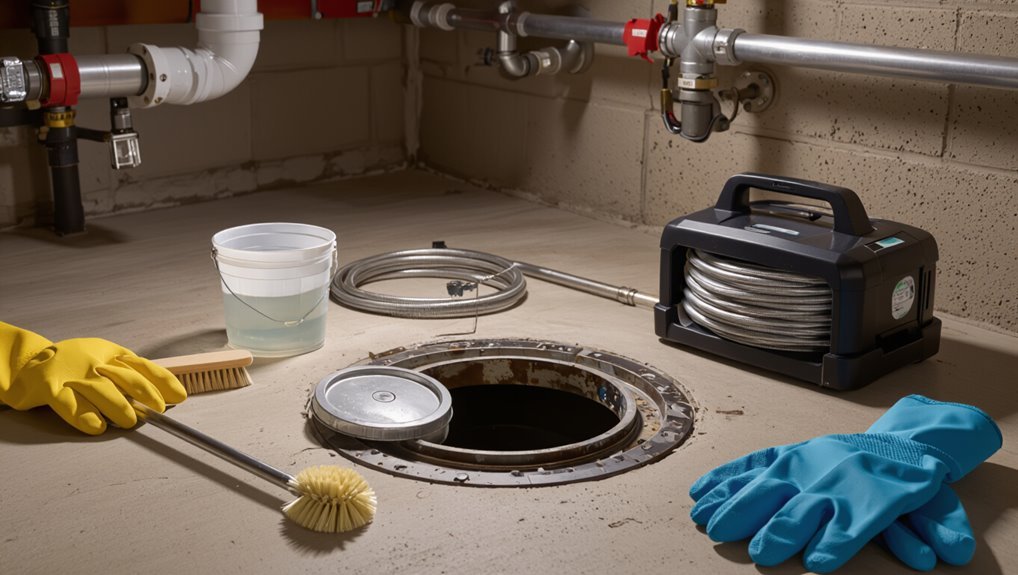
Before problems arise, a small kit of basic tools and supplies helps homeowners respond quickly to common sewer-line issues.
Essential items include protective gear and diagnostic basics. Store them accessible and labeled.
- Heavy gloves, goggles, and a mask for safe handling.
- Toilet auger, hand snake, and drain brush for blockages.
- Plumber’s tape, pipe wrench, and a flashlight for quick repairs.
Conclusion
Regular sewer line care protects home value and health, and simple habits yield big results. Even busy homeowners worry maintenance takes too much time, but short monthly checks, seasonal cleanouts, and using safe DIY methods are quick and effective. Following the outlined checklist prevents clogs, odors, and expensive repairs while avoiding common mistakes. With basic tools and a clear emergency plan, households can confidently maintain sewer lines without costly professional calls—until truly needed.