How to Stop Sewer Smell From Drain FAST: Proven Home Fixes That Work
To quickly eliminate sewer smells from drains, start by checking and refilling P-traps, pouring water into seldom-used fixtures, and clearing visible hair and debris. For deeper clogs, try plunging or using a hand snake. If odors persist, use enzyme cleaners or a mix of baking soda and vinegar—just avoid combining harsh chemicals. If vent obstructions or sewer line breaches are suspected, contact a professional for inspection. Acting swiftly not only addresses the smell but also minimizes health risks and property damage. For ongoing issues, further guidance on thorough fixes and prevention is available.
Why Your Drain Smells Like Sewage and Why It Needs Fast Fixing
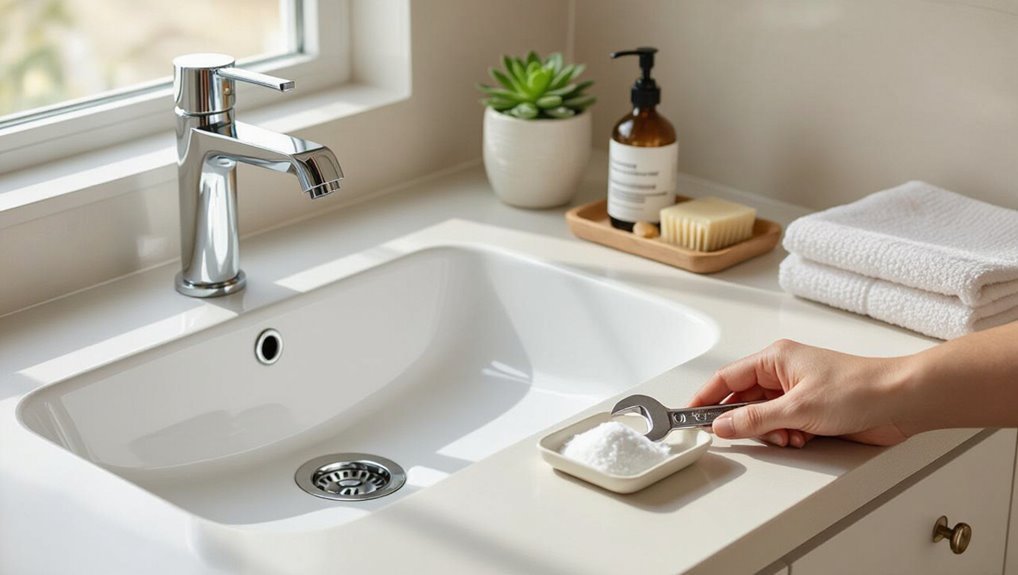
Sewer odors commonly originate from dry P-traps, broken seals, clogged vents, or backups affecting sinks, showers, tubs, and floor drains.
Left unaddressed, these smells can signal bacterial contamination that poses health risks and can cause structural or odor-permanent damage to the home.
Identifying whether the problem is isolated to one fixture or present throughout the house guides the urgency and scope of repairs.
Common causes of sewer smell in sinks, showers, tubs, and floor drains
When foul odors rise from sinks, showers, tubs, or floor drains, they generally signal one of several common issues—dry P-traps, trapped organic buildup, venting problems, or sewer line breaches—and each requires prompt identification because lingering sewage gases can pose health risks and indicate plumbing failures.
Typical causes include dry traps, hair and grease clogs, biofilm in drain lines, blocked vents, damaged seals, or main line leaks. Homeowners seeking how to stop sewer smell from drain should inspect these areas quickly.
Health risks and home damage from lingering sewer odors
Lingering sewage odors signal more than an unpleasant nuisance; they indicate potential exposure to hazardous gases and ongoing property damage.
Hydrogen sulfide and methane can cause headaches, nausea, respiratory irritation or worse with chronic exposure.
Persistent moisture promotes mold, wood rot and corrosion, compromising structural elements, finishes and indoor air quality.
Prompt diagnosis and repair reduce health risks and limit costly deterioration.
How to determine if odor is local (one drain) or systemic (whole house)
How can one tell whether a foul drain odor is confined to a single fixture or emanating throughout a home? A quick inspection isolates source: check each sink, shower, floor drain and outdoor cleanout individually.
Note timing—constant versus intermittent.
Smell concentrated near one room indicates local clog or dry trap; pervasive, simultaneous odors suggest sewer line issues, ventilation failure, or widespread trap dry-outs requiring professional assessment.
Quick First-Aid Fixes to Stop Sewer Smell Fast
The article lists immediate actions that can cut sewer odor in under a minute, such as running water to refill dry traps or briefly airing out the room.
It outlines quick DIY treatments—pouring water, a diluted bleach solution, or vinegar into affected drains—to suppress smell temporarily.
It also explains when to ventilate for safety and when strong, persistent odors warrant leaving the area and calling a professional.
Immediate steps to reduce odor in one minute or less
Act quickly: when a sewer smell appears, a few targeted actions can cut odor in under a minute.
Open windows and run an exhaust fan to flush air.
Close nearby toilet lids and cover floor drains temporarily with damp cloths to block drafts.
Light a candle or zap an odor with a quick burst from an air spray designed for immediate neutralization.
Simple DIY traps: water, bleach, and vinegar quick treatments
Several quick DIY traps can block sewer odors immediately: adding water to dry P-traps, pouring a diluted bleach solution for disinfecting plastic drains, or using vinegar to neutralize smells on porcelain surfaces.
Each method requires correct dilution and cautious application: water restores seals, bleach (properly mixed) kills bacteria in plastic-lined pipes, and white vinegar deodorizes and breaks down mild organic residue without harsh fumes.
When to ventilate and when to evacuate
Assess the situation quickly to decide whether ventilation will suffice or immediate evacuation is necessary.
If odor is mild, limited to one room, and no symptoms occur, open windows, run fans, and ventilate for 15–30 minutes while checking drains and traps.
Evacuate and call professionals if odors are strong, widespread, accompanied by dizziness, nausea, or suspected gas leaks.
Step-by-Step Repair Actions for a Single Smelly Drain
A systematic approach addresses the most common causes of a single smelly drain, starting with clearing visible debris and hair using simple tools and safe techniques.
If that fails, the sequence moves to mechanical methods—proper plunging, selecting and operating a snake or auger—and to targeted cleaning with baking soda and vinegar or an enzyme cleaner.
Finally, the process checks and refills P-traps and tightens or reseals any loose drain connections to restore a watertight seal.
Clear visible debris and hair from the drain (tools and technique)
Begin by removing any visible debris and hair from the drain opening using gloves and a flashlight to locate obstructions.
Use needle-nose pliers, a drain hook, or a bent wire hanger to extract clogs, working gently to avoid pushing material deeper.
Clear residue with a damp cloth, inspect with the flashlight, and dispose of waste.
Repeat until flow appears unobstructed.
Use a plunger safely on sinks and tubs
Once visible debris has been removed and the drain looked clear, a plunger can be used to dislodge deeper clogs that trap odors.
Seal overflow or adjacent openings with wet rags. Fill sink or tub partially to cover the plunger bell.
Position tightly, pump firmly 8–12 times, then pull sharply. Repeat if needed.
Clean and sanitize the plunger after use.
Snake the drain: choosing a drain snake vs. auger and how to use it
Choose the right tool before inserting metal into plumbing: a hand-held drain snake (also called a plumber’s snake) suits shallow clogs in sinks, tubs, and showers, while a drum-style auger or motorized snake is better for deep or stubborn blockages in main lines.
Wear gloves, feed cable slowly, crank or rotate to snag debris, withdraw steadily, and test flow; repeat if needed.
Deep clean with baking soda and vinegar vs. enzyme drain cleaners
For persistent odors that remain after mechanical snaking, compare a baking soda-and-vinegar flush with an enzyme-based cleaner to decide which chemical approach best matches the clog and fixture.
Baking soda and vinegar dislodge light organic residue and neutralize smells quickly but temporarily.
Enzyme cleaners digest fats, hair, and organic buildup over days, safer for pipes and septic systems when used per label instructions.
Refill or test P-traps and re-seal loose drain connections
Inspect the P‑trap and nearby fittings to determine whether a dry trap or a leaking connection is allowing sewer gas into the room.
If dry, run water to refill; test by blocking overflow and observing seal.
Tighten slip nuts, replace degraded washers or trap assembly, and apply plumber’s tape or silicone where threads or joints leak.
Retest after repairs for persistent odor.
Fixes for Multiple Drains or Housewide Sewer Odor
When sewer odor appears from multiple fixtures, the investigation shifts to common systems such as the main sewer line and the cleanout access.
Roof vent stacks should be inspected and cleared of debris or bird nests, while distinguishing backup signs from dry traps or cracked pipes helps target the repair.
If problems persist or evidence indicates a blocked main or damaged line, hire a plumber and be ready to report observed odors, affected locations, recent drainage symptoms, and any cleanout or vent findings.
Check main sewer line and cleanout access
Begin by locating the home’s main sewer cleanout and verifying that the cap is secure and free of damage or debris.
If odors persist housewide, inspect the cleanout for slow drainage, backup, or visible sewage.
Use a plumber’s snake via the cleanout to clear blockages, or call a professional for mainline jetting or camera inspection when clogs or root intrusion are suspected.
Inspect and clear vent stack blockages
Climb to the roof and examine the vent stack for visible obstructions such as leaves, bird nests, or debris that can trap sewer gases and disrupt airflow.
Remove blockages with gloves, a long pole, or a plumber’s snake.
Flush the vent with water to verify drainage.
If resistance or damage exists, contact a plumber to prevent recurring housewide odors and guarantee proper venting.
Signs of sewer line backup vs. dry traps vs. cracked pipe
After clearing or confirming the vent stack is free, attention should shift to identifying whether persistent sewer odors indicate a sewer-line backup, dry traps, or a cracked pipe—each has distinct signs and different fixes.
Backups: multiple slow drains, gurgling, sewage odors outside floor drains.
Dry traps: isolated smell at infrequently used fixtures.
Cracked pipes: localized dampness, sinkholes, or persistent odor despite trap water.
When to call a plumber and what information to provide
When should a professional be called, and what key details should be ready for them?
Call a plumber if multiple drains emit sewage odor, gurgling occurs after fixtures run, toilets back up, or smell persists despite trap checks.
Provide address, symptom timeline, affected fixtures, recent plumbing work, sewer age, basement presence, and photos or videos.
Mention any DIY steps already tried.
Preventative Measures to Keep Sewer Smell Away
Preventative measures focus on keeping traps filled, scheduling routine cleanings with enzyme or mild detergent products, and installing hardware like drain covers, hair catchers, and trap primers.
Homeowners should also maintain yard grading, sump pumps, and sewer lines to reduce external sewer gas intrusion.
Regular, simple practices and targeted fixtures greatly lower the chance of recurring odors.
Maintain P-traps and fixture use habits to prevent dry traps
Regularly inspecting and using fixtures keeps P-traps filled with water, which blocks sewer gases from entering living spaces.
Homeowners should run seldom-used sinks, showers, and floor drains weekly, pour a cup of water into unused traps, and check for leaks or evaporated seals.
For fixtures rarely used, a small amount of mineral oil can slow evaporation.
Promptly repair faulty seals or loose fittings.
Regular drain cleaning schedule and recommended products
Although drains tolerate occasional DIY attention, a consistent cleaning schedule is essential to prevent buildup that can lead to sewer odors.
Recommended routine: monthly flushing with hot water, weekly enzyme cleaner use, and quarterly deep-cleaning.
Suggested products balance efficacy and safety:
- Bio-enzymatic drain cleaner
- Mild caustic drain maintenance gel
- Manual auger for periodic residue removal
Installing drain covers, hair catchers, and trap primers
Installing simple hardware additions such as drain covers, hair catchers, and trap primers reduces the chance that debris, standing water loss, or dried traps will produce sewer odors.
Drain covers keep solids from entering pipes; hair catchers prevent clogs in showers and tubs; trap primers add water to P-traps to maintain seals.
These inexpensive devices require minimal installation and lower odor risk when used routinely.
Yard and plumbing maintenance to prevent sewer gas intrusion
Inspecting and maintaining yard and plumbing systems helps prevent sewer gas from entering a home by ensuring seals, vents, and drain lines function properly.
Regularly check cleanout caps, roof vents, and sewer laterals for cracks or blockages.
Keep landscaping from obstructing access, repair sink and toilet seals, clear grease and roots with professional tools, and schedule periodic sewer inspections to catch issues early.
Safe Cleaning Products and What to Avoid
Practical cleaning choices range from common household cleaners to enzyme-based products that break down organic buildup without harming pipes.
Certain harsh chemicals and specific combinations—such as bleach with ammonia or acidic cleaners mixed with bleach—must never be combined because they produce toxic gases.
Corrosive drain cleaners also pose environmental hazards and can damage plumbing, so safer alternatives are recommended.
Effective household cleaners and enzyme-based options
While many common cleaners can temporarily mask sewer odors, choosing the right products—and knowing which to avoid—is essential for long-term odor control.
Enzyme-based cleaners and targeted household products break down organic matter in traps and pipes without corroding plumbing, whereas harsh acids, undiluted bleach, and persistent solvent-based degreasers can damage seals, kill beneficial bacteria, or drive odors deeper into the system.
- Use enzyme drain cleaners for organic buildup.
- Apply baking soda + vinegar sparingly as a gentle flush.
- Select pH-neutral, non-corrosive bathroom cleaners for routine maintenance.
Harsh chemicals and combinations to never mix
Having recommended enzyme cleaners and gentle, pH-neutral products, attention must turn to substances and mixtures that worsen odor problems or damage plumbing.
Avoid mixing bleach with ammonia or acids (like vinegar) — deadly gases can form.
Never combine different drain cleaners or pour solvents and bleach together.
Harsh solvents and caustics can corrode seals, kill beneficial bacteria, and exacerbate persistent sewer smells.
Environmental and plumbing risks of corrosive drain cleaners
Consider the broader consequences before reaching for a corrosive drain cleaner: these caustic products can rapidly degrade plumbing materials, stripping protective coatings on pipes, rubber gaskets, and seals and causing leaks or joint failures over time.
They also release toxic fumes, harm septic systems, and kill beneficial bacteria. Improper disposal contaminates waterways, posing risks to aquatic life and municipal treatment processes.
Detecting Hidden Problems Causing Persistent Odor
Suspected persistent sewer odor should prompt a search for hidden faults such as a cracked sewer pipe or an underground leak that allows gases to escape.
Professionals often use smoke testing, camera inspection, and electronic odor-detection tools to pinpoint leaks and faults that are not visible from the surface.
It is also important to take into account non-sewer sources—pests, mold, and odor-producing biofilms in plumbing can mimic sewer smell and require different remedies.
How to identify a cracked sewer pipe or hidden leak
A few clear signs can point to a cracked sewer pipe or hidden leak, and recognizing them promptly helps prevent ongoing odors and structural damage.
Look for persistent sewage odor despite dry traps, unexplained soggy spots or sinkholes in yard, slow or gurgling drains, and recurring backups.
Stains, mold growth, and unusually lush vegetation over a pipe run also indicate possible leakage requiring prompt inspection.
Using smoke testing, camera inspection, and odor detection tools
Smoke testing, camera inspection, and electronic odor detection form a complementary toolbox for pinpointing hidden sewer faults that routine checks miss. Technicians deploy each method to locate leaks, breaks, or fittings failures quickly.
- Smoke testing: reveals surface escapes and voids.
- Camera inspection: documents pipe integrity and blockages.
- Odor detection: traces gas concentrations to exact access points.
Pest, mold, and biofilm sources that mimic sewer smell
When sewer-like odors persist despite intact plumbing, technicians should consider nonsewer sources such as pests, mold, and biofilms that produce similar sulfurous or musty smells.
Rodent nests, decaying insect matter, and bird droppings in voids emit sulfide-like odors.
Hidden mold in drywall or under flooring creates musty compounds.
Slime and bacterial biofilms in drains or HVAC traps generate persistent odors requiring targeted removal and sanitation.
Cost, Time, and Timeline: Quick Fix vs. Professional Repair
A comparison of costs and timelines helps determine when a homeowner should attempt a do-it-yourself fix versus calling a professional.
Typical expenses range from inexpensive DIY supplies to several hundred dollars for a plumber and thousands for sewer-line repair.
Common issues can be resolved in minutes to a few hours, while major repairs may take days.
Priority should be given to hazards and persistent leaks first, with lower-risk clogs handled as short-term projects.
Typical costs for DIY fixes vs. plumber calls vs. sewer line repair
Cost comparisons help homeowners choose between quick DIY remedies, a plumber visit, or full sewer-line repair by outlining typical price ranges, time commitments, and expected timelines. DIY: $5–$100, minutes–hours. Plumber: $100–$500, hours. Minor sewer repair: $500–$2,500, days. Major line replacement: $3,000–$15,000+, weeks.
| Option | Typical range |
|---|---|
| DIY supplies | $5–$100 |
| Plumber call | $100–$500 |
| Minor repair | $500–$2,500 |
| Major replacement | $3,000–$15,000+ |
Expected time-to-fix for common problems
Estimates for fixing sewer smells vary widely depending on the cause: simple clogs or dry traps often resolve in 10–60 minutes with DIY cleaning, while vent blockages or P-trap replacements take 1–3 hours.
Moderate issues like partial line clogs or odor filtration may require same-day plumber visits (2–6 hours).
Major sewer-line repairs typically span days to weeks, including inspection, permitting, and excavation.
Prioritizing fixes based on severity and safety
Having established typical timeframes for common causes, the next step is to prioritize interventions by weighing severity, safety risks, and resource constraints.
Immediate hazards—backups, persistent gas odor, or mold—demand professional attention.
Minor issues—dry traps, surface clogs—suit DIY quick fixes.
Consider cost, expected downtime, and escalation risk: opt for temporary measures only when monitored, schedule repairs when consequences or complexity exceed homeowner capacity.
Checklist: What to Do Now If You Smell Sewage
Upon first noticing a sewer smell, one should follow a clear checklist covering immediate actions (0–30 minutes), short-term measures (hours to days), and a long-term maintenance plan (monthly to annual).
The immediate steps focus on safety and quick fixes. The short-term actions address temporary repairs and diagnosis, and the long-term plan prevents recurrence.
This structure helps prioritize tasks and decide when professional help is needed.
Immediate actions (0/30 minutes)
If a sewer smell is noticed, immediate steps can reduce health risks and limit further contamination:
- Ventilate the area by opening windows and turning on exhaust fans; leave the space if odors are strong.
- Stop water use to prevent backing up; avoid toilets, drains, and appliances.
- Check visible fixtures for leaks or dry traps; seal access points and call a plumber if source is unclear.
Short-term actions (hours/days)
Begin short-term actions by evaluating immediate risks and prioritizing containment: ventilate the space, limit water use, and restrict access to affected areas while arranging professional inspection.
Follow concise steps to diagnose and mitigate odors quickly:
- Isolate drains and run traps with fresh water.
- Use odor absorbers (baking soda, charcoal) in affected rooms.
- Document symptoms and schedule a plumber for targeted repair.
Long-term maintenance plan (monthly/annual)
When sewer odors recur, a structured long-term maintenance plan reduces risk and expense by scheduling regular inspections, preventive treatments, and record-keeping.
The checklist below outlines monthly and annual tasks to keep traps, vents, seals, and sewer connections functioning and to guide immediate action when odors appear.
- Monthly: run water in infrequently used traps, clean strainers, inspect visible seals.
- Annual: professional vent and sewer line inspection, grease trap service.
- Record: document actions, dates, issues, and repairs for trend tracking.
Conclusion
When a drain smells like sewage, swift action keeps small problems from becoming costly disasters. Homeowners can try quick fixes—pouring water into traps, flushing vents, or using enzyme cleaners—to plug immediate offensive odors, while step-by-step repairs and professional help address deeper issues. Preventive maintenance and safe products stop smells returning. Like tightening a loose thread before a sweater unravels, timely attention preserves comfort, health, and the home’s long-term integrity.