How to Get Rid of Smell From a Sewage Ejector Pump: Quick Fixes and Long-Term Solutions
To eliminate odors from a sewage ejector pump, first identify the source, which could be due to leaks, faulty check valves, blocked vents, or unsealed basins. Start with immediate actions like ventilating the area, replacing any defective check valves, resealing covers and gaskets, clearing blockages in vents and discharges, and cleaning sludge from the pit while wearing protective gear. For long-term solutions, consider improving venting systems, scheduling regular maintenance, upgrading seals or pumps, and installing odor-absorbing filters. Follow a detailed inspection and troubleshooting guide, along with preventive checklists, to ensure a comprehensive resolution.
Why Sewage Ejector Pump Odors Happen
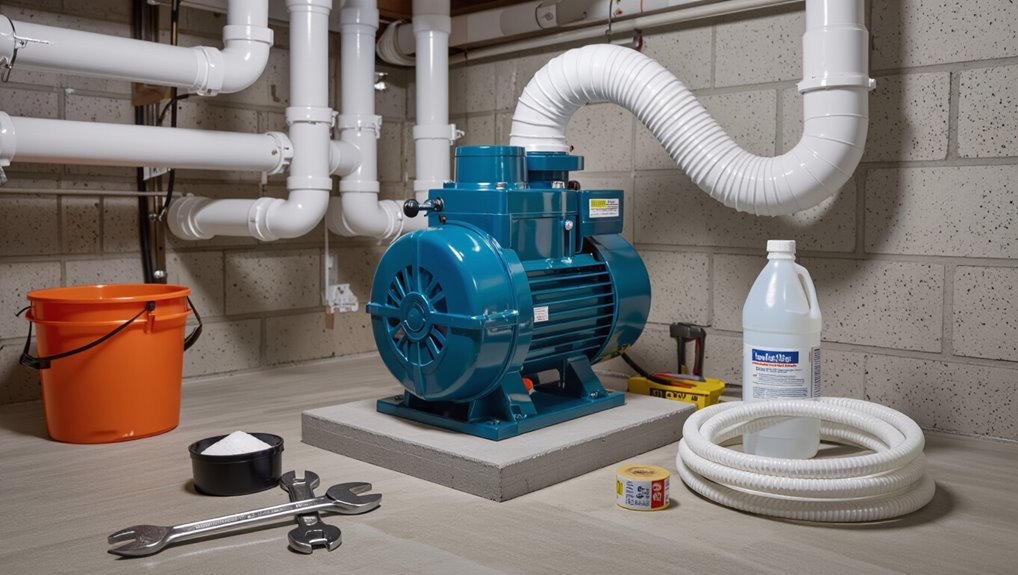
A sewage ejector pump moves wastewater from lower-level fixtures into the main sewer line, and odors typically originate where gases escape the sealed system—most often at the basin, vents, check valve, or worn seals.
Common failure points such as a stuck or leaking check valve, deteriorated seals, clogged or improperly installed vents, and a cracked or uncovered basin allow sewer gas to enter living spaces.
These leaks pose health and safety risks ranging from unpleasant odors and headaches to exposure to harmful gases and pathogen-bearing aerosols, so prompt identification and repair are important.
How a sewage ejector pump works and where smells originate
Sewage ejector pumps lift wastewater from below-grade fixtures into the home’s main sewer line by collecting sewage in a basin and activating when the liquid reaches a preset level.
Odors originate from trapped gases in standing wastewater, decomposing organic matter, and brief venting during discharge.
Understanding how to get rid of smell from sewage ejector pump focuses on removing stagnation, sealing pathways, and ensuring routine basin flushing.
Common failure points that produce odors (check valve, seals, vents, basin)
When odors persist despite routine flushing, they usually trace to a few specific failure points: the check valve, worn seals, compromised vents, or a neglected basin.
A leaking or stuck check valve permits backflow and gases; degraded seals around the pump or fittings allow seepage; blocked or broken venting prevents pressure equalization; an unclean basin accumulates solids and anaerobic buildup that generate persistent odors.
Health and safety risks from sewage odors
Persistent odors from failed check valves, worn seals, clogged vents, or a fouled basin do more than irritate — they pose real health and safety hazards.
Exposure can cause headaches, nausea, respiratory irritation, and aggravate asthma. Methane and hydrogen sulfide can create flammable or toxic conditions; prolonged contact risks infection from pathogens.
Prompt assessment, ventilation, and remediation reduce acute and chronic dangers.
Immediate Smell-Reduction Steps You Can Do Now
The homeowner can start by ventilating the space—opening windows and running fans—to disperse trapped odors while avoiding drafts that could spread contaminants.
Temporary odor neutralizers and commercial deodorizers may mask smells briefly but should be used only according to label directions and kept away from the pump and drains.
If odors persist, worsen, or are accompanied by health symptoms, evacuate the area and contact a qualified plumber or sewage professional immediately.
Short-term ventilation and airing techniques
Open windows and run fans to create a cross-breeze that dilutes and expels sewer odors from the affected area.
Point box fans toward outdoors, ventilate crawlspaces and basements, and open interior doors to promote airflow.
Use exhaust fans in bathrooms and kitchens, and temporarily increase ventilation duration.
Monitor humidity; run a dehumidifier if moisture traps odors.
Repeat until odor subsides.
Safe temporary odor neutralizers and deodorizers
Apply quick, safe neutralizers to mask and chemically reduce sewage odors while arranging longer-term fixes.
Use gentle, non-corrosive options and avoid mixing chemicals.
Recommended immediate actions:
- Place baking soda trays or activated charcoal near the ejector pump area to absorb smells.
- Spray enzyme-based deodorizer on accessible surfaces to break down organic odor sources.
- Use citrus or odor-neutralizing gels for short-term masking.
When to evacuate the area and call a professional
After using temporary odor absorbers or enzyme sprays, recognize signs that require immediate evacuation and professional help: overpowering hydrogen sulfide or rotten-egg smells, persistent dizziness or headaches among occupants, visible sewage leaks, or when the pump is gurgling, sputtering, or running nonstop.
Evacuate calmly, ventilate from outside if safe, shut off electrical supply to the pump, and contact licensed sewage or plumbing emergency services immediately.
Step-by-Step Inspection to Locate the Odor Source
A systematic inspection begins with a visual checklist of the pump, basin, and surrounding fittings to note corrosion, leaks, or standing sewage.
The process then progresses to functional tests of the check valve, seals, and discharge pipe, followed by assessment for venting faults or sewer line blockages.
Required tools and PPE—gloves, eye protection, a flashlight, basic hand tools, and a gas detector—should be assembled before any hands-on work.
Visual inspection checklist for the pump and basin
Before any tools are used, conduct a systematic visual sweep of the ejector pump and basin to identify obvious sources of odor such as standing water, visible leaks, corrosion, or foreign debris.
Inspect condition, connections, and cleanliness. Check for odors, residue, and insect activity.
- Pump exterior and wiring
- Basin walls and access seal
- Debris, sludge, and standing liquid
How to test the check valve, seals, and discharge pipe
Technician’s attention now shifts to the check valve, seals, and discharge pipe, components that commonly permit sewage gases to escape when compromised.
Inspect for visible cracks, corrosion, and loose fittings. Activate pump and observe for backflow or leaks. Apply soapy water to joints for bubbles.
Verify check valve operation by lifting discharge briefly; replace faulty seals or valve and tighten or replace damaged pipe sections.
Diagnosing venting and sewer line blockages
Next, attention shifts from check valves and discharge fittings to the venting system and the sewer main, common sources when odors persist despite a sound ejector pump.
Inspect roof vents for blockages, confirm trap vents are unobstructed, and check vent pipe joints for leaks.
Run a sewer main camera or observe slow-draining fixtures to identify partial blockages or collapsed sections causing backflow and odors.
Tools and PPE needed for safe inspection
A compact kit of tools and proper personal protective equipment (PPE) is essential for safely inspecting an ejector pump, vents, and sewer lines for odor sources.
Recommended items and PPE include:
- Nitrile gloves, eye protection, and a respirator rated for organic vapors.
- Flashlight, inspection mirror, and moisture meter.
- Basic hand tools, pump wrench, and a sewer camera or borescope.
Quick Fixes to Eliminate Odors
Common immediate remedies focus on mechanical and sanitary fixes: replacing a faulty check valve, resealing or swapping damaged basin covers and gaskets, and clearing clogs in the discharge and vent lines.
Attention should also be given to cleaning the pit and removing sludge buildup to eliminate persistent odor sources.
These targeted actions often resolve smells quickly before more extensive repairs are required.
Repairing or replacing a faulty check valve
Inspecting the check valve is a practical first step when sewage ejector pump odors persist, because a worn or stuck valve can allow sewer gases to reflux into the basin and vent line.
Technicians should shut power, disconnect discharge piping, remove and test the valve for free movement and seal integrity.
Replace damaged valves with correct-size, backflow-rated models and verify proper installation to prevent recurrence.
Resealing or replacing basin covers and gaskets
Tighten, reseal, or replace worn basin covers and gaskets to stop sewer gas from escaping around the pump pit — a quick, low-cost step that often eliminates odors without major repairs.
Inspect cover fit, cracked seals, and corroded fasteners. Use a proper gasket material and torque evenly.
Replace damaged covers or degraded gaskets, then retest for odors and secure access panels to maintain an airtight seal.
Clearing clogs in discharge and vent lines
After verifying and resealing the basin cover, attention should turn to blockages in the discharge and vent lines, which frequently trap odors despite an otherwise airtight pump pit.
Inspect visible piping for kinks, corrosion, or loose joints.
Run a snake or hydro-jetter where accessible, flush with clean water, and confirm vent caps are clear.
Re-test for lingering sewer smell.
Cleaning the pit and removing sludge buildup
Begin by draining and removing standing water from the pit to expose the pump and surrounding surfaces.
Wear protective gear, then scoop or vacuum sludge, scraping settled solids from walls and base.
Rinse with water and a mild disinfectant, avoiding strong chemicals that damage components.
Inspect for corrosion or debris, remove trapped waste, and allow thorough drying before reassembly and testing to prevent recurring odors.
Long-Term Solutions to Prevent Recurring Odors
Long-term control of sewage ejector pump odors relies on correcting venting and backflow issues, upgrading to odor-resistant components and pump models, and implementing a scheduled maintenance and inspection plan.
Installing automatic or manual vent filters and carbon traps provides an added line of defense against recurring smells. Together, these measures reduce infiltration of sewer gases and extend equipment life.
Correct venting and backflow prevention strategies
Proper venting and reliable backflow prevention form the backbone of any effective strategy to stop recurring odors from a sewage ejector pump.
Confirm vents are unobstructed, sized per code, and routed to terminate above roofline.
Install backflow preventers and check valves to stop sewer gases and wastewater return.
Regular inspections and pressure testing verify functional seals, preventing odor migration into living spaces.
Upgrading to odor-resistant components and pump models
Upgrading to odor-resistant components and pump models reduces recurring sewage odors by addressing sources rather than masking symptoms.
Specifying sealed, gasketed covers, corrosion-resistant piping, and integrated backflow valves limits fugitive gases.
Choosing pumps with superior impeller seals, oil-filled motors, and built-in check valves decreases leak and vapor paths.
Professional selection guarantees compatibility with basin size and waste load for reliable, long-term odor control.
Scheduled maintenance plan and inspection intervals
When regular inspections and preventive servicing are scheduled at appropriate intervals, a sewage ejector system is far less likely to develop the leaks, seal failures, and blockages that produce persistent odors.
A concise maintenance plan specifies tasks, frequencies, and responsible parties:
- Monthly visual checks for leaks, unusual noise, and float operation.
- Quarterly cleaning of basin and access ports.
- Annual professional inspection with pump performance testing and seal replacement as needed.
Installing automatic or manual vent filters and carbon traps
Consider ventilating the ejector system with dedicated filters or activated-carbon traps to address persistent sewer odors at their source.
Install automatic vents for continuous filtration or manual cartridges for periodic replacement. Position traps on the vent stack or near the pit inlet, guarantee airtight connections, and select rated media.
Regularly replace cartridges, monitor airflow, and verify compatibility with local plumbing codes to sustain odor control.
When to Hire a Professional vs DIY
Simple clogs, replaceable seals, and cleaning accessible traps are often manageable as DIY tasks with basic tools.
Persistent odors, electrical faults, recurring backups, or visible pump damage indicate the need for a licensed plumber or pump specialist.
When hiring, one should request written estimates, ask about licensing and insurance, inquire on warranty and expected timeline, and compare references.
Problems suitable for DIY repair
A number of common sewage ejector pump issues can be handled by a capable homeowner with basic tools and safety precautions.
DIY-suitable tasks include clearing accessible clogs, replacing worn float switches, tightening loose vent or cover seals, swapping simple check valves, and cleaning pump basins and vents to remove debris and biofilm.
Proper PPE and power isolation remain essential.
Signs you need a licensed plumber or pump specialist
Recognize warning signs that exceed DIY capabilities to avoid costly damage or health risks.
Persistent foul odor despite basic fixes, recurrent backups, rapid pump cycling, visible sewage leaks, electrical faults or tripping breakers, mold growth, or damaged sump basin indicate professional intervention.
Complex diagnostics, confined-space work, or code-related repairs require a licensed plumber or pump specialist to guarantee safe, compliant, and lasting solutions.
Questions to ask and estimates to request from contractors
After identifying signs that require professional help, homeowners should prepare targeted questions and request clear estimates to compare contractors effectively.
Essential inquiries include warranty length, permit handling, and disposal methods. Request itemized bids for parts, labor, and contingency fees.
Verify licensing and insurance. Consider written timelines and cleanup responsibilities before hiring.
- Warranty details and exclusions
- Itemized parts, labor, permits
- Proof of license and insurance
Products and Materials Recommended for Odor Control
Recommended products focus on durable sealants, gaskets, and reliable check valves to prevent leaks and backflow that cause odors.
Approved enzymatic or bacterial cleaners for sump pits and occasional chemical treatments are noted for breaking down organic buildup without damaging plumbing.
Complementary odor-absorbing technologies and replaceable filters—such as activated carbon or specialized vent filters—are useful for treating residual smells.
Best types of sealants, gaskets, and check valves
A reliable seal between plumbing connections is the first line of defense against sewage odors, so selecting the right sealants, gaskets, and check valves is essential for effective odor control.
Recommended choices include:
- Silicone or plumber’s epoxy for durable, water-tight seals.
- Nitrile or EPDM gaskets resisting sewage chemicals and deformation.
- Spring-loaded or wafer check valves to prevent backflow and trap gases.
Approved cleaners and biological treatments for sump pits
Select cleaners and biological treatments that are specifically formulated for sewage systems and labeled safe for use in sump pits to guarantee effective odor control without harming pumps or plumbing.
Recommended options include enzymatic drain treatments, bacterial cultures designed to digest organic waste, and biodegradable disinfectants rated noncorrosive.
Avoid bleach-based or caustic cleaners that can damage seals, corrode metal, or disrupt beneficial bacteria.
Odor-absorbing technologies and filters
Effective odor control for sewage ejector pumps often combines passive and active technologies such as activated carbon, zeolite, catalytic oxidizers, and mechanical filters designed to trap or neutralize sulfurous and organic compounds before they escape the pit. Recommended options include replaceable carbon cartridges, zeolite pads, catalytic units, and washable pre-filters to balance cost, maintenance, and efficacy.
| Technology | Strength | Maintenance |
|---|---|---|
| Activated carbon | High adsorption | Replace regularly |
| Zeolite | Moisture-tolerant | Periodic recharge |
| Mechanical filter | Particle capture | Wash/replace often |
Cost Estimates and Timeframes for Repairs and Upgrades
Typical repair items such as replacing a check valve, new seals, or a professional cleaning generally have modest costs and can often be completed within a few hours to a day.
Major upgrades like installing a new pump or overhauling venting carry higher upfront costs but can produce long-term savings and more reliable odor control.
Expected downtime varies—plan for same-day service for minor work and schedule a technician in advance for larger projects to minimize disruption.
Typical costs for common fixes (check valve, seals, cleaning)
When a sewage ejector pump emits odors, homeowners and service providers often weigh the expense and time required for common fixes—replacing a check valve, swapping seals, or performing a thorough clean—so they can choose the most cost-effective remedy.
Typical costs:
- check valve replacement $75–$200 (30–90 minutes)
- seal kit $50–$150 (30–60 minutes)
- professional pump cleaning $100–$300 (1–2 hours).
Cost and benefit of major upgrades (new pump, venting overhaul)
Several homeowners find that investing in major upgrades—such as replacing an aging sewage ejector pump or overhauling the venting system—can eliminate persistent odors and reduce long-term maintenance.
New pump installation typically ranges $800–$2,500 including labor; full venting overhauls often cost $1,200–$4,000.
Benefits include improved reliability, energy efficiency, fewer repairs, and better indoor air quality, offsetting upfront costs over several years.
Expected downtime and scheduling tips
After weighing the costs and benefits of major upgrades like a new pump or venting overhaul, homeowners should plan for the time those projects will take and how long systems may be offline.
Typical drain, replacement, or venting jobs range from 4–8 hours; complex overhauls may need a full day or two.
Schedule during low-use periods, secure temporary alternatives, and confirm contractor availability.
Troubleshooting Common Scenarios
The troubleshooting section addresses specific patterns of odor to pinpoint causes and remedies.
It contrasts intermittent smells that occur only during pump operation with constant odors present even when the pump is idle.
It covers smells following heavy rain or sewer backups as well as odors that return soon after cleaning.
Each scenario includes likely sources and targeted steps for diagnosis and resolution.
Intermittent odors only when pump runs
Inspecting intermittent sewage odors that appear only when the ejector pump runs narrows the problem to components activated during pumping—check for leaks, compromised seals, a failing check valve, or venting issues that allow gases to escape under pressure.
Technicians should examine discharge fittings, clean or replace the check valve, verify tight seals on the pump lid, and inspect the vent stack for blockages or backpressure causing odor release.
Constant odor even with pump off
Persistent sewage odor present even when the ejector pump is idle points to issues that are independent of pump operation.
Common causes include a cracked basin or lid allowing gases to seep out, a dry or faulty trap in nearby fixtures, a blocked or improperly routed vent stack, or sewer line problems such as a slow-moving clog or leak within the building’s drain system.
Inspection should target basin integrity, traps, venting, and sewer lines.
Foul smell after heavy rain or sewer backup
When foul odors appear after heavy rain or a sewer backup, they often indicate water-saturated drains, overwhelmed municipal lines, or reversed flow forcing sewer gases into the ejector basin and connected fixtures.
Immediate actions include avoiding fixture use, checking for visible backups, and running a professional inspection.
Long-term fixes may involve improving drainage, backflow prevention, sump capacity upgrades, and coordinating with the sewer authority.
Odor returning shortly after cleaning
After addressing obvious causes from heavy rain or backup, technicians and homeowners often find that odors reappear soon after cleaning because underlying problems were not fully resolved.
Recurring smell often indicates trapped sewage, biofilm buildup inside the pump or discharge lines, a failing check valve, or dry traps.
Inspecting seals, replacing worn components, and performing thorough line flushing or enzymatic treatments prevents rapid recurrence.
Preventive Checklist Homeowners Can Follow
A concise preventive checklist helps homeowners address odors before they start by assigning monthly, quarterly, and annual tasks for inspection and cleaning.
Seasonal actions, including pre-winter checks to prevent freezing or backups, should be highlighted.
Simple record-keeping templates for date, work performed, and observations make it easy to track maintenance history and spot recurring issues.
Monthly, quarterly, and annual maintenance tasks
Though often overlooked, regular inspection and upkeep of a sewage ejector pump prevent odors and costly failures. Homeowners should follow a simple schedule of monthly, quarterly, and annual tasks to guarantee reliable operation.
- Monthly: check float, alarm, and drain for debris.
- Quarterly: test pump cycling, clean basin, tighten electrical connections.
- Annual: inspect check valve, service motor bearings, replace worn seals and gaskets.
Seasonal considerations and pre-winter preparations
Once monthly, quarterly, and annual checks are in place, homeowners should adjust maintenance routines for seasonal temperature shifts and winter risks.
Inspect vent and discharge lines for debris, insulate exposed pipes and the ejector basin, test pump operation under cold conditions, guarantee backup power and alarms function, clear drainage paths, and schedule professional inspection before freezing weather to prevent odors and mechanical damage.
Record-keeping template suggestions for maintenance history
Several concise templates can help homeowners log maintenance events, parts replaced, and odor incidents for a sewage ejector pump.
Recommended fields: date, technician, task performed, parts replaced (model/serial), odor description, odor severity, corrective actions, notes, and next service date.
Use checkboxes for routine items (cleaning, float switch test, alarm test).
Store digital and paper copies; review annually.
Glossary of Key Terms Related to Sewage Ejector Pumps
A concise glossary clarifies technical terms readers will encounter when diagnosing and eliminating sewage ejector pump odors.
Definitions focus on function, symptoms, and maintenance to aid clear communication with professionals and DIYers.
- Sump basin: pit housing the ejector pump, collects wastewater and solids.
- Check valve: prevents backflow into the basin after discharge.
- Float switch: activates the pump as liquid rises to set level.
Conclusion
A lingering sewage smell can hang in a home like fog over still water, but with attentive inspection and timely fixes it lifts. Immediate steps—cleaning traps, flushing lines, and sealing vents—clear the air briefly, while thorough repairs and routine maintenance rebuild the invisible defenses. Over time, preventive measures and occasional professional care restore freshness, transforming that heavy scent into a faint memory, replaced by the quiet assurance of a well-kept system.