How to Get Rid of Frogs in Drain Pipes: Safe, Effective Methods That Work
To effectively get rid of frogs in drain pipes, start by wearing gloves and gently coaxing visible frogs into shallow containers. Use fine mesh covers on external drains and flush long external runs with a steady stream of water to encourage their exit. To prevent future infestations, seal gaps, install one-way valves or grate screens, and minimize yard moisture and nighttime lighting. If the problem persists, consider contacting animal control or a plumber for professional solutions.
Why Frogs End Up in Drain Pipes and How to Recognize an Infestation
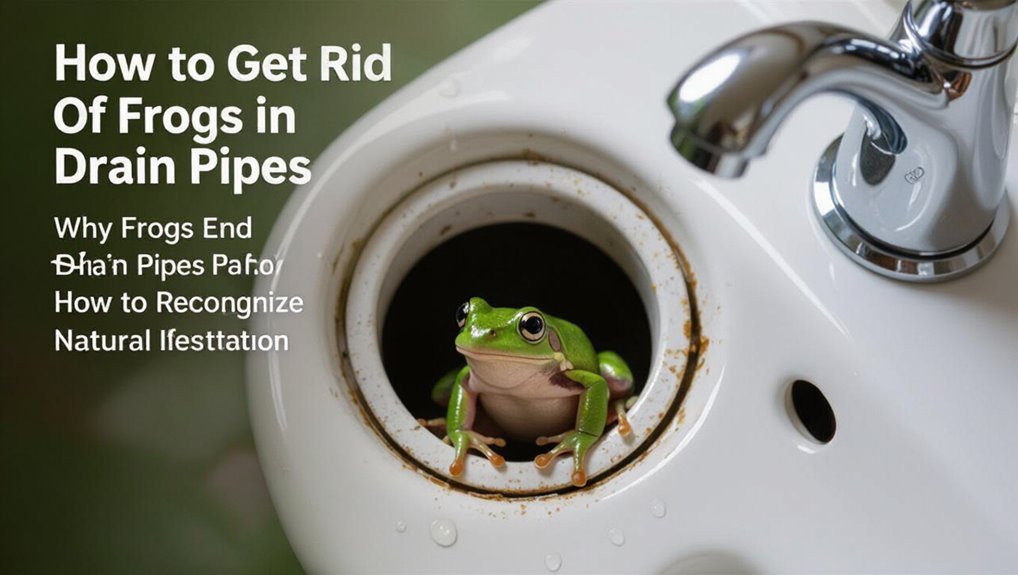
Frogs often enter drain pipes attracted by moisture, available insects, and sheltered passageways.
Indicators of an infestation include unexpected croaking or splashing, visible animals, slow or blocked drainage, and unusual odors.
Left unaddressed, frogs can cause clogs, contaminate water, and in some cases damage pipes or fittings.
Common reasons frogs enter drains (attraction to moisture, food, shelter)
Moisture-seeking behavior and opportunistic feeding drive amphibians into household drains, where steady water, insect prey, and hidden cavities create an attractive microhabitat.
Frogs enter for hydration, abundant food (flies, drain fauna), and cool shelter from predators and heat.
Understanding these drivers informs prevention and how to get rid of frogs in drain pipes by reducing moisture, blocking access points, and limiting insect attractants.
Signs of frogs in plumbing (sounds, sightings, blocked flow, odors)
Recognizing when amphibians have taken up residence in household drains follows naturally from understanding why they are attracted to those spaces.
Indicators include nocturnal croaking or splashing within pipes, occasional sighting near or emerging from drains, slower drainage or gurgling suggesting partial blockage, and faint musty or ammonia-like odors from trapped organic matter.
Timely identification aids targeted removal.
Risks and potential damage from frogs in drains (clogs, contamination, pipe damage)
Many homeowners underestimate the risks when amphibians take shelter in drain systems: even a single frog can create partial blockages that slow flow, trap debris that fosters bacterial growth, and—over time—stress seals and joints leading to leaks or corrosion.
Hidden frogs increase odor, attract insects, and contaminate water with pathogens or biofilm; persistent obstruction can force costly repairs, pipe replacement, or secondary structural damage.
Immediate Safe Steps to Remove Frogs from Drain Pipes
The section outlines quick, humane measures for dealing with frogs found in drains, including safe rescue techniques that minimize stress and injury.
It also reviews simple trap and capture options suitable for indoor plumbing and when those methods are practical.
Guidance is provided on signs that warrant contacting animal control or a professional plumber for safe removal.
How to safely rescue visible frogs without harming them
When a frog is visible in a drain pipe, act calmly and deliberately to avoid startling or injuring it; swift but gentle removal minimizes stress and prevents harm.
Wear clean gloves, create a stable light source, and slowly coax the frog toward a soft, shallow container using a damp cloth or gentle water stream.
Transport immediately to nearby suitable habitat and release away from roads and predators.
Using traps and humane capture methods for indoor drains
Start by evaluating the drain layout and frog size to choose an appropriate, humane capture method for indoor pipes.
Use small, smooth-edged funnel traps or custom mesh baskets that allow airflow.
Gently coax frogs with a soft net or damp container; avoid suction devices.
Monitor traps frequently, keep them shaded and moist, and promptly release frogs outdoors near suitable habitat to minimize stress.
When to call animal control or a professional plumber
Call for professional help if the frog is unreachable, injured, or repeatedly reappears despite humane removal efforts.
Animal control handles wildlife health, relocation, and legal concerns; a plumber diagnoses structural or plumbing-entry issues.
Engage professionals when infestations persist, drains emit unusual odors, or DIY risks harm.
Document sightings, avoid forcing removal, and follow expert advice to guarantee humane, lasting resolution and prevent recurrence.
How to Flush Frogs Out of External and Internal Drains Safely
The section outlines gentle water-flush methods for coaxing frogs out of external drain openings without forcing them deeper.
It describes appropriate hose pressures and adapters for safely flushing interior drains while protecting pipe seals and traps.
It also lists simple precautions to minimize harm to amphibians and prevent pipe damage.
Gentle water-flush techniques for external drain openings
A gentle, controlled water flush can coax frogs out of external drain openings without injury or blockages, relying on slow flow and observation rather than force.
The technique uses measured pours or a low-pressure trickle aimed at the drain inlet, watching exits and repeating until the animal moves.
Avoid high pressure, chemical additives, and obstructing debris; collect and release frogs safely away from the property.
Safe use of hoses and adapters for interior drain flushing
Begin by selecting a soft-flow hose and a snug-fitting, non-spray adapter designed to gently deliver low-pressure water into interior drain lines; this setup minimizes harm to trapped frogs and prevents dislodging fragile plumbing seals.
Insert the adapter securely, aim flow downstream, and apply short, controlled pulses.
Monitor frog movement and water return; stop when the pathway clears, then withdraw the hose slowly to avoid suction or turbulence.
Precautions to avoid harming frogs or damaging pipes
Several simple safeguards should be observed to protect both frogs and plumbing when flushing drains.
Use gentle water pressure, avoid chemicals or hot water, and check local wildlife regulations.
Block escape routes to guide frogs outward, wear gloves, and keep pets away.
Inspect pipes for cracks beforehand; stop immediately if leaks or distressed animals are observed, then contact wildlife rescue or a plumber.
Physical Exclusion Methods to Prevent Frogs Reentering Drains
Practical physical barriers are the first line of defense against frogs returning to drains, including properly fitted drain covers, grates, and fine mesh screens.
Equally important is sealing gaps and entry points around pipes, vents, and access panels to eliminate easy access routes.
In situations with persistent incursions, backflow preventers or one-way valves for sewer and storm drains can be installed to block amphibian entry while maintaining proper flow.
Installing drain covers, grates, and mesh screens
Installing properly fitted drain covers, grates, and fine mesh screens provides a straightforward physical barrier that prevents frogs from entering or returning through pipes while still allowing water to flow.
Practical choices reduce maintenance and worry:
- Durable stainless steel grates — relief.
- Fine UV‑resistant mesh — confidence.
- Snap‑fit covers for easy cleaning — reassurance.
Sealing gaps and entry points around pipes and vents
Seal gaps and openings around pipes and vents to block frogs’ access routes without disrupting airflow or drainage.
Use durable sealants, foam backer rod, or fitted collars for irregular gaps. Guarantee seals are weatherproof and UV-resistant.
Inspect attic, crawlspace, and exterior penetrations periodically.
Maintain small access for necessary ventilation using screened vents so exclusion is effective while preserving system function.
Backflow and one-way valve options for sewer and storm drains
Several effective backflow and one-way valve devices can be fitted to sewer and storm drains to prevent frogs from entering or returning without impeding normal drainage.
Options include spring-loaded flap valves, silicone duckbill valves, and weighted gravity flaps sized to local flow.
Installation should guarantee watertight seals and regular inspection for debris.
Professional assessment is recommended for code compliance and proper sizing.
Environmental Changes to Make Your Property Less Attractive to Frogs
Reducing yard moisture and eliminating standing water removes key breeding and hiding spots that attract frogs.
Altering landscaping—trimming dense vegetation, removing debris, and minimizing groundcover—reduces shelter and the insect populations that serve as frog prey.
Adjusting outdoor lighting and implementing targeted pest control further limits the food supply that draws frogs onto the property.
Managing yard moisture and standing water sources
Most properties attract frogs when persistent moisture and easy-access standing water create reliable breeding and shelter sites.
Property managers should eliminate puddles, repair leaks, divert roof runoff into barrels or away from foundations, and grade soil for drainage.
Remove unused containers, maintain gutters and French drains, and regularly inspect irrigation systems.
Reducing ambient moisture decreases frog presence and discourages breeding near structures.
Landscaping adjustments to reduce shelter and insect prey
After addressing moisture and standing water, attention should turn to landscaping choices that remove shelter and reduce insect prey populations around structures.
Shrubbery should be pruned away from foundations, dense groundcover replaced with gravel or mulch, and woodpiles stored distant from buildings.
Reduce tall grass, seal gaps in retaining walls, and eliminate unnecessary plant debris to make the area less hospitable to frogs and their food sources.
Outdoor lighting and pest control to limit frog food supply
When outdoor lighting draws insects close to a house, it inadvertently creates reliable feeding stations for frogs.
Homeowners should rethink fixture placement and bulb type; switching to downward-facing, warm-colored LEDs and limiting overnight illumination reduces insect attraction while preserving safety.
Regular pest control targeting larvae, sealing standing water, and removing outdoor lights near entryways further decreases prey availability, deterring frogs without harm.
Safe Repellents and Deterrents That Work Without Harming Wildlife
This section outlines safe, nonlethal options for discouraging frogs from drain pipes, including simple natural remedies and practical homemade mixtures.
It also reviews commercially available repellents and humane deterrent devices that minimize risk to wildlife.
Finally, it highlights products and methods to avoid, such as toxic chemicals and illegal traps, and explains why they are harmful.
Natural repellents and homemade solutions to discourage frogs
Several simple, nonlethal methods can discourage frogs from entering drain pipes by exploiting their sensory preferences and habitat needs.
Natural repellents and homemade solutions focus on discomfort and barrier creation without harm.
- Strong citrus or vinegar sprays near openings to deter sensitive skin and smell.
- Mesh covers and tight seals to block access.
- Bright lights and gentle vibrations to make pipes unattractive.
Commercial repellents and humane deterrent products
Explore commercial repellents and humane deterrents that offer targeted, nonlethal ways to keep frogs out of drain pipes without harming wildlife.
Products include ultrasonic devices, motion-activated sprinklers, and pheromone-free sprays formulated to be aversive but biodegradable.
Mesh pipe covers and one-way exclusion valves marketed for wildlife exclusion provide physical, reversible barriers.
User reviews and labels should confirm safety for amphibians and local ecosystems before purchase.
What to avoid: harmful chemicals and illegal methods
Avoid using toxic chemicals, traps designed for other animals, or methods prohibited by local wildlife laws, as these can injure frogs, contaminate water, and harm non-target species.
Instead, avoid pesticides, bleaches, or poisons; do not block escape routes or destroy habitat unlawfully.
Opt for humane exclusion, professional removal when necessary, and legal, low-impact deterrents to protect ecosystems and comply with regulations.
Plumbing Treatments and Maintenance to Prevent Future Incursions
Routine plumbing treatments and preventive maintenance reduce the chance of frogs entering drain systems.
Regularly scheduled drain cleaning and the use of safe enzymatic cleaners keep organic buildup from attracting amphibians, while periodic inspection and prompt repair of damaged pipes and traps close common entry points.
A simple seasonal checklist for frog-prone areas—including mesh covers, trap checks, and post-storm inspections—helps sustain those protections.
Regular drain cleaning routines and safe enzymatic cleaners
Maintaining consistent drain-cleaning habits and using safe enzymatic cleaners helps reduce odors, organic buildup, and the conditions that attract frogs into plumbing.
Regularly scheduled flushing with hot water, mechanical brushing, and enzyme treatments break down hair, grease, and biofilm without harming wildlife. Products labeled biodegradable and septic-safe are preferred.
Routine maintenance minimizes food sources and hiding spots, lowering recurrence risk.
Inspecting and repairing damaged pipes and traps
After reducing organic buildup with regular cleaning and enzymatic treatments, attention shifts to the physical integrity of the plumbing system: cracks, loose joints, missing trap seals, and damaged vents create entry points and refuges for frogs.
Inspect accessible piping, traps and vent connections for leaks, corrosion or gaps.
Replace broken traps, reseal joints with plumber’s putty or proper gaskets, and secure vent caps to prevent reentry.
Seasonal maintenance checklist for frog-prone areas
A concise seasonal checklist helps property owners in frog-prone areas schedule targeted plumbing treatments and inspections to close common entry points before amphibian activity peaks.
Routine tasks include sealing vents, testing traps, and clearing drains. Emotional urgency underscores prevention:
- Inspect and seal gaps — relief.
- Schedule enzymatic drain treatments — reassurance.
- Maintain perimeter drainage — confidence.
Comparison of Removal Options: Effectiveness, Cost, and Safety
A clear comparison helps stakeholders choose between DIY methods and professional removal based on effectiveness, cost, and safety. The table below summarizes key trade-offs between humane capture and lethal measures, and between short-term fixes and long-term prevention. This structured view supports practical decision-making.
| Option type | Typical effectiveness | Typical cost/safety notes |
|---|---|---|
| DIY vs Professional | DIY often lower, pros higher | DIY cheaper but riskier; professionals cost more, safer |
| Humane vs Lethal | Humane can be effective with effort | Humane safer and legally preferable; lethal may be quicker but harmful |
| Short-term vs Long-term | Short-term provides immediate relief | Long-term requires more investment but prevents recurrence |
DIY methods vs. professional removal
Weighing DIY methods against professional removal requires evaluating three core factors: effectiveness at eliminating frogs and preventing re-entry, total cost (materials, time, and potential repairs), and safety for people and plumbing.
DIY can be low-cost and immediate but may miss nests or damage pipes.
Professionals offer thorough inspection, exclusion, and warranty at higher expense; choose based on infestation severity and homeowner skill.
Humane capture vs. lethal measures
After choosing between DIY or professional removal, the next decision is whether to use humane capture or lethal methods, each judged by effectiveness, cost, and safety.
Humane capture offers low environmental impact, moderate cost, and variable success depending on access and frog numbers.
Lethal measures may be quicker but raise legal, ethical, and contamination concerns and often require professional handling.
Short-term fixes vs. long-term prevention
When deciding between short-term fixes and long-term prevention, considerations of effectiveness, cost, and safety determine the most appropriate approach: quick remedies like traps, temporary covers, or flushing can remove visible frogs fast but often fail to stop reinfestation, require repeated effort, and carry modest safety risks.
Whereas investments in sealing entry points, rerouting runoff, and altering habitat offer more durable control with higher upfront cost, lower ongoing labor, and fewer safety or environmental concerns over time.
Long-term measures reduce recurrence, while short-term fixes suit immediate needs but incur repeat costs and risks.
Troubleshooting Common Problems After Removal
If frogs reappear despite exclusion measures, the situation often indicates missed entry points or attractive conditions that require reassessment.
Persistent odors, discovery of carcasses, or lingering blockages should be inspected and addressed promptly to prevent secondary pests and plumbing damage.
Professional intervention is warranted when problems recur after DIY fixes or when structural repairs and thorough sanitation are needed.
Persistent frog activity despite exclusion measures
Although exclusion measures may appear effective at first glance, ongoing frog activity in drain systems often signals gaps in barriers, alternative entry points, or habitat factors that keep attracting amphibians.
Inspect seals, vents, and overflow routes for breaches, reassess mesh sizes, and verify drain traps function.
Reduce nearby moisture and shelter, remove vegetation, and monitor regularly; persistent presence indicates corrective maintenance or wider landscape adjustments are needed.
Dealing with odors, dead animals, or residual blockages
Address lingering odors, decomposing remains, and residual blockages promptly to prevent health risks and re-attraction of pests.
Inspect drains with gloves and a flashlight, remove carcasses using sealable bags, then sanitize with enzymatic cleaners to break down organic matter.
Flush pipes with hot water and noncaustic degreaser; use a drain snake or bio-friendly bacterial treatments for persistent buildup.
Ventilate area thoroughly.
When repeated professional intervention is necessary
When repeat visits from a pest control professional become necessary, it typically signals an unresolved source, ongoing entry points, or conditions that favor re-infestation.
A thorough reassessment identifies structural gaps, tree or vegetation attractants, and persistent moisture.
Targeted repairs, improved drainage, exclusion work, and habitat modification reduce recurrence.
Documentation and follow-up inspections confirm effectiveness and guide any additional corrective measures.
Practical Safety and Legal Considerations
Before attempting removal, the author notes that readers should verify local wildlife protection laws and obtain any required permits.
Basic safety precautions for handling amphibians and for working in potentially contaminated drains are emphasized to reduce risk of injury and disease.
Guidance is also provided on responsible relocation practices and when to report findings to local authorities or wildlife agencies.
Local wildlife protection laws and permits
Laws and permits governing the removal or relocation of frogs vary widely by jurisdiction and often protect certain species year-round.
Homeowners must check local wildlife agencies before trapping, relocating, or euthanizing frogs.
Permits may be required for capture, transport, or invasive-species control.
Noncompliance can incur fines or criminal charges.
Contact municipal or state conservation offices for specific regulations and permit application procedures.
Safety tips for handling amphibians and contaminated drains
Several straightforward precautions reduce risk when handling frogs or working in contaminated drains:
wear waterproof gloves and eye protection, avoid direct skin contact with amphibians or standing water, and use disinfectant solutions on tools and surfaces after work.
Additionally, guarantee adequate ventilation, wash hands thoroughly, keep wounds covered, limit handling time, and dispose of contaminated materials per local guidance to prevent disease spread and environmental harm.
Responsible relocation and reporting guidelines
When relocating frogs found in drain pipes, handlers should prioritize humane transfer to suitable nearby habitats and verify that local regulations allow relocation; many jurisdictions restrict moving wildlife or require permits to prevent disease spread and ecological harm.
Document sightings, time, and location, notify local wildlife authorities if uncertain, and avoid releasing nonnative species.
Use gloves, minimize handling, and follow agency guidance for reporting.
Quick Action Checklist: Step-by-Step Plan to Remove and Prevent Frogs in Drains
A concise checklist guides immediate removal and ongoing prevention to protect pipes and peace of mind.
- Immediate actions (first 24 hours)
- Short-term fixes (first week)
- Long-term prevention (ongoing)
Immediate actions (first 24 hours)
Act promptly: inspect accessible drains and traps within the first 24 hours to locate any frogs, block their entry points, and reduce immediate risk to plumbing and pets.
Wear gloves, use a flashlight and tongs to remove visible animals, temporarily plug unused drains, clear debris that attracts frogs, and document entry locations.
Notify household members and restrict pet access until issues are secured.
Short-term fixes (first week)
Begin implementing targeted short-term fixes within the first week to remove remaining frogs and prevent quick re-entry:
inspect and seal accessible drain covers and trap connections,
install temporary strainers or drain plugs,
apply mild, pet-safe repellents around external drain openings,
clear nearby vegetation or standing water that attracts amphibians,
and schedule daily checks to document progress and adjust measures as needed.
Remove any trapped frogs humanely and record outcomes.
Long-term prevention (ongoing)
Following the initial week of targeted fixes, attention shifts to sustained measures that prevent frogs from re-entering drain systems over months and years.
Regularly inspect and maintain mesh covers, seals, and vent screens; schedule quarterly plumbing checks; keep vegetation trimmed and standing water eliminated; use non-toxic repellents when necessary; educate occupants on hygiene and drainage habits; document interventions and monitor for recurrence to adapt strategies.
Conclusion
Like a gardener coaxing wayward seeds back to bed, the homeowner gently restores order where amphibian trespass once ruled. Practical steps—careful removal, screened covers, and drier, less hospitable edges—act as a steady hand guiding frogs away from pipes and toward ponds. Over time, persistence and simple habitat shifts weave a quieter, safer landscape; drains return to their desired silence, and the property resumes its ordinary, well-tended rhythm.