
How to Prevent Sewer Backup: 12 Expert Tips to Protect Your Home and Plumbing
To prevent sewer backups, homeowners should implement key strategies such as avoiding the flushing of wipes, trapping grease, using hair catchers, and scheduling annual sewer inspections. Additionally, managing nearby tree roots and installing backflow preventers or sump pumps can be effective. In the event of a backup, cease water use, document any damage, and reach out to a professional plumber. By following these expert tips, you can significantly reduce the risk of sewer backups and protect your home and plumbing systems.
What a Sewer Backup Is and Why It’s Dangerous
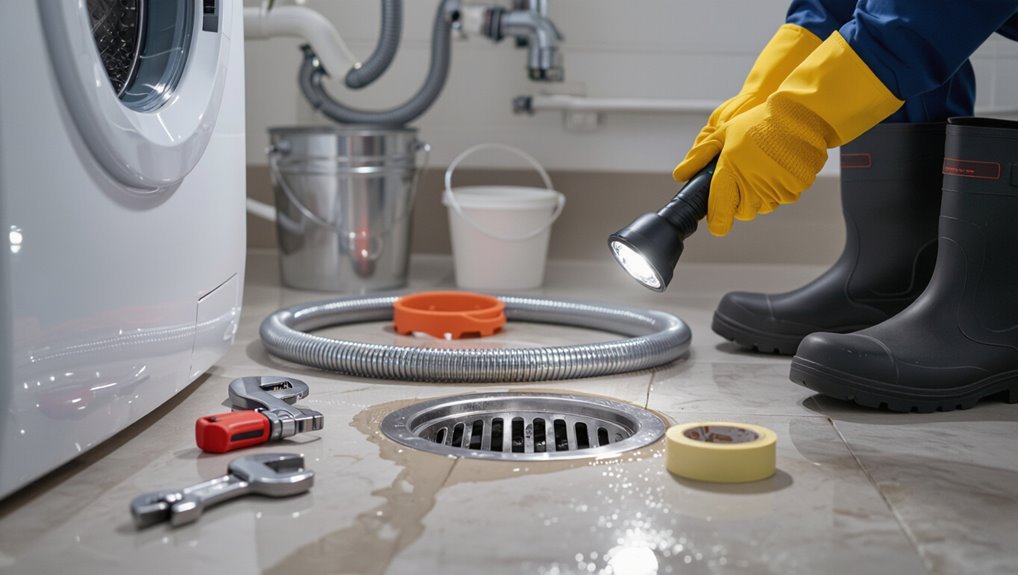
A sewer backup occurs when wastewater cannot flow away from a property due to blockages, tree roots, heavy rain, or infrastructure failure.
It poses health risks from exposure to pathogens, can cause significant property damage and costly repairs, and may harm local waterways.
Indicators that a backup may be imminent include slow drains, gurgling noises, sewage odors, or water rising in floor drains and toilets.
How sewer backups occur (common causes)
Sewer backups occur when wastewater flow is obstructed or overwhelmed, forcing sewage to reverse course and enter homes or streets.
Common causes include clogged pipes from grease, wipes, and debris; tree root intrusion; collapsed or corroded sewer lines; municipal system overload during heavy rain; and improper plumbing connections.
Understanding these causes informs how to prevent sewer backup through maintenance, proper disposal, and timely repairs.
Health, property, and environmental risks of backups
Every instance of backup can introduce raw sewage into living spaces, creating immediate health hazards, property damage, and environmental contamination.
Pathogens and biohazards increase illness risk; porous materials absorb contaminants, requiring costly remediation or disposal. Structural elements, electrical systems, and furnishings suffer irreversible harm.
Outdoor overflow pollutes waterways, harms wildlife, and spreads contaminants, compounding cleanup complexity and potential regulatory liabilities for homeowners.
Signs that a sewer backup may be imminent
Warning signs often appear well before raw sewage reaches living spaces, and recognizing them can prevent major damage.
Slow drains, gurgling toilets, foul odors from drains, unexplained wet spots in the yard, sudden lawn sinkage, multiple fixtures backing up simultaneously, or sewage odors in basements indicate blockages or sewer line failure.
Prompt inspection and professional clearing reduce health risks and costly repairs.
Quick Actions to Take If You Suspect a Sewer Backup
If a sewer backup is suspected, occupants should immediately prioritize safety by evacuating affected areas and avoiding contact with standing water.
Short-term measures—such as shutting off water, unplugging electrical devices in wet zones, and containing flow with sandbags or towels—can limit damage until help arrives.
An emergency plumber should be contacted promptly when sewage is present, water is rising, or plumbing fixtures are unusable.
Immediate safety steps for occupants
Act immediately upon noticing slow drains, gurgling sounds, foul odors, or water rising from floor drains or toilets: occupants should leave affected areas, avoid contact with sewage, and shut off water to nonessential fixtures if safe to do so.
Notify other household members, keep children and pets away, ventilate unaffected spaces, and contact professionals and authorities for assessment; do not reenter until cleared.
Short-term measures to limit damage
Quick-response steps can greatly limit property loss and contamination when a sewer backup is suspected.
Occupants should stop water use, turn off relevant circuits if safe, and block entry points with towels or sandbags.
Remove valuables from affected areas, document damage with photos, and ventilate once sewage sources are contained.
Use protective gloves and masks; avoid direct contact with waste.
When to call an emergency plumber
Recognize the signs that warrant immediate professional help: persistent multiple drain backups, sewage backing up into fixtures, sewage odors throughout the home, or rising water in basement floor drains.
Contact an emergency plumber immediately, shut off water main if instructed, avoid flushing or using appliances, keep occupants and pets clear of contaminated areas, document damages for insurance, and follow the plumber’s containment and remediation guidance.
Routine Maintenance to Reduce Backup Risk
Routine maintenance greatly lowers the chance of sewer backup by combining scheduled professional inspections, targeted root control, and regular cleaning.
Licensed plumbers typically recommend video inspections at set intervals to catch problems early and determine appropriate root intrusion treatments.
Consistent snaking and main-line cleanings, timed according to property age and tree exposure, help keep flow clear and reduce emergency repairs.
Regular professional sewer inspections and frequency
Regular professional sewer inspections are an essential preventive measure to identify developing blockages, tree root intrusion, pipe corrosion, and joint failures before they cause backups.
Certified plumbers use video cameras and flow assessments to document conditions, recommend timely repairs, and prioritize interventions.
Annual inspections suit most homes; older properties, shared laterals, or prior issues may require inspections every six months to manage risk effectively.
Root intrusion prevention and treatment
Inspections that reveal root entry points or early encroachment often prompt targeted maintenance to prevent blockages and costly repairs.
Technicians recommend mechanical cutting, careful chemical root control, and spot pipe repairs or relining where roots recur.
Landscaping adjustments—removing or relocating aggressive trees and installing root barriers—reduce recurrence.
Regular monitoring documents effectiveness and informs timely follow-up interventions to protect sewer integrity.
Cleaning and snaking schedules for drains and main lines
Establishing a consistent cleaning and snaking schedule for household drains and main sewer lines greatly lowers the likelihood of backups by removing built-up solids, grease, and small obstructions before they consolidate.
Recommended frequency depends on usage and age: monthly for high-use fixtures, quarterly for most homes, and annual main-line service.
Professional inspections and preventive snaking prevent costly blockages and identify issues needing camera evaluation or repairs.
Best Practices for Household Plumbing Use
The section outlines everyday plumbing habits that reduce the risk of sewer backup by identifying what should never be flushed or poured down drains.
It highlights kitchen and bathroom routines—such as proper disposal of food scraps, paper products, and hair—that prevent clogs.
Special emphasis is placed on managing grease, wipes, and other solids to keep pipes clear and flow unimpeded.
What not to flush or pour down drains
Many common household items can cause clogs, corrosion, or sewer backups when flushed or poured down drains, so residents should limit disposal to human waste and toilet paper only.
Avoid flushing wipes, feminine products, dental floss, cotton swabs, cigarette butts, diapers, and medications.
Do not pour grease, cooking oil, paint, solvents, or chemicals down drains; instead collect and dispose of them via hazardous-waste programs.
Kitchen and bathroom habits that prevent clogs
Building on guidance about what not to flush or pour, homeowners can adopt simple kitchen and bathroom habits that greatly reduce clog risk and prolong plumbing life.
Regularly using strainers, wiping dishes before washing, and disposing of food scraps in compost or trash prevents buildup.
In bathrooms, hair catchers, routine fixture cleaning, and prompt repair of slow drains minimize blockages and costly repairs.
Managing grease, wipes, and solids
A few simple habits can keep grease, wipes, and solid waste from turning household drains into recurring problems.
Households should adopt clear disposal routines to reduce backups and costly repairs.
- Pour cooled grease into a container for trash.
- Never flush wipes or sanitary products.
- Scrape plates into bins before washing.
- Use sink strainers and empty regularly.
Upgrades and Devices That Prevent Backups
Upgrading vulnerable plumbing with devices can markedly reduce the risk of sewer backups.
Key options include backflow preventers and check valves for one-way flow, sump pumps and sewage ejectors for low-lying fixtures, and automatic alarms and monitoring systems for early warning.
Each device has specific selection, installation, and maintenance considerations that affect performance and reliability.
Sewer backflow preventers and check valves: types and how they work
When sewer mains flood or municipal systems back up, homeowners can limit intrusion by installing backflow preventers or check valves on their building laterals; these devices allow wastewater to exit but block reverse flow into the property. Common types—flapper, swing, gate, and spring-loaded—offer varying sealing, maintenance needs, and suitability for gravity or pressurized systems.
| Type | Notes |
|---|---|
| Flapper | Simple, gravity-fed |
| Swing | Durable, low resistance |
| Gate | Positive seal, bulky |
| Spring | Fast response, limited flow |
| Combined | Integrated alarm options |
Sump pumps and sewage ejectors: selection and maintenance
Beyond valves that stop reverse flow on lateral lines, whole-property protection often requires active removal of accumulated water and sewage: sump pumps and sewage ejectors perform this role by collecting low-point wastewater and mechanically lifting it to the sewer or septic system.
Proper selection matches capacity, head, and solids-handling. Routine maintenance—testing, cleaning floats, checking check valves and power sources—prevents failures and costly backups.
Automatic sewage alarms and monitoring systems
Although often overlooked, automatic sewage alarms and monitoring systems serve as an essential early-warning layer that detects high water levels, pump failures, or abnormal flow patterns and alerts property owners or maintenance personnel before backups occur.
These devices log data, enable remote notifications, and integrate with smart home or building management systems.
Regular testing and professional installation guarantee reliability and timely response to potential sewer emergencies.
Yard and Property Measures That Protect Plumbing
Effective yard and property management reduces the risk of sewer damage by addressing root intrusion, surface grading, and access protection.
Strategic plant selection and placement keep tree roots away from pipes, while proper grading and drainage direct groundwater away from sewer lines.
Clearly located and protected cleanouts and access points simplify inspections and emergency repairs.
Proper landscaping to prevent root damage
Proper landscaping is a practical defense against sewer line damage caused by invasive roots; choosing the right plants and placing them strategically reduces the risk of pipe intrusion and costly backups.
Select shallow-rooted, noninvasive species, maintain a clear buffer zone around sewer lines, use root-resistant barriers where necessary, and schedule periodic inspections to detect encroachment early, minimizing repair needs and preserving system integrity.
Grading and drainage strategies to avoid groundwater infiltration
When yard grades slope away from the foundation and surface water is carried to designated drains or swales, groundwater infiltration into sewer lines and basements is greatly reduced.
Proper grading, downspout extensions, and permeable swales direct runoff; French drains and diversion berms intercept subsurface flow.
Regular inspection and maintenance keep drainage features functional, minimizing hydrostatic pressure and reducing the risk of sewer backups.
Locating and protecting sewer cleanouts and access points
Because cleanouts and access points are the primary service interfaces for sewer lines, locating them visibly and safeguarding them from damage or obstruction is crucial to prevent backups and speed repairs.
Homeowners should mark locations on property maps, install durable covers, keep surrounding soil graded and clear, and avoid planting deep-rooted vegetation nearby.
Routine inspection guarantees accessibility and early detection of issues.
Seasonal and Weather-Related Precautions
Seasonal weather shifts require targeted precautions to reduce the risk of sewer backup.
Homeowners should prepare plumbing for heavy rain and flooding, address winter risks such as freezing or burst pipes, and implement stormwater management measures like grading, gutters, and sump pumps.
These steps help protect pipes and reduce inflow to the sewer system during extreme weather.
Preparing plumbing for heavy rain and flooding
Many homeowners can reduce the risk of sewer backup by proactively preparing plumbing systems before heavy rain or flooding.
They should clear gutters, downspouts and storm drains, install or test backflow preventers and sump pumps, seal foundation cracks, and elevate vulnerable appliances.
Regular inspection of exterior sewer cleanouts and prompt professional repairs minimize infiltration and overloading during intense rainfall events.
Winter considerations to prevent pipe damage
After preparing plumbing for heavy rain and flooding, attention should shift to winter hazards that can cause pipe damage when temperatures drop.
Homeowners should insulate exposed pipes, keep indoor temperatures steady, and allow slow faucet drips during extreme cold.
Inspect and seal gaps where cold air enters, maintain attic and crawlspace warmth, and winterize outdoor spigots and irrigation lines.
Stormwater management tips for homeowners
Manage runoff proactively to reduce the risk of sewer backups and landscape erosion by directing stormwater away from foundations, maintaining gutters and downspouts, and using permeable surfaces where possible.
Homeowners should inspect and clean drainage systems, install splash blocks or extensions, grade yards to promote flow, consider rain barrels or swales to capture excess, and guarantee storm drains remain unobstructed to protect sewer capacity.
When to Repair vs. Replace Sewer Lines
The article outlines common indicators that a targeted repair will suffice, such as isolated cracks, minor root intrusion, or limited corrosion.
It then contrasts those scenarios with conditions that warrant full replacement or relining, including extensive collapse, widespread corrosion, or repeated failures.
Finally, it notes the trade-offs homeowners face between upfront cost, long-term savings, and the level of disruption associated with each option.
Signs a repair will suffice
Several clear indicators can show when repairing a sewer line is sufficient rather than replacing it entirely.
Localized damage, small cracks, isolated root intrusion, minor bellies, or single-joint failures often respond to targeted repairs.
Good pipe alignment, intact material elsewhere, and recent inspection footage confirming limited deterioration support repair.
Cost-effectiveness, minimal disruption, and technician assessment confirm suitability for repair over replacement.
When full replacement or relining is necessary
When extensive deterioration, widespread joint separation, multiple collapses, or pervasive root intrusion compromises line integrity beyond isolated fixes, full replacement or cured-in-place pipe (CIPP) relining becomes necessary; decisions hinge on the extent of structural failure, long-term cost projections, and access constraints.
Inspection findings, pipe material and diameter, flow capacity, and expected service life guide professionals toward trenching replacement or minimally invasive relining solutions.
Cost and disruption considerations for homeowners
After evaluating whether relining or full replacement is technically required, homeowners must weigh cost and disruption alongside longevity and risk. Short-term relining reduces expense and landscaping damage; full replacement raises cost and inconvenience but offers durability. Decisions hinge on budget, property value, future plans, and tolerance for disruption.
| Option | Typical impact |
|---|---|
| Relining | Lower cost |
| Replacement | Higher disruption |
| Relining | Shorter lifespan |
| Replacement | Long-term solution |
Working with Professionals: Choosing the Right Plumber or Contractor
When hiring a plumber or contractor for sewer inspections, repairs, or replacements, the homeowner should confirm licenses, insurance, and any required permits are in place.
They should ask about experience with similar jobs, the proposed scope of work, timeline, and pricing, and request references or photos of past work.
Clear written warranties or guarantees on labor and materials, plus the process for handling defects or follow-up work, should be provided before work begins.
Credentials, insurance, and permits to verify
Although hiring a qualified professional reduces risk, homeowners should still verify a plumber’s or contractor’s credentials, insurance, and permits before work begins.
Confirm state licensure, trade certifications, and local permit history. Request proof of general liability and workers’ compensation coverage with policy limits and effective dates.
Ascertain required municipal permits will be obtained and inspected. Keep copies of all documentation for records and future claims.
Questions to ask before hiring for inspections, repairs, or installations
What should a homeowner ask before hiring a professional for a sewer inspection, repair, or installation?
The homeowner should request written estimates, timelines, scope of work, specific methods and materials, references, experience with similar jobs, proof of licensing and insurance, contingency plans for surprises, payment schedule, and cleanup procedures.
Clarify communication points, who performs work, and permit responsibilities before signing any contract.
Typical warranties and guarantees to expect
After confirming estimates, timelines, and who will perform the work, homeowners should next review the warranties and guarantees that come with sewer inspections, repairs, or installations.
Typical coverage includes workmanship guarantees (often 1–5 years), parts warranties from manufacturers, and limited liability for consequential damage.
Clear written terms, start dates, transferability, exclusions, and repair or replacement remedies should be documented before work begins.
Documenting and Preparing for Insurance Claims
When sewer backups occur, homeowners should assemble clear documentation such as dated photos, repair invoices, inspection reports, and a written timeline of events to meet common insurer requirements.
Maintaining records of routine maintenance, proof of installed protective devices (backflow preventers, sump pumps), and prompt professional assessments can reduce disputes over coverage.
Insurers may offer lower premiums or discounts for documented preventive measures, so keeping organized evidence and following recommended maintenance schedules is advisable.
What documentation insurers commonly require
Which records will an insurer expect after a sewer backup often determines how quickly a claim is processed and paid.
Insurers commonly require dated photos or videos of damage, an inventory of affected items with receipts or estimated values, a plumber’s or contractor’s inspection report, invoices for emergency repairs or cleanup, and a copy of the initial claim form and any correspondence.
How to minimize claim disputes related to backups
Clear, organized documentation and proactive communication reduce the likelihood of disputes over sewer backup claims by establishing a verifiable timeline, substantiating losses, and demonstrating prompt mitigation efforts.
Homeowners should photograph damage, keep receipts for repairs and cleanup, record contractor credentials, and log insurer contacts.
Timely filing, honest statements, and preserving evidence bolster credibility and help resolve disagreements efficiently.
Preventive measures that may lower premiums
Building on thorough documentation and prompt communication, homeowners can adopt specific preventive measures that insurers often reward with lower premiums.
Installing backflow preventers, sump pumps with battery backups, routine sewer line inspections, and maintaining clean gutters demonstrate risk reduction.
Retaining inspection records, receipts for repairs, and scheduled maintenance logs supports premium discounts and strengthens claim credibility when backups occur.
Common Mistakes That Increase Sewer Backup Risk
Homeowners often unknowingly raise the risk of sewer backup through misuse of garbage disposals and flushing inappropriate items.
Small warning signs like slow drains and minor leaks are frequently ignored until they escalate.
Well-intentioned DIY repairs can sometimes worsen blockages or damage pipes, increasing the chance of a backup.
Misuse of garbage disposals and inappropriate flushing
Using garbage disposals improperly and flushing unsuitable items are leading causes of sewer clogs and backups.
Kitchen scraps like grease, eggshells, coffee grounds, fibrous vegetable peels and bones foul pipes and municipal systems.
Non-biodegradable wipes, feminine products, diapers and paper towels expand and entangle, blocking flow.
Proper disposal, limited use of disposals and trashing problematic items reduce blockage risk and protect sewer infrastructure.
Ignoring slow drains and minor leaks
After addressing disposal and flushing habits, small signs like slow drains and minor leaks deserve immediate attention because they often signal developing blockages or compromised seals.
Neglecting them permits sediment, grease, or root intrusion to worsen, increasing backup likelihood.
Early inspection, prompt professional assessment, and targeted repairs prevent escalation and protect plumbing integrity, avoiding more extensive, costly remediation later.
DIY fixes that can worsen problems
Attempting quick fixes—like pouring chemical drain cleaners, forcing a clog with improvised tools, or repeatedly snaking a line without proper inspection—can aggravate blockages, damage pipes, and mask underlying issues.
Homeowners who bypass diagnostics risk worsening corrosion, breaking seals, and spreading root incursions.
Professional assessment and targeted repairs prevent escalation, preserve warranties, and guarantee code-compliant solutions instead of temporary, harmful stopgaps.
Practical Preventive Checklist for Homeowners
A concise checklist helps homeowners stay ahead of sewer backup risks by assigning tasks by frequency, listing emergency contacts, and outlining long-term upgrades.
Suggested items include:
- Monthly inspections and minor maintenance
- Quarterly professional checks and cleanings
- Annual thorough assessment and record updates
- Emergency contacts, preparedness kit, and upgrade timeline.
Monthly, quarterly, and annual tasks
Establish a simple routine of monthly, quarterly, and annual inspections and maintenance tasks to reduce the risk of sewer backups and extend the life of sewer components.
Monthly checks include clearing debris from drains and testing floor drains.
Quarterly tasks cover inspecting cleanouts, trimming roots near lines, and running enzyme treatments.
Annually schedule professional camera inspection, full line cleaning, and septic service if applicable.
Emergency contacts and preparedness items
After outlining routine inspections, the checklist turns to emergency contacts and preparedness items that minimize damage if a backup occurs.
The homeowner compiles plumber, sewer authority, and insurance numbers; stores them digitally and on paper; locates shutoff valves; keeps rubber gloves, heavy-duty trash bags, disinfectant, a wet/dry vacuum, and sump pump supplies ready; and documents property baseline photos for claims.
Long-term upgrade timeline recommendations
When should homeowners plan upgrades to reduce future sewer-backup risk?
A phased timeline recommends immediate fixes (clear vents, install backflow valves) within months;
medium-term projects (replace old lateral lines, upgrade sump pumps) in 1–3 years;
long-term investments (pipe relining, full sewer replacement, landscape regrading) over 3–7 years.
Prioritize based on inspection results, budget, and local flooding risk to maximize protection.
Conclusion
Preventing sewer backups requires vigilance, preparation, and timely action. Regular inspections, routine maintenance, and mindful household practices reduce risk; timely repairs, strategic upgrades, and professional partnerships restore function; clear documentation, insurance awareness, and emergency plans protect finances. By avoiding common mistakes, adopting preventive devices, and following a simple checklist, homeowners preserve health, property, and peace of mind—acting proactively, responding promptly, and planning prudently to keep sewer risks contained and consequences minimal.