How to Detect Sewage Odors in Water: Simple Tests, Smell Signs, and What to Do Next
To detect sewage odors in water, look for smells resembling rotten eggs, musty organic matter, or fecal notes. Start by inspecting the clarity and color of the water, and smell faucets and standing water without tasting it. Record any turbidity and odor characteristics. For a preliminary assessment, use pH strips, chlorine tests, turbidity checks, and coliform screening kits. If you notice persistent odors, discoloration, or experience illness, seek lab confirmation and professional remediation. This guide will help you understand testing options, immediate actions, and remediation steps.
How to Recognize Sewage Odor in Your Water
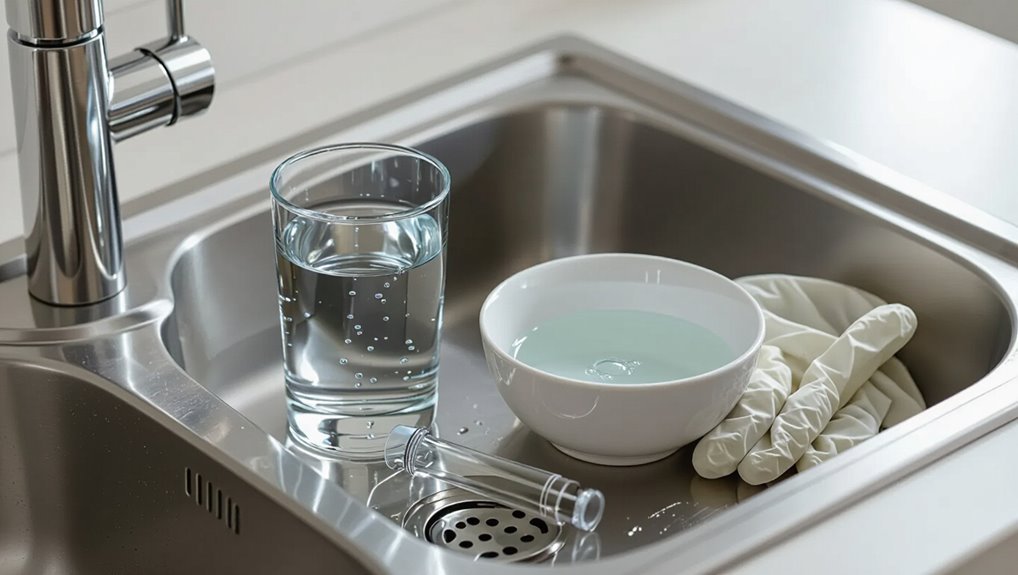
Typical sewage odors in water are described as rotten eggs, musty organic smells, or a strong fecal or chemical note.
These scents can be distinguished from other common water odors—such as metallic, chlorine, or earthy smells—by their sulfurous and putrid character and persistence.
A pronounced sewage smell, especially when accompanied by discoloration or gastrointestinal symptoms, often signals a plumbing failure or contamination risk that warrants prompt action.
Typical smells associated with sewage contamination
Sewage-contaminated water often carries distinctive odors that can alert residents to contamination before testing is conducted.
Typical scents include rotten eggs (hydrogen sulfide), musty or earthy decay, fecal or sewage-like notes, and oily or chemical undertones.
Recognizing these cues helps prioritize sampling and remediation.
Guidance on how to detect sewage odors in water complements visual and taste indicators for early response.
Differences between sewage odor and other common water smells
When distinguishing sewage odor from other common water smells, focus on intensity, specific scent notes, and persistence rather than relying on a single cue.
Sewage often presents strong rotten egg (hydrogen sulfide), fecal, or musty decay notes that linger.
Contrast this with chlorine’s sharp bleach, mineral metallic tang, or organic swampy earthiness; temporal patterns and accompanying discoloration help differentiate sources.
When the smell indicates health or plumbing risks
Having distinguished sewage from other common water odors by scent profile and persistence, the next step is to recognize which smells signal real health or plumbing hazards.
Strong sulfur, rotten egg, or fecal notes, sudden onset, or simultaneous odors at multiple fixtures suggest contamination or sewer backup.
Immediate action includes avoiding consumption, shutting off affected supply, testing water, and contacting a plumber or public health authority.
Quick Sensory Checks You Can Do at Home
A quick series of sensory checks can help identify obvious signs of sewage contamination before calling a professional.
The person should inspect water clarity and color, perform controlled smell tests at faucets, showers, and in standing water, and note any persistent off-odors.
Tasting is generally discouraged and should be avoided as a diagnostic step due to health risks.
Visual inspection of water clarity and color
Clarity and color offer immediate clues about water quality: clear, colorless water is not a guarantee of safety, but visible turbidity, cloudiness, or discoloration—brown, yellow, green, or gray—can indicate organic matter, sediment, or contamination consistent with sewage intrusion.
Inspect taps, collected samples in white containers, and standing water for particulates, films, or unusual hues; document findings and avoid consumption pending testing.
Smell test procedures for faucets, shower, and standing water
Several simple smell checks at faucets, showerheads, and in collected water can quickly indicate sewage-related odors; they require only short exposure, cautious technique, and basic note-taking.
Close the bathroom door, run a small cold-water stream, cup the hand near the flow and inhale briefly.
Collect standing water in a clean glass, cover, and sniff after a minute.
Record intensity and character.
Taste considerations and why tasting is not recommended
Many people may be tempted to sample water to confirm unusual flavors, but tasting is not a safe or reliable method for detecting sewage contamination.
Immediate ingestion can expose individuals to pathogens, chemicals, and toxins at low concentrations. Sensory perception varies and can miss contaminants.
Instead, rely on odor cues, visual signs, rapid test kits, or professional laboratory analysis to assess water safety.
Simple DIY Tests to Confirm Sewage Presence
To move beyond scent-based checks, simple DIY tests can help indicate sewage contamination: pH strips or a meter reveal abnormal acidity or alkalinity, while basic chlorine residual kits can show unexpectedly low disinfectant levels.
Cloudiness can be assessed by measuring turbidity with a clear container against a marker, and rudimentary coliform indicator methods (such as home culture kits) can suggest bacterial presence but have clear reliability limits.
These quick tests are not definitive diagnostics but can guide whether professional laboratory confirmation or remediation is warranted.
pH test using strips or meter
Measure the water’s pH with strips or a handheld meter to check for acidity or alkalinity shifts that can indicate contamination.
Readings particularly outside neutral (about 6.5–8.5) may signal organic waste or microbial activity. Test multiple samples, follow manufacturer instructions, and record values.
pH alone cannot confirm sewage but serves as a quick, inexpensive screening tool guiding further testing and professional evaluation.
Basic chlorine residual test with pool/household kits
A basic chlorine residual test using pool or household kits checks for free chlorine levels that can indicate recent disinfection or contamination events; low or absent chlorine in a system that should be chlorinated may raise suspicion of sewage intrusion or treatment failure.
The tester compares color against the kit chart, records readings, repeats at multiple points, and treats unexpected low results as a prompt for professional water testing.
Turbidity measurement with a clear container
Following a chlorine residual check, visual examination for cloudiness offers a quick further clue about possible sewage contamination.
Collect a clear container, fill with the sample, hold against a light source and observe suspended particles, color, and opacity.
Note sudden murkiness, floating solids, or persistent turbidity after settling.
Record findings, photograph for reference, and consider professional testing if turbidity is significant.
DIY coliform indicator methods and limitations
Check simple coliform indicators that can help suggest sewage contamination, but recognize their limits.
Home tests using chlorine tablets, bleach comparison, or basic coliform dip-strips detect general bacterial indicators but not specific pathogens.
Results can yield false positives/negatives from environmental bacteria, disinfectants, or improper sampling.
Positive results warrant professional testing and avoiding consumption until certified safe; negative results don’t guarantee absence.
When to Use At-Home Test Kits vs. Professional Laboratory Tests
At-home kits can reliably screen for basic indicators such as chlorine, pH, nitrates, and coliform bacteria to suggest sewage contamination.
Persistent odors, low dissolved oxygen, unusual chemical readings, or any positive coliform result warrant professional laboratory confirmation and species-level testing.
For lab tests, a proper sample is collected in clean, sterile containers, kept cool and dark, and delivered promptly with clear site and time documentation.
What home kits can reliably detect
When evaluating whether a home test kit will suffice, homeowners should consider which contaminants the kits reliably detect and the sensitivity required for the situation.
Home kits commonly screen for basic parameters; their limits and contexts matter.
- Chlorine/residual disinfectant levels
- Nitrate/nitrite concentrations (moderate ranges)
- pH and total alkalinity
- Presence of coliform bacteria (qualitative)
Indicators that require lab confirmation
Several key indicators of sewage contamination require professional laboratory confirmation because their detection demands greater sensitivity, specificity, or chain-of-custody than consumer kits provide.
Laboratory testing is recommended when results affect health, legal, or remediation decisions.
Typical indicators needing confirmation include:
- Pathogenic bacteria (e.g., Salmonella, enteric pathogens)
- Viral markers (e.g., norovirus, enterovirus)
- Chemical contaminants (e.g., pharmaceuticals, ammonium)
- Fecal source tracking markers (molecular assays)
How to collect a proper water sample for laboratory testing
Laboratory confirmation of suspected sewage contamination sets the stage for proper sample collection: accurate results depend on following specific procedures for timing, containers, preservation, and chain-of-custody.
For routine screening, validated at-home kits detect basic indicators; suspected sewage, persistent odors, or health risks require professional sampling.
Professionals use sterile bottles, cold storage, preservatives, documented chain-of-custody, and expedited transport to accredited labs.
Common Causes of Sewage Odor in Domestic Water Supplies
Sewage odors in domestic water supplies commonly arise from several identifiable sources, including municipal sewage backups or mainline failures that allow waste to enter distribution systems.
Private septic system malfunctions and cross-connections or backflow incidents can similarly introduce sewage into household plumbing.
Contaminated wells or surface water intrusion also pose a risk, especially where groundwater or drainage systems are compromised.
Municipal sewage backups and mainline issues
Municipal backups and mainline failures rank among the most consequential external sources of foul odors entering domestic water supplies.
When sewers surcharge or municipal mains crack, contaminated water and gases can migrate into service lines, hydrants, or cross-connections.
Resulting hydrogen sulfide and organic odors may affect multiple homes.
Detection prompts contact with municipal utilities for inspection, temporary advisories, and coordinated remediation.
Private septic system failures
Many households rely on on‑site septic systems, and failures in these systems are a frequent cause of sewage‑like odors entering domestic water supplies.
Leaks, clogged drain fields, overloaded tanks, or failed baffles allow untreated effluent to contaminate groundwater and wells.
Aging systems, poor maintenance, and improper siting exacerbate risks.
Prompt inspection, pump‑outs, and professional repairs reduce odor sources and health hazards.
Cross-connections and backflow incidents
Investigate cross-connections and backflow incidents as a frequent and preventable source of sewage‑like odors in household water.
Faulty plumbing, improper hose attachments, or pressure changes can allow contaminants from wastewater lines or appliance drains to enter potable lines.
Inspect for unauthorized links, install and test backflow preventers, and correct improper fixtures.
Professional assessment guarantees proper repairs and restores water safety and odor-free supply.
Contaminated wells and surface water intrusion
Contaminated wells and surface water intrusion are frequent sources of sewage‑like odors in domestic water when groundwater or runoff carries organic matter, septic effluent, or pathogens into production wells and shallow intakes.
Such intrusion can occur after heavy rain, flooding, failing nearby septic systems, or poor well construction.
Results include microbial growth, hydrogen sulfide, and turbidity; testing, disinfection, and well sealing or repair are required.
Interpreting Test Results and Risk Levels
Positive coliform or E. coli results indicate fecal contamination and warrant immediate corrective action and further testing.
Detection of hydrogen sulfide or elevated organic matter points to bacterial activity or decomposition that can cause odors and may signal broader contamination.
Risk assessment should separate short-term sensory and gastrointestinal risks from long-term health concerns tied to chronic exposure and persistent contaminants.
Understanding positive coliform or E. coli results
When coliforms or E. coli are detected in a water sample, the result indicates a breach in microbial quality that merits prompt assessment of source, extent, and health risk.
Positive results signal possible fecal contamination; follow-up includes repeat sampling, upstream source tracing, and verifying treatment systems.
Vulnerable populations require precautionary measures.
Remediation and notification depend on regulatory thresholds and confirmed persistence of contamination.
What specific contaminants (hydrogen sulfide, organic matter) mean
A confirmed presence of coliforms or E. coli should prompt consideration of other water-quality indicators that help pinpoint sewage influence. Measuring specific contaminants like hydrogen sulfide and elevated organic matter yields complementary evidence about source and risk.
Hydrogen sulfide indicates anaerobic decomposition, often signaling sewage or septic breakdown and causing rotten-egg odor.
High dissolved organic carbon or turbidity supports recent contamination and greater microbial fuel for pathogens.
Short-term vs. long-term exposure risks
Although short-term exposure to sewage-contaminated water typically produces acute gastrointestinal and respiratory illnesses, long-term exposure raises concerns about chronic infections, chemical toxicities, and cumulative effects that may not be immediately apparent.
Risk assessment distinguishes immediate symptoms from prolonged low-level exposure, considering pathogen persistence, bioaccumulative chemicals, vulnerable populations, and frequency.
Management prioritizes remediation, monitoring, medical follow-up, and reducing repeated contact.
Immediate Actions to Take If You Detect Sewage Odor
If sewage odor is detected, immediate precautions should include using bottled or boiled water for drinking and cooking and avoiding bathing until water quality is confirmed.
The source should be isolated by shutting off affected fixtures, checking the water heater, and preventing use of contaminated lines where possible.
The utility provider or septic contractor should be contacted first for troubleshooting, followed by the local health department if illness or widespread contamination is suspected.
Temporary precautions for drinking, cooking, and bathing
Begin by ceasing use of the affected water for drinking, cooking, and oral hygiene until its safety is confirmed.
Use bottled or boiled water for consumption; avoid ice and rinsing produce with suspect tap water.
Limit bathing—prefer sponge baths using safe water; keep wounds covered.
Contact local authorities for guidance and testing before resuming normal use.
- Use bottled or boiled water only
- Avoid ice and raw produce rinsing
- Prefer sponge baths; cover wounds
- Notify authorities and arrange testing
How to isolate suspected contaminated sources (fixtures, water heater)
Shut off and isolate plumbing zones one at a time to pinpoint the source of the sewage odor; start by turning off water supply valves to nonessential fixtures (laundry, outdoor spigots) and then close individual fixture shutoffs (toilets, sinks, tubs) while observing whether the smell subsides.
Check the water heater by isolating its cold inlet and hot outlet, then venting a small sample to detect odor concentration.
Who to contact first: utility, septic contractor, health department
Once isolation steps narrow the source or make the problem persistent, contact decisions should follow a logical order based on the plumbing system type and the severity of the odor.
For municipal connections, call the water utility first.
For properties on septic, contact a licensed septic contractor.
If illness, ongoing contamination, or regulatory concerns arise, notify the local health department for testing and guidance.
Remediation Options and Treatment Methods
Remediation ranges from simple household actions—such as flushing fixtures, shock chlorinating and disinfecting plumbing, or installing point-of-use filters—to whole-house or well solutions like point-of-entry treatment systems.
More intensive responses include pump-outs, septic repairs, or full system replacement when contamination or failure is confirmed.
Professional assistance from a plumber, well contractor, or laboratory testing service is often necessary to diagnose the source and design an effective treatment plan.
Flushing, shock chlorination, and disinfecting plumbing
Flushing and shock chlorination target microbial sources and trapped gases within household plumbing to eliminate sewage odors and reduce health risks.
Systematic flushing clears stagnant water; controlled shock chlorination uses measured bleach doses to disinfect wells, pipes, and fixtures.
Residents should follow safety guidelines, neutralize residual chlorine, and retest water.
Professional assessment is advised for persistent contamination, damaged seals, or sewage intrusion.
Point-of-use filters and point-of-entry treatment systems
When sewage-related tastes or odors persist after plumbing disinfection, homeowners and facility managers can consider point-of-use (POU) filters and point-of-entry (POE) treatment systems to target remaining contaminants and improve water quality; POU units (e.g., activated carbon, reverse osmosis) treat specific taps while POE systems protect whole buildings. Selection depends on contaminant type, flow needs, maintenance, and testing results.
| Type | Scale | Maintenance |
|---|---|---|
| POU | Tap | Frequent |
| POE | Whole | Periodic |
When pump-outs, repairs, or septic replacement are needed
Inspecting septic systems and evaluating contamination levels guides decisions about pump-outs, repairs, or full replacement; these actions become necessary when inspections reveal persistent sewage odors, backups, high sludge or scum layers, structural damage, or confirmed groundwater contamination.
Timely pump-outs restore capacity; targeted repairs address drainfield failure, baffles, or leaks.
Full replacement is warranted for extensive structural failure, chronic contamination, or when system location or age prevents reliable restoration.
Professional services to consider (plumber, well contractor, lab testing)
After pump-outs, repairs, or replacement are identified as necessary, homeowners should contract professionals to confirm causes and carry out remediation.
A licensed plumber assesses plumbing, traps, and breaches; a well contractor inspects wells, caps, and groundwater entry; environmental labs perform microbial and chemical analyses to identify contamination and guide treatment.
Obtain written reports, cost estimates, certifications, and recommended timelines before authorizing work.
Preventive Measures to Reduce Future Sewage Odors
Preventive measures focus on reducing sources of sewage intrusion through routine actions and simple devices.
Regular maintenance of septic systems and sewer lines, installation of backflow prevention devices and check valves, and adherence to wellhead protection and proper drainage practices all limit contamination risks.
Establishing a routine water testing schedule guarantees early detection of problems before odors develop.
Regular maintenance for septic systems and sewer lines
Because routine care keeps systems functioning, regular maintenance of septic tanks and sewer lines is essential to prevent odors and avoid costly repairs.
Routine tasks include scheduled pumping, inspecting baffles and drainfields, clearing root intrusions, and monitoring wastewater levels.
Promptly repairing cracks, addressing slow drains, and ensuring proper household disposal habits minimize buildup and anaerobic conditions that cause persistent sewage smells.
Backflow prevention devices and check valves
Install backflow prevention devices and check valves to stop sewage from reversing into potable pipes, drains, or lower fixtures during heavy flows or pressure imbalances.
These devices, properly sized and installed by licensed plumbers, reduce odor intrusion and health risks.
Regular inspection, testing, and timely replacement of worn seals or springs guarantee continued function and compliance with local codes, minimizing future sewage contamination.
Best practices for wellhead protection and drainage
Following properly functioning backflow devices and check valves, attention should shift to protecting wellheads and managing surface drainage to keep sewage sources away from groundwater and supply openings.
Establish graded, sloped landscaping, intact well caps, sanitary seals, and gravel pads.
Divert runoff from septic systems, leach fields, and animal areas.
Regularly inspect for erosion, damage, or nearby contaminant sources and repair promptly.
Routine water testing schedule recommendations
When establishing a routine water-testing schedule, homeowners and managers should prioritize frequency, target analytes, and documentation to catch early signs of sewage contamination before odors develop.
Recommended actions include quarterly bacterial (total coliform and E. coli) tests, annual chemical screens for nitrates and ammonia, and event-triggered sampling after flooding or septic work.
Maintain records, compare trends, and retest promptly if values rise.
Signs That Require Immediate Emergency Response
Immediate emergency response is warranted when multiple homes in a neighborhood report the same sewage odor or when obvious sewage surfacing is visible on property or in plumbing fixtures.
A sudden, strong sulfide or rotten-egg smell accompanied by nausea, vomiting, or other gastrointestinal symptoms also requires urgent action.
These signs indicate a potential public-health hazard and should prompt prompt notification of utilities or emergency services.
Widespread neighborhood odor or multiple affected homes
How can residents tell if a sewage issue extends beyond a single property? Neighbors report similar odors, multiple homes show discolored water or slow drains, and outdoor smells concentrate along streets, manholes, or gutters.
Utility crews or public works confirm complaints across addresses. Such patterns indicate a systemic sewer line failure or treatment issue, warranting immediate notification of municipal authorities and evacuation advice if instructed.
Sudden strong sulfide or rotten-egg smells with gastrointestinal symptoms
If multiple homes report odors and public works confirms a system-wide problem, residents should also watch for sudden, intense sulfide or “rotten-egg” smells accompanied by nausea, vomiting, diarrhea, dizziness, or difficulty breathing.
These signs suggest hazardous hydrogen sulfide exposure or contaminated water; affected individuals require immediate fresh air, evacuation, and urgent medical evaluation.
Notify emergency services and local utilities promptly.
Visible sewage surfacing around property or in plumbing fixtures
Seeps of sewage surfacing on lawns, driveways, around utility access points, or backing up into sinks, toilets, or floor drains are clear indicators of a serious sanitary failure that demands emergency response.
Such occurrences pose immediate health risks from pathogens and toxic gases, warrant professional sewage and plumbing intervention, restrict site access, and require notifying local health or utility authorities to contain contamination and begin urgent remediation.
Cost Considerations and Timeline for Resolving Sewage Contamination
Estimated expenses for addressing sewage contamination commonly include testing and laboratory analysis, professional disinfection, localized repairs, and possible system replacement, with costs ranging widely based on severity.
The timeline from initial detection to full remediation can span from a few days for simple disinfection to several weeks or months for extensive repairs or replacement.
Readers should consider both financial and time implications when prioritizing immediate actions and arranging professional services.
Typical costs for testing, disinfection, repairs, and system replacement
Costs for addressing sewage odors in water vary widely based on the scope of testing, the severity of contamination, and the chosen corrective actions. Typical expenses include lab tests, shock chlorination, septic repairs, and full system replacement. Below is a concise cost snapshot.
| Service | Typical range | Notes |
|---|---|---|
| Testing | $50–$500 | Depends on parameters |
| Disinfection | $100–$600 | Includes materials/labor |
| Repairs | $500–$7,000 | Minor to major fixes |
| Replacement | $5,000–$25,000 | Full system overhaul |
Expected timeline from detection to full remediation
When sewage odors are detected in water, the timeline to full remediation typically spans from a few days for simple disinfection up to several months for major system replacement.
Initial testing and temporary measures often occur within 24–72 hours.
Targeted repairs and thorough cleaning within one to four weeks, and complete system replacement, permitting, and verification can extend three to six months depending on scope.
Real-World Examples and Short Case Scenarios
Several brief case scenarios illustrate common sources and responses: a household well contaminated by a nearby septic leak and the steps taken to identify and remediate it, a municipal mainline backup that affected multiple homes and the coordinated response, and instances of false positives where non-sewage causes mimicked contamination.
Each example highlights key indicators, testing approaches, and typical short-term and long-term actions. These scenarios set the stage for practical lessons and checklists relevant to homeowners and responders.
Household well contaminated by nearby septic leak steps taken
Investigators document a series of concise case summaries showing how septic leaks have contaminated household wells and the practical steps homeowners and professionals took to address the problem.
Cases describe initial detection via odor and testing, immediate well-use cessation, borehole and septic inspections, temporary bottled-water provision, shock chlorination, system repairs or replacement, ongoing monitoring, and coordination with health authorities to confirm remediation and prevent recurrence.
Municipal mainline backup affecting multiple homes response overview
Having reviewed individual well contaminations from nearby septic failures, attention shifts to incidents where a municipal mainline backup impacts multiple homes simultaneously.
Municipal responses typically include rapid isolation, boil-water advisories, coordinated sampling, and temporary bypass pumping.
Residents receive notifications and are advised to avoid water use until authorities confirm safety.
Recovery involves system repairs, disinfection, and follow-up testing to restore trusted supply.
False positives: non-sewage causes that mimicked contamination
When odors, discoloration, or bacterial detections suggest sewage contamination, routine follow-up sometimes reveals alternate explanations that mimic true contamination.
Inspectors found algae blooms causing musty smells, iron bacteria producing sludge and metallic odor, cross-connections with detergent sources, and decomposing vegetation in intakes yielding sulfurous scents.
Targeted sampling, plumbing tracing, and source isolation clarified each incident, preventing unnecessary sewer interventions.
Practical Checklist: Step-by-Step Actions After Detecting Sewage Odor
When a sewage odor is confirmed, a clear, prioritized checklist guides immediate actions, diagnostic steps, and record-keeping to protect health and preserve evidence.
The checklist separates urgent safety measures from technical testing and administrative tasks so responders can act efficiently. Prioritization helps guarantee hazards are controlled, contaminants are identified, and appropriate contacts are notified.
- Evacuate or ventilate affected areas, use PPE, and restrict access to reduce exposure risks.
- Collect and arrange laboratory tests (e.g., bacterial indicators, ammonia, sulfide, and organics) and note sample chain-of-custody.
- Photograph, timestamp, and log observations, sample locations, and symptoms before remediation begins.
- Compile contact information for local health authorities, water utilities, licensed plumbers, and environmental labs.
Immediate safety steps
Begin by isolating the affected area and preventing further exposure: secure access to the water source, keep people and pets away, and stop using the water for drinking, cooking, or bathing until the issue is evaluated.
Ventilate enclosed spaces, avoid skin contact, and use bottled or boiled water for essentials.
Notify the water provider or health authority, and document the odor’s onset and any visible contamination.
Diagnostic tests to run or order
Although visual inspection and odor reporting provide useful context, confirmatory testing is essential to determine contamination type, concentration, and health risk; the following checklist lists priority laboratory and field tests to request or perform, organized by immediacy and likely source.
Immediate: turbidity, E. coli/coliforms, enterococci, chlorine residual.
Short-term: BOD, COD, ammonia, nitrate, total suspended solids.
Follow-up: pathogen PCR, viral markers, toxin screens.
Contacts and documentation to gather
After ordering confirmatory tests, attention shifts to assembling contacts and documentation that will support investigation, response, and any required reporting.
Compile contact details for utility providers, local health department, environmental agency, licensed plumbers, and laboratory.
Gather sampling logs, photos, timestamps, site maps, resident complaints, maintenance records, and prior test results.
Record communication attempts and receipts for transparency, liability, and follow-up actions.
Resources and Further Reading
Authoritative guidance from public health and environmental agencies provides essential standards and safety recommendations for addressing sewage odors.
Listings of certified testing laboratories and licensed contractors offer practical options for confirmed analysis and professional remediation.
The following resources help readers locate official guidance and qualified service providers.
Reliable public health and environmental agency guidance
Reliable guidance on detecting sewage odors in water comes from public health and environmental agencies that provide standardized protocols, health advisories, and testing recommendations.
Agencies like national health departments and environmental protection bodies publish odor assessment methods, contamination thresholds, reporting procedures, and remediation guidance.
Consult official websites and guidance documents for region-specific actions, safety precautions, and steps to notify authorities when sewage contamination is suspected.
Where to find certified testing labs and licensed contractors
Many communities maintain lists of certified testing laboratories and licensed contractors that specialize in sewage detection, sampling, and remediation.
These resources are typically accessible through local health departments, state environmental agencies, or accredited certification bodies.
Contacting these agencies yields verified providers, accreditation details, and scope of services.
Verify licenses, insurance, and references before hiring.
- State environmental agency directories
- Local health department referrals
- Accredited laboratory certification bodies
- Professional contractor associations
Conclusion
Like a warning bell from a distant lighthouse, the presence of sewage odor in water signals unseen danger and demands immediate, measured response. Readers are reminded that simple sensory checks and DIY tests can illuminate the problem, but professional analysis and prompt remediation are often the surest safe harbor. Heeding these steps protects health, property, and community trust—turning alarm into action and uncertainty into responsible stewardship.