How to Regulate Hot Water in Shower: Quick Fixes and Long-Term Solutions
To effectively regulate hot water in your shower, address issues like fluctuating temperature caused by clogged valves, worn cartridges, heater problems, pressure swings, and competing fixtures. For quick fixes, try tightening or replacing cartridges, flushing the showerhead, isolating other taps, or checking the water heater thermostat. For a long-term solution, consider installing pressure-balancing or thermostatic valves, servicing or upgrading your heater, adding a tempering valve, and ensuring proper pipe insulation and sizing. If problems persist, document the issues and consult a licensed plumber for expert assistance.
Why Your Shower Water Temperature Fluctuates
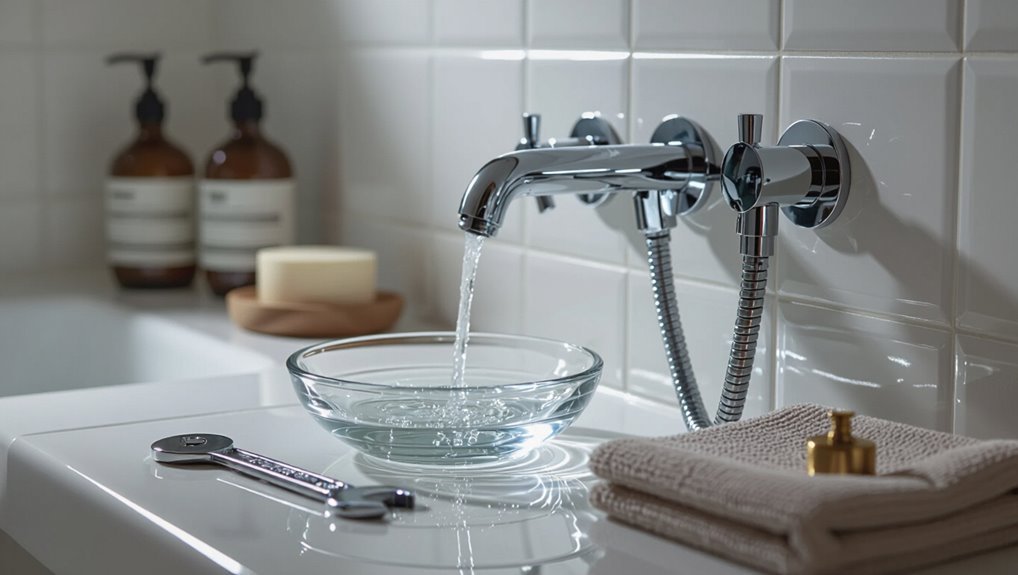
Temperature swings in the shower often stem from three areas: the home’s plumbing (clogged valves, worn mixers, or competing fixtures), the water heater (insufficient capacity, thermostat issues, or sediment buildup), and external factors such as municipal supply fluctuations or neighborhood peak usage.
Each source creates distinct patterns of brief spikes or longer drops in hot water availability. Identifying which category applies helps target the appropriate diagnostic steps and fixes.
Common causes inside the house plumbing
Many common household plumbing issues can cause a shower’s water temperature to fluctuate, and identifying the specific source is the first step toward a reliable fix.
Blocked shower cartridge, worn diverter valves, corroded pipework, and pressure-balancing valve failure commonly disrupt balance.
Leaks, shared supply lines, and clogged aerators also affect flow.
Understanding these helps homeowners learn how to regulate hot water in shower effectively.
Water heater-related causes
Several faults within a home’s water heater can cause showers to swing between scalding and cold.
Sediment buildup reduces tank capacity and heating efficiency, causing temperature drops during demand.
Thermostat failure or miscalibration yields inconsistent setpoints.
A failing heating element or burner leads to inadequate recovery.
Faulty dip tubes mix cold inlet water with hot output, producing sudden cold bursts.
Regular inspection prevents these issues.
External factors (municipal supply, peak usage times)
Beyond faults inside the water heater, factors outside the home can also make shower temperatures swing.
Municipal supply pressure, shared storage tanks, and mainline maintenance reduce available hot water or alter cold feed pressure.
Peak demand hours—mornings, evenings—cause brief temperature drops.
Awareness of local supply patterns and installing pressure-balancing valves or timed showers mitigates external fluctuations.
Quick Fixes to Stabilize Hot Water Immediately
A few simple, immediate actions can often steady shower temperature without calling a plumber. One can start by adjusting the shower valve or handle, checking other faucets to balance hot and cold supply, and flushing the showerhead to clear mineral buildup.
If the problem persists, resetting or inspecting the water heater pilot and thermostat may restore consistent hot water.
Adjust the shower valve or handle
Turn the shower handle slowly to test how the valve responds, because many temperature swings are caused by a misaligned or worn control.
Inspect handle operation for looseness or sticking, then tighten screws or replace a stripped cartridge.
For single-lever mixers, center detents and cartridge seating matter.
Small adjustments can stabilize temperature immediately; if unsure, document model and consult a plumber.
Balance hot and cold supply by checking other fixtures
If tightening or replacing the shower handle and cartridge doesn’t stop temperature swings, check whether other fixtures are drawing hot or cold water at the same time.
Observe usage patterns and isolate sources briefly to test balance.
- Turn off nearby taps and appliances.
- Run shower while others are off.
- Note temperature changes during dishwasher/washing.
- Schedule simultaneous use tests.
Flush the showerhead to remove mineral buildup
Flush the showerhead to clear mineral deposits that restrict flow and alter temperature balance.
Remove the head, soak it in vinegar or a descaling solution for 30–60 minutes, then scrub nozzles with a brush.
Rinse thoroughly and reinstall.
Improved flow restores consistent mixing of hot and cold water, often resolving temperature fluctuations without touching plumbing or the water heater.
Reset or check the water heater pilot and thermostat
Check the water heater’s pilot light and thermostat settings to quickly restore stable hot water delivery.
Inspect the pilot for a steady flame; relight per manufacturer instructions if extinguished.
Verify thermostat setpoint and adjust incrementally to 120°F (49°C) to balance comfort and safety.
For gas or electric units, reset the thermostat or breaker if unresponsive, and call a technician for persistent faults.
Step-by-Step: How to Diagnose the Problem
A concise checklist of basic tools and a clear test sequence helps identify whether the hot or cold supply is at fault.
The procedure should include steps to detect cross-connections between lines and simple on-site checks that a homeowner can perform.
If tests are inconclusive or valves and mixing components appear faulty, a licensed plumber should be consulted.
Tools you’ll need
Tools for diagnosing shower temperature issues should be compact, reliable, and specific to plumbing and thermostat checks.
Essential items include an adjustable wrench, screwdriver set, channel-lock pliers, pipe wrench, and hex keys.
A digital thermometer, multimeter, and pressure gauge help verify temperatures and electrical components.
Thread seal tape, replacement cartridges, and flashlight complete the kit for efficient, accurate troubleshooting.
Test sequence to isolate hot vs cold supply issues
After gathering the diagnostic kit, the next step is a systematic test sequence that pinpoints whether the problem stems from the hot or cold water supply.
The technician proceeds methodically:
- Isolate shower valve; run hot-only and cold-only taps.
- Measure inlet temperatures and pressures.
- Swap supply hoses where accessible to confirm source.
- Record results and compare to expected municipal/boiler outputs.
How to check for cross-connection between lines
Begin by shutting off both supply feeds and confirming the shower valve is isolated to prevent flow interference; this guarantees any subsequent readings reflect true cross-connection rather than shared pressure effects.
Open each supply individually, check downstream temperatures and pressures at faucet ports, inspect mixing cartridge for bypass, and test with a manometer or infrared thermometer.
Record results and retest after reseating components.
When to call a professional
Call a professional when diagnostic steps—isolating supplies, measuring temperatures and pressures, inspecting the cartridge for bypass, and verifying valve operation—do not identify a clear, fixable cause or when tests indicate complex issues such as internal valve damage, hidden cross-connections, or inconsistent pressure from the building supply.
These conditions typically require specialized tools, parts, or access and are best handled by a licensed plumber to guarantee safety, code compliance, and a reliable repair.
A pro also advises on replacements, permits, and systemic plumbing concerns.
Long-Term Solutions for Consistent Shower Temperature
Long-term stability often requires mechanical fixes such as replacing or repairing pressure-balancing or thermostatic shower valves.
Upgrading or servicing the water heater and adding a mixing or tempering valve can further control supply temperature.
Attention to pipe insulation and correct pipe sizing reduces heat loss and pressure fluctuations that undermine consistent showering.
Replacing or repairing shower valves (pressure-balancing and thermostatic valves)
Replacing or repairing a shower valve provides a durable fix for erratic temperature swings that short-term adjustments cannot fully resolve.
Technicians evaluate pressure‑balancing and thermostatic valves, replace worn cartridges, springs, or seals, or install thermostatic mixers to maintain set temperature despite supply fluctuations.
Proper valve selection, correct installation, and periodic maintenance restore stable, safe shower performance and prevent scalding or cold shocks.
Upgrading or servicing the water heater
When valve repair and replacement cannot fully stabilize shower temperature, attention shifts to the water heater, which governs supply temperature and recovery capacity.
Inspection, flushing to remove sediment, checking thermostat calibration, and evaluating element or burner performance restore efficiency.
Upgrading to a larger tank or a high-recovery unit addresses capacity shortfalls; professional servicing guarantees safe operation and ideal setpoint consistency.
Installing a mixing valve or tempering valve
Because inconsistent supply and fluctuating pressure often defeat simple fixture adjustments, installing a thermostatic mixing valve or tempering valve provides a reliable means to deliver a steady, pre-set outlet temperature to one or multiple fixtures.
Such valves blend hot and cold water, respond to pressure/temperature changes, prevent scalding, and satisfy codes.
Professional sizing, correct installation, and routine checks guarantee safe, consistent shower temperatures.
Improving plumbing insulation and pipe sizing
After installing a mixing or tempering valve, longer-term performance depends on the distribution system feeding it; poorly insulated or undersized pipes can allow heat loss and pressure imbalances that undermine set temperatures.
Upgrading to properly sized supply lines and insulating hot water runs reduces waiting time, stabilizes flow, and preserves temperature.
Professional sizing, insulation sleeves, and minimizing long runs guarantee consistent shower performance and efficiency.
Comparing Valve Types and Water Heaters
The section compares pressure‑balancing and thermostatic valves alongside tank and tankless water heaters to show which combos work best for variable household pressure. It summarizes key advantages and limitations for each option and highlights suitability when incoming pressure fluctuates. The table below offers a concise comparison to guide selection.
| Component | Strength | Weakness |
|---|---|---|
| Pressure‑balancing valve | Simpler, cost‑effective | Less precise temperature control |
| Thermostatic valve | Stable temp despite pressure swings | Higher cost, more complex |
Pressure-balancing vs thermostatic valves
When choosing between pressure-balancing and thermostatic shower valves, homeowners must weigh responsiveness, temperature precision, and safety features to match their plumbing system and comfort needs.
Pressure-balancing valves prevent sudden temperature swings by equalizing supply pressure but offer limited set-and-forget control.
Thermostatic valves maintain a precise preset temperature, quicker recovery after demand changes, and often include anti-scald limits, making them ideal for comfort and safety.
Tank vs tankless water heaters
Choice of valve interacts with the type of water heater because each supply profile affects how consistently a set temperature is delivered.
Tank heaters provide steady stored temperature and pair well with thermostatic valves for stable output.
Tankless units produce variable flow-dependent temperatures; pressure-balancing valves can mitigate abrupt shifts.
Installation, recovery rates, and simultaneous demand determine which combination minimizes temperature swings.
Pros and cons for houses with variable water pressure
Many households experience fluctuations in supply pressure that directly affect shower temperature stability, so selecting the appropriate valve and heater combination is critical.
Pressure-balanced valves resist cold/hot swings but limited fine control; thermostatic valves maintain set temperature but need minimum flow and check valves.
Tank heaters buffer pressure changes; tankless units demand stable inlet flow or additional flow regulators and expansion devices to prevent cycling and temperature spikes.
Cost, Time, and DIY vs Professional Considerations
Typical costs and time estimates for common fixes are summarized to help readers weigh options and budget accordingly.
The piece distinguishes simple repairs suitable for DIY—with required skills and basic tools—from jobs that should be left to a professional.
Guidance on hiring a plumber covers key questions to ask and warranty or guarantee considerations.
Typical costs and time estimates for common fixes
Budgeting for hot-water repairs requires balancing parts, labor, and urgency; small fixes like adjusting a thermostatic cartridge or replacing a showerhead typically cost $20–$150 and can take 30 minutes to two hours for a competent DIYer, while valve replacements, mixing valve rebuilds, or water-heater adjustments commonly run $150–$800 and occupy two to six hours when done by a plumber.
| Task | Typical range |
|---|---|
| Showerhead/cartridge | $20–$150 |
| Valve rebuild | $150–$400 |
| Valve replacement | $250–$600 |
| Water heater tweak | $100–$800 |
Repairs safe for DIY and required skills
After reviewing common cost and time ranges for fixes, it helps to distinguish which repairs a homeowner can reasonably tackle and which are better left to a licensed plumber.
Simple tasks—replacing showerheads, cleaning aerators, adjusting temperature limit stops, swapping cartridges—require basic tools and moderate DIY skill, taking 30–90 minutes.
Complex jobs—reworking valves, gas or tankless system servicing, major plumbing—need professional expertise and permits.
Hiring a plumber: what to ask and warranty considerations
When hiring a plumber, what should a homeowner ask to guarantee the job is done correctly, on time, and with reliable protection?
The homeowner should request proof of license and insurance, a written estimate with labor and parts itemized, a start and completion timeline, references or reviews, and warranty terms for work and parts.
Compare quotes and verify warranty enforcement procedures.
Preventive Maintenance to Avoid Temperature Fluctuations
A concise preventive plan helps minimize shower temperature swings by keeping the water heater, valves, and fixtures in proper working order.
A routine checklist—tank flushing, anode inspection, thermostat verification—paired with seasonal valve checks guarantees timely service before problems escalate.
Addressing hard water through softening or descaling prevents scale buildup that impairs flow and heat transfer.
Routine water heater maintenance checklist
Although regular checks require minimal time, a concise routine maintenance checklist for water heaters is essential to prevent temperature fluctuations and extend appliance life.
A technician or homeowner should perform focused inspections and simple actions regularly:
- Drain and flush tank to remove sediment.
- Test thermostat accuracy and adjust temperature.
- Inspect anode rod; replace if corroded.
- Check for leaks and tighten fittings.
Seasonal checks and when to service valves
Seasonal vigilance prevents small valve issues from becoming disruptive temperature swings; cold months and seasonal water chemistry shifts are common triggers for reduced flow or sticking shutoff and mixing valves.
Inspect valve operation quarterly, exercise handles, check for leaks, and verify thermostatic mixer response.
Service when stiffness, noise, erratic temperature, or visible corrosion appears.
Prompt professional replacement prevents failures and restores stable shower temperatures.
Hard water prevention and scale control
Building on routine valve inspections, attention to hard water and scale control protects thermostatic cartridges, showerheads, and mixing valves from mineral buildup that can cause gradual temperature drift or sudden hot/cold swings.
Regular descaling, installing a water softener or scale inhibitor, and fitting inline sediment filters prevent clogging.
Periodic vinegar or commercial descaler soaks extend component life and maintain steady temperature performance.
Troubleshooting Quick Reference Guide
A concise troubleshooting quick reference lists common symptoms, their likely causes, and immediate corrective steps to restore stable shower temperature.
Typical entries include:
- No hot water — check water heater power and pilot/ignition.
- Sudden cold blasts — inspect mixing valve and competing appliance use.
- Fluctuating temperature — flush aerators and test thermostatic cartridge.
Symptoms and likely causes
Temperature swings, weak flow, or sudden loss of hot water are common symptoms that point to specific failures in the water heating and delivery system.
Corroded thermostatic valves, clogged cartridge or aerators, sediment-clogged tank, faulty mixing valves, tripped water heater thermostat, undersized heater, or pressure fluctuations each produce distinct patterns: intermittent heat, gradual cooling, reduced volume, or complete cutoff.
Diagnosis follows symptom pattern.
Fast actions to take for each symptom
Start with quick, targeted checks that align each symptom to an immediate, low-effort remedy.
If water is lukewarm, check other hot taps and pilot/temperature settings.
For sudden cold bursts, inspect diverter and pressure-balancing valve.
If scalding occurs, reduce water heater thermostat or replace anti-scald valve.
For sputtering, flush showerhead.
Note actions, test, and escalate to a pro if unresolved.
Safety Notes and Regulations
Scald prevention guidelines recommend limiting water temperature at the source—commonly to around 120°F (49°C)—and using thermostatic mixing valves to reduce risk.
Local plumbing codes often specify the type, placement, and certification of mixing valves and their installation requirements.
Compliance with these standards and codes guarantees safer shower temperatures and reduces liability.
Scald prevention standards and recommended thermostat settings
Because hot water can cause severe burns within seconds, building codes and safety organizations set clear limits and controls to minimize that risk in showers.
Recommended maximum delivery temperatures are typically 120°F (49°C) for residential fixtures; thermostatic mixing valves and anti-scald faucets enforce limits.
Water heaters are often set at 120–125°F, balancing scald prevention and bacterial control; adherence to standards reduces injuries.
Local code considerations for mixing valves and installations
When addressing local code requirements for mixing valves and shower installations, installers and property owners must consult municipal and state plumbing codes that specify valve types, temperature controls, and approved installation methods.
These regulations often reference standards such as ASSE 1016/1017, CSA B125, or NSF/ANSI protocols and may mandate thermostatic mixing valves (TMVs) in multifamily, healthcare, or public facilities.
Compliance guarantees safe setpoints, anti-scald protection, labeling, maintenance access, and inspection.
Conclusion
Consistent shower temperature restores comfort and safety, whether tackled with a quick tweak or a full replacement. The guide condenses practical diagnostics, immediate fixes, and long-term options so anyone can stop surprises at the faucet. While the right valve or heater choice may seem like rocket science, the steps and maintenance routines provided make regulation attainable. Implementing recommended repairs or hiring a pro prevents future fluctuations and guarantees reliable hot water every time.