
How to Snake a Washing Machine Drain Pipe: Step-by-Step Fix for Clogs and Slow Drains
To effectively snake a washing machine drain pipe and resolve clogs or slow drainage, follow these steps: First, disconnect the power and washer hose, place a bucket underneath, and wear gloves and eye protection. Inspect the trap and accessible hose for lint and kinks. Insert a 1/4–3/8-inch hand auger into the standpipe, rotating while advancing. If you encounter resistance, withdraw the auger periodically to remove debris. Test the drainage with water and repeat if necessary. For stubborn clogs, consider using a wet/dry vac or an enzyme cleaner. If issues persist, contact a plumber for a more thorough evaluation and options.
How to Snake a Washing Machine Drain Pipe Quickly and Safely
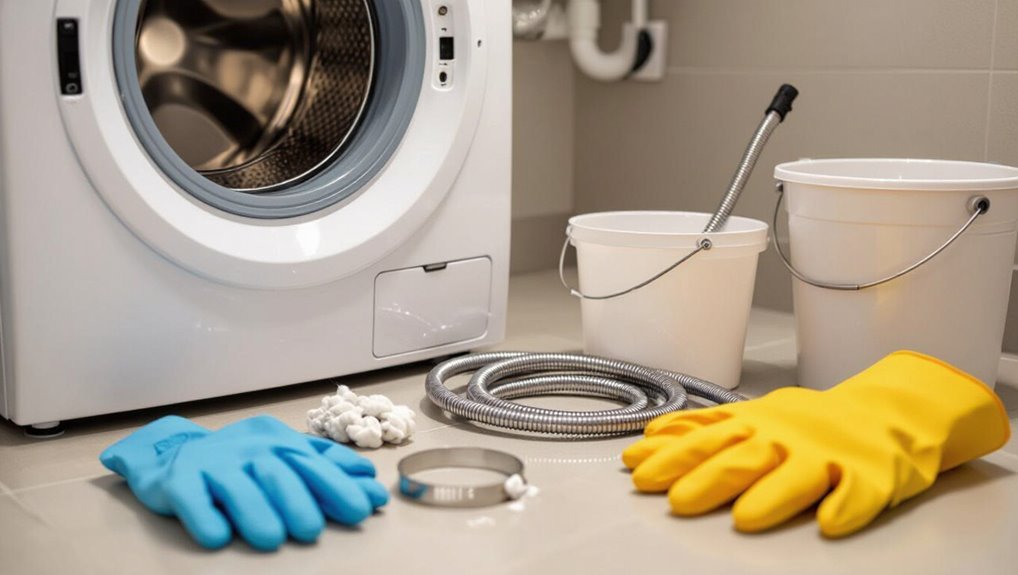
When a washing machine drain shows repeated backups, slow emptying, or complete clogs, snaking is often the appropriate response.
The decision to snake depends on whether the obstruction is accessible and mechanical rather than caused by appliance failure or venting issues.
The following section outlines quick, safe snaking steps and how to recognize the symptoms that warrant this method.
When snaking is the right choice for a washing machine drain
Deciding to snake a washing machine drain is appropriate when a slow or standing drain is caused by a localized clog that resists plunging and chemical cleaners but shows no signs of larger system backups or sewer issues. Guidance covers how to snake washing machine drain pipe safely, with basic precautions and tool choice.
| Reason | Tool | Outcome |
|---|---|---|
| Local clog | Hand auger | Clears obstruction |
| Resistant | Gloved use | Protection |
| Isolated | Short cable | Efficient |
| No backup | Inspect | Confirm success |
Signs your washing machine drain needs snaking (clogs vs slow drains vs backups)
After confirming the clog is isolated and plunging or cleaners have failed, signs that a washing machine drain needs snaking become clearer and more specific.
Indicators include persistent slow draining despite empty loads, repeated partial or full backups into the tub or floor drain, gurgling noises, foul odors from the drain, and detergent or lint accumulation visible at the trap.
Immediate snaking is advised.
Tools and materials you’ll need
Recommended tools include a compact hand auger or 1/4–3/8 inch cable snake sized for typical washing machine drain hoses.
Additional items such as nitrile or work gloves, a bucket, pliers, a wet/dry vacuum, and absorbent towels help manage water and debris.
Basic safety gear—eye protection and possibly a face mask—and precautions for electrical isolation and proper handling of the snake should be observed.
Recommended drain snake types and sizes for washing machine hoses
Which snake fits a washing machine drain depends on pipe diameter, bend severity, and clog type.
For straight 1.25–1.5-inch standpipes, a 1/4-inch flexible hand auger (15–25 feet) suffices.
For tighter traps or multiple bends, use a 3/8-inch drum or power snake with a 25–50-foot cable.
Choose corkscrew or paddle tips for lint and soft debris, carbide for stubborn blockages.
Additional tools: gloves, bucket, pliers, wet/dry vacuum, towels
Once the appropriate snake is selected for the pipe size and clog type, gather a few basic hand tools and cleanup supplies to keep the job orderly and safe.
Recommended items include disposable or nitrile gloves, a sturdy bucket for water and debris, slip-joint pliers for fittings, a wet/dry vacuum for residual water and loosened material, and absorbent towels to protect floors and mop up spills.
Safety gear and precautions
Personal protective equipment and basic precautions protect both the operator and the surrounding area during drain-snaking.
Safety glasses, chemical-resistant gloves, and non-slip footwear reduce physical and chemical risks. A mask prevents inhalation of mold or fumes.
Confirm electrical power to the washer is disconnected. Use adequate lighting, keep bystanders away, and place absorbent towels or a bucket to contain spills and debris.
Preparing the area and disconnecting the washing machine
Before any work begins, power to the washer should be turned off and the water supply shut to prevent shocks and leaks.
The machine is then moved away from the wall with floor protection placed beneath to avoid damage.
Finally, the drain hose is disconnected and the standpipe inspected for obvious blockages before snaking.
Turning off power and water supply
Shut off the washing machine’s power and water to prevent shocks, leaks, and damage while working on the drain. Unplug the machine or switch off its dedicated breaker.
Close both hot and cold supply valves at the wall. Turn off the main water if valves are faulty.
Drain residual water by running a short spin or opening the inlet hoses into a bucket before proceeding.
Moving the washer and protecting floors
Move the washer at least a few feet from the wall to access the drain hose and connections while protecting the floor beneath with cardboard, a drop cloth, or layered towels.
Inspect the path for tripping hazards, clear loose items, and guarantee adequate lighting.
Use furniture sliders or a dolly for heavy units and get assistance to prevent strain or floor damage during repositioning.
Disconnecting the drain hose and checking the standpipe
Unplug the washer and turn off its water supply valves to eliminate electrical and flooding risks before handling hoses; then place a shallow pan or towels under the drain connection to catch residual water. The hose is loosened at the clamp, inspected for kinks or debris, and the standpipe is checked for standing water or obstructions before snaking.
| Item | Action |
|---|---|
| Hose | Loosen clamp |
| Drain | Inspect standpipe |
| Water | Catch residual |
| Safety | Gloves, eye protection |
Step-by-step snaking procedure
Before inserting a drain snake, the technician performs a quick visual inspection of the hose and trap to identify obvious damage or blockages.
The snake is then fed carefully into the hose and standpipe, using controlled advances and retractions to break up clogs and avoid kinks.
After retrieving any captured debris and cleaning the tool, the technician flushes the drain to confirm unobstructed flow.
Initial inspection before snaking (visual check of hose and trap)
When preparing to snake a washing machine drain, the technician first performs a visual inspection of the hose and trap to identify visible blockages, kinks, loose connections, or signs of leakage that could affect the snaking procedure.
They check hose ends, clamps, and trap access for debris, note odor or standing water, and document any damage requiring repair before proceeding with mechanical clearing.
Feeding the snake into the hose and standpipe
With the visual check complete and any loose connections secured, the technician prepares to feed the drain snake into the hose and standpipe.
The snake’s end is guided gently into the hose opening, aligning with the standpipe. A gloved hand steadies the hose while the technician maintains slight tension, ensuring the cable enters smoothly without kinks or catching on fittings.
Techniques for advancing the snake and breaking up clogs
Begin feeding the snake slowly while maintaining steady tension on the cable; the operator advances and retracts in short bursts to feel for resistance and to prevent kinking.
Upon encountering a blockage, rotate the drum to engage the coil, push gently while turning to break apart deposits, and use controlled thrusts to move past obstructions.
Pause frequently to assess cable alignment and avoid forcing.
Retrieving debris and cleaning the snake
After loosening the clog and withdrawing the cable, the operator should retrieve debris and clean the snake in a systematic, step-by-step manner.
Wearing gloves, remove visible hair, lint, and residue with pliers or a rag. Inspect the coil for damage.
Wipe the cable with a disinfectant cloth, rinse in a bucket if needed, then dry and lubricate lightly before storing.
Flushing the drain after snaking to confirm flow
Turn on the cold water full force and observe the drain for a steady, unobstructed flow; this immediately verifies whether the obstruction was fully cleared and whether any remaining debris is being flushed through.
Check for sputtering, slow drainage, or backups during several minutes of flow. If issues persist, reinsert the snake or inspect the trap.
Dry the area and reinstall fittings.
Alternative methods for stubborn or inaccessible clogs
If snaking does not clear the washing machine drain, alternative approaches may be necessary, such as using a wet/dry vacuum to pull the clog or choosing between biodegradable enzyme cleaners and harsher chemical options.
The merits and limitations of enzyme-based cleaners versus chemical drain solvents should be compared, including safety and effectiveness for laundry drains.
When accessible, removing and cleaning the trap or P-trap can provide direct access to trapped debris and should be performed before resorting to corrosive chemicals.
Using a wet/dry vacuum to pull the clog
A wet/dry vacuum can pull a washing machine drain clog free when the obstruction is too far down for a hand auger or chemical drain cleaner to reach.
Use a wet setting, create a tight seal at the drain or hose with cloth or adapter, and run the vacuum briefly in pulses.
Reverse flow and inspect debris; repeat until water drains freely, then sanitize equipment.
Biodegradable enzyme drain cleaners vs chemical cleaners
How do biodegradable enzyme drain cleaners compare with traditional chemical cleaners when tackling stubborn or hard-to-reach washing machine clogs?
Enzyme cleaners digest organic buildup slowly and safely, posing minimal risk to pipes or septic systems; they suit preventive maintenance or inaccessible sections.
Chemical cleaners act quickly on protein and grease but can corrode older plumbing, harm seals, and require ventilation and caution during use.
Removing and cleaning the trap or P-trap (if applicable)
Disconnecting and cleaning the trap or P-trap is often the most direct way to remove localized clogs near a washing machine’s drain connection.
The detached party should place a bucket, loosen slip nuts, remove the trap, and clear debris manually or with a brush.
Inspect for damage, reassemble with new washers if needed, and test for leaks and proper flow before finishing.
When to call a professional plumber
If backups recur, a persistent sewer smell develops, or there are signs of structural damage, the clog may be beyond DIY repair.
In those cases, a licensed plumber will typically perform a camera inspection, use powered augers or hydro-jetting as needed, and provide a diagnosis and repair estimate.
Expect professional service to include labor, equipment fees, and any parts or repairs, with common costs varying by region and the complexity of the job.
Signs the clog is beyond DIY (repeated backups, sewer smell, structural issues)
When laundry drains repeatedly back up, emit a persistent sewer odor, or coincide with damp spots and structural deterioration, the problem likely exceeds basic DIY remedies and warrants a professional plumber’s assessment.
Visible mold, sagging floors, or sewage seeping from vents indicate compromised piping or sewer-line failure.
Recurrent clogs despite snaking also suggest deeper obstructions or collapsed lines needing diagnostic equipment and repair.
What to expect from a professional service and typical costs
A professional plumber typically begins with a diagnostic assessment—camera inspection of the drain or sewer line and pressure testing—to pinpoint the blockage and any pipe damage before proposing repairs.
Services may include snaking, hydro-jetting, pipe repair or replacement.
Expect itemized estimates, permits for major work, and warranties.
Typical costs range from $150–$400 for snaking to $500–$2,500+ for extensive repairs.
Preventing future washing machine drain clogs
Preventing future clogs hinges on routine care and small equipment upgrades. A concise maintenance checklist—periodic snaking, checking seals, and flushing with hot water—helps keep drains clear.
Adopting laundry habits like using lint traps or mesh bags, choosing appropriate detergents, and installing standpipe improvements reduces lint and debris buildup.
Regular maintenance checklist for washing machine drains
Regular inspections and simple routine tasks can greatly reduce the likelihood of washing machine drain clogs by catching buildup early and addressing minor issues before they escalate.
- Inspect hoses and connections monthly for leaks, kinks, and wear; tighten or replace as needed.
- Flush drain lines quarterly with hot water to clear mild residue and prevent odor.
- Clean accessible trap and remove visible debris every 3–6 months.
Best laundry habits to reduce lint and debris (filters, mesh bags, detergent tips)
Building on routine inspections and periodic flushing, adopting better laundry habits further minimizes lint and debris that reach the drain.
Use high-efficiency detergent to reduce residue, clean the machine’s lint filter after each cycle, and employ mesh laundry bags for delicates and loose fibers.
Empty pockets, shake out towels, and avoid overloading to prevent excess lint production and improve drainage.
Installing lint traps or standpipe improvements
One practical upgrade to reduce future clogs is installing an inline lint trap or improving the standpipe configuration to catch fibers before they enter the plumbing. Recommendations include installing mesh traps, raising standpipe height, adding access points for cleaning, and using removable lint cups. Regular inspection prevents buildup and reduces snaking frequency.
| Item | Benefit |
|---|---|
| Mesh trap | Captures fibers |
| Raised standpipe | Prevents backflow |
| Access port | Easier cleaning |
| Removable cup | Simple emptying |
| Regular checks | Early detection |
Troubleshooting common problems after snaking
After snaking a washing machine drain, a few issues may still appear and require further attention.
Persistent slow draining despite a cleared line, new leaks around the hose or trap after reconnection, and lingering foul odors each have distinct causes and remedies.
The following section outlines quick checks and fixes for these common post-snaking problems.
Persistent slow drain despite successful snaking
Why does a drain remain sluggish even after a snake clears an obvious clog?
Residual buildup, partial trap blockages, venting issues, or restricted standpipe diameter can slow flow.
Mineral scale, grease layers, or lint mats may cling to pipe walls.
Inspect the trap and vent, run water with vinegar or enzymatic cleaner, and consider a camera inspection to locate upstream constraints or collapsed sections.
Leaks after reconnecting hose or trap
Reconnects can introduce small misalignments or damaged seals that cause leaks at the washing machine hose or trap.
Inspect hose clamps, gasket integrity, and trap fittings for cracks or loose connections.
Tighten clamps evenly, replace split hoses or worn gaskets, and realign the trap to proper seating.
Run a short drain test while observing for drips; address any persistent seepage immediately.
Foul odors after clearing a clog and how to eliminate them
A sour, sewer-like smell lingering after snaking usually indicates residual organic matter or stagnant water trapped in the drain, trap, or washing machine hose; addressing it requires both mechanical clearing and sanitizing to remove the odor source rather than merely masking the scent.
Flush the line with hot water, run a bleach or enzyme solution through the drain and drum, clean the trap and hose, then ventilate.
Quick reference: Do’s and don’ts while snaking a washing machine drain
Several simple do’s and don’ts can prevent common mistakes and keep the snaking process safe and effective. The operator should wear gloves, feed the snake slowly, and clean removed debris promptly to avoid odors and damage.
- Wear gloves and eye protection.
- Advance and retract slowly; avoid forcing the cable.
- Sanitize tools and surrounding areas after use.
Conclusion
The homeowner admires the cleared drain and notes the washing machine now drains like a well-oiled contraption from the Industrial Revolution. After snaking, the area is tidied, connections checked, and a short test run confirms success. If resistance reappears or odors persist, a professional should be consulted. Regular maintenance—screening lint, using a trap, and avoiding grease—keeps future clogs at bay and prevents the chore from returning as an unwelcome recurring task.
