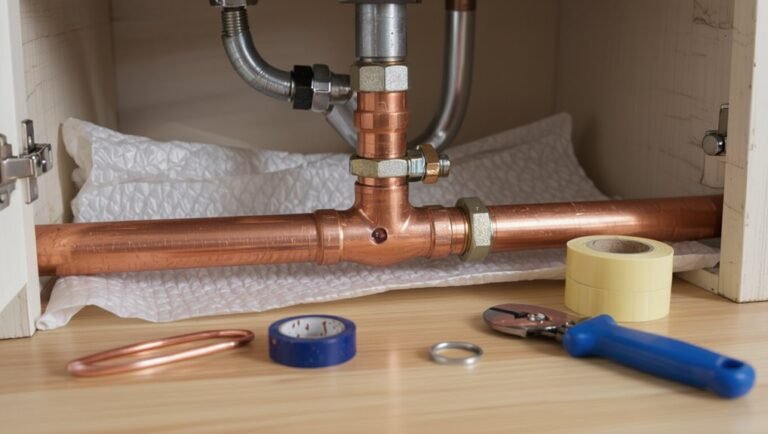
How to Recycle a Hot Water Heater: Step-by-Step Guide to Save Money and the Environment
Recycling a hot water heater is an eco-friendly way to prevent landfill waste and recover valuable materials like steel, copper, and insulation. It can also help offset replacement costs through scrap payments and rebates. To recycle your unit, start by identifying its type, checking local disposal regulations, and shutting off the power and water. Drain the tank and disconnect any gas or electrical lines safely. If your heater has hazardous insulation, seek professional help for removal. You can recycle the unit at municipal centers, return it to manufacturers, or sell it to scrap yards. Follow our step-by-step guide for detailed instructions.
Why Recycling a Hot Water Heater Matters for Your Wallet and the Planet
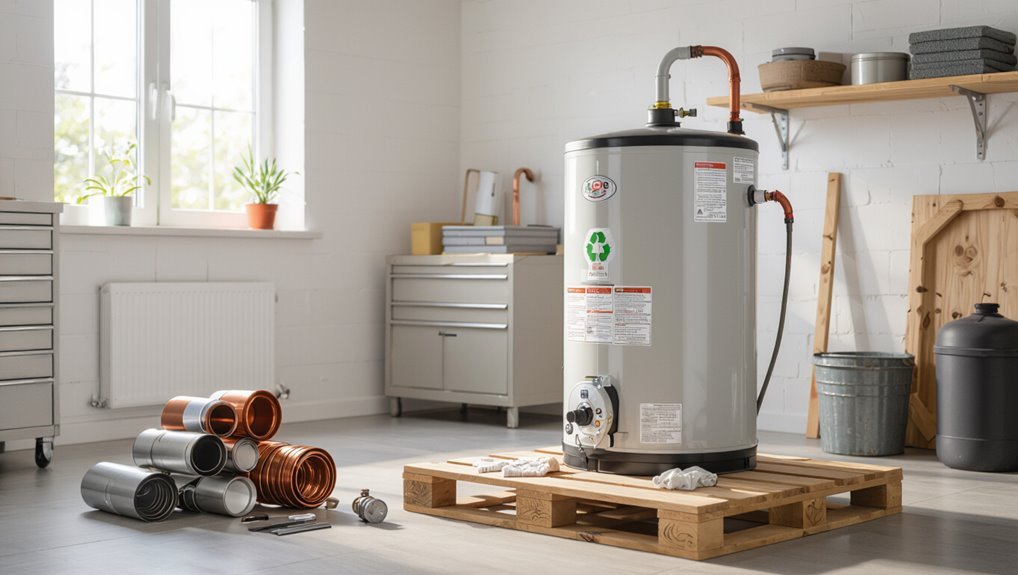
Recycling an old water heater reduces landfill waste and recovers metals and refrigerants that can harm ecosystems if disposed improperly.
It can also put money back in the owner’s pocket through manufacturer rebates, scrap metal value, and avoided disposal fees.
Local laws and utility programs often determine required handling and available incentives, so compliance and planning affect both cost and environmental outcome.
Environmental benefits of recycling old water heaters
Turning in an old water heater for recycling reduces landfill volume and recovers valuable materials like steel, copper, and insulation foam.
Proper processing lowers energy use and greenhouse gas emissions by replacing virgin material production. Communities benefit from reduced hazardous waste leaks and conserved resources.
Guides on how to recycle a hot water heater help homeowners choose responsible drop-off, pickup, or municipal-scrap options.
Financial incentives: rebates, scrap value, and disposal fee savings
Sell, trade, or drop off an old water heater can put money back into a homeowner’s pocket while also reducing disposal headaches.
Manufacturers and utilities often offer rebates for energy-efficient replacements. Scrap metal dealers pay for steel and copper. Retailers may waive haul-away fees.
Combining rebates, scrap value, and avoided disposal charges shortens payback time and lowers replacement costs.
Legal and local regulations that affect disposal and recycling
Compliance with local ordinances and state regulations shapes how a retired water heater must be handled, directly affecting costs and environmental outcomes.
Municipal codes may mandate certified removal, limit curbside disposal, or require hazardous-component separation. State laws govern refrigerant or asbestos procedures and recycling targets.
Noncompliance can incur fines or liability; confirming rules and permitted recycling centers minimizes fees and legal risk.
Quick Overview: Can You Recycle a Hot Water Heater? (Short Answer)
A hot water heater can often be recycled through several routes: intact units may be reused or salvaged for parts, while damaged tanks typically go to scrap metal recycling.
Some components require special handling as hazardous waste, such as insulation with contaminants or refrigerant lines on heat-pump models.
Recycling is not appropriate when contamination or local regulations prohibit reuse, in which case proper disposal is necessary.
Common outcomes: reuse, salvage, scrap metal recycling, hazardous disposal
When a homeowner removes a hot water heater, several practical outcomes typically follow: units may be reused if functional, salvaged for parts like valves and thermostats, sold to scrap yards for metal recycling, or routed for hazardous-component disposal (insulation, PCBs in older models, residues).
Choices depend on condition, local regulations, and available recycling or salvage services to minimize waste and liability.
When recycling is not appropriate
After considering reuse, parts salvage, scrap metal options, or hazardous-component handling, situations arise where recycling a hot water heater is not appropriate.
Examples include heavily contaminated units with asbestos, extensive corrosion compromising safe transport, or local facilities refusing acceptance.
In such cases, responsibility shifts to licensed hazardous-waste disposal, professional decommissioning, or manufacturer take-back programs to guarantee legal, environmental, and safety compliance.
Identify Your Water Heater Type and Materials
The type of water heater—tank or tankless—affects disassembly steps and which parts are recyclable or reusable.
Common recoverable materials include steel, copper, aluminum, insulation, and the sacrificial anode rod, while age and overall condition determine scrap value and the suitability for resale or donation.
Identifying these characteristics early streamlines disposal choices and maximizes material recovery.
Tank vs. tankless units and recycling implications
Many households rely on either a bulky tank water heater or a compact tankless unit, and each type differs in construction, materials, and recycling requirements.
Tank units contain larger steel vessels and added insulation, often requiring disassembly and bulk metal recycling.
Tankless models are smaller, with denser electronic components and heat exchangers, needing careful separation of electronics and specialty metal recovery.
Common materials to recover: steel, copper, aluminum, insulation, anode rod
Identify the unit’s type and inspect visible components to determine which materials are recoverable.
Typical tank heaters yield a steel shell, copper tubing and fittings, aluminum elements or fins, foam or fiberglass insulation, and a sacrificial anode rod (often magnesium or aluminum).
Tankless units primarily offer copper, brass, and small aluminum parts.
Separate and label materials for proper recycling streams.
Age, condition, and potential for resale or donation
After separating and labeling recoverable materials, attention should turn to the unit’s age and overall condition to assess resale or donation potential.
Inspect manufacture date, visible corrosion, leaks, and test functionality.
Models under ten years with minimal rust and working thermostats may interest buyers or charities.
Document make, model, and photos; disclose defects.
Nonfunctional or heavily corroded units are best recycled for parts.
Safety Precautions Before Removing a Water Heater
Before beginning removal, the technician assembles appropriate tools and protective gear and confirms procedures for shutting off power and water.
They follow controlled draining steps to prevent scalding and spills and observe correct handling of gas lines and combustion vents.
Clear, methodical precautions reduce risk to people and property during disposal.
Tools and protective gear required
A compact set of tools and appropriate protective gear is essential to reduce risk and guarantee a safe removal of a hot water heater.
Recommended items include adjustable wrenches, pipe wrenches, pliers, screwdrivers, a utility knife, bucket, and tubing for draining.
Protective gear: safety glasses, heavy-duty gloves, steel-toe boots, and a dust mask.
A flashlight and sturdy removal straps aid handling.
How to safely shut off power and water supply
With tools and protective gear ready, attention turns to shutting off the water heater’s power and water supply to eliminate shock, scalding, and flooding hazards.
For electric units, switch off the dedicated breaker and confirm power is dead with a tester.
For gas, turn the thermostat to “pilot” or shut the gas valve.
Close the cold-water supply valve at the inlet.
Draining procedures to avoid scalding or spills
Begin by relieving pressure and cooling the tank to prevent scalding: open a hot-water faucet in the house to vent steam, attach a hose to the drain valve, and slowly open the valve while monitoring temperature and flow to catch hot water and avoid spills.
Wear heat-resistant gloves, place the hose outlet over a drain or collection container, and close the valve when flow subsides.
Handling gas lines and combustion vents
Several clear safety checks must be completed before disconnecting a gas water heater: verify the gas supply is shut off at the appliance and main valve, confirm the pilot light is extinguished, and inspect the combustion venting for blockages or corrosion that could allow backdrafting.
A licensed technician should cap gas lines, test for leaks with a gas detector or soapy solution, and guarantee vents remain unobstructed before removal.
Step-by-Step Guide to Remove and Prepare a Hot Water Heater for Recycling
The following steps outline the practical procedure for removing and preparing a hot water heater for recycling, beginning with verifying local codes and obtaining any required permits.
It then covers shutting off utilities, disconnecting electrical or gas connections, draining and neutralizing residual water, and detaching plumbing before removing the unit.
Finally, the guide explains how to secure the heater for transport, cap lines, and prevent leaks to guarantee safe handling and disposal.
Step 1 Verify local codes and obtain necessary permits
Before any physical work starts, one must check local building codes and utility regulations and secure any required permits, since disposal and removal of water heaters are often regulated.
The homeowner or contractor should contact the municipal building department and utility providers, confirm permit types and fees, document permit approval, and schedule any required inspections to guarantee legal compliance before proceeding with removal for recycling.
Step 2 Turn off utilities and disconnect electrical or gas connections
Shut off all utility supplies and confirm the heater is inert before any disconnection work begins.
A qualified person isolates power at the breaker and tags it out; for gas units, the supply valve is closed and the gas line is capped per code.
Electrical terminals and gas fittings are disconnected using proper tools and safety gear, ensuring no live circuits or leaks remain.
Step 3 Drain the tank and neutralize residual water
Once power and gas connections are secured and verified inert, attention shifts to emptying the tank and dealing with leftover water.
The technician opens a hot water faucet, attaches a hose to the drain valve, then directs discharge to a safe drain.
After full drainage, residual liquid is neutralized if contaminated, and the valve is closed to prevent spills during subsequent handling.
Step 4 Disconnect plumbing and remove the unit from its location
Proceed to disconnect all plumbing and extract the heater from its space with care to prevent damage or leaks.
Turn off any gas or electrical supply at the breaker or valve before loosening fittings.
Unthread water lines, vent piping, and flue connections using appropriate tools.
Work with a helper for bulky units, supporting weight while detaching mounting brackets and lifting clear of the installation area.
Step 5 Prepare the unit for transport (secure, cap lines, prevent leaks)
Prepare the heater for transport by securing loose components, capping open lines, and ensuring no residual water or gas can leak during handling.
Drain remaining water fully, tighten or plug inlet and outlet fittings with appropriate caps, tape valves closed, and wrap fragile parts.
Use straps or tie-downs to stabilize the tank on a dolly or vehicle, testing for movement before transit.
Step 6 Separate recyclable components (anode rod, valves, wiring, insulation)
Disconnect and remove all detachable parts that have separate recycling streams—anode rod, temperature/pressure valves, electrical wiring, and insulation—taking care to sort them into metal, electronics, and insulation bundles.
The anode rod and valves go to scrap metal; wiring and electrical components to e-waste or metal recyclers; fiberglass or foam insulation is bagged and sent to appropriate disposal or recycling facilities following local rules.
Options for Recycling, Disposal, or Reuse
Various paths exist for handling an old hot water heater, including municipal recycling centers or household hazardous waste facilities, scrap metal yards that may pay for the tank, and manufacturer or retailer take-back programs.
Alternatives include donating, reselling, or salvaging parts for reuse, as well as hiring professional removal services or opting for a DIY drop-off.
The following section compares typical costs, convenience, and environmental outcomes to help choose the most appropriate option.
Municipal recycling centers and household hazardous waste facilities
Municipal recycling centers and household hazardous waste (HHW) facilities offer organized, safe options for disposing of old hot water heaters and their components.
They accept appliances, recover metals, and handle fluids like antifreeze, oil, or PCBs per local regulations.
Drop-off may require appointment, proof of residency, or disassembly. Fees, transport limits, and electronic scheduling vary by municipality; contact local authorities for specific instructions.
Scrap metal yards and expected payments
Sell the tank for its metal value: scrap metal yards commonly accept old hot water heaters and pay based on weight and material—typically steel, with brass or copper components adding value.
Payment varies by local scrap rates and condition; remove nonmetal parts beforehand.
Transport requirements and identification may apply.
- Expect payment per pound or ton
- Higher value for copper/brass
- Possible drop-off fees
- Bring ID and title
Manufacturer take-back and retailer disposal programs
After considering scrap yards as an option, homeowners can also explore manufacturer take-back and retailer disposal programs that accept old water heaters for recycling or responsible disposal.
These programs may offer pickup, drop-off, or disposal fee incentives, ensuring tanks and components are processed per environmental regulations.
Verification of program terms, scheduling, and any associated costs prevents surprises and confirms proper handling.
Donation, resale, or salvage for parts
Consider offering a functional or repairable hot water heater for donation, resale, or parts salvage to extend its useful life and reduce waste.
Local charities, Habitat for Humanity ReStores, and online marketplaces accept working units or list for parts. Clearly disclose condition, safety issues, and remaining warranty.
Salvage shops seek valves, thermostats, elements, and tanks. Properly sanitize and document transfers for liability protection.
Professional removal services vs. DIY drop-off
Weighing professional removal services against DIY drop-off hinges on convenience, cost, and risk: professionals handle disconnecting, hauling, and proper disposal or recycling for a fee and may provide documentation, while DIY drop-off requires arranging transport, ensuring the unit meets facility acceptance criteria, and managing safety during disconnect and loading.
Professionals reduce liability and time; DIY saves money but demands physical effort, vehicle capacity, and knowledge.
How to Find the Best Recycling or Removal Option
Choosing the best recycling or removal option starts with comparing local facilities for accepted materials, fees, and pickup services.
Relevant questions for scrap yards and recyclers include required preparation, proof of ownership, and timing for pickup or payment.
Clear documentation of disposal is essential for rebate claims and meeting code compliance.
Comparing local facilities: accepted materials, fees, and pickup services
Many homeowners compare local recycling centers and removal services by checking what materials each accepts, what fees apply, and whether they offer pickup, since those three factors determine convenience and overall cost. They note accepted metals, hazardous component handling, per-item or weight fees, and pickup schedules to choose the most efficient, affordable option.
| Facility | Key notes |
|---|---|
| A | Metals only |
| B | Metals + parts |
| C | Pickup available |
| D | Low fees |
Questions to ask scrap yards and recyclers
Where should a homeowner begin when contacting scrap yards or recyclers about a hot water heater?
They should ask whether the facility accepts water heaters, current scrap metal rates, pickup or drop-off options, dismantling services, required documentation, environmental or hazardous handling procedures, estimated turnaround, and any fees or credits.
Confirm licensing, hours, and proof of proper recycling before arranging removal.
How to document disposal for rebate or code compliance
After confirming a recycler’s acceptance, rates, and credentials, homeowners should prepare to document the disposal of a hot water heater to qualify for rebates or meet local code requirements.
Required records typically include dated receipts, recycler certification, serial/model numbers, and photos of removal and transport.
Submit copies to rebate programs or building departments, retain originals, and obtain written confirmation of proper recycling or disposal for future compliance.
Common Challenges and How to Avoid Them
Common obstacles include rusty or leaking tanks that complicate removal and salvage.
Old units may contain hazardous insulating materials requiring specialized handling.
Failure to follow local disposal rules can result in fines or other penalties.
Dealing with rusty or leaking tanks
Inspecting a hot water heater for rust or leaks is a critical first step, since compromised tanks can pose safety risks and complicate recycling.
Corrosion should be documented; minor surface rust may be sanded and treated, but active leaks require professional assessment.
Drainage, valve removal, and safe transport protocols reduce spill risks.
Dispose of severely damaged tanks through authorized scrap centers to guarantee environmental compliance.
Handling old units with hazardous insulating material
Many older hot water heaters contain insulating materials—such as asbestos, vermiculite, or oil-soaked fibers—that present health and disposal hazards if disturbed.
Professionals should inspect suspected units, test samples, and use certified abatement services for removal. Homeowners must avoid cutting, drilling, or bagging materials themselves.
Proper labeling and transport to licensed hazardous-waste facilities guarantees worker safety and environmental protection.
Avoiding fines or improper disposal penalties
Failure to follow local disposal rules for hot water heaters can lead to hefty fines, permit delays, or required corrective actions; understanding municipal, state, and federal requirements up front prevents these penalties.
Verify disposal permits, required documentation, and contractor credentials. Use licensed haulers and certified recycling centers. Keep receipts and manifests.
When in doubt, contact local environmental or solid-waste agencies for guidance to guarantee compliance.
Money-Saving Tips and Maximizing Value
Timing removals to coincide with favorable scrap metal prices can noticeably increase returns.
Preparing units by removing non-metal components and separating materials further boosts scrap value.
Additionally, homeowners should explore rebates, tax credits, and utility exchange programs to offset replacement costs.
Timing removals to capture scrap metal prices
How can homeowners maximize resale value when removing a hot water heater?
Homeowners should monitor local scrap metal markets, tracking ferrous and nonferrous price trends and regional demand cycles.
Schedule removals when prices peak or during construction slowdowns that boost recycling supply.
Coordinate with nearby projects to consolidate loads, reducing transport costs and improving negotiating leverage with scrap yards for better payouts.
Prepping units to increase scrap value (removing non-metal parts)
Prepare the tank by stripping nonmetal components—insulation, plastic trim, thermostats, and rubber gaskets—to boost its scrap value.
Remove wiring, anode rods, and valves; separate copper coils and brass fittings.
Dispose of foam insulation and electronic parts per local regulations.
Clean metal surfaces to facilitate weighing and grading.
Label separated materials and bundle alike metals for efficient transport to scrap yards.
Using rebates, tax credits, and utility exchange programs
Many homeowners can offset recycling and replacement costs through rebates, tax credits, and utility exchange programs that reward energy-efficient upgrades or proper disposal.
Local, state, and federal incentives vary; eligibility often depends on installer certification, unit efficiency, or documented recycling.
Research available programs, retain receipts and certification, and coordinate with utilities or recyclers to maximize returns and simplify application processes.
Environmental Best Practices After Removal
After removal, attention should turn to proper disposal of insulation and any non-recyclable components to prevent contamination and comply with local regulations.
The installer or homeowner can reduce waste by salvaging reusable parts and selecting installation methods and packaging that minimize landfill-bound materials.
Choosing an energy-efficient replacement further lowers long-term environmental impact through reduced energy consumption and fewer future disposals.
Proper disposal of insulation and non-recyclable components
Separate and identify the tank’s insulation and any non-recyclable components before disposal to guarantee compliant, environmentally responsible handling.
Dispose of fiberglass, foam, and asbestos-containing materials according to local hazardous waste rules; seal and label asbestos per regulations.
Remove electronic controls, thermostats, and PCB-containing parts for specialized recycling.
Use licensed waste haulers for contaminated materials and retain disposal receipts for compliance and auditing.
Reducing waste when installing a new water heater
Opt for strategies that minimize landfill contributions and resource consumption when replacing a water heater.
Salvage usable fittings, valves, and mounting hardware for reuse or donation.
Collect and segregate metal, plastic, and hazardous residues for proper recycling or disposal.
Choose compact packaging for the new unit, schedule installers to return old parts, and document disposal receipts to guarantee compliant, low-waste handling.
Choosing energy-efficient replacements to lower future impact
Select a replacement water heater based on measured energy performance and lifecycle impact rather than initial cost alone.
Choose ENERGY STAR or equivalent-rated models, consider heat-pump, condensing, or tankless units where appropriate, and match capacity to household needs.
Account for insulation, standby losses, installation efficiency, and anticipated maintenance.
Prioritize lower embodied carbon and recyclability to minimize long-term environmental footprint.
Checklist: Step-by-Step Quick Reference for Recycling a Hot Water Heater
A concise checklist guides each stage of hot water heater recycling to guarantee safety, compliance, and efficient processing.
It covers preparations before removal, steps for safe detachment and transport, and required recycling documentation. The checklist is designed as a quick reference for technicians and homeowners to follow methodically.
- Verify permits, shutoffs, and hazardous material precautions before beginning
- Securely drain, disconnect, and brace the unit for removal
- Use appropriate transport methods and protective equipment during transit
- Record serial numbers, recycling receipts, and any disposal certificates
Pre-removal checklist
Before any disconnection begins, the checklist guarantees all safety, legal, and logistical items are confirmed: utilities are shut off, the unit is fully drained and cooled, permits (if required) are obtained, nearby hazards are identified, and tools and personal protective equipment are on hand.
It also verifies appliance age, records serial numbers for recycling programs, confirms access routes, notifies occupants, and secures required containment for potential spills.
Removal and transport checklist
With the pre-removal checks complete, attention shifts to the removal and transport checklist that guides safe, efficient handling from the home to the recycling facility.
Disconnect utilities, drain and secure the tank, cap openings, and disconnect fittings.
Use proper lifting techniques, dollies, straps, and protective gear.
Load securely in a vehicle, avoid tilting, label as scrap, and confirm route to the recycler.
Recycling and documentation checklist
Begin by confirming paperwork and material preparation for recycling: verify the recycler’s acceptance criteria, have the original purchase or disposal authorization if required, and prepare weight and serial-number records for the tank.
Collect manifests, receipts, and any hazardous-material declarations. Note dates, transporter and recycler contact details, and photographed condition.
Retain copies for warranty, tax, or regulatory audits and to document recycling completion.
Resources and Contact Points
The article points readers to practical resources for locating local recycling centers and scrap yards that accept hot water heaters.
It highlights useful online tools, directories, and government websites for verification of fees, certifications, and pickup options.
A concise sample script for calling recyclers or scheduling a pickup is provided to simplify outreach and save time.
How to find local recycling centers and scrap yards
Where can homeowners locate nearby recycling centers and scrap yards that accept old hot water heaters?
Local options include municipal transfer stations, metal recycling yards, and appliance recyclers.
Contact local public works or waste authority for accepted items and fees.
Ask scrap yards about pickup, drop-off hours, and documentation.
Verify certifications, payment for scrap metal, and whether tanks must be drained or cut prior to delivery.
Useful online tools, directories, and government resources
Consult online directories, government portals, and recycling marketplaces to quickly identify local facilities, pickup services, and regulatory guidance for disposing of old hot water heaters.
These resources list certified recyclers, fee schedules, hazardous-material rules, and rebate programs to streamline safe, compliant disposal.
- EPA and state environmental agencies
- Local solid-waste authority sites
- Recycling marketplace platforms
- Scrap-yard and appliance-recycler directories
Sample script for calling recyclers or scheduling pickup
One concise phone script helps homeowners communicate key details quickly when contacting recyclers or scheduling pickup for an old hot water heater.
The script states address, unit size and weight estimate, installation date, any hazardous contents, preferred pickup window, access instructions, and contact number.
It asks about fees, accepted documentation, arrival confirmation, and recycling certificate availability for records.
Conclusion
Recycling a hot water heater can save fortunes and rescue oceans, turning rusty cylinders into heroic new metal. Homeowners who follow safety steps and sell scrap parts transform clutter into cash and guilt into green glory. With basic tools, patience, and a phone call to recyclers, a cumbersome tank becomes a tidy refund, a reclaimed resource, and a tiny triumph for the planet—one recycled heater, one slightly prouder planet at a time.