

Where to Sell Copper Pipe: Best Places to Get Top Cash Fast
If you’re looking to sell copper pipe and want to get the best cash fast, local scrap yards and specialized copper recyclers are your best bets for immediate payment. For better rates, consider trade buyers, plumbing suppliers, and salvage contractors who are interested in consistent, documented lots. If you have smaller amounts, peer-to-peer marketplaces and app pickup services can be quick but may offer lower prices. For large quantities, brokers, B2B exchanges, or specialty auctions can maximize your returns. Keep reading for practical tips on sorting, documentation, and selecting the right buyer.
What This Guide Helps You Do: Sell Copper Pipe Fast and Smart
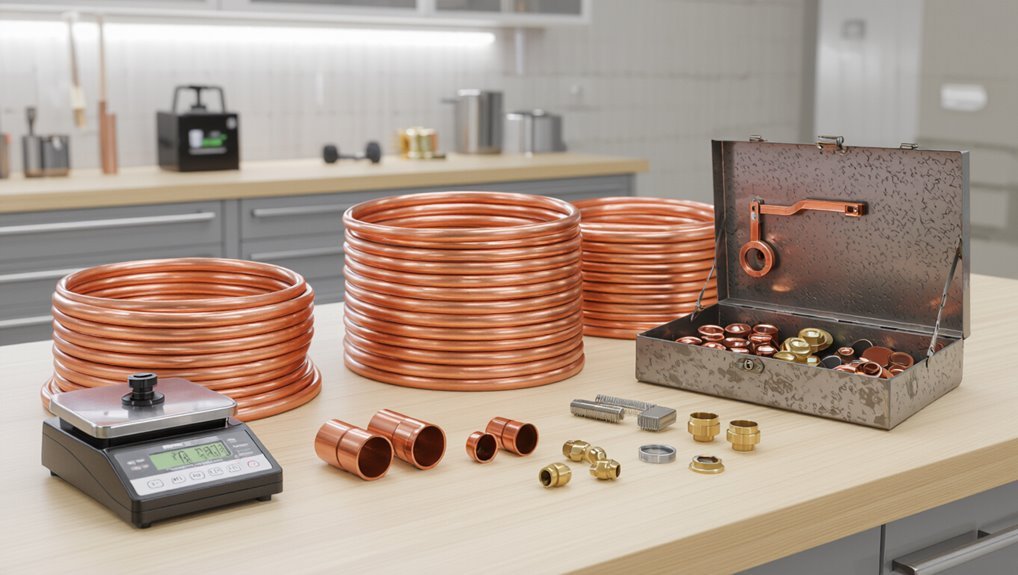
In clear, practical terms, this guide helps sellers move copper pipe quickly and with maximum return by outlining where to sell, how to prepare materials, and which factors affect price.
It frames objectives: identify reputable buyers, optimize weight and purity, and minimize time between collection and sale.
It summarizes preparation steps—cleaning, sorting by alloy and size, removing contaminants—and documents essential measurements and paperwork buyers expect.
It explains pricing drivers: market rates, regional demand, and processing costs.
It also anticipates common seller concerns—safety, legal disposal, and transport logistics—so users can act efficiently and confidently.
Quick Answer: Best Places to Get Top Cash Fast
After outlining preparation steps and pricing drivers, the guide pinpoints where sellers can convert cleaned, sorted copper pipe into cash quickly and at top market value. Local scrap yards typically pay highest rates for clean, heavy-gauge copper; call ahead for current prices. Metal recyclers and brokerages offer competitive bids for bulk lots and pickup. Online marketplaces connect to local buyers for fast cash sales but require vetting. Salvage contractors buy demolition scrap by the truckload. Municipal recycling centers provide convenient drop-off with transparent pricing on market days.
| Seller Type | Best Use |
|---|---|
| Scrap yards | Highest rates |
| Metal recyclers | Bulk sales |
| Online marketplace | Quick local deals |
| Salvage contractors | Large or mixed loads |
| Municipal centers | Convenient drops |
Quick Decision Guide: Which Selling Option Fits You
For sellers weighing speed, volume, and convenience, a short checklist helps match copper pipe to the best buyer: those needing immediate cash and small loads should prioritize local scrap yards or online local buyers; sellers with large, mixed, or onsite demolition lots should contact metal recyclers or salvage contractors that offer pickups and bulk pricing; and those seeking predictable, low-effort drops can use municipal centers on market days.
Next, assess condition, quantity, and documentation. Clean, separated pipe fetches better rates; mixed or contaminated lots benefit from recycler sorting services. Compare price quotes, pickup fees, and payment speed before committing.
Local Scrap Yards That Buy Copper Pipe
Operating as the most common option for quick cash, local scrap yards buy copper pipe by weight and condition, offering immediate payment and on-site scale verification. They provide a straightforward transaction, identification checks, and often separate pricing for clean versus mixed copper. Sellers benefit from convenience, same-day funds, and staff who can advise on preparation or removal. Choosing a reputable yard reduces the risk of low offers or disputes, and comparing a few local yards can modestly increase returns. Safety, legal compliance, and documentation remain essential when selling.
| Familiar | Reassuring |
|---|---|
| Immediate | Fairness |
| Practical | Secure |
How Scrap Yards Price Copper Pipe
Scrap yards set copper pipe prices primarily by current market prices, which can change daily and directly affect payout.
They also distinguish between purity grades—such as bare bright, clean, or mixed copper—paying more for higher-grade material.
Final offers are calculated from the inspected weight or measured length, with deductions for fittings, solder, or contamination.
Market Price Fluctuations
How do prices for copper pipe actually move from day to day? Market price fluctuations reflect global copper futures, regional supply-demand imbalances, and local scrap yard margins.
Yards track the London Metal Exchange and nearby dealer quotes, then adjust prices to cover processing, transportation, and regulatory costs.
Seasonal construction activity and industrial demand create short-term spikes or dips.
Sudden shifts—strike news, currency swings, or import/export changes—can prompt immediate price updates.
Individual yards may lag or lead depending on clientele and inventory.
Sellers benefit by monitoring daily quotes and timing sales when local offers align with broader market strength.
Copper Purity Grades
Price movements set the backdrop for how yards classify and value copper pipe, since purity directly determines recoverable metal and consequently the per-pound offer. Yards separate common grades: pure seamless or type L/B, alloyed tubing, and contaminated or coated pipe. Higher-purity items fetch top rates; alloys or soldered sections receive discounts. Clean, untarnished, and connector-free lengths are preferred. Documentation or consistent sorting speeds transactions and improves pricing transparency. Buyers inspect for fittings, corrosion, and mixed metals before quoting. Typical grade indicators:
| Grade | Typical Source | Pricing Impact |
|---|---|---|
| C110 | Refrigeration, high-purity | Highest |
| C122 | Plumbing, welded | Mid |
Weight And Measurement
When evaluating copper pipe, yards convert dimensions and condition into pounds and dollars per pound, using scales and standard conversion charts to guarantee consistent offers.
The process begins with straightening, removing fittings and nonmetal contaminants, then weighing on certified scales.
Wall thickness, diameter and alloy determine classification—clean, insulated, or mixed—each carrying a distinct rate.
Long lengths may be cut to fit scale platforms; small pieces are bagged and counted toward a total weight.
Sellers receive a written ticket listing gross weight, tare deductions and net pounds.
Transparent measurement practices minimize disputes and accelerate payment.
How to Find the Highest-Paying Local Scrap Yard
Finding the highest-paying local scrap yard begins with comparing rates and policies among nearby facilities to see which offers the best terms for copper pipe.
It is important to check current copper market prices before calling so sellers know whether a quoted rate is competitive.
Visiting or calling multiple yards and noting their per-pound prices and any sorting or minimums will reveal the top local option.
Compare Local Scrap Yards
A quick comparison of nearby scrap yards reveals which facility will pay the most for copper pipe by considering rates, sorting fees, and acceptance policies.
Review posted per-pound payouts, inquire about price tiers for clean versus mixed copper, and confirm minimum and maximum weights.
Ask about administrative or processing fees that reduce net proceeds. Verify ID, paperwork, and residency requirements that might delay payment.
Check whether yards pay cash, check, or electronic transfer and how quickly.
Read recent customer reviews for honesty and weigh accuracy. Prioritize transparent pricing, convenient location, and predictable turnaround to maximize net return.
Check Current Copper Prices
How much can a seller expect today depends on checking current copper prices before visiting yards.
A seller consults live commodity quotes, local scrap yard rate boards, and reputable websites tracking copper per pound or kilogram.
They note grade distinctions—clean, insulated, mixed—and adjust expectations accordingly.
Comparing posted rates across nearby yards identifies the highest bidders; calling ahead confirms availability and any minimums or processing fees.
Tracking short-term trends helps decide whether to sell immediately or wait for a better price.
Recording contemporaneous rates when selling guarantees accountability and makes future comparisons straightforward.
What to Expect When Selling to a Scrap Yard (Weighing, Grading, Paperwork)
Before handing over copper pipe, sellers should understand the scrap yard’s routine: material is weighed on certified scales, visually and sometimes magnetically graded, and recorded with basic paperwork or digital logs. The attendant inspects cleanliness, alloy type, and residual fittings; cleaner, purer copper fetches higher rates. Expect scale tickets, an ID check, and offered price based on weight and grade. Negotiation is limited; transparency about contaminants speeds processing. Payment methods vary: cash, check, or electronic transfer. Retain receipts for records and tax purposes.
| Step | Purpose | Typical Outcome |
|---|---|---|
| Weigh | Establish tonnage | Scale ticket |
| Grade | Determine alloy | Price tier |
| Record | Legal trace | ID + receipt |
| Pay | Complete sale | Cash/check/transfer |
How Metal Recyclers Differ From General Scrap Yards
Metal recyclers often specialize in specific materials like copper, using dedicated processes and staff knowledge that general scrap yards may not offer.
They typically provide clearer pricing structures tied to market grades and recovery rates, whereas general yards can be more variable.
Their processing equipment—such as advanced shears, granulators, and separation systems—allows higher recovery and cleaner product streams than basic yard operations.
Material Specialization
In distinguishing metal recyclers from general scrap yards, specialization refers to firms that focus on specific metals, processing techniques, and market channels rather than accepting a broad mix of materials.
Specialized recyclers routinely sort, grade, and process copper to industry standards, reducing contamination and increasing yield. They maintain equipment for stripping, cutting, and flux removal, and staff with metal-specific expertise.
These operations often cultivate direct relationships with manufacturers, foundries, and commodity traders, streamlining resale. For sellers of copper pipe, choosing a specialist can mean faster turnaround, consistent acceptance criteria, and better matching of material quality to downstream buyers.
Pricing Transparency
Often, specialized metal recyclers provide clearer, more consistent pricing than general scrap yards, because they publish rate sheets, use standardized grade definitions, and adjust prices in real time to market indicators. The distinction matters: recyclers typically display live copper valuations and explain deductions, while general yards may quote rough estimates or vary by clerk. Sellers benefit from documented rates, online tools, and invoices that reflect spot prices. Transparency reduces disputes and speeds transactions. For quick comparison, see common differences:
| Feature | Typical Practice |
|---|---|
| Rate visibility | Published vs. quoted |
| Price updates | Real-time vs. periodic |
| Documentation | Detailed invoice vs. minimal |
Processing Equipment
Beyond pricing transparency, the types of processing equipment used set specialized recyclers apart from general scrap yards. Specialized metal recyclers invest in machinery — shears, balers, tube cutters, and rotary drums — that cleanly separate copper from alloys, insulation, and mixed metals, preserving value.
Optical sorters and eddy-current separators enable precise grade identification and reduce contamination. General scrap yards often rely on manual sorting and basic cutting tools, increasing labor and lowering recovery rates.
Sellers benefit when recyclers’ equipment maximizes purity, yields higher per-pound returns, and speeds processing, making specialized facilities preferable for significant or mixed copper pipe volumes.
Selling to Plumbing Suppliers and Trade Buyers
When targeting plumbing suppliers and trade buyers, sellers should emphasize consistent supply, accurate sizing, and industry-grade certification to meet professional standards. Sellers present clean, sorted lengths and clear documentation of alloy and annealing. Pricing should reflect grade and readiness for immediate resale. Building brief relationships with purchasing managers and offering reliable delivery windows increases acceptance. Volume discounts and quick turnaround matter; smaller batches may be rejected. Prompt, professional communication and traceable chain-of-custody paperwork streamline transactions, reducing inspection hold-ups.
| Benefit | Seller Action |
|---|---|
| Faster sales | Provide sorted inventory |
| Higher price | Supply certifications |
| Repeat business | Reliable delivery |
Where Contractors Buy Used Copper Pipe and How to Approach Them
For many contractors, used copper pipe is sourced from demolition sites, salvage yards, surplus suppliers, and online trade networks where availability, size variety, and condition align with job needs.
Contractors also obtain material via contractor-to-contractor exchanges, building remodels, and estate cleanouts.
When approaching them, present clear details: pipe gauge, lengths, fittings, and photos. Offer bulk pricing, flexible pickup, and documentation of cleanliness and lead-free status. Respect scheduling constraints and safety rules on site.
Professional, concise communication and reasonable pricing foster repeat business. Maintaining records and references helps build trust and makes future transactions smoother and faster.
Online Marketplaces That Pay Well for Copper Pipe
Online marketplaces offer sellers wide reach and competitive pricing for copper pipe.
Platforms such as eBay and auction sites can drive higher bids, while local Facebook groups enable quick sales to nearby buyers.
Niche metal-specific marketplaces often attract experienced buyers willing to pay a premium for quality material.
eBay And Auctions
Why consider eBay and auction platforms for copper pipe sales? Sellers reach wider audiences, set reserve prices, and test demand; auctions can yield higher-than-scrap offers for collectible or specialty pipe. Listings require clear photos, weight, and condition; shipping or local pickup options should be specified. Fees and timing affect net profit, so compare final value fees versus instant-sale routes. Auction dynamics reward rarity and competitive bidding but carry risk of low closing prices. Sellers should research similar listings and prepare accurate descriptions to attract serious buyers and maximize return.
| Platform | Fee Type | Best Use |
|---|---|---|
| eBay | Final value fee | National reach |
| Heritage Auctions | Commission | Rare pieces |
| LiveAuctioneers | Consignment fee | Collectors |
| BiddingForGood | Percentage | Niche markets |
Local Facebook Groups
Among community-driven options, local Facebook groups offer sellers targeted exposure to nearby buyers who often pay more than scrap prices for usable copper pipe.
These groups enable clear listings with photos, dimensions, and condition notes, attracting tradespeople, renovators, and hobbyists seeking ready-to-install material.
Sellers set prices, negotiate directly, and arrange local pickup to avoid shipping.
Reputation builds through member feedback and group rules that reduce scams.
Effective posts include fair pricing, measurements, and pickup availability.
Moderated communities with active membership and clear guidelines typically yield faster sales and higher returns than anonymous scrap channels.
Metal-Specific Marketplaces
For sellers seeking higher returns than general classifieds or scrap yards, metal-specific marketplaces connect copper pipe suppliers with buyers who value grade, condition, and specifications. These platforms list bulk lots, enable detailed listings (type, thickness, fittings), and often attract fabricators, contractors, and recyclers willing to pay premiums for sorted, clean copper. Transaction protections, shipping options, and reputation systems reduce risk. Sellers should present clear photos, measurements, and provenance to maximize offers. Fees vary; compare final payout. Below is a concise comparison to prioritize platform choice.
| Platform type | Typical buyer | Advantage |
|---|---|---|
| B2B exchanges | Wholesalers | Higher prices |
| Specialty auctions | Fabricators | Niche demand |
| Recycling networks | Processors | Fast payouts |
Best Practices for Listing Copper Pipe on Craigslist and Facebook Marketplace
When selling copper pipe on Craigslist or Facebook Marketplace, a clear listing that highlights pipe dimensions, condition, and quantity increases buyer confidence and speeds sale.
Include accurate measurements (length, diameter), weight or estimated feet, and photos showing ends and any damage.
State whether fittings, soldered joints, or insulation are included.
Set a firm, competitive price or indicate negotiability and preferred pickup or delivery arrangements.
Use relevant keywords and local pickup radius, respond promptly to inquiries, and screen buyers safely.
Clear packaging and a straightforward meet-up location help finalize transactions quickly and reduce complications.
Using eBay and Specialized Auction Sites for Higher-Value Pieces
Why choose eBay or specialized auction sites for higher-value copper pipe? Sellers access national buyers, competitive bidding, and auction formats that can drive prices above local scrap rates.
Listings should include clear photos, precise dimensions, weight estimates, and alloy or grade information.
Specify shipping options and pickup terms; higher-value lots benefit from reserve prices and detailed condition notes.
Specialized sites attract contractors, restorers, and collectors seeking specific sizes or antique fittings.
Factor platform fees and shipping costs into pricing.
Use reputation-building practices—consistent descriptions and prompt communication—to maximize final sale value and minimize disputes.
Peer-to-Peer Scrap Apps and Pickup Services
App-based pickup services connect sellers directly with local scrap buyers and offer convenient curbside collection.
Users should compare scheduling windows and fee structures to understand how pricing and surcharges affect proceeds.
Clear photo ID, accurate descriptions, and safe, accessible pickup locations help guarantee smooth transactions and compliance with local regulations.
App-Based Pickup Options
Frequently, sellers find app-based pickup options a convenient alternative to traditional scrapyards: peer-to-peer scrap apps and pickup services connect individuals with local buyers or haulers who will collect copper pipe directly from the seller’s property, often scheduling pickups, providing price quotes, and handling transport. These platforms simplify logistics, reduce the need to transport heavy bundles, and can increase reach to competitive buyers. Sellers should verify credentials, read reviews, and confirm pickup terms. The table below summarizes key considerations.
| Consideration | Purpose |
|---|---|
| Verification | Trust and safety |
| Reviews | Reputation |
| Photos | Accurate assessment |
| Availability | Scheduling options |
Scheduling And Pricing
When coordinating pickups through peer-to-peer scrap apps and pickup services, clear scheduling and transparent pricing are essential to avoid misunderstandings and guarantee a smooth transaction.
Users should confirm pickup windows, arrival estimates, and contact procedures in-app or by message to reduce missed appointments.
Pricing must specify per-pound rates, minimums, fees for travel or handling, and whether prices are estimates or finalized at collection.
Agreements about payment method and timing — cash, electronic transfer, or in-app credit — prevent disputes.
Cancellation policies, wait-time charges, and responsibility for loading should be documented before pickup to protect both parties.
Safety And Identification
Verify identities and confirm the legitimacy of pickups before meeting. Users should check app profiles, reviews, and verified badges; request photo IDs and vehicle details when appropriate.
Arrange public, well-lit meeting points or use curbside exchange options offered by services. Photograph items and record serials or distinctive marks to prove ownership.
Insist on cash transactions in secure locations or use app escrow features to avoid disputes. Avoid sharing unnecessary personal information and decline offers that seem rushed or unusually high.
Report suspicious behavior to the platform and local authorities. Prioritize personal safety and clear documentation throughout every pickup transaction.
Municipal Recycling Centers: Pros and Cons
Municipal recycling centers often provide a straightforward option for selling copper pipe, offering predictable hours, set pricing policies, and the convenience of local drop-off; however, they may pay less than private scrap yards, enforce stricter acceptance rules, and impose weight or contamination limits that reduce net value.
They typically require identification, basic sorting, and may reject mixed or painted pieces, so preparation affects final payment. Fees can apply for processing or small loads.
Receipts and transparent pricing benefit record-keeping and regulation compliance.
For modest quantities and convenience-minded sellers, they remain a reliable, if not top-paying, choice.
Junk Removal Companies and Bulk Pickup Services That Pay for Copper
Among options for disposing of large amounts of copper, junk removal companies and bulk pickup services can offer the convenience of on-site removal plus payment for salvageable metal.
These providers often handle dismantling, loading, and transport, appealing for renovations or cleanouts.
Payment models vary: some offer flat fees, others pay by weight at rates below dedicated scrap yards, trading convenience for convenience fees.
Customers should obtain written estimates, verify that metal will be recycled responsibly, and confirm identification and licensing.
Scheduling lead times and minimum pickup quantities influence value.
For large, hard-to-move lots, these services can be a practical, time-saving choice.
Scrap Brokers and Middlemen: When They Help and When They Don’t
Scrap brokers and middlemen can streamline large or mixed loads, handle paperwork, and connect sellers to higher-paying buyers, which is useful when logistics or scale are barriers.
However, their fees, markups, and thinning of grades are common hidden costs that reduce net returns. Sellers who understand typical broker margins and come prepared to negotiate can often secure better terms or choose to sell directly.
When Brokers Add Value
When dealing with large or complicated copper pipe lots, a broker can streamline the process by aggregating sellers, handling logistics, and finding buyers who pay closer to market value.
Brokers add value when they provide verified market access, negotiate bulk premiums, and manage grading so sellers avoid time-consuming tasks. They are useful for irregular, contaminated, or mixed-gauge inventories where expertise and equipment improve returns.
Brokers also speed settlement and reduce seller exposure to fluctuating spot prices through contracted sales. Their value diminishes for small, clean lots where direct scrap yards offer comparable prices and simpler, immediate transactions.
Hidden Costs To Watch
Middlemen can simplify copper pipe sales, but their fees and practices often introduce hidden costs that erode returns.
Fees may be opaque: handling charges, transport markups, or percentage cuts added after weighing can reduce payouts.
Delayed payments, minimum lot requirements, and price differentials between scrap grades further diminish proceeds.
Conflicts of interest arise when brokers steer sellers to preferred yards or buyers for commissions.
Verification lapses can lead to undergrading or disputed weights.
Sellers should tally all potential deductions, request itemized invoices, and compare net offers against direct-market prices to reveal true cost of using intermediaries.
Negotiating Directly With Brokers
In negotiating directly with brokers, sellers should treat the interaction as a business transaction rather than a convenience, evaluating each broker’s fees, transparency, and market access before committing. Brokers can speed sales and access better markets but may deduct commissions, impose minimums, or misclassify grades. Sellers should request written rate schedules, compare net offers, and verify pickup or delivery logistics. When bargaining, prioritize documented terms, references, and recent transaction examples. Walk away from opaque pricing or pressure. Use brokers selectively for large loads or specialty alloys; for small lots, direct yards often yield higher net return.
| Factor | Benefit | Risk |
|---|---|---|
| Speed | Fast sale | Higher fees |
| Market access | Better prices | Middleman cuts |
| Logistics | Pickup provided | Scheduling limits |
| Grading | Expert classification | Misclassification |
| Terms | Negotiable | Hidden clauses |
Selling Antique or Architectural Copper: Who Pays More?
Among sellers of reclaimed metal, antique and architectural copper often command premiums because buyers value provenance, patina, and intact decorative elements.
Dealers in architectural salvage, restoration contractors, and specialty recyclers typically pay more than scrap yards when items retain historic or decorative value.
Payment depends on condition, rarity, and documented origin; ornate cornices, gutters, and signage fetch higher offers.
Buyers assess restoration potential and resale market—museums and preservationists may pay top dollar for authenticated pieces.
Sellers should obtain multiple quotes, provide clear photos and provenance, and consider consignment or auction for maximum return rather than immediate scrap sale.
Selling Copper Pipe to Hobbyists and DIYers Locally
When targeting hobbyists and DIYers, sellers should emphasize clean, straight lengths of pipe and accurate sizing, since buyers commonly seek materials for craft, plumbing repairs, or small fabrication projects. Local marketplaces, community boards, and maker groups attract these buyers seeking small quantities at reasonable prices. Clear photos, measurements, and planned uses speed sales. Meeting in safe public spaces and offering bundle discounts for multiple pieces encourages quicker turnover. Communication about remaining finish and any fittings helps set expectations.
| Venue | Typical Buyer |
|---|---|
| Community marketplace | Crafters |
| Maker spaces | Fabricators |
| Local classifieds | Home repairers |
Preparing Pipe to Get the Most Cash: Cleaning, Sorting, and Staging
Though often overlooked, proper cleaning, sorting, and staging of copper pipe directly increases resale value by making condition and measurements obvious to buyers.
Sellers should remove dirt, solder, and tape; a wire brush and mild solvent restore visible luster without altering metal.
Cut or bundle pipes by length and diameter, removing fittings or clearly labeling attached pieces.
Separate clean, unpainted pieces from painted, corroded, or mixed-metal items.
Neatly stack bundles, secure with straps, and place on pallets or shelving for easy inspection.
Clear labeling of quantities and dimensions speeds transactions and fosters buyer confidence, often yielding higher offers.
How to Identify Copper Grade and Why It Affects Price
Copper grade is inferred from observable features like color and patina, which distinguish bright, recycled, and heavily oxidized pieces.
Wall thickness and weight further separate thin-walled tubing from heavier-drawn pipe, affecting per-pound value.
The presence of alloys or fittings lowers purity and typically reduces the price paid.
Visual Color And Patina
Frequently, the metal’s surface tone and patina provide the quickest clues to its grade and value: brighter, salmon-colored tubing typically indicates higher-purity soft copper, while dull, greenish, or blackened surfaces point to oxidation, alloying, or contaminant buildup that can lower the price.
Inspectors note that uniform, lustrous color usually signals clean, recyclable copper fetching better rates.
Patina patterns — faint verdigris versus heavy corrosion — help distinguish aged but usable pipe from severely degraded material.
Surface residues, solder, paint, or galvanic staining reduce grade.
Accurate visual assessment speeds pricing decisions before any further testing or measurement.
Wall Thickness And Weight
Turning attention to wall thickness and weight reveals key indicators of grade and value: thicker-walled tubing and heavier sections generally correspond to higher-purity, drawn copper used in plumbing and HVAC, while thinner-walled or lightweight pieces often signify low-grade or alloyed material.
Inspectors measure wall gauge and heft to estimate usable copper content before sale. Buyers pay premiums for solid, heavy pieces that yield more scrap per foot. Sellers should note thickness marks or compare similar lengths by weight.
Considerations include:
- Heavier pieces command higher rates.
- Consistent wall gauge indicates quality.
- Thin walls reduce scrap yield.
- Weighed bundles simplify pricing.
Presence Of Alloys
After evaluating wall thickness and weight, attention moves to detecting alloys, since mixed or alloyed tubing can markedly lower scrap value. Identification relies on color, magnetism, markings, and simple tests.
Pure copper (red or orange) fetches higher rates; brass or bronze hues indicate significant alloying. A magnet test rules out ferrous contamination but not non‑magnetic alloys. Acid or conductivity tests differentiate grades for experienced handlers.
Dealers check stamps, fittings, and solder residue to classify batches. Accurate sorting maximizes price and avoids penalties; documenting provenance and separating suspected alloyed pieces speeds appraisal and preserves value.
Separating Fittings, Solder, and Contaminants for Better Offers
Separating fittings, solder, and other contaminants from copper pipe increases its eligibility for higher scrap grades and yields better offers from recyclers. Clean, continuous bare copper commands top prices; attached fittings, mixed metals, flux, and corrosion reduce value. Workers should remove brass or steel fittings, scrape or file away melted solder, and brush off paint or heavy oxidation. Proper separation speeds inspection and avoids grade downgrades. Follow safety: gloves and eye protection. Benefits include faster transactions and clearer pricing.
Example steps:
- Remove threaded fittings.
- Cut off soldered joints.
- Scrape remaining solder.
- Sort out non-copper pieces.
Weighing Tools and Methods to Avoid Being Underpaid
Choose accurate, certified scales and understand common weighing practices to avoid being underpaid for copper pipe. Sellers should use calibrated digital or certified industrial scales, noting tare functions and zeroing routines.
Portable luggage scales, bench scales, and truck scales each have limits; match tool to load and verify certification dates. Record weights before and after bundling, and request witnessed weigh-ins when possible.
Inspect scrap yards’ scales for visible certifications and ask for weight tickets. Keep a personal log and photos of bundles on the scale. Understanding these methods reduces disputes and guarantees fair payment based on actual metal weight.
Timing the Market: When Copper Prices Are Highest
Timing copper sales to maximize returns requires watching both seasonal patterns and macroeconomic signals that drive metal demand and prices. Prices often rise with construction and manufacturing upticks, supply disruptions, and strong commodity markets; they fall during slow building seasons and global demand contractions.
Sellers should monitor futures, inventory reports, and major economic indicators to anticipate shifts. Short-term spikes may follow outages or policy changes, while longer trends track industrial growth.
Consider these timing cues:
- Seasonal construction peaks (spring–summer)
- Global manufacturing PMI improvements
- Supply disruptions or mine strikes
- Commodity market rallies and rising futures
How to Compare Offers From Multiple Buyers Quickly
When weighing multiple offers for copper pipe, a seller should focus on a few objective metrics—price per pound, accepted scrap grade, payment speed and method, and any fees or pick-up costs—to make a rapid, apples-to-apples comparison. The seller lists offers, normalizes units, and flags deviations (minimum weights, processing fees). Prioritize highest net cash per pound and quickest reliable payment. Verify buyer reputation briefly (reviews, business license). Use the table below to record and score each bid for a quick decision.
| Metric | Notes |
|---|---|
| Price per pound | |
| Scrap grade accepted | |
| Payment speed/method | |
| Fees/pick-up costs | |
| Reputation |
Negotiation Scripts to Get More Cash
The author suggests starting with simple opening lines that state the pipe type and a confident price request to set a clear negotiating tone.
Next, brief counteroffer techniques are recommended, such as presenting recent comparable prices or offering a small concession in exchange for a higher per-pound rate.
These scripted elements help sellers convert offers into more cash without prolonging the process.
Simple Opening Lines
At the counter, a few concise opening lines can set the tone and boost the offer without sounding confrontational. A calm, factual approach frames value and invites fairness. The seller should state condition, weight, and intent, then listen.
- “This is clean, solid copper; what do you typically pay per pound?”
- “I’ve sorted and weighed it—can you confirm your current rate?”
- “Are there bonuses for larger lots or consistent sellers?”
- “What documentation or prep speeds your inspection?”
These lines prompt transparent pricing and encourage the buyer to explain terms, reducing surprises and speeding agreement.
Counteroffer Techniques
Signal firmness and preparedness while keeping tone polite: a seller who knows market rates, exact weight, and comparable offers can make brief, targeted counteroffers that shift the conversation from price-setting to terms.
The seller proposes a specific higher figure tied to documented weight or requests a small premium for clean, sorted material. If buyer balks, counter with a conditional concession: accept slightly less if payment is immediate or buyer collects.
Use neutral phrasing, reference a competing offer, and set a short deadline to prompt decision.
Maintain records of offers and responses to avoid repeated lowballing and preserve leverage.
Safety and Legal Checks Before Selling Scrap Copper
Before handling or transporting scrap copper, one should confirm ownership, local laws, and safe handling practices to avoid injury, theft accusations, or fines.
The seller must inspect material for sharp edges, contaminants, and hazardous fittings, wearing gloves and eye protection.
Documentation proving legal ownership and origin reduces disputes.
Verify local scrap and transportation regulations, weight limits, and required permits.
Maintain clear records of buyer transactions and IDs as allowed by law.
Consider vehicle safety when loading.
Recommended checklist:
- Confirm ownership and retain paperwork
- Use PPE and safe loading methods
- Check local regulations and permits
- Record transaction details and IDs
Avoiding Scams and Buyer Red Flags
Having completed safety and legal checks, attention should shift to recognizing scams and buyer red flags to protect both seller and material.
Sellers should verify buyer reputation through reviews, licensing, and transparent pricing before agreeing.
Beware unusually high cash offers, pressure to accept immediate deals, or requests to bypass scales or documentation.
Avoid buyers who refuse item inspection, offer inconsistent weights, or insist on off-site transactions.
Confirm payment methods and count cash in public, secure locations.
If anything feels evasive or hurried, walk away.
Trustworthy buyers provide clear receipts, consistent scales, and professional facilities, minimizing fraud risk.
Required ID, Receipts, and Recordkeeping for Selling Copper
Recognizing the documentation requirements protects sellers and buyers by ensuring compliance and deterring theft; most scrap yards require government-issued photo ID, a signed receipt, and a record of the transaction.
Sellers should bring matching ID and proof of ownership, note serial numbers or markings, and expect yards to log vehicle details.
Receipts typically list weight, grade, price per pound, date, and buyer signature; retain copies for taxes or disputes.
Electronic records are increasingly used; ask how long records are kept.
Clear, consistent documentation speeds transactions and reduces legal risk for both parties.
- Government-issued photo ID
- Signed receipt
- Weight/grade details
- Transaction log
Transportation Options for Moving Heavy Copper Pipe
For sellers with access to a pickup truck, loading copper pipe directly offers a straightforward, cost‑effective transport method when weight and length permit.
Renting a small trailer is an alternative for larger or heavier loads, providing greater capacity and safer securing options.
Buyers should compare vehicle limits, tie‑down methods, and rental costs before choosing the best option.
Moving By Pickup Truck
When transporting heavy copper pipe by pickup truck, proper planning of load placement and securing methods is essential to prevent shifting, damage, and unsafe driving conditions.
The tailgate and bed should bear weight evenly; longer pipes require support at the cab and rear.
Use ratchet straps, edge protectors, and non-slip mats.
Cover exposed ends to avoid striking objects.
Inspect tie-downs during stops and comply with local load overhang rules.
- Distribute weight evenly
- Secure with rated straps
- Protect pipe and bed edges
- Mark and cover overhangs
Follow these steps to reduce risk and expedite delivery.
Renting A Small Trailer
After securing copper pipe in a pickup, some movers opt for a small rented trailer to handle larger loads or longer lengths that exceed bed capacity. A trailer extends hauling space, allows pipes to lie flat, and reduces overhang risks when properly flagged.
Renters should choose a model with tie-down points, a ramp or low deck, and appropriate weight rating. Load evenly, secure with ratchet straps, and cover cut ends to prevent damage.
Observe towing limits, check trailer lights and brakes, and confirm hitch compatibility. This option balances cost and safety for transporting bulky copper to scrap yards or buyers.
Where to Store Copper Pipe Safely Before Sale
In a secure, dry location with stable temperature and limited humidity, copper pipe retains its value and avoids corrosion or tarnish that can lower resale price.
The seller should organize lengths, cap ends to prevent debris, and label bundles by grade.
Indoor storage on padded racks prevents scratches and theft; outdoor storage requires waterproof covers elevated from ground and ventilated tarps.
Inspect periodically for moisture, contaminants, or animal nesting.
For transport readiness, keep documentation and weights with each bundle.
Recommended precautions include:
- Store indoors when possible.
- Elevate off the ground.
- Separate by grade and size.
- Cap and label bundles.
Small-Quantity Sellers: Best Fast-Sale Options
Often local scrap yards and neighborhood metal recyclers provide the quickest route to cash for sellers with only a few lengths of copper pipe; they typically accept small bundles without appointment, offer immediate weighing, and pay on the spot, making them the best fast-sale option for small-quantity sellers.
Independent metal buyers and community recycling centers also work well, with straightforward ID and minimal processing.
Online marketplaces and classified apps can supplement sales when timing is flexible, though meetups require safety precautions.
Sellers should clean obvious debris, separate copper grades if known, bring ID, and check posted rates to avoid low-ball offers.
Large-Quantity Sellers: Maximizing Value With Bulk Sales
For sellers handling large volumes of copper pipe, maximizing return requires planning around grade sorting, documentation, and buyer selection to turn scale into higher per-pound prices. Bulk sellers should separate tubing, rigid pipe, and mixed scrap; clean material fetches better rates.
Prepare manifests, proof of ownership, and weight tickets to streamline transactions with yards or brokers. Negotiate scale-based pricing, floor minimums, and payment terms; consider long-term contracts for steady volume.
Transport logistics and safety compliance reduce delays and fees. Evaluate regional buyers for competitive bids and inspect payment reputations before committing.
- Grade separation
- Documentation
- Negotiation
- Logistics
Donate Copper Pipe (When to Consider)
When surplus copper pipe lacks market-ready grade or volume, donating it to community projects, vocational programs, or nonprofit builders can be the most practical option.
Donors should assess condition, lengths, and fittings to match recipient needs and confirm acceptance policies.
Tax-deduction potential varies; document the donation with photographs, a receipt, and an estimated fair-market value but consult a tax advisor for proper valuation.
Coordination reduces waste: schedule drop-offs, verify safety, and consider stripping hazardous contaminants beforehand.
Donations foster skills training, affordable housing, and repair initiatives while avoiding disposal costs and supporting local sustainability goals.
Conclusion
Like a river finding the quickest route to sea, copper pipe moves from cluttered corners to cash through the right path. Sellers who match quantity and urgency to scrap yards, recyclers, or trade buyers reap fuller returns; those who store, sort, and document find smoother transactions. Whether selling a single coil or a truckload, choosing wisely turns metal into money—swift, smart, and sure, gleaming with renewed purpose beyond its former life.