
How to Use the Toilet Safely When the Water Is Off: Quick Steps and Alternatives
When the water is off, you can still use the toilet safely by following these steps: First, assess the situation and shut off any vulnerable fixtures. Gather sanitation supplies such as liners, disinfectant, gloves, and a bucket. To flush, pour 1.5–3 gallons of water into the bowl rim to create a siphon, or consider using a camping toilet, a bucket with a liner, or sealed waste bags with odor control. If safe, reuse clear gray water for flushing and always sanitize your equipment afterward. Avoid contact with chemicals and sewage, and seek municipal help for prolonged outages. More practical tips follow.
What to do immediately when the water is off
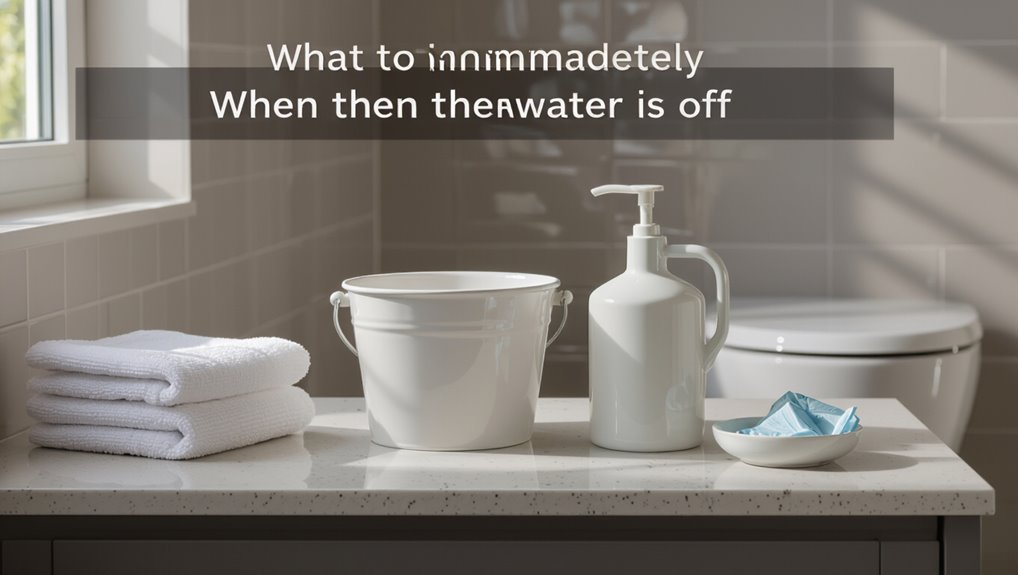
The first step is to assess the situation and determine whether the outage affects only the property or the wider area.
They should check for posted shut-off notices, ongoing plumbing work, or utility alerts that explain the interruption.
Before employing any tools or temporary measures, they must follow basic safety precautions to avoid injury or further damage.
Assess the situation and confirm if outage is local or widespread
How long has the water been out, and is the interruption isolated to a single building or affecting the neighborhood?
The person checks neighbors, building notices, and online outage maps to determine scope.
Understanding whether the outage is local or widespread informs priorities for conserving stored water, sanitation options, and decisions about emergency plumbing.
This step guides practical choices for how to use toilet when water is off.
Check shut-off notices, plumbing work, and local utility alerts
After confirming whether the outage is limited or widespread, they should immediately look for official notices and active plumbing work that explain cause and expected duration.
Check utility websites, social media, and local news for updates. Inspect nearby streets for crews, signs, or barricades indicating repairs.
Note estimated restoration times, contractor contact information, and any boil-water or safety advisories to plan temporary sanitation measures.
Safety precautions before using any equipment
If water service is interrupted, individuals should first shut off valves to isolated fixtures and appliances to prevent accidental flooding when pressure is restored.
Then they should verify that any portable pumps, gravity tanks, or chemical toilets are rated for potable use and free of visible damage before operation.
They should wear gloves, guarantee proper ventilation, follow manufacturer instructions, test equipment briefly, and keep children and pets away during setup.
Quick step-by-step method to flush a toilet without water
A simple emergency flush can be performed by pouring a bucket or large container of water directly into the bowl.
The writer explains the proper pouring technique—aiming fast water toward the rim—to create an effective siphon and clear the trap.
Recommended water volumes vary by toilet type, with most modern low-flow models needing about 1.5–3 liters per flush and older gravity-fed bowls requiring more.
Using a bucket or large container to pour water into the bowl
Pouring a single, strong bucket of water into the bowl forces a flush-like flow that clears waste and refills the trap when the tank is empty.
Use a clean bucket or large container, fill with 1.5–3 gallons (6–12 liters), aim low and pour briskly toward the rear of the bowl.
Repeat if needed; dispose of greywater properly.
Proper pouring technique to create an effective siphon
Start by positioning a clean 1.5–3 gallon (6–12 L) container at about hip height behind the toilet bowl.
Then briskly dump the water toward the back rim so it flows down the trapway in one continuous surge. Aim for a fast, steady pour to create momentum; avoid splashing.
Repeat once if necessary, allowing the siphon to pull waste and clear the bowl fully.
How much water is needed per flush for different toilet types
Different toilet designs require varying volumes to push waste through the trap and into the sewer.
Gravity-flush toilets typically need 1.6 gallons (6 liters) per flush; older models may require 3.5–7 gallons.
Pressure-assisted units use less water, often 1–1.2 gallons.
Dual-flush offers 0.8–1.6 gallons depending on setting.
For manual flushing without supply, pouring 1.5–3 gallons rapidly usually creates an adequate siphon.
Alternative methods to manage waste when you can’t flush
When municipal water is unavailable, individuals can rely on portable camping toilets or commodes for safe, contained waste management.
In more improvised situations, trash-can liners, sealable bags, or a simple DIY bucket toilet provide temporary alternatives if used with care to prevent spills and odors.
Chemical and biodegradable waste bags offer a compact, sanitary option and should be used and disposed of according to product instructions and local regulations.
Using a portable camping toilet or commode
A portable camping toilet or commode provides a sanitary, contained option for human waste disposal when household plumbing is unavailable.
These units use disposable waste bags, sealed cartridges, or removable tanks to prevent spills and odors.
Users should follow manufacturer instructions for setup, use, and sealing; dispose of waste per local regulations; and sanitize the unit and hands after each use to reduce infection risk.
Improvised options: trash-can liner, sealable bags, and DIY bucket toilet
If a portable camping toilet or commode is unavailable, simple improvised solutions can provide safe, temporary waste management.
A sturdy bucket lined with a heavy trash-can liner and absorbent material (kitty litter, shredded paper) minimizes leaks and odor.
Sealable plastic bags offer single-use containment for solid waste.
Secure lids, double-bagging, and prompt disposal at appropriate facilities reduce contamination and odors.
Chemical and biodegradable waste bags: how to use and dispose
Although not suitable for long-term use, chemical and biodegradable waste bags provide a compact, hygienic solution for temporary non-flush waste containment by combining leak-resistant materials with odor-neutralizing or biodegradable additives.
Users should follow package instructions: add absorbent powder or gel, seal securely, and label if storing.
Dispose according to local regulations—municipal waste, hazardous disposal, or composting guidance—avoiding sewer or storm drains.
Short-term hygiene and odor control strategies
For short-term hygiene and odor control, adding diluted disinfectant or bleach to temporary bowls and containers can limit pathogens when used according to product instructions and with proper ventilation.
Absorbent materials and commercial deodorizers help contain liquids and neutralize smells, reducing splash and bacterial growth.
If confined indoors, increasing airflow and wearing a simple mask are recommended to lower odor exposure and inhalation risk.
Adding disinfectant or bleach safely to bowls and containers
Use household bleach or EPA-registered disinfectants sparingly and with care when treating bowls or temporary containers to reduce pathogens and control odors.
Wear gloves, guarantee ventilation, and follow label dilution instructions.
Add disinfectant to solids-free waste, avoid mixing with ammonia or acids, and rinse containers thoroughly before disposal or reuse.
Store chemicals securely away from children and pets.
Using absorbents and deodorizer products
After treating waste with disinfectant, attention turns to controlling moisture and smell in temporary containers and toilet alternatives.
Absorbents and deodorizers reduce leakage, neutralize odors, and ease disposal. Recommendations include:
- Use cat litter or sawdust for absorption.
- Add baking soda to neutralize smells.
- Place charcoal sachets nearby.
- Seal bags promptly before disposal.
Ventilation and mask recommendations
How should confined areas be managed to reduce airborne contaminants and odors when water is unavailable?
The guidance advises opening windows and doors, using fans to direct airflow outward, and employing portable air purifiers with HEPA filters if available.
Individuals should wear well-fitting surgical or N95 masks when handling waste or cleaning.
Limit time spent in the space and keep others informed of ventilation status.
Water-saving techniques to stretch limited supply
When water is limited, households can conserve by collecting and storing potable water in approved containers and by reusing gray water from sinks and showers for toilet flushing where safe and permitted.
Guidance should emphasize separating sources, avoiding contaminants, and treating or filtering gray water as needed before reuse.
Prioritization of drinking, cooking, and sanitation uses with clear rationing guidelines helps stretch available supplies until service is restored.
Reusing gray water safely for flushing (sinks, showers)
Many households can extend a limited water supply by redirecting lightly used gray water from sinks and showers to flush toilets, provided simple safeguards are followed.
Only clear, non-greasy water should be used; avoid toilet flushing with water containing chemicals, soaps with antibacterial agents, or visible contaminants.
Install a temporary diverter, label gray-water buckets, and empty or treat stored gray water promptly to minimize odor and bacterial growth.
Collecting and storing water during outage (approved containers)
Although access to running water may be interrupted, households can reliably maintain a safe reserve by using approved, food-grade containers and basic sanitation practices.
Clean, labeled jugs, barrels, or water bricks should be sanitized before filling, kept sealed, and stored cool and dark.
Rotate supplies every six months, protect from contaminants, and use dedicated containers for potable water only to prevent cross-contamination.
Prioritizing essential uses and rationing water
If household water is limited, occupants should allocate it according to critical needs: drinking and cooking first, hygiene and basic sanitation second, and nonessential uses last.
They should measure portions, use minimal water for handwashing and teeth, prioritize flushing or bucket disposal only when necessary, reuse graywater for toilet flushing, and avoid laundry, gardening, or vehicle washing until supply is restored.
When and how to clean and sanitize after restoring water
Once water service returns, attention should turn to disinfecting the toilet, buckets, and any portable equipment used during outage conditions.
The plumbing should be inspected for leaks, blockages, or damage from manual flushing methods.
Waste bags and any contaminated materials need to be sealed and disposed of according to local sanitary guidelines to prevent contamination.
Proper disinfecting of toilet, buckets, and portable equipment
After water service is restored, users should immediately prioritize cleaning and disinfecting toilets, buckets, and portable equipment to eliminate pathogens and prevent contamination from residual waste.
Empty solids, rinse with clear water, then apply a household bleach solution (1:50 for surfaces, 1:10 for heavy contamination).
Allow appropriate contact time, rinse, air-dry, and safely dispose of cleaning materials and gloves.
Inspecting plumbing for issues caused by manual flushing
Cleaning and disinfecting toilets and equipment clears visible contamination and reduces infection risk, but manual flushing during an outage can strain plumbing and create blockages or leaks that require inspection.
After water restores, visually check traps, seals, and exposed pipes for leaks or debris.
Run several controlled flushes, observe drainage speed, and disinfect any areas contacted by contaminated water; call a plumber for persistent backups.
Safe disposal of waste bags and contaminated materials
Segregate waste bags and visibly contaminated materials immediately into sturdy, leak‑proof containers labeled for biohazard or contaminated waste to prevent cross‑contamination.
After water is restored, wear gloves, dispose of sealed bags per local regulations, and double‑bag if damp.
Clean surfaces with detergent, then disinfect with EPA‑approved sanitizer or bleach solution.
Launder contaminated linens separately in hot water and dry thoroughly.
Safety risks and common mistakes to avoid
The piece warns that pouring hot or potentially contaminated water into a dry bowl can crack porcelain or introduce pathogens.
It notes the hazard of mixing bleach with other cleaners, which can release toxic gases.
It also highlights structural and overflow dangers from improper flushing methods that can damage seals and cause backups.
Dangers of pouring hot or contaminated water into bowl
Pouring hot or contaminated water into a toilet bowl can cause burns, damage to plumbing components, and spread pathogens, so users should avoid using water above scalding temperatures or from uncertain sources.
Hot water can warp plastic seats, seals and PVC pipes; contaminated water risks sewage backup, odors and infection.
Use lukewarm, clean water and protective gloves; dispose contaminated liquid safely.
Risks from chemicals mixing (bleach with other cleaners)
Many common household cleaners produce dangerous gases or reactions when mixed, with bleach combined with acids or ammonia posing the greatest risk.
Exposure can cause respiratory distress, eye irritation, and chemical burns. During water outages, users might layer products to sanitize; this increases accidental mixing.
Recommend using a single appropriate disinfectant, ventilating spaces, wearing gloves and eye protection, and storing chemicals separately to prevent hazardous reactions.
Structural and overflow risks from improper flushing
Beyond chemical hazards, attention must turn to mechanical and plumbing risks that arise when improper flushing methods are used during water outages.
Forcing water, overfilling buckets, or using incompatible pumps can damage seals, crack porcelain, and dislodge fittings.
Partial flushes risk sewage backups and overflows.
Clogged makeshift systems increase pressure and leak likelihood; professional repair may be required if improper methods cause structural harm.
Supplies to keep on hand for future outages
A concise emergency toilet kit can prevent hygiene hazards during a water outage by including items such as waste bags, disinfectant, a toilet seat adapter or portable toilet, absorbent materials, and hand sanitizer.
Guidance on container sizing and storage—choosing stackable, sealable bins and compact portable toilets—helps households match capacity to household size and available space.
Reliable sanitation supplies are available from outdoor and emergency-preparedness retailers, home improvement stores, and reputable online vendors.
Recommended emergency toilet kit checklist
When water service is interrupted, having a compact emergency toilet kit prepared in advance guarantees safe, sanitary waste disposal and reduces stress for household members.
The kit should prioritize containment, odor control, and ease of cleanup.
- Heavy-duty plastic bags and sealable bucket liner
- Portable toilet seat or adapter
- Absorbent material (cat litter, sawdust) and deodorizer
- Disposable gloves, disinfectant wipes, hand sanitizer, and mask
Sizing and storage tips for containers and portable toilets
Several practical factors determine appropriate container and portable-toilet sizes for outages: household size and expected duration, available storage space, and ease of handling when full.
Choose containers sized to minimize emptying frequency yet remain liftable when filled; consider sealed, sturdy bins with tight lids.
For portable toilets, prefer compact models with removable waste tanks and stackable storage.
Label supplies and store in a cool, accessible location.
Where to buy reliable emergency sanitation supplies
After selecting appropriately sized containers or a compact portable toilet, attention should turn to sourcing reliable emergency sanitation supplies for future outages.
Essential items—toilet liners, biodegradable bags, disinfectant wipes, hand sanitizer, odor-control packets, and gloves—are available from outdoor retailers, emergency-preparedness stores, hardware chains, and reputable online suppliers.
Purchase quality-rated products, read reviews, and keep spares in a labeled, accessible kit.
When to call a professional or local services
Visible leaks, persistent sewage odors, or nonfunctioning fixtures after water is restored indicate possible plumbing damage that warrants professional assessment.
Residents should contact municipal services for boil-water notices, emergency sanitation, or temporary portable facilities when outages affect public systems.
When requesting help, callers should provide their address, the nature and duration of the problem, any visible damage, and whether vulnerable occupants are present.
Signs of plumbing damage after an outage
Recognize signs of plumbing damage promptly after a water outage to prevent health risks and costly repairs.
Observers should note persistent leaks, damp stains, warped floors, foul sewage odors, slow drains, gurgling noises, or discolored water when flow resumes.
Sudden drops in water pressure, multiple fixtures failing, or visible pipe cracks warrant professional inspection; delay increases contamination and structural risk.
Contacting municipal services and emergency sanitation options
Contact municipal authorities promptly when outages persist beyond a few hours, compromise multiple buildings, or create sewage backups or contamination risks that exceed basic household mitigation.
Emergency sanitation teams, public works, or health departments can advise boil notices, portable toilet placement, and temporary pumping.
Engage licensed plumbers for internal damage or blockages.
Follow official guidance for disposal, hygiene, and sheltering if contamination or extensive infrastructure failure occurs.
What information to provide when requesting help
After contacting municipal authorities or arranging emergency sanitation, callers should be prepared to give clear, specific details so responders can assess urgency and resources.
Provide location, contact number, access instructions, number of affected toilets and occupants, any medical or mobility issues, odor or sewage backup, estimated timeline for water outage, and photos if possible.
Mention hazardous materials or pets that could affect response.
Quick-reference checklist for using the toilet safely with no water
When water is unavailable, a concise checklist helps users operate, clean, and manage waste safely and hygienically. This quick-reference distills essential steps—preparing supplies, using alternative flushing methods, sealing and disposing of waste, and performing hand and surface hygiene—so actions can be taken calmly and correctly.
- Gather supplies: buckets, liners, disinfectant, gloves.
- Use bucket flush or disposable toilet bags.
- Seal and label waste; dispose per local rules.
- Clean surfaces; wash hands thoroughly.
Conclusion
When water fails, practical precautions keep homes sanitary and safe: use the quick flush method, employ alternatives like bucket toilets or sealed bags, prioritize hand hygiene, and control odors with sealing and deodorants. Is preparedness, not panic, the best response? Avoid risky shortcuts, conserve water, and maintain a simple outage kit with gloves, trash liners, and disinfectant. Seek professional help for plumbing issues or overflowing waste to protect health and property.