How to Unclog Kitchen Sinks Fast: 9 Proven Methods for Stubborn Clogs
To quickly unclog kitchen sinks, start by turning off the disposal power and removing any standing water. Wearing gloves, you can try several effective methods: use hot tap water, a plunger with a tight seal, or clear the strainer. A combination of baking soda and vinegar followed by hot water can also help. For more stubborn clogs, carefully use boiling water, a straightened hanger, a hand auger, or a drain snake. To diagnose the issue, isolate fixtures and check the P-trap. Remember to avoid mixing chemicals and overtightening fittings. Continue reading for detailed techniques, prevention tips, and advice on when to call a professional.
How to Unclog Kitchen Sinks Fast: Immediate Actions to Try First
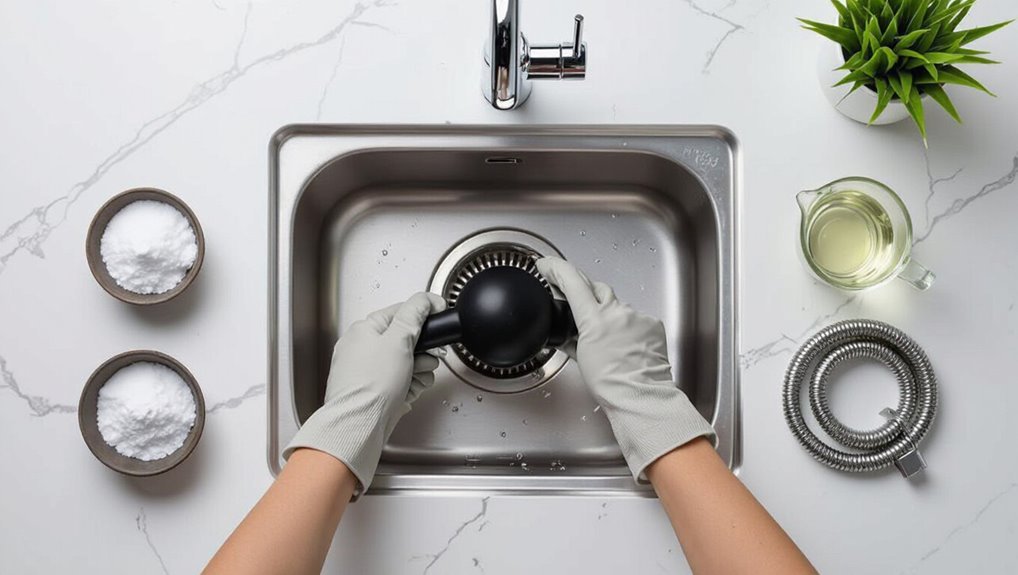
Before attempting anything, a quick safety check should confirm the water is off and electrical hazards are avoided.
If conditions are safe, try fast, no-tools methods such as plunging, flushing with hot water, or using a homemade baking soda and vinegar flush.
If these steps fail or the clog is persistent, slow-draining recurs, or foul odors persist, a professional plumber should be called.
Quick safety checks before you start
A few rapid checks can prevent injury and damage before attempting to clear a clogged kitchen sink.
The user should turn off disposal power, shut water supply if accessible, and remove standing water with a cup.
Verify no chemical drain cleaners recently used.
Wear gloves and eye protection.
Confirm nearby electrical outlets are dry.
Note pipe type and visible leaks before proceeding with how to unclog kitchen sinks.
Fast, no-tools methods to try right away
Try simple, tool-free fixes first to clear common kitchen sink clogs quickly and safely.
Run hot tap water for several minutes to dissolve grease.
Use a plunger over the drain, ensuring a tight seal and vigorous pumps.
Remove and clean the strainer basket.
Pour a mix of baking soda followed by vinegar, wait ten minutes, then flush with boiling water to dislodge residue.
When to stop and call a professional
If those quick, tool-free steps fail to restore normal flow or the clog recurs immediately, it signals the time to stop and call a professional.
Signs include persistent backups, slow drainage after multiple attempts, foul odors, water pooling, repeated clogs, visible pipe damage, or leaks under the sink.
A plumber can diagnose deeper blockages, sewer issues, or broken components and prevent further damage.
Step-by-Step Methods to Clear Stubborn Clogs
The section outlines clear, step-by-step methods for tackling stubborn sink clogs, starting with when boiling water is appropriate and when it should be avoided.
It then describes the precise baking soda and vinegar reaction procedure, proper plunger technique for kitchen sinks, and safe use of a wire coat hanger or drain snake to remove visible blockages.
Finally, it explains how to operate a hand‑powered drain auger effectively to reach deeper obstructions.
Use boiling water safely when it helps and when it doesn’t
Boiling water can dissolve grease and loosen small soap- and food-based blockages, but it must be used selectively: it works well on metal and PVC pipes for mild buildup, can warp older plastic fittings if poured too hot or too forcefully, and is ineffective against hair, mineral scale, or solid obstructions.
Use controlled pours, allow gradual cooling between batches, and stop if leaks, warping, or no improvement occur.
Baking soda and vinegar drain reaction precise steps
Begin by measuring and preparing the materials: pour about half a cup of baking soda directly into the dry sink drain, followed by a cup of white vinegar.
Then immediately cover the drain to contain the fizzing reaction and wait 15–30 minutes before flushing with hot (not boiling) water to clear loosened debris.
Repeat once if needed; use a basin under the trap if disassembling is necessary.
Manual plunge technique for sinks (proper plunger use)
After attempting the baking soda and vinegar fizz to loosen debris, attention shifts to using a plunger to dislodge remaining blockages.
Make sure sink water covers the plunger cup, seal overflow or adjacent basin with a wet rag, position the plunger vertically, and pump firmly with controlled thrusts.
Test drainage periodically; repeat until clear.
Clean and sanitize the plunger afterward.
Wire coat hanger or drain snake method safe removal of visible blockages
For clogs that sit within sight or just below the drain opening, a straightened wire coat hanger or a hand-held drain snake provides a direct, low-cost way to remove hair and gunk; wearing gloves, bend a small hook, insert gently, and rotate to catch debris.
Withdraw slowly, dispose of material, and repeat until clear. Rinse with hot water to verify flow.
Hand-operated drain auger how to use it effectively
A hand-operated drain auger lets a user reach deeper clogs that wire hangers and simple snakes cannot. By feeding its flexible cable into the drain and turning the handle, the operator breaks apart or hooks debris for removal.
Insert slowly, advance until resistance, crank clockwise to engage, then reverse while pulling debris out. Clean cable, flush drain, inspect trap for residual buildup.
Wet/dry vacuum technique for suction removal
Hand-operated augers can loosen or hook up many clogs, but some blockages respond better to suction.
A wet/dry vacuum, set to liquid mode with a tight hose seal over the drain or sink flange, can extract debris and standing water.
Use short bursts, check the filter and trap for safety, and repeat until flow returns.
Avoid prolonged continuous suction.
Remove and clean the P-trap step-by-step with precautions
Begin by turning off the water supply and placing a bucket beneath the P-trap to catch trapped water and debris.
Loosen slip nuts with pliers, remove the trap, empty contents, and inspect for hair, grease, or solids.
Clean with brush and mild detergent, rinse, and check washers for wear.
Reassemble, hand-tighten nuts, restore water, and test for leaks.
Enzyme drain cleaners vs. chemical cleaners correct use and limits
With the P-trap cleaned and reassembled, attention shifts to chemical options for stubborn clogs and when each is appropriate.
Enzyme cleaners digest organic buildup slowly, safe for pipes and septic systems but ineffective on grease or inorganic blockages.
Caustic chemical cleaners act fast on hair and grease but can damage finishes, PVC, and harm skin; follow label warnings and avoid mixing products.
Tools and Materials You’ll Need
A concise list of supplies makes quick sink unclogs more manageable, starting with common household items like a plunger, baking soda, and hot water.
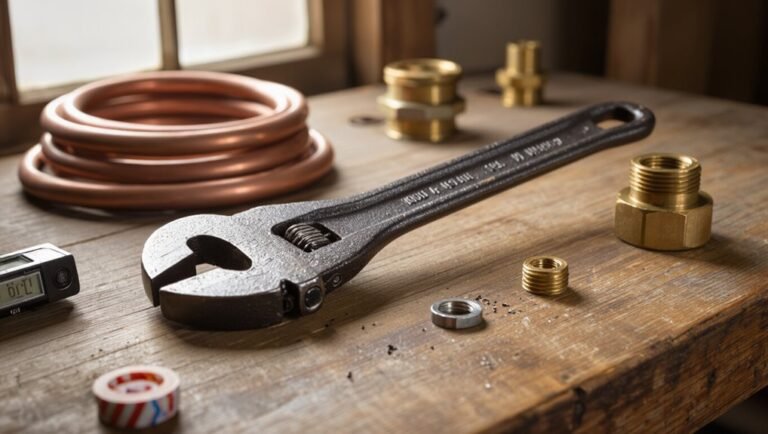
For stubborn blockages, recommended purchases include a plumber’s snake, adjustable wrench, and a basin wrench.
When choosing chemical or enzymatic cleaners, selection should be based on pipe material and safety considerations to avoid damage.
Essential household items for quick unclogging
Several common household items can quickly address most kitchen sink clogs, and keeping them on hand saves time and expense.
A short, efficient kit prevents escalation and avoids unnecessary purchases.
Essential items include:
- Plunger (cup-style) for seal-and-pull action
- Baking soda and vinegar for bubbling breaks
- Wire coat hanger or drain snake substitute for snagging debris
Recommended tools to buy for persistent clogs
Investing in a small set of purpose-built tools saves time and prevents DIY attempts from making clogs worse.
Recommended purchases focus on durability and versatility for persistent blockages:
- Plunger with flange for sinks and drains
- Basin wrench and adjustable wrench for trap removal
- Hand auger (15–25 ft) for bends and deeper clogs
These tools reduce calls to a plumber and increase successful DIY repairs.
Chemical and enzymatic products: what to choose
Which type of drain cleaner fits the clog at hand? Choose enzymatic cleaners for organic buildup and slow drains; use chemical cleaners (caustic or oxidizing) for grease and hair clogs but with caution. Follow label safety. Consider biodegradable, septic-safe formulas for routine maintenance; reserve harsh chemicals for last resort.
| Cleaner Type | Best For |
|---|---|
| Enzymatic | Organic residue |
| Caustic | Grease, hair |
| Oxidizing | Organic + buildup |
| Biodegradable | Routine use |
| Chemical caution | Last resort only |
Diagnosing the Type and Location of the Clog
Signs such as slow drainage in one basin, gurgling from other fixtures, or backups indicate whether the blockage is localized to the sink or farther down the main drain.
Simple tests—running water in each basin separately, plugging one drain, or checking nearby fixtures—help isolate which drain is affected.
Noting the material washed down (grease, food scraps, hair, or a foreign object) and where it accumulates guides the choice of removal method.
Signs the clog is in the sink vs. the main drain
How can one tell whether a stubborn blockage sits in the sink’s trap or farther down the household drain?
Standing water confined to one basin, gurgling localized to that sink, and improvement after removing the trap indicate a sink‑level clog.
Multiple fixtures backing up, slow drainage throughout the house, or gurgling from distant drains point to a main drain or sewer line obstruction.
How to test and isolate multiple drains
When multiple fixtures show symptoms, a methodical testing sequence helps pinpoint whether the obstruction lies in a single branch, the main drain, or the sewer line.
Close cleanouts and run water in individual fixtures; observe backups, gurgling, or slow drainage.
Use trap plugs to isolate sinks. If multiple isolated branches back up, suspect the main drain or sewer; call a professional for camera inspection.
Identifying common clog causes (grease, hair, food, foreign objects)
Although clogs can produce similar symptoms, examining residue type, location, and how the blockage formed reveals its cause. Observers note odor, texture, and where water pools to identify grease, hair, food, or foreign objects.
Typical signs:
- Grease: slimy, foul-smelling residue near trap.
- Hair: fibrous mats in neck of drain.
- Food/objects: crunchy or solid obstructions further down.
Preventing Future Clogs
Preventing future clogs begins with simple daily habits like running hot water after use and scraping plates into the trash before rinsing.
Monthly maintenance, such as flushing drains with a natural cleaner and checking the P-trap for buildup, helps catch problems early.
Proper disposal of grease and food waste—never pouring fats down the drain and using a compost or trash for solids—significantly reduces clog risk.
Daily habits to keep drains clear
Adopting simple daily habits can greatly reduce the likelihood of kitchen sink clogs by minimizing the materials that enter the drain and keeping pipes functioning smoothly.
Regular actions focus on prevention and quick response to buildup.
- Rinse dishes with hot water after use to wash away grease.
- Scrape solids into the trash, not the sink.
- Run cold water while using the garbage disposal to flush debris.
Monthly maintenance routines (natural cleaners, P-trap checks)
Once a month, a short maintenance routine can keep kitchen drains flowing and reduce the chance of stubborn clogs.
A weekly-style inspection becomes monthly: flush drains with hot water, follow with a vinegar and baking soda treatment, and rinse.
Remove and inspect the P-trap for debris or leaks, tighten connections, and clear accumulated gunk.
Document issues and schedule repairs promptly.
Best practices for disposing grease and food waste
Although grease and food scraps seem harmless when rinsed away, they are the leading cause of kitchen drain blockages. Disposing of them correctly prevents buildup in pipes and reduces the need for frequent cleanings.
Cool and scrape fats into a sealed container for trash, wipe pans with paper towels, avoid pouring oil down drains, use a sink strainer for solids, and compost appropriate food waste.
Common Mistakes That Make Clogs Worse
Many homeowners unintentionally worsen clogs by mixing chemical cleaners, which can create toxic reactions and corrode pipe interiors.
Using excessive force or improper tools risks denting, cracking, or loosening connections in the plumbing.
Improper P‑trap removal often leads to spills, stripped fittings, or lost seals unless basic precautions and the right wrenches are used.
Dangers of mixing chemical cleaners
Household drain cleaners may seem like a quick fix, but mixing different chemical products can create hazardous reactions that produce toxic gases, heat, or even explosive splashes.
Combining acids and bases, or bleach with ammonia, releases chloramine or chlorine gas, posing respiratory and eye injury risks.
Residual chemicals also corrode pipes and complicate professional treatment; never mix products and ventilate if exposure occurs.
Why excessive force or improper tools can damage pipes
Beyond chemical hazards, physical attempts to clear a clog can also create serious problems.
Applying excessive force, using metal tools, or pushing blockages further can crack fittings, loosen seals, or perforate pipes.
Improper plunging or snake use may damage finishes and joints, causing leaks and costly repairs.
Appropriate tools, gentle technique, and knowing limits prevent escalation and preserve plumbing integrity.
Missteps when removing P-traps and how to avoid them
Loosen the P-trap carefully: removing this curved pipe is a common step in sink unclogging, but mistakes here can turn a simple fix into a bigger problem.
Wear gloves, place a bucket, and loosen slip nuts slowly to avoid sudden spills.
Inspect washers and threads; replace damaged parts.
Avoid overtightening on reassembly and test for leaks before finishing to prevent recurring issues.
When to Hire a Plumber and What to Expect
Persistent backups, foul odors, sewage signs, or repeated clogs are red flags that indicate a professional plumber is needed.
A plumber can provide services such as camera inspection, snaking, hydro-jetting, and trap or pipe repair to remove stubborn blockages.
Homeowners should ask about the chosen method, guarantees, and an estimated cost or fee structure before work begins.
Red flags indicating professional help is needed
When should a homeowner call a professional? Persistent backups after multiple attempts, sewage odors, gurgling drains, water pooling under sinks, multiple fixtures affected, visible pipe damage, or slow drains following recent repairs signal need for expert assessment.
Electrical or gas appliances nearby, recurrent clogs, and inability to access or locate the blockage also warrant hiring a licensed plumber to prevent escalation and property harm.
Typical plumber services and methods for stubborn blockages
Call a plumber if basic remedies fail, and expect a structured diagnostic and clearing process. A professional assesses trap, lines, and vents, then applies targeted methods.
Typical services include:
- Mechanical snaking or hydro-jetting to clear deep blockages
- Camera inspection to locate damage or buildup
- Trap removal and localized repairs or part replacement
Technicians document findings and verify flow restoration.
Questions to ask your plumber and estimated costs
After a plumber documents findings and restores flow, homeowners should be prepared to ask targeted questions and understand likely costs before authorizing work.
Inquire about diagnosis details, repair options, parts and labor breakdown, warranty terms, and timeline.
Request written estimates and ask whether preventative measures are included.
Typical costs range from basic service fees to several hundred dollars for parts and complex repairs; get clarity upfront.
Troubleshooting Guide: If the First Method Fails
If the initial unclogging attempt does not clear the sink, a clear escalation sequence of progressively stronger techniques should be followed.
The guide also explains how to document symptoms and steps taken—photos, times, and odors—to aid a professional assessment.
Meanwhile, concise temporary fixes are described to limit water damage until help arrives.
Escalation sequence of techniques to try next
Work methodically through progressively more involved remedies when the initial unclogging attempt does not clear the sink.
Next steps: repeat plunging and hot water flushes, use a drain snake or auger, remove and clean the P-trap, inspect and clear the tailpiece and trap arm, try enzyme drain cleaner as directed, then test flow.
If flow remains limited, prepare for professional intervention.
How to document the problem for professionals
When the DIY steps fail, document the clog clearly and concisely so a professional can diagnose it quickly.
Record symptoms (slow drain, gurgling, backups), onset time, frequency, and recent dispose actions.
Note visible debris, water level, odors, and any noises.
Photograph under-sink plumbing, trap removal, and affected areas.
List attempted remedies and tools used, plus any relevant appliance connections.
Temporary fixes to limit water damage while waiting for help
After documenting the clog for a professional, homeowners should take quick temporary measures to limit water damage while awaiting help.
Shut off the sink’s water supply and stop using connected fixtures.
Contain leaking water with towels, buckets, and waterproof mats.
Elevate valuables and electronics.
Place a pan beneath visible drips.
Monitor for worsening leaks and record changes for the technician.
Quick Reference: Fast Solutions for Different Clog Types
Different clog types call for specific quick fixes: grease and soap buildup respond best to hot water and a degreasing dish soap followed by a plunger, food scraps are cleared more effectively by manual removal or an auger, and hair or fibrous debris yields to a drain snake or enzymatic cleaner.
| Clog | Tool | Result |
|---|---|---|
| Grease | Hot water + soap | Relief |
| Food | Auger | Clean |
| Hair | Snake | Clear |
| Residue | Enzyme | Fresh |
Conclusion
By evening, the sink once fought like a small storm; now, after the nine methods, water flows as if a hidden riverbank gave way. Coincidence mingles with craft—the plunger’s thud, a vinegar fizz, a wrench turned at the same hour—so routine and remedy align. The kitchen exhales; dishes slide under clear current. What was stubborn becomes ordinary, a solved puzzle tucked behind the steady tick of the faucet.