
How to Clean Out Toilet Pipes Fast: Step-by-Step Guide to Clear Clogs and Prevent Odors
To quickly clean out toilet pipes and clear clogs, start by shutting off the water supply. Wear gloves and eye protection for safety. Use a flange plunger with firm, steady pushes to dislodge most blockages. If this doesn’t work, try a closet auger to tackle deeper clogs. After clearing the blockage, flush the toilet to check for remaining debris. For any residue, apply an enzyme cleaner for regular maintenance or a caustic cleaner for tougher clogs, ensuring proper ventilation and following the product instructions. Avoid mixing chemicals, and if clogs persist, contact a plumber for help. Additional steps and prevention tips are provided below.
Quick solution to clear a clogged toilet fast
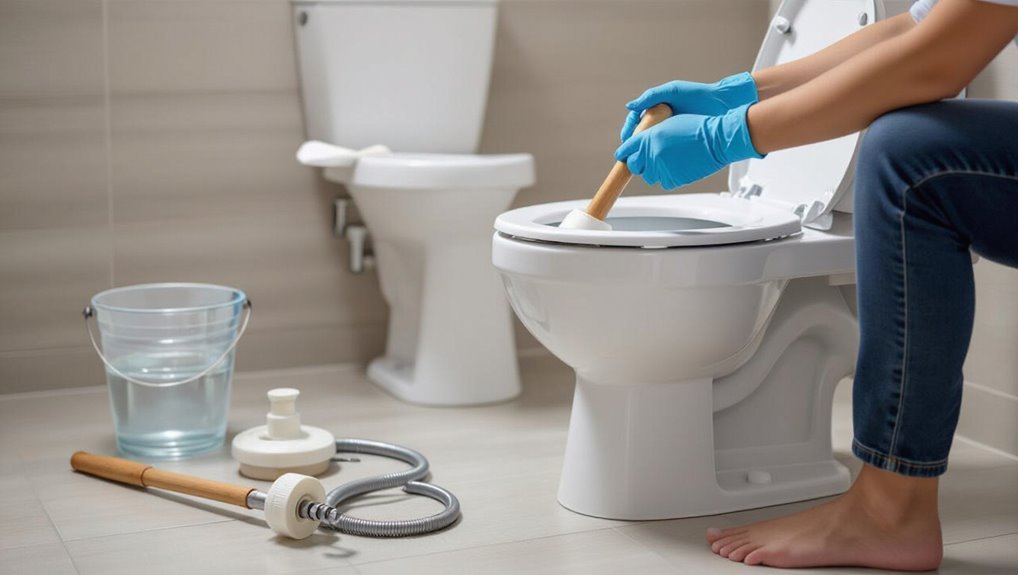
Before attempting a fix, the writer recommends shutting off the water supply, removing excess water with a bucket, and wearing gloves to avoid contact with waste.
Quick methods using common tools—firm plunging, a toilet auger for deeper clogs, and repeated flushes after clearing—are outlined for fast results.
The piece also notes clear stopping points and signs (persistent backups, foul odors, or repeated clogs) when a professional plumber should be called.
Immediate steps to take before attempting a fix
A few quick checks can prevent a minor clog from becoming a mess: inspect water level, turn off the supply valve if overflowing, and remove visible debris with gloves.
Note odors and unusual sounds to assess severity.
Consider protective gear and place absorbent towels around the base.
These steps set a safe stage for how to clean out toilet pipes without worsening the problem.
Fast methods with tools you likely have (plunger, auger, bucket)
With the scene secured and obvious hazards addressed, attention turns to simple tools that clear most toilet clogs quickly: a flange plunger, a closet auger, and a bucket.
Use firm, controlled plunges to restore flow; snake gently with an auger to break obstructions without damaging porcelain.
Bail excess water into the bucket first.
Clean and disinfect tools and surfaces after successful clearing.
When to stop and call a professional
When should one stop trying DIY fixes and call a professional?
If plunging and augering fail after repeated attempts, if water backs up into multiple fixtures, if sewer odors persist, or if there is sewage leakage or recurring clogs, contact a plumber.
Also call for visible pipe damage, unusual gurgling, or when DIY risks causing overflow or structural harm.
Prompt professional assessment prevents escalation.
Tools and materials checklist for cleaning toilet pipes
The article lists essential tools for cleaning toilet pipes and explains the purpose of each item, from plungers to hand augers.
It also notes common household substitutes that can be used in a pinch and when they are appropriate.
Finally, it outlines required safety gear and protective supplies to prevent injury and contamination.
Essential tools and why each matters
A compact set of tools and supplies guarantees fast, effective cleaning of toilet pipes by matching each task to the right implement; a clogging snake dislodges blockages, a plunger creates seal and pressure, drain-safe chemical or enzyme cleaners break down residue, a toilet brush and disposable gloves handle surface and hygiene needs, a bucket and adjustable wrench support water control and minor disassembly, and safety goggles and masks protect against splashes and fumes.
Proper selection reduces damage, speeds clearing, and limits exposure.
Household items that work as alternatives
If professional tools are unavailable, common household items can serve as effective substitutes for many toilet-pipe cleaning tasks, provided they are used carefully.
Baking soda and vinegar create a mild foaming cleaner; a wire coat hanger can dislodge blockages when straightened.
Dish soap lubricates and helps move clogs; hot (not boiling) water aids flushing.
A plastic bottle can provide targeted pressure for small obstructions.
Safety gear and protective supplies
Several essential items protect both person and home when cleaning toilet pipes: chemical-resistant gloves, splash-proof safety goggles, a disposable apron or coveralls, and sturdy footwear with slip-resistant soles.
Also recommended are a respirator mask for strong fumes, waterproof knee pads, a headlamp for visibility, absorbent mats to catch spills, and sealed waste bags.
Disinfectant and hand sanitizer finish the kit.
Step-by-step method: Unclogging with a plunger
Before plunging, the area should be cleared and surfaces protected with absorbent towels or plastic to prevent splashes and damage.
The correct plunging technique—creating a tight seal, using steady pressure and repeated pulls—will be outlined step by step for standard toilets.
If plunging does not clear the blockage, common troubleshooting options and safety precautions will be presented.
Preparing the area and protecting surfaces
One simple step is to clear the area around the toilet and lay down protective coverings to prevent water and cleaning mess from reaching floors and nearby fixtures.
Remove rugs, towels, and obstacles. Place absorbent pads or plastic sheeting; tape edges if needed.
Set aside tools and gloves within reach. Open a window or run ventilation to limit odors and moisture buildup.
Proper plunging technique for toilets
Position the plunger correctly and apply controlled pressure to create an effective seal and suction that dislodges the blockage; the flange-style plunger should be fully inserted into the bowl so the rubber flange fits into the drain opening.
Water should cover the rubber cup, and firm, steady thrusts followed by gentle pulls should be used until flow resumes.
After clearing, flush slowly to verify clearance and rinse the plunger.
Troubleshooting when plunging fails
If plunging fails to clear the toilet, proceed methodically to diagnose the problem and escalate safely: inspect for visible obstructions, verify water level in the bowl is sufficient for effective suction, reseal the flange plunger and try several firm thrusts.
If there is no movement, prepare a toilet auger or try a hot-water and dish soap pour before calling a professional.
If blockage persists, use an auger to break or retrieve the obstruction. Avoid chemical drains that can damage porcelain or seals, and contact a plumber when auger attempts fail or multiple fixtures back up, indicating a main sewer line issue.
Step-by-step method: Using a toilet auger (snake)
The section outlines how to select a toilet auger suited to flange depth and bowl shape, emphasizing materials and cable length.
It then describes the proper insertion and crank technique to clear blockages without scratching porcelain or harming the wax seal.
Finally, it covers rinsing, disinfecting, and storing the auger to prevent corrosion and cross-contamination.
How to choose the right auger for toilets
Selecting the right toilet auger hinges on matching the tool’s length, head design, and shaft flexibility to the toilet’s trap and pipe configuration.
Choose a 3–6 foot auger for residential toilets, a rubber-coated head to protect porcelain, and a flexible, kink-resistant shaft for S-bend traps.
Prefer a crank handle for control and a corrosion-resistant finish for durability.
Correct technique to avoid damaging the bowl or seal
Begin by securing the toilet area and donning gloves to prevent slips and contamination. The operator then inserts the auger gently into the bowl, keeping the curved head aligned with the trap to prevent contact between metal and porcelain.
Feed cable slowly, avoiding force; turn the handle clockwise to navigate the bend.
Stop if resistance feels sharp, back off slightly, and reposition to protect the bowl and seal.
Cleaning and storing the auger after use
After retracting the cable slowly and draining any residual water, the operator rinses the auger with clean water while keeping the head pointed into the bowl to direct drips.
The tool is disinfected with a diluted bleach solution, rinsed again, and dried thoroughly.
The cable is coiled without kinks, stored in a ventilated container, and inspected for wear before future use.
Chemical and enzyme-based treatments: When and how to use them
Chemical and enzyme-based treatments offer chemical solvents, caustic cleaners formulated for porcelain, and biological enzyme blends that break down organic buildup.
The section will outline step-by-step application, safety precautions such as ventilation and personal protective equipment, and when to avoid chemicals to prevent pipe or fixture damage.
It will also compare natural enzyme products and simple baking soda/vinegar methods as safer, slower alternatives.
Types of drain cleaners safe for toilets
When choosing a drain cleaner for a toilet, homeowners should consider two main categories—caustic chemical formulations and enzyme-based biological treatments—each suited to different kinds of clogs and maintenance needs.
Caustic products dissolve organic blockages quickly but require careful handling and limited use.
Enzyme-based cleaners work slower, biodegrade organic matter safely, and are preferred for routine maintenance and septic systems.
Step-by-step use and precautions
Having outlined the differences between caustic and enzyme-based options, the next step is clear guidance on when each should be applied and how to do so safely.
Use caustics for severe organic blockages, following label dosages, ventilating, wearing gloves and eye protection, and avoiding mixing chemicals.
Use enzymes for regular maintenance or mild clogs, allowing recommended dwell time and keeping children and pets away until treatment finishes.
Natural enzyme and baking soda/vinegar alternatives
Consider natural enzyme cleaners and the classic baking soda-vinegar mix as gentler alternatives for routine maintenance and mild clogs.
Enzyme products digest organic buildup safely; follow label directions and allow dwell time.
Baking soda then vinegar foams to loosen debris—flush with hot (not boiling) water afterward.
Avoid mixing enzymes with harsh chemicals.
Choose treatments suited to pipe material and clog severity.
DIY combinations for stubborn clogs
Practical DIY combos can quickly clear stubborn toilet clogs when chosen and used safely.
Common approaches include a plunger with hot water, using an auger followed by a targeted chemical or enzyme treatment, and applying controlled pressure with a wet/dry shop vac.
Each method carries cautions—protective gear, proper tool technique, and avoiding dangerous chemical mixtures—so users should follow instructions closely.
Plunger plus hot water method
Combine steady plunging with a carefully poured stream of hot (not boiling) water to tackle stubborn toilet clogs quickly and safely.
The user should position the plunger for a firm seal, plunge rhythmically, then pour hot water from waist height to add pressure and soften obstructions.
Repeat cycles as needed. This method avoids chemicals and often restores flow without professional tools.
Auger plus chemical/enzyme follow-up
An auger is used first to mechanically break up or retrieve the obstruction.
If residual organic material remains, a follow-up application of a chemical drain cleaner or a biological enzyme treatment can help dissolve buildup and restore flow.
The operator should rerun the auger if needed, then apply products per label, allow dwell time, flush thoroughly, and ventilate the area to reduce fumes and odors.
Safe pressure methods (wet/dry shop vac) and cautions
Use a wet/dry shop vac to apply controlled suction or short bursts of pressure to dislodge clogs, taking care to seal the hose tightly around the flange or toilet bowl opening and to set the machine for wet pickup.
Operate briefly, wear eye and glove protection, and avoid excessive force.
Never combine with chemical drain cleaners; vent the area and test flow before reinstalling fixtures.
Preventing recurring clogs and odors in toilet pipes
To prevent recurring clogs and odors, the text outlines habits and items to avoid—such as flushing wipes, grease, and excessive paper—and identifies common household sources of blockages.
It then recommends a simple routine maintenance schedule with periodic flush tests to confirm clear flow and early detection of slow drains.
Finally, it summarizes preventive products like bio-enzymes and in-tank cleaners that reduce buildup without harsh chemicals.
Habits to avoid and items that cause blockages
Although occasional blockages happen, most recurring clogs and persistent odors stem from regular habits and specific items that should never enter toilet pipes.
Flushing wipes, feminine hygiene products, cotton swabs, dental floss, paper towels, and excessive toilet paper causes buildup. Grease, medications, and solids from pets also obstruct drains.
Encouraging mindful disposal, limiting flushable claims, and educating household members prevents repeated blockages and odors.
Routine maintenance schedule and simple flush tests
A simple, regular maintenance schedule—inspecting seals and vents monthly, checking trap flow and tank components quarterly, and performing a basic flush test after heavy use periods—helps catch developing blockages and odors before they escalate.
Record results, note slow drains or gurgling, and clear minor obstructions promptly. Immediate attention to leaks, loose fittings, or persistent odors prevents recurrence and reduces need for emergency repairs.
Products that help prevent buildup (bio-enzymes, in-tank cleaners)
Several commercially available products reduce organic buildup in toilet pipes by maintaining enzymatic or chemical action between flushes.
Bio-enzyme additives break down fats, proteins and cellulose, improving flow and reducing odors.
In-tank tablets and tablets clipped inside the bowl deliver detergents or disinfectants; users should choose septic-safe formulas, follow manufacturer dosing, and avoid harsh bleaches that can damage seals and plumbing.
Identifying signs of deeper plumbing issues
Persistent odors, slow drains, and gurgling sounds often indicate issues beyond a simple clog and can point to sewer line damage or venting problems.
Such symptoms warrant checking for multiple affected fixtures, water backing up, or bubbles in nearby drains as signs that the problem is systemic.
Homeowners can perform basic checks—inspect cleanout access, test other drains, and note odor patterns—before contacting a plumber.
Persistent odors, slow drains, and gurgling sounds explained
Noticeable odors, slow drains, and gurgling sounds often indicate issues beyond surface-level clogs and should prompt a closer inspection of the piping system.
These signs can reflect trapped organic buildup, partial blockages in branch lines, or failing seals allowing sewer gas escape.
Timely assessment helps pinpoint problematic sections, guiding targeted cleaning, seal replacement, or professional diagnostics before deterioration worsens.
When sewer line problems or venting issues are likely
If odors, slow drains, and gurgling persist despite routine cleaning, the problem may lie deeper in the sewer line or venting system.
Additional indicators include repeated backups, multiple fixtures affected, sewage smells outdoors or in basements, and bubbling toilets when other drains run.
Cracked or collapsed pipes, tree root intrusion, or blocked vents often cause these systemic symptoms, signaling professional inspection is warranted.
Diagnosing with basic homeowner checks before calling a plumber
Before calling a plumber, a homeowner can perform a handful of quick checks to distinguish routine clogs from deeper sewer or venting problems.
Inspect other drains for simultaneous backups, listen for gurgling sounds, note slow drainage or persistent odors, and check roof vents for obstructions.
Record frequency and triggers; consistent, widespread issues indicate professional diagnosis rather than simple DIY clearing.
Safety warnings and environmental considerations
The article notes that mixing household cleaners can produce dangerous fumes and that contact with corrosive products poses health risks.
Users should wear gloves and ventilate the area. It advises on proper disposal of waste and spent chemicals to prevent contamination of drains and local waterways.
It also mentions eco-friendly alternatives, while recognizing they may be less effective on severe clogs and have practical limitations.
Mixing chemicals and chemical exposure risks
Exercise caution when handling household cleaners around toilet pipes, as combining products can produce toxic gases or reactions that harm people and plumbing.
Users should never mix bleach with acids, ammonia, or drain cleaners.
Adequate ventilation, gloves, and eye protection reduce exposure.
Read labels for incompatibilities and emergency instructions.
If exposure occurs, seek fresh air and medical help; contact poison control promptly.
Proper disposal of waste and used chemicals
After addressing exposure risks, attention should shift to proper disposal of residues and used cleaning products to protect people and the environment.
Contaminated towels, drain debris, and diluted solutions should be double-bagged and labeled. Never pour concentrated chemicals into storm drains or soil.
Follow local hazardous-waste guidelines, use municipal disposal programs, and avoid mixing wastes.
Keep records of disposed items for compliance and future reference.
Eco-friendly options and their limitations
While eco-friendly cleaners and methods reduce reliance on harsh chemicals, they are not risk-free and have practical limits that should guide their use.
Biodegradable enzymatic products and vinegar-baking soda mixes are safer for plumbing and ecosystems but act slowly and may not remove heavy blockages.
Users should avoid excessive volumes, follow product instructions, and consult professionals for persistent clogs to prevent damage or contamination.
Comparison of unclogging methods by speed, cost, and safety
A brief comparison of common unclogging approaches highlights trade-offs between immediate speed, ongoing cost, and user safety. The table below summarizes quick fixes versus long-term prevention methods to guide appropriate choice. Readers are encouraged to weigh rapid effectiveness against maintenance needs and hazards.
| Method Type | Speed | Safety/Cost |
|---|---|---|
| Plunger & auger | Fast | Low cost, moderate safety |
| Chemical cleaners | Fastest | Higher risk, ongoing cost |
| Regular maintenance | Slow to show | Low risk, cost-effective over time |
Best methods for quick fixes
Several common quick-fix methods for unclogging toilet pipes can be compared by speed, cost, and safety to determine the most suitable option for a given situation.
Plunging is fast, inexpensive, and low-risk for typical clogs. A hand auger offers higher success for stubborn blockages with moderate cost and care.
Enzyme cleaners are safe but slower; chemical drain cleaners act quickly but pose safety and pipe-damage risks.
Best methods for long-term prevention
Prioritizing preventive methods reduces the frequency of clogs and the need for emergency fixes.
Routine measures—regular enzyme treatments, mindful waste disposal, and occasional hot-water flushes—score high for safety and low cost but act slowly.
Mechanical inspections and professional hydro-jetting are faster and more reliable long-term; they cost more and require technicians.
Balance frequency, budget, and risk when choosing prevention strategies.
Common mistakes to avoid when clearing toilet pipes
When clearing toilet pipes quickly, common errors can cause more harm than the clog itself. The following points highlight actions that risk damaging the fixture or plumbing and the dangers of misusing chemicals and tools. Readers should heed these warnings before attempting any fast unclogging method.
- Using excessive force or inappropriate tools that can crack porcelain or dislodge seals
- Mixing chemical cleaners or pouring strong acids that corrode pipes and release toxic fumes
- Ignoring proper protective gear and manufacturer instructions for plungers, augers, or drain chemicals
Actions that can damage the toilet or plumbing
Avoiding common mistakes is essential because improper attempts to clear toilet pipes can worsen blockages, crack porcelain, or damage seals and plumbing connections.
For example, exerting excessive force with tools, using metal objects to probe, or removing bolts without proper support can break the bowl or cause leaks.
Skipping isolation of water supply or ignoring mounting stability risks floods and costly repairs.
Misuse of chemicals and tools
Handle chemicals and tools with care: misuse can corrode pipes, ruin seals, void warranties, or create hazardous reactions.
Users should avoid mixing drain cleaners, pouring concentrated acids, or using excessive force with augers.
Do not use wire brushes on porcelain or force chemicals into septic systems.
Proper PPE, manufacturer instructions, and calling a professional for stubborn clogs prevent damage and safety risks.
When to hire a professional plumber
When problems persist or the issue seems beyond basic tools, a professional plumber can explain typical service-call costs and what to expect during the visit.
Homeowners should be prepared to provide details such as pipe type, symptom timeline, and any recent repairs, and to ask about diagnostic fees, hourly rates, guarantees, and repair versus replacement options.
Clear communication up front helps set scope, avoid surprises, and guarantee an accurate estimate.
Costs and what to expect from a service call
How much a plumber will charge depends on the job’s complexity, time of day, and local rates; simple snaking for a clogged toilet often runs as a lower flat fee, while repairs involving pipe replacement, significant blockages, or emergency after-hours service raise the price substantially.
Expect an initial diagnostic fee, an estimate before work starts, parts and labor itemization, and clear payment terms including any warranties.
Questions to ask a plumber and information to provide
Who should be asked what, and what details should be ready to share: a homeowner preparing to hire a plumber should compile concise information about the problem—when it started, symptoms (slow drain, gurgling, backups), any recent plumbing work or DIY attempts, fixture types and ages, and whether multiple drains are affected—and be prepared to ask the plumber about credentials, estimated diagnosis and repair costs, expected timeline, warranty on work and parts, and whether the job will require permits or subcontractors.
A plumber should request photos, access instructions, and clarify pricing structure, scope, and follow-up availability.
Checklist: Quick reference for clearing and preventing toilet clogs
A concise checklist gives clear steps for quickly clearing and preventing toilet clogs, organized so users can act fast and avoid recurring problems.
It lists immediate actions, tools, safety steps, and maintenance tasks for routine prevention. Follow items in order, noting when to stop and call a professional.
- Wear gloves, use a plunger, test flushing
- Use auger carefully, avoid chemicals
- Schedule monthly inspections and avoid excess paper
Conclusion
The guide wraps up by stressing practical, timely action: tackle clogs immediately to nip problems in the bud and avoid bigger headaches. Simple tools like a plunger or auger often solve most issues, while enzyme treatments offer gentle maintenance. Avoid common mistakes and know when to call a pro to prevent needless damage. Following the checklist keeps pipes clear and odors at bay, turning reactive fixes into routine prevention.