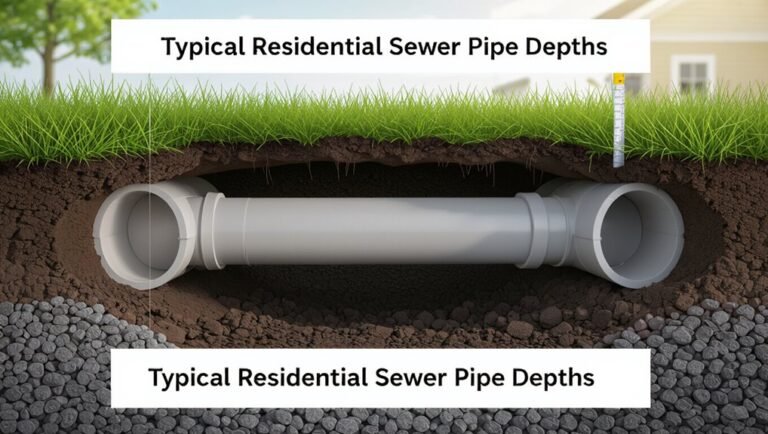
How to Clean Out Backyard Drains Fast: Step-by-Step Guide for Clogs, Debris & Odors
To quickly clear backyard drains, start by removing surface debris and lifting any grates. Use a rake or plumber’s snake to dislodge leaves and sediment. For shallow traps, flush with a garden hose or a wet/dry vacuum. If you encounter roots or stubborn clogs, consider using a power auger or hiring a professional. To neutralize odors, mix baking soda and vinegar, then rinse with hot water. The guide also includes maintenance tips, safety precautions, and advice on when to seek professional assistance.
Fast Overview: Can You Clean Backyard Drains Yourself?
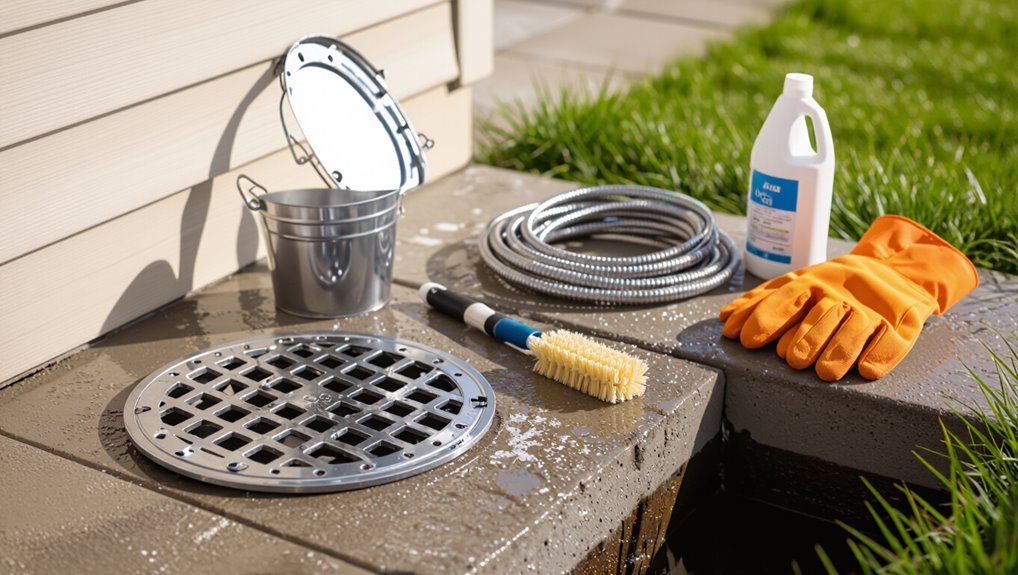
A brief assessment helps determine whether a homeowner can tackle a backyard drain issue or should hire a professional.
Minor clogs from leaves, sediment, or small root intrusions are often manageable with basic tools and routine maintenance.
Extensive blockages, persistent backups, structural damage, or deep root systems typically require professional inspection and repair.
When to DIY vs. When to Call a Professional
When drainage issues are minor—slow runoff after rain, surface debris, or a localized clog near a visible grate—homeowners can usually handle cleaning with basic tools and safety precautions.
However, persistent backups, foul odors from underground lines, recurring blockages, or any signs of collapsed pipe require a professional assessment and repair.
For simple tasks, follow clear how to clean out backyard drains steps; call pros for structural or health risks.
Typical Causes of Backyard Drain Problems
Homeowners can generally handle routine surface clogs, but determining whether a problem is DIY-safe depends on its cause:
Common backyard drain issues include surface debris and leaf buildup, sediment and soil washing into grates, roots infiltrating joints, collapsed or misaligned pipes from ground movement, animal nests or carcasses in underground lines, and grease or non-biodegradable items causing stubborn blockages.
Professionals are advised for structural, root, or contamination problems.
Quick-Start Checklist: What You Need Before You Begin
Before beginning work on a backyard drain, one should confirm the required items and precautions are in place.
- Tools and materials (manual and power options)
- Safety gear and precautions
- When to shut off water, electricity, or notify neighbors
These checks minimize risk and help determine whether the job is a simple DIY or needs professional help.
Tools and Materials (manual and power options)
A concise checklist of tools and materials helps guarantee the drain-cleaning task proceeds safely and efficiently.
Recommended manual and power options, consumables, and accessories are listed briefly.
- Drain snake (hand auger), flat shovel, bucket.
- Electric drain auger, wet/dry vacuum, extension hose.
- Biodegradable drain cleaner, spare gloves, replacement gaskets and sealant.
Safety Gear and Precautions
Essential protective gear and a few simple precautions reduce injury and contamination risk when cleaning backyard drains.
Wear nitrile gloves, eye protection, a dust mask, and waterproof boots. Use long-handled tools to avoid reaching into openings.
Keep a first-aid kit and disinfectant nearby. Work in daylight or with adequate lighting, maintain clear footing, and avoid inhaling fumes from chemicals or rotting debris.
When to shut off water, electricity, or notify neighbors
When should water or power be shut off, and when should neighbors be informed?
The homeowner should shut off water when main cleanout work risks flooding or involves valve replacement.
Shut electricity if using powered tools near wet areas.
Notify neighbors if work may interrupt shared supply, create noise, or cause runoff onto adjacent properties.
Provide advance notice and estimated duration.
Step-by-Step Guide to Clearing Clogged Backyard Drains
The guide outlines a clear sequence for addressing clogged backyard drains, beginning with inspecting the area and identifying the blockage.
It then covers removing surface debris and grates, followed by manual clearing with rakes, tongs, or a plumber’s snake.
Targeted water flushing using a garden hose and high-pressure techniques is also included.
If those steps fail, mechanical options such as a power auger or pressure washer are presented as next steps.
Step 1 Inspect and Locate the Problem Area
Begin by visually surveying the yard to identify where water pools, drains back up, or flow slows, noting any nearby downspouts, gutter outlets, and low spots that collect debris.
Next, trace visible lines and listen for gurgling at outlets.
Mark suspected obstructions, check catch basins and accessible pipe inlets for odors or standing water, and record locations for targeted clearing.
Step 2 Remove Surface Debris and Grates
After locating the problem area, clear loose leaves, sticks, and sediment from around and atop drain grates using gloves and a stiff brush or leaf rake to expose the inlet.
Lift or unscrew the grate if needed, set it aside, and remove accumulated debris by hand or with a small trowel, placing waste into a bucket or tarp for disposal to prevent it from re-entering the drain.
Inspect grate for damage, clean buildup, and rinse the opening with a hose to flush remaining fine particles before replacing the grate securely.
Step 3 Manual Clearing with Hand Tools (rakes, tongs, plumber’s snake)
With the grate removed and loose debris cleared, attention shifts to clearing deeper blockages using hand tools. A metal rake teases compacted leaves; long tongs extract twigs and trash.
For stubborn clogs, a plumber’s snake is fed down the pipe, turned to catch obstructions, then withdrawn steadily. Collected waste is bagged, and tools are rinsed before replacement of the grate.
Step 4 Using a Garden Hose and High-Pressure Water Techniques
Turn on the garden hose and aim a steady, high-pressure stream into the drain opening to dislodge remaining sediment and organic debris.
Work methodically, sweeping the nozzle side-to-side and flushing toward the outlet.
Pause to let loosened material flow out, repeat as needed.
Inspect visually or with a flashlight to confirm clear passage.
Dry the area and replace grates securely.
Step 5 Mechanical Options: Power Auger and Pressure Washer Use
If a garden hose and focused water flow do not fully clear the blockage, mechanical tools offer greater force and reach for stubborn clogs.
A power auger (drain snake) dislodges roots, compacted debris, and blockages; feed slowly, retract debris, and wear eye protection.
A pressure washer with a sewer nozzle can scour pipe walls—use controlled pressure to avoid damage and inspect results afterward.
Step 6 Treatment for Organic Build-up (enzymatic cleaners vs. chemical cleaners)
When organic matter—leaves, algae, grease, and biofilm—has accumulated inside a backyard drain, choosing an appropriate treatment becomes essential to prevent recurring clogs and protect pipe integrity.
Enzymatic cleaners digest organic residues gradually, are safer for pipes and the environment, and suit maintenance.
Chemical cleaners act fast on stubborn build-up but risk corrosion, harm to plants, and require cautious use; follow label precautions.
Step 7 Flushing and Final Inspection
Begin the final stage by flushing the drain with a steady flow of water while observing flow rate and any remaining backups; this verifies that obstructions have cleared and reveals leaks or slow spots needing further attention.
Inspect joints, visible pipe sections, and surrounding ground for seepage. Note lingering odors or discoloration.
If flow is smooth and no defects appear, document findings and conclude the procedure.
Step 8 Restoring Covers and Tidying the Site
After confirming that flow is restored and no leaks remain, attention shifts to replacing covers and cleaning the surrounding area.
Caps, grates, and access lids are seated, fasteners tightened, and seals checked.
Tools and debris are collected, disposed of properly, and surfaces rinsed.
Vegetation disturbed during work is repositioned.
The site is inspected for safety, restored to original condition, and documented if needed.
How to Eliminate Persistent Odors from Outdoor Drains
Persistent odors in backyard drains often stem from organic buildup, stagnant water, or bacterial growth in trap and pipe crevices.
Simple natural deodorizing methods—such as pouring a baking soda and vinegar mixture, rinsing with hot water, or using citrus peels—can neutralize smells and break down residues.
If odors persist or indicate contamination, targeted commercial deodorizers or disinfectants formulated for outdoor drains should be considered.
Causes of Bad Smells in Backyard Drains
Identify the source of the smell before treating it:
Backyard drain odors commonly arise from trapped organic debris, stagnant water in shallow trap sections, broken or missing P-traps, sewer gas entering through cracked seals or dry traps, and bacterial buildup in drain lines or catch basins.
Other causes include root intrusion causing stagnation, debris accumulation in grates, and animal carcasses within underground lines or shallow sump areas.
Natural Deodorizing Methods (baking soda, vinegar, citrus)
Once the source of an outdoor drain odor has been located, simple natural deodorizing methods can be used to neutralize smells without harsh chemicals.
A baking soda flush followed by white vinegar foams and lifts residue; rinse with hot water.
Citrus peels left near grates or steeped in boiling water add fresh oils.
Repeat weekly and after heavy rain to maintain freshness.
When to Use Commercial Deodorizers or Disinfectants
When should commercial deodorizers or disinfectants be considered for outdoor drains? They are appropriate when persistent odors remain after physical cleaning and natural treatments, when biological growth (mold, mildew, bacteria) is evident, or when drains serve high-traffic areas requiring stronger sanitation.
Choose products labeled for outdoor use, follow dilution and safety instructions, and avoid harsh chemicals that can harm plants, pets, or downstream ecosystems.
Preventative Maintenance Plan to Keep Drains Flowing
A preventative maintenance plan outlines a seasonal schedule and simple weekly and monthly tasks to keep backyard drains flowing.
It also covers landscaping and gutter strategies to reduce debris entry and the use of screens, traps, and backflow preventers to block solids and roots.
Clear responsibilities and a checklist help guarantee consistent implementation and timely inspections.
Seasonal Maintenance Schedule
Though seasonal weather and yard use vary, a simple, consistent maintenance schedule prevents most backyard drain problems before they start.
Inspect drains each season, adjust tasks for rainfall and foliage, and document issues.
Recommended quarterly actions:
- Spring: remove winter debris, test flow, clear grates.
- Summer: check for sediment, trim nearby plants.
- Fall: collect leaves, flush lines before freeze.
Simple Weekly and Monthly Tasks
Establishing a brief routine of weekly and monthly checks prevents small clogs and keeps backyard drains functioning reliably.
Routine inspections catch debris, odors, and slow spots early.
Recommended tasks:
- Weekly: remove surface debris, run water through drains, check grates.
- Monthly: flush with hot water, inspect trap seals, tighten fittings.
- Quarterly: note trends, schedule professional cleaning if needed.
Landscaping and Gutter Strategies to Reduce Debris Entry
Because leaves, mulch, and runoff are the most common sources of backyard drain blockages, thoughtful landscaping and properly maintained gutters form the first line of defense.
Placing debris-generating plants away from drain inlets, installing edging or gravel buffers, and using gutter guards and downspout extensions all reduce the volume of material reaching drainage openings.
Regular pruning, timely leaf removal, and slope adjustments direct water away, minimizing sediment buildup.
Installing Screens, Traps, and Backflow Preventers
Landscaping and gutter measures reduce the amount of debris reaching backyard drains, but physical fittings at the drain itself provide the next layer of protection.
Install removable screens to catch leaves, use P-traps or sediment traps for sand and grit, and fit backflow preventers to stop sewage or storm surge.
Regular inspection and cleaning of these devices preserves flow and prevents odors.
Common Problems, How to Diagnose Them, and Fixes
The section outlines typical backyard drain problems and straightforward steps to distinguish slow drainage from a complete blockage.
It also covers structural failures such as collapsed pipes, tree root intrusion, and erosion, with guidance on inspection and appropriate repairs.
Finally, it explains when persistent odors suggest septic or sanitary sewer issues requiring professional assessment.
Slow Drainage vs Complete Blockage Diagnosis Steps
Identify whether a yard drain is merely slow or completely blocked by observing flow rate, listening for gurgling or bubbling, and checking nearby low spots after heavy water use.
For slow drains, remove surface debris, flush with a hose, and use a biodegradable enzyme treatment.
For complete blockages, lift grates, probe with a drain snake, and flush sections sequentially until water moves freely.
Structural Issues: Collapsed Pipes, Tree Root Intrusion, Erosion
After addressing slow drains and surface blockages, attention must turn to structural causes that require repair rather than simple cleaning.
Collapsed pipes, tree root intrusion, and erosion produce persistent backups, sinkholes, or misaligned flow.
Diagnose via camera inspection, probing, and surface sinking.
Fixes include pipe replacement, targeted root cutting with sealing or pipe lining, and soil stabilization or regrading to restore proper drainage.
When odors indicate septic or sanitary sewer problems
When a persistent sewage odor lingers around a yard, it often signals problems in the septic system or sanitary sewer rather than surface debris.
Common causes include full or failing septic tanks, broken or leaking sewer lines, and blocked venting.
Diagnose by locating wet spots, slow drains, gurgling vents, or high tank levels.
Call a licensed plumber or septic service for inspection, pumping, pipe repair, or vent clearing.
Tools, Materials, and Cost Comparison
Affordable DIY tools and materials can handle most backyard drain clogs at low cost, while recurring issues or large blockages may justify hiring a pro. The following quick comparison highlights typical price ranges and the emotional relief or frustration tied to each choice. Readers can use this to weigh upfront expense against long-term peace of mind.
| Option | Typical Cost | Feeling |
|---|---|---|
| Liquid drain cleaner | $5–$15 | Quick relief |
| Hand auger / snake | $15–$60 | Empowered |
| Professional service | $150–$400+ | Reassured |
| Repeat repairs over time | Variable | Frustrated |
Affordable DIY Options and Typical Costs
Compare common DIY methods by tool needs, materials, and expected costs to choose the best balance of expense and effectiveness.
Hand tools (gloves, grabber, plunger) typically cost $10–30.
Drain snakes and augers run $20–80.
Chemical or enzymatic cleaners cost $5–25 per bottle.
Pressure washer/nozzle attachments or wet vacs are $50–200.
Combined, most homeowners spend $10–100 for routine clearing.
When professional service becomes cost-effective
Consider hiring a professional once clog severity, repeated failures, or required equipment push projected DIY expenses and time beyond the cost of a service call.
Professionals offer inspection tools (camera), high-pressure jetting, and chemical-safe disposal, reducing recurrence.
Compare quoted service fees, rental and purchase costs, and time investment.
Choose pros when repair complexity, liability risk, or cumulative DIY costs exceed transparent contractor pricing.
Safety, Environmental, and Legal Considerations
When cleaning backyard drains, the author notes that chemical cleaners must be used and disposed of safely to prevent harm to people, pets, and local waterways.
Care should be taken to avoid contact with lawns, plants, and nearby structures that can be damaged by harsh products or improper techniques.
The homeowner is advised to follow local regulations on stormwater and sewer discharge to avoid fines and protect downstream systems.
Safe Use and Disposal of Chemical Cleaners
Handle chemical drain cleaners with caution: they can quickly dissolve clogs but pose significant risks to human health, plumbing, and the environment if misused.
Users should follow label instructions, wear gloves and eye protection, ventilate the area, and never mix products.
Neutralize residues per manufacturer guidance, dispose of unused chemicals at hazardous-waste facilities, and comply with local regulations to avoid contamination and liability.
Avoiding Damage to Lawns, Plants, and Nearby Structures
After using or disposing of chemical cleaners, attention must shift to protecting surrounding lawns, plants, and structures from accidental exposure.
Inspect runoff paths, cover sensitive vegetation, and absorb spills with inert materials.
Rinse areas sparingly with clean water away from roots and foundations.
Check hardscape for staining or corrosion; neutralize residues per product guidance.
Document actions and monitor for damage over several days.
Local regulations for stormwater and sewer discharge
Because local ordinances and utility rules determine where and how runoff and cleaning residues may be discharged, compliance is essential to avoid fines, environmental harm, and costly remediation.
Homeowners should check municipal stormwater codes, sewer connection rules, and prohibited-discharge lists. Obtain permits when required, follow best management practices, and document disposal.
Contact local public works for guidance to guarantee legal, safe handling of drain cleaning wastes.
Troubleshooting Scenarios and Quick Remedies
Troubleshooting common backyard drain issues helps identify causes and quick remedies before professional help is needed.
Common scenarios to evaluate include:
- After heavy rain: flooded or slow-draining yard
- Recurrent clogs in same spot
- Foul smell returns shortly after cleaning
For each, a focused inspection of surface debris, pipe access points, and nearby vegetation often reveals the next corrective step.
After Heavy Rain: Flooded or Slow-Draining Yard
Heavy rains can leave yards pooled with water or draining sluggishly, signaling clogged drains, compacted soil, or overwhelmed drainage paths.
Inspect visible drains, remove surface debris, and clear grates. Use a gutter-style snake or pressurized hose to dislodge blockages.
Improve soil infiltration with aeration and amend with coarse sand or compost. If persistent, redirect flow to a dry well or swale for relief.
Recurrent Clogs in Same Spot
When clogs recur in the same spot, it signals a persistent source—such as a structural flaw, nearby root intrusion, or a recurring debris funnel—that simple clearings won’t fix.
Inspect pipe alignment and joint integrity, check for roots with a camera, and evaluate surface grading.
Employ mechanical root cutting, regrade drain paths, or replace damaged sections.
Schedule professional inspection if problems persist.
Foul Smell Returns Shortly After Cleaning
A persistent foul odor shortly after cleaning indicates that the source—bacteria, trapped organic matter, or a compromised trap seal—is still present or being reintroduced into the drain system.
Inspect for remaining debris, biofilm on pipe walls, and broken or dry traps.
Flush with hot water and enzymatic cleaners, clear vent blockages, reseal or replace damaged traps, and monitor to confirm odor elimination.
When to Hire a Professional and What to Expect
When basic clearing and camera inspection fail or signs indicate major structural issues, the homeowner should consider an excavator, plumber, or drain specialist depending on whether pipes, roots, or buried lines are involved.
Before hiring, they should ask about specific experience with similar jobs, required permits, diagnostic steps, and written estimates outlining labor, materials, and warranties.
Expect the contractor to perform a diagnosis, propose repair or replacement options, provide a timeframe for work and follow-up, and supply warranty or guarantee terms for the service.
Signs You Need an Excavator, Plumber, or Drain Specialist
If persistent water pooling, foul odors, or recurring backups occur despite routine maintenance, it signals that a professional assessment is needed.
Indications include collapsed or misaligned pipes, large sinkholes, repeated clogging after cleaning, sewage smell indicating deeper breaks, or standing water after heavy rain.
Severe root intrusion, failing catch basins, and visible erosion warrant excavator, licensed plumber, or drain specialist intervention.
Questions to Ask a Contractor and Typical Service Steps
Why hire a specialist rather than attempt more DIY repairs? A contractor brings licensing, insurance, diagnostic tools, and experience.
Ask about licenses, references, scope, costs, permits, and cleanup.
Typical steps: inspection, camera diagnosis, quoted repairs, clearing or excavation, repairs or replacements, testing, and final cleanup.
Expect written estimates, timelines, and clear communication before work begins.
Estimated Timeframes and Warranty/Guarantee Issues
Although the scope of backyard drain work varies, most routine services—snaking, jetting, and minor repairs—are completed within a few hours.
Camera inspections with documented findings typically add another hour, and larger jobs requiring excavation can extend to a day or more.
Homeowners should hire professionals for complex blockages; verify written estimates, clear timelines, and warranty terms covering labor, parts, and follow-up service to avoid surprises.
Conclusion
By following the step-by-step methods, the homeowner finds the blocked backyard drain cleared just as a sudden storm approaches—coincidence or good timing—proving routine care pays off. Regular checks, basic tools, and safer cleaners prevented recurring clogs and odors, saving time and expense. When problems persist beyond simple fixes, professionals step in. Overall, simple maintenance habits turn unexpected backups into manageable tasks, keeping outdoor spaces usable and odor-free.