How to Dissolve Clay in a Drain Safely: Step-by-Step Fixes That Work
How to Dissolve Clay in a Drain Safely
To safely dissolve clay in a drain, start by wearing gloves and goggles, and inspect the pipes for damage. Use mechanical methods such as plunging, snaking, or removing the trap to scoop out any clay deposits. Flush the drain with very hot water mixed with mild dish soap. If necessary, repeat the heating cycles or use enzyme cleaners to break down organic residues. Avoid using caustic acids or lye, as they can cause further damage. If you still experience slow drains or multiple fixtures are affected, consider seeking professional help for inspection and hydro-jetting.
What Causes Clay to Clog Drains and Why It’s Problematic
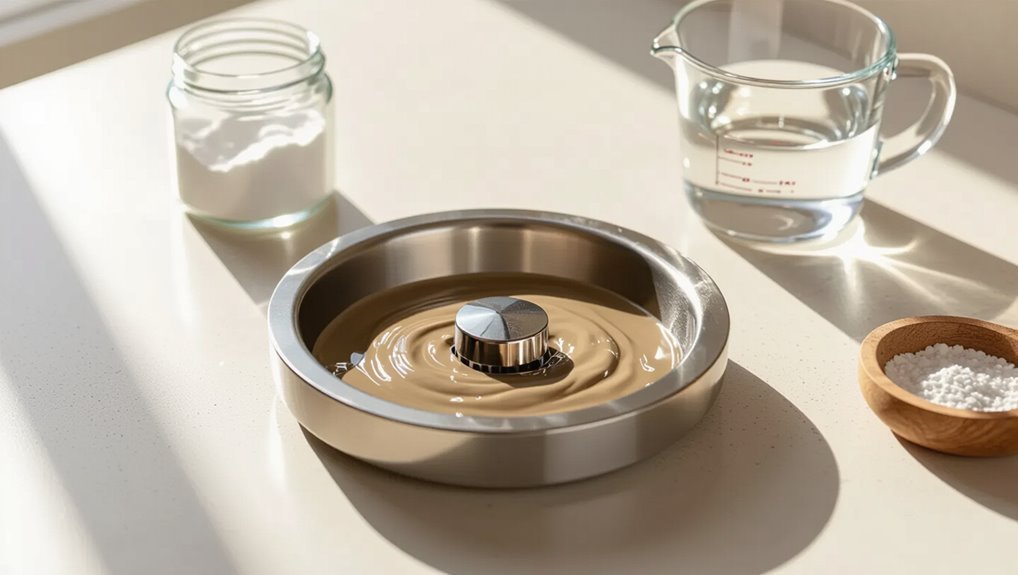
Clay particles tend to absorb water and swell, forming dense, pasty deposits that adhere to pipe walls and narrow flow paths.
They commonly enter drains from gardening activities, food waste passed through disposals, and outdoor runoff carrying sediment into yard drains.
Left unaddressed, clay buildup can cause blockages, accelerate pipe corrosion or cracking, and produce persistent odors from trapped organic matter.
How clay behaves in plumbing pipes
Clumps of fine earth can compact and adhere to pipe walls, forming dense, sticky masses that restrict flow and trap additional debris.
Inside pipes, clay swells when wet, hardens when dry, and abrades fittings, creating irregular flow paths and pockets where odors and bacteria accumulate.
Understanding these behaviors guides appropriate methods for how to dissolve clay in drain without damaging pipes.
Common scenarios where clay enters drains (gardening, sink disposal, outdoor runoff)
Many everyday activities introduce clay into household drains: gardening tasks that wash potting soil down outdoor sinks and mud off tools, kitchen disposals that receive vegetable scraps mixed with gritty soil from unwashed produce, and stormwater runoff that carries fine sediment from yards and construction sites into gutters and storm drains.
Clay also enters via washing muddy footwear, rinsing plant pots, and construction washout, depositing fine particles.
Risks of ignoring clay buildup (blockage, pipe damage, odors)
Left unchecked, the sediment introduced by gardening, washing, and runoff compacts in pipes and traps, forming dense deposits that impede flow.
Over time this causes slow drains, recurring backups, and complete blockages. Accumulated clay stresses seals and joints, promoting corrosion, fractures, and leaks.
Stagnant water fosters foul odors and bacterial growth, risking health issues and costly repairs if not addressed promptly.
Immediate Safety Precautions Before Attempting to Dissolve Clay
Before attempting to dissolve clay in a drain, the reader should don appropriate personal protective equipment such as gloves, eye protection, and a mask to avoid chemical splashes and dust inhalation.
If the clog persists after safe, limited attempts or if there is evidence of leaks, corrosion, or persistent odors, the reader should stop and contact a professional plumber.
Extra caution is advised for older or damaged plumbing—aggressive chemical or mechanical methods can worsen cracks or joints and should be avoided.
Personal protective equipment to use
Personal protective equipment (PPE) is essential when attempting to dissolve clay in a drain to prevent chemical exposure, inhalation of dust, and contact with contaminated water.
Recommended PPE includes chemical-resistant gloves, splash-proof goggles, a NIOSH-approved respirator or dust mask, long sleeves and pants, and rubber boots.
Confirm proper fit, inspect for damage, and remove PPE carefully to avoid cross-contamination.
When to stop and call a professional
Recognize clear limits and stop immediately if conditions exceed safe DIY scope: persistent backups after multiple safe attempts, visible structural damage to pipes, sewage odors or backups indicating biological contamination, chemical reactions producing heat or fumes, or inability to access the clog without dismantling plumbing.
In such cases, contact a licensed plumber or sewage specialist to assess hazards, perform repairs, and prevent escalation or contamination.
Precautions for older or damaged plumbing
One clear precaution is to presume that older or visibly compromised plumbing cannot tolerate standard chemical treatments or aggressive mechanical probing; assess for corrosion, lead solder, brittle joints, hairline cracks, and cast-iron flaking before any attempt to dissolve clay.
If deterioration exists, avoid caustics, high-pressure flushing, and metal snakes. Consult a plumber for targeted, low-impact methods or replacement to prevent leaks and contamination.
Quick DIY Methods to Soften and Remove Clay from Drains
Practical DIY options begin with manual removal using a plunger, drain snake, or partial fixture disassembly to extract compacted clay.
Applying sustained hot water and mechanical agitation can soften residual deposits and aid clearance.
For organic clay residues, enzyme- or bacterial-based drain cleaners offer a gentler chemical alternative that complements mechanical methods.
Manual removal techniques (plunger, drain snake, disassembly)
Start by evaluating how far the clay has traveled and whether water still drains slowly; this determines which manual method is most appropriate.
Use a plunger for near-drain clogs, applying firm seals and rhythmic thrusts.
For deeper blockages, employ a drain snake to break and retrieve material.
If accessible, disassemble trap or fixture, remove clay manually, clean parts, and reassemble securely.
Using hot water and mechanical agitation
Apply hot water and mechanical agitation together to soften clay and encourage movement without chemicals.
Pour boiling or very hot water in controlled bursts, then use a drain brush, flexible rod, or snake to agitate softened deposits.
Repeat heating and agitation cycles, flushing with hot water between attempts.
Wear gloves, avoid PVC warping, and stop if obstruction persists to prevent damage.
Enzyme and bacterial drain cleaners suited for organic clay residues
Consider enzyme and bacterial cleaners when clay deposits contain organic matter like plant fibers or food residues, since these products target and break down organics rather than dissolving mineral clay.
Select formulations labeled for grease, organic buildup, and sewage; follow temperature and contact-time instructions.
Apply, wait per label, then flush with hot water and use a plumber’s snake if residues persist.
Avoid mixing with chemical cleaners.
Chemical Approaches That Can Dissolve or Loosen Clay Safely
The section outlines household options for loosening clay, such as pouring hot water, using mild dish soap, or applying a vinegar-and-baking-soda reaction, with brief instructions for safe use.
It also covers when commercial drain cleaners may be appropriate and notes precautions to follow on product labels to prevent damage or injury.
Finally, it warns against caustic lye and strong acids, explaining that their corrosive and heat-generating reactions can harm pipes and pose serious safety risks.
Safe household chemicals to try (hot water, mild dish soap, vinegar + baking soda)
When clay partially blocks a household drain, several gentle, commonly available chemicals can help soften and loosen the deposit without damaging pipes:
Hot water poured slowly can rehydrate clay;
mild dish soap reduces surface tension and aids flushing;
a vinegar then baking soda soak produces fizzing that breaks up residues and loosens particles.
Repeat gentle flushes and avoid harsh chemicals.
When and how to use commercial drain cleaners safely
Use commercial drain cleaners cautiously and only after gentler methods have failed, since many contain strong acids, alkalis, or oxidizers that can harm pipes, fixtures, and health if misused.
Read labels, choose products labeled for clay or organic buildup, ventilate the area, wear gloves and eye protection, avoid mixing chemicals, follow contact times, flush thoroughly afterward, and consider a professional if clogs persist.
Chemicals to avoid (caustic lye, strong acids) and why they’re dangerous
After attempting gentler remedies and considering commercial products, attention should turn to which chemicals must be avoided: caustic lye (sodium hydroxide) and strong mineral acids (hydrochloric, sulfuric) pose significant risks.
They can cause severe burns, emit toxic fumes, react violently with organic matter or metals, damage pipes and seals, and create hazardous waste.
Professional handling and safer alternatives are recommended.
Step-by-Step Guide: Clearing a Clay-Blocked Drain
A concise procedure begins with assembling the necessary tools and materials, then evaluating the blockage location and severity to choose the safest approach.
Next, manual methods such as plunging or using an auger are tried before applying a non-toxic softening solution like hot water with soap or an enzyme cleaner.
Finally, the drain is thoroughly rinsed and flow tested, repeating steps or escalating to professional help if the obstruction persists.
Tools and materials checklist
Essential items for tackling a clay-blocked drain include safety gear, basic plumbing tools, and appropriate chemical or enzymatic cleaners chosen for compatibility with pipe material.
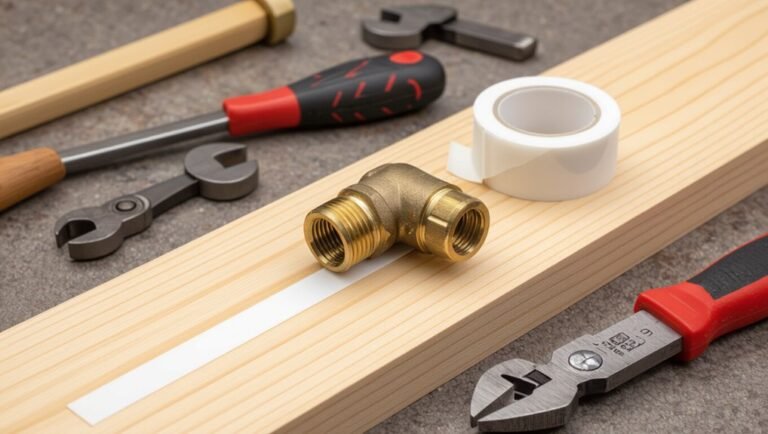
Additional necessities: gloves, goggles, wrench, plunger, drain snake or auger, bucket, inspection light, scrub brushes, sealant tape, and enzyme packets or clay-specific solvent.
Include manufacturer instructions, spare fittings, and a waste disposal plan.
Step 1 Assess the blockage location and severity
Begin by determining whether the obstruction is near the fixture, within accessible piping, or farther in the main line, since location dictates tools and approach.
Inspect visible traps and cleanouts, note slow drainage versus complete stoppage, and listen for gurgling or backups.
Estimate depth from fixture type and traceable pipe runs.
Document findings to select appropriate dissolution method and safety measures.
Step 2 Attempt manual clearing (plunger, auger)
With the blockage located and severity noted, the next step is to try manual clearing using a plunger or hand auger.
A firm, water-sealed plunger can dislodge soft clay near the trap; use steady thrusts.
For deeper or compacted deposits, feed a hand auger slowly, rotate to break the mass, then retract debris.
Dispose of removed material responsibly.
Step 3 Apply non-toxic softening solution (hot water + soap or enzyme cleaner)
Apply a gentle softening solution to the affected area to loosen clay without harming pipes or the environment.
Use a kettle-hot but not boiling water mixed with biodegradable dish soap or a commercial enzyme drain cleaner per label instructions.
Pour slowly to allow penetration.
Allow time for softening—typically 15–30 minutes—then proceed with further mechanical or chemical steps if blockage persists.
Step 4 Rinse and test flow; repeat or escalate as needed
Flush the softened area with a steady stream of warm water, observing how quickly it drains and whether any residual clay swirls or collects.
If flow improves, continue rinsing until clear. If partial blockage persists, repeat the softening cycle and reflush.
For stubborn reductions in flow after several attempts, escalate to mechanical methods or professional assessment rather than adding harsher chemicals.
Step 5 When to disassemble trap and clean by hand
If repeated softening and rinsing fail to restore full flow, it’s time to remove and inspect the P-trap and nearby fittings.
Wear gloves and place a bucket beneath. Loosen slip nuts carefully, extract debris and hardened clay, and scrub with a brush.
Check washers and alignment; replace damaged parts. Reassemble, test for leaks and flow.
Call a professional if resistance persists.
When to Use Professional Services and What to Expect
If persistent slow draining, repeated backups, unpleasant odors, or visible pipe damage occur, a plumber or drain specialist should be contacted.
Professionals commonly employ camera inspections to locate the clog, mechanical augers for stubborn blockages, and hydro-jetting for heavy clay buildup.
Expect service-call fees and variable repair costs, and prepare by clearing access to drains, noting symptoms, and asking for written estimates.
Signs you need a plumber or drain specialist
Recognizing when a situation exceeds routine DIY fixes is essential: persistent slow drainage, recurring backups, foul odors that resist cleaning, gurgling sounds, or multiple fixtures affected simultaneously indicate a deeper problem best handled by a licensed plumber or drain specialist.
Additional signs include sewage smells, water backing into other drains, visible pipe damage, or failed DIY attempts; seek professional evaluation promptly to prevent escalation.
Typical professional methods (hydro-jetting, mechanical augers, camera inspection)
When problems exceed DIY remedies—persistent clogging, sewage odors, backups into multiple fixtures—professional services offer targeted tools and diagnostics that address causes clay and other heavy deposits create.
Technicians may use camera inspection to locate blockages, mechanical augers to cut and extract compacted clay, and hydro-jetting to scour and flush deposits.
Reports explain findings and recommend repairs or maintenance.
Cost ranges and preparation tips for service calls
Several indicators signal that a professional call is warranted: recurring clogs despite DIY efforts, multiple fixtures affected, persistent sewage odors, or visible slow drainage after repeated treatments.
Typical service costs range from $150 for diagnostics to $600+ for snaking and $400–$1,200 for hydro-jetting; inspections add $100–$400.
Prepare by clearing access, noting problem history, and securing pets and parking.
Preventing Future Clay Blockages
Preventing future clay blockages begins with proper disposal of potting soil and garden runoff, ensuring loose clay is swept into compost or trash rather than washed toward drains.
Installing strainers, traps, and drain guards provides a physical barrier that catches sediment before it enters plumbing.
A simple routine maintenance schedule using gentle enzymatic or biodegradable drain cleaners and periodic manual clearing keeps traps effective and pipes flowing.
Best practices for disposing of clay and soil from pots and gardening
Adopt simple habits to keep clay and soil out of household drains: scrape pots into a compost bin or trash, use screens on sinks and outdoor drains, and channel excess potting mix into garden beds rather than rinsing it away.
Dispose of heavily contaminated soil via municipal green waste or sealed bags.
Dry clay before discarding, avoid hosing loose soil into storm drains, and collect runoff for reuse.
Installing strainers, traps, and drain guards
A few simple devices—strain screens, sink traps, and outdoor drain guards—provide the first line of defense against clay and soil entering household plumbing and stormwater systems.
Properly sized, installed, and cleaned strainers catch grit; trap inserts block heavier particulates; guarded grates stop outdoor runoff debris. Choose durable materials and guarantee secure fittings to prevent bypasses and protect pipes.
- Strainer baskets
- Trap inserts
- Guarded grates
Routine maintenance schedule and products to use
Routine maintenance following a set schedule reduces the chance of clay buildup turning into stubborn blockages.
Weekly rinses with hot water and monthly enzyme-based cleaners prevent accumulation.
Inspect strainers and remove debris biweekly.
After heavy gardening, flush drains immediately.
Use non-corrosive, biodegradable products; avoid harsh acids or bleach.
Record actions on a simple calendar to guarantee consistency and early detection.
Troubleshooting Persistent or Recurrent Clay Buildup
When clay buildup returns despite routine cleaning, it may indicate hidden sources such as yard runoff, nearby storm drains, or landscaping that directs sediment toward the plumbing.
Identifying and addressing those sources—through regrading, French drains, or directing downspouts away from the foundation—provides more durable outdoor drainage solutions.
Recurrent clay exposure can also erode pipe joints and lining, so inspecting for cracking, reduced flow, or persistent odors helps reveal damage requiring repair or replacement.
Diagnosing hidden sources of clay (yard runoff, storm drains)
Because clay entering indoor drains often originates outside the property, diagnosing hidden sources requires systematically tracing water flow paths from the yard and nearby storm infrastructure.
Inspect grading, downspouts, gutter outlets, and surface channels after rain. Check neighboring lots and public storm drains for sediment discharge.
Collect water samples, photograph evidence, and note timing of influxes to correlate outdoor events with indoor clay occurrences.
Long-term fixes for outdoor drainage issues
Having traced outdoor sources of clay contamination, attention shifts to long-term fixes that prevent recurrent buildup rather than repeatedly clearing drains.
Implement erosion controls (terracing, mulch, groundcover), redirect runoff with swales and gutter extensions, install sediment traps or catch basins, stabilize bare soil with geotextiles, and schedule regular inspection of conveyance paths.
Combine fixes to reduce sediment load entering drain systems.
Signs of pipe damage from repeated clay exposure
Repeated clay accumulation can gradually compromise pipe integrity, and early recognition of resulting damage helps prioritize repairs before failures occur.
Observable signs include persistent slow drains, recurring clogs despite cleaning, reduced flow in multiple fixtures, unusual gurgling or bubbling, foul odors from drains, visible cracks or joint separation in exposed sections, and wet spots or sinkholes above buried lines indicating leaks or collapse.
Comparison of Clay-Removal Methods: Effectiveness and Safety
A concise comparison of manual tools, enzymatic cleaners, chemical cleaners, and professional services highlights trade-offs in effectiveness, speed, cost, and safety for clay removal. The following table summarizes typical performance and risk profiles to help inform method selection. Readers are encouraged to weigh immediate results against long-term pipe health and personal safety.
| Method | Effectiveness | Safety/Risk |
|---|---|---|
| Manual tools (snakes, augers) | Moderate for localized clogs | Low chemical risk; potential mechanical damage |
| Enzymatic cleaners | Low–moderate; slower over time | High safety; minimal pipe impact |
| Chemical cleaners (caustics, acids) | High short-term | High risk to pipes, fixtures, and users |
| Professional methods (hydro-jetting, plumbing service) | High and thorough | Professional handling reduces risk; higher cost |
Manual tools vs. enzymatic cleaners vs. chemical cleaners vs. professional methods
Compare four main approaches—manual tools, enzymatic cleaners, chemical cleaners, and professional methods—by evaluating how effectively each removes clay, how quickly they work, potential risks to plumbing, and safety for users and the environment.
Manual tools offer immediate mechanical removal but risk pipe damage.
Enzymatic cleaners are gentle and ecofriendly but slower.
Chemical cleaners act fast yet can corrode pipes and harm users.
Professionals combine tools and expertise for safe, reliable resolution.
Quick Reference: Do’s and Don’ts for Dissolving Clay in Drains
Start with caution: dissolving clay in a drain requires choosing methods that remove buildup without damaging pipes or harming the environment.
Practical do’s include gentle mechanical agitation, enzymatic treatments, and rinsing with hot water. Avoid harsh acids, excessive force, and mixing chemicals.
Choose appropriate protective gear and consider professional help for persistent clogs.
- Use biodegradable enzymes
- Avoid chemical mixtures
- Call a plumber if unsure
Conclusion
Clay-clogged drains require caution, patience, and persistence. By recognizing causes, taking safety steps, and using gentle mechanical, enzymatic, or biodegradable chemical methods, one can soften, loosen, and remove clay without damaging pipes. Regular flushing, screens, and mindful disposal prevent recurrence. If blockages persist, escalate to professional inspection and extraction. Stay consistent with maintenance, proactive about prevention, and prompt when problems arise to keep drains flowing and plumbing intact.