How to Use Liquid Fire in a Toilet Bowl Safely and Effectively
To safely and effectively use Liquid Fire in a toilet bowl, follow these steps:
Liquid Fire is a powerful caustic drain cleaner designed for organic clogs such as hair, grease, and waste, but it should not be used for mechanical blockages. To start, wear chemical-resistant gloves and goggles, and ensure proper ventilation in the area.
- Preparation: Turn off the water supply to the toilet and lower the water level in the bowl.
- Application: Measure the recommended amount of Liquid Fire as indicated on the label.
- Dwell Time: Allow the cleaner to sit for a short period as specified.
- Agitation: Gently agitate the solution with a nonmetallic brush.
- Flush: After the dwell time, flush the toilet to clear the cleaner.
- Neutralize: Follow the instructions for neutralizing any remaining cleaner.
- Disposal: Dispose of any contaminated materials according to local regulations and inspect for any damage.
For more detailed precautions, alternatives, and troubleshooting tips, refer to the full instructions.
What Liquid Fire Is and When to Use It for Toilet Bowls
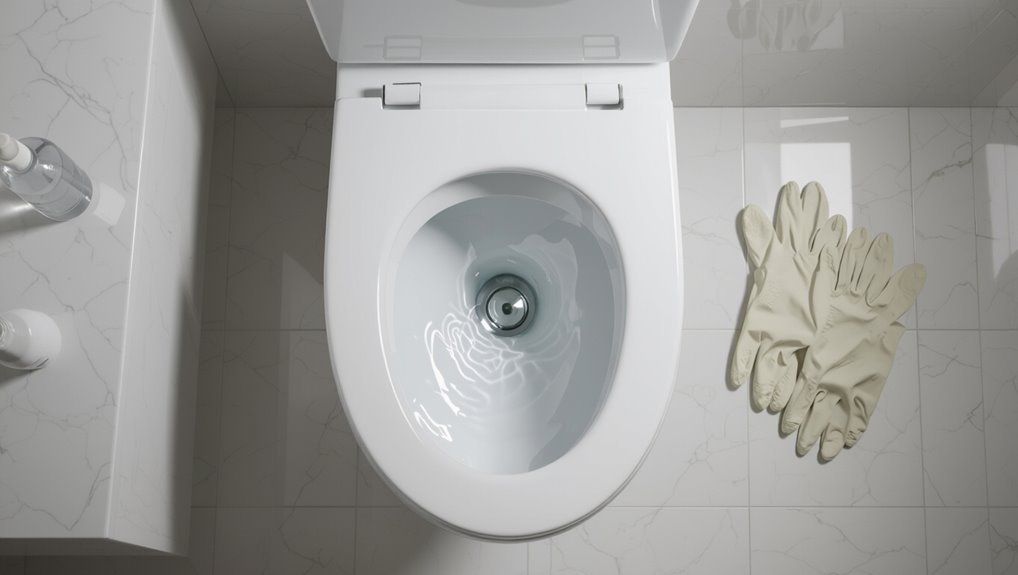
Liquid Fire is a caustic drain cleaner composed mainly of sodium hydroxide or sulfuric acid in varying concentrations designed to dissolve organic blockages. It is effective on hair, grease, and organic buildup in toilet bowls but is not suitable for mechanical obstructions, older plumbing, or toilets with damaged glazing and seals. Use should be avoided when chemical exposure risks are high, for septic systems without compatibility confirmation, or when safer mechanical or enzymatic alternatives are available.
Composition and typical strengths of liquid fire products
A caustic drain opener typically sold under the Liquid Fire brand contains concentrated alkali—most commonly sodium hydroxide (lye) or potassium hydroxide—often combined with solvents and corrosion inhibitors to dissolve organic blockages and hair.
Concentrations range from 25–50% alkali by weight; some formulations add surfactants or thickeners.
Readers seeking how to use liquid fire in toilet bowl should note potency, dilution, and manufacturer instructions.
Common toilet problems liquid fire can address
Several common toilet issues—primarily organic clogs from human waste and toilet paper, plus hair and soft debris—can be effectively attacked by caustic drain openers containing strong alkali, while mineral buildup and small grease deposits may respond more slowly.
These products dissolve proteins and cellulose, loosen compacted waste, and help clear partial blockages; they also sanitize surfaces and reduce odors when used according to label directions.
Situations when liquid fire is not appropriate
Although powerful for dissolving organic material, caustic drain openers are inappropriate for toilets with non-organic blockages, compromised porcelain, or plumbing materials sensitive to strong alkalis.
They also should not be used where sewer gas is suspected, with mechanical obstructions, on older seals or wax rings, or when pets or children may access treated fixtures.
Professional inspection is advised for uncertain causes.
Safety Precautions Before You Start
Before using Liquid Fire in a toilet bowl, the reader should be reminded to wear appropriate personal protective equipment such as gloves, goggles, and a respirator and to guarantee the room is well ventilated with windows open or an exhaust fan running.
They should also protect plumbing and nearby fixtures with covers or barriers and remove absorbent materials from the area.
Clear emergency steps for spills, splashes, or inhalation—including rinsing, evacuating, and contacting emergency services or poison control—should be established beforehand.
Personal protective equipment required
Wear full protective gear when handling liquid fire in a toilet bowl, including chemical-resistant gloves, splash goggles, a face shield, long sleeves, and closed-toe shoes; these items reduce the risk of severe chemical burns, inhalation of fumes, and eye injury.
Additionally, a chemical-resistant apron and respirator with appropriate cartridges are recommended.
Inspect gear for damage, verify proper fit, and replace compromised items immediately.
Ventilation and room preparation
After confirming protective equipment is intact and fitted, attention should shift to ventilation and room preparation to minimize inhalation hazards and control accidental spread.
Open windows and run an exhaust fan or portable ventilator to direct fumes outside. Remove pets and bystanders.
Close doors to adjacent rooms, cover nearby open vents, and guarantee a clear path to exits and emergency equipment without discussing plumbing or fixture protection.
Protecting plumbing, fixtures, and surrounding surfaces
When handling a reactive drain product, the operator should isolate the toilet and adjacent plumbing by shutting off the water supply and placing a removable barrier—such as a fitted rubber flange cover or a heavy-duty plastic sheet—over exposed pipes and valve hardware to prevent chemical contact.
Additionally, nonporous surfaces nearby should be protected with chemically resistant drop cloths and sealed with tape at the edges to stop splatter from reaching finishes or grout.
Gloves, eye protection, and chemical-resistant boots are recommended; metallic fixtures may be wrapped with plastic or corrosion-resistant tape, and vulnerable seals or decorative surfaces covered to avoid staining or degradation during treatment.
Emergency steps for spills, splashes, or inhalation
If a spill, splash, or suspected inhalation occurs, immediately stop work and move affected persons to fresh air while maintaining a safe distance from the toilet and chemical source.
Remove contaminated clothing, flush skin or eyes with copious water for at least 15 minutes, seek medical attention for burns or respiratory distress, ventilate the area, and call emergency services or poison control for further guidance.
Tools and Materials Needed
Recommended liquid fire products and their safe concentrations should be listed first, along with manufacturer guidance for toilet use.
Also include necessary cleaning tools and neutralizing agents, such as gloves, eye protection, dispensing pumps, and appropriate neutralizers.
Finally, specify materials and substances to avoid mixing with liquid fire to prevent dangerous reactions.
Recommended liquid fire products and concentrations
A concise list of suitable products and their safe working concentrations is essential before handling any liquid fire solution in a toilet bowl.
Recommended options include commercial drain cleaners labeled for household use (sodium hydroxide 3–10%), oxalic acid cleaners (0.5–2%), and mild hydrogen peroxide-based formulations (3–6%).
Concentrations should follow manufacturer instructions; never exceed labeled percentages and always use appropriate PPE.
Additional cleaning tools and neutralizing agents
Several basic tools and neutralizers are necessary before applying any corrosive cleaner to a toilet bowl.
Protective gear (gloves, goggles), a long-handled brush, plastic scoop or measuring container, and chemical-resistant bucket are recommended.
Keep neutralizing agents like diluted baking soda solution and ample water on hand for rinsing and neutralization.
Have absorbent materials and sealed disposal bags ready for spills.
What to avoid using with liquid fire
When using liquid fire, avoid metal tools, abrasive pads, and any materials that can react with strong acids or be damaged by heat—use only plastic, chemical-resistant implements instead.
Avoid mixing with bleach, ammonia, or alkaline cleaners.
Do not use fabric, paper, or porous scrubbers that retain acid.
Steer clear of electrical devices near the bowl.
Dispose of contaminated rags in sealed, labeled containers.
Step-by-Step Procedure for Using Liquid Fire in a Toilet Bowl
The procedure begins with preparing the toilet and adjusting the water level to guarantee the product contacts target areas without overflowing.
Exact measurement and careful application of the caustic product are critical, followed by prescribed dwell time and gentle agitation to aid cleaning.
Afterward, thorough rinsing, neutralization, and a final inspection and cleaning confirm the fixture is safe and residue-free.
Preparing the toilet and water level adjustments
Before beginning, verify the bathroom is well-ventilated and that all personal protective equipment is in place; this reduces inhalation and contact risks while adjusting the toilet.
Close the water supply valve, flush to lower bowl level, and use a plunger or bucket to remove excess water.
Inspect the bowl for debris, confirm seals and tank integrity, and reopen supply slowly to check for leaks.
How to measure and apply liquid fire safely
Proceeding from the water-level and inspection steps, attention shifts to measuring and applying the chemical product safely.
The user should wear gloves and eye protection, verify label dosage, and pour measured amounts slowly into the bowl, avoiding splashes.
Keep face away, close nearby vents, and wash hands afterward.
Do not mix with other cleaners; seal container and store per instructions.
Dwell time and agitation techniques
1 minute of dwell time is typically insufficient for heavy deposits; instead, allow the product to sit undisturbed for the manufacturer-recommended period (commonly 5–15 minutes) to permit chemical action on mineral scale and organic buildup.
After dwell, use a nonmetallic brush or plastic toilet brush to agitate stains gently, focusing on rim and waterline. Avoid harsh scrubbing that could splash or damage porcelain.
Thorough rinsing and neutralization process
After agitation and the recommended dwell time have completed, the rinsing and neutralization stage removes residual caustic chemicals and dissolved deposits to protect plumbing and surfaces.
Flush multiple times with cold water, allowing full bowl refill between flushes.
Apply a manufacturer-approved neutralizer per instructions or a diluted vinegar solution cautiously, then flush again.
Dispose of rinse water per local regulations; ventilate until odors dissipate.
Final cleaning and inspection steps
Several clear steps guide the final cleaning and inspection to guarantee the bowl and surrounding plumbing are safe and residue-free.
After neutralization and flushing, the technician inspects seals, trap, and visible pipe joints for corrosion or leaks.
A nonabrasive disinfectant is applied, scrubbed, and rinsed.
Air vents are checked, odours assessed, and a final test flush verifies normal flow and integrity.
Proper Disposal and Post-Use Cleanup
The section outlines safe methods for neutralizing any residual product before disposal.
It summarizes proper disposal procedures for unused liquid fire and materials contaminated during application.
It also covers cleaning and decontamination of personal protective equipment and tools to prevent further hazards.
How to neutralize leftover product safely
Proper neutralization of any remaining Liquid Fire begins with confirming the product label and local regulations, since concentration, formulation, and municipal hazardous-waste rules determine acceptable methods.
Users should ventilate, wear chemical-resistant gloves and eye protection, and avoid mixing with bleach or acids.
Small residues may be diluted with copious water per label; larger quantities require contact with local hazardous-waste authorities for neutralization instructions.
Disposal guidelines for liquid fire and contaminated materials
After neutralization steps and confirmation with local authorities, users must follow strict disposal procedures for Liquid Fire and any contaminated materials.
Contaminated solids, absorbents, and rinsewater should be contained, labeled, and stored in compatible, sealed containers.
Transport and disposal must comply with hazardous-waste regulations; arrange licensed hazardous-waste pickup or approved facility processing.
Maintain records and notify authorities of any incidents.
Cleaning PPE and tools after use
Remove disposable items immediately and segregate reusable PPE and tools for decontamination to prevent cross-contamination.
Contaminated gear should be rinsed outdoors with minimal water, using appropriate neutralizers if specified by product instructions.
Scrub reusable items with detergent and hot water, then disinfect per manufacturer guidance. Air-dry thoroughly.
Log disposal actions and replace degraded PPE before next use. Store cleaned tools separately.
Risks, Potential Damage, and How to Avoid Them
Using strong drain cleaners can etch porcelain, corrode metal parts, and degrade rubber seals, leading to leaks or cracks.
Such chemicals may also harm septic bacteria or react adversely in municipal systems, so proper use and limits are essential.
Homeowners should watch for persistent odors, slow drainage, discoloration, or visible damage and contact a plumber if these signs appear.
Chemical damage to porcelain, seals, and metal parts
Strong acids and oxidizers in drain cleaners can etch porcelain, corrode metal components, and degrade rubber seals if left in contact or used improperly.
Exposure may cause pitting, dulling of glaze, weakened bolts, and swollen or cracked gaskets.
To minimize harm, use manufacturer-recommended concentrations, short contact times, thorough flushing with water, and avoid mixing chemicals; inspect and replace damaged parts promptly.
Risks to septic systems and municipal plumbing
Beyond damage to fixtures, harsh drain chemicals can travel downstream and harm septic systems and municipal plumbing infrastructure.
They can kill beneficial bacteria in septic tanks, disrupt treatment processes, corrode pipes, and contaminate wastewater.
To avoid harm, minimize use, follow product instructions, dilute when permitted, use septic-safe alternatives, and consult local regulations or professionals before introducing caustic agents into any private or municipal sewage system.
Signs of damage and when to call a plumber
How can one tell when chemical drain treatments have crossed from temporary cleaning into causing real harm?
Visible signs include persistent corrosion, repeated clogs, foul chemical odors, discolored water, or weakened porcelain and rubber seals.
If leaks, slow drainage, gurgling, or sewer odors persist after flushing, discontinue use and contact a licensed plumber for inspection and safe remediation.
Safer Alternatives and When to Choose Them
Consideration of less caustic options is warranted before resorting to corrosive drain treatments.
Enzyme-based and biological cleaners and mechanical methods such as snakes, augers, and brushes each offer different balances of effectiveness and safety.
Comparing their typical performance, costs, and risks helps determine the most appropriate choice for a given clog.
Enzyme-based and biological cleaners
Several enzyme-based and biological cleaners use specific microorganisms or enzymes to break down organic waste, offering a gentler, eco-friendlier alternative to caustic products like liquid fire.
They slowly digest organic buildup, reduce odors, and are safe for septic systems and plumbing finishes.
Use them for maintenance, mild clogs, or preventive care; expect longer action time and follow manufacturer dosing and temperature recommendations.
Mechanical methods (snakes, brushes, augers)
Reach for mechanical tools like plumbing snakes, toilet augers, and specialized brushes when chemical or biological options are insufficient or too slow; these devices physically break up or extract blockages, offering immediate results without introducing harsh chemicals into the system.
Proper technique, protective gloves, eye protection, and gentle force reduce damage risk. Use augers for deep clogs, brushes for residue, and snakes for flexible reach.
Comparative effectiveness and safety
Compare mechanical, chemical, and biological options by weighing effectiveness against safety and potential system damage. The author evaluates risks: mechanical is safe but may not remove all clogs; chemical (Liquid Fire) is fast but corrosive and hazardous; biological is gentle, slower, and eco-friendly. Choose biological for routine care, mechanical for stubborn blockages, chemical only as last resort with precautions.
| Option | Effectiveness | Safety/Risk |
|---|---|---|
| Mechanical | Moderate–High | Low damage |
| Chemical | High | High corrosion |
| Biological | Low–Moderate | Low/environmental |
| Combination | Variable | Balanced risk |
Troubleshooting Common Issues
When stains or mineral deposits resist initial treatment, the guide outlines additional safe methods and when to repeat application.
It also covers steps to identify and neutralize persistent odors after use.
Emergency first-aid and decontamination procedures are summarized for accidental splashes onto skin or into eyes.
Stubborn stains or mineral deposits that resist treatment
Persistent stains or heavy mineral buildup that resist Liquid Fire typically indicate long-set deposits, hard-water scale, or porous glaze damage that limit product contact and chemical action.
In such cases, employ mechanical agitation with a pumice stone or stiff brush, repeat short, supervised applications, and use descaling agents compatible with toilet finishes.
If deposits persist, consult a professional to assess surface integrity and alternative restoration.
Persistent odors after treatment
Why do foul odors linger after treating a toilet bowl with Liquid Fire?
Residual organic matter, trapped sewage gases in the trap, or porous surfaces retaining compounds can cause persistent smells.
Recommend thorough scrubbing, repeated treatment cycles, enzyme-based deodorizers, and flushing several times.
Inspect seals, vents, and the P-trap for blockages or leaks; address plumbing issues if odors persist beyond surface treatment.
What to do if product splashes on skin or eyes
If Liquid Fire contacts skin or eyes, immediate and measured action is required: remove contaminated clothing, flush the affected skin with copious amounts of water for at least 15 minutes, and irrigate the eyes continuously while holding lids open; seek emergency medical attention if irritation, burns, or vision changes occur.
Report exposure to poison control, preserve product label for responders, and avoid applying creams, oils, or neutralizers unless instructed by medical personnel.
Preventive Maintenance to Reduce Need for Harsh Chemicals
Routine weekly and monthly cleaning schedules can prevent buildup and limit reliance on strong chemicals.
Implementing water softening or targeted descaling helps control mineral deposits before they require aggressive treatment.
Professional inspection and servicing should be scheduled when persistent stains, slow drains, or recurring odors indicate underlying plumbing or fixture issues.
Weekly and monthly toilet care routines
Consistent weekly and monthly care keeps a toilet functioning smoothly and minimizes buildup that would otherwise require harsh chemicals to remove.
A simple regimen prevents stains, odors, and clogs while preserving seals and finishes.
- Weekly: brush bowl, wipe seat, quick flush check.
- Monthly: inspect tank, clean under rim, clear mineral edges.
- Record maintenance and address small issues promptly.
Water softening and descaling strategies
Because hard water deposits accelerate mineral buildup and erode finishes over time, implementing targeted water-softening and descaling strategies reduces the need for harsh chemicals while extending fixture life.
Install a point-of-entry softener or targeted cartridge for toilets, periodically use mild acidic descalers on affected areas, flush and aerate lines, and monitor hardness.
Consistent preventive care minimizes aggressive treatments and preserves seals.
When to schedule professional maintenance
Having implemented water-softening and mild descaling measures, owners should set a schedule for professional maintenance to catch issues before they require harsher chemicals or extensive repairs.
Quarterly or biannual inspections identify mineral buildup, leaky seals, and flushing inefficiencies. Technicians perform targeted cleaning, replace worn components, and advise on chemical-free remedies.
Prompt service reduces emergencies, extends fixture life, and minimizes hazardous-product use.
Additional Safety Resources and Regulatory Considerations
Manufacturer instructions and safety data sheets should be consulted for proper use, storage, and first-aid measures.
Local waste disposal rules and environmental restrictions determine how residues and containers must be discarded.
If quantities, exposures, or incidents exceed household scope, trained hazardous-material professionals should be contacted.
Manufacturer instructions and SDS references
When using Liquid Fire in a toilet bowl, users should follow the product label and accompanying Safety Data Sheet (SDS) precisely to guarantee safe handling, correct dilution (if required), and appropriate contact time.
The SDS lists hazards, first aid, PPE, storage, and spill response.
Manufacturer instructions specify application methods, compatible surfaces, and ventilation.
Keep manufacturer contact information for technical questions and incident reporting.
Local disposal regulations and environmental considerations
Compliance with local disposal regulations is essential to minimize environmental harm and legal risk when disposing of Liquid Fire or wastewater from its use in a toilet bowl.
Users should consult municipal hazardous-waste guidelines, avoid pouring concentrated residues into storm drains, and follow wastewater-treatment facility limits.
Proper labeling, documented disposal records, and contacting local environmental agencies guarantee compliance and reduce ecological impact.
When professional hazardous-material handling is required
Situations involving large volumes, unknown chemical mixtures, visible contamination beyond the bowl, or exposure-related injuries necessitate engagement of trained hazardous-material responders.
Professionals assess risks, contain spills, perform decontamination, and coordinate with local authorities and waste disposal services.
Homeowners should evacuate affected areas, follow responder instructions, and preserve incident details for reporting.
Regulatory agencies may require documentation and certified hazardous-waste handling.
Conclusion
Liquid Fire can clear stubborn toilet clogs when used correctly, but caution is essential. Studies show household drain-cleaner exposures account for over 20,000 emergency visits annually in the U.S., underscoring risk. Users should follow protective, ventilated procedures, consider mechanical alternatives first, and dispose of residues per label instructions. When employed as a last resort, Liquid Fire works effectively if applied sparingly and rinsed thoroughly, minimizing harm to people and plumbing alike.