
How to Report a Water Main Break: Who to Call, What to Tell Them, and Immediate Steps to Take
If you discover a water main break, prioritize safety by moving to a secure area and avoiding standing water. If possible, shut off the building’s water to minimize damage. Immediately contact your local water utility or public works department, or call 911 if there are safety hazards. Be ready to provide the exact location, a description of the break, any safety concerns, the time you found it, and your contact information. Neighbors can also assist by reporting the issue with photos from a safe distance. Follow the utility’s instructions regarding advisories and repairs for further guidance.
Immediately After You Discover a Water Main Break
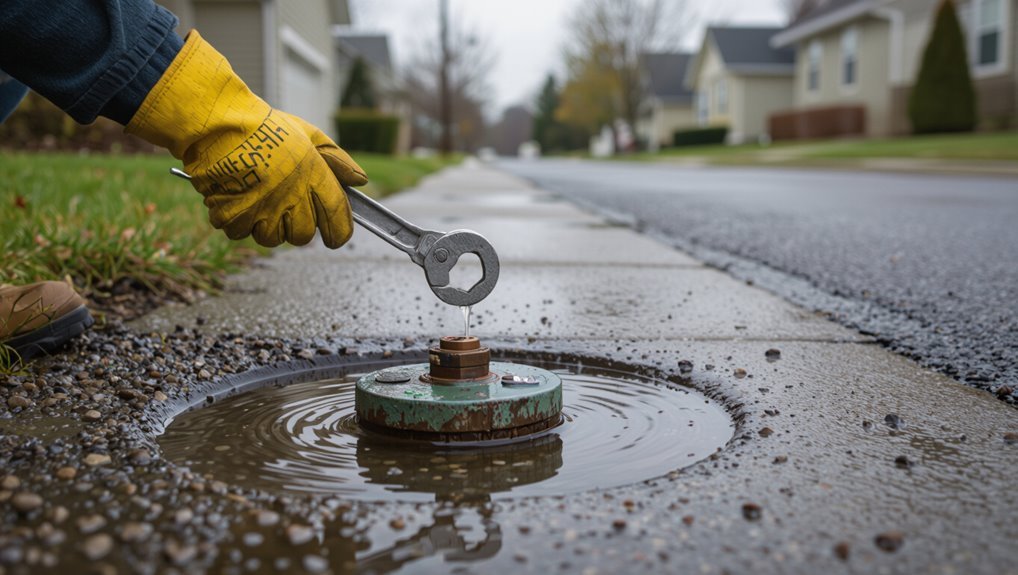
On discovering a water main break, the first priority is to assess immediate dangers such as downed power lines, unstable roadways, and fast-moving water.
People should move to higher ground, avoid standing water and damaged infrastructure, and keep others clear of the area.
To limit short-term property damage, occupants should shut off the building’s water supply, move valuables out of harm’s way, and stop using appliances that draw water.
Assess immediate danger and hazards (electrocution, road collapse)
Scan the scene immediately to identify life-threatening hazards such as exposed electrical lines, deep or fast-moving water, and unstable pavement that could give way.
The observer notes risks, marks dangerous zones, and contacts emergency services and the utility to learn how to report a water main break.
Prioritize clear descriptions of location, visible hazards, and any injured persons for responders.
Steps to protect yourself and others (evacuate, avoid standing water, keep clear of damaged infrastructure)
Move people a safe distance away from the break and direct them upwind and to higher ground to avoid fast-moving water, unstable pavement, and potential contaminants.
Keep bystanders off sidewalks and roadways near the blowout and prevent anyone from touching standing water or leaning on damaged infrastructure until officials arrive.
Notify vulnerable individuals, keep clear of sinkholes and exposed utilities, and establish a perimeter until responders secure the scene.
Short-term actions to limit property damage (shut off water to property, move valuables, stop appliance use)
Act quickly to limit water damage by shutting off the property’s main water valve, relocating valuables and electronics to higher ground, and stopping all water-using appliances and fixtures until the supply is secured.
Then document conditions with photos, move furniture onto blocks or plastic, unplug electrical devices where safe, and contain spreading water with towels, sandbags, or temporary barriers while awaiting utility crews and professional mitigation.
Who to Call First
The first call should typically go to the local water utility or public works department to report the break and request an immediate response.
If the break presents an active hazard—large flooding, electrical risks, or injuries—emergency services (911) should be contacted instead of non‑emergency numbers.
The utility’s phone number can usually be found quickly on its website, the city portal, or on a recent utility bill.
Contact your local water utility or public works department
Contact the local water utility or public works department immediately, since they are responsible for evaluating and repairing water main breaks as well as coordinating emergency shutoffs and boil-water notices.
Provide location, visible damage, water flow direction, property impacts, and any injuries.
Ask for incident reference, expected response time, and safety instructions.
Follow their guidance and document the report for follow-up.
When to call emergency services (911) instead of non-emergency numbers
When should emergency services be called instead of a utility’s non-emergency line?
Emergency services should be called when immediate danger exists: flooding that threatens structures, visible electrical hazards, gas odor near the break, significant road collapse, trapped individuals, or uncontrollable water flow posing imminent risk.
For isolated leaks without immediate danger, contact the utility’s non-emergency reporting line instead.
How to find the correct phone number quickly (utility website, city portal, utility bill)
After determining whether the situation requires 911, residents should quickly locate the appropriate utility or municipal number to report the break.
Check the water utility’s website for emergency contacts, consult the city or county portal for public works, and scan recent utility bills for listed phone numbers.
If unsure, use the utility’s outage map or automated line to route the call to the correct department.
What Information to Provide When Reporting
The reporter should give precise location details—address, cross streets, landmarks, or GPS coordinates—along with a clear description of the problem such as break size, water flow, discoloration, or sinkhole formation.
They should note any immediate safety hazards like downed power lines, road damage, or threatened buildings and state the time and circumstances of discovery.
Finally, contact information and permission for follow-up should be provided so crews can reach the source for clarification or updates.
Exact location details to give (address, cross streets, landmarks, GPS coordinates)
Precise location information lets responders find a water main break quickly and begin repairs. Provide full street address, nearest cross streets, visible landmarks, and GPS coordinates if available. Note entry access points and utility markers.
| Address | Cross Streets | Landmark/GPS |
|---|---|---|
Description of the problem (size of break, water flow, discolored water, sinkholes)
Once the location is confirmed, observers should describe the visible characteristics of the break: approximate diameter of the rupture, whether water is gushing, flowing, or seeping, and the height or distance water is being expelled.
Include water color or sediment presence, sudden changes in pressure or supply reported by nearby users, evidence of sinkholes or ground subsidence, and any nearby exposed pipe sections.
Safety concerns to report (downed power lines, road damage, nearby buildings)
Report any immediate hazards near a water main break, including downed power lines, major road damage that could endanger vehicles or pedestrians, and compromised nearby buildings.
Provide precise locations, visible electrical arcs or sparking, pavement collapse or large potholes, and structural cracks, flooding entry into basements, or evacuated properties.
Note any traffic disruptions and nearby utilities at risk.
Time and how you discovered the break
Note the exact time and a brief account of how the break was discovered, including who found it (resident, passerby, utility worker), what was first observed (gushing water, sinkhole, sudden loss of water pressure), and whether discovery followed another event (heavy rain, construction activity, a loud bang).
| Time | Discoverer | First observation |
|---|---|---|
| 07:14 | Resident | Gushing water |
| 07:16 | Passerby | Sinkhole |
| 07:20 | Worker | Loss of pressure |
Contact information and permission for follow-up
Who should be contacted and how they can be reached must be provided clearly when reporting a water main break.
Reporters should give full name, phone number, email, and street address or nearest cross-streets.
Specify preferred contact method and best times to call.
Grant explicit permission for follow-up communication and indicate if photos, access to property, or additional updates are authorized to assist response teams.
If You Are a Neighbor or Bystander Reporting
A neighbor or bystander who is not on-site can still file a useful report by providing a clear witness account and attaching recent photos or videos from a safe distance.
They should coordinate with nearby residents to confirm details, share imagery, and avoid interfering with emergency crews.
Concise notes on timing, visible damage, and any neighborhood impacts will strengthen the report.
How to report without being on-site (witness account, photos, videos)
When someone observes a water main break but cannot remain on-site, they should provide a clear witness account and, if available, attach photos or video showing the location, extent of damage, and any immediate hazards.
Timestamps, landmarks, and the reporter’s contact information help authorities verify and follow up.
Include the observation time, direction of flow, nearby addresses or intersections, visible infrastructure damage, and whether utilities or traffic are affected.
Coordinating with neighbors and documenting conditions
Coordinate briefly with nearby residents to guarantee safety and create a clear record: neighbors can confirm observations, divide tasks (such as photographing different angles or monitoring changes), and agree on who will contact authorities to avoid duplicate reports.
Then document conditions succinctly and share details with responders.
- Note time and location
- Take varied photos/videos
- Record witnesses
- Preserve evidence safe storage
What Utilities and Agencies Will Do After You Report
After a report is received, the utility typically dispatches a crew, implements traffic control if needed, and begins isolation or shutoff procedures to stop the leak.
Officials will communicate expected timelines for repairs and any customer notifications, updating residents as assessments proceed.
Based on contamination risk and system pressure, agencies decide whether a temporary water shutdown or boil-water advisory is required.
Typical utility response steps (dispatch crew, traffic control, shutoff procedures)
A utility dispatches a response crew within minutes to assess the break, secure the scene, and begin emergency repairs; crews typically establish traffic control around the affected area, locate and isolate the damaged main with valve shutoffs, and implement temporary measures to stop water loss while planning permanent restoration.
| Action | Purpose |
|---|---|
| Dispatch crew | Assess damage |
| Traffic control | Protect public |
| Valve shutoff | Stop flow |
Timeline expectations for repairs and notifications
Once crews have secured the scene and implemented immediate controls, utilities will follow a predictable timeline for repairs and public notifications.
Initial assessment and isolation occur within hours, followed by repair scheduling and permit coordination.
Repairs may take from hours to days depending on damage; interim advisories (service interruptions, safety warnings) are issued promptly.
Final restoration and follow-up notifications conclude the process.
How utilities determine if boil water advisories or water shutdowns are necessary
Utilities evaluate public health risk and service needs to decide on boil water advisories or planned shutdowns by rapidly gauging contamination potential, system pressure loss, and affected customer counts.
Field crews test turbidity, chlorine residuals, and pressure; lab samples confirm pathogens.
Risk thresholds, regulatory guidance, and repair timelines determine notices.
Communications teams issue advisories, outline precautions, and coordinate alternative supplies and restoration procedures.
Actions to Take for Your Property After Reporting
After reporting a water main break, the homeowner should shut off the property’s water at the main valve to stop further flooding.
They should then perform a cautious inspection for plumbing leaks and structural damage, contacting a licensed plumber or contractor if problems are found or suspected.
All damage should be documented with photos, timestamps, and receipts to support any insurance claims.
Turning off water at the main shutoff valve
Locate the property’s main shutoff valve promptly and turn it off to stop incoming water flow and limit interior damage.
The responder should know valve locations—basement, crawlspace, garage, or near the water meter—and use an adjustable wrench if needed.
After closing, open a faucet to relieve pressure, notify occupants, and record the valve position for utility crews and insurance documentation.
Inspecting for plumbing and structural damage safely
With the main shutoff closed and household members informed, the responder should proceed to a careful, safety-first inspection for plumbing and structural damage.
They should wear protective gear, check visible pipes, fittings, and fixtures for leaks, monitor ceilings and walls for stains or bulging, assess floors for soft spots, and document damage with photos.
Electrical hazards must be avoided; utilities remain off.
When to contact a plumber or contractor
Contact a licensed plumber or qualified contractor promptly when visible leaks persist after shutting off the main, when water has entered living spaces or structural cavities, when electrical equipment is exposed to moisture, or when the extent of damage exceeds the homeowner’s ability to safely assess or repair. A professional evaluates risks, prevents mold, and restores plumbing integrity.
| Issue | Urgency | Recommended action |
|---|---|---|
| Persistent leak | High | Call plumber |
| Water in structure | High | Call contractor |
| Electrical exposure | Immediate | Call plumber & electrician |
| Hidden damage | Moderate | Arrange inspection |
| Temporary fixes | Low | Use only until pros arrive |
Documenting damage for insurance claims (photos, timestamps, receipts)
After addressing immediate safety and hiring professionals as needed, the homeowner should begin systematically documenting damage to support insurance claims.
Photograph all affected areas from multiple angles, capture close-ups and wide shots, and include dated timestamps.
Keep a log of when photos were taken, list damaged items with estimated values, and retain receipts, invoices, and contractor reports.
Backup files to cloud storage.
Health and Safety Precautions Related to Contaminated Water
Residents should watch for signs of contamination—cloudiness, unusual odor or taste, and visible debris—and follow local guidance to stop using tap water when such indicators or advisories arise.
If a boil water advisory is issued, boiling for at least one minute or using bottled water or an approved filter will protect drinking and cooking needs.
After flooding, affected surfaces and items should be cleaned and disinfected according to public health instructions to prevent illness.
Signs of water contamination and when to avoid tap water
How can one tell if tap water is unsafe?
Visible cloudiness, unusual color (brown, yellow, or green), strong chlorine or sewage odors, or metallic taste indicate contamination.
Sudden low pressure, discolored fixtures after a main break, or gastrointestinal illness clusters also signal risk.
Avoid using tap water for drinking, cooking, or bathing infants and immunocompromised individuals until authorities confirm safety.
Boil water advisory steps and alternatives (bottled water, filtration)
Follow posted boil water advisories exactly: bring water to a rolling boil for one minute (three minutes at elevations above 6,562 feet/2,000 meters) before using it for drinking, cooking, brushing teeth, or preparing infant formula.
If boiling is impractical, use commercially sealed bottled water or EPA/NSF-certified filters rated for bacteria, viruses, and protozoa.
Avoid ice, baby formula mixing, and rinsing foods with unboiled tap water.
Cleaning and disinfecting after flooding
After complying with boil water instructions or securing alternative safe water sources, attention should shift to cleaning and disinfecting areas affected by flooding to reduce health risks from contaminated water.
Remove soaked materials, ventilate spaces, and dry thoroughly.
Disinfect hard surfaces with appropriate bleach solutions or EPA-approved products.
Wear gloves and eye protection, dispose of irreparably contaminated items, and follow local public-health guidance for safe waste handling.
Communication and Follow-Up
After reporting a water main break, residents can track repair status and public advisories through the utility’s alerts, social media updates, and local news outlets.
Official notifications typically include estimated restoration times, service restoration notices, and any required water testing results.
Instructions for requesting reimbursement or filing complaints with the utility should be provided in those communications or obtainable from the utility’s customer service.
How to track repair status and public advisories (utility alerts, social media, local news)
How can residents stay informed about a water main break’s progress and official guidance?
Residents should monitor utility-designated alert channels (text/email/phone), follow the water utility and local government on social media, and check municipal websites and local news outlets for updates.
Sign up for emergency notifications, enable push alerts, and verify information against official sources before sharing to avoid spreading unconfirmed reports.
What to expect in official notifications (service restoration notice, water testing results)
Official notifications typically include two core elements: a service restoration notice that explains when and how normal water service will resume, and water testing results that confirm potability or outline required precautions.
Notices specify affected zones, estimated timelines, boil-water or do-not-use advisories, and any required flushing procedures. Testing summaries cite contaminants, sampling dates, and follow-up actions or all-clear confirmations.
How to request reimbursement or file complaints with the utility
To request reimbursement or lodge a complaint, consumers should contact the water utility’s customer service promptly and document all related losses and communications.
They should submit written claims with receipts, photos, and repair estimates, note representative names and reference numbers, and request escalation if unsatisfied.
If resolution fails, pursue regulatory complaint channels or small claims court, keeping copies of every correspondence and decision.
Preventive Measures and Preparation for Future Breaks
The article next outlines practical preventive measures homeowners can take to reduce the impact of future water main breaks.
It covers locating and clearly labeling the home shutoff valve, assembling an emergency kit tailored to water disruptions, and preparing the property through grading, landscaping choices, and pipe insulation.
These steps aim to limit damage and speed recovery when service interruptions occur.
How to locate and label your home shutoff valve
Locating and labeling a home’s main shutoff valve is a simple, high-impact step that can minimize water damage after a break.
The occupant should identify the valve—commonly near the water meter, basement wall, crawlspace, or exterior—and verify operation.
Mark it with clear, weatherproof labeling and a directional arrow.
Share its location with household members and note shutoff instructions for quick access.
Emergency kit checklist related to water disruptions
After identifying and labeling the shutoff valve, homeowners should assemble an emergency kit tailored for water disruptions.
The kit stores essentials for short-term loss of potable water and basic sanitation, kept accessible and rotated regularly.
- Bottled water (3–7 days) and purification tablets
- Nonperishable food and manual can opener
- Hygiene supplies and wet wipes
- Portable toilet bags and heavy-duty trash bags
Steps to prepare your property to minimize damage (landscaping, grading, pipe insulation)
Several straightforward property improvements can greatly reduce the risk and impact of a water main break, focusing on landscaping, yard grading, and pipe insulation to divert water, prevent soil erosion, and protect vulnerable plumbing. Property owners should regrade toward drains, install swales, compact soil, and insulate exposed pipes to limit freeze damage and shifting.
| Action | Benefit |
|---|---|
| Regrade yard | Directs runoff away |
| Install swales | Reduces erosion |
| Compact soil | Stabilizes ground |
| Insulate pipes | Prevents freezing |
Common Mistakes to Avoid When Reporting a Water Main Break
Reporters should avoid giving vague location details, ignore safety hazards while attempting to help, or delay documenting damage, as each compromises response and recovery.
Clear, specific addresses or landmarks enable faster dispatch.
Promptly noting hazards and capturing photos or notes preserves evidence and protects both responders and residents.
Providing vague location details
How can a caller expect a swift response if the location description is vague? Callers should give precise landmarks, cross streets, house numbers, and GPS coordinates when possible. Vague reports delay crews and widen impact. Clear, concise directions speed assessment and repair.
| Good detail | Poor detail |
|---|---|
| “123 Oak St” | “near Oak” |
| “Corner of 5th & Elm” | “around downtown” |
Ignoring safety hazards while attempting to help
Clear location details help crews arrive quickly, but callers must also prioritize personal safety when reporting a water main break.
Observers should avoid entering flooded areas, walking near downed power lines, or driving through standing water.
Report hazards to dispatch, keep a safe distance, and warn others without attempting risky rescues.
Safety-first reporting protects responders and bystanders.
Failing to document damage promptly
Failing to document damage promptly can hinder repairs and insurance claims, since photos and notes taken soon after a break capture conditions that change rapidly.
Observers should record timestamps, locations, visible damage, and any meter readings; preserve originals and back up files.
Delays allow evidence to be altered by cleanup or weather, weakening liability assessments and slowing reimbursement.
Prompt, organized records support faster resolution.
Quick Reference Checklist for Reporting a Water Main Break
A concise checklist helps guarantee nothing critical is missed when reporting a water main break.
Recommended items include:
- Guarantee safety and shut off valves
- Call the utility and emergency services
- Provide location, severity, and nearby landmarks
- Record contacts and follow-up steps for future incidents
The checklist focuses on immediate actions, essential information to relay, and follow-up contacts to save.
Immediate actions to take (safety, shutoff, call)
Act swiftly: assess the scene for hazards, stop the water if possible, and notify the utility or emergency services.
Evacuate people from immediate danger, avoid contact with standing water, and keep clear of downed power lines.
If safe, shut off the building main valve.
Secure the area, warn neighbors, and place visible markers until responders arrive.
Provide location and safety concerns.
Key information to give the utility
When reporting a water main break, callers should provide concise, prioritized details so the utility can dispatch crews and mitigate hazards quickly.
Provide exact location (nearest address, intersection, landmarks), visible signs (water flow, sinkholes, road damage), estimated size and duration, affected properties, any injuries or power hazards, nearby valves or hydrants, caller contact name and callback number, and time of discovery.
Follow-up steps and contacts to save for future incidents
Several concise follow-up steps and key contacts should be recorded immediately after reporting a water main break to guarantee faster response in future incidents.
Record incident number, dispatcher name, repair crew ETA, and contact details for the local water utility, emergency services, and neighborhood association.
Note actions taken, photographs, and any temporary mitigations.
Store this checklist digitally and in hard copy for quick access.
Conclusion
After the initial shock subsides, responders move like a well-rehearsed current, channeling chaos into order. Homeowners call the utility, neighbors relay precise details, and agencies isolate the breach to protect property and health. Clear communication and swift action minimize damage; preparation and simple preventive measures turn vulnerability into resilience. By learning whom to contact, what to say, and what to do immediately, a community transforms disruption into a managed, solvable problem.
