How to Keep a Pipe From Smelling: Simple Fixes That Work Quickly
To keep your pipes from smelling, address common issues like sewer gas, dried P-traps, and organic buildup. Quick solutions include running water to refill traps, using a mixture of baking soda and vinegar, removing visible debris, and applying enzyme cleaners to break down biofilm. If you encounter clogs, use a plunger or drain snake, and temporarily seal unused drains. Avoid harsh chemicals that can damage pipes. For more in-depth guidance and long-term solutions, further steps and tools are outlined below.
Why Your Pipe Smells and How Fast Fixes Work
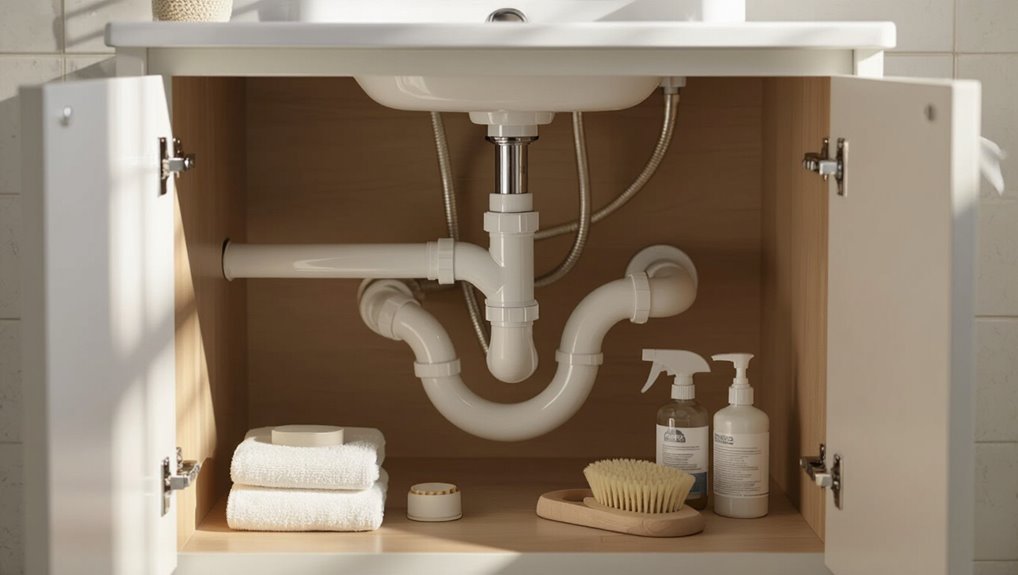
A pipe can emit odors for several clear reasons: sewer gas from a broken seal, clogs that trap waste, dried P-traps allowing gases to pass, or biofilm buildup lining the pipes.
Those smells travel through the plumbing network and into living spaces when seals fail, vents are blocked, or pressure changes force air through drains.
While many odors respond to quick fixes like rewetting traps or clearing a clog, persistent or strong sewage smells can signal a serious leak or venting problem requiring professional repair.
Common causes of pipe odors (sewer gas, clogs, dry traps, biofilm)
Several familiar causes account for most pipe odors: sewer gas backing up, partial clogs, dry traps, and sticky biofilm buildup.
Each source demands specific steps for how to keep a pipe from smelling: seal leaks to block sewer gas, clear hair and grease clogs, refill traps with water, and scrub or disinfect lines to remove biofilm.
Quick fixes often restore neutral smells.
How odors travel through plumbing into living spaces
Smells move from plumbing into living spaces primarily by following pressure differences and open pathways: sewer gas and volatile compounds travel up through dry or compromised traps, leaks in seals, or venting failures and then disperse into rooms.
Air currents, HVAC return paths, and negative pressure from exhaust fans accelerate spread.
Small gaps around fixtures or cracked pipes allow persistent odor migration until seals or traps are restored.
When a smell indicates a serious plumbing problem
When foul odor persists despite routine measures, it can signal a serious plumbing problem that requires prompt diagnosis and repair.
Such smells may indicate sewer line breaks, clogged vents, trapped gases, or contaminated water.
Immediate inspection by a licensed plumber prevents health risks and structural damage.
Repairs can include pipe replacement, vent clearing, leak sealing, or sewer line rehabilitation depending on the cause.
Quick Immediate Actions to Stop a Smelly Pipe
When odors arise, quick actions can often neutralize them before a plumber is needed.
Simple steps include flushing and running water to refill traps, rinsing with baking soda and vinegar, applying disinfectant or enzyme cleaners to break down biofilm, and removing visible debris from strainers.
For unused vents or drains, temporary sealing can help block sewer gases while longer-term fixes are arranged.
Flush and run water to refill traps
A quick flush and a sustained run of cold water can often restore the water seal in sink, tub, or floor-drain traps and immediately block sewer gases from entering a room.
The person should run water for 30–60 seconds, then test for odors.
If traps repeatedly dry, check for leaks, infrequent use, or slow-draining clogs and address those to maintain the seal.
Use a simple baking soda and vinegar rinse
If running water restores the trap seal but odors persist or a quick remedy is desired, a baking soda and vinegar rinse offers a simple, immediate option.
Sprinkle about half a cup of baking soda into the drain, follow with one cup of white vinegar, wait five to ten minutes for fizzing action, then flush with hot water.
Repeat weekly or as needed.
Apply household disinfectant or enzyme cleaner for biofilm
Treat the drain with a household disinfectant or an enzyme-based cleaner to break down the biofilm that often causes persistent odors.
Follow product instructions for contact time and dilution. Enzyme cleaners digest organic buildup safely; disinfectants kill bacteria and neutralize smells.
Rinse thoroughly afterward and repeat weekly or after heavy use.
Guarantee proper ventilation and keep chemicals away from pets and children.
Remove visible debris and hair from sink/drain strainers
Clear away visible debris and hair from sink and drain strainers to stop odors quickly and prevent clogs.
Using gloves, lift strainers and remove trapped matter into a trash bag; a small brush clears residue.
Rinse strainers under hot water, scrub with mild detergent, and replace.
Regular checks after washing and grooming prevent buildup and recurring smells without sealing vents or drains.
Temporary sealing techniques for unused vents or drains
When an unused vent or drain is emitting odors, temporarily sealing the opening can provide immediate relief while a permanent fix is arranged.
Options include adhesive vent caps, self-adhesive foam plugs, or a tight-fitting plastic cover sealed with duct tape.
Confirm materials are breathable enough to avoid pressure buildup, mark the location for future inspection, and replace the temporary seal with a lasting repair promptly.
How to Clean and Deodorize Different Types of Pipes and Drains
Different fixtures require tailored cleaning: kitchen sinks benefit from degreasing and enzyme cleaners to remove food buildup, while bathroom sinks and showers need treatments that break down soap scum and clear hair clogs.
Toilet-related odors often stem from faulty seals, gaskets, or a deteriorated wax ring and should be inspected and replaced as needed.
Floor drains, laundry drains, and utility sinks respond best to regular flushing, trap maintenance, and periodic enzymatic or mild chemical treatments to prevent odor-causing buildup.
Kitchen sink drains: grease and food buildup solutions
Kitchen sink drains often accumulate grease, food particles, and soap scum that congeal into foul-smelling clogs. Tackling these buildups requires both mechanical removal and regular maintenance to prevent recurrence.
Remove debris with a plunger, drain snake, or disassembled P-trap cleaning. Flush with hot water after biodegradable degreaser or enzyme cleaner.
Avoid pouring fat down the sink; use strainers and weekly maintenance so buildup never reestablishes.
Bathroom sink and shower drains: soap scum and hair removal
Tackle bathroom sink and shower drains by focusing on the two usual culprits: soap scum and hair.
Remove visible hair with a drain tool, then flush with hot water.
Scrape or dissolve soap residue using a paste of baking soda and vinegar or a gentle enzymatic cleaner.
Rinse thoroughly and use a hair catcher to prevent recurrence; repeat monthly for maintenance.
Toilet-related smells: seals, gaskets, and wax ring checks
Inspect toilet seals, gaskets, and the wax ring when persistent sewer odors linger around the bowl or floor.
Check for dampness, cracks, or movement at the base and tank-to-bowl junction.
Tighten loose bolts, replace deteriorated gaskets, and reseal with a new wax ring if necessary.
After repairs, flush repeatedly and monitor for returning odor or leaks before concluding the issue resolved.
Floor drains, laundry drains, and utility sinks: maintenance steps
After checking toilet seals and wax rings, attention should shift to floor drains, laundry drains, and utility sinks, which often harbor trapped debris and stagnant water that produce odors.
Remove grates, clear hair and lint, flush with hot water, and use a plumbing brush.
Periodically pour enzymatic drain cleaner or diluted bleach, run water to refill traps, and inspect for slow drainage or leaks.
Tools and Products That Work Best
Practical maintenance relies on the right mix of manual tools, chemical agents, and odor absorbers to stop smells at their source. Selection depends on the pipe type, the nature of the blockage or odor, and safety considerations.
The following highlights effective options and precautions to guide appropriate use.
- Manual tools: plunger, drain snake, Zip-It tool
- Chemical vs enzymatic cleaners: when to choose each
- Odor absorbers and neutralizers: charcoal, baking soda, commercial gels
- Protective gear and safety tips for handling cleaners and tools
Manual tools: plunger, drain snake, zip-it tool
Manual manual tools—plungers, drain snakes, and Zip-It-style hair removers—offer fast, low-cost ways to clear the organic buildup that causes pipe odors.
A plunger dislodges soft clogs in sinks and tubs. A drain snake reaches deeper blockages and scrapes residue from pipe walls. Zip-It tools snag hair and gunk near the trap.
All require minimal skill and immediate use.
Chemical and enzymatic cleaners: when to use each
When is a chemical drain cleaner preferable to an enzymatic one, and how should each be applied?
Chemical cleaners suit fast removal of heavy clogs and foul residues; use briefly, following label safety, ventilate, avoid mixing with other chemicals.
Enzymatic cleaners target organic buildup over time; apply per instructions, allow dwell time and repeat as needed.
Choose enzymes for maintenance, chemicals for urgent clearing.
Odor absorbers and neutralizers (charcoal, baking soda, commercial gels)
After addressing clog sources with chemical or enzymatic treatments, attention turns to products that capture or neutralize lingering smells.
Activated charcoal absorbs odors in traps and cabinets; baking soda sprinkled or placed in open containers neutralizes mild fumes.
Commercial gel or solid neutralizers release odor-counteracting compounds over time.
Placement, periodic replacement, and matching product strength to odor severity guarantee effective, lasting results.
Protective gear and safety considerations
Prioritize proper personal protective equipment and ventilation to reduce exposure to chemical cleaners, sewer gases, and biological contaminants when addressing pipe odors.
Gloves, eye protection, and N95 or chemical cartridges guard skin, eyes, and lungs. Guarantee cross-ventilation and avoid mixing cleaners.
Use disposable tools or disinfect reusable ones. Follow product labels, local regulations for disposal, and seek professional help for persistent or hazardous leaks.
Preventive Maintenance to Keep Pipes Odor-Free
Preventive maintenance focuses on simple routines that stop odors before they start.
Recommended measures include a regular flushing schedule for infrequently used drains, monthly cleaning with appropriate cleaners and brushes, and careful disposal of fats, oils, and grease to prevent buildup.
For persistent problems, installing trap primers and improving venting helps maintain water seals and proper airflow.
Regular flushing schedule for infrequently used drains
Many seldom-used drains develop stale odors when water in P-traps evaporates, so establishing a regular flushing schedule keeps seals intact and sewer gasses out.
A simple routine—run cold water for 30–60 seconds weekly or after long absences—replenishes trap water.
For remote fixtures, pour a quart of water or use straw-timed flushing.
Record schedules and check traps periodically for consistent protection.
Monthly cleaning routines (what to use and how)
Regular maintenance preserves both function and freshness: a monthly cleaning routine targets buildup that leads to odors before it becomes entrenched.
Use a gentle enzymatic drain cleaner or baking soda followed by vinegar, then hot water to dissolve organic films.
Scrub accessible trap components and strainers with a brush.
Inspect for slow flow, repeat monthly, and ventilate the area until odors dissipate.
Proper disposal of fats, oils, and grease
After monthly cleaning removes organic films that start odors, attention turns to what goes down the drain: fats, oils, and grease.
Proper disposal prevents buildup that causes blockages and smells. Cool and scrape grease into a sealed container for trash or recycling.
Wipe pans with paper before washing. Avoid pouring oils into sinks; use municipal disposal or composting options where accepted.
Trap primer installation and venting improvements
A handful of simple plumbing upgrades—primarily installing trap primers and improving venting—can prevent sewer gases from entering living spaces by ensuring water seals remain intact and drain lines stay properly pressurized.
A trap primer adds periodic water to seldom-used P-traps; venting upgrades correct negative pressure and allow air exchange.
Both reduce odor risk, prolong trap function, and minimize emergency repairs when implemented by a qualified plumber.
Diagnosing Persistent or Recurring Pipe Odors
When odors persist or return, a systematic check can identify common causes such as dry P-traps, trapped air pockets, clogged vents, or issues in sewer and septic lines.
Visible signs like water stains, dampness, mold, or gurgling sounds may indicate leaks, broken seals, or cracked pipes that require repair.
If basic checks and simple fixes do not resolve the smell, a professional plumber should be contacted to perform camera inspections and targeted repairs.
How to check for dry P-traps and trapped air pockets
How can dry P‑traps and trapped air pockets be identified as the source of persistent pipe odors?
Inspect fixtures for siphoned traps (gurgling, slow drains).
Pour water into rarely used drains; if odor disappears, the trap was dry.
For air pockets, run multiple fixtures simultaneously—persistent gurgling or intermittent suction indicates trapped air.
Confirm by restoring water seals and rechecking odors; if resolved, traps/air were the cause.
Inspecting vents, sewer lines, and septic systems
Several components beyond fixtures can introduce persistent odors into a building: roof vents, lateral sewer lines, and septic systems all warrant systematic inspection.
Technicians should check vent stack blockages, guarantee vents terminate above roofline, and verify sewer cleanouts for clogs or root intrusion.
Septic tanks require level, baffle, and drain-field assessments and timely pumping to prevent gas migration into plumbing.
Signs of leaks, broken seals, or cracked pipes
After inspecting vents, sewer lines, and septic systems for obvious sources, attention shifts to signs indicating leaks, broken seals, or cracked pipes that allow odors into occupied spaces.
Look for persistent dampness, mold or mildew growth, water stains, warped cabinetry, or unexplained increases in water bills.
Listen for gurgling, hiss, or dripping.
Smell localized sulfuric or sewage odors near fixtures, joints, or beneath floors.
When to call a professional plumber
When should a homeowner escalate recurring or stubborn pipe odors to a professional plumber? A plumber is warranted if odors persist after basic cleaning, recur quickly, or accompany slow drains, gurgling, or sewage backup.
Also call if water discoloration, mold growth, unexplained moisture, or visible damage appear.
Professionals diagnose hidden leaks, sewer-line issues, or venting problems and provide safe, lasting repairs beyond DIY scope.
Comparison of Fixes by Speed, Cost, and Effectiveness
A quick comparison helps readers choose between immediate DIY fixes and professional repairs based on speed, cost, and effectiveness. The table below summarizes how short-term deodorizing measures compare with longer-term solutions. This keeps the focus on practical trade-offs rather than technical detail.
| Option | Speed | Cost |
|---|---|---|
| DIY deodorizing (e.g., baking soda, enzyme cleaners) | Fast | Low |
| Temporary fixes (e.g., bleach, air fresheners) | Immediate | Low–Moderate |
| Professional repair (e.g., pipe replacement, trap adjustment) | Slower | Higher |
Immediate DIY fixes vs. professional repairs
Distinguish between quick DIY remedies and professional repairs by comparing speed, cost, and likely effectiveness to decide which approach fits the situation.
DIY actions—clearing traps, flushing with baking soda and vinegar, or sealing small leaks—are fast and low‑cost but sometimes temporary.
Professional repairs take longer and cost more yet address root causes: pipe replacement, vent correction, or thorough drain cleaning for durable, reliable results.
Short-term deodorizing vs. long-term solutions
After weighing quick DIY fixes against professional repairs, attention turns to choosing between short‑term deodorizing measures and long‑term solutions.
Short‑term options—baking soda, vinegar rinses, enzyme cleaners, traps—offer fast, low‑cost relief but require frequent repetition.
Long‑term solutions—pipe replacement, regrading, seal repairs, professional cleaning—demand higher upfront cost and time yet deliver durable odor elimination and reduced maintenance over months or years.
Common Mistakes to Avoid When Treating Pipe Odors
Common mistakes can turn a manageable pipe odor into a recurring or worsened problem. Overreliance on harsh chemical cleaners, treating only surface symptoms, and improper tool use are frequent contributors to prolonged issues.
Identifying and avoiding these errors helps guarantee repairs are effective and pipes remain intact.
- Overusing harsh chemical cleaners that can corrode seals and pipes
- Ignoring underlying causes after temporary fixes
- Misusing tools (e.g., forcing augers or using improper wrenches) that can damage pipes
- Relying solely on quick, short-term solutions instead of evaluating the source
Overusing harsh chemical cleaners
Relying heavily on strong chemical cleaners to eliminate pipe odors can create more problems than it solves.
Corrosive agents may damage seals, metal pipes, and plastic fittings, worsening leaks and odors over time. Residue buildup can trap bacteria and react with other substances, producing harmful fumes.
Safer, targeted cleaning and professional assessment are preferable to repeated harsh-chemical use.
Ignoring underlying causes after temporary fixes
While overuse of harsh chemicals can worsen pipe systems, addressing only the immediate smell without finding its source is another frequent mistake.
Temporary fixes mask symptoms: trapped debris, leaks, dry traps, or biofilm require diagnosis. Ignoring root causes leads to recurring odor, water damage, and higher repair costs.
Proper inspection and targeted repair eliminate smells sustainably, preventing repeat treatments.
Misusing tools that can damage pipes
Reach for the right tool with care: using inappropriate or overly aggressive equipment on pipes—such as metal drain snakes, high-pressure water jets, or improvised augers—can scratch finishes, rupture seals, or dislodge joints, turning a minor odor issue into a costly repair.
Professionals recommend using nonmetal snakes, soft-bristled brushes, enzyme cleaners, and calling a plumber for persistent blockages to prevent damage.
Simple Routine Checklist to Prevent Smelly Pipes
A brief, regular checklist helps prevent odors before they start by assigning simple weekly and monthly tasks and scheduling seasonal checks.
The checklist also notes signs that indicate a professional inspection is needed and when to arrange it. Following a concise routine keeps pipes functioning and smelling fresh.
- Clear traps and run cold water weekly
- Flush drains and check vents monthly
- Inspect for leaks and insulation each season
- Schedule a professional inspection every 1–2 years or after persistent odors
Weekly and monthly tasks
Several simple weekly and monthly tasks keep household drains fresh and prevent smelly pipes: a quick flush of hot water, a vinegar rinse for sinks, a trap inspection, and periodic enzyme treatments.
Weekly: run hot water and flush rarely used drains.
Monthly: pour vinegar or baking soda mixtures, check and clean P-traps, and apply enzyme cleaner per label to reduce buildup and odors.
Seasonal checks and when to schedule professional inspection
Seasonal checks provide a proactive layer of maintenance that catches slow-developing issues before they become odors or backups.
Every spring and fall, inspect vents, clean traps, run enzyme treatments, and flush rarely used drains.
If recurring smells, slow drains, or gurgling persist after routine care, schedule a licensed plumber for camera inspection and potential trap, vent, or seal repairs to prevent escalation.
Conclusion
Like a gardener pruning before winter, one who tends pipes prevents foulness before it flowers. Quick rinses, periodic scrubs, and timely repairs act as faithful tools, banishing odors with minimal fuss. For persistent stench, thoughtful diagnosis and targeted treatment restore order like a schooner finding true wind. With steady, simple care—cleaning, traps checked, vents cleared—the household breathes easy, and the hidden plumbing returns to its quiet, dutiful service.