How to Prevent Rust on a Plumbing Snake: Simple Steps to Protect Your Tool
To prevent rust on your plumbing snake, follow these simple steps: After each use, thoroughly wipe and dry the tool to remove moisture. Clean off any debris using brushes and mild detergent, then apply a light machine oil or rust-inhibitor spray. Store the snake in a dry, ventilated area, using desiccant packs or elevated racks to avoid moisture buildup. Additionally, perform periodic deep cleaning and replace worn coils to extend the life of your tool.
Why plumbing snakes rust and why it matters
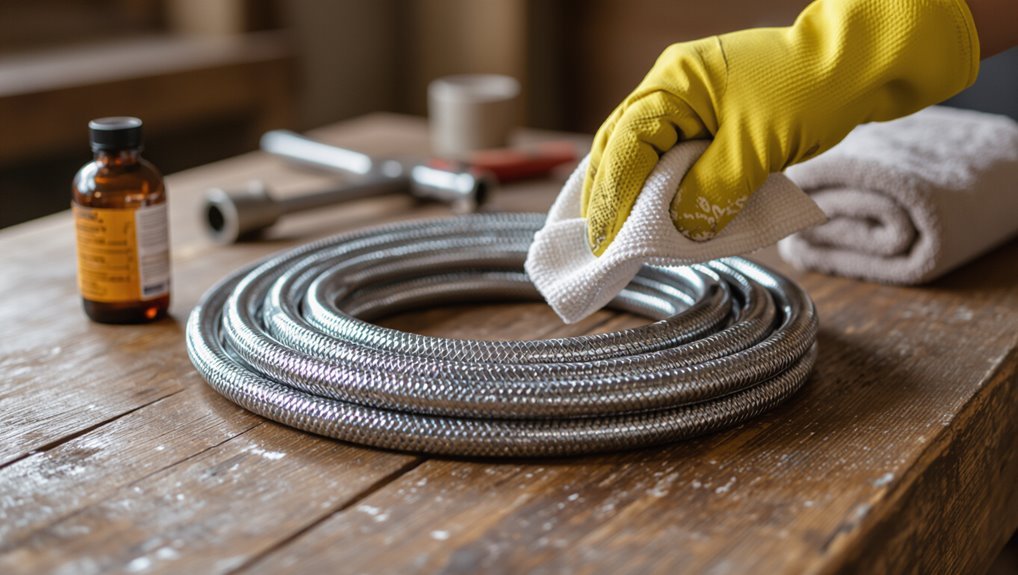
Plumbing snakes rust primarily from exposure to moisture, corrosive residues, and salt or mineral buildup left after use.
Rust weakens the cable, increases friction and binding, and shortens the tool’s usable life.
When corrosion leads to pitting, cracking, or loss of structural integrity, the snake becomes unsafe and should be repaired or replaced.
Common causes of rust on plumbing snakes
Corrosion forms on a plumbing snake when its metal surface is repeatedly exposed to moisture, oxygen, and electrolytes—conditions common in household drains—leading to oxidation that weakens the cable and reduces performance.
Common causes include standing water, acidic or salty residues, inadequate drying, abrasive wear removing protective coatings, and improper storage.
Regular cleaning, drying, and recommended lubricants explain how to prevent rust on plumbing snake.
How rust affects performance and longevity
Rust degrades a snake’s cable and drum by thinning metal, creating pitting, and increasing friction, which together reduce flexibility, cutting efficiency, and torque transfer.
Corrosion accelerates wear, causes binding and kinking, and forces motors to work harder, shortening bearings and seals.
Overall service life drops, maintenance frequency rises, and performance becomes inconsistent, increasing repair time and replacement costs over the tool’s lifespan.
When rust makes a snake unsafe to use
When corrosion progresses beyond surface pitting and increased friction, the tool can become unsafe to operate.
Deep rust weakens coils and joints, causing fractures or sudden failure under torque.
Severely corroded cables may snag, unravel, or shed shards that injure users and clog drains.
Compromised insulation on powered snakes risks electrical faults.
Prompt inspection and replacement preserve safety and prevent damage.
Quick answer immediate steps to prevent rust right now
After each use, the tool should be wiped dry and lightly oiled to remove moisture and inhibit corrosion.
Short-term storage adjustments—such as hanging the snake off the floor and keeping it in a dry, ventilated area—reduce rust risk immediately.
These fast actions require minimal time and prevent long-term damage.
Fast actions after each use
Wipe the plumbing snake thoroughly with a clean, dry cloth to remove water and debris that promote corrosion.
Apply a light coat of machine oil or rust-inhibitor spray to the cable and coils, then run the snake briefly to distribute lubricant evenly.
Inspect connectors for trapped moisture, dry crevices with compressed air if available, and allow the tool to air-dry fully before any packing.
Simple storage adjustments you can do today
Having dried and lightly oiled the snake, the next immediate step is to adjust storage to keep moisture and contaminants away from the cable.
Coil loosely on a dry peg or reel, avoid tight bends, and hang off the floor.
Store in a ventilated, low-humidity area with silica packs.
Use a breathable cover and keep away from chemicals and direct condensation sources.
Materials and tools that resist rust
Different plumbing snake designs offer varying corrosion resistance, from bare steel cables to fiberglass rods and coated augers.
Preference for stainless steel, galvanized or polymer-coated steel, and nonmetallic options like fiberglass helps minimize rust risk.
Recommended purchases include rust-resistant tools plus protective gear and supplies such as gloves, rust-inhibitor spray, and a dry storage case.
Types of plumbing snakes and their corrosion resistance
Because plumbing snakes are made from a range of materials, their susceptibility to corrosion varies considerably; stainless steel coils and fiberglass rods offer superior rust resistance, while plain carbon-steel cables are prone to oxidation unless protected.
Manual hand snakes, drum machines, and push rods differ in construction and finish. Protective coatings, sealed housings, and removable heads influence long-term durability and maintenance requirements.
Best tool materials (stainless steel, coated steel, fiberglass)
A plumbing snake’s longevity depends largely on its core material: stainless steel offers excellent corrosion resistance and strength for cables and coils, coated carbon steel provides a cost-effective compromise when the coating remains intact, and fiberglass rods deliver nonmetallic, rust-proof performance for push applications.
| Material | Corrosion Resistance | Best Use |
|---|---|---|
| Stainless steel | High | Cables/coils |
| Coated steel | Moderate | Budget options |
| Fiberglass | Excellent | Push rods |
Recommended protective gear and supplies to buy
When selecting protective gear and supplies, one should prioritize items made from rust-resistant materials—stainless-steel buckets and tool chests, plastic or rubber-coated gloves, and silicone or nylon storage bags—to minimize corrosion exposure and simplify maintenance.
Recommended purchases focus on durability, ease of cleaning, and protective coatings.
- Stainless-steel bucket and tray
- Rubber-coated gloves and sleeves
- Silicone storage bags and vapor-barrier wraps
Step-by-step cleaning and drying routine
A concise routine begins with removing visible debris and biological material using brushes and running water to prevent organic buildup.
Next, the tool should be washed with a suitable soap or degreaser and, where needed, treated with a disinfectant to remove oils and pathogens.
Finally, thorough drying—wiping, air drying in a ventilated area, or using compressed air—eliminates residual moisture that leads to rust.
How to remove debris and biological material
Begin by preparing a workspace with gloves, eye protection, and a drip tray to contain loosened material.
Extend the snake and scrape off clinging solids with a stiff brush or plastic scraper.
Use disposable towels to lift waste, deposit into a sealed bag, and repeat until visibly clear.
Air-dry the tool briefly, then inspect coils and joints for remaining residue before proceeding.
Proper washing techniques (soap, degreasers, disinfectants)
Prepare a systematic wash routine that removes oils, grime, and microbes without promoting corrosion:
Use mild liquid detergent and warm water to loosen residues, scrubbing with a soft brush.
For heavy grease, apply a water-rinseable degreaser per label.
Rinse thoroughly to remove residues.
Finish with a light, corrosion-inhibiting spray if specified by manufacturer.
Wear gloves and ventilate area.
Effective drying methods to prevent moisture retention
Allow the snake to shed surface water immediately after washing, then follow a controlled drying sequence that removes trapped moisture without introducing corrosion risk.
Wipe coils with a lint-free cloth, inspect junctions and the drum for pooled liquid, air-dry in a warm, ventilated area, and use compressed air for tight spaces.
Finish with a light, even film of rust inhibitor before storage.
Protective coatings and treatments
The section outlines practical options for protecting a plumbing snake, including light coatings such as oil, silicone spray, or WD-40 and heavier protection from rust-inhibitor paints and specialty coatings.
It explains appropriate timing and application methods for each product and provides guidance on how often to recoat.
A concise inspection checklist is offered to determine wear, coating failure, and when maintenance is required.
Applying oil, silicone spray, or WD-40: when and how
When choosing a protective spray or oil for a plumbing snake, select a product based on metal type, exposure to moisture, and planned storage duration.
Light machine oil prevents surface rust after cleaning; silicone spray repels moisture and lubricates without attracting debris; WD-40 provides short-term corrosion resistance and loosens grime but is not a long-term lubricant.
Apply thinly, wipe excess, and store dry.
Rust-inhibitor paints and specialty coatings
Several types of rust-inhibitor paints and specialty coatings exist to provide long-term protection for plumbing snakes by creating a barrier against moisture and oxygen.
Epoxy, polyurethane, and enamel coatings offer durable, chip-resistant layers.
Thin-film rust converters chemically stabilize existing rust before coating.
Ceramic and powder coatings deliver superior abrasion resistance.
Choose products rated for metal, apply per instructions, and cure fully for maximum effectiveness.
Recoating schedule and inspection checklist
A simple recoating schedule and inspection checklist assures protective coatings on a plumbing snake remain effective over time.
Inspect after each heavy use and monthly otherwise: check for chips, scratches, bubbling, or corrosion.
Clean and dry before touching up. Recoat annually or sooner if damage appears.
Record dates, observations, products used, and next due actions to assure consistent maintenance and rust prevention.
Optimal storage solutions to keep snakes dry
The article next addresses ideal storage solutions to keep plumbing snakes dry, focusing on indoor options such as racks, wall hooks, and sealed containers that prevent contact with damp floors.
It also considers moisture control measures like desiccant packs and basic climate control for garages or storage rooms.
Practical tips for transporting snakes—coverings, watertight cases, and drying protocols after use—are summarized to minimize rust risk.
Indoor storage ideas: racks, hooks, and containers
When stored indoors, plumbing snakes need a dry, organized setup that prevents contact with moisture and minimizes kinking. Wall-mounted racks, pegboard hooks, and sealed containers each offer practical ways to keep coils elevated, separated, and accessible.
Racks hold multiple snakes off the floor, pegboard hooks prevent tangles, and lidded plastic bins protect from splashes. Labeling and periodic inspection guarantee readiness.
Using desiccants and climate control in storage areas
If stored in a controlled environment, plumbing snakes remain far less prone to rust because low humidity and consistent temperatures slow corrosion and inhibit condensation.
Use silica gel packs or reusable desiccant canisters inside sealed containers or cabinets.
Install a dehumidifier or HVAC controls in basements or storage rooms.
Monitor humidity with a hygrometer, keeping levels below 50% to minimize moisture-related corrosion.
Transporting snakes without causing moisture damage
Moving from controlled indoor storage to transporting plumbing snakes requires attention to moisture control during transit to prevent rust and damage.
The technician packs coils in sealed, ventilated cases with silica packs, wipes and oils links before loading, and avoids placing snakes on damp surfaces.
Vehicles should be ventilated, tools elevated off floors, and trips minimized to reduce condensation and exposure.
Maintenance schedule and inspection checklist
A concise maintenance schedule breaks tasks into daily, monthly, and annual actions to keep the snake corrosion-free and functional.
Inspections should focus on early signs of corrosion and wear, such as pitting, flaking, stiffness, and damaged coils or fittings.
Clear criteria for repair versus replacement—based on extent of damage, safety, and cost—guide timely decisions.
Daily, monthly, and annual maintenance tasks
Establishes a clear schedule dividing tasks into daily, monthly, and annual checks to prevent rust and guarantee reliable performance of a plumbing snake.
Daily: wipe, dry, lubricate coil and store hung.
Monthly: inspect protective casing, reapply rust inhibitor, check connections.
Annual: deep-clean, replace worn components, professional service as needed to preserve function and longevity.
- Daily maintenance
- Monthly inspection
- Annual overhaul
How to spot early signs of corrosion and wear
How can early corrosion and wear be recognized before they compromise a plumbing snake’s performance?
Inspect the cable for pitting, flaking, or discoloration; check for stiff or kinked sections and frayed strands.
Examine the drum, connections, and coil for surface rust, loose fittings, or reduced rotation smoothness.
Note unusual noises, binding, or reduced feed/retract action for prompt maintenance.
When to repair versus when to replace
When should a plumbing snake be repaired rather than replaced? Regular inspections assess cable integrity, drum function, and tip condition.
Repair is appropriate for superficial rust, minor kinks, or worn coatings if structural strength remains.
Replace when deep pitting, multiple fractures, irreparable motor/drum damage, or persistent performance loss occur.
Follow a maintenance schedule: inspect before and after use, document issues, act promptly.
Rust removal techniques for salvageable snakes
For salvageable plumbing snakes, practical rust-removal options range from manual abrasion—scrubbing with wire brushes or sandpaper—to chemical rust removers applied with proper ventilation and protective gear.
Where stubborn corrosion persists, electrolytic and other advanced techniques can restore metal surfaces while minimizing material loss. Each method’s suitability depends on the snake’s condition, safety considerations, and the operator’s experience.
Manual methods: scrubbing, wire brushes, sandpaper
Begin by evaluating the extent of surface corrosion to determine whether manual removal is practical and safe.
For light rust, use a stiff nylon brush or fine wire brush to loosen flakes, then wipe clean.
For stubborn spots, employ medium-grit sandpaper or a sanding sponge, working along the coil to avoid gouging.
Finish by wiping debris and applying a light protective oil.
Chemical rust removers and safe usage
Select appropriate chemical rust removers based on the snake’s material and the severity of corrosion: mild chelating agents or citric-acid cleaners suit light surface rust on flexible steel coils, while stronger acidic formulations or phosphoric-acid-based products may be needed for heavier buildup but require stricter safety precautions.
Follow manufacturer instructions, use PPE, work in ventilation, avoid prolonged soaking to prevent pitting, rinse thoroughly and dry immediately.
Electrolytic and advanced rust removal options
Explore electrolytic and other advanced rust-removal methods when a plumbing snake shows substantial corrosion but the core steel is intact and worth preserving.
Electrolysis uses a washing-soda solution, sacrificial anode, and low-voltage DC to lift rust without abrasive loss.
Alternate options include professional media blasting, ultrasonic cleaning, and controlled chemical chelation.
Afterward, neutralize, dry thoroughly, and apply corrosion inhibitors and protective coatings.
Common mistakes that accelerate rusting
Common mistakes that speed rust formation include using overly harsh cleaners or abrasive practices that strip protective coatings.
Improper storage—such as leaving the snake coiled in a damp area or inside a sealed container—traps moisture against the metal.
Small issues left unrepaired, like nicks in the sheath or loose fittings, create entry points where corrosion can quickly worsen.
Harmful cleaning agents and practices to avoid
Many household cleaners and DIY shortcuts that seem convenient actually accelerate corrosion on a plumbing snake.
Abrasive powders, wire brushes used aggressively, bleach or acidic drain cleaners, and saltwater rinses damage protective coatings and expose bare metal. Leaving chemical residues or scrubbing too hard creates micro-abrasions where rust starts.
Use gentle degreasers, nonabrasive pads, and thorough rinsing to minimize harm.
Storage errors that trap moisture
Several storage mistakes trap moisture against a plumbing snake, speeding corrosion and reducing its lifespan.
Storing a damp snake in an unventilated toolbox, leaving it coiled tightly without airflow, or resting it on concrete floors invites condensation and rust.
Failure to use protective wraps or hang the tool off the ground concentrates moisture.
Proper ventilation, elevation, and dry covers prevent trapped humidity and corrosion.
Overlooking small repairs that lead to bigger corrosion
Neglecting minor nicks, loose fittings, or worn seals accelerates corrosion by exposing bare metal and allowing moisture and contaminants to sit against the snake.
Small defects compromise protective coatings, trap water, and create oxygen pockets that speed rust.
Regular inspection and prompt patching, tightening, or replacing damaged parts prevents localized deterioration, preserves tool integrity, and reduces the need for extensive future repairs.
Cost-effective tips for prolonging tool life
Practical, low-cost measures—such as homemade protective coatings, simple storage hacks, and routine cleaning—can greatly extend a plumbing snake’s service life.
Readers should weigh small maintenance expenses against the long-term value of replacing a worn tool, considering frequency of use and repair costs.
When purchasing a new snake, prioritizing corrosion-resistant materials, replaceable components, and sturdy storage options reduces future maintenance needs.
DIY protective solutions and hacks
Extend a few simple habits and inexpensive materials to keep a plumbing snake rust-free and functioning longer.
The guide recommends quick DIY barriers, drying routines, and periodic checks to prevent corrosion and extend service life.
- Coat exposed metal with light oil or wax.
- Store in a dry, ventilated case with desiccant.
- Inspect and reapply protection after each use.
Budget versus long-term investment: replacing vs. maintaining
After adopting simple rust-prevention habits like oiling, drying, and storing a plumbing snake properly, the next question becomes whether to keep investing in maintenance or to replace the tool outright. A pragmatic comparison considers frequency of use, repair costs, and remaining performance.
| Maintain | Replace |
|---|---|
| Lower short-term cost | Higher upfront cost |
| Regular care needed | Minimal maintenance |
| Extends life if undamaged | Better reliability |
| Cost-effective for occasional use | Better for heavy, frequent use |
When buying new, what features to prioritize
Which features matter most when buying a new plumbing snake depends on planned use and budget.
Prioritize corrosion-resistant materials (stainless or coated cables), replaceable tips, and sealed or water-resistant housings. Choose appropriate cable diameter and length for designated drains.
Look for smooth-feed mechanisms, easy-clean designs, and available spare parts. These choices minimize rust risk and extend tool life cost-effectively.
Real-world scenarios and recommendations
Recommendations differ by user: fleet managers require systematized maintenance and storage protocols. Occasional DIYers benefit from simple rinsing, drying, and light oiling. Both must adjust practices for winter and humid environments to prevent accelerated corrosion.
Specific guidance covers inventory rotation, protective coatings, and short-term storage solutions. The following sections compare approaches and offer actionable checklists tailored to each scenario.
Preventing rust for professional plumbing fleets
Durability matters for professional plumbing fleets that rely on snakes day in and out, so fleet managers must adopt systematic measures to prevent rust and extend tool life.
Implement scheduled inspections, quick post-job rinses and thorough drying, protective coatings, climate-controlled storage, and tracked maintenance logs.
Train technicians on corrosion prevention, rotate stock to avoid long-term idle tools, and budget for replacement cycles.
Best practices for occasional DIY users
Professional fleets follow regimented routines, but occasional DIY users face different constraints and opportunities when preventing rust on a plumbing snake.
Store the tool dry, wipe coil after use, and apply a thin film of oil or silicone spray. Use a simple plastic case or hang on a pegboard to avoid contact with moisture.
Inspect before each job and reapply protection as needed.
Seasonal considerations: winter and humid climates
When temperatures drop or humidity rises, a plumbing snake faces two distinct corrosion risks—freezing moisture that condenses and holds water on the coil during winter, and persistent dampness that accelerates oxidation in humid climates.
Store indoors in dry, ventilated areas; use silica gel or desiccant packs.
After use, dry thoroughly, apply light oil, and inspect coatings regularly to prevent seasonal damage.
Final checklist: daily to yearly actions to prevent rust
Although routine care varies with frequency of use, a concise checklist helps guarantee a plumbing snake remains rust-free from daily to yearly intervals.
Inspection, cleaning, drying, and light oiling after each use prevent surface corrosion; proper storage controls humidity; annual deep maintenance restores protective coatings and checks for wear.
- Daily: wipe, dry, oil.
- Monthly: inspect, clean thoroughly.
- Yearly: recoat, replace parts.
Conclusion
Like a weathered sailor’s line kept taut against a storm, the plumbing snake endures when tended with care. Regular cleaning, thorough drying, and a protective sheen of oil or coating form a small fleet that wards off rust’s slow tide. Choosing corrosion-resistant materials and avoiding common neglect are the compass and anchor that preserve function. Consistent, simple maintenance transforms a disposable tool into a reliable companion, ready at the next call.