How to Tell If a Pipe Burst Underground: 9 Clear Signs and What to Do Next
If you suspect a pipe has burst underground, look for these clear signs: visible wet patches, sinking or spongy soil, sudden depressions, discolored water, and persistent puddles even after dry weather. Additional indicators include a loss of water pressure, weak or intermittent flow, unusual noises, and a water meter that moves when no fixtures are in use.
To address the issue, shut off the main water supply, document the conditions, and contact a licensed plumber or utility service. Further steps can guide you on confirming the issue, taking emergency actions, and exploring repair options.
How to Know If a Pipe Has Burst Underground Quick Indicators
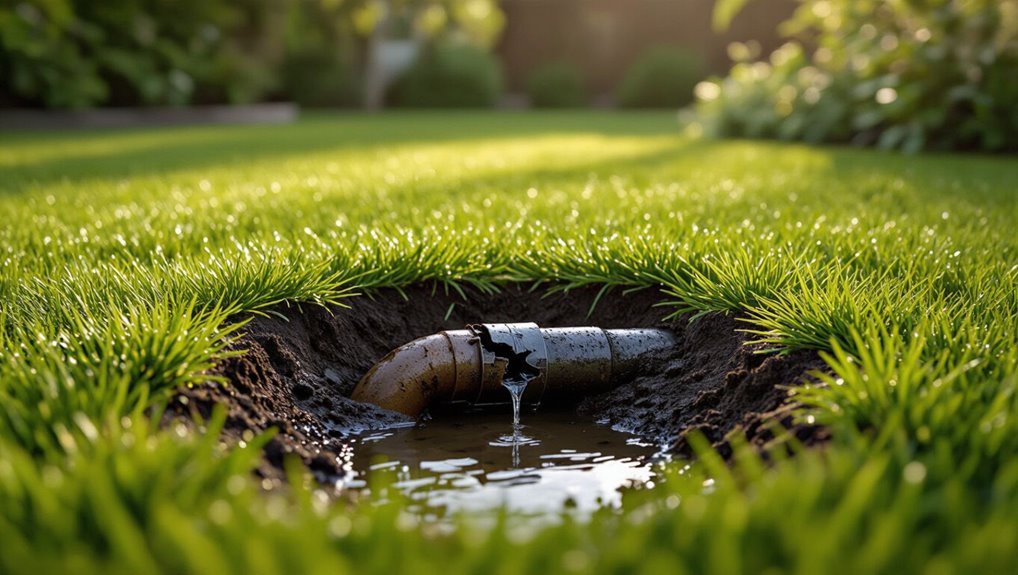
Visible clues such as pooling water, soggy or bulging soil, and sudden surface cracks or sinkholes often mark an underground pipe failure.
Residents may also notice abrupt drops in water pressure or a complete loss of service as an immediate indicator.
Changes in lawn color or unusually vigorous patches of vegetation can further signal a hidden leak.
Immediate visible signs at the surface
How can one spot a burst underground pipe from the surface? Observers look for pooling water, soggy or sinking ground, unexplained mud, lush patches of grass, or erosion near pavement.
Cracks, sinkholes, or sudden depressions above utility lines also signal problems.
Visible discolored water seeping from soil and persistent wet spots after dry weather are clear indicators of how to tell if a pipe burst underground.
Sudden changes in water service and pressure
Surface signs often accompany abrupt interruptions or fluctuations in a building’s water supply, but sometimes the quickest clue to an underground pipe failure is a sudden change in service or pressure inside the structure.
Users may notice weak taps, intermittent flow, banging pipes, or rapid pressure loss when appliances run.
Persistent drops or complete outages warrant immediate shutoff and professional inspection to locate concealed breaks.
Unusual ground wetness or pooling
A patch of unusually soggy soil or a new puddle on otherwise dry ground often signals a concealed leak from a damaged underground pipe.
Such wet spots may appear inconsistent with recent weather, remain localized, or persist despite drainage.
Homeowners should note location, size, and any water smell, avoid digging, and contact a qualified plumber or utility service for assessment and repair.
Unexpected sinkholes, cracks, or bulging soil
When soil suddenly sinks, cracks, or bulges without an obvious cause, it can indicate that an underground pipe has failed and washed away supporting material.
Such surface deformation often appears near driveways, walkways, or utility trenches. Immediate inspection is warranted to prevent collapse, further erosion, or utility damage.
Professionals can locate the leak, assess structural risk, and recommend excavation or repair.
Lawn or vegetation changes indicating leaks
If discoloration, unusually lush growth, or persistent sogginess appears in a lawn or garden patch without a clear irrigation source, it can signal an underground pipe leak feeding excess moisture to the root zone.
Localized puddles, spongy ground, or thriving weeds contrast with surrounding dry areas. Inspect for circular wet spots, mildew, or rotten-wood odors near buried lines and act promptly to locate the source.
Spikes in water bills as an early clue
How can an unexplained jump in a water bill alert homeowners to an underground pipe failure? A sudden, persistent increase without changed usage suggests hidden leakage.
Comparing meter readings or daily usage before and after the spike can confirm abnormal flow. Rapidly rising charges, especially paired with damp spots or lower water pressure, warrant immediate investigation by a plumber or utility to prevent further damage.
Sounds that suggest a subterranean rupture
A sudden, persistent noise beneath the ground—such as a low, rhythmic thumping, a steady hissing, or the faint roar of rushing water—can indicate a subterranean pipe rupture.
Observers may also hear metallic clanks, gurgling near drains, or irregular bubbling after rainfall.
These sounds often localize leak sites; professionals use acoustic detectors to pinpoint ruptures before excavation, minimizing damage and repair time.
The Nine Clear Signs of an Underground Pipe Burst
A clear set of indicators can point to an underground pipe burst and help prioritize inspection. These include rapid loss of household water pressure, persistent or unexplained surface pooling, and unusually soggy or warm lawn patches.
Also watch for sudden sinkhole formation or soil subsidence and unexpected turbidity, discoloration, or odor in tap water.
Sign 1 Rapid loss of water pressure in the home
When water pressure suddenly drops throughout a home, it often signals a significant leak in the underground supply line rather than a minor fixture issue. Such a rapid loss typically stems from a break where pressurized water escapes before reaching taps and appliances.
Occupants should note simultaneous low flow at multiple outlets, unusually noisy pipes, and escalating utility readings, which together point toward a subterranean rupture needing prompt professional evaluation.
Sign 2 Constant or unexplained water pooling on ground surface
Following a sudden drop in household water pressure, another clear indicator is persistent or unexplained water pooling on the ground above buried lines.
Standing water that appears without rain, recurrent puddles despite dry weather, or water collecting near sewer cleanouts suggests subsurface leakage.
Such pooling often tracks downhill along a path, expanding over time and signaling an underground breach requiring prompt investigation.
Sign 3 Unusually soggy or warm patches of lawn
Unusually soggy or warm patches of lawn often indicate concealed leaking pipes beneath the surface.
Persistent dampness without rain, spongy ground, or localized warmer soil temperatures—especially near buried supply lines or sewer mains—suggest continuous water flow below.
Vegetation may appear lusher or discolored.
Prompt inspection by a professional plumber or utility locator can confirm a leak and prevent further damage or contamination.
Sign 4 Sudden sinkhole formation or soil subsidence
A sudden depression in the yard or roadway—often circular and sharply defined—can signal soil subsidence caused by a failing underground pipe.
Collapsing voids form as escaping water erodes supporting soil, creating holes or slumping ground. Nearby pavement cracks, depressed utility covers, or sinking landscaping corroborate the sign.
Immediate assessment and cordoning-off reduce risk; contact utility specialists for inspection and repair.
Sign 5 Unexpected turbidity, discoloration, or odor in water
How can cloudy, colored, or foul-smelling water indicate an underground pipe failure?
Unexpected turbidity, discoloration, or odor often signals contamination from soil, rust, or sewage entering supply lines via cracks or joints.
Sudden changes in taste, visible particles, brown or green hues, or sewage-like smells warrant immediate investigation and water use restriction until a professional assesses and isolates the source.
Sign 6 Repeated clogging or air in plumbing fixtures
Noticing cloudy or foul-smelling water often coincides with other mechanical symptoms, such as repeated clogs or trapped air in fixtures.
Sudden persistent blockages, gurgling drains, sputtering faucets, or spurts of air signal pressure changes or debris from a compromised subterranean line.
These intermittent symptoms, especially when widespread across fixtures, warrant professional inspection for leaks, collapse, or pipe intrusion.
Sign 7 Continuous running of water meters when all fixtures are off
When every tap and appliance is shut off yet the water meter’s dial or digital readout keeps moving, it indicates water is flowing somewhere in the system despite no intentional use.
Continuous meter movement suggests a leak, often underground. Monitoring the meter for several hours isolates the issue; a persistent advance after shutting valves points to buried pipe damage requiring prompt inspection and repair to prevent escalation.
Sign 8 Mysterious wet spots on foundations or basement walls
A constantly moving water meter can point investigators to an unseen leak, and one of the most telling physical signs of that hidden damage is dampness appearing on foundations or basement walls.
Discrete wet spots, persistent staining, efflorescence, or localized mold growth often indicate soil saturation from a subterranean breach.
Prompt assessment prevents structural damage; document locations, avoid disturbing evidence, and contact a professional.
Sign 9 Hissing, rumbling, or underground water flow sounds
If faint hissing, low rumbling, or the steady murmur of water is heard near the ground, it can signify pressurized flow through a compromised underground pipe.
Such sounds often occur continuously or increase with water use. They localize leaks when quieter elsewhere.
Immediate inspection by a professional is advised, as ongoing pressurized discharge can erode soil, undermine structures, and rapidly worsen damage.
How to Confirm an Underground Pipe Burst
To confirm a suspected underground pipe burst, the homeowner should start by checking the water meter for unexplained flow and perform a systematic visual inspection of the yard and foundation for wet spots, sinkage, or mould.
Simple tools like moisture meters and basic infrared thermography can pinpoint damp zones, while professional leak-detection equipment is warranted if those methods are inconclusive.
Utility maps and as-built plans should be consulted to identify the likely locations of buried lines before excavation or specialist intervention.
How to check the water meter for leaks
How can the water meter reveal an underground leak? Inspect the meter when all water is off: note the dial or digital flow indicator. A spinning dial, moving digits, or a small leak indicator arrow signals continuous flow.
Record readings, wait an hour without use, then recheck. Unexplained changes indicate leakage; report findings and shut main supply before professional assessment.
Visual inspection checklist for yard and foundation
After checking the meter for continuous flow, a visual inspection of the yard and foundation helps confirm whether an underground pipe has burst.
Look for soggy or unusually green patches, pooling water, depressions or sinkholes, sudden lawn heaving, and wet spots along foundation walls.
Inspect basement or crawlspace for dampness, staining, efflorescence, or fresh cracks indicating soil movement from leak-related erosion.
Using simple tools: moisture meters and infrared thermography
Probe the soil and structures with simple diagnostic tools to narrow down a suspected underground leak.
A handheld moisture meter locates damp zones in soil, lawns, and near foundations by reading relative moisture levels.
Infrared thermography highlights temperature anomalies caused by wet soil or leaking water lines.
Together they prioritize inspection areas and inform whether further diagnostic steps or professional assessment are warranted.
When to use professional leak-detection equipment
Call in specialized equipment when preliminary checks—visual inspection, moisture meters, and handheld infrared scans—indicate persistent anomalies or when the leak’s location, depth, or system complexity exceeds homeowner tools.
Professionals deploy acoustic correlators, ground-penetrating radar, tracer gas, and pipe cameras to pinpoint leaks with minimal excavation.
Use experts if multiple utility lines, structural risk, or insurance documentation demands precise, verifiable location data.
How utility maps and as-built plans help locate buried lines
Utility maps and as-built plans serve as the blueprint for locating buried lines, showing pipe routes, depths, materials, and nearby utilities that narrow search areas and reduce unnecessary excavation.
Reviewing these documents allows technicians to correlate visible surface features with recorded layouts, prioritize likely failure zones, and choose appropriate detection tools.
Accurate plans speed response, lower costs, and minimize risk to other infrastructure during confirmation and repair.
Immediate Steps to Take If You Suspect an Underground Burst
If an underground pipe is suspected to have burst, the main water supply should be shut off immediately and gas utilities considered for safety.
Appliances and affected zones ought to be isolated to limit further damage while temporary measures—such as sandbags or makeshift drains—are used to control surface flooding.
Clear photos and notes should be taken to document damage for insurance and repair estimates.
Turning off the main water supply and gas considerations
At the first sign of a suspected underground burst, the homeowner should shut off the property’s main water supply to stop flow and limit damage; locate the shutoff near the water meter or where the service line enters the building and close it firmly with a wrench if needed.
Next, assess any odor or hissing indicating gas; if present, evacuate, avoid switches, and call the gas company or emergency services promptly.
Minimizing property damage: shut off appliances and isolate zones
Isolate affected systems and power down appliances to prevent electrical hazards and limit water damage: shut off connected appliances like washing machines, dishwashers, hot water heaters, and irrigation controllers at their service switches or circuit breakers, and close valves on appliances with individual supply lines.
Then isolate plumbing zones by closing relevant shutoffs, label affected areas, and notify occupants and professionals for assessment and safe restoration.
Temporary containment measures for surface flooding
Several quick containment steps can reduce surface flooding while awaiting professional help:
Place sandbags or soil berms to divert flow, use absorbent pads or towels on hard surfaces, block basements with plastic sheeting and weighted boards, and clear storm drains nearby.
Redirect water away from foundations using temporary trenches or pumps.
Prioritize safety: avoid electrical hazards and contaminated water when implementing measures.
Documenting damage for insurance and repair estimates
After taking immediate measures to limit surface flooding, the next priority is to document damage for insurance and repair estimates.
Photographs and video should capture affected areas, water lines, soil collapse, and displaced fixtures. Record dates, times, and observed progression.
Collect receipts for emergency expenses, obtain contractor initial assessments, and contact the insurer promptly.
Preserve original evidence and avoid unnecessary repairs before approval.
How Professionals Diagnose and Locate Underground Bursts
Professionals use a range of tools to pinpoint underground breaks, from electronic leak detection and tracer gas to acoustic correlators that listen for escaping water.
Visual confirmation and assessment often follow with CCTV pipe inspection or targeted exploratory excavation.
Homeowners are advised to understand these methods so they can decide whether to call a plumber or contact the municipal utility based on location, size, and service responsibility.
Electronic leak detection methods
When visual inspection and acoustic listening are inconclusive, technicians turn to electronic leak detection to pinpoint underground bursts with greater precision.
These methods measure electromagnetic fields, pipe-to-soil potentials, and signal attenuation to locate faults without excavation. Portable instruments and sensors triangulate signals, reducing search area and damage.
- Ground-penetrating radar for subsurface imaging
- Electromagnetic pipe locators
- Soil resistivity mapping
Tracer gas and acoustic correlators
Technicians deploy tracer gas and acoustic correlators to detect and pinpoint underground pipe breaches without digging. Tracer gas pressurizes the line; sniffer probes trace escape points.
Acoustic correlators analyze sound patterns along pipe runs to locate leaks precisely. Combined use reduces excavation, speeds repairs, and minimizes disruption.
- Tracer gas: rapid, sensitive detection
- Acoustic correlator: precise location mapping
- Combined: efficient, noninvasive diagnostics
CCTV pipe inspection and exploratory excavation
After using tracer gas and acoustic correlators to narrow down a suspected breach, CCTV pipe inspection and targeted exploratory excavation provide visual confirmation and physical access for repair.
Technicians insert cameras to assess joint failure, corrosion, blockages, or root intrusion. If inspection confirms damage, small, strategic digs expose the pipe for immediate repair or replacement, minimizing surface disruption and excavation scope.
When to call a plumber vs. municipal utility
Who should be contacted first depends on the pipe’s ownership, location, and the severity of the leak.
Property owners should call a licensed plumber for private lateral, house, or sewer lines and for immediate mitigation.
The municipal utility must be notified for mains, service lines up to the meter, or suspected public infrastructure failures.
Emergency shutoff, safety, and documented inspections guide responsibility and billing.
Repair Options and What to Expect
Repair options range from non-invasive methods like cured-in-place pipe lining and epoxy relining to full excavation and pipe replacement. Trenchless techniques often minimize surface disruption compared with traditional digging.
The choice depends on pipe condition, location, expected lifespan, and cost, which together influence timelines, common complications such as access limitations or unforeseen corrosion, and overall budgeting.
Homeowners should expect clear estimates outlining procedure steps, probable duration, and contingency costs before work begins.
Non-invasive repairs: pipe lining and epoxy relining
Consider trenchless options like pipe lining and epoxy relining when access to underground pipes is limited or digging would cause excessive disruption.
These methods restore flow and structural integrity by inserting a resin-saturated liner or coating the pipe interior, curing it in place to form a seamless, corrosion-resistant channel.
They minimize surface damage, shorten repair time, and suit cracks, corrosion, root intrusion, or minor misalignments without full replacement.
Excavation and pipe replacement: typical process
Excavation and full pipe replacement involves locating the damaged section, exposing it through trenching or targeted digging, removing the compromised pipe, and installing a new length or segment to restore proper flow and grade.
After replacement, joints are inspected, backfill is compacted in layers, surfaces are restored, and pressure/testing confirms integrity.
Time, cost, and surface repair needs vary with depth, soil, and site access.
Trenchless repair vs. traditional digging
Weighing trenchless methods against traditional digging involves comparing invasiveness, cost, and suitability for site conditions. Trenchless relines or pipe-bursts minimize surface damage and often shorten restoration; digging allows full replacement when alignment or extensive damage exists. Choice depends on soil, access, and budget.
| Method | Pros/Cons |
|---|---|
| Trenchless | Less invasive; higher material cost |
| Traditional | Complete replacement; more disruptive |
Estimated timelines and common repair complications
Repair timelines vary with damage severity, access, and chosen method: minor relines or spot repairs can take a day or two, full trenchless pipe-bursts typically require several days including curing and reinstatement, while traditional dig-and-replace jobs often span several days to a week or more when excavation, shoring, and surface restoration are required.
Delays arise from unexpected soil conditions, hidden joint failures, permit waits, weather, and utility conflicts.
Cost factors and budgeting for repairs
Several variables determine the total cost and should guide budgeting decisions: pipe material and diameter, depth and accessibility, chosen repair method (trenchless relining, pipe-bursting, or full dig-and-replace), extent of damage, site restoration needs (landscaping, pavement, or structural repairs), and local labor, permit, and disposal fees.
Contingency funds (10–30%) cover surprises; obtain multiple quotes, verify warranties, and prioritize repairs that minimize long-term disruption and recurring failures.
Preventing Future Underground Pipe Bursts
Preventing future underground pipe bursts requires a proactive program of regular inspections and timely maintenance.
Priorities include replacing aging or vulnerable pipe materials, adjusting landscaping and irrigation to keep roots and moisture from stressing lines, and installing shut-off valves and pressure regulators.
Seasonal factors—freeze–thaw cycles, prolonged drought, and soil movement—should inform inspection schedules and protective measures.
Regular inspection and maintenance routines
When systems are inspected on a scheduled basis and maintenance tasks are performed systematically, the likelihood of an unnoticed underground pipe failure drops sharply.
Routine visual checks, pressure monitoring, leak detection surveys, and telemetry reviews identify anomalies early. Clear records, prioritized repairs, and seasonal adjustments reduce stressors.
Trained personnel follow standardized checklists to guarantee consistent coverage and timely intervention, minimizing emergency incidents and repair costs.
Replacing aging materials and vulnerable pipe types
Because materials degrade and installation standards evolve, replacing aging pipes and phasing out vulnerable types is a critical strategy to reduce future underground bursts.
Authorities should prioritize replacing corroded metal, clay, and older plastic with modern, durable materials such as HDPE or PVC rated for local soil and pressure.
Targeted replacement schedules, records, and professional assessments minimize risk and extend system lifespan.
Landscaping and irrigation practices that protect pipes
Upgrading pipe materials and replacing vulnerable sections reduces the likelihood of failures, but protection from surface activities further extends their service life.
Proper landscaping avoids heavy-root trees near lines, uses shallow-root plants, and locates irrigation heads away from joints.
Drip irrigation and scheduled low-pressure cycles minimize soil erosion and saturation.
Routine inspections and clear mapping prevent accidental damage during gardening or construction.
Installing shut-off valves and pressure regulation
A few strategically placed shut-off valves combined with proper pressure regulation form the most effective first line of defense against underground pipe bursts.
Valves isolate sections for rapid response, minimizing water loss and damage.
Pressure regulators and surge protectors maintain steady flow, reducing stress on joints.
Periodic inspection and professional calibration guarantee systems function correctly, prolonging pipe lifespan and preventing catastrophic failures.
How seasonal conditions affect underground piping
When seasons change, temperature swings, soil moisture, and freeze–thaw cycles alter the forces acting on buried pipes, increasing risk of movement, joint stress, and corrosion.
Seasonal groundwater rise and soil heave shift bedding support, while drying causes settlement and tension. Thermal contraction stresses materials; repeated cycles fatigue joints.
Regular inspection, frost protection, proper bedding, and corrosion control mitigate seasonal damage and reduce burst likelihood.
Signs a Situation Is an Emergency and When to Evacuate
Visible foundation cracks, rapidly spreading mud or pooled discolored water that smells of sewage or chemicals indicate structural risk or contaminated supply and warrant immediate attention.
Presence of natural gas odors, downed electrical lines, or sparking near flooded areas elevates the danger and should prompt evacuation.
Emergency services should be contacted first for immediate hazards, followed by the utility company to shut off services and a plumber to assess and repair the pipe.
Indicators of structural risk or contaminated water
Urgency rises when sudden ground movement, gushing water, or strong sewage odors occur near a property, because these are immediate indicators of structural compromise or contamination that can quickly escalate into life-threatening conditions.
Visible sinkholes, bulging foundations, persistent murky or foul-smelling water, and unexplained illnesses among occupants demand immediate evacuation.
Contact emergency services and avoid contact with contaminated water until professionals assess risk and contain hazards.
Gas or electrical hazards related to underground flooding
If buried utility lines are ruptured or submerged by floodwater, there is an immediate risk of gas leaks, electrical faults, and explosions that can make an area life-threatening.
Occupants should treat any strong rotten-egg odor, buzzing from transformers, sparking, or low-hanging power lines as signs to evacuate.
Evacuate immediately to higher ground, avoid contact with standing water, and keep others away until professionals confirm safety.
Who to call first: emergency services, utility company, plumber
When signs of a serious underground pipe failure appear—strong gas odor, electrical arcing, rapid flooding, or structural collapse—call emergency services first to secure life safety and coordinate evacuations.
Utility companies should be notified immediately about suspected gas or power line damage, and a licensed plumber should be engaged for diagnosis and repair once the scene is declared safe by responders.
Afterwards, document damage, follow official instructions, and avoid reentry.
How to Work With Insurance and Local Utilities
The homeowner should promptly document visible damage, take dated photos, and gather repair estimates to support an insurance claim.
They must verify policy details to determine whether homeowners insurance covers the damage or if separate utility or sewer line coverage is required.
Coordination with municipal utilities is also essential when a main-line failure is suspected so responsibility and repair timelines can be confirmed.
Documenting evidence and filing a claim efficiently
Start by securing clear, time-stamped records of the damage and response actions: photographs of affected areas, videos showing leak sources or soil disruption, dated notes of odor or sound observations, and copies of any emergency repair receipts.
Then log communications with utilities and insurers, obtain written estimates, preserve undisturbed evidence, and submit organized documentation promptly to expedite inspections, approvals, and reimbursement decisions.
Understanding what homeowners insurance typically covers
Because coverage varies by policy type and cause, homeowners should first identify whether a policy lists underground pipe damage, sudden accidental discharge, or gradual deterioration as covered perils.
Policies often cover sudden accidental bursts and resultant interior damage, while excluding maintenance-related leaks or gradual wear.
Deductibles, limits, and requirements for prompt mitigation and documentation affect recoverable costs; confirm specifics with the insurer.
Coordination with municipal utilities for main-line failures
When a homeowner suspects a main-line failure, promptly contacting the local utility is as important as notifying the insurer. Utilities determine responsibility for public mains, can shut off supply to limit damage, and provide official incident reports that insurers often require.
The homeowner should document communications, follow utility safety instructions, obtain written determinations of responsibility, and coordinate repair timelines between the utility and insurer to streamline claims and restoration.
Long-Term Monitoring and Post-Repair Checks
After repairs are completed, professionals verify integrity through pressure testing and visual or camera inspections to confirm seals and joints hold.
Property owners should monitor for recurrent leaks and schedule seasonal follow-ups, especially after freeze–thaw cycles or heavy rain.
Keeping accurate records—as-built maps, repair dates, warranty information, and contractor contacts—simplifies future checks and any needed warranty claims.
Verifying repair integrity: pressure testing and inspections
Confirming the durability of an underground pipe repair requires systematic pressure testing and visual inspections to guarantee leaks are eliminated and joints remain secure.
Technicians perform hydrostatic or pneumatic tests, monitor pressure stability, and inspect exposed fittings, welds, and backfill.
Test records document baseline performance; immediate corrective action follows any pressure loss or visible defect before reinstating service and completing final sign-off.
Monitoring for recurrent leaks and seasonal follow-ups
Establishes a schedule of periodic checks to detect recurrent leaks and assess repair performance over time.
Inspections include visual surface observations, moisture meters, and pressure monitoring at set intervals—after heavy rains, seasonal freeze/thaw shifts, and several months post-repair.
Promptly addresses minor anomalies, re-tests suspect sections, and coordinates preventive measures such as insulation or improved drainage to reduce recurrence risk.
Record-keeping: maps, repair dates, and contractor details
A single, well-organized record set—comprising as-built maps, dated repair logs, and contractor contact information—provides the foundation for effective long-term monitoring and rapid response to future underground pipe issues.
Detailed entries should note locations, materials, repair methods, warranties, and photos.
Regularly updated records enable trend analysis, prioritized inspections, faster emergency mobilization, and clearer accountability between owners and service providers.
Helpful Tools, Materials, and Resources
A concise list of recommended detection devices for homeowners—such as moisture meters, acoustic leak detectors, and thermal cameras—can help identify signs of underground pipe failure.
Guidance on trusted professional certifications and practical vetting steps for contractors, including license checks and references, informs hiring decisions.
Links to further reading and municipal resources for permits, emergency contacts, and rebate programs round out the toolkit.
Recommended detection devices for homeowners
Homeowners should prioritize a small toolkit of reliable detection devices that balance ease of use with accuracy:
- an acoustic leak detector for pinpointing subsurface flow sounds,
- a soil moisture meter to identify unusually wet areas above buried lines,
- an infrared/thermal camera or thermometer to reveal temperature anomalies along suspected pipe routes,
- and a reliable pressure gauge to monitor sudden drops in system pressure.
- Acoustic leak detector
- Soil moisture meter
- Infrared/thermal camera
Trusted professional certifications and how to vet contractors
When selecting a contractor to investigate suspected underground pipe bursts, look for professionals holding relevant certifications—such as licensed plumbers, backflow testers, and technicians certified in leak detection or pipe locating—to guarantee technical competence and adherence to local codes.
Verify licensing, insurance, and references; confirm specialized equipment and warranty terms; request written estimates and timelines.
- Check state licensing and insurance
- Ask for leak-detection certifications
- Request references and written estimates
Further reading and municipal resources
Resources help bridge knowledge gaps and connect property owners with reliable local services and official guidelines. Recommended sources include municipal water department pages, state plumbing codes, and utility emergency contacts.
Review conservation tips, leak detection guides, and permit requirements. Verify contact numbers and downloadable maps. Use official PDFs and accredited trade associations for technical guidance and contractor directories.
- Municipal water department websites
- State plumbing code handbooks
- Local utility emergency contacts
Conclusion
Recognizing an underground pipe burst is less a mystery than a sequence of warning notes; when those notes compound, action becomes imperative. Homeowners should treat clear signs as a map—follow them to confirm damage, shut off water, and call professionals. Experts will locate, diagnose, and advise repairs while insurers and utilities coordinate. After fixes, ongoing monitoring guarantees stability. Vigilance, prompt response, and competent repair turn a potential disaster into manageable maintenance.