How to Use a Bathtub Safely and Comfortably: Step-by-Step Guide
To use a bathtub safely and comfortably, follow this step-by-step routine:
- Inspect and Clean: Ensure the tub is clean and free of debris.
- Check Lighting and Ventilation: Make sure the area is well-lit and properly ventilated.
- Gather Supplies: Keep all necessary supplies within easy reach.
- Test Water Temperature: Adjust the water to a comfortable temperature before entering.
- Use Safety Features: Place non-slip mats in the tub and install secure grab bars.
- Enter Carefully: Maintain three points of contact while entering the tub slowly.
- Limit Soak Time: Avoid prolonged soaking for comfort and safety.
- Use Gentle Cleansers: Opt for mild soaps to prevent skin irritation.
- Dry Carefully: Step out slowly and dry off to avoid slips.
For children or individuals with mobility challenges, supervision or transfer aids are recommended. For more detailed steps, equipment recommendations, and maintenance tips, continue reading.
Why Bathtub Safety and Comfort Matter
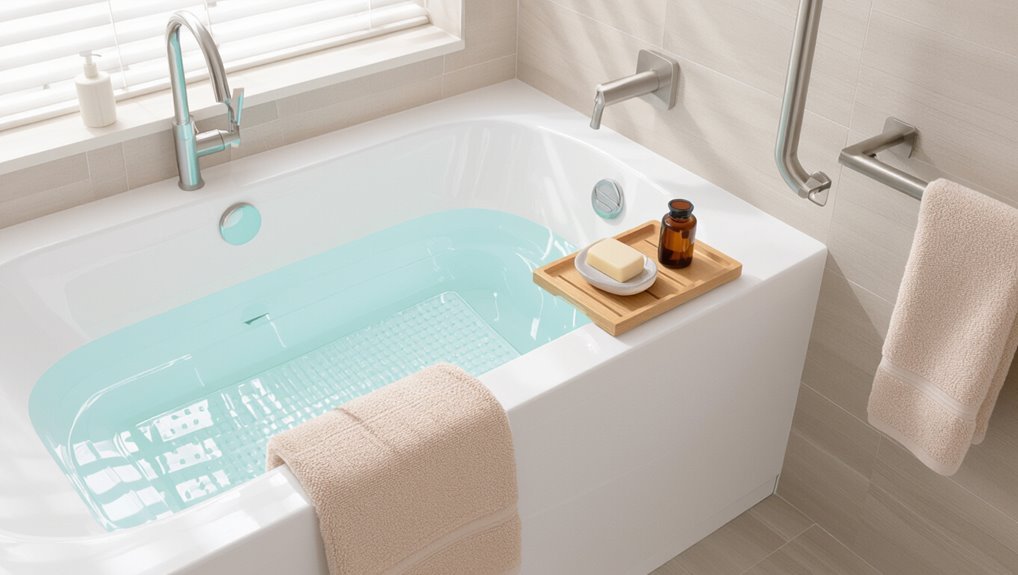
Improper bathtub use can lead to slips, burns, and exacerbation of chronic conditions, posing significant health and injury risks.
Prioritizing safety reduces these hazards and supports faster recovery when incidents occur.
A comfortable, well-designed bathing routine also promotes relaxation, hygiene, and overall well-being.
Health and injury risks associated with improper bathtub use
Slips, scalds, and prolonged immersion can turn a routine bath into a source of serious harm, particularly for older adults, young children, and those with mobility or sensory impairments.
Improper temperature control, including misuse of a bathtub water heater, risks burns.
Drowning, infections from poorly cleaned tubs, and exacerbation of cardiovascular or skin conditions are documented hazards requiring preventive measures and awareness.
Benefits of a safe and comfortable bathing routine
A safe, comfortable bathing routine reduces physical risks and supports overall well-being by preventing falls, scalds, and infections while promoting relaxation and hygiene.
Consistent safe practices conserve energy, lessen chronic pain, and improve sleep. They maintain skin integrity, support independence for older or mobility-impaired individuals, and reduce caregiver burden.
Quick Checklist: Safe and Comfortable Bathtub Use (At-a-Glance)
One concise checklist summarizes the essential steps for safe, comfortable bathtub use so users can quickly confirm they’ve addressed common risks and comfort needs.
The checklist is brief, practical, and focused on immediate actions to reduce slips, burns, and strain while maximizing relaxation.
- Check water temperature and flow
- Verify non-slip surface
- Use stable grab bars
- Limit bath duration
- Keep essentials within reach
Preparing the Bathroom and Tub Before Bathing
Before entering the tub, one should inspect and clean the surface, verify water temperature and plumbing function, and guarantee lighting and ventilation are adequate.
Necessary supplies and toiletries should be gathered and positioned within easy reach. These steps reduce slips, burns, and interruptions during bathing.
Inspecting and cleaning the tub surface
Inspect the bathtub surface for chips, cracks, mildew, and slippery residue before use; these defects can harbor bacteria or cause injury and should be addressed promptly.
Clean with a nonabrasive cleaner, rinse thoroughly, and dry to remove soap scum and residues.
Use a mildew-specific product for discoloration, repair or report structural damage, and apply a non-slip mat or adhesive strips if surface remains slick.
Checking water temperature and plumbing safety
After addressing surface defects and slip hazards, attention turns to water temperature and plumbing checks to secure a safe bathing environment.
The user verifies faucet function, inspects for leaks, and confirms hot water settings prevent scalding (set water heater to a safe maximum).
Run and test both taps, secure drainage is clear, and confirm grab bars or fixtures are securely mounted.
Ensuring adequate lighting and ventilation
While ensuring fixtures and plumbing are secure, attention must also turn to lighting and ventilation to reduce hazards and maintain comfort.
Bright, non-glare lighting improves visibility for entry, exit, and product use.
Functional exhaust fans or open windows minimize steam, mold, and slipping risk by reducing humidity.
Verify bulbs, fan operation, and unobstructed vents before bathing.
Gathering supplies and positioning toiletries
Several essential items should be gathered and arranged before filling the tub to keep the bathing process safe and efficient.
A non-slip mat, towel within reach, bath seat if needed, and grab bars should be placed accessibly.
Keep toiletries—soap, shampoo, conditioner—in a stable caddy to avoid bending.
Test water temperature, store electronics away, and guarantee a dry path to exit.
Step-by-Step Guide to Entering, Bathing, and Exiting Safely
The following guidance outlines practical steps for entering, bathing, and exiting the tub with an emphasis on stability and comfort. It covers safe entry techniques, how to set water level and temperature, strategies for staying supported while seated or reclining, and methods to dry off and leave the tub without slipping.
Readers are encouraged to follow the sequence and use available supports to reduce fall risk.
- Step-by-step entry techniques (handholds, foot placement)
- Setting comfortable, safe water level and temperature
- Managing mobility: sitting, reclining, and using grab bars or transfer benches
- Safe drying practices to minimize water on the floor
- Controlled exit methods and footwear to prevent slips
Safe techniques for getting into the tub
Begin by evaluating the tub area for hazards—wet floors, loose mats, cluttered edges, or inadequate lighting—and verify grab bars and non-slip surfaces are in place before attempting entry.
Face the tub, hold a secure handhold, step one foot onto the rim or low ledge, shift weight slowly, bring the other foot in, lower body deliberately while maintaining three points of contact.
Adjusting water level and temperature for comfort
Adjust water flow and temperature gradually to reach a comfortable level before fully entering the tub: test with the back of the hand or a waterproof thermometer, aim for about 100–104°F (37–40°C) for most adults, and keep hot water below 120°F (49°C) at the faucet to reduce scald risk.
Fill to a safe depth, allowing space for displacement; monitor temperature periodically and adjust as needed.
Managing mobility during the bath (sitting, reclining, using supports)
Step carefully onto a non-slip surface and position oneself to use seats, grab bars, or transfer benches as needed to minimize slipping and strain; throughout entering, bathing, and exiting, maintain three points of contact, move deliberately, and use supports (handheld shower, bath chair, or rails) to reduce reaching and twisting.
While seated, adjust backrest and leg position for comfort, shift weight slowly, and use aids to change posture safely.
Safe drying and exiting methods to prevent slips
After securing seating and supports during the bath, attention should turn to drying and exiting methods that minimize slip risk.
The bather should pat dry while seated, use a long-handled towel for limbs, place a non-slip mat just outside the tub, stand slowly using grab bars, pivot feet before stepping, and dry feet thoroughly.
Confirm adequate lighting and place a towel or non-slip rug on the floor.
Accessibility and Safety Aids for Different Needs
A range of accessibility and safety aids can reduce slip and fall risk and support independent bathing. Non-slip mats, decals, and coatings improve footing while grab bars, handrails, and transfer benches provide stable support for entering, exiting, and transferring.
For seated or limited-mobility needs, shower chairs, bath stools, built-in seats, bath lifts, and ramps offer tailored options.
Non-slip solutions: mats, decals, and coatings
When addressing slippery surfaces, non-slip solutions—mats, adhesive decals, and textured coatings—offer practical layers of protection tailored to users’ mobility and sensory needs.
Choice depends on tub material, cleaning routines, and permanence desired. Mats provide cushioning and suction; decals add discreet traction; coatings create long-term textured surfaces.
Inspect regularly for wear, replace when compromised, and guarantee adhesives are compatible with cleaning products.
Supportive hardware: grab bars, transfer benches, and handrails
Alongside non-slip treatments, sturdy supportive hardware provides the next line of defense for safer bathtub use.
Grab bars mounted at reachable heights offer secure handholds for entering, exiting, and steadying. Wall-fixed handrails add continuous support along approaches.
Transfer benches facilitate safe lateral movement without discussing seating specifics. Proper installation, weight rating, and corrosion-resistant materials guarantee reliable function and long-term safety.
Seating options: shower chairs, bath stools, and built-in seats
Several seating options—shower chairs, bath stools, and built-in seats—provide stable, seated bathing for users with varying mobility, balance, and endurance needs.
Shower chairs offer height adjustment, backrests, and drainage; bath stools are compact, portable solutions for brief tasks; built-in seats deliver permanent, sturdy support and easier transfers.
Selection should match weight capacity, non-slip features, and bathroom layout constraints.
Devices for limited mobility: bath lifts, transfer benches, and ramps
A few specialized aids—bath lifts, transfer benches, and ramps—enable safer bathtub access for people with limited mobility by reducing steps, supporting transfers, and minimizing lift effort.
Choose devices based on weight capacity, seat height, stability, and bathroom layout.
Verify professional installation for ramps and powered lifts, use non-slip surfaces, secure bench placement, and follow manufacturer maintenance and safety guidelines to prevent falls and strain.
Water, Temperature, and Skin Health Considerations
Recommended water temperatures (typically 36–38°C/97–100°F for adults and lower for children) should be checked with a reliable thermometer or tested cautiously with the wrist.
Bath frequency and duration recommendations—such as short, lukewarm soaks several times weekly for dry or sensitive skin—help balance cleanliness with skin barrier protection.
Simple skin-care practices like gentle cleansers, prompt moisturizing, cautious use of bath additives, and awareness of allergy risks promote skin health after bathing.
Recommended water temperature ranges and how to test
How warm should bathtub water be to balance comfort with safety?
Recommended ranges are 98–104°F (37–40°C) for adults; lower (around 95°F/35°C) for children and older adults.
Test with a reliable thermometer or wrist/inner elbow before entering.
Avoid hot extremes above 104°F to reduce scald and circulatory strain.
Adjust gradually and heed personal comfort and medical advice.
Frequency and duration guidelines for comfortable bathing
Frequency and duration of baths should be tailored to individual skin type, activity level, and local climate to maintain cleanliness without stripping natural oils.
Generally, short soaks of 5–15 minutes several times weekly suit most adults; daily rinses may be appropriate after heavy sweating or dirt exposure.
Hot, prolonged baths can dehydrate skin; cooler, shorter baths reduce irritation and preserve barrier function.
Skin care tips: moisturizing, bath additives, and allergy precautions
Many people benefit from applying a moisturizer within a few minutes after bathing to lock in hydration, choosing formulations—creams for dry skin, lotions for normal skin, and ointments for very dry or eczema-prone skin—that match individual needs and avoid fragrances or alcohols that can irritate.
Use mild, pH-balanced cleansers, limit hot water, add colloidal oatmeal or baking soda cautiously, and patch-test additives to prevent allergic reactions.
Child and Infant Bathing Safety
Before bathing, caregivers should prepare the tub and gather all necessary supplies within arm’s reach to avoid leaving an infant or toddler unattended.
Proper holding and support techniques, along with constant supervision, minimize slipping and drowning risks during the bath.
Age-appropriate, mild bath products and routine water temperature checks guarantee skin safety and prevent scalding.
Preparing the tub and supplies for infants and toddlers
When preparing the tub and supplies for an infant or toddler, caregivers should assemble everything within arm’s reach—clean washcloths, a mild baby cleanser, a soft towel, a non-slip mat, a securely fitted infant bath seat if used, and a rinse cup—so they never must turn away from the child.
Additionally, the water temperature should be tested with the wrist or a dedicated thermometer and set to about 37°C (98–100°F) to prevent burns or chills.
Guarantee drain plug accessibility, remove hazards, and keep room warm.
Proper holding, support, and supervision techniques
With supplies in place and water at a safe temperature, caregivers must maintain constant, close contact with the child throughout the bath.
Support the head and neck for infants, cradle the torso, and keep a firm hand on toddlers when standing.
Never leave the child unattended, keep movements deliberate, and position oneself to prevent slips while reaching for items within arm’s reach.
Age-appropriate bath products and temperature checks
Choosing age-appropriate bath products and confirming safe water temperature are essential for preventing skin irritation and scalding.
Caregivers should use mild, fragrance-free cleansers labeled for infants or children and avoid adult formulas.
Water should be tested with a thermometer (37–38°C / 98.6–100.4°F) or wrist/elbow check.
Rinse thoroughly, pat dry, and apply gentle moisturizer to protect delicate skin.
Bathtub Safety for Older Adults and People with Disabilities
For older adults and people with disabilities, evaluating fall risk and making environmental modifications such as grab bars, non-slip mats, and a walk-in tub can greatly reduce hazards.
Routine adaptations—including scheduled bathing times, supervised assistance when needed, and use of assistive devices—help maintain hygiene while minimizing risk.
Consultation with a healthcare professional or occupational therapist is recommended when mobility, balance, or cognition change to tailor solutions and guarantee safety.
Fall-risk assessment and environmental modifications
Many older adults and people with disabilities face elevated fall risk in and around the bathtub due to factors such as impaired balance, reduced strength, medication side effects, and poor lighting.
Conduct individualized risk assessments, inspect surfaces for slipperiness, check grab bar placement and stability, guarantee non‑skid mats, improve lighting, remove tripping hazards, and consider threshold reduction or transfer benches to minimize environmental risks.
Routine adaptations: bathing schedule, supervision, and assistive help
When bathing routines are adjusted to match an individual’s energy levels, mobility, and medication schedule, the risk of slips, dizziness, and fatigue-related incidents decreases considerably.
Establish predictable bath times, allow longer rests, and avoid bathing after meals or medication peaks.
Arrange appropriate supervision or scheduled check-ins, and use assistive devices or caregiver aid for transfers and washing to maintain safety and dignity.
When to consult a healthcare professional or occupational therapist
Adjusting bathing routines and adding supervision or assistive devices can reduce risks, but persistent mobility limits, unexplained dizziness, frequent near-falls, or difficulty completing transfers signal the need for professional assessment.
A healthcare provider or occupational therapist can evaluate balance, strength, cognition, medication effects, and home hazards; recommend tailored equipment, training, or caregiver strategies; and coordinate referrals for physical therapy or medical management to restore safety.
Common Mistakes and How to Avoid Them
Common bathtub accidents often stem from predictable mistakes: overfilling or using water that is too hot, overlooking slippery surfaces or lacking secure support, and adding inappropriate products or additives.
Each error increases the risk of scalding, slipping, or skin and respiratory irritation. Identifying these hazards and applying simple preventive measures can greatly reduce harm.
Overfilling or using unsafe temperatures
Overfilling the tub or setting water at unsafe temperatures increases the risk of scalding, drowning, and slips; ensuring water depth and temperature are appropriate for the bather’s age and mobility prevents most accidents.
Check thermostat limits, test water with a hand or thermometer, and keep depth low for children or those with limited mobility.
Drain excess before entering and supervise vulnerable bathers.
Ignoring slip hazards and inadequate support
Although often overlooked, slip hazards and inadequate support are leading causes of bathtub injuries, especially among older adults and those with mobility issues.
Failure to install non‑slip mats, secure grab bars, or stable seating increases fall risk. Regularly inspect fixtures, choose slip‑resistant surfaces, and guarantee grab bars are anchored to studs.
Promptly replace worn mats and loose hardware to maintain safety.
Using inappropriate products or additives
Slip-resistant mats and properly anchored grab bars reduce falls, but chemical and product choices pose a different set of risks that are often overlooked.
Bath oils, undiluted essential oils, bubble bath concentrates, and harsh cleaners can irritate skin, damage fixtures, or create slippery residue.
Use products labeled for baths, follow dilution instructions, test patches, and ventilate to minimize reactions and surface harm.
Maintenance and Installation Tips to Improve Long-Term Safety
Regular cleaning and timely surface repairs prevent slips and extend tub lifespan.
Professional installation of grab bars and lifts guarantees secure anchoring and compliance with safety standards.
Consider upgrading to walk-in tubs or applying anti-slip finishes when long-term mobility or traction are concerns.
Regular cleaning and surface maintenance
Maintain a consistent cleaning schedule and timely surface repairs to preserve traction and prevent deterioration that can create hazards.
Use nonabrasive cleaners and a soft brush to remove soap scum and mildew without stripping slip-resistant coatings. Rinse thoroughly and dry surfaces to discourage mold.
Promptly repair chips, cracks, or worn non-slip surfaces. Inspect seals and grout, replacing deteriorated caulk to prevent water damage.
Professional installation considerations for grab bars and lifts
When adding grab bars or bath lifts, homeowners should rely on licensed professionals to verify secure anchoring, correct placement, and compliance with local building codes. Improper installation can compromise stability and create a false sense of safety.
Professionals assess wall studs, substrate strength, and user needs. They select appropriate hardware, verify waterproofing around penetrations, provide load-rating documentation, and offer maintenance guidance and warranty coverage for long-term reliability.
Upgrading to safer tubs: walk-in tubs and anti-slip finishes
Although more extensive than simple fixtures, upgrading to walk-in tubs and applying anti-slip finishes can markedly reduce fall risk and ease bathing for users with mobility limits.
Walk-in tubs offer low thresholds, built-in seating, grab supports and quick-drain options. Anti-slip coatings, textured mats or bonded treads improve traction.
Professional assessment guarantees proper sizing, sealing and compliance with plumbing and accessibility standards.
Product Comparison Guide for Bathtub Safety Equipment
Selecting bathtub safety equipment should be based on specific needs, physical limitations, and budget constraints to guarantee both effectiveness and affordability. The comparison below highlights common options, key benefits, and typical price ranges to aid objective decision-making. Users are encouraged to match product features to their primary safety priorities.
| Product Type | Key Benefit | Typical Price Range |
|---|---|---|
| Grab Bars | Stable support for entering/exiting | $10–$80 |
| Non-slip Mats | Reduced slip risk on tub floor | $5–$40 |
| Transfer Benches | Safer seated transfers | $30–$200 |
How to choose the right products based on needs and budget
Why prioritize specific bathtub safety items over others depends on the user’s mobility, bathroom layout, and budget constraints.
Selection balances functionality, durability, and cost; prioritize essentials (grab bars, non-slip mats), then add supports (transfer benches, shower chairs) or comfort (handheld showerheads).
Consider installation complexity and warranty when comparing brands.
- Grab bars
- Non-slip mats
- Transfer benches
- Shower chairs
- Handheld showerheads
Practical Safety Checklists to Print or Save
A concise, printable checklist helps assure all key bathtub safety measures are reviewed and recorded before each use.
It lists checks for environment, assistance, and equipment so users can confirm readiness quickly and consistently.
- Verify non-slip mats and grab bars secure
- Confirm water temperature and anti-scald devices
- Ascertain lighting and clutter-free approach
- Prepare assistive devices and emergency contact
- Note medication or mobility concerns
Conclusion
In sum, bathing safely and comfortably transforms a routine into a small refuge, where simple precautions become anchors in a sometimes slippery world. By preparing the space, using appropriate aids, and following step-by-step entry and exit practices, risk is reduced and relaxation is enhanced. Regular maintenance and thoughtful product choices extend those benefits. Like a well-tuned instrument, a well-managed bathtub lets users enjoy its harmony without discord.