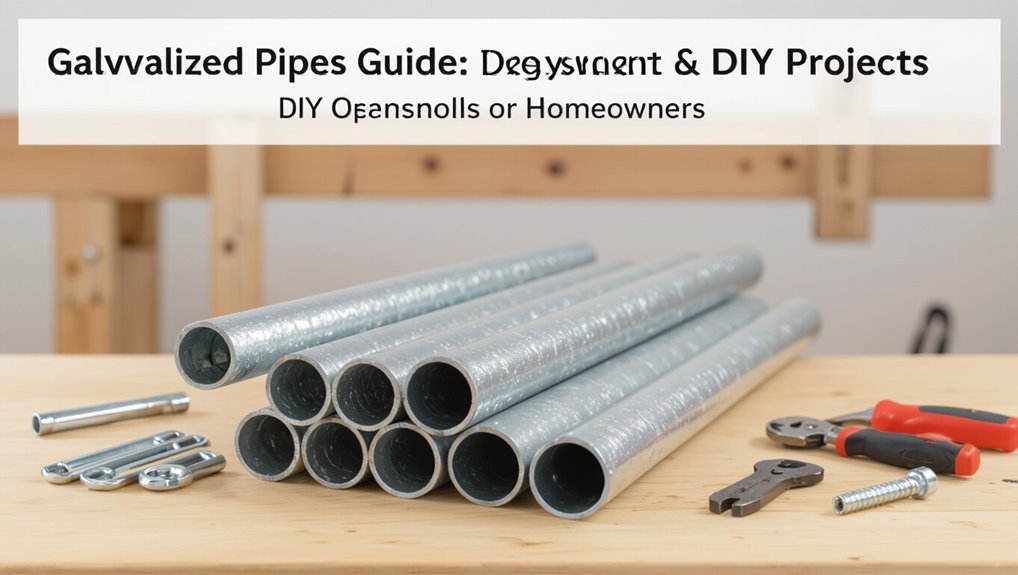
Galvanized Pipes Guide: Uses, Benefits & DIY Projects for Homeowners
Galvanized pipe, made of steel or iron coated with zinc, is a durable option for household water lines due to its strength and affordability. However, over time, it can corrode internally and impact water quality. Homeowners often repurpose it for projects like sturdy shelves and racks or opt for replacements in plumbing systems. This guide will help you identify, inspect, and determine the next steps for using or replacing galvanized pipes in your home.
What Are Galvanized Pipes?
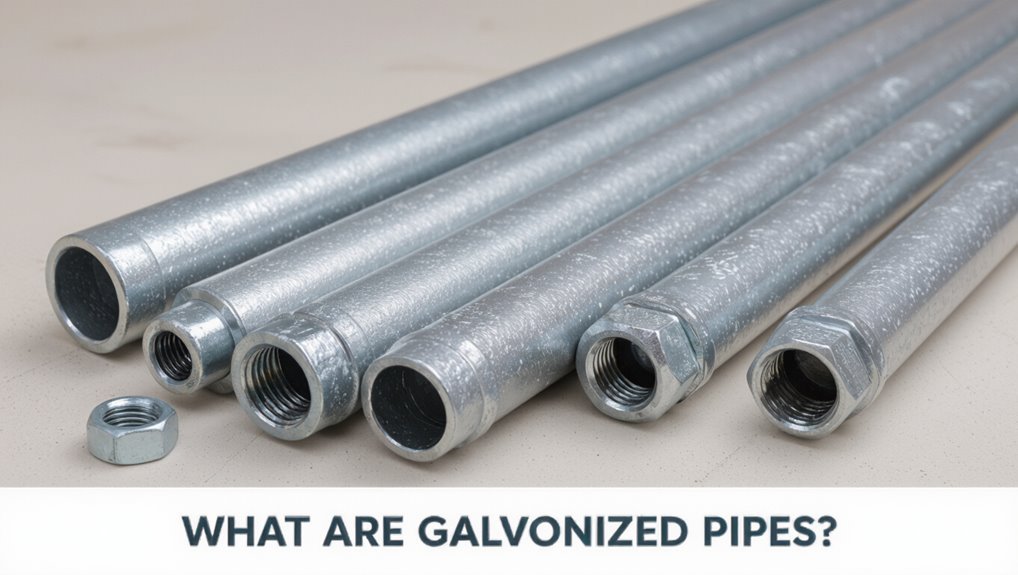
In many buildings erected in the 20th century, galvanized pipes refer to steel or iron tubing coated with a layer of zinc to resist corrosion. They served for water supply and sometimes for gas or outdoor fencing, valued for relative durability and low initial cost.
Threads and fittings allowed rigid connections; sizes matched common residential standards. Over time, internal zinc erosion and mineral buildup reduced flow and increased contamination risk.
Visual cues include dull gray finish and heavy weight compared with modern alternatives. Recognition guides maintenance decisions, replacement planning, and assessments of system lifespan without detailing manufacturing processes.
How Galvanized Pipe Is Made and Why It Mattered
The production of galvanized pipe begins with forming steel tubing that is subsequently coated with molten zinc to create a protective barrier. This zinc coating inhibits corrosion and extends service life by sacrificially corroding instead of the underlying steel.
Historically, that combination of strength and corrosion resistance made galvanized pipe a widespread choice for plumbing and water distribution for much of the 19th and 20th centuries.
Pipe Manufacturing Process
Through a combination of steelmaking, shaping, and zinc coating, galvanized pipe is produced to resist corrosion and extend service life. Mills form steel into billets or coils, which are then rolled, welded or seamless-drawn into pipe. Dimensional sizing, straightening, and heat treatments guarantee mechanical integrity and uniform wall thickness.
Surface preparation removes scale and oils before immersion or spraying with zinc. Post-coating inspections check adhesion, thickness, and continuity. Finally, cutting, threading, and finishing prepare lengths for distribution. Quality control records trace material batches and process parameters, so performance and regulatory compliance remain verifiable throughout the supply chain.
Zinc Coating Purpose
Following production and quality checks, attention turns to the zinc coating that gives galvanized pipe its protective function.
Molten zinc or electroplated layers bond to steel, creating a barrier against moisture and oxygen. This sacrificial layer corrodes preferentially, preserving the underlying metal even when scratched.
Uniform thickness and adhesion are essential for long-term performance; standards govern coating weight and inspection methods.
The zinc also inhibits galvanic corrosion by forming stable corrosion products that limit further attack. Proper application extends service life, reduces maintenance, and maintains structural integrity, which explains why zinc coating has been central to galvanized pipe manufacturing.
Historical Plumbing Use
In early urban infrastructure, galvanized pipe transformed plumbing by combining affordability with corrosion resistance, enabling wider distribution of potable water and indoor sanitation.
Manufactured by coating iron or steel with zinc, pipes were drawn or rolled, threaded, then dipped or sprayed in molten zinc to form a protective layer.
This process extended service life compared with bare iron, reduced leaks, and lowered maintenance costs, so municipalities and homeowners adopted it rapidly from the late 19th century.
Over decades, limits emerged—zinc wear, interior scale, and lead solder concerns—prompting eventual shift to copper and plastic materials.
How to Tell Galvanized Pipe From Copper, PVC, and Steel
Distinguishing galvanized pipe from copper, PVC, and modern steel relies on observable differences in color, texture, weight, and fittings. Galvanized pipe appears dull gray with a slightly rough, spangled surface; copper is reddish-brown and softer; PVC is lightweight, smooth, and white or gray; stainless or black steel is darker, heavier, and smoother. Threads and threaded fittings often indicate galvanized or steel; soldered seams suggest copper; solvent-welded joints indicate PVC.
- dull, spangled gray surface
- reddish sheen and greenish patina on copper
- smooth white or gray plastic for PVC
- heavy, dark steel with welded joints
- threaded galvanized fittings and nipples
Signs of Corrosion on Galvanized Pipes
Often visible long before leaks appear, corrosion on galvanized pipes manifests through several distinct physical signs that indicate protective zinc coating failure.
Exterior scaling and flaking of gray or white deposits signals oxidation and mineral buildup.
Rust-colored streaks or brownish stains on fittings and nearby surfaces reflect iron oxidation beneath the coating.
Pitting, roughened areas, and thinning metal indicate advanced localized corrosion.
Discolored, cloudy, or metallic-tasting water suggests internal deterioration and sediment release.
Reduced water pressure can accompany internal blockage from rust particles.
Visible joint deterioration, such as crumbling threads or brittle fittings, also points to compromised longevity.
How to Inspect Your Galvanized Plumbing (What to Look For)
A visual inspection should first note any flaking zinc, reddish-brown rust, or pitted areas on exposed galvanized fittings and pipes.
Next, the observer should check water flow at fixtures for reduced pressure, sputtering, or discolored discharge that can indicate internal buildup.
Comparison of pressure between fixtures and testing with a pressure gauge helps confirm whether flow issues stem from corrosion or other plumbing problems.
Visible Corrosion And Rust
Examining galvanized plumbing for visible corrosion and rust requires a systematic eye for surface changes that indicate protective zinc has deteriorated. The inspector notes color shifts, flaking, and texture variations along joints, fittings, and exposed runs. Pitting and concentrated rust near seams signal advanced breakdown. White powdery deposits mean galvanic action; reddish-brown crust denotes iron oxidation. Prioritize areas with scratches, solder marks, or dampness.
- Dark brown flakes collecting at a joint
- Thin white powder around a coupling
- Small, deep pits along a length
- Reddish streaks beneath a wall bracket
- Cracked, lifting zinc coating near a tee
Water Flow And Pressure
When evaluating galvanized plumbing for water flow and pressure, the inspector measures both steady-state flow and transient behavior to detect restrictions, leaks, or corrosion-related narrowing. Tests include timed flow, pressure gauges at fixtures, and observation of pressure fluctuations when valves operate. Reduced flow, noisy pipes, or uneven pressure between floors suggests internal buildup or partial blockages. Documentation of baseline readings guides repair or replacement decisions. Correlating visible corrosion with measured pressure loss pinpoints problematic runs. Recommendations prioritize safety and efficiency: clean, repair, or replace based on severity and cost-effectiveness.
| Test | Indicator |
|---|---|
| Timed flow | Low volume |
| Pressure gauge | Drop under load |
| Valve test | Surges/noise |
Should You Repair, Reline, or Replace Galvanized Pipes?
Deciding whether to repair, reline, or replace galvanized pipes depends primarily on the extent of internal corrosion, service issues (like leaks or low pressure), and budget constraints. A professional assessment gauges scale of rust, lead risk, and remaining useful life. Small localized leaks may suit targeted repairs; pervasive interior scaling often favors relining or full replacement. Homeowner priorities — longevity, water quality, disruption — guide choice.
Typical indicators and visualizations include:
- brown-stained fixtures and sediment buildup
- sporadic dripping at joints
- narrowed, rough pipe interiors
- frequent clogs despite cleaning
- age beyond four to six decades
Pros and Cons of Galvanized Pipe for Home Plumbing
By many homeowners’ standards, galvanized pipe once represented a durable, affordable choice for water distribution, but it now carries distinct trade-offs: it resists mechanical damage and external corrosion better than bare steel, yet it corrodes internally over time, leaches iron (and sometimes lead at fittings), and tends to accumulate scale that reduces flow and water quality.
Benefits include strength, longevity in non-potable or exterior uses, and widespread historical availability.
Drawbacks encompass reduced potable water quality, pressure loss from scaling, increased leak risk as galvanizing fails, and higher long-term maintenance or replacement costs compared with modern materials like PEX or copper.
Simple DIY Projects With Galvanized Pipe (Shelves, Racks, Frames)
Build sturdy, industrial-style furniture using readily available galvanized pipe and fittings for projects like shelves, clothing racks, and table frames.
Homeowners can mix wood planks with pipe for rustic shelving, assemble freestanding garment racks, craft coffee table frames, build towel ladders, or make planter stands.
Durable threads and simple flanges allow modular adjustments; finishes range from raw metal to matte spray. Measure, cut, and thread components or buy prethreaded pieces.
Designs emphasize function, repeatable joints, and visible hardware for aesthetic cohesion. Lightweight disassembly aids moves; corrosion resistance suits indoor humid spaces when sealed appropriately.
- Wall-mounted plank shelves with exposed flanges
- Freestanding clothing rack with caster feet
- Low coffee table frame supporting reclaimed wood
- Narrow towel ladder for bathroom storage
- Multi-tiered planter stand for entryway
Install a Galvanized Pipe Shelf : Step-by-Step, Tools, and Safety
After choosing a design and gathering materials from the DIY list—pipe lengths, flanges, nipples, wood planks, and hardware—the installer should follow a clear, safety-focused procedure for mounting a galvanized pipe shelf.
Measure and mark stud locations, level shelf position, and pre-drill pilot holes. Attach flanges into studs with appropriate lag screws; use wall anchors only where studs are absent. Assemble pipe sections and secure to flanges, then mount the wooden plank and fasten with screws through flange collars or brackets.
Wear gloves and eye protection, check for electrical/plumbing behind walls, and test load capacity before regular use.
Conclusion
In an age when pipes aspire to vintage chic and homeowners daydream of eau de rusty décor, galvanized plumbing quietly plots its dramatic exit. It once saved buildings from corrosion, then aged into charming leaks and unexpected water flavors. Now the practical dilemmas — patch, relines, or full exile — masquerade as moral choices. Either way, the galvanized pipe’s career ends with a flourish, a wrench, and someone Googling “best replacement options.”