Inhale Pipe: Stylish Indoor Smoking Pipe Ideas & Care Tips
An inhale pipe is a compact, handheld device designed for controlled smoking or vaporizing. Made from materials like glass, wood, metal, or ceramic, these pipes affect flavor, heat retention, and maintenance requirements. To enhance indoor comfort, consider proper airflow, mouthpiece design, and the use of filters, while activated-carbon purifiers and adequate ventilation can help minimize odors. When it comes to aesthetics, options range from sleek, minimalist designs to vintage styles. Regular cleaning is essential for optimal performance. For further insights on placement, maintenance, and etiquette, read on for practical tips.
What Is an Inhale Pipe : and Should You Use One Indoors?

As a compact handheld device designed for inhaling vapor or smoke, an inhale pipe typically consists of a mouthpiece, a chamber for the substance, and a narrow stem to direct the airflow.
It functions to concentrate and deliver smoke or vapor efficiently, offering control over draw and portion.
Indoor use depends on ventilation, occupants’ consent, and local regulations; smoke may linger and trigger alarms or odors.
Consider smoke-free alternatives, such as vapor devices with proper filtration, or designate well-ventilated spaces and use odor-absorbing materials.
Responsible use balances personal preference with safety, air quality, and respect for others.
Pipe Materials: Glass, Wood, Metal, Ceramic
Pipe material markedly shapes the smoking experience, with glass prized for its clarity and neutral impact on flavor.
Wood offers a warmer aesthetic and robust durability, often aging with use.
Metal and ceramic present practical, heat-resistant alternatives with distinct maintenance needs.
Glass: Clarity And Flavor
A clear glass tube shows why many enthusiasts favor glass: it preserves flavor with minimal interference, offering an uncolored, neutral conduit for smoke.
Smooth, nonporous surfaces resist residue buildup and simplify cleaning; visual access to airflow and deposits aids maintenance and timing of deep cleans.
Glass pipes come in varied thicknesses and borosilicate grades, balancing fragility and thermal shock resistance.
Heat distribution is predictable, preserving volatile aromatics.
Decorative techniques—color accents, fuming, internal sculpting—add style without altering taste when sealed properly.
Users should handle glass cautiously, clean regularly with appropriate solvents, and store securely to prevent chips or breaks.
Wood: Warmth And Durability
Where glass emphasizes clarity and neutral flavor, wood offers a contrasting profile: warmth in both aesthetics and smoke character combined with notable durability. Wood pipes age gracefully, mellowing harsh edges and adding subtle aromatics. Grain patterns and finishes personalize each piece; maintenance requires regular cleaning and occasional oiling to prevent cracking. Heat management and proper packing preserve integrity. Ideal for those valuing tradition and tactile comfort, wood balances function and form without demanding high-tech care.
| Attribute | Benefit |
|---|---|
| Grain & Finish | Unique appearance |
| Heat Tolerance | Durable under use |
| Maintenance | Simple, periodic care |
Metal And Ceramic Options
Offering contrast to glass’s clarity and wood’s warmth, metal and ceramic pipes deliver distinct advantages in durability, heat behavior, and aesthetic variety.
Metal pipes, often stainless steel or aluminum, resist breakage, heat quickly, and clean easily; they suit minimalist or industrial designs but can alter flavor if thin-walled.
Ceramic pieces offer thermal mass that cools smoke and preserves taste, with many glazing and sculptural possibilities, yet they fracture on impact.
Both materials require specific care: metal needs descaling and gasket checks, while ceramic benefits from gentle cleaning to protect glazes.
Selection balances resilience, flavor neutrality, and desired visual character.
Airflow and Mouthpiece Choices That Affect Indoor Comfort
When configured for smooth, unrestricted draw, an indoor pipe minimizes stray smoke and reduces the need for forceful inhalation that can spread odor.
Proper airflow relies on well-sized bore, unobstructed airway, and secure seals between stem and bowl.
Narrow bores increase resistance and may encourage harsher exhalations; wider bores favor gentle pulls and less lingering smoke.
Mouthpiece material and shape influence comfort and condensation: longer stems cool vapor, acrylic resists corrosive buildup, and softer tips reduce lip fatigue.
Removable filters and adjustable inserts offer balance between filtration and draw.
Regular cleaning preserves designed airflow and maintains indoor comfort.
Minimalist and Sculptural Pipe Styles for Modern Rooms
In clean, contemporary interiors, minimalist and sculptural pipes function as both smoking tools and deliberate design accents. Lines are pared back; materials—matte metal, honed stone, blown glass—provide tactile contrast. Forms favor geometry and negative space, allowing the object to complement minimalist furnishings without visual clutter.
- Emphasize single-material pieces for cohesion.
- Choose neutral tones to integrate with modern palettes.
- Prefer compact silhouettes that respect scale.
- Display pipes on dedicated trays or shelves to highlight their shape.
Such choices prioritize restraint, utility, and visual calm, aligning the pipe with modern room aesthetics.
Vintage and Retro Pipe Designs for Cozy Rooms
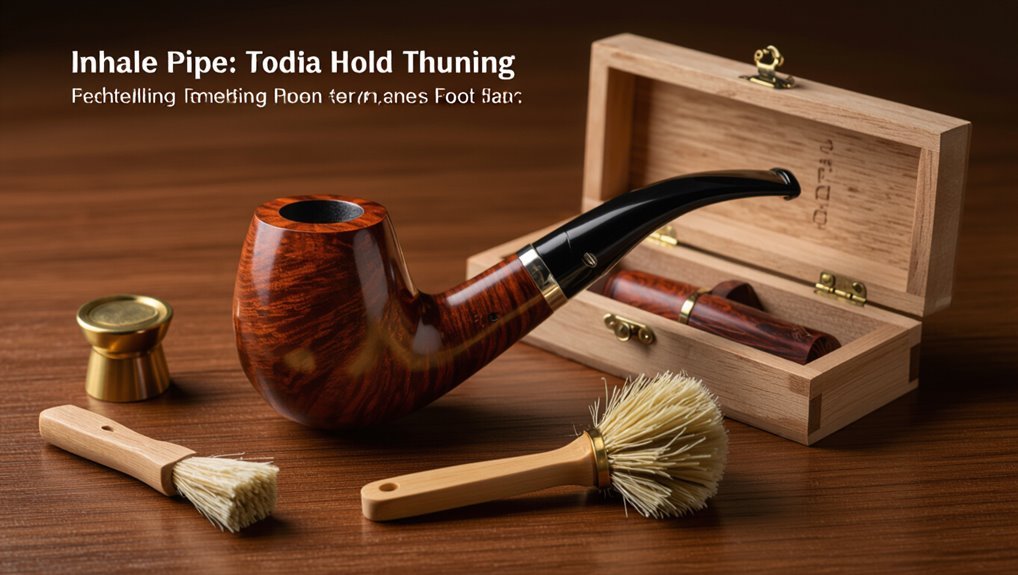
Evoking nostalgia through rounded silhouettes, warm woods, and patinated metals, vintage and retro pipe designs bring a lived-in, cozy character to interiors. They favor bent stems, briar bowls, carved motifs, and brass accents that complement leather armchairs, wool throws, and dim lighting.
Placement on wooden trays, mantle displays, or beside bookshelves reinforces an intimate, studied aesthetic. Functional details—well-balanced weight, comfortable mouthpieces, and replaceable filters—ensure usability without sacrificing style.
Preservation through gentle polishing, humidity control, and careful storage maintains patina and prevents cracks, allowing these pieces to age gracefully while anchoring a room’s classic, inviting atmosphere.
Compact Pipe Options for Small Apartments
Compact pipe options suit small apartments by prioritizing space-saving designs that tuck neatly into drawers or shelves.
Attention to discreet odor control, such as integrated filters or compatible air purifiers, helps maintain roommate-friendly living spaces.
Multipurpose foldable pipes offer portability and concealed storage without sacrificing function.
Space-Saving Designs
For small apartments where surface area is at a premium, compact smoking pipes prioritize form and function to minimize footprint without sacrificing performance. Designs emphasize verticality, modular parts, and slim profiles suited to shelves or narrow tables. Materials range from heat-resistant glass to lightweight metal, balancing durability and ease of cleaning.
Portability and discreet storage are considered in shaping pieces that fit drawers or storage bins. Practical features include removable bowls, collapsible stems, and stabilized bases. Choice depends on style preference, maintenance tolerance, and available storage.
Consideration of ventilation and safe placement completes the selection process.
- Vertical pipes
- Modular systems
- Collapsible models
- Slim-profile designs
Discreet Odor Control
In small apartments where discretion matters, choosing pipes and accessories that minimize lingering smoke and scent is essential.
Compact glass or ceramic pipes with narrow chambers cool smoke quickly, reducing harsh odors.
Devices with built-in screens or activated charcoal filters trap particulates and scent molecules.
Portable personal air purifiers and carbon odor absorbers placed nearby neutralize ambient smell after use.
Regular cleaning with isopropyl alcohol and salt prevents residue buildup that produces persistent odors.
Storage in airtight cases or smell-proof pouches contains residual scent between sessions.
Thoughtful selection and maintenance allow discreet indoor use without overwhelming small living spaces.
Multipurpose Foldable Pipes
Having covered odor-reducing choices and care, attention turns to multipurpose foldable pipes as space-saving solutions for small apartments.
Compact folding designs offer portability, discreet storage, and modular components that detach for cleaning.
Durable hinges and heat-resistant materials preserve function while minimizing footprint.
Considerations include airtight seals, easy disassembly, and non-reactive finishes.
Typical uses span travel, shared spaces, and minimalist setups.
Prospective buyers should weigh build quality, maintenance needs, and accessory compatibility.
- Portability and storage
- Ease of cleaning
- Material safety and durability
- Accessory and replacement part availability
Discreet Indoor Pipes for Shared Living Spaces
When space is shared and privacy matters, selecting a pipe that minimizes odor, smoke visibility, and footprint becomes essential; compact vaporizers, small glass one-hitters, and odor-controlled hand pipes offer practical options that respect roommates’ comfort while preserving the user’s experience.
Choice favors devices with efficient combustion or vapor pathways, built-in filters, and easy-to-clean parts to reduce lingering smells.
Neutral designs blend with décor, while heat-resistant materials and discreet storage cases prevent accidental attention.
Users should pair devices with odor absorbers, ventilation fans, and respectful usage routines to maintain harmony in communal living without sacrificing enjoyment.
Portable Indoor-Friendly Pipes for Moving Between Rooms
For moving between rooms with minimal disruption, portable indoor-friendly pipes prioritize compactness, low odor, and ease of handling.
The focus is on models that travel discreetly, clean quickly, and fit a hand or pocket. Materials resist lingering scents; simple designs reduce cleaning time.
Consider airflow control and safe heat management for brief use in different spaces.
- Small pocket pipes: fast to stash and conceal.
- Silicone collapsible: odor-resistant, washable.
- One-hitter tubes: minimal material, quick session.
- Compact glass with case: balance of style and containment.
Choose functionality over ornament to maintain discretion.
Statement Pieces: Oversized and Artistic Inhale Pipes
As a focal element in a living space, an oversized or artistic inhale pipe blends function with sculptural presence, designed to draw the eye and spark conversation while remaining usable.
Galleries of makers offer blown glass, carved wood, and metalwork that prioritize balance, airflow, and durability.
Such pieces often incorporate unusual proportions, mixed materials, and visible craftsmanship, inviting handling and display on dedicated stands.
Practical considerations include stable bases, easy-to-clean joints, and safe finishes.
Collectors value provenance and maker techniques; casual owners appreciate reliability.
Whether dramatic or minimalist, statement inhale pipes transform utility into art without sacrificing everyday performance.
How to Match a Pipe to Your Home Decor Color and Texture
Consideration of color coordination helps a pipe either blend with or accentuate a room’s palette by matching undertones, choosing complementary hues, or using contrast for emphasis.
Attention to texture and material pairing—such as matte ceramic with soft textiles or polished glass against rough wood—reinforces the planned visual and tactile balance.
Thoughtful selection guarantees the pipe functions as a cohesive element rather than a visual intrusion.
Color Coordination Strategies
How should a smoking pipe be integrated into a room’s palette and textures to feel intentional rather than incidental? A pipe’s color can echo dominant tones or act as a calibrated accent, strengthening cohesion without distracting from primary decor. Consider lighting and scale when choosing hue intensity.
- Match a pipe to dominant neutrals for subtle presence.
- Use an accent color found elsewhere (cushion, art) to create visual links.
- Select mid-tones in well-lit areas to avoid glare or visual loss.
- Reserve bold contrasts for focal pieces, ensuring surrounding elements remain restrained.
Thoughtful color choices make a pipe feel deliberate and composed.
Texture And Material Pairing
Often, a pipe’s material and finish determine how seamlessly it integrates with a room’s tactile story.
Wood pipes with satin or oil finishes complement warm fabrics and natural fibers, reinforcing rustic or mid-century schemes.
Matte ceramic and stoneware echo concrete, plaster, and matte-painted walls in minimalist interiors.
Polished metal or glass pipes introduce reflective contrast, pairing well with leather, chrome, and sleek surfaces.
Consider scale and weight: chunky, textured pieces suit cozy, layered rooms; slim, smooth designs match airy, modern spaces.
Consistent undertones—warm or cool—ensure cohesion between pipe, textiles, and surrounding materials.
Best Pipe Accessories for Indoor Use: Trays, Mats, and Cases
When outfitting an indoor smoking setup, selecting the right trays, mats, and cases streamlines maintenance and protects surfaces while enhancing safety; trays catch ash and embers, heat-resistant mats shield furniture from burns and stains, and compact cases keep pipes and tools organized for storage or transport.
Careful selection balances function and style. Consider material, size, and ease of cleaning.
- Metal trays: durable, easy to empty, resist heat.
- Silicone mats: non-slip, washable, protect finishes.
- Felt or leather pads: absorb vibration, add aesthetic.
- Hard cases: secure transport, foam inserts prevent damage.
Maintenance routines extend accessory lifespan.
Filters, Screens & Percolators for Cleaner Indoor Use
To reduce smoke, debris, and odor in indoor smoking setups, filters, screens, and percolators serve distinct but complementary roles: filters trap particulates and adsorb some volatile compounds, screens prevent embers and ash from entering the air path, and percolators diffuse and cool smoke to limit harshness and visible plumes. Choices depend on pipe type, maintenance, and desired airflow. Regular cleaning preserves function; replace disposable filters as directed. Consider stainless or brass screens for durability and activated carbon filters for extra adsorption. Percolator designs vary; more chambers increase diffusion but can require more cleaning.
| Component | Benefit | Maintenance |
|---|---|---|
| Filter | Particulate capture, odor reduction | Replace/clean regularly |
| Screen | Ember/ash barrier | Tap/brush clean |
| Percolator | Cooling, diffusion | Rinse, occasional deep clean |
Odor Management Indoors: Ashtrays, Neutralizers, and Ventilation
How can indoor smoke odor be managed effectively without compromising comfort or safety? Practical measures reduce lingering smells while preserving indoor air quality. Consider ashtray choice, odor neutralizers, airflow, and routine cleaning. Recommendations:
- Use deep, lidded ashtrays with sand or water to contain ash and cool embers.
- Deploy activated charcoal or baking soda neutralizers near smoking areas to absorb volatile compounds.
- Ensure cross-ventilation and use exhaust fans or HEPA/activated-carbon air purifiers to remove particulates and odors.
- Empty and clean ashtrays, fabrics, and filters regularly to prevent buildup and persistent smells.
Furniture and Surfaces Safe for Indoor Pipe Use
Attention to heat-resistant surfaces is essential when using a pipe indoors to prevent burns and heat marks on tables and countertops.
Protective measures such as coasters, trays, and matting help shield upholstery and wooden finishes from ash, embers, and moisture.
Choosing durable, non-flammable materials and applying covers or sealants reduces the risk of damage and simplifies cleanup.
Heat-Resistant Surfaces
When selecting indoor locations for pipe use, prioritize surfaces that withstand direct heat and resist scorch marks—metal, stone, and tempered-glass tops provide reliable protection where ash or a hot bowl might contact the surface.
Durable materials reduce fire risk and simplify cleanup. Consider ventilation, stability, and nearby combustibles when placing a pipe.
- Stainless steel or aluminum trays for temporary rests.
- Granite or quartz countertops placed away from fabrics.
- Tempered glass tables with non-slip coasters beneath.
- Ceramic tile surfaces with grout maintained and clean.
Each option emphasizes heat tolerance, flat stability, and easy maintenance for safe indoor pipe use.
Protecting Upholstery And Wood
In protecting upholstery and wood during indoor pipe use, prioritize barriers and routines that prevent ash, heat, and odors from contacting fabrics or finishes.
Use washable throws, leather-friendly mats, and ceramic or metal trays beneath smoking areas.
Keep a designated smoking station away from delicate antiques and vents.
Clean spills and ash promptly with appropriate cleaners to avoid staining or residue buildup.
Rotate cushions and polish wood regularly with breathable wax or oil to maintain finishes.
Make certain proper ventilation and consider odor absorbers like activated charcoal.
Educate household members on handling embers and using dedicated tools to minimize accidental damage.
Create a Stylish Indoor Smoking Nook
With a few thoughtful choices, a small corner can become a dedicated indoor smoking nook that balances comfort, style, and practicality.
The space emphasizes airflow, durable surfaces, and a calm palette.
Furnishings are compact, washable, and low-profile to reduce maintenance while enhancing ambiance.
Lighting should be soft and directional to create mood without harsh glare.
Decorative elements remain minimal to avoid clutter yet reflect personal taste.
- Comfortable, easy-clean seating
- Small side table for tools and ashtray
- Ventilation or air purifier placement
- Nonporous floor covering and wall protection
Thoughtful layout preserves shared living areas.
Cleaning Routines: Daily, Weekly, and Deep-Clean Steps
Regularly scheduled cleaning keeps an indoor smoking space functional, odor-controlled, and safe.
Daily attention includes emptying ashtrays, wiping visible residue from surfaces, and airing the room briefly after use.
Weekly tasks focus on deeper surface cleaning: vacuuming soft furnishings, washing glass or metal components, and laundering nearby fabrics that trap odor.
Monthly or seasonal deep-clean steps involve disassembling removable parts, soaking and scrubbing to remove tar and buildup, treating ventilation or filtration elements, and deodorizing carpets and upholstery with appropriate cleaners.
Consistent routines minimize stains, persistent smells, and maintenance burden while preserving aesthetics and indoor air quality.
Simple Tools for Pipe Maintenance Anyone Should Own
A compact set of essential cleaning tools—pipe cleaners, reamers, cotton swabs, and a soft-bristled brush—keeps routine maintenance quick and effective.
Alongside cleaning implements, a basic replacement parts kit with spare screens, gaskets, and mouthpieces prevents small failures from becoming unusable pipes.
These simple items form the foundation of reliable upkeep for any indoor smoking pipe.
Essential Cleaning Tools
Three basic tools form the foundation of reliable pipe maintenance: a set of pipe cleaners, a bowl reamer or scraper, and a sturdy tamper or pick. These essentials keep airflow clear, remove buildup, and make routine care efficient. Additional items round out a compact kit for regular use.
- Soft and bristled pipe cleaners for stem and shank passage.
- Metal or plastic reamer to carefully pare carbon cake.
- Solid tamper/pick for ash management and clog clearing.
- Isopropyl wipes or cotton swabs for external and tenon gentle cleaning.
Together they preserve function and extend pipe life.
Replacement Parts Kit
Several small spare parts guarantee a pipe remains serviceable between professional repairs: extra stem washers, a spare mouthpiece (bit), replacement screens, and a few lengths of cane or cork for tenon fittings.
A compact kit also includes a pipe reamer blade, spare screws or pins for removable stems, a small file for tenon adjustments, and adhesive patches for minor mouthpiece damage.
Parts should be matched to pipe dimensions and stored in labeled compartments.
Regular inspection identifies wear before performance suffers.
With these simple replacements, users can maintain draw, hygiene, and structural integrity without immediate workshop intervention.
Removing Stubborn Residue From Different Pipe Materials
Removing stubborn residue from pipes requires techniques tailored to the material, since metal, glass, wood, and ceramic each react differently to solvents, heat, and mechanical cleaning.
Metal benefits from solvent soaks and gentle brushing; glass tolerates stronger cleaners and scrubbing; wood needs mild cleaners and minimal moisture; ceramic accepts soak-and-scrub more readily.
Consider material-specific steps:
- Metal: isopropyl soak, nylon brush, rinse thoroughly.
- Glass: salt plus alcohol, pipe cleaners, warm rinse.
- Wood: dry scraping, light oiling, soft cloth only.
- Ceramic: enzymatic cleaner or alcohol soak, soft brush, air-dry completely.
Preventing Damage: Heat, Drops, and Moisture Tips
Cleaning techniques help restore a pipe, but prevention prolongs its life; protecting against heat, impacts, and moisture minimizes future buildup and structural harm. The owner should place pipes on heat-resistant pads, avoid direct sunlight, and cool bowls before cleaning. Use padded stands or silicone cases to prevent chips from drops. Keep wooden and metal pieces dry; store silica gel packets with pipes in airtight boxes. Wipe surfaces after each use and air out humid rooms. Regular inspections catch small problems early, reducing the need for intensive repairs later.
| Risk | Simple Measure |
|---|---|
| Heat | Heat pads |
| Drops | Padded cases |
| Moisture | Silica gel |
| Buildup | Wipe after use |
When to Repair or Replace Parts of Your Inhale Pipe
When wear becomes visible or performance drops, an owner should evaluate whether a repair will restore function or a replacement is safer and more cost‑effective.
Small, removable parts like screens and gaskets often benefit from replacement to restore airflow and hygiene.
Cracks in bowls or stems may need professional repair if material and value justify it; otherwise replacement prevents failure during use.
Cosmetic wear that doesn’t affect function can be deferred.
Consider age, part availability, repair cost, and safety risks when deciding.
- Replace consumables (screens, seals) promptly.
- Repair minor cracks if viable.
- Replace fractured components.
- Prioritize safety and cost.
Storing Inhale Pipes Safely to Preserve Appearance and Function
After evaluating whether parts should be repaired or replaced, attention turns to how the pipe is stored to keep those decisions from recurring prematurely.
The pipe is kept dry, cool, and away from direct sunlight to prevent discoloration and material warping. Soft-lined cases or padded boxes protect finishes and fragile components from knocks and dust. Removable parts are stored separately, labeled, and wrapped to avoid scratches and cross-contamination. Desiccant packets control humidity inside enclosed storage. Regular inspections prevent residue buildup and detect damage early. Clear storage routines extend aesthetic appeal and guarantee reliable function without unnecessary repairs.
Legal and Roommate Etiquette Considerations for Indoor Smoking
Before lighting indoors, one should review local smoking laws and any apartment lease provisions that restrict tobacco or other smokeable substances.
Tenants are advised to confirm building policies and consider designated smoking areas or ventilation measures to remain compliant.
Clear, respectful communication with roommates about habits, odors, and shared spaces helps prevent conflicts.
Local Laws & Regulations
Why check local ordinances and lease terms before lighting an indoor pipe? Local laws determine where smoking is permitted, potential fines, and age or licensing requirements; awareness prevents legal trouble and community complaints.
- Confirm municipal smoking bans and designated areas to avoid violations.
- Check state laws on tobacco and cannabis to understand possession and use limits.
- Verify ventilation or nuisance statutes that could apply to indoor odor or smoke complaints.
- Document local enforcement practices and penalties to gauge risk and required compliance.
Compliance maintains safety, neighbor relations, and lawful enjoyment of indoor pipe use without surprises.
Apartment Lease Rules
In many rentals, lease agreements and building policies explicitly restrict or prohibit indoor smoking, so tenants should review their lease language and any house rules before using a pipe inside.
Compliance with lease terms avoids fines, eviction risk, or liability for smoke damage and odor remediation. Insurance policies may also deny claims after policy violations.
Where smoking is permitted, designated areas and ventilation requirements should be noted. Visitors’ behavior falls under tenant responsibility.
Documented exceptions or written landlord permission can clarify expectations. When in doubt, tenants should seek written confirmation from management to prevent disputes and protect their tenancy.
Respectful Roommate Communication
After confirming lease permissions or obtaining written landlord approval, tenants should address indoor pipe use with roommates through clear, respectful communication that balances legal obligations and personal boundaries. A concise, detached tone helps set expectations and reduce conflict.
Suggested steps:
- Discuss schedules and designate smoking areas to minimize shared-space exposure.
- Agree on ventilation, odor control, and cleaning responsibilities to protect health and belongings.
- Establish boundaries for guests, frequency, and acceptable pipe storage to respect privacy.
- Create a written roommate agreement outlining consequences and mediation steps, ensuring clarity and enforceability without escalating tensions.
Budget-Friendly Upgrades to Make Any Pipe Look Premium
With a few thoughtful swaps and simple additions, an ordinary smoking pipe can take on a markedly more refined appearance without a large expense.
Small investments—polished mouthpieces, brushed metal bands, and replacement stems—elevate aesthetics and tactile feel.
A gentle buffing and application of beeswax or carnauba restores luster and protects wood.
Swap inexpensive bowls for tempered glass or ceramic inserts to suggest craftsmanship.
Complement the pipe with affordable accessories: a leather sleeve, weighted ashtray, or felt-lined display tray.
Consistent cleaning and careful storage maintain the premium look.
These measured upgrades prioritize substance and style without excessive cost or complicated modification.
Conclusion
Concluding, the inhale pipe’s role indoors balances design, function and courtesy; evidence suggests materials and mouthpiece choice genuinely alter aroma and particulate output rather than merely aesthetics. Exploring the theory that minimalist shapes improve airflow reveals measurable differences in draw resistance, while ritual and storage practices markedly extend lifespan. Thoughtful selection, timely repair and clear roommate agreements transform a simple smoking implement into a considered, safer and visually integrated element of interior life.