How to Stop Toilet Backflow: Simple Fixes, Prevention Tips, and When to Call a Plumber
To stop toilet backflow, first identify its cause—whether it’s clogged drains, vent issues, damaged seals, or sewer line problems. Take immediate action by shutting off the water supply and avoiding flushes. Use a plunger or auger to clear blockages, and safely check the vent if possible. For long-term prevention, consider installing check valves and scheduling annual inspections. If multiple fixtures back up, odors linger, or sewer damage is suspected, it’s time to call a plumber. Continue reading for practical DIY steps, device options, and guidance on when to seek professional help.
What Causes Toilet Backflow and Why It’s Dangerous
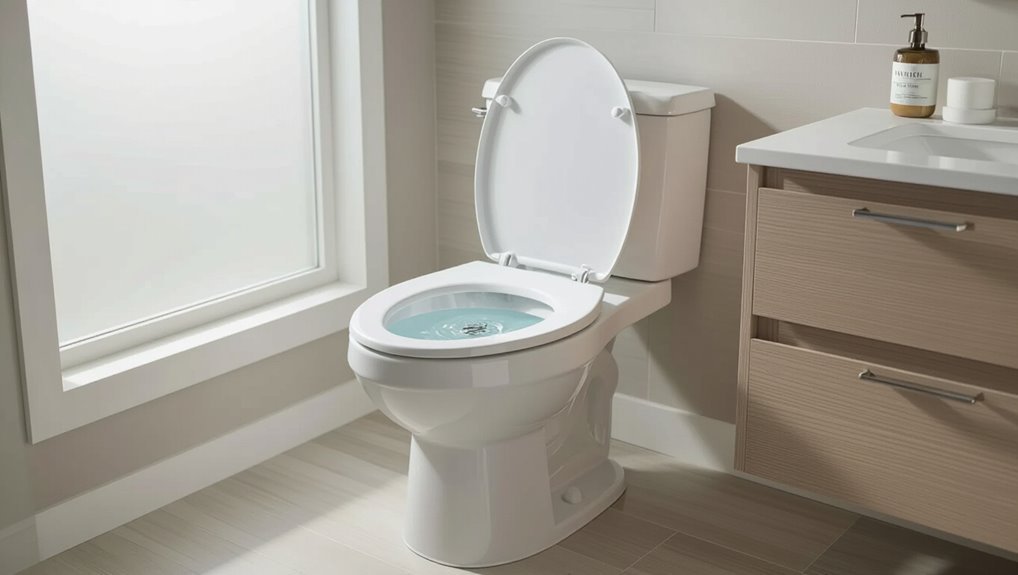
Plumbing faults such as blocked vents, damaged seals, and reversed valves commonly trigger toilet backflow by allowing wastewater to move in the wrong direction.
Sewage backflow poses serious health hazards from pathogens and can cause extensive property damage to floors, walls, and fixtures.
Early warning signs—slow drains, gurgling noises, and unexpected wetness or odors—should prompt immediate inspection.
Common plumbing issues that lead to backflow
When sewer lines become blocked, pressure can force wastewater back through toilets and fixtures, creating a hazardous backflow event.
Common causes include tree root intrusion, clogged drains, collapsed pipes, improper slope, failed check valves, and overloaded municipal systems.
Aging fixtures and incorrect venting exacerbate risk.
Understanding these failures helps homeowners prioritize repairs and learn how to stop toilet backflow before damage escalates.
Health and property risks from sewage backflow
Blockages and failures in sewer lines not only cause inconvenient backups but also introduce serious health and property hazards when sewage flows back into toilets and fixtures.
Contaminated water carries pathogens, bacteria, and viruses that risk infections and respiratory issues. Prolonged exposure damages flooring, drywall, and belongings, promotes mold growth, and can weaken structural elements, increasing repair costs and long-term health liabilities.
How to recognize early warning signs
How can homeowners spot trouble before sewage reaches the bowl? Early warning signs include slow draining sinks, gurgling toilets, foul sewer odors, and water backing into floor drains or showers.
Repeated clogs, bubbling noises when flushing, and sewer odors after heavy rain indicate partial blockages or sewer-line issues. Noticing these signals early prompts inspection, preventive maintenance, or professional intervention to avoid full backflow and contamination.
Quick Emergency Steps to Stop Toilet Backflow Now
First, occupants and pets should be moved away from the affected area and any wounds or open skin covered if contact with sewage is possible.
Next, simple temporary measures—blocking doorways with towels, placing a plastic bucket under overflow, and avoiding flushing—can limit further contamination.
Finally, the main water supply should be shut off when safe to do so, using the home shut-off valve or the toilet’s supply valve to stop additional inflow.
Immediate safety actions to protect people and pets
When toilet backflow begins, immediate actions focus on keeping people and pets away from contaminated areas, turning off water sources, and preventing electrical hazards; these steps minimize exposure and limit further spread until professional help arrives.
Secure children and animals in dry rooms, close doors, mark hazards, avoid contact with waste, ventilate if safe, and use gloves when handling necessary controls.
Temporary measures to prevent more sewage entering the house
After securing people and pets, attention should shift to quick, temporary steps that reduce further sewage entry until professionals arrive.
Block doorways with towels or rags to slow spread, elevate valuables and electronics, place waterproof barriers or heavy plastic at thresholds, use buckets to catch obvious overflow, and ventilate carefully to reduce odors.
Document damage with photos for responders and insurers.
When to shut off the water supply and how to do it
If backflow continues despite temporary barriers, shut off the water supply immediately to stop additional sewage from entering the home.
Locate the toilet shutoff valve (behind or near the base) and turn clockwise to close. If unavailable or ineffective, close the main water valve at the meter or main line.
After shutting off, drain fixtures and call a plumber for assessment and safe cleanup.
Step-by-Step DIY Fixes for Toilet Backflow
The next section outlines practical DIY actions homeowners can take to address common causes of toilet backflow.
These steps cover basic tools and safe methods for clearing blockages and inspecting related components.
Suggested tasks include:
- Clearing clogs in the toilet and main drain
- Using a plunger, auger, and enzyme drain cleaners safely
- Cleaning and inspecting the toilet trap and vent pipe
- Fixing minor sewer line blockages accessible from the property
Clearing clogs in the toilet and main drain
Begin by identifying whether the blockage is localized to the toilet bowl or affecting the main drain, since tools and techniques differ for each situation.
For bowl clogs, remove visible debris and inspect the trap.
For suspected main-line obstructions, check other fixtures for simultaneous backups and access cleanouts.
If the clog persists or sewage odors remain, stop DIY attempts and consult a licensed plumber to prevent damage.
Using a plunger, auger, and enzyme drain cleaners safely
After determining whether a clog is localized to the bowl or the main line, attention turns to safe, step-by-step use of a plunger, auger, and enzyme drain cleaners; each tool suits different causes and severity of backflow and must be applied correctly to avoid pushing blockages further or damaging fixtures.
Use a flange plunger with firm seals, feed an auger gently until resistance, then crank.
Apply enzyme cleaners per label, avoiding mixing with chemicals.
Cleaning and inspecting the toilet trap and vent pipe
Inspecting and cleaning the toilet trap and vent pipe helps identify hidden blockages that cause backflow and restore proper airflow for drainage.
A visual inspection reveals hair, mineral buildup, or debris in the trap; remove water, use a hand auger or flexible brush, and flush.
Check the roof vent for nests or leaves; clear with a plumber’s snake or garden hose.
Test flow after cleaning.
Fixing minor sewer line blockages accessible from the property
Several common sewer line blockages lie within a property’s reach and can often be cleared without professional help.
A homeowner locates the cleanout, removes the cap, and uses a plumbing snake to dislodge debris. Flush slowly while monitoring flow.
For grease or roots, apply enzyme treatments and repeat snaking.
If backups persist or sewage odors remain, contact a licensed plumber to avoid damage and health risks.
Installing and Using Backflow Prevention Devices
The section outlines common residential backflow prevention devices, including backwater (check) valves, flap gates, and air gaps.
It provides a concise overview of backwater valve installation steps and required tools.
Scheduled maintenance and periodic testing intervals for these devices are also summarized to guarantee reliable operation.
Types of backflow prevention devices for residential toilets
A range of backflow prevention devices is available for residential toilets, each designed to block contaminated water from re-entering the potable supply by addressing specific backflow mechanisms like backpressure and backsiphonage.
Common options include:
- Air gaps at inlet connections for passive protection
- Vacuum breaker assemblies to prevent backsiphonage
- Dual-check valves for low-hazard protection
- Pressure-regulating backflow preventers for higher-risk situations
How to install a backwater valve (check valve) overview
After covering device types and their typical applications, attention shifts to installing a backwater (check) valve, a common mechanical solution for preventing sewage backflow into a home.
Installation requires locating the main sewer line, cutting pipe to fit the valve, ensuring correct orientation for flow, securing watertight joints, and providing accessible access for future service.
Professional installation is recommended for code compliance.
Maintenance and testing schedule for backflow devices
Establishes a regular maintenance and testing schedule to guarantee backflow devices remain reliable and compliant with local codes.
Annual professional inspections, plus interim visual checks after heavy storms or plumbing work, detect wear, leaks, or obstruction.
Test reports should be documented and filed.
Replace or repair components per manufacturer and authority timelines.
Coordinate with licensed testers for mandated certification and permit records.
Plumbing System Checks to Prevent Future Backflow
A thorough inspection of sewer cleanouts, vents, and lateral lines helps identify blockages or damage that can lead to backflow.
Attention to grading, landscaping, and guttering can prevent surface water from entering the sewer system during heavy rains.
Seasonal precautions—such as checking drains before storm seasons and temporarily sealing vulnerable openings during floods—further reduce the risk of future toilet backflow.
Inspecting sewer cleanouts, vents, and lateral lines
Inspecting sewer cleanouts, vents, and lateral lines gives a clear picture of vulnerabilities that can lead to toilet backflow. Technicians should routinely verify cleanout caps are accessible and sealed, vents are unobstructed, and lateral lines show no signs of blockage or root intrusion.
Regular CCTV inspection, manual probing, and odor testing reveal developing issues early, enabling targeted cleaning or repairs before backflow occurs.
Grading, landscaping, and guttering improvements to reduce sewer intrusion
Several targeted exterior changes—grading adjustments, thoughtful landscaping, and properly routed gutters—significantly reduce the chance of stormwater entering sewer lines and causing toilet backflow.
Guarantee yard slopes direct water away from foundations, install swales or rain gardens to absorb runoff, use permeable paving to reduce surface flow, and extend downspouts well away from sewer access.
Preserve soil drainage and avoid low spots near sewer cleanouts.
Seasonal actions for heavy rain and flood-prone areas
When heavy rains or seasonal floods are expected, homeowners should prioritize a focused plumbing check to reduce the risk of toilet backflow.
Inspect and clear gutters, downspouts, and drains; test and service backflow preventers and sewer caps; seal basement toilet flanges and floor drains; arrange sump pump maintenance and battery backup; document vulnerabilities and schedule professional inspection before the wet season.
When a Professional Plumber Is Required
When persistent backups, sewage odors, multiple fixtures affected, or visible sewer line damage occur, the issue likely exceeds DIY remedies.
A professional assessment typically includes a camera inspection to locate blockages and may recommend hydro-jetting or repairs based on findings.
Homeowners should expect itemized estimates outlining likely costs and a project timeline before work begins.
Signs the problem is beyond DIY fixes
How can a homeowner tell if a toilet backflow issue requires professional intervention?
Persistent or recurrent backflow despite basic fixes, foul sewage odors, multiple fixtures affected, visible sewage or contaminated water, slow drainage system-wide, and sudden severe backups indicate a complex or municipal-supply problem.
Electrical or gas appliance involvement, basement flooding, or health-risk contamination also warrant immediate licensed-plumber assessment rather than DIY attempts.
What to expect from a professional diagnosis (camera inspection, hydro-jetting)
If basic remedies fail, a licensed plumber will begin diagnosis with systematic tests and targeted inspections to pinpoint the cause and scope of backflow.
Expect camera inspection to locate blockages, breaks, or tree-root intrusion and dye or pressure tests to confirm flow paths.
Remedial options may include focused cleaning or hydro-jetting to clear obstructions, followed by recommendations for repairs or preventive measures.
Costs and timeline for common professional solutions
After diagnosis identifies the cause and scope of backflow, cost and timeline depend on the chosen remediation. Typical options range from simple repairs to full sewer replacement: prices vary ($150–$6,000+) and timelines span hours to days. Emergency service adds fees. Warranties and permits affect final cost; homeowners should get itemized estimates and timelines before work begins.
| Service | Typical timeline |
|---|---|
| Repair parts | Hours |
| Drain cleaning | Hours |
| Valve install | 1 day |
| Pipe relining | 1–3 days |
| Sewer replacement | Several days |
Long-Term Prevention Strategies for Homeowners
Homeowners can reduce backflow risk by following a concise maintenance checklist that covers regular inspections, cleaning of drains and vents, and timely repair of aging seals.
Strategic upgrades—such as installing backwater valves or replacing compromised sewer lines—offer durable protection when recurring problems occur.
Attention to insurance coverage and compliance with local plumbing codes helps guarantee investments are effective and recoverable.
Regular maintenance checklist to minimize backflow risk
A concise, regular maintenance checklist helps reduce the risk of toilet backflow by addressing key components before problems develop.
Quarterly inspections and simple tasks keep drains flowing and components functional:
- Check bowl and tank seals for leaks or deterioration.
- Test flush valve and flapper operation; replace if weak.
- Clear nearby drains and vents of debris.
- Schedule annual professional drain inspection.
Upgrades worth investing in (sewer line replacement, backwater valves)
While routine checks reduce minor risks, investing in major upgrades like full sewer line replacement and mechanically reliable backwater valves provides the most effective long-term protection against toilet backflow.
Homeowners should prioritize trenchless sewer replacement for durability and minimal disruption, and install certified backwater valves sized to system flow.
Professional inspection, correct installation, and periodic testing guarantee these upgrades prevent backups and protect property.
Insurance and local code considerations
Many municipalities require specific permits and standards for sewer upgrades and backflow prevention devices, and insurance policies often tie coverage to compliance with those regulations.
Homeowners should verify local codes, obtain required permits, and keep records of inspections and installations.
Failure to comply can void claims.
Consult insurers before major work and retain licensed contractors to guarantee both legal and policy obligations are met.
Common Mistakes to Avoid When Dealing with Toilet Backflow
Homeowners sometimes attempt aggressive DIY fixes—chemical drain cleaners or forceful plunging—that can worsen blockages and damage pipes.
Other common errors include misreading symptoms, treating surface signs while an underlying sewer or vent issue remains unaddressed.
Prompt assessment by a qualified plumber often prevents escalation and costly repairs.
Harmful DIY actions that can worsen blockages
Several common DIY attempts meant to clear a toilet backflow can actually worsen the blockage or damage plumbing components.
For example, using chemical drain cleaners can corrode pipes and seals; forcing objects down the bowl may lodge debris deeper; excessive plunging can break seals; and makeshift tools risk scratching porcelain or harming the trap.
Avoid aggressive, improvised methods and follow safe procedures.
Misdiagnosing symptoms and delaying professional help
After attempting risky DIY fixes that can worsen a blockage, it is common for the true cause of toilet backflow to be misread or minimized.
Homeowners may mistake sewer line issues for minor clogs, ignore recurring slow drains, or postpone calling a plumber to save money.
Delays increase damage risk, contamination, and repair costs; timely professional diagnosis prevents escalation.
Signs of Recurring Problems and When to Plan Major Repairs
Recurrent backups at multiple fixtures or neighborhood-wide incidents often point to municipal sewer system failures, while isolated, repeat blockages usually indicate private plumbing or lateral line problems.
Tracking frequency, timing, and locations of backflow events helps determine whether localized repairs or a full sewer line replacement is warranted.
When patterns show persistent failures despite repairs, planning for major replacement should be considered.
Patterns that indicate municipal sewer issues vs. private plumbing
Often homeowners can distinguish municipal sewer failures from private plumbing faults by tracking where and when backups occur.
Repeated street-side manhole overflows, multiple neighborhood homes affected, and backups after heavy rain suggest municipal mains.
Isolated blockages, single-fixture backups, or issues tied to specific appliances point to private pipes.
Time patterns, utility notices, and CCTV inspections clarify responsibility and next steps.
Evaluating the need for full sewer line replacement
Distinguishing municipal from private sewer problems helps narrow responsibility, but recurring backups localized to a single property often point toward a failing private lateral that requires more than spot repairs.
Repeated clogs, foul odors, sinkholes, multiple fixture backups, or tree-root intrusion on inspections indicate systemic pipe failure. Budget for full lateral replacement when repairs recur within months or video shows extensive damage.
Resources and Tools for Homeowners
A concise list of recommended tools for emergency shutoff and routine maintenance helps homeowners respond quickly to backflow incidents.
Clear guidance on photographing and recording damage supports insurance claims and accurate contractor estimates.
Reliable sources for licensed plumbers and 24/7 emergency services should be provided to guarantee timely professional help.
Recommended tools for emergency and routine care
Prepare a compact kit of reliable tools and supplies so homeowners can respond quickly to toilet backflow, whether for an emergency stop-gap or routine prevention.
Essential items include basic plumbing tools, safety gear, and sealants for temporary fixes. Keep them accessible and maintained.
- Plunger and flange plunger
- Adjustable wrench and channel locks
- Rubber gloves and eye protection
- Pipe tape and silicone sealant
How to document damage for insurance and contractor quotes
Several clear photos and concise notes form the foundation of any insurance claim or contractor estimate after a toilet backflow event.
Record date, time, visible damage, affected rooms, and any emergency measures taken.
Capture wide shots, close-ups, and waterlines; include serial numbers or receipts for damaged fixtures.
Store copies digitally and share organized folders with insurers and contractors for faster, accurate assessments.
Where to find qualified licensed plumbers and emergency services
Many homeowners rely on licensed plumbers and 24/7 emergency services to address toilet backflow quickly and prevent greater damage.
Homeowners should check state licensing boards, local trade associations, and online reviews. Ask for certifications, insurance, and references; request written estimates and turnaround times.
For emergencies, confirm after-hours availability and response guarantees. Keep contact details and service contracts accessible for future incidents.
Conclusion
Like a flooded basement clearing after a storm, resolving toilet backflow restores order and scent of safety to the home. Readers are reminded that swift emergency steps, thoughtful DIY patches, and proper prevention devices form the toolkit against unwelcome return flow. When small fixes fail, scheduling professional repairs prevents deeper damage. With routine checks and sensible habits, households can keep water moving the right way and avoid the slow creep of recurring problems.