How to Kill Sewer Roaches Fast: Proven Home Remedies and Professional Solutions
To quickly eliminate sewer roaches, focus on sanitation, sealing entry points, and using targeted hot-contact treatments like boiling water or steam. Start by removing food and moisture, setting gel baits in drains, and applying residual sprays or dusts in areas where roaches hide. Diatomaceous earth can also be effective for contact kills. For larger infestations, consider professional solutions such as foams and liquid residuals from pest control experts. Regular monitoring and repairs are essential to prevent their return. The following guidance offers practical steps and product recommendations to effectively combat sewer roaches.
How to Kill Sewer Roaches Fast: Immediate Actions to Take
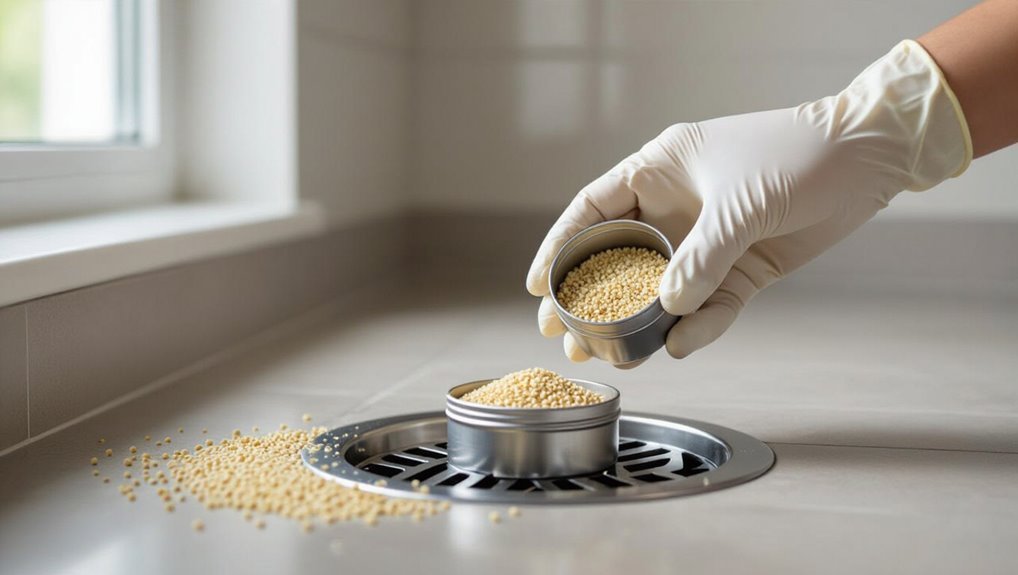
Before taking action, the author stresses prioritizing safety by wearing protective gear and ensuring proper ventilation.
A concise quick-response checklist follows to contain active infestations and apply immediate control measures.
Guidance is also provided on warning signs that warrant calling a professional emergency exterminator.
Safety first protective equipment and ventilation
Personal safety is paramount when dealing with sewer roaches; responders should don gloves, eye protection, a respirator rated for particulates and gases, and impermeable clothing to prevent skin contact and inhalation of contaminants.
Proper ventilation—using exhaust fans or open windows—reduces airborne irritants and insecticide fumes.
Training on protective equipment, decontamination procedures, and safe application methods supports effective how to kill sewer roaches responses.
Quick-response checklist for active infestations
After securing appropriate protective gear and ensuring adequate ventilation, responders should follow a compact, action-oriented checklist to suppress active sewer roach infestations immediately.
- Seal entry points and isolate affected rooms.
- Remove food, standing water, and clutter; clean surfaces.
- Apply targeted insecticide baits and boric acid in crevices.
- Set traps, monitor activity, and document sightings for follow-up.
When to call a professional emergency exterminator
When should a professional emergency exterminator be called depends on severity and risk factors: if roaches are swarming, appearing during daylight, or there is evidence of breeding within walls or sewers, immediate expert intervention is warranted.
A pro is also needed for health risks, failed DIY treatments, recurring infestations, or structural access issues.
Expect inspection, targeted treatments, sanitation guidance, and follow-up monitoring.
Identifying Sewer Roaches vs. Other Cockroaches
The distinction between sewer roaches and other cockroach species rests on specific physical traits and characteristic behaviors that aid identification.
Typical sewer-roach habitats and signs in homes—such as activity around drains, persistent odors, and sightings near pipes or basement vents—help narrow the diagnosis.
Confirming entry points often requires inspecting drains, sewer pipes, and vent openings for gaps, wetness, or direct access.
Key physical characteristics and behavior
Distinctive physical traits and behaviors help separate sewer roaches from other cockroach species: sewer roaches (often Periplaneta americana and related species) tend to be larger, darker, and glossier, with longer legs and antennae adapted for traversing wet, confined environments.
They frequently display a strong, rapid scuttling motion and a preference for sewers, drains, and damp basements rather than dry, cluttered indoor spaces favored by German or Oriental cockroaches.
Shorter wings, thicker bodies, oily sheen, nocturnal activity, and swift escape responses further distinguish them from smaller, slower species.
Typical habitats and signs of sewer roaches in homes
Because sewer roaches favor moisture and easy access to food, they are most commonly found near drains, sump pumps, sewer cleanouts, crawlspaces, and basements with standing water or persistent dampness.
Signs include dark, greasy smears on walls, musty odors, droppings resembling coffee grounds, shed skins, and sightings concentrated at night near sinks or floor drains.
Distinguish by habitat and nighttime activity.
How to confirm sewer-roach entry points (pipes, drains, vents)
Confirming sewer-roach entry points requires a systematic inspection of visible plumbing, drains, vents, and foundation penetrations to distinguish sewer-origin access from typical German or American cockroach entryways.
Look for wetness, rust, gaps around pipe seals, torn drain gaskets, sewage odor, and roach activity clustered near floor drains or vent stacks.
Use tape tests, night inspections with a red light, and professional camera probes.
Fast Home Remedies That Work Quickly
Practical, fast-acting home remedies can reduce sewer roach numbers quickly when used correctly. Effective options include flushing nests with boiling water or steam (with safety limits), pouring DIY drain mixes like baking soda and vinegar or borax, and applying salt carefully; each method’s step-by-step use and limitations should be noted.
For immediate reduction, nonchemical contact killers such as diatomaceous earth and certain essential oils can be applied along with traps (glue pads and bait stations) to capture and monitor activity.
Boiling water and steam treatments: method and limits
Pouring boiling water or directing steam into accessible sewer roach hiding spots can kill insects on contact by denaturing proteins and collapsing respiratory systems.
Treatment requires caution: apply slowly to drains, joints and crevices avoid splashing.
Effectiveness is limited to exposed areas; eggs and deep nest sites in pipes resist heat.
Repeat applications help, but professional inspection advised for severe infestations.
DIY drain treatments (baking soda + vinegar, salt, borax) step-by-step
Several simple household mixes can provide quick, localized knockdown of sewer roaches when applied directly to drains and accessible pipe openings.
For baking soda and vinegar: pour ½ cup baking soda, then 1 cup vinegar, wait 15 minutes, flush with hot water.
For salt: pour ¼–½ cup, leave overnight.
For borax: sprinkle 2–3 tablespoons around drain edges, reapply weekly; use gloves.
Natural contact killers: diatomaceous earth and essential oils application tips
After using simple drain mixes for quick knockdown, attention can shift to dry, contact-based options that keep working after application.
Apply food-grade diatomaceous earth in thin lines along entry points and under appliances; reapply after cleaning.
Use diluted essential oil sprays (peppermint, tea tree, citronella) as a barrier and repellant, testing surfaces for staining and avoiding direct application near pets or open food.
Traps for immediate reduction (glue traps, bait stations)
Set traps strategically to achieve a rapid drop in visible sewer roach numbers: place glue traps along baseboards, under sinks, and near drains where roaches travel, and position bait stations behind appliances and in cupboards where they won’t be disturbed.
Traps reduce populations quickly while informing infestation hotspots; inspect daily, replace as needed, and combine with sanitation for lasting control.
- Check traps daily
- Replace spent bait
- Use multiple hotspots
- Combine with cleaning
Effective Chemical Options for Rapid Elimination
The section outlines targeted chemical tools for rapid sewer roach control, including insecticidal baits, residual sprays and dusts, and insect growth regulators (IGRs).
It explains how baits work and ideal placement, where to apply residuals in cracks, drains and pipe voids, and how IGRs suppress populations quickly.
Safety precautions for users, pets and children when handling and applying these products are also highlighted.
Insecticidal baits: how they work and where to place them
When formulated as palatable gels or granular pellets, insecticidal baits combine an attractant with a slow-acting toxin so sewer roaches feed and return the poison to their harborages, producing both immediate mortality and secondary kill through trophallaxis and contact.
Place baits near drain edges, under sinks, along baseboards, behind appliances, and close to known entry points.
Replace and monitor regularly for effectiveness.
Residual sprays and dusts for cracks, drains, and pipe voids
Apply targeted residual sprays and insecticidal dusts to cracks, drains, and pipe voids to create long-lasting barriers that kill sewer roaches on contact and via tracked residues.
Professionals favor pyrethroid or neonicotinoid formulations for sprays and silica gel or diatomaceous earth dusts for voids.
Apply sparingly, follow label directions, treat entry points and harborage, and reapply only as label permits to maintain efficacy.
Insect growth regulators (IGRs) for quick population suppression
Suppress sewer roach populations rapidly by integrating insect growth regulators (IGRs), which disrupt development and reproduction rather than delivering immediate knockdown.
IGRs like hydroprene and pyriproxyfen prevent nymphs from maturing and reduce egg viability, collapsing cohorts over weeks.
Used alongside baits and residuals, they target hidden breeders and lower rebound risk.
Application should follow label directions and professional guidance.
Safety and pet/child precautions when using chemicals
Integrating insect growth regulators with baits and residual insecticides increases effectiveness but also raises safety considerations for humans and pets when using chemical options for rapid elimination.
Precautions include reading labels, securing products out of reach, applying treatments when occupants are absent, ventilating treated areas, avoiding contact with food surfaces, and using pet-safe formulations or temporary relocation.
Consult professionals for high-risk situations.
Professional Solutions: What Exterminators Use
Professional exterminators typically employ a combination of liquid residuals, gel baits, and foams tailored to sewer-roach behavior and habitat.
They may also perform pipe and sewer-line remediation, including targeted treatments and physical repairs to eliminate breeding sites.
Homeowners should ask about methods, safety measures, guarantees, and expected costs and timelines before hiring a licensed technician.
Common professional treatments (liquid residuals, gel baits, foams)
When confronting sewer roaches, exterminators most often rely on three targeted treatment types—liquid residuals, gel baits, and foams—each chosen for specific application sites and behaviors.
Liquid residuals coat surfaces and provide long-lasting contact mortality.
Gel baits attract and deliver ingestible insecticides to colonies.
Foams penetrate voids and cracks, expanding to reach hidden harborages and disrupt infestation pathways.
Pipe and sewer-line remediation techniques
Many exterminators combine physical and chemical strategies to remediate pipes and sewer lines, focusing on source elimination, access sealing, and targeted insecticide deployment.
Technicians use drain cleaning, camera inspections, and mechanical brushing to remove nests and debris. After clearing, specialized foams, foaming gels, or non-repellent insecticides are applied into lines; manholes and cleanouts are sealed and treated to prevent reentry and reinfestation.
How to choose an exterminator and what questions to ask
Which qualifications and approaches should homeowners prioritize when hiring an exterminator for sewer-roach problems?
A qualified provider should demonstrate licensing, pest-specific experience, safe integrated pest management practices, and clear treatment plans.
Ask about inspection methods, targeted products, sewer access techniques, and follow-up guarantees.
- License and insurance
- Experience with sewer roaches
- IPM and low-toxicity options
- Written treatment plan
Typical costs and expected timelines for results
Several factors determine the cost and timeline for exterminating sewer roaches, including infestation size, building layout, required sewer access, and choice of treatments. Typical fees range from $150–$800; complex sewer work or recurring services cost more. Results often begin within 48–72 hours; full control may require 2–6 weeks with follow-ups.
| Service type | Typical range |
|---|---|
| Inspection | $50–$150 |
| Treatment | $150–$800 |
| Follow-up | $0–$200 |
Preventing Reinfestation: Fast-Acting Preventive Measures
To prevent sewer-roach return, attention should focus first on sealing likely entry points—drains, pipe collars, and vents—using a prioritized checklist to guarantee no gap is missed.
Immediate sanitation steps, such as removing food residues and fixing leaks, reduce attractants that invite reinfestation.
A regular drain maintenance routine, including enzymatic cleaners and physical trap cleaning, helps block sewer-roach access on an ongoing basis.
Sealing entry points: drains, pipe collars, vents prioritized checklist
A prioritized checklist for sealing entry points focuses on drains, pipe collars, and vents as the most common routes for sewer roaches; each item pairs the specific opening type with the fastest, most durable sealing method and a brief inspection cue to verify effectiveness.
- Drains: install mechanical drain covers; check for gaps and water tightness.
- Pipe collars: apply silicone + metal clamp; inspect for cracks.
- Vents: fit screened caps; confirm airflow unobstructed.
- Wall penetrations: foam sealant + escutcheon; verify no light leakage.
Sanitation steps that reduce attractants immediately
Remove food and moisture sources immediately to make the environment inhospitable to sewer roaches: Clear crumbs, wipe spills, store food in sealed containers, and empty pet bowls overnight.
Fix leaks, dry under-sink and appliance areas, remove standing water, and reduce clutter where roaches hide.
Dispose of garbage regularly in sealed bins and clean drains’ surrounding surfaces to eliminate residues that attract pests.
Drain maintenance routine to block sewer-roach access
Following immediate sanitation, attention shifts to drains as primary entry points for sewer roaches. A simple, regular maintenance routine can block access and prevent rapid reinfestation.
Technicians or homeowners should clean strainers, pour enzymatic drain cleaners weekly, flush with boiling water monthly, install one-way valves or tight-fitting covers, inspect traps for dry seals, and schedule plumbing checks to seal leaks and gaps that invite pests.
Troubleshooting Persistent Infestations
If roach activity persists after treatment, indicators such as continued sightings, fresh droppings, or new egg cases suggest the intervention failed or was incomplete.
Possible causes include missed harborages, inadequate product application, or ongoing entry points from plumbing and structural defects.
In such cases, escalation to integrated pest management and long-term structural or plumbing repairs should be considered.
Signs a treatment failed and likely causes
Identify persistent signs that a sewer roach treatment has failed to quickly diagnose and address underlying causes.
Continued sightings, droppings, smear marks, shed skins, and activity peaks after application indicate treatment failure.
Likely causes include improper product choice, inadequate dosage or placement, untreated entry points, hidden breeding sites in plumbing, organic buildup, or reinfestation from neighbors.
Reassess methods and sanitation.
When to escalate to integrated pest management (IPM)
When routine treatments fail to curb sewer roach activity, escalation to integrated pest management (IPM) becomes appropriate to address complex or persistent infestations systematically.
IPM combines inspection, monitoring, sanitation, targeted baits and insecticides, exclusion, and resident education.
Escalation is advised when infestations persist after repeated DIY measures, spread despite treatments, or when health risks increase; professionals coordinate multifaceted, least-toxic strategies.
Long-term fixes for structural or plumbing-related infestations
Addressing structural or plumbing causes is essential for resolving sewer roach infestations that recur despite surface treatments.
Inspect and seal entry points: cracked foundations, gaps around pipes, and uncapped vents.
Repair leaks, replace damaged traps, and guarantee proper sewer line slope and venting.
Install backflow preventers where needed.
Coordinate with licensed plumbers and pest professionals to implement durable repairs and validate eradication.
Comparison of Quick Methods: Speed, Cost, and Effectiveness
A concise comparison highlights which fast-acting combinations balance rapid control with safety for homes containing pets or children. The table below compares speed, cost, and child/pet safety for five recommended quick strategies to inform immediate decisions. Readers are encouraged to use this snapshot to select approaches that match household risk tolerance and urgency.
| Strategy | Speed | Child/Pet Safety |
|---|---|---|
| Baits + targeted glue traps | Fast | Moderate (keep out of reach) |
| Boric acid perimeter + sealing | Moderate | Low risk when sealed/applied correctly |
| Professional low-tox fogging (pet-safe option) | Very fast | Variable (requires temporary relocation) |
| Diatomaceous earth barriers | Moderate | High when confined to inaccessible areas |
| Gel baits placed in tamper-resistant stations | Fast | High when stations are used properly |
Best fast-acting combo strategies for homes with pets or children
Although rapid control is important, households with pets or children require combinations that balance speed with safety; practical options include targeted baits, gel traps, and professional-grade insect growth regulators used alongside exclusion and sanitation.
Effective combos pair quick-acting baits with IGRs, sealed entry points, and non-toxic cleanup to minimize exposure while reducing populations quickly.
- Targeted bait placements
- Gel traps in crevices
- Seal gaps and drains
- Regular sanitation
Real-World Scenarios and Recommended Action Plans
The section presents concise action plans tailored to common infestations: a 24–48 hour protocol for small kitchen outbreaks, a 48–72 hour protocol for basement or utility-room infestations, and an escalation plan for recurring sewer roaches originating from municipal lines.
Each scenario outlines prioritized steps, needed materials, and decision points for when to escalate to professional intervention.
The goal is to provide clear, time‑bound guidance so readers can respond effectively based on scope and recurrence.
Small kitchen infestation 24-48 hour plan
Begin by evaluating activity: inspect under sinks, behind appliances, and near drains to confirm sewer roach presence and estimate infestation size.
Remove food and moisture sources, seal cracks, and set glue traps and bait stations near entry points.
Apply boric acid dust lightly in voids and run a targeted insecticide gel.
Monitor 24–48 hours, replace traps, and call pest control if activity persists.
Basement or utility room infestation 48-72 hour plan
Basements and utility rooms, with their steady moisture, dark voids, and ready access to drains, create ideal conditions for sewer roach colonies and require a focused 48–72 hour response that balances containment, sanitation, and targeted treatment.
Inspect plumbing, seal entry points, remove clutter, dehumidify, and clean organic debris.
Apply bait stations and boric acid around harborage, monitor activity, and schedule professional inspection if infestations persist.
Recurring sewer roaches from municipal lines escalation plan
When infestations persist despite addressing basement and utility room sources, attention must shift to recurring sewer roaches entering from municipal lines.
These situations require escalation plans that coordinate homeowner actions, municipal authorities, and pest professionals.
Inspect entry points, document activity, secure plumbing seals, request municipal line inspections, and demand targeted treatments.
Escalate to health departments or legal routes if remediation is delayed or ineffective, maintaining clear records.
Resources and Products Worth Considering
Practical control of sewer roaches often pairs targeted consumer baits with the right tools for safe, effective application. Recommended bait brands and formulations should be chosen for proven efficacy and suitability to plumbing environments.
Basic plumbing tools, steamers, and personal protective equipment help guarantee treatments reach harborage sites while minimizing risk.
- Gel baits (boric acid or insect growth regulator formulations) from reputable consumer brands
- Bait stations suitable for drains and entry points
- Plumbers’ tools (snake, auger, and hand tools) for accessing blockages and nests
- Steamers and PPE (gloves, respirator, eye protection) for non-chemical and hybrid approaches
Recommended consumer bait brands and formulations
Effective bait selection combines active ingredient, formulation, and placement to maximize sewer roach control.
Recommended consumer brands include Advion (indoxacarb gel), Combat (fipronil and hydramethylnon options), Maxforce (imidacloprid/indoxacarb gels), and Invict (boric acid gels).
Choose gels or bait stations labeled for cockroaches, prioritize low-repellent formulas, follow label instructions, and rotate active ingredients if infestations persist to reduce resistance.
Tools and equipment for DIY treatments (plumbers’ tools, steamers, protective gear)
Assembling the right tools streamlines DIY sewer roach treatments and reduces the need for repeated interventions. Essential items improve access, sanitation, and safety when targeting drains and entry points. Recommended selections balance effectiveness with user protection.
- Plumber’s snake and drain auger for nest disruption
- High-temperature steamer to sanitize pipes
- Chemical-resistant gloves and eye protection
- Aerosol applicator or injector for baits and residuals
Conclusion
Quick, decisive steps defeat sewer roaches: identify, isolate, and eradicate; swift home remedies, targeted chemicals, and professional interventions all play roles. Rapid action stops spread, careful sanitation prevents return, and follow-up monitoring guarantees success. Combining immediate traps or baits with plumbing fixes and expert treatments delivers fastest relief; pairing prevention with periodic inspection sustains results. By acting promptly, by choosing suitable tools, and by maintaining vigilance, infestations are resolved and recurrence is minimized.