How to Keep Furnace Drain From Freezing: Simple Preventive Fixes and Long-Term Solutions
To prevent your furnace drain from freezing, address issues like cold exposure, poor insulation, and clogged lines. Start with immediate fixes such as thawing frozen sections with warm water or a hair dryer, clearing the P-trap, and insulating exposed pipes. For short-term prevention, use foam sleeves and heat tape. Long-term solutions include rerouting drains indoors, installing condensate pumps, or using trace heaters with thermostats. Regular maintenance, like routine flushing and annual servicing, can help reduce the chances of freezing. The following sections will detail practical steps and product recommendations to keep your furnace drain functioning smoothly.
Why Your Furnace Drain Freezes and What Happens When It Does
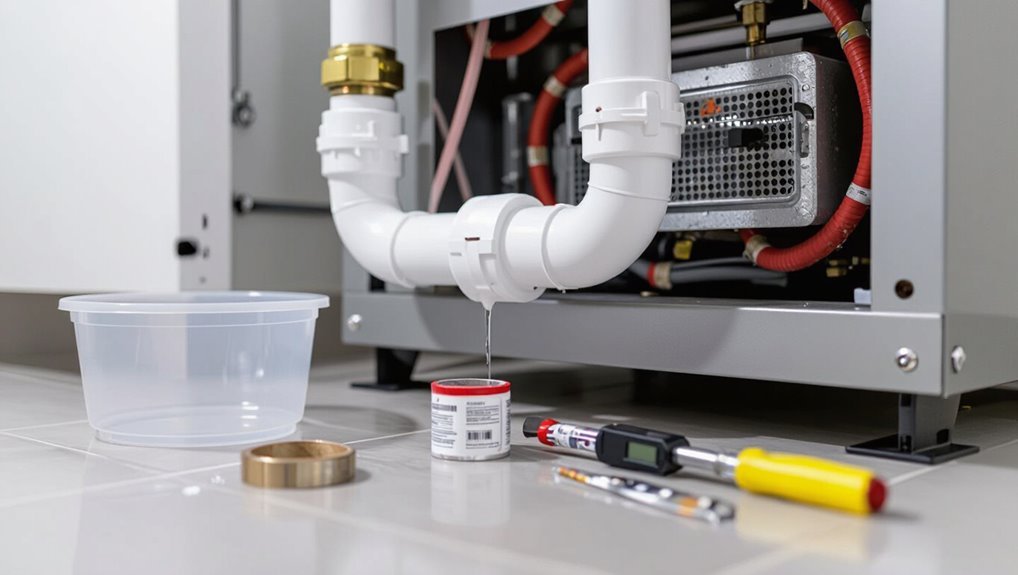
The furnace’s condensate system collects and routes condensed water from the heat exchanger and air handler into a dedicated drain line.
Freezing typically occurs when cold outdoor temperatures, poor insulation, clogged lines, or insufficient slope allow standing condensate to ice over.
When a drain freezes, condensate can back up or trigger shutdowns, reduce efficiency, and cause water damage if ice damming or leaks develop.
How the furnace drain and condensate system work
A furnace’s condensate system collects and directs moisture produced during combustion or heat exchange through a network of pans, traps, and pipes to a drain or pump, preventing water from pooling inside the unit.
The condensate flows by gravity or pump through a trap that blocks gas, then to building drain or exterior disposal.
Understanding this layout informs how to keep furnace drain from freezing.
Common causes of a frozen furnace drain
Why does a furnace drain freeze, and what follows when it does?
Freezing typically occurs from cold ambient temperatures, poor insulation around condensate lines, blocked or slow drainage, and improperly pitched pipes. Ice forms where water accumulates or cools rapidly.
Intermittent operation, clogged traps, and outdoor exposed runs increase risk, causing gradual blockage until thaw or intervention restores flow.
Risks and consequences of a frozen drain (efficiency loss, water damage, shutdowns)
Frozen furnace drains can quickly cascade from a minor nuisance into serious problems: reduced system efficiency as condensate backs up and interferes with heat exchange, water damage from overflowing or burst lines, and safety-triggered shutdowns when float switches or pressure sensors detect blocked drainage.
Blockage also promotes mold growth, corrodes components, increases repair costs, shortens equipment lifespan, and risks indoor air quality and occupant discomfort.
Quick Checks to Diagnose a Frozen Furnace Drain
Signs such as water backing up, hissing from the condensate line, or visible ice on the pipe point to a possible freeze.
Simple checks—using a flashlight to inspect the trap, gently feeling for cold spots, and testing drain flow with a small cup of warm water—can confirm the problem with basic tools.
If the blockage is minor and accessible, a homeowner can usually clear it safely, but persistent ice, frozen outdoor lines, or repeated freezes warrant a professional technician.
Symptoms that indicate a frozen drain line
Several clear indicators can help determine whether a furnace drain line is frozen.
Water backing up at the drain pan or around the furnace, unexplained dripping or overflow, and an inactive condensate pump despite humid conditions suggest blockage.
Ice visible on exposed piping, reduced system efficiency, or frequent short cycling also point to freezing.
Immediate inspection prevents water damage and system stress.
Tools and simple tests to confirm a freeze
A few simple tools and quick checks can reliably determine whether a furnace condensate line is frozen. A flashlight, thin screwdriver or coat hanger, and a thermometer suffice.
Inspect visible piping for frost, listen for gurgling or silence at drain traps, probe gently for rigid sections, and measure ambient and pipe temperatures.
Confirm by pouring warm (not boiling) water into the drain opening.
When to call a professional vs. when you can DIY
When should a homeowner attempt thawing and when is a technician required?
Homeowners can DIY when freeze is localized, accessible, and limited to a visible condensate line—using warm water, a hair dryer, or heat tape safely.
Call a technician if multiple lines freeze, recurring freezes occur, electrical components fail, water backs into the furnace, or access is unsafe; professionals diagnose insulation, drainage slope, or HVAC system faults.
Immediate DIY Fixes to Thaw a Frozen Furnace Drain
The section outlines immediate, safe DIY methods for thawing a frozen furnace drain, including controlled application of warm water, a hair dryer, or basic heat tape.
It then describes concise steps to dislodge ice from the P-trap and clear the drain line with minimal tools.
Finally, it recommends simple temporary measures—insulation, modest continuous heat, and monitored drainage—to reduce the chance of refreezing.
Safe thawing methods (warm water, hair dryer, heat tape basics)
Begin thawing a frozen furnace drain with gentle, controlled heat and avoid aggressive measures that can damage the pipe or surrounding components.
Apply warm (not boiling) water to accessible sections, use a hair dryer on low-medium while keeping it moving, or install heat tape per manufacturer instructions.
Monitor wires and fittings, maintain ventilation, and stop if plastic softens or leaks appear; call a pro if uncertain.
Steps to clear an ice-clogged P-trap and drain line
Carefully access the furnace condensate P-trap and nearby drain line, then methodically thaw and clear ice using controlled heat and simple tools.
Disconnect trap if accessible, empty water, and remove ice chunks. Use warm (not boiling) water or a hair dryer to melt remaining ice while probing gently with a flexible brush or plumbers’ snake.
Reassemble, test drainage, and inspect for damage.
Temporary measures to prevent refreezing after thawing
After thawing a furnace drain, apply quick, temporary measures to keep melted condensate flowing and prevent immediate refreezing.
Place heat tape or a portable space heater (kept safely distant) near the condensate line, insulate exposed sections with foam or cloth, and run warm water through the line briefly.
Monitor for leaks, secure wiring, and plan permanent insulation or rerouting to avoid recurrence.
Short-Term Preventive Fixes You Can Implement Today
The homeowner can take several short-term steps to reduce the risk of a frozen furnace drain. Common measures include insulating exposed condensate lines and fittings, applying heat tape or heat cable correctly, and checking that the drain has proper slope and unobstructed vents.
Small operational changes—such as adjusting the thermostat or furnace cycle settings—can also help prevent freezing until a permanent fix is arranged.
Insulating exposed condensate lines and fittings
A few targeted insulation measures can prevent exposed condensate lines and external fittings from freezing on cold nights without major work.
Foam pipe sleeves, pre-slit polyethylene insulation, or self-sealing wrap should be installed over horizontal runs and joints. Secure with weatherproof tape, seal gaps at wall penetrations, and insulate exposed condensate traps and elbows.
Check periodically for compression and moisture intrusion.
Installing and using heat tape or heat cable correctly
Install heat tape or heat cable as a quick, reliable short-term fix to keep condensate lines, traps, and nearby fittings from freezing during cold snaps.
Select UL-listed, thermostat-controlled tape suited for pipe material.
Follow manufacturer routing and spacing, secure with approved tape or zip ties, avoid overlapping, and protect connections.
Test installation and inspect periodically for wear or damage.
Adjusting thermostat and furnace operation to reduce freezing risk
Raise the thermostat slightly and extend furnace run cycles to keep indoor temperatures steady, reducing the chance of condensate or drain lines dropping to freezing during cold snaps.
Adjust setback settings to avoid long off periods overnight, enable circulation or fan modes if available, and monitor performance.
Short, consistent operation prevents sudden temperature dips that can create ice in vulnerable drain sections.
Ensuring proper condensate drain slope and clear vents
Check the condensate drain slope and clear any vent obstructions to prevent standing water that can freeze in cold weather.
Inspect the PVC or copper runoff for a steady downward pitch toward the trap and drain; adjust supports to eliminate sags.
Remove debris from air intake and vent caps.
Flush the drain with distilled vinegar or a commercial cleaner to clear buildup and maintain flow.
Long-Term Solutions for Permanent Freeze Prevention
Long-term prevention focuses on permanent changes to drainage and control systems to eliminate recurrent freezing.
Typical strategies include insulating and rerouting drains indoors, installing condensate pumps with indoor discharge, and enclosing exposed lines.
More advanced options add automatic drain heaters and thermostatic controls to maintain safe temperatures year-round.
Upgrading to insulated, indoor drain routing
One effective permanent strategy is rerouting the furnace condensate line indoors and insulating it along its entire run to eliminate exposure to freezing temperatures.
Doing so requires planning the shortest, gravity-friendly path, using closed-cell pipe insulation and sealing joints, and maintaining gentle slope for drainage.
This approach reduces freeze risk, simplifies maintenance, and prevents outdoor thermal cycling that causes blockages and damage.
Installing a condensate pump and placing drain indoors
Install a condensate pump and route the drain indoors to confirm reliable removal of furnace condensate when gravity drainage is impractical or outdoor lines risk freezing.
A compact pump collects condensate and activates a discharge to an indoor drain or utility sink above freeze risk.
Professional installation guarantees correct pump sizing, check valves, and accessible service access, reducing freeze risk and preventing basement or equipment damage.
Drain line rerouting and permanent enclosure options
When outdoor drains are repeatedly subjected to freezing temperatures, rerouting condensate lines to run through heated spaces or enclosing them in insulated, weatherproof chases provides a permanent solution.
These approaches eliminate exposed low points and reduce freeze risk by keeping the pipe interior above freezing.
Professional routing uses gentle slopes, frost-proof entry points and durable materials; enclosures include rigid insulation, sealed access panels and ventilation for maintenance.
Installing automatic drain heaters and thermostatic controls
Adding automatic drain heaters and thermostatic controls provides a reliable, long-term way to prevent furnace condensate lines from freezing by keeping the condensate temperature above the freezing point.
Professional-grade inline heat tapes or self-regulating cables paired with temperature sensors activate only when needed, conserving energy.
Proper installation, insulation, and GFCI protection guarantee safety and code compliance, minimizing maintenance and eliminating repeated thawing interventions.
Maintenance Routine to Keep the Drain Clear Year-Round
A clear, seasonal inspection checklist helps identify clogged drains, damaged condensate traps, and failing pumps before cold weather arrives.
Routine cleaning—flushing lines and using a vinegar or baking soda solution or approved commercial cleaner—keeps flow unobstructed and reduces buildup.
Scheduling professional service at recommended intervals guarantees technicians check condensate pumps, traps, heat exchanger drainage, and insulation to prevent freeze-related failures.
Seasonal inspection checklist for drain and condensate parts
Because seasonal shifts change humidity, temperature, and system use, a concise inspection checklist helps verify the furnace drain and condensate components remain clear and functional year-round.
Inspect visible PVC and couplings for cracks or sagging, verify trap and P-trap integrity, check condensate pump operation and float switch, confirm proper pitch and insulation on exposed piping, and ascertain condensate pan and drain screens are unobstructed.
Regular cleaning procedures (flushing, vinegar/baking soda vs. commercial cleaners)
Establish a simple, regular cleaning routine to prevent buildup and blockages in furnace condensate drains: monthly flushes with plain water remove loose debris, while quarterly treatments using a vinegar-and-baking-soda mix offer a safe, inexpensive way to dissolve organic grime.
Commercial enzymatic or acidic cleaners can be used sparingly for stubborn clogs but require careful adherence to manufacturer instructions and system compatibility to avoid damage.
Routine includes flushing, gentle agitation, and visual checks.
Recommended service intervals and what pros should check
Following routine homeowner cleaning, scheduled professional inspections solidify year-round protection for the condensate drain.
Technicians should visit annually before heating season and mid-season in cold climates.
Inspections verify proper slope, clear PVC traps, check condensate pump operation, test float switches, clean drain pans, inspect insulation and heat tape, and assess airflow and humidity controls to prevent ice formation and blockages.
Products and Materials Guide
This section lists recommended heat tapes, insulation types, and fittings suited to furnace condensate lines.
It also covers appropriate condensate pumps and inline heaters that prevent backups and freezing.
Finally, essential tools and safety equipment for safe DIY maintenance are outlined.
Recommended heat tapes, insulation types, and fittings
Select heat tapes, insulation, and fittings based on pipe material, exposure, and local code requirements to guarantee a reliable anti-freeze solution for furnace condensate lines.
Recommended choices emphasize durability, compatibility, and safety:
- Self-regulating heat tape with thermostat control.
- Closed-cell foam pipe insulation (EPDM or neoprene).
- Weatherproof aluminum foil tape for seams.
- Corrosion-resistant brass or PVC fittings with proper slope.
Suitable condensate pumps and heaters
When condensate lines remain vulnerable to freezing despite insulation and heat tape, mechanical solutions such as condensate pumps and inline heaters provide reliable temperature and flow control.
Recommended options balance capacity, heating element wattage, corrosion resistance, and ease of service.
- Small submersible pumps for short runs
- High-head pumps for long lifts
- Inline electric trace heaters
- Stainless or polypropylene housings
Tools and safety equipment for DIY maintenance
A compact kit of reliable tools and appropriate personal protective equipment (PPE) guarantees safe, effective DIY maintenance on furnace condensate systems.
Essential items include hand tools, inspection gear, and safety apparel to prevent injury and contamination.
- Screwdrivers, pliers, tubing cutters
- Wet/dry vacuum, condensate auger
- Flashlight, inspection camera
- Gloves, safety glasses, respirator
Common Mistakes and What to Avoid
Common mistakes can worsen furnace drain problems and cause costly damage if not recognized.
Unsafe thawing methods, improper heat tape or insulation installation, and overuse of chemical cleaners each present distinct risks to piping and equipment.
The following section outlines these errors and how to avoid them.
Unsafe thawing practices that cause damage
Attempting to thaw a frozen furnace drain with inappropriate methods can quickly turn a minor blockage into costly damage.
Pouring boiling water, using open flames, or striking pipes risks cracks, warping, and fire. Chemical deicers can corrode fittings and harm seals. Improvised heat sources may overload wiring.
Instead, rely on safe, gradual warming or contact a professional to prevent structural and system failures.
Incorrect heat tape/insulation installation errors
Installations of heat tape and insulation that ignore manufacturer instructions, local codes, or the system’s specific pipe materials often create more problems than they solve.
Common errors include overlapping or underpowered heat tape, inadequate securing, insulating over thermostatic elements, and leaving gaps that allow drafts.
These mistakes reduce effectiveness, cause overheating or electrical hazards, and shorten component life; proper sizing and following guidelines prevents them.
Overuse of chemical cleaners and material compatibility issues
After improper heat-tape or insulation work, some homeowners try to clear recurring clogs with aggressive chemical cleaners.
However, overreliance on these products and mismatching them with pipe materials creates its own hazards.
Chemical corrosion can degrade PVC, CPVC, or metal traps, causing leaks or failures.
Recommend mechanical cleaning, enzyme treatments rated for the material, and consulting manufacturers before applying solvents.
Signs You Need Professional Repair or Replacement
If freezing recurs despite following preventive steps, professional assessment is warranted to identify underlying issues.
Repeated leaks, visible corrosion, or persistent furnace fault codes are clear indicators that repair is needed.
When ongoing repairs exceed the cost or reliability of a replacement, replacing the furnace or condensate system should be considered.
Persistent freezing despite preventive steps
When furnace condensate lines continue to freeze despite routine insulation, heat tape, and maintenance, it often indicates a deeper mechanical or drainage problem that warrants professional diagnosis.
Persistent freezing can signal issues such as a failing condensate pump, blocked or improperly pitched drain, cracked heat exchanger, or malfunctioning furnace controls that a homeowner’s preventive measures cannot resolve.
Prompt technician evaluation prevents system damage and unsafe operation.
Repeated leaks, corrosion, or furnace fault codes
Although occasional drips are common, repeated leaks, visible corrosion, or recurring furnace fault codes indicate a system that requires professional repair or replacement.
These signs suggest deteriorating condensate lines, clogged traps, failed valves, or internal heat exchanger issues.
A qualified technician should diagnose electrical faults, inspect corrosion extent, test safety switches, and recommend targeted repairs versus replacement based on safety, efficiency, and repair feasibility.
When replacing the furnace or condensate system is more cost-effective
Repeated leaks, advancing corrosion, or persistent fault codes often mark systems whose problems will recur despite piecemeal fixes.
So evaluating whether repair costs approach or exceed replacement is the next logical step.
Consider age, efficiency loss, frequent service calls, and unavailable parts.
If recurrent breakdowns or rising energy bills persist, replacing the furnace or condensate assembly yields lower lifetime cost and greater reliability.
Cost Considerations and Estimated Budgets
An overview of likely expenses helps readers weigh repair options and prioritize actions.
Estimated costs for DIY supplies and materials, typical professional service or installation price ranges, and the potential long-term savings from preventive upgrades will be compared.
Clear budget examples will guide decision-making for short-term fixes versus investment in durable solutions.
DIY supplies and materials cost estimates
Estimate basic supply and material costs before starting to prevent budget surprises when insulating and protecting a furnace drain from freezing. A DIY approach often uses inexpensive items: pipe insulation, heat tape, sealant, and simple tools. Compare retail prices and buy only needed lengths and quantities to minimize waste.
| Item | Typical Cost | Notes |
|---|---|---|
| Pipe insulation | $5–$15 | Per roll/segment |
| Heat tape | $20–$50 | Length-dependent |
| Sealant/caulk | $5–$12 | Weatherproof type |
| Misc. tools | $0–$30 | If not already owned |
Typical professional service and installation price ranges
Costs for professional installation and freeze-prevention services for furnace drains typically range based on scope, region, and contractor experience. Typical charges include diagnostic fees, simple thawing or insulation, and full condensate line replacement. Homeowners should obtain multiple quotes and verify warranties.
| Service | Typical Cost | Notes |
|---|---|---|
| Diagnosis | $75–$150 | Flat fee common |
| Thaw/Insulation | $100–$300 | Labor plus materials |
| Replacement | $300–$900 | Depends on complexity |
Long-term savings from preventive upgrades
Following the overview of typical service fees, homeowners can assess how preventive upgrades to furnace condensate systems translate into long-term savings.
Investing in insulation, heated condensate lines, or upgraded PVC traps reduces freeze-related failures, emergency repairs, and premature equipment replacement.
Calculated over years, modest upfront costs often yield lower annual maintenance expenses, improved efficiency, and predictable budgeting through reduced downtime and fewer urgent service calls.
Real-World Scenarios and Recommended Approaches
Different settings call for different tactics to prevent furnace drain freeze. For cold-climate homes with outdoor drain lines, the preferred solutions prioritize heat tracing, insulation, or rerouting to indoor drains.
In apartments, condos, and when comparing new installations versus older systems, recommended approaches focus on access-limited fixes, code-compliant upgrades, and tailored retrofits.
Cold-climate homes with outdoor drain lines best solution
Evaluating outdoor drain lines in cold-climate homes requires prioritizing freeze prevention methods that match local temperatures and installation constraints.
Practical solutions typically combine insulating or heat-tracing the external run, rerouting the condensate into an interior or buried line below the frost depth, and ensuring proper pitch and drainage to prevent standing water.
Selection depends on budget, local code, accessibility, and long-term maintenance needs; professional assessment recommended.
Apartments and condos with limited access recommended fixes
When tenants and building managers face limited access to outdoor plumbing in apartments or condos, practical fixes focus on interventions inside the unit or within shared mechanical spaces to prevent furnace condensate drains from freezing.
Recommended measures include insulating indoor drain lines, rerouting condensate to heated common chases, adding small drain-line heat tape on accessible sections, ensuring regular maintenance access, and coordinating building-wide nightly heat setbacks.
New installations vs. older systems tailored strategies
Many situations require distinct approaches: new furnace installations can incorporate built-in freeze-prevention features and optimized condensate routing, while older systems often need retrofit solutions that balance performance, cost, and existing constraints.
For new installs, specify insulated, sloped drains, heat-traced lines, and accessible cleanouts.
For older systems, prioritize targeted insulation, inline heaters or recirculation pumps, and professional assessment to avoid unnecessary replacement.
Checklist for Preventing Furnace Drain Freezing This Winter
A concise winter checklist helps homeowners prevent furnace drain freezing by identifying key tasks, tools, and inspection points to address before temperatures drop.
A detached overview lists preventive steps, timing, and safety checks to minimize clogs and freeze risks.
- Inspect and clear condensate lines.
- Insulate exposed drain pipes.
- Install heat tape or a secondary drain.
- Schedule professional maintenance and test drainage.
Conclusion
A theory suggests most furnace drain freezes stem from inadequate condensate line insulation rather than mechanical failure. Investigation finds this largely true: poor insulation, improper slope, and exposed piping are common causes, while blocked traps or damaged pumps contribute less frequently. Addressing insulation and routing typically prevents recurrence; persistent issues indicate deeper mechanical or installation flaws. Homeowners are urged to prioritize insulation and proper drainage first, escalating to professional assessment if problems persist.