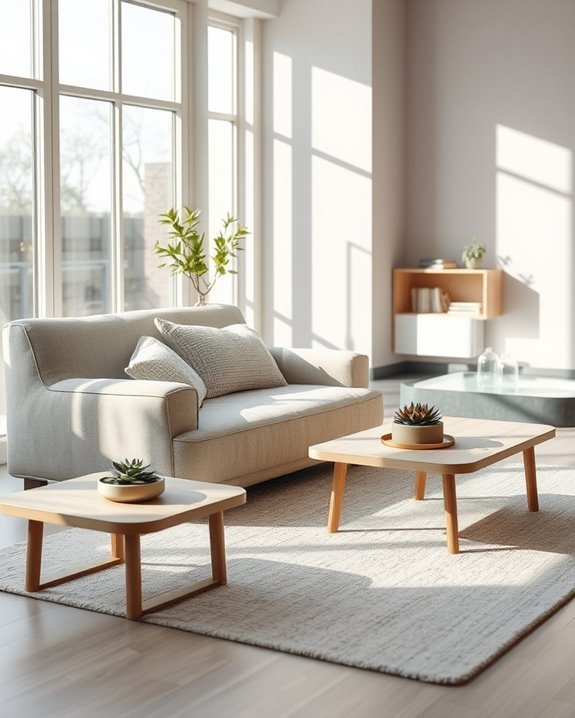
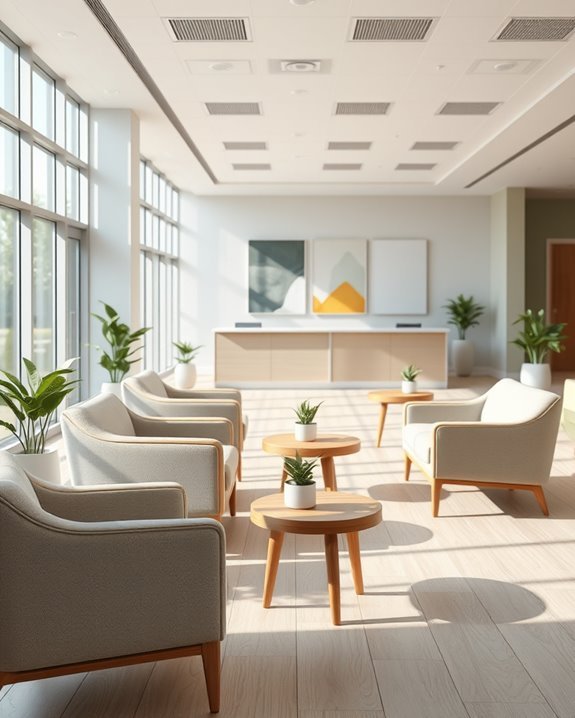
comfortable and care oriented spaces

40 Functional Healthcare Interior Design Ideas for Comfort and Care

To create a functional healthcare interior design that prioritizes comfort and care, focus on biophilic elements with greenery and natural textures. Use warm color palettes to evoke positive emotions and incorporate comfortable seating arrangements for relaxation. Enhance natural lighting and reduce noise with acoustic panels. Mirrors can improve spatial perception, while indoor gardens promote tranquility. Finally, integrating patient-friendly technology and ensuring cultural sensitivity can greatly enhance the overall experience. You’ll discover even more inspiring ideas ahead.

Biophilic Design Elements

nature inspired healing environments

Biophilic design elements breathe life into healthcare spaces, creating a soothing environment that promotes healing and well-being.

By incorporating nature inspired materials and greenery integration, you enhance sensory experiences. Living walls and indoor water features create visual connections, while thoughtful plant selections and natural textures foster wellness benefits.

Prioritizing outdoor indoor flow guarantees a tranquil atmosphere, essential for patient recovery and comfort.

Warm Color Palettes

warm colors enhance healing environments

When designing healthcare spaces, incorporating warm color palettes can greatly enhance the atmosphere, making it more inviting and comforting for patients and visitors alike.

Colors like soft reds, oranges, and yellows evoke positive emotional responses and warmth. Understanding color symbolism helps you create environments that promote healing, reduce anxiety, and foster a sense of safety, ultimately improving the overall patient experience.

Comfortable Seating Arrangements

comfortable healthcare seating arrangements

Creating comfortable seating arrangements is essential in healthcare design, as they play a crucial role in patient and visitor experiences.

Incorporate adjustable seating, supportive armchairs, and comfortable cushions to enhance comfort.

Design collaborative spaces and relaxation zones with modular furniture and social seating.

Utilize privacy pods and family-friendly layouts in multi-use areas, ensuring everyone feels at ease during their time in the facility.

Natural Lighting Solutions
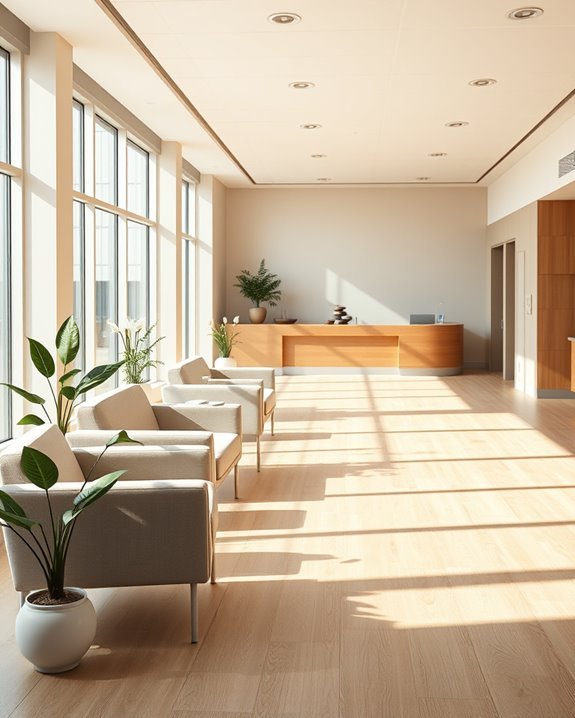
enhancing healthcare with daylight

Natural lighting solutions greatly enhance the atmosphere of healthcare environments, fostering a sense of well-being for patients and staff alike.

You can implement daylight harvesting techniques to maximize natural light, reducing reliance on artificial sources.

Consider using light diffusion methods, such as frosted glass or strategically placed curtains, to soften harsh sunlight, creating a calming ambiance that promotes healing and comfort.

Acoustic Panels for Noise Reduction

acoustic panels enhance tranquility

Acoustic panels play an essential role in noise reduction within healthcare environments, ensuring a tranquil atmosphere for patients and staff.

By incorporating sound-absorbing materials, you create effective noise barriers that minimize distractions and enhance comfort.

These panels not only improve privacy but also contribute to a calming environment, promoting healing and well-being.

You’ll find they’re a valuable addition to any healthcare design.

Wayfinding Signage

effective healthcare navigation signage

In a healthcare setting, clear communication is essential, and wayfinding signage plays a significant role in helping patients and visitors navigate complex environments.

By integrating wayfinding technology and color coded signage, you can enhance orientation and reduce anxiety.

Make certain signs are strategically placed and easy to understand, allowing everyone to find their way with confidence and ease throughout the facility.

Flexible Room Configurations

modular furniture for adaptability

While creating a welcoming atmosphere is important, flexible room configurations are equally essential in healthcare design.

By using modular furniture, you can easily adapt spaces to suit various needs—whether it’s for patient consultations or group therapy sessions.

This adaptability not only enhances functionality but also promotes comfort and care, ensuring that every area serves its purpose effectively while accommodating diverse activities.

Artwork and Decor

art enhances healthcare environments

As you consider the role of artwork and decor in healthcare environments, remember that these elements can greatly impact patient well-being.

Incorporating art therapy can enhance healing, making spaces feel more inviting.

Consider adding decorative murals that reflect nature or community themes, as they can reduce anxiety and promote a calming atmosphere.

Thoughtful art choices truly create a comforting environment for patients and families.

Patient-Centric Layouts

patient focused healthcare design

Creating patient-centric layouts is essential for fostering a supportive healthcare environment, as they prioritize the needs and comfort of patients.

You should focus on optimizing patient flow and enhancing space efficiency. Arrange waiting areas to minimize congestion and guarantee easy access to treatment rooms.

Thoughtful design reduces stress and promotes healing, making your facility a welcoming space for everyone involved in the care process.

Ergonomic Furniture

ergonomic furniture enhances healthcare efficiency

While many might overlook the importance of furniture in healthcare settings, selecting ergonomic pieces can greatly impact both patient comfort and staff efficiency.

Consider incorporating ergonomic seating, adjustable desks, and support accessories to enhance posture correction. Collaborative furniture and mobility aids promote teamwork, while smart workstation design guarantees space optimization.

Prioritizing ergonomic furniture creates a healthier environment for everyone involved in care.

Outdoor Spaces for Relaxation

healing outdoor relaxation spaces

When patients and staff step outside, they often find a much-needed escape from the clinical environment, making outdoor spaces for relaxation essential in healthcare design.

Incorporating comfortable outdoor seating and winding garden pathways encourages a peaceful atmosphere.

These elements not only promote mental well-being but also foster connections, allowing individuals to unwind and recharge amidst nature’s calming presence.

Family Waiting Areas

comfortable family waiting areas

Outdoor spaces provide a serene escape, but family waiting areas play an essential role in the overall healthcare experience.

Designing these spaces with family comfort in mind enhances the waiting experience. Comfortable seating, calming colors, and engaging play areas for kids make a significant difference.

Thoughtfully planned waiting areas can ease anxiety and create a more supportive environment for families during stressful times.

Privacy Enhancements

patient privacy and comfort

To guarantee patients feel secure and respected, incorporating privacy enhancements in healthcare spaces is essential.

Use soundproof partitions and patient privacy screens to create personal space zones. Visual barriers and acoustic curtains can reduce noise while ensuring confidentiality.

Design discreet waiting areas and sensory friendly rooms, along with private consultation areas, to foster comfort and dignity, enhancing overall patient experience.

Clean and Simple Aesthetics

minimalist healthcare design aesthetics

While creating a healing environment, clean and simple aesthetics play an essential role in healthcare design.

Embracing minimalist decor helps you foster a calming atmosphere, reducing anxiety for patients. By prioritizing clutter-free spaces, you enhance functionality and promote comfort.

Choose soft colors and streamlined furniture to maintain an inviting look, ensuring that every element contributes to the overall sense of tranquility and care.

Textured Surfaces

textured surfaces enhance healthcare aesthetics

Incorporating textured surfaces into healthcare interiors adds depth and interest, enhancing the overall aesthetic while remaining functional.

You can use textured walls to create a calming atmosphere, while tactile materials invite touch and promote sensory engagement.

Consider options like wood paneling or fabric wall coverings to encourage comfort and connection.

These elements not only beautify spaces but also contribute to patient well-being.

Infection Control Features

effective infection control design

To guarantee a safe and healthy environment, integrating effective infection control features in healthcare design is essential.

You should incorporate sanitation stations throughout the facility to encourage regular hand washing.

Use antimicrobial surfaces on high-touch areas to enhance infection prevention.

Additionally, invest in advanced air filtration systems to reduce airborne pathogens, ensuring a cleaner atmosphere for both patients and staff.

Positive Distraction Techniques

healing through mindful environments

Enhancing accessibility in healthcare interiors not only facilitates movement but also sets the stage for implementing positive distraction techniques.

You can incorporate mindfulness activities, like guided imagery or meditation spaces, to help patients focus and relax.

Additionally, sensory gardens provide a calming environment with plants and textures that engage the senses, promoting healing and reducing anxiety during challenging times.

Soft Flooring Options

comfortable and safe flooring

Soft flooring options play an essential role in healthcare interiors, providing comfort and safety for patients and staff alike.

These surfaces offer soft surface benefits like reduced fatigue and lower injury risk.

To guarantee longevity, follow flooring maintenance tips such as regular cleaning and prompt repairs.

Personalization Opportunities

personalized healing environment design

While creating a healing environment in healthcare settings, personalization opportunities can greatly improve patient satisfaction and comfort.

You can enhance spaces with personalized artwork that reflects patients’ tastes and experiences, making them feel more at home.

Additionally, offering tailored comfort through adjustable furniture and customizable lighting allows patients to influence their surroundings, fostering a sense of control and promoting overall well-being during their stay.

Efficient Storage Solutions

modular concealed storage solutions

Effective storage solutions are essential in healthcare design, as they can streamline workflows and create a more organized environment.

Consider incorporating modular storage systems that adapt to your space’s needs, providing flexibility for various items.

Utilize concealed compartments to keep essential supplies hidden yet accessible, reducing clutter and promoting a calming atmosphere.

This approach enhances functionality while maintaining a clean, professional look.

Telehealth Design Considerations

telehealth consultation space design

As telehealth becomes increasingly integral to patient care, designing spaces that facilitate virtual interactions is crucial.

Create dedicated virtual consultation spaces equipped with high-quality audio-visual technology to guarantee seamless communication.

Additionally, consider areas for remote patient monitoring that promote comfort and privacy.

Child-Friendly Areas

inviting playful healthcare environments

Creating inviting child-friendly areas in healthcare settings transforms the experience for young patients. By designing playful environments, you encourage exploration and creativity, making visits less intimidating.

Incorporating elements for sensory play, like textured walls or interactive stations, engages children, helping them feel safe and entertained. Ultimately, these spaces not only support healing but also foster a sense of joy and comfort during their stay.

Calm and Quiet Zones

calm and peaceful retreats

While bustling healthcare environments can often feel overwhelming, incorporating calm and quiet zones offers patients and their families a much-needed respite.

By creating meditative spaces with comfortable seating and soothing colors, you can promote relaxation.

Utilizing soundscaping techniques, such as soft music or nature sounds, further enhances these areas, allowing everyone to escape the chaos and find peace during their visits.

Interactive Walls

energizing interactive digital walls

Calm and quiet zones provide a sanctuary, but interactive walls can energize and engage patients and visitors in a dynamic way.

These walls facilitate digital interaction, allowing users to touch, swipe, or tap to explore vibrant visuals or soothing sounds.

Community Spaces

welcoming healthcare community spaces

Community spaces in healthcare settings play an essential role in fostering connections among patients, families, and staff.

These areas encourage community engagement by offering a welcoming environment for social interaction. You’ll find comfortable seating, natural light, and engaging decor that promote relaxation and conversation.

Informal Collaboration Areas

transforming teamwork through creativity

How can informal collaboration areas transform teamwork in healthcare settings?

These spaces foster creativity and open communication, allowing you to engage in design brainstorming with colleagues. Equipped with collaboration tools, such areas encourage impromptu discussions and idea sharing, ultimately leading to innovative solutions.

Color Psychology in Design

color impacts emotional responses

Informal collaboration areas not only enhance teamwork but also set the stage for thoughtful design choices, such as color selection.

Understanding color meanings can greatly impact emotional responses in healthcare environments. For instance, blues can evoke calmness, while yellows may inspire optimism.

Health and Wellness Stations

health and wellness integration

While designing healthcare spaces, incorporating health and wellness stations can greatly enhance the overall patient experience.

You can create interactive displays for health monitoring and wellness integration, fostering community engagement.

Consider mobile stations that offer nutritional offerings and sensory experiences, promoting collaborative spaces for patients and families.

These elements not only encourage healthy habits but also support a welcoming, supportive environment.

Therapeutic Design Principles

healing focused environmental design

Therapeutic design principles focus on creating environments that promote healing and well-being.

By utilizing therapeutic lighting, you can enhance patients’ moods and reduce stress.

Incorporating elements for sensory stimulation, like textures and colors, engages the senses, fostering a more comfortable atmosphere.

These principles help to create spaces that not only support recovery but also enhance the overall experience for patients and caregivers alike.

Clear Sight Lines

enhanced visibility promotes comfort

Creating an environment that promotes healing goes beyond just aesthetics; it involves thoughtful design choices that enhance visibility and safety.

Clear sight lines provide visual clarity, allowing you to easily navigate the space. This not only improves patient navigation but also fosters a sense of security.

When patients can see caregivers and amenities, they feel more comfortable and cared for in their surroundings.

Indoor Gardens

healing through indoor greenery

Indoor gardens can transform healthcare environments by bringing the calming presence of nature indoors.

By carefully considering indoor plant selection, you can enhance the space’s aesthetic while promoting healing.

Plants like peace lilies and snake plants not only brighten rooms but also offer therapeutic benefits, reducing stress and improving air quality.

Integrating these green spaces creates a more inviting atmosphere for patients and visitors alike.

Incorporating Technology for Patients

enhancing patient experience technology

As you explore ways to enhance patient experiences, incorporating technology can play an essential role in improving comfort and accessibility.

Implement telehealth kiosks and interactive displays for easy access to virtual care.

Utilize mobile apps and patient portals for digital check-ins and remote monitoring.

Wearable devices enable health tracking, while AI diagnostics and augmented reality enhance patient engagement and health education, ensuring data privacy throughout.

Cultural Sensitivity in Design

culturally inclusive healthcare design

Cultural sensitivity in design is essential for creating healthcare environments that resonate with diverse patient populations.

By incorporating cultural representation through inclusive symbols and diverse materials, you foster community involvement.

Use multilingual signage and integrate local artwork that reflects heritage and traditional motifs.

Recognizing cultural rituals and holistic practices enhances comfort and care, making patients feel valued and understood in their healing journeys.

Conclusion

Incorporating these 40 functional healthcare interior design ideas can greatly enhance comfort and care in your space. By focusing on biophilic elements, warm colors, and comfortable seating, you create a soothing environment for both patients and staff. Don’t forget the importance of natural lighting and acoustic solutions to improve overall well-being. With thoughtful design choices, you can foster a healing atmosphere that respects cultural diversity and embraces technology, ultimately leading to a better healthcare experience for everyone.

Similar Posts

Leave a Reply

Your email address will not be published. Required fields are marked *