How to Get Sewage Smell Out of Basement Fast: DIY Fixes and When to Call a Pro
To quickly eliminate sewage smell from your basement, start by ventilating the area and wearing personal protective equipment (PPE). Check for dry traps and pour water into all P-traps and floor drains. Clean out any clogged traps, use a snake for minor blockages, and flush the sump pump. To deodorize, apply enzyme cleaners or a mixture of baking soda and vinegar. Don’t forget to sanitize surfaces and reduce humidity to prevent mold growth. If the odor persists, multiple fixtures are backing up, or you see sewage, it’s time to call a plumber for professional help. More detailed troubleshooting steps are provided below.
What Causes a Sewage Smell in the Basement
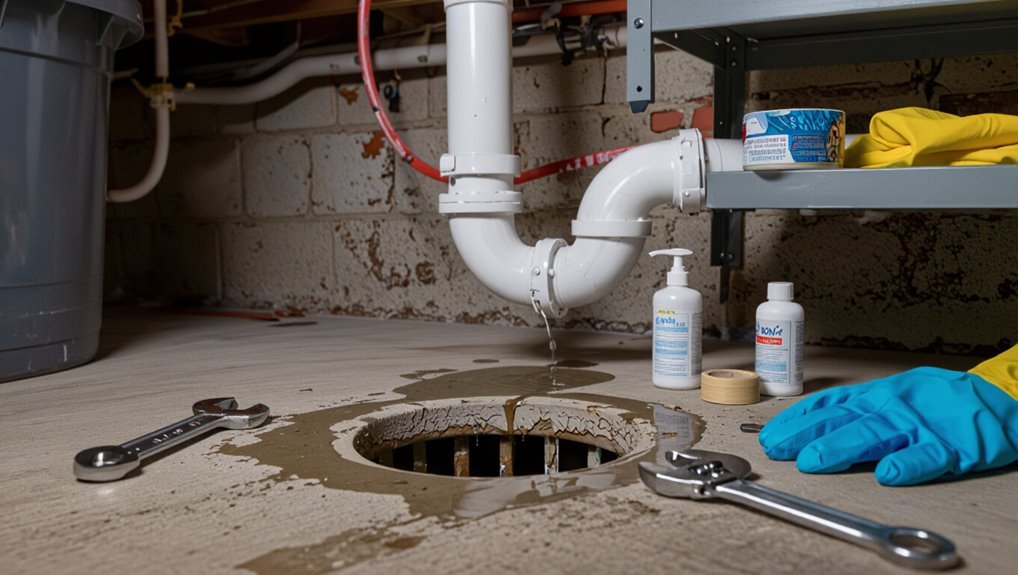
Basement sewage odors commonly originate from compromised plumbing components such as drains, floor drains, sump pumps, or the main sewer line.
Failures in vents, traps, and seals — whether from dry P-traps, cracked seals, or blocked vents — allow sewer gases to enter living spaces.
Seasonal shifts and environmental conditions like heavy rain, high groundwater, or temperature changes can exacerbate or reveal these problems.
Common sources of sewage odor (drains, floor drains, sump pump, sewer line)
Several distinct plumbing components commonly produce sewage odors in a basement: sinks and floor drains, sump pumps and their pits, and the main sewer line.
Investigation focuses on clogged or dry drains, cracked seals, backed-up sump pits, and sewer blockages.
Homeowners seeking how to get sewage smell out of basement should inspect these sources, clear obstructions, and test for backups before escalating to professional help.
How plumbing vents, traps, and seals fail and allow odors
After checking drains, sump pits, and the main line, the next focus is on the small but essential plumbing elements that normally keep sewer gas out: vents, traps, and seals.
Vents clog or ice over, traps dry or leak, and rubber seals deteriorate or shift. Any failure lets anaerobic gases enter the basement; routine inspection, water in traps, and replacing damaged seals prevent intrusion.
Seasonal and environmental factors that worsen smells
Temperature shifts and seasonal weather patterns often magnify sewage odors by affecting airflow, moisture, and plumbing performance.
Cold reduces trap water evaporation but can contract pipes, loosening seals; heat increases organic decay and vent pressures.
Heavy rain can overload sewers, forcing gases back through drains.
High humidity promotes mold and slows evaporation, sustaining odors until ventilation, drainage, or repairs restore balance.
Quick Immediate Actions to Stop the Smell Fast
Before inspecting the source, the person should take basic safety precautions: wear gloves and a mask and increase ventilation to reduce exposure.
For immediate relief, open windows, run fans toward exterior exits, and place odor absorbers or activated charcoal near the smell source.
If the odor is strong or persists, the person should evacuate the area and contact a professional plumber or utility emergency service.
Safety precautions before investigating (PPE, ventilation)
Donning proper personal protective equipment and ensuring adequate ventilation are essential first steps when addressing a sewage odor in a basement; these precautions protect against toxic gases, biohazards, and airborne contaminants.
Wear nitrile gloves, eye protection, and an N95 or respirator rated for organic vapors. Use battery-powered lighting, avoid open flames, and limit exposure time.
Keep occupants and pets away until the area is assessed.
Short-term fixes to neutralize odor (ventilate, fans, odor absorbers)
With protective gear and ventilation established, immediate steps can be taken to reduce and mask a sewage odor while a thorough inspection is arranged.
Use fans to push stale air out, open windows, and isolate the source. Deploy neutralizing agents and odor absorbers temporarily; document conditions for follow-up.
- Run window and box fans to exhaust air
- Place activated charcoal or baking soda
- Use enzyme-based neutralizers
- Seal off affected area for containment
Emergency steps for strong or persistent sewage smell
If the sewage smell is strong or persistent, act immediately to protect health and limit spread: evacuate people and pets from the basement, shut off forced-air systems that could circulate contaminated air, and close doors to confine the odor.
Ventilate from outside if safe, wear respiratory protection, avoid skin contact, disinfect visible contamination, and contact a licensed plumber or remediation service for suspected backups, leaks, or sewer gas hazards.
Inspecting Plumbing and Fixtures to Find the Source
A systematic inspection of basement plumbing and fixtures often reveals the source of sewage odors.
Technicians check floor drains and trap seals, test sink, shower, and laundry drains for dry P-traps, and examine sump pumps, sewage ejectors, and cleanouts.
They also assess the sewer line for blockages or backups that could be forcing gases into the space.
How to check floor drains and clean trap seals
Begin by examining floor drains and their trap seals, since a dry or damaged trap is a common source of basement sewage odors.
Remove grate, inspect water level and visible debris. Pour water to refill a dry trap; use a flashlight and mirror to check for cracks or corrosion.
Clean buildup with a stiff brush and mild disinfectant. Reassemble and retest for odor.
Testing sink, shower, and laundry drains for dry P-traps
After checking floor drains, attention should shift to sinks, showers, and laundry tubs because their P-traps are equally prone to drying out and letting sewer gas into the basement.
Inspect each drain, run water for several seconds to refill traps, and listen for gurgling.
If odors persist, pour a cup of water or a trap primer into infrequently used fixtures and recheck after an hour.
Inspecting sump pump, sewage ejector, and cleanouts
Check the sump pump pit, sewage ejector basin, and accessible cleanouts for standing sewage, foul residue, or loose fittings that can vent odors into the basement.
Document water levels, visible debris, and cracked seals.
Tighten or reseat covers and gaskets, remove accumulated sludge, and verify vents are unobstructed.
If persistent seepage or mechanical failure appears, recommend contacting a licensed plumber for repair or replacement.
How to check for sewer line blockages and backups
Trace the building’s drains and fixtures to identify signs of sewer line blockages and backups: look for slow-draining sinks and tubs, gurgling toilets, water backing up through floor drains or lower fixtures, and multiple fixtures affected simultaneously.
Check exterior cleanouts for standing sewage, odor, or slow flow; inspect roof vents for obstructions.
If problems persist, document occurrences and call a licensed plumber for camera inspection and hydro-jetting.
DIY Fixes with Step-by-Step Instructions
A concise set of do-it-yourself steps can often eliminate basement sewage odors by addressing common sources such as dry P-traps, clogged drains, and poorly maintained sump or ejector pumps.
Practical instructions cover restoring water seals in floor drains and P-traps, cleaning and deodorizing drains with enzymatic products or baking soda and vinegar followed by hot water, and removing hair and debris from traps.
When needed, guidance on snaking or using an auger for minor clogs and on flushing and maintaining sump pump and sewage ejector systems helps prevent recurring smells.
Restoring water seals in P-traps and floor drains
Begin by confirming which P-traps and floor drains have lost their water seals, since stagnant or evaporated water in these traps is the most common source of basement sewage odors.
Pour clean water into identified traps to reestablish the seal. For floor drains, remove the grate, clear debris, then slowly fill until the trap holds water.
Inspect for leaks and replace damaged seals or gaskets.
Cleaning and deodorizing drains (enzymatic cleaners, baking soda + vinegar, hot water)
Clean and deodorize drains with targeted, safe methods that remove organic buildup—the usual cause of sewer-like odors—before assuming structural leaks.
Pour enzymatic cleaner per label, allow several hours or overnight to digest organic matter, then flush with hot water.
Alternatively, sprinkle baking soda, add vinegar, wait 15–30 minutes until foaming subsides, and rinse thoroughly with boiling or very hot water to clear residues.
Clearing hair and debris from traps and drain traps
Remove trapped hair and debris from sink and shower traps to eliminate a common source of persistent sewer-like odors.
Place a bucket under the trap, loosen slip nuts, and remove the P-trap. Clear sludge, hair, and gunk with gloves and a brush or wire.
Rinse parts, inspect washers, reassemble tightly, and run water to confirm a watertight seal and odor removal.
Snaking and using an auger for minor clogs
Use a hand auger or drain snake to reach and dislodge minor clogs that traps and surface cleaning couldn’t clear. Rotate slowly, push past resistance, then retract debris.
Wear gloves and eye protection; clean and sanitize afterward. If resistance persists, stop and call a professional.
- Feed cable steadily, avoid forcing
- Clear retrieved material into a bag
- Flush with hot water
- Inspect trap for damage
Flushing and maintaining sump pump and sewage ejector systems
Inspecting and flushing the sump pump and sewage ejector system prevents odors and failures by removing sediment, checking valves, and ensuring proper float and discharge operation.
The homeowner should cut power, remove debris, flush with clean water, test float and check valve, tighten fittings, and replace worn seals.
Repeat quarterly; contact a professional for persistent odors, abnormal noises, or repeated cycling.
When Chemical Treatments and Odor Neutralizers Are Appropriate
The discussion turns to when chemical treatments and odor neutralizers are appropriate, emphasizing which household chemicals are safe to use and which should be avoided.
It will compare commercial enzyme and bacterial cleaners to common options like bleach, caustics, and air fresheners.
Practical pros and cons for each approach will be outlined to guide safe, effective choices.
Which household chemicals to use and which to avoid
When sewage odors persist after addressing obvious sources—clogs, leaks, and dried trap seals—chemical treatments and odor neutralizers can be appropriate tools, but they must be chosen and applied with care.
Use diluted bleach for disinfecting hard, nonporous surfaces and baking soda or activated charcoal for passive odor absorption.
Avoid mixing chemicals, persistent drain solvents, and ammonia-based cleaners near bleach to prevent toxic gases.
Using commercial enzyme cleaners and bacterial treatments
After recommending surface disinfectants and absorbents, attention turns to biological products that break down organic matter feeding sewer odors.
Enzyme cleaners and bacterial treatments digest organic sludge in drains, traps, and septic lines, reducing hydrogen sulfide sources.
Use products labeled for sewage odor control, follow dwell times and safety instructions, and repeat applications.
They suit organic buildup but aren’t instantaneous fixes for structural leaks.
Pros and cons of bleach, caustics, and air fresheners
Some homeowners turn to strong chemicals and odor-masking products for quick relief from basement sewage smells, but these options carry distinct trade-offs.
Bleach disinfects surfaces but won’t remove organic buildup and can produce hazardous fumes.
Caustics clear clogs yet risk pipe damage and injury.
Air fresheners temporarily mask odors without addressing sources.
Use chemicals cautiously, follow instructions, and call a pro for persistent problems.
Tools, Materials, and Costs for DIY Repairs
A concise checklist of essential tools—plumbing wrench, pipe cutter, sealant, gloves, and a wet/dry vac—helps homeowners prepare for common sewer-related repairs.
Typical parts and repair tasks, such as replacing a P-trap, fixing a broken vent cap, or sealing floor drains, carry estimated costs ranging from modest DIY purchases ($10–$60) to larger expenses for parts ($60–$200).
Presenting tool lists alongside realistic price ranges clarifies what can be handled without a pro and what may require professional help.
Essential tools checklist
Before beginning any basement sewage odor repair, the homeowner should assemble a concise kit of tools and materials tailored to common sources—backed-up drains, failed traps, faulty vents, and minor sewer-line leaks—to save time and avoid repeated trips to the hardware store.
Essential items support safe, effective DIY interventions and quick diagnosis.
- Plumber’s snake and drain auger
- Adjustable wrench and slip-joint pliers
- Replacement P-trap and rubber washers
- Sewer-safe enzyme cleaner and gloves
Estimated costs for common fixes and parts
Many common basement sewage odor fixes can be completed with a modest investment in tools and parts; typical DIY costs range from inexpensive consumables to moderate-priced replacement components. Estimated costs: consumables $5–$30, traps/seals $10–$60, test kits $15–$50, small pump or alarm $100–$300. Example items:
| Item | Typical cost |
|---|---|
| Sealant | $10–$20 |
| P-trap | $15–$60 |
| Test kit | $15–$50 |
| Sump pump | $100–$300 |
Signs You Need to Call a Professional Plumber
Visible sewage surfacing in the yard, multiple drains backing up at once, or sudden sinkholes indicate a possible main sewer line break or collapse and require immediate professional assessment.
Persistent odors, repeated backups, or evidence of contamination that cannot be cleared with safe DIY methods also warrant calling a licensed plumber.
If occupants experience illness, or flooding involves raw sewage, evacuation and emergency plumbing services should be sought without delay.
Indicators of a main sewer line break or collapse
Several clear indicators can signal a main sewer line break or collapse and require immediate professional attention.
Persistent gurgling from multiple drains, widespread slow drains, sewage odors outdoors near the sewer cleanout, wet or sinking yard areas, repeated clogging despite snaking, sewage backing into fixtures, and unusually high water bills all point to a major line failure needing a licensed plumber.
When sewage backup, contamination, or persistent odor requires pros
A pronounced sewage odor, recurring backups, or signs of contamination signal situations beyond typical DIY remedies and warrant immediate professional assessment.
Plumbing professionals should be contacted when multiple drains back up simultaneously, sewage appears in finished spaces, cleanouts overflow, or persistent odors persist after basic fixes.
Technicians use cameras, pressure tests, and sanitation protocols to locate blockages, repair mains, and prevent structural or mold damage.
Health-risk scenarios and when to evacuate
When sewage odors are strong enough to cause nausea, dizziness, or breathing difficulty, occupants should leave immediately and seek professional help; such symptoms indicate hazardous levels of hydrogen sulfide, methane, or bacterial contamination that require urgent plumber intervention and possible environmental remediation.
Persistent black water, visible sewage backup, multiple affected rooms, or confirmed gas smell also warrant evacuation and rapid specialist assessment to prevent health harm.
What to Expect from a Professional Inspection and Repair
A professional inspection typically begins with diagnostic steps such as a camera sewer line inspection and a smoke or pressure test to locate leaks and blockages.
Recommended repairs often include pipe relining, trap replacement, or clearing and can range from a few hours for simple fixes to a day or more for major work.
Homeowners should expect estimates that vary by scope and region, ask about itemized costs and warranties, and check whether their insurance or sewer backup coverage will offset expenses.
Diagnostic steps plumbers take (camera inspection, smoke test)
Technicians begin diagnostic work by combining visual tools and pressure tests to pinpoint sewer gas sources: a video camera snakes through lines to reveal breaks, roots, or blockages while a smoke test forces non-toxic smoke into the system to show where gases escape into the basement.
Technicians record findings, locate problem sections, and recommend targeted interventions or further testing such as dye or pressure monitoring.
Typical repairs professionals perform and timeframes
Expect professionals to address issues that range from simple seal replacements to more involved pipe repairs or re-routing, with most inspections leading directly to one of several common fixes: replacing faulty traps and vents, resealing or replacing damaged cleanout caps, repairing or relining cracked sewer lines, clearing root intrusions or blockages, and fixing broken vent stacks or sump seals.
Typical timelines: seals or caps same day; trap or vent work a few hours; minor pipe repairs one day; relining or re-routing several days to a week, depending on access and permits.
Average costs and insurance considerations
Although repair scope varies by cause and access, homeowners can generally anticipate a range of costs tied to the specific fix: inspections commonly cost $150–$400; minor repairs $200–$1,000; major sewer work $1,500–$10,000. Insurance may cover sudden damage or pipe failure but often excludes gradual neglect; documentation and receipts are essential.
| Service | Typical cost |
|---|---|
| Inspection | $150–$400 |
| Minor repair | $200–$1,000 |
| Major repair | $1,500–$10,000 |
Preventive Maintenance to Keep Sewage Smells Away
Preventive maintenance focuses on regular cleaning with enzyme-based cleaners and scheduled inspections to keep drains, traps, and sumps functioning and odor-free.
Seasonal checks of traps, vent pipes, and sump systems help catch drying seals, blockages, or malfunctioning components before smells develop.
For longer-term protection, homeowners may consider installing backflow preventers, trap primers, or replacing damaged sewer lines.
Routine cleaning schedule and products to use
Establishing a straightforward routine of regular inspections and targeted cleanings keeps sewer odors from recurring in the basement.
Weekly floor and drain wiping with diluted bleach or enzymatic cleaners prevents residue buildup.
Monthly deep-clean of drain covers, trap primers, and visible piping using biocide or enzyme solutions helps maintain flow.
Record dates and products used; replace items showing corrosion or persistent odor.
Seasonal checks for traps, vents, and sump systems
Vigilance pays off when seasons change: scheduled inspections of P-traps, vent lines, and sump systems catch wear, blockages, and winterization issues before they allow sewer gases into the basement.
Homeowners or technicians should check trap seals, clear vent obstructions, verify sump pump operation and float switches, test battery backups, and guarantee drains retain water.
Document findings and address defects promptly to prevent odors.
Long-term upgrades to prevent odors (backflow preventers, trap primers, sewer line replacement)
When yard grade changes, aging pipes, or intermittent dry traps cannot be fully controlled by routine checks, long-term upgrades provide durable defenses against basement sewage odors.
Homeowners should consider installing backflow preventers to block sewer surges, trap primers to maintain water seals, and replacing deteriorated sewer lines.
Professional inspection determines appropriate solutions, materials, and permits to guarantee lasting odor prevention and code compliance.
Mold, Health, and Cleanup After Sewage Exposure
After sewage exposure, a quick assessment of contamination and clear, safe cleanup steps help limit health risks and property damage.
If standing sewage, extensive contamination, or illness is present, professionals trained in biohazard remediation should be contacted.
Prompt drying, removal of affected materials, and mold-inhibiting treatments reduce the chance of mold growth after water damage.
Assessing contamination risk and safe cleanup steps
Evaluate contamination risk immediately by identifying sewage sources, visible soiling, and areas with persistent dampness that promote mold growth.
Wear PPE: gloves, N95/respirator, eye protection.
Isolate affected zones, ventilate, and remove porous materials contaminated beyond cleaning.
Clean hard surfaces with detergent, disinfect with EPA-registered sanitizer, and dry thoroughly within 48 hours.
Document damage, monitor occupants’ health, and keep records of cleanup steps.
When to hire biohazard remediation professionals
How severe must contamination be before professional biohazard remediation becomes necessary? Significant sewage intrusion, extensive visible mold, compromised structural materials, or contamination spreading beyond isolated areas warrants professionals. Also hire specialists when occupants have health risks, when odors persist despite cleaning, or when plumbing and containment require certified disinfection. Licensed teams guarantee proper PPE, biohazard disposal, antimicrobial treatment, and documentation for insurance.
Preventing mold growth after water damage
Once professional remediation or thorough cleanup has addressed visible contamination, attention must turn to preventing mold growth in the affected areas.
Immediate drying, dehumidification below 50% RH, and removal of wet porous materials reduce risk.
Inspect hidden cavities, clean with EPA-registered disinfectants, and monitor for odors or staining.
Document conditions and consult specialists if mold returns or occupants develop respiratory symptoms.
Troubleshooting Scenarios and Solutions
The troubleshooting section separates common patterns of sewage odor into specific scenarios to guide targeted fixes.
It covers smells that appear only during rain or when appliances run, odors triggered by the washing machine or dishwasher, and the difference between intermittent and constant smells.
Each pattern points to different likely causes—roof or yard drains, appliance trap issues, or persistent sewer line problems—and suggests corresponding diagnostic steps.
Odor only when it rains or when appliances run
When sewage odors appear only during rainfall or when household appliances run, they often indicate a pressure, drainage, or venting issue that allows sewer gases to be forced into the basement intermittently.
Check roof and sewer vents for blockages, inspect storm drain backflow and sewer lateral connections, guarantee traps hold water, and verify proper sewer line slope.
Consider mechanical venting or a backflow preventer if problems persist.
Smell after using washing machine or dishwasher
Inspecting appliances and their drain connections is the first step when a sewer-like odor appears after running a washing machine or dishwasher.
Check for clogged traps, kinked hoses, or loose fittings allowing sewer gas backflow.
Clean filters, run a cleaning cycle with vinegar or enzyme cleaner, and guarantee drain vents and air gaps function.
Replace damaged hoses or call a plumber if persistent.
Intermittent versus constant odors and targeted fixes
How often does the odor appear — only after heavy rain or constantly day and night — can reveal its source.
Intermittent smells often indicate drain backups, roof or foundation leaks, or intermittent sewer line infiltration; inspect floor drains, perimeter drains, and downspouts.
Constant odors suggest dry traps, cracked vents, or sewer line breaks; check trap seals, vent caps, and call a plumber if persistent.
Quick Reference Checklist for Homeowners
A concise checklist outlines step-by-step actions homeowners can take to quickly eliminate basement sewage odors, from ventilation and trap checks to targeted cleaning.
It also specifies which signs warrant short-term monitoring versus immediate professional intervention.
The checklist is presented for quick reference during initial response and decision-making.
Step-by-step checklist to eliminate smells fast
Homeowners can follow a concise, prioritized checklist to eliminate basement sewage odors quickly:
Begin with safety—ventilate, wear PPE, and shut off HVAC if needed.
Inspect traps and clean fixtures, then clear drains with enzyme treatments.
Sanitize affected surfaces and deodorize with odor absorbers.
Monitor progress and repeat steps until neutralized.
- Ventilate and secure safety
- Check and refill traps
- Clear and treat drains
- Sanitize and absorb odors
When to monitor and when to call a pro
After completing the initial checklist—ventilating, checking traps, treating drains, and sanitizing—decide whether to continue monitoring or summon professional help based on specific signs.
Monitor if odor fades, no backups, and drains run clear. Call a pro for persistent odor, sewage backups, multiple drain issues, or suspected sewer line damage.
- Fading odor: monitor
- Recurring smell: call
- Drain backups: call
- Single resolved issue: monitor
Conclusion
Basement battles with bothersome bacterial smells bring brisk, bold steps: swift sealing of sewer sources, systematic scouting of sockets and seals, and sensible sanitation to stop stench. DIY diligence — from plunging pipes to pouring enzyme products — provides practical, provisional peace, while professional plumbing people perform persistent, precise repairs when problems persist. Preventive practices, periodic plumbing checks, and prompt proper cleanup preserve pristine, pleasant premises and protect people’s peace of mind.