
How to Make My Shower Hotter: 9 Safe Ways to Increase Water Temperature Fast
To quickly make your shower hotter, reduce any simultaneous hot-water usage, purge the cold water from the line, and adjust your water heater’s thermostat slightly within safe limits. Additionally, consider installing a low-flow or thermostatic showerhead, insulating accessible hot pipes, and checking for any cross-connections or worn mixing valves. Regular maintenance on your heater is essential, and it’s a good idea to verify the water temperature with a thermometer. If issues persist, consult a licensed plumber for expert assistance.
What Affects Shower Water Temperature
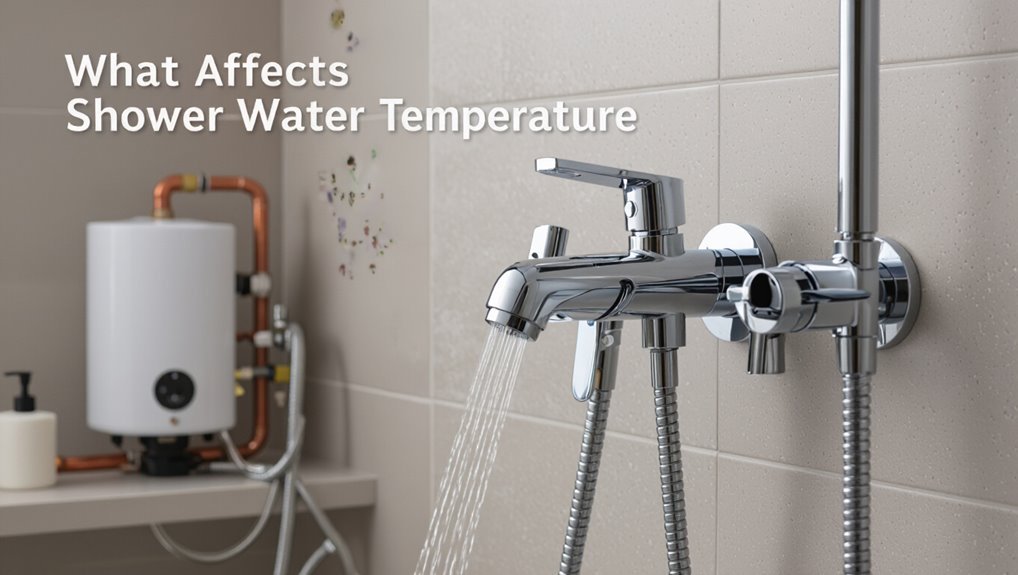
Water temperature in a shower depends on several key factors, including the type and capacity of the water heater and how far it can sustain set temperatures.
Plumbing layout and pipe insulation affect heat loss before water reaches the shower, while showerhead design and flow rate determine how hot the water feels.
Household demand and simultaneous fixture use can reduce available hot water and cause temperature fluctuations.
How water heater type and capacity influence temperature
Many households rely on either storage-tank or tankless water heaters, and the chosen type and its capacity directly shape how hot the shower can get and how consistently that temperature is maintained.
Tank units deliver continuous hot water but require sufficient flow-rated BTU output; tanks store volume but can run out.
Selecting proper capacity and settings is central to how to make my shower hotter without unsafe fixes.
Role of plumbing layout and pipe insulation
Beyond heater type and capacity, the physical layout between the heater and the shower greatly influences delivered temperature.
Longer runs, many bends, and shared branches increase heat loss and delay hot water. Insulating hot water pipes reduces conductive losses and keeps temperature steadier during use.
Shortening supply lines, simplifying routing, and adding foam or fiberglass insulation improve arrival temperature and responsiveness.
Impact of showerhead type and flow rate
Although often overlooked, the showerhead design and flow rate directly shape the temperature experienced at the user by controlling how hot water mixes with cold and how quickly it is delivered.
Low-flow or aerating heads can cool perceived temperature by increasing mixing and exposure time, while high-flow or laminar models deliver hotter-feeling water but consume more hot water.
Choose a balanced head to optimize warmth and efficiency.
Effects of household demand and simultaneous fixtures
When other fixtures run at the same time, the household’s hot water supply and pressure can drop, causing the shower’s temperature to fall or fluctuate.
Simultaneous demands from appliances like washing machines, dishwashers, or another shower reduce the available hot water and lower flow, often prompting colder pulses.
Staggering hot-water use, installing larger heaters or a dedicated line, and checking mixing valves mitigate drops and instability.
Quick Safe Ways to Increase Shower Temperature Now
To raise shower temperature quickly and safely, one can try a few targeted actions that prioritize immediacy and risk reduction.
Practical steps include adjusting the water heater thermostat within safe limits, minimizing simultaneous hot-water use elsewhere, briefly running the hot tap to clear cold water from lines, and fitting a low-flow or thermostatic showerhead; insulating accessible hot water pipes helps retain heat.
The following list summarizes four immediate options to contemplate.
- Safely lower cold-water draw by reducing other household hot-water use.
- Briefly run the hot tap to purge cold water from the shower line.
- Adjust the water heater thermostat only within recommended settings.
- Install a low-flow or thermostatic showerhead (and insulate nearby hot pipes).
Adjust the water heater thermostat safely
Lowering the water heater thermostat a few degrees or raising it safely can make a noticeable difference in shower temperature without costly repairs.
Homeowners should check manufacturer guidelines, confirm power/gas is off before adjusting, and change settings in small increments (2–5°F).
Verify the new temperature with a thermometer at a faucet. If unsure, consult a licensed plumber to avoid scalding or code violations.
Reduce other hot-water use in the house
Several simple household adjustments can free up hot water for a hotter shower almost immediately.
Temporarily pause dishwashers, washing machines, and other hot-water appliances before showering. Delay tasks like hand-washing dishes or long baths.
Close fixtures with leaking hot-water lines. Inform household members of the brief priority window.
These quick behavioral changes increase available hot water without altering plumbing or settings.
Run the hot tap briefly to purge cold water
When the shower initially runs cool, briefly opening a nearby hot tap flushes the cold water from the pipes so hotter water arrives faster at the showerhead.
This quick purge reduces wait time for warm flow without altering settings. It is best done at a sink close to the shower, for only a few seconds, to conserve water while speeding delivery of hotter water.
Use a low-flow or thermostatic showerhead
Install a low-flow or thermostatic showerhead to raise perceived water temperature while conserving water and improving safety.
A low-flow model concentrates flow, reducing heat loss and making water feel hotter.
A thermostatic valve maintains precise temperature, preventing sudden cold or scalding spikes.
Both are simple upgrades that often require only basic tools and deliver faster, more consistent warmth with water savings.
Insulate accessible hot water pipes
Because heat loss occurs as hot water travels from the heater to the shower, insulating any exposed hot water pipes can raise delivery temperature quickly and cheaply.
Foam pipe insulation or fiberglass wrap reduces conductive and convective losses along runs in basements, crawlspaces, and attic-accessible areas.
Installation is simple, requires basic tools, and improves heat retention, shortening wait time and reducing wasted water without altering fixtures or plumbing.
Mix in less cold water (how to balance)
After insulating exposed hot water pipes, the quickest way to raise shower temperature at the fixture is to reduce the proportion of cold water mixed in.
Adjust the mixing valve or single-handle faucet toward hot incrementally until comfortable. Make small changes to avoid scalding.
Monitor flow and test with a hand before stepping in. Restore balance for other household users afterward.
Temporarily switch to a hotter setting on tankless heaters
Increase the tankless heater’s temperature setting briefly to raise outlet water heat for a hotter shower without altering plumbing.
The user should adjust controls only while showering, monitor water temperature, and revert to normal to avoid scalding and energy waste.
Check manufacturer limits, verify adequate flow rate, and watch for error codes.
If unsure, consult the heater manual or a qualified technician.
Use a pre-warmed bathroom to reduce heat loss
Warming the bathroom a few minutes before showering cuts heat loss from the body and the water stream, making the perceived shower temperature noticeably higher without changing plumbing or appliance settings.
Preheat by running a space heater briefly, using the bathroom fan off, or warming towels.
Close doors and seal gaps to retain heat. These steps enhance comfort quickly and safely.
Flush or descale showerhead for better flow
Flush the showerhead to restore proper flow and let the hot water reach the user at full force.
Mineral buildup restricts flow, mixing more cold water and lowering perceived heat.
Remove and soak the head in vinegar, or run hot water blasts to dislodge deposits.
Reinstall, check for leaks, and repeat periodically.
Improved flow delivers hotter-feeling showers without changing plumbing or settings.
Step-by-Step Fixes for Persistent Low Shower Heat
The section outlines practical steps for diagnosing and correcting chronic low shower heat, beginning with safely checking and setting the water heater temperature.
It covers inspection and maintenance of both tank and tankless units, identifying cross-connections or malfunctioning mixing valves, and addressing heat loss from long pipe runs through insulation.
It also explains when replacing or upgrading shower fixtures will improve hot-water delivery.
Check and set your water heater temperature safely
Although many shower temperature issues originate at the fixtures, a correctly set and functioning water heater is the most common root cause of persistently lukewarm showers.
Verify the thermostat setting on the tank or tankless unit, consult the owner’s manual for safe adjustment range (typically 120°F/49°C), power off before changing settings, and restart.
Confirm output temperature at a faucet with a thermometer.
Inspect and maintain the water heater (tank and tankless)
Inspecting and maintaining the water heater—whether tank or tankless—helps identify common causes of reduced hot-water output such as sediment buildup, faulty heating elements, or flow-sensing issues.
Periodic tasks include flushing tanks to remove sediment, testing and replacing anode rods, checking electrical connections and thermostats, cleaning inlet screens, clearing scale from heat exchangers, and scheduling professional servicing for corrosion, gas controls, or burner and ignition problems.
Identify and repair cross-connection or mixing valve issues
Start by confirming whether a cross-connection or a failing mixing valve is causing cool water to bleed into the hot line, since these issues commonly produce weak or fluctuating shower heat even when the water heater is functioning.
Test faucets and valves to isolate the source, replace worn mixing cartridges or faulty check valves, and call a licensed plumber for complex cross-connections or inaccessible fixtures.
Address long pipe runs and insulating solutions
When long runs of uninsulated pipe separate the water heater from the shower, heat loss during transit can greatly reduce delivered temperature. Addressing this requires locating the longest cold sections, selecting appropriate insulation (foam sleeves or closed-cell elastomeric wrap), and planning access for installation and any necessary fittings.
Measure runs, cut insulation to fit bends and joints, seal seams with tape, and insulate exposed hot and recirculation lines.
Replace or upgrade shower fixtures for better performance
Replace outdated or underperforming shower fixtures to restore flow and temperature control: worn cartridge valves, low-capacity showerheads, and restrictive pressure-balancing mixers can all limit hot-water delivery.
Replace cartridges, choose high-flow or thermostatic mixers, and install low-resistance trim. Prefer thermostatic valves for stable temperature.
Confirm compatibility with existing plumbing and consider professional installation to prevent leaks, scalding, or warranty voidance.
When to Call a Professional
Persistent lukewarm water, strange noises from the tank, rust-colored water, or frequent pilot light failures indicate the water heater may need repair or replacement.
Visible leaks, low water pressure confined to the shower, or complex valve and pipe configurations are situations that should be handled by a licensed plumber.
Any signs of gas smells, electrical faults, or required code-related adjustments warrant immediate professional attention for safety and compliance.
Signs the water heater needs repair or replacement
If hot water becomes inconsistent, unusually cold, discolored, or accompanied by strange noises or leaks, these are clear indicators that the water heater may require professional assessment or replacement.
Additional signs include rapid depletion of hot water, visible corrosion, frequent pilot light outages, and sudden pressure changes.
Older units nearing expected lifespan or showing repeated faults warrant replacement rather than repair.
Plumbing issues that require a licensed plumber
Several situations warrant calling a licensed plumber rather than attempting DIY fixes.
Persistent low hot-water pressure, unexplained temperature fluctuations, gas smells or suspected leaks, repeated pilot or ignition failures, corroded or leaking pipes, and malfunctioning mixing valves or thermostatic devices require professional diagnosis.
Complex water heater repairs, sediment removal beyond basic flushing, and when permit-required work is involved should always be handled by a licensed plumber.
Safety concerns and code-related adjustments
Having established which plumbing problems need a licensed plumber, attention turns to safety concerns and code-related adjustments that likewise warrant professional involvement.
Professionals guarantee compliance with local codes for water heater placement, pressure relief valves, anti-scald devices, and temperature limiting.
They evaluate wiring, gas lines, ventilation, and permit requirements.
DIY attempts risk violations, injury, or voided warranties; hire qualified contractors.
Comparison of Solutions by Cost, Speed, and Effectiveness
A concise comparison helps readers choose between quick tweaks and full equipment upgrades by weighing cost, speed, and expected temperature gain. The table below summarizes typical temperature increases and rough costs for common options to aid decision-making. Follow-up sections will examine trade-offs and recommended next steps.
| Solution Type | Expected Temp Increase | Typical Cost |
|---|---|---|
| Mixing valve/thermostat adjust | +2–5°F | $20–$150 |
| Showerhead/flow change | +1–3°F | $10–$80 |
| Water heater upgrade or tankless install | +10–30°F | $500–$3,000 |
Quick tweaks vs. equipment upgrades
Many homeowners can choose between quick tweaks and equipment upgrades when seeking hotter showers, and each approach differs markedly in cost, implementation speed, and expected temperature gain.
Quick tweaks—adjusting thermostatic valves, clearing aerators, insulating pipes—are low-cost and fast but yield modest gains.
Equipment upgrades—tankless heaters, larger boilers, modern mixing valves—require more investment and time yet deliver larger, consistent temperature increases.
Expected temperature increase and typical costs
How much hotter a shower can get depends on the chosen fix, its scale, and household plumbing constraints.
Minor adjustments (valve trim, flow restrictor removal) often raise temperature 2–6°F and cost under $50–$150.
Replacing a shower valve or boosting water heater yields 10–30°F gains; expect $300–$1,500+ and longer installation.
Tankless upgrades cost $800–$4,000 but deliver consistent hot flow.
Safety Considerations and Regulations
Safety and compliance are central when increasing shower temperature, since manufacturers and health agencies typically recommend limiting water heater thermostats to around 120°F (49°C) to reduce scald risk.
Installing anti-scald devices or mixing valves—either thermostatic or pressure‑balancing—can allow higher heater settings while protecting users at the fixture.
Local plumbing codes and warranty terms may mandate specific devices or installation practices, so adherence and professional consultation are advised.
Recommended maximum water heater settings and scald risk
What temperature should a household water heater be set to minimize scald risk while still providing effective hot water?
Experts commonly recommend 120°F (49°C) as a balance: hot enough for hygiene and washing, yet low enough to reduce scald incidents.
Higher settings increase burn risk, especially for children, elderly, and disabled individuals.
Local codes may mandate limits; verify regulations before adjusting.
Anti-scald devices and mixing valves (thermostatic and pressure-balancing)
After noting that 120°F (49°C) is widely recommended to reduce scald risk, homeowners should consider additional safeguards at fixtures: anti-scald devices and mixing valves regulate delivered temperature at the tap or shower independent of the water heater setting.
Thermostatic mixing valves maintain preset temperature despite pressure or supply fluctuations; pressure‑balancing valves prevent sudden hot or cold surges.
Regular testing and professional installation guarantee reliable protection.
Local code and warranty implications
Because plumbing codes and manufacturer warranties directly affect how water temperature adjustments may be made, homeowners should check local regulations and their appliance documents before changing settings or adding temperature-control devices.
Compliance prevents violations, fines, or voided warranties.
Professional installation may be required for mixing valves, anti-scald devices, or water heater modifications.
Record permits and retain manuals to support future claims and resale disclosures.
Long-Term Upgrades to Ensure Consistently Hot Showers
Long-term solutions focus on equipment and control upgrades to provide reliable hot water.
Options include installing a larger or more efficient tank, switching to tankless or hybrid systems, or adding point-of-use heaters or a recirculation loop.
Integrating smart controls and scheduling further optimizes availability and energy use.
Upgrading to a larger or more efficient water heater
Consider replacing an undersized or aging water heater with a higher-capacity or more efficient model to deliver consistently hotter showers across multiple fixtures and longer usage periods.
Selecting a tank with greater gallon capacity or a modern high-efficiency condensing or heat-pump unit reduces temperature drop during simultaneous use.
Professionals should size equipment to household demand, confirm proper venting, and factor energy savings and installation costs.
Installing a point-of-use or recirculation system
Install a point-of-use heater or a hot-water recirculation system to reduce wait time and maintain higher outlet temperatures at fixtures far from the main water heater.
Point-of-use units heat water at the faucet or shower, minimizing heat loss in pipes.
Recirculation systems keep hot water flowing or on demand, lowering waste and improving consistency.
Professional installation guarantees proper sizing, check valves, and code compliance.
Switching to tankless or hybrid water heating
Switching to a tankless or hybrid water heater offers a durable solution for consistently hot showers by changing how and where water is heated.
Tankless units heat on demand, eliminating standby heat loss and providing endless hot water if sized properly.
Hybrid (heat pump) models store and reheat efficiently, cutting energy use.
Both require professional sizing and installation to guarantee flow rate and safety.
Smart controls and scheduling for optimal hot water availability
When paired with modern water heaters, smart controls and scheduling optimize hot-water availability by aligning heating cycles with household usage patterns, reducing cold snaps at peak times.
Programmable thermostats, app-based timers, and occupancy sensing prioritize recovery before showers while minimizing energy waste.
Remote monitoring flags faults, peak-demand settings prevent shortages, and integration with load management guarantees consistent temperatures without manual intervention.
Practical Tips to Maintain Hot Water Performance
Routine attention to the water heater and plumbing keeps hot-water performance reliable.
Seasonal checks, water-treatment measures, and awareness of household usage help prevent temperature drops.
The following concise actions support consistent shower heat:
- Regular maintenance schedule for heaters and fixtures
- Seasonal adjustments and winter prep
- Water quality treatment to prevent scaling
- Monitoring household hot-water usage patterns
Regular maintenance schedule for heaters and fixtures
Although neglected maintenance is often out of sight, a clear, regular schedule for inspecting water heaters and fixtures is essential to preserve hot-water performance and extend equipment life.
Monthly visual checks, quarterly flushing of tanks and sediment removal, biannual valve and pressure-relief testing, annual professional inspections, and timely replacement of worn thermostats or shower cartridges prevent efficiency loss, safety issues, and uneven temperatures.
Seasonal adjustments and winter prep
Because colder weather increases demand and strains plumbing, preparing systems for winter preserves hot-water performance and prevents mid-season failures.
Homeowners should insulate exposed pipes, check boiler pressure, bleed radiators, and verify thermostat settings.
Schedule professional inspections, flush tanks before peak use, and test backup heaters.
Promptly repair leaks and guarantee proper ventilation so appliances run efficiently and safely throughout cold months.
Water quality treatment to prevent scaling
Address hard water issues early to prevent mineral scaling that reduces heater efficiency and shortens equipment life.
Implement water softening or magnetic/descaler units, install sediment filters, and schedule periodic flushing and descaling of the tank and heat exchanger.
Test water hardness annually and adjust treatment capacity accordingly.
Proper treatment preserves heat transfer, restores temperature delivery, and delays costly repairs without altering household usage patterns.
Monitoring household hot-water usage patterns
After treating hard water to protect equipment and restore heat transfer, monitoring how household members actually use hot water helps maintain performance and prevent surprises.
Track frequency, duration, and simultaneous fixtures to identify peak demand. Log showers, laundry, and dishwashing patterns for a week.
Use timers, smart meters, or simple charts to balance usage, schedule high-demand tasks, and decide if a larger tank or booster is needed.
Troubleshooting Checklist to Diagnose Low Shower Temperature
A concise troubleshooting checklist helps identify whether low shower temperature stems from restricted flow, a malfunctioning water heater, or pipe heat loss.
It should include simple tests to run, instructions for recording temperatures, flow rates, and times, and notes a homeowner can present to a technician.
While awaiting repairs, the checklist can also suggest temporary workarounds such as adjusting the heater, insulating exposed pipes, or using a low-flow showerhead to concentrate heat.
Quick tests to pinpoint the problem (flow, heater, pipes)
When diagnosing a lukewarm shower, a few quick tests can rapidly narrow the cause to water flow, the water heater, or the plumbing itself.
Measure shower temperature with a thermometer, then open a nearby hot tap to compare.
Check cold-water bleed by shutting cold supply briefly. Note flow rate and any delays.
Inspect visible pipes for leaks or corrosion indicating heat loss.
How to record data to show a professional
Having completed the quick tests, the homeowner should compile concise, timed measurements and observations to share with a plumber or HVAC technician.
Record inlet and showerhead temperatures (with timestamps), water flow rates, thermostat settings, duration until temperature stabilizes, and any noises or pressure fluctuations.
Note recent maintenance, appliance age, and model numbers.
Present data chronologically and attach photos of controls and meter readings.
Temporary workarounds while waiting for repairs
Try simple, safe measures to keep showers tolerable until a professional can fix the underlying problem.
Use shorter, hotter pre-fill showers to raise water temperature briefly; limit simultaneous hot-water use elsewhere; insulate exposed hot-water pipes; adjust the tank thermostat within manufacturer limits; install a low-flow showerhead to conserve hot water; and keep a thermometer to monitor temperature and avoid scalding.
Conclusion
Cold morning showers remind one of urgency; small actions—raising the thermostat, flushing the tank, checking valves—stand beside larger fixes like replacing a heater or repiping. Quick tweaks offer immediate warmth, while planned upgrades deliver steady comfort. Safety and regulation temper haste with care. In that balance between instant relief and long-term investment, a household finds not just hotter water but the quieter assurance that practical choices can turn discomfort into dependable warmth.
