How Do I Stop My Water Pressure From Pulsating? Quick Fixes and Long-Term Solutions
To stop your water pressure from pulsating, first identify common causes such as trapped air, failing pressure regulators, or sediment buildup. Start with quick fixes like clearing aerators, purging air from your lines, and adjusting the pressure-reducing valve. If the problem persists, test the pressure with a gauge, inspect the pressure-reducing valve (PRV) and well tank bladder, and replace any worn parts. For detailed diagnostics and repairs, continue reading for step-by-step guidance.
Why Your Water Pressure Is Pulsating: Quick Overview
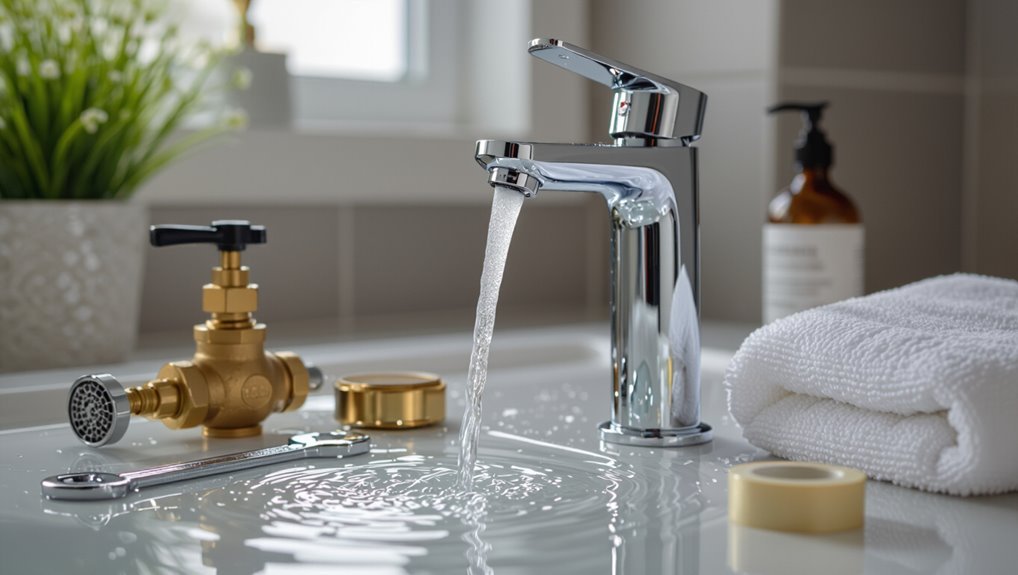
Pulsating water pressure often stems from issues like a failing pressure regulator, worn pump components, clogged pipes, or air in the lines.
These fluctuations can strain fixtures, shorten appliance lifespan, and cause noisy or uneven water flow.
Persistent or worsening pulsation may signal a serious problem—such as a failing pump or a mainline leak—that requires prompt inspection.
Common causes of pulsating water pressure
A sudden rhythm in household water flow often signals underlying problems in the plumbing system rather than a random fluctuation.
Common causes include worn or failing pressure regulators, partially closed or damaged shut-off valves, air trapped in the lines, failing pump components in well systems, and sediment-clogged pipes or fixtures.
Diagnosing how do i stop my water pressure from pulsating focuses on inspecting regulators, valves, pumps, and flushing lines.
How pulsating pressure affects fixtures and appliances
After checking regulators, valves, pumps, and lines for common faults, attention turns to how fluctuating pressure impacts household fixtures and appliances.
Pulsation shortens fixture lifespan, stresses seals and joints, causes erratic flow from faucets and showers, and impairs pressure-sensitive appliances like dishwashers and washing machines.
Intermittent surges accelerate wear, increase leak risk, and reduce cleaning efficiency, prompting maintenance or pressure-stabilizing solutions.
When pulsating indicates an urgent problem
Recognize sudden or severe pressure fluctuations as potential signals of urgent problems rather than mere annoyances.
Rapid pulsing can indicate burst pipes, failing pressure regulators, water hammer, or main-line issues causing contamination or structural risk.
Immediate steps include shutting off the main, isolating affected areas, and contacting a licensed plumber.
Delaying assessment risks property damage, health hazards, and higher repair costs.
Immediate Quick Fixes You Can Try Right Now
A few immediate steps can often stop or reduce pulsating water pressure without calling a plumber.
Simple actions include resetting the main shutoff and supply valves, cleaning faucet aerators and showerheads, and purging trapped air from the lines.
If those don’t work, temporarily adjusting the pressure‑reducing valve and testing faucet or shower cartridges for blockages are practical next moves.
Resetting the main water shutoff and supply valves
Turn the main shutoff and any local supply valves off and then back on to clear trapped air or reset a partially closed valve that can cause pulsation.
Perform this slowly to avoid water hammer.
After reopening, check faucets and fixtures for steady flow.
If pulsation persists, note which outlets are affected before calling a plumber, as the issue may be upstream or pressure-related.
Checking and cleaning aerators and showerheads
If pulsation continues after cycling the shutoff and supply valves, the next quick check is the aerators and showerheads, since mineral buildup or debris often causes uneven flow.
Remove fixtures, inspect screens, and soak in vinegar to dissolve scale. Rinse, brush gently, and reinstall.
Test flow; replace damaged aerators or showerheads. Regular cleaning prevents recurrence and clarifies whether further plumbing diagnosis is needed.
Purging air from the plumbing system
Bleed trapped air from the lines to eliminate hammering, sputtering, and irregular bursts of water that mimic pressure problems.
Shut off the main supply, open all faucets and outdoor spigots starting at the highest level, then let water run until steady and air-free.
Close fixtures in reverse order, restore supply, and check taps for consistent flow; repeat if necessary.
Temporarily adjusting the pressure-reducing valve (PRV)
Locate the pressure-reducing valve (PRV) near the main shutoff and loosen its locknut.
Then make a small clockwise adjustment to raise pressure or counterclockwise to lower it; this quick tweak can often steady pulsation without tools beyond an adjustable wrench.
After adjusting, retighten the locknut, open faucets to verify steadiness, and monitor for leaks or pressure drift over several hours before considering further action.
Testing faucet and shower cartridges for blockage
After adjusting the PRV, attention should turn to individual fixtures where pulsation often originates: faucet and shower cartridges.
Inspect and remove cartridges, checking for mineral deposits, torn seals, or debris. Rinse parts, soak in vinegar if calcified, and replace worn O-rings.
Reassemble and test flow. Persistent blockage or damaged cartridges warrant replacement to restore steady pressure.
Diagnostic Steps to Identify the Root Cause
The first step is to determine whether pulsation affects a single fixture or the entire house, which directs further tests.
A pressure gauge across an exterior hose bib or at the main line can confirm fluctuation patterns while a visual inspection of accessible pipes, valves, and fixtures may reveal obvious leaks or loose fittings.
If the pattern or location suggests otherwise, checking the water heater, boiler, municipal supply notices, or well system components helps distinguish utility-side issues from private-side failures.
How to determine if the issue is isolated or whole-house
How can one quickly tell whether pulsating water pressure affects a single fixture or the entire plumbing system?
Observe multiple faucets and showerheads simultaneously: if only one fixture pulses, suspect that fixture or its supply line.
If pulses occur throughout the house, the problem likely involves the main supply, pressure regulator, or municipal supply.
Note timing, locations, and whether appliances run during events.
Using pressure gauges to measure fluctuations
Attach a pressure gauge to a cold-water hose bib or the main shutoff to record real-time pressure and capture pulsation patterns.
Log readings during varied household water use, noting amplitude, frequency, and conditions when spikes occur.
Compare against normal static and dynamic ranges.
Consistent cyclical swings indicate supply or pump issues; random spikes suggest transient events or fixtures elsewhere in the system.
Inspecting visible pipes, valves, and fixtures
After pressure readings narrow the problem to the property rather than the supply, inspection of visible pipes, valves, and fixtures provides the next diagnostic step.
Examine for loose fittings, corrosion, kinks, trapped air pockets, and leaking joints. Check shutoff and pressure-reducing valves for proper seating and vibration.
Note irregularities, document locations, and tighten, replace, or isolate components for targeted testing or professional repair.
When to check the water heater and boiler
When should the water heater or boiler be inspected as part of diagnosing pulsating water pressure?
The tank, heat exchanger, pressure relief valve, and expansion vessel should be checked when pulsation occurs after isolating fixtures, following visible plumbing inspection, or when pressure fluctuations correlate with heating cycles.
Sediment buildup, failing valves, or a malfunctioning expansion tank can cause rhythmic pressure changes requiring servicing or replacement.
Signs of municipal supply issues vs. private well problems
If pulsating water pressure persists after isolating home plumbing and appliances, distinguishing between municipal supply issues and private well problems is the next diagnostic step.
Municipal signs: neighbors affected, utility notices, visible main breaks, fluctuating supply times.
Well signs: pump cycling, pressure tank short-cycling, air in lines, loss of pressure isolated to property.
Contact utility or well contractor accordingly.
Common Mechanical Failures That Cause Pulsation
Common mechanical failures often produce the pulsating water pressure described in diagnostics.
Typical culprits include a faulty or worn pressure-reducing valve, a malfunctioning pump or well pressure tank, and a clogged or ruptured pressure tank bladder.
Additionally, failing check/backflow valves and partially closed or damaged supply valves and pipes can create intermittent pressure surges.
Faulty or worn pressure-reducing valve (PRV)
Inspecting the pressure-reducing valve (PRV) is a key step in diagnosing pulsating water pressure, since a worn or malfunctioning PRV can produce pressure fluctuations throughout the system.
Signs include inconsistent downstream pressure, noisy operation, and visible corrosion or leakage.
Replacement or adjustment by a qualified technician typically resolves pulsation; cleaning debris and ensuring correct spring/tension settings can restore stable performance.
Malfunctioning water pump or well pressure tank
A failing water pump or a compromised well pressure tank often produces the rhythmic surging or rapid cycling known as pulsating water pressure.
Mechanical wear, sticking switches, or loss of proper cut-in/cut-out settings cause frequent starts and stops. Corroded components or leaking fittings reduce system stability.
Diagnosis requires pressure gauge checks, pump current draw measurement, and professional inspection to determine repair or replacement.
Clogged or failing pressure tank bladder
When the pump and pressure switch appear to be functioning but pulsation persists, attention should shift to the pressure tank bladder.
A ruptured, clogged, or waterlogged bladder prevents proper air cushion formation, causing rapid cycling and pressure swings.
Inspection, air-charge measurement, and bladder replacement or tank servicing typically resolve pulsation.
Regular maintenance prevents recurrence and extends system lifespan.
Failing check valves, backflow preventers, or one-way valves
Failing check valves, backflow preventers, or other one-way valves can allow reverse flow or partial leakage that produces pressure surges and rapid cycling in a water system.
Such faults cause pumps to restart frequently or create oscillating pressure as trapped water moves unpredictably.
Inspection, cleaning, and timely replacement of worn seals, springs, or entire valve assemblies typically resolves pulsation caused by these mechanical failures.
Partially closed or damaged supply valves and pipes
Partially closed or damaged supply valves and constricted, corroded, or crushed pipes can create flow restrictions that produce rhythmic pressure fluctuations throughout a plumbing system.
Technicians should inspect isolation and service valves, supply lines, and fittings for partial closure, internal debris, scale, or deformation.
Restoring full valve travel, replacing compromised pipe sections, or clearing blockages typically eliminates pulsation and prevents recurrence.
Step-by-Step Repairs for Homeowners
The following section outlines practical, safety-minded procedures homeowners can use to address common causes of pulsating water pressure.
It covers safe replacement or adjustment of pressure-reducing valves, recharging or replacing well tank bladders, swapping faucet cartridges, shower valves, and aerators, and repairing supply valves and fittings.
It also explains when and how to bleed the system to remove trapped air.
How to replace or adjust a PRV safely
Before attempting any work on a pressure-reducing valve (PRV), a homeowner should confirm the water supply is shut off, relieve system pressure, and have basic tools and a replacement PRV ready.
Isolate the PRV, drain residual water, loosen fittings, remove and inspect debris, install new or adjust spring tension per manufacturer torque, tighten fittings, slowly restore supply, check for leaks and verify stable outlet pressure with a gauge.
Recharging or replacing a well pressure tank bladder
Begin by verifying the electrical supply to the well pump is off and the system pressure is relieved.
Then drain tank, remove access cap, and check air charge with a tire gauge. If low, add air to recommended precharge.
For torn bladders, drain and disconnect tank, replace bladder or tank per manufacturer, reconnect, repressurize, and test for stable cycling.
Replacing faucet cartridges, shower valves, and aerators
Inspecting and replacing faucet cartridges, shower valves, and aerators restores steady flow and removes pulsation caused by internal blockages or worn components.
Homeowners should shut water, disassemble fixtures, note orientation, remove mineral buildup, and install matching replacement parts.
Test between steps for flow consistency. Replace aerators with screened models and use plumber’s grease on seals.
Reassemble and verify steady pressure before finishing.
Repairing or replacing damaged supply valves and fittings
Repairing or replacing damaged supply valves and fittings restores reliable water flow and eliminates pulsation caused by leaks, worn seats, or corroded connections.
Inspect shutoff and angle valves for drips, stiffness, or mineral buildup.
Shut main water, remove and assess fittings, replace faulty valves with matching pressure-rated parts, use plumber’s tape, tighten connections, then slowly restore water and check for steady flow and leaks.
When and how to bleed the system to remove trapped air
After replacing or tightening valves and fittings, trapped air in the lines can still cause pulsating pressure.
So bleeding the system is the next step to restore steady flow. Homeowners should shut main water, open highest and lowest faucets, drain lines until steady stream flows, then close faucets and slowly reopen main supply.
Repeat for appliances and check for improved, consistent pressure.
When to Call a Professional Plumber
Some pulsating pressure issues are best left to licensed technicians, especially when they involve pumps, pressure-reducing valves (PRVs), or suspected municipal supply problems.
Professionals use diagnostic tools and experience to test pumps, PRVs, and incoming mains. A service visit typically includes inspection, targeted repairs or part replacement, and a clear explanation of findings.
Homeowners should expect a service call fee plus labor and parts costs, and budget for common replacements such as PRVs, pump components, or pressure tanks.
Problems best left to licensed technicians
Although homeowners can troubleshoot simple causes of pulsating water pressure, certain issues require a licensed plumber’s expertise.
Complex problems such as corroded supply lines, hidden pipe fractures, malfunctioning pressure-reducing valves, or contaminated municipal service connections pose safety, code, and liability concerns that are best handled by a professional.
Other situations warranting a call include persistent leaks, gas-water heater interactions, and visible structural water damage.
How professionals diagnose pump, PRV, and municipal issues
Diagnosing pulsating pressure in pumps, pressure-reducing valves (PRVs), and municipal services requires systematic testing and specialized tools a professional plumber brings to the job.
The technician inspects pump controllers, gauges, and air charges; measures steady-state and transient pressures; isolates PRVs to assess valve wear or spring failure; and coordinates with water suppliers to verify supply variability before recommending targeted repairs or component replacements.
What to expect in a professional service visit
When pulsating water pressure persists despite basic troubleshooting, a homeowner should schedule a professional service visit to obtain a definitive diagnosis and safe repairs.
The plumber inspects fixtures, pressure regulator, pump operation, and supply lines, runs pressure and flow tests, and checks for air or debris.
They explain findings, recommend targeted repairs or replacements, and provide a written service plan and timeline.
Typical costs and parts to budget for
Cost estimates and parts lists help homeowners decide whether to call a professional plumber for pulsating water pressure problems.
Typical parts include pressure regulators ($100–$300), new cartridges or valves ($20–$150), expansion tanks ($150–$350), and check valves ($30–$120).
Labor ranges $75–$150 per hour; total repairs commonly run $150–$800.
Complex jobs (pump or mainline work) can exceed $1,000.
Long-Term Solutions to Prevent Recurrence
Long-term prevention focuses on durable fixes such as installing a quality pressure-reducing valve and properly sizing or servicing well pressure tanks and control switches.
Supplemental measures include adding a whole-house pressure tank or surge arrestor and evaluating water supply or pipe replacement where corrosion or undersized lines cause instability.
A routine maintenance checklist—pressure checks, valve inspections, and scheduled tank servicing—helps keep pulsation from recurring.
Upgrading to a quality pressure-reducing valve
Install a high-quality pressure-reducing valve (PRV) to stabilize supply pressure and prevent recurring pulsations. A reliable PRV reduces inlet fluctuations, maintains consistent downstream pressure, and protects fixtures.
Select a model sized for flow rate, with adjustable setpoint and durable materials. Professional installation and periodic calibration guarantee longevity and steady performance, minimizing pressure-related noise and wear on the plumbing system.
Installing or servicing a well pressure tank and control switch
Servicing or replacing a well pressure tank and its control switch directly addresses the root cause of recurring pulsations by ensuring proper air-to-water balance and reliable pump cycling.
A technician checks bladder integrity, tank precharge, pressure settings, and switch contacts.
Corrective actions include recharging or replacing the tank, adjusting cut-in/cut-out pressures, and replacing a worn switch to restore steady, dependable system operation.
Adding a whole-house water pressure tank or surge arrestor
When recurring pressure spikes persist despite fixing the pump and control switch, adding a whole-house pressure tank or surge arrestor provides a proactive, system-wide buffer that smooths flow and protects plumbing and appliances.
These devices absorb transient surges, reduce cycling, and extend fixture and pump life. Proper sizing and professional installation guarantee compatibility with pressure settings and municipal supply characteristics for reliable, long-term stability.
Routine maintenance checklist for pressure stability
A concise, regular maintenance routine is essential to sustain stable household water pressure and prevent recurring pulsation.
Inspect pressure-reducing valves quarterly, test and adjust pressure settings, flush lines to remove sediment, check and replace worn washers and cartridges, clean aerators and showerheads, monitor for leaks, verify pump cycling if present, and schedule annual professional inspections to catch developing issues before they cause pressure instability.
Water supply upgrades and pipe replacement considerations
Routine maintenance lays the groundwork for stable pressure, but persistent or widespread pulsation often indicates shortcomings in the supply infrastructure that require longer-term fixes.
Evaluate pipe age, diameter, and material; prioritize replacing corroded, undersized, or flexible piping with appropriately sized rigid pipe.
Coordinate with the utility for mains upgrades, install pressure-reducing valves or surge arrestors, and plan phased replacement to minimize disruption.
Comparison of Repair Options and Expected Outcomes
A concise comparison helps readers weigh cost, complexity, and expected longevity when choosing between DIY and professional repairs. The table below summarizes typical trade-offs to guide that decision. The following discussion compares upfront expense, required skill, and projected durability for common approaches.
| Aspect | DIY vs Professional |
|---|---|
| Cost | Lower materials cost vs higher labor + parts |
| Complexity | Simple fixes possible DIY; complex diagnostics favor pros |
| Longevity | Shorter expected life for DIY; longer with professional repair |
| Risk | Higher risk of misdiagnosis or damage DIY; lower with licensed pro |
| Time to Resolve | Can be quicker for simple DIY; longer scheduling but thorough for pros |
Cost, complexity, and longevity of DIY vs. professional fixes
Decision-making about pulsating water pressure repairs balances cost, complexity, and expected lifespan of the fix. DIY options often save money but require tools and yield shorter warranties; professional repairs cost more, take less time, and last longer. Homeowners should weigh immediate savings against reliability and safety.
| Option | Cost | Longevity |
|---|---|---|
| DIY filter/cleaning | Low | Short |
| DIY pressure valve | Medium | Medium |
| Professional service | High | Long |
Troubleshooting Checklist and Quick Reference
A concise troubleshooting checklist helps identify the cause of pulsating water pressure and guides the sequence of corrective actions.
It should pair each step with the basic tools and spare parts likely needed for a common fix. The checklist below can be used as a quick reference during inspection and repair.
- Turn off water, observe faucets/fixtures, and note when/where pulsation occurs.
- Check supply valves, aerators, and shower cartridges; clean or replace as indicated.
- Inspect pressure regulator, pump/motor (if present), and plumbing for air or debris; adjust or service as required.
- Keep on hand adjustable wrench, screwdriver, replacement aerators/cartridges, PTFE tape, and a pressure gauge.
Stepwise checklist to follow when you notice pulsating pressure
Begin by confirming the symptom: water flow that rhythmically rises and falls instead of staying steady.
Then follow a concise, stepwise checklist to isolate cause and decide corrective action.
- Check multiple fixtures to determine if issue is local or whole-house.
- Shut off valves briefly to test response.
- Inspect visible supply lines and pressure regulator for leaks or damage.
- Record timing and triggers for technician reference.
Tools and parts to have on hand for common fixes
After completing the checklist to confirm where pulsation occurs, assembling a compact set of tools and replacement parts speeds diagnosis and repair.
Recommended essentials include basic hand tools, pressure gauge, replacement washers/seals, and a spare pressure-reducing valve cartridge.
Keep thread seal tape and adjustable wrench handy for quick swaps; store items together for faster response.
- Adjustable wrench and pliers
- Pressure gauge
- Washers, O-rings, tape
- PRV cartridge and fittings
Safety Precautions and Best Practices
Before attempting repairs, the homeowner should shut off the main water supply and any related electrical power to reduce risk.
Careful handling of pressurized components and use of proper pressure-relief procedures are essential to prevent injury or equipment damage.
If the source of pulsation is unclear, involves broken components, or presents continued risk, the homeowner should stop work and contact a licensed plumber.
Shutting off water and power before repairs
A clear, methodical shutdown of both the water supply and electrical power is essential before attempting any repair on a pulsating-pressure system; this minimizes risk of flooding, electrical shock, and equipment damage.
Verify main shutoff and relevant circuit breakers, lock or tag controls, drain lines to relieve residual water, and confirm zero power with a tester.
Notify occupants and document steps taken.
Handling pressurized systems and pressure relief
Handle pressurized systems with deliberate care, since trapped pressure can release suddenly and cause injury, equipment damage, or uncontrolled water flow.
Depressurize lines slowly via designated valves, open relief ports or bleed screws, and verify gauges read zero before disassembly.
Wear eye protection and gloves, secure loose components, and follow manufacturer torque and sequence guidelines to prevent sudden pressure shifts or seal failures during maintenance.
When to stop and call an expert
If pressure cannot be bled completely, gauges fluctuate unexpectedly, or fittings show signs of cracking, the homeowner should stop work and call a licensed plumber or pump technician.
Persistent pulsation after basic checks, electrical issues at the pressure switch, noisy pumps, or suspected leaks require professional assessment.
Prioritize safety: shut off power and water, document symptoms, and avoid DIY interventions beyond isolation.
Real-World Scenarios and Solutions
Common symptom patterns point to different causes and targeted fixes: pulsation at a single fixture often stems from a faulty cartridge or aerator, while whole-house pulsing after municipal work or storms usually implicates supply-line issues or debris in the mains.
For well systems, cycling problems or pressure tank faults commonly produce pulsation after outages or pump restarts.
The following examples match symptoms to practical troubleshooting steps and repairs.
Pulsating only at one fixture: likely causes and fixes
When pulsation occurs at a single fixture, the problem is usually localized to that fixture’s components or immediate supply line rather than the whole plumbing system.
Causes include a failing cartridge, worn washer, clogged aerator, loose valve, or trapped air in a short branch.
Fixes: replace cartridge/washer, clean or replace aerator, tighten valves, flush the branch, or call a plumber for diagnostic testing.
Whole-house pulsation after city work or storms
Pulsation affecting an entire house after city water main repairs or heavy storms points to issues in the municipal supply or at the service connection rather than a single fixture.
Residents should notify the water utility to report the issue; crews may need to flush mains, repair valves, or replace air chambers.
If the utility confirms OK, a licensed plumber can inspect the service line, meter, and pressure regulator for damage.
Well system pulsation after power outages or pump cycling
Many well systems develop pressure surges or rhythmic cycling after power outages or frequent pump starts because air pockets, a failing pressure tank bladder, or a malfunctioning pressure switch disrupt normal pressure balance.
Technicians recommend checking tank precharge, bleeding trapped air, inspecting bladder integrity, and verifying switch contacts and cut-in/cut-out settings.
Replacing worn components or adding a larger tank or pressure regulator restores stable flow and prevents recurrent cycling.
Conclusion
In the end, the homeowner sees pulsating water not as a mystery but as a problem with cause and cure; like a metronome offbeat, its rhythm can be restored. Short-term fixes silence the thump, diagnostics reveal the offender, and targeted repairs—whether cartridge replacement, pressure tank service, or valve adjustment—bring steady flow. With safety-first practices and a clear checklist, recurring surges become manageable rather than maddening, returning calm to pipes and peace of mind.