How to Clear a Blocked Hot Water Pipe Quickly and Safely: Step-by-Step Fixes
If you’re dealing with a blocked hot water pipe, act quickly to restore flow and prevent damage. Look for signs like reduced water flow, sputtering, cold spots, and gurgling sounds. Start by shutting off the water supply and power, then protect yourself with gloves and eye protection.
Try these quick fixes: open nearby taps to flush the system, use a plunger on accessible fittings, apply localized heat, or cautiously use a descaler. If these methods don’t work, resort to a drain snake or flexible auger, flush the line, and replace any worn seals. Identifying the cause—such as limescale, sediment, or rust—will help you choose the right treatment. For detailed steps, tools, and safety tips, refer to our continued guidance, including when to call a professional.
How to Tell If a Hot Water Pipe Is Blocked
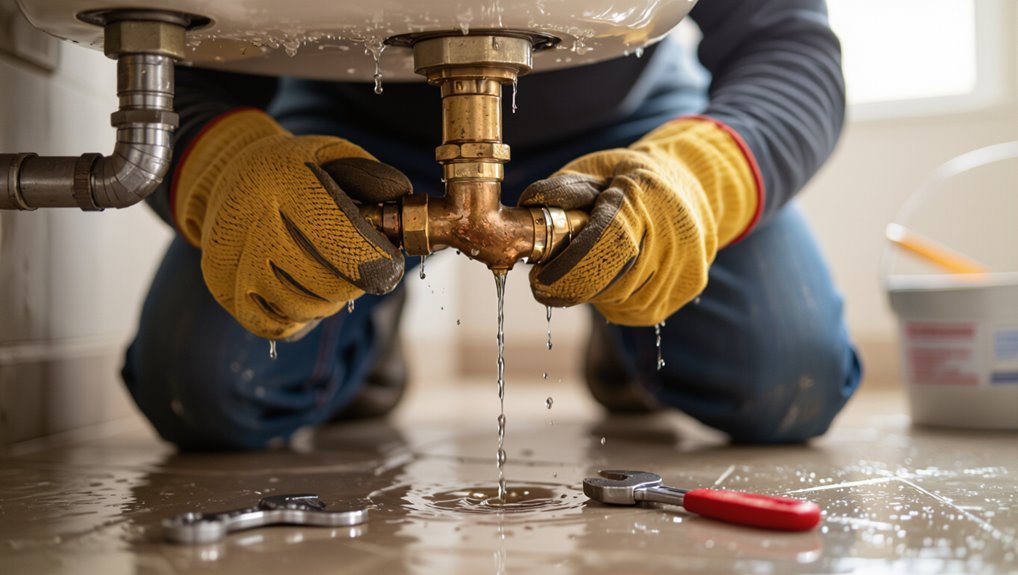
Signs of a blocked hot water pipe typically include reduced flow, cold spots along the pipe run, or a complete loss of hot water.
The distinction between low flow, localized cold areas, and no heat helps narrow whether the issue is a partial clog, an air pocket, or a total obstruction.
Simple checks—feeling pipe temperature, testing multiple taps, and using a pressure gauge or inspection camera—can confirm a blockage before repair.
Common signs of a blocked hot water pipe
Several clear indicators can suggest a hot water pipe is blocked: reduced flow at faucets, intermittent or sputtering discharge, unusually cold patches of pipe, and recurring pressure drops in the hot-water system.
Additional signs include weird noises (gurgling), slower recovery after use, and isolated hot-water loss at specific fixtures. Noting these helps diagnose and decide whether how to clear a blocked hot water pipe measures are needed.
Differences between low flow, cold spots, and no hot water
How can homeowners distinguish between low flow, cold spots, and a complete loss of hot water?
Low flow means reduced pressure but water still warms; cold spots are intermittent temperature drops in specific fixtures or pipe sections; complete loss yields no hot output anywhere.
Each implies different causes: restricted pipe, partial blockage or sediment, and heater failure or full blockage respectively, guiding next diagnostic steps.
Tools and simple checks to confirm a blockage
Confirming a blocked hot water pipe starts with a few simple tools and quick checks that homeowners can perform before calling a plumber.
Use a thermometer, wrench, flashlight and adjustable pliers.
Check faucet flow, compare temperature at successive fixtures, inspect exposed pipes for dents or kinks, listen for gurgling, and test pressure at supply valves.
Document findings for technicians.
Quick Safety Precautions Before You Start
Before beginning work on a blocked hot water pipe, the person should shut off the water supply and cut power to any connected heaters to prevent flooding and electrical hazards.
They should wear appropriate personal protective equipment—gloves, eye protection, and long sleeves—and take steps to avoid hot-water burns.
If the obstruction cannot be cleared quickly or there are signs of corrosion, leaks, or electrical issues, they should stop and contact a qualified professional.
Shutting off water and power safely
Turn off the water supply and power sources to the affected area to prevent scalding, flooding, or electrical hazards while work proceeds.
Locate and close the nearest shutoff valve; if unsure, shut off the main water.
Switch off the circuit breaker supplying nearby outlets and any electric water heaters.
Verify zero flow and no electrical power before beginning repairs.
Personal protective equipment and hot-water burn prevention
With water and power isolated, attention shifts to personal protective equipment and preventing hot-water burns.
Wear heat-resistant gloves, eye protection, and closed-toe shoes. Use long sleeves and avoid loose clothing.
Keep a dry towel and cold water source ready for immediate cooling of scalds.
Make certain good lighting and clear access to the work area to minimize accidental contact with hot surfaces.
When to stop and call a professional
When should work stop and a professional be called?
If attempts fail after basic troubleshooting, leaks appear, pipes rattle or burst, water temperature is unstable, or corrosion and hidden damage are suspected, cease further DIY.
Also call a licensed plumber if gas appliances, complex valves, or building regulations are involved, or if the homeowner lacks proper tools, confidence, or access to shutoffs.
Immediate Quick Fixes You Can Try Right Now
Several immediate remedies can be attempted before calling a professional to restore flow in a blocked hot water pipe.
These quick fixes range from mechanical to thermal and chemical approaches, each with basic precautions.
Consider trying one or more of the following, keeping safety in mind:
- Flush the line by opening nearby taps to force water through.
- Use a plunger on accessible fixtures to dislodge clogs.
- Apply localized heat carefully (hair dryer/heat gun) or use short-term chemical descalers following safety instructions.
Flushing the pipe by opening nearby taps
Flushing a blocked hot water pipe by opening nearby taps can quickly dislodge minor obstructions and restore flow without tools.
The method directs water pressure through the affected section: open a hot tap nearest the blockage and additional taps downstream to increase flow.
Observe pressure and temperature changes; if flow improves, close taps gradually.
If no change, proceed to other fixes or call a professional.
Using a plunger on accessible fixtures
Try a plunger on an accessible hot-water fixture to dislodge simple blockages without tools.
The person seals the plunger over the spout or drain, ensuring a tight fit, then pumps briskly several times.
After releasing, they check flow and repeat if needed.
If water remains obstructed or leaks worsen, they stop and seek professional help to avoid damage.
Applying localized heat with care (hair dryer or heat gun)
If a plunger fails to restore hot-water flow or the blockage appears to be farther down a visible pipe, applying localized heat can sometimes melt a small ice obstruction or soften mineral buildup enough to clear the line.
Direct a hair dryer or low‑setting heat gun along the frozen section, move continuously, avoid overheating joints, insulate warmed area, and monitor for leaks or softened fittings.
Short-term chemical descale options and safety notes
Several readily available chemical descalers and household acids can provide a quick, short-term remedy for mineral clogs in hot-water pipes when mechanical methods fail.
Use diluted white vinegar or citric acid for mild scale; commercial descalers for stubborn deposits.
Always isolate and ventilate the area, wear gloves and eye protection, avoid mixing chemicals, and flush thoroughly afterward.
Consider professional help for metal pipes.
Step-by-Step Method to Clear a Blocked Hot Water Pipe (DIY)
The following section outlines a concise DIY sequence for clearing a blocked hot water pipe, beginning with isolating the affected section and assembling necessary tools.
It proceeds through draining and depressurizing the system, gaining access by opening valves or removing panels and fittings, and applying mechanical clearing methods such as a snake or wire brush.
Finally, the pipe is flushed, inspected, and reassembled before restoring service.
Preparation: isolate the affected section and gather tools
Begin by turning off the hot water supply to the affected branch and draining nearby fixtures to minimize pressure and prevent leaks.
Then isolate the section using shutoff valves or by capping adjacent lines.
Gather tools: adjustable wrench, pipe cutter, tubing brush, plumber’s snake, bucket, rags, replacement fittings, PTFE tape, and safety gear (gloves, eye protection).
Verify access and lighting.
Step 1 Drain and depressurize the system
Shut off the main hot-water valve and open the nearest hot taps to relieve pressure and drain residual water from the isolated branch.
Next, open a draincock or low-point drain to fully empty lines; collect water with a bucket or hose.
Allow several minutes for gravity drainage, then verify no flow remains and that pressure gauges read zero before proceeding with any further work.
Step 2 Access the pipe (valves, access panels, removing fittings)
Locate the blocked section and expose it by opening nearby access panels, removing insulation, and isolating individual valves that feed the affected run.
Verify isolation by checking pressure and ensuring no flow.
Loosen fittings and unions with appropriate tools, catching residual water.
Label or photograph component positions before removal.
Keep replacement seals and tape nearby.
Maintain a clean, well-lit workspace for reassembly.
Step 3 Mechanical clearing techniques (snake/auger, wire brush)
With the section exposed and isolated, mechanical clearing employs tools like a drain snake, auger, or stiff wire brush to physically dislodge buildup and obstructions.
Insert the tool gently, rotate to break mineral deposits, and withdraw debris periodically.
For tight bends use a flexible snake; for rust or scale, a wire brush is preferable.
Wear gloves and eye protection; avoid forcing tools to prevent pipe damage.
Step 4 Flushing and reassembly
After the mechanical tool has removed visible debris, the section should be flushed to clear finer particles and verify flow before reassembly.
Open the drain or faucet, run cold then hot water to expel loosened material.
Inspect fittings, replace worn washers or seals, dry connections, and apply thread sealant where required.
Reinstall pipe segments, tighten fittings to recommended torque, and clean the area.
Step 5 Test procedure and signs of success
Begin by running both the cold and hot taps for several minutes while observing flow rate, temperature consistency, and any discharge of sediment; this confirms whether flushing restored normal circulation and reveals residual leaks or pressure issues.
Check for steady pressure, correct hot-water temperature, absence of sputtering or noise, dry joints, and no visible drips.
Successful tests show sustained flow, stable heat, and no leaks.
When Scale, Sediment, or Corrosion Is the Cause
When blockages persist despite flushing, the cause may be limescale, loose sediment, or internal corrosion, each with distinct appearance and location.
Limescale is hard and chalky, sediment is granular and collects in low points, and rust flakes indicate corrosion, which can require more than chemical cleaning.
The appropriate response ranges from targeted descaling and mechanical removal to full pipe replacement when structural integrity is compromised.
Identifying limescale vs. sediment vs. rust
Distinguishing among limescale, sediment, and rust is essential for selecting the right cleaning method and preventing recurrence.
Limescale appears as hard, white to chalky deposits near heaters; sediment is gritty, brownish or dark particulate settling in low spots; rust shows reddish-brown flaky corrosion on iron or steel.
Simple visual inspection, tap tests, and water source history guide accurate identification.
Descaling methods for hot water pipes
Addressing scale, sediment, or corrosion in hot water pipes requires selecting a method that matches the deposit type, pipe material, system layout, and safety constraints.
Chemical descalers (acidic or chelating agents) dissolve limescale; mechanical flushing or pigging removes loose sediment; wire brushes or rotary tools clear localized buildup.
Neutralization, proper containment, and protective gear prevent damage and guarantee safe disposal of residues.
When pipe replacement is the safer long-term fix
If descaling, flushing, or mechanical cleaning repeatedly fails to restore flow or integrity, pipe replacement becomes the safer long-term option.
Replacement is recommended when heavy scale, compacted sediment, or advanced corrosion compromises wall thickness, joints, or valves. It prevents recurrent blockages, leaks, and contamination.
A professional assessment should determine material choice and scope, balancing cost, longevity, and system compatibility.
Dealing with Blockages in Specific Pipe Types
Different pipe materials require tailored approaches and precautions when clearing blockages.
For copper, gentle mechanical cleaning and mild descaling agents are generally effective but solder joints and thin walls demand care.
PEX tolerates limited mechanical flushing and non-corrosive cleaners but must not be exposed to high heat or harsh solvents.
Galvanized and other older steel pipes carry higher risks of internal corrosion and collapse, often making replacement or professional assessment the safer option.
Copper pipes: recommended approaches and cautions
Copper hot water pipes require careful handling because their thermal conductivity and susceptibility to thinning or cracking change the risk profile for common unblock methods.
Recommended approaches include gentle mechanical clearing with flexible rods, localized boiling to dissolve limescale only if pipe condition is verified, and safe chemical descalers rated for copper.
Avoid aggressive plunging, torch heating, or harsh acids that can weaken or perforate copper.
PEX pipes: what you can and cannot do
Many homeowners will encounter PEX piping in modern hot water systems, and its flexibility and resistance to corrosion change which unblock methods are safe and effective.
PEX tolerates gentle mechanical clearing, snake use with care, and warm water flushing.
Avoid high-heat sources, open flames, aggressive chemicals, and excessive bending or kinking.
When in doubt, consult a plumber to prevent damage and leaks.
Galvanized steel and older pipes: risks and options
While PEX tolerates gentler clearing methods, older galvanized steel and legacy pipe materials present distinct hazards and constraints when addressing blockages.
Corrosion, scale buildup, reduced diameter and brittle fittings increase rupture risk; aggressive mechanical or chemical techniques can worsen damage.
Inspection, gentler mechanical descaling, limited chemical use, and consulting a licensed plumber—often recommending partial replacement to modern materials—are prudent options.
Tools, Materials, and Chemicals You Might Need
Before beginning work on a blocked hot water pipe, a clear list of required tools, safety gear, and cleaning agents helps plan the job efficiently.
Consider these essentials and options based on severity and budget:
- Basic hand tools and protective gear; specialized tools such as drain snakes, pipe augers, and basin wrenches.
- Recommended chemical cleaners and neutralizers, with notes on safety and compatibility.
- Estimated costs for purchasing versus renting tools and common rental sources.
Basic hand tools and protective gear
A handful of basic hand tools and proper protective gear will make clearing a blocked hot water pipe safer and more effective.
Essential items include adjustable wrenches, slip-joint pliers, a flathead and Phillips screwdriver, utility knife, bucket, and towels.
Protective gear should consist of gloves, safety glasses, and knee pads.
Keep a flashlight and a rag for cleanup and leak checks.
Specialized tools: drain snake, pipe auger, basin wrench
Select specialized tools when basic hand tools can’t reach or dislodge the blockage: a handheld drain snake (also called a plumber’s snake) works for shallow clogs in accessible sections.
A heavier pipe auger is designed for deeper or more tenacious obstructions in larger-diameter hot water lines, and a basin wrench helps remove fittings and tight nuts in confined spaces under sinks and heaters.
Choose tool size, feed cautiously, and protect finishes.
Safe chemical cleaners and neutralizers to use
When mechanical tools cannot fully clear a blockage or access is limited, appropriate chemical cleaners and neutralizers can finish the job or render residues safe for disposal.
Recommend enzyme-based drain cleaners for organic clogs, mild acidic cleaners (citric or vinegar solutions) for mineral buildup, and commercially labeled neutralizers to quench caustic residues.
Always follow product instructions, use PPE, ventilate, and avoid mixing chemistries.
Estimated costs and where to rent tools
Many homeowners can expect modest expenses for basic supplies and higher fees for specialty rentals or professional services.
Typical costs: plungers, brushes, and sealants $10–$50; chemical cleaners $5–$25.
Renters can obtain inspection cameras, drain snakes, and hydro-jet attachments from hardware stores or tool rental centers for $30–$120 per day.
Professional service calls range $100–$300+.
Preventing Future Blockages
Routine maintenance of water heaters and pipes, combined with appropriate softening or filtration, can greatly reduce deposits that cause blockages.
Adopting a simple schedule for flushing tanks, inspecting valves, and replacing filters helps catch problems early.
Seasonal checks for signs like reduced flow, noises, or discoloration should be performed and recorded to guide timely interventions.
Regular maintenance routines for water heaters and pipes
A few simple, scheduled checks can greatly reduce the risk of mineral buildup and sediment-related blockages in hot water systems.
Inspect and flush the tank annually, drain a few gallons to remove sediment, test the pressure relief valve, and check anode rod condition.
Examine visible piping for corrosion or leaks and guarantee insulation remains intact.
Document dates and actions for future reference.
Water softening and filtration options
When hard water or particulate-laden supply lines contribute to recurring blockages, targeted softening and filtration strategies can greatly reduce buildup and extend system life.
Install a water softener to remove calcium and magnesium, use sediment filters ahead of heaters to capture debris, and consider point-of-use filters for vulnerable fixtures.
Periodic monitoring and cartridge replacement maintain effectiveness and prevent reaccumulation.
Seasonal checks and signs to monitor
Several seasonal inspections can catch early signs of impending blockages before they escalate: check water heaters and exposed pipes for mineral crusting or reduced flow after winter and summer extremes.
Monitor faucet aerator and showerhead spray patterns for sputtering or uneven streams, and listen for unusual noises in pumps and heaters that indicate restricted passages.
Record flow rates, inspect insulation, test water hardness, and schedule descaling if deposits appear.
Common Mistakes to Avoid When Clearing Hot Water Pipes
When addressing blockages, practitioners should be mindful of common errors that can worsen the situation or create hazards.
- Overheating or using excessive force on pipes
- Misusing chemical cleaners
- Ignoring systemic issues that require professional repair
Avoiding these mistakes preserves pipe integrity and guarantees safe, effective resolution.
Overheating or using excessive force on pipes
Applying excessive heat or force to a blocked hot water pipe risks warping fittings, damaging seals, and causing leaks that can be costly to repair.
Professionals recommend gentle, incremental pressure and controlled warming only when appropriate. Excessive torque, hammering, or open flames compromise joints and soldered connections.
If resistance persists, stop and consult a plumber to prevent structural damage and water intrusion.
Misusing chemical cleaners
Exercise caution with chemical drain cleaners: misuse can corrode pipes, degrade seals, and create dangerous fumes.
Users should avoid mixing products or applying concentrated formulas to older metal fittings. Follow label instructions, use recommended dilution, and ventilate the area.
When residue remains after treatment, flush thoroughly with water. Prefer mechanical clearing or professional advice if uncertainty persists.
Ignoring systemic issues that require professional repair
Although a clogged section may appear isolated, overlooking underlying systemic problems—such as corroded mains, failing pressure regulators, or deteriorating water heaters—can turn a simple clear-out into a recurring emergency.
Ignoring signs like persistent drops in pressure, discoloration, or repeated blockages delays necessary diagnostics.
A qualified plumber should assess and repair structural or mechanical faults to prevent damage, inefficiency, and safety hazards.
Signs You Need a Plumber or Specialist
If blockages persist after reasonable DIY attempts, professional help should be sought.
Visible leaks, significant corrosion, or repeated failures indicate problems beyond basic clearing techniques.
A plumber or specialist can also assess whether repiping or water heater service is warranted.
Persistent blockages after DIY attempts
When basic remedies like plunging, flushing, or chemical cleaners fail to restore steady hot water flow, homeowners should recognize this as a sign to consult a plumber or specialist.
Persistent issues often indicate deeper problems such as mineral build-up, corrosion, pipe misalignment, or hidden leaks that require professional diagnosis and tools.
A technician can perform camera inspections, targeted descaling, pressure testing, and safe component replacement to resolve stubborn blockages efficiently.
Leaks, corrosion, or repeated failures
Spotting visible leaks, persistent corrosion, or recurring failures around hot water lines signals the need for a professional assessment.
A plumber can diagnose underlying causes—joint failure, hidden pinhole leaks, galvanic corrosion, or compromised fittings—and recommend targeted repairs.
Immediate intervention prevents water damage, mold, and system-wide deterioration.
Temporary DIY fixes are inadequate when deterioration is ongoing or widespread; prioritize specialist evaluation and documented repair plans.
When repiping or water heater service is recommended
Persistent leaks, corrosion, or repeated failures around hot water lines often signal problems that extend beyond isolated repairs and may indicate the need for repiping or water heater service.
A specialist should evaluate age, pipe material degradation, sediment buildup, low pressure, or frequent torching of relief valves.
Recommend repiping when failures are widespread or water heater replacement when efficiency, safety, or capacity is compromised.
Quick Troubleshooting Flowchart
A concise troubleshooting flowchart helps correlate common symptoms with causes and next steps so the reader can act quickly. The table below illustrates representative symptom → cause → immediate action → when to call a professional. Follow the simple sequence to decide whether a DIY fix is safe or if expert help is warranted.
| Issue | Action |
|---|---|
| No hot water | Check heater power/tripped breaker; reset if safe |
| Low hot flow | Inspect nearby fittings for partial clog; try flushing |
| Intermittent heat | Test thermostat and pilot; relight or adjust if applicable |
| Leaks or burst pipe | Shut off water and call a plumber immediately |
Symptom → Likely cause → Recommended immediate action → When to call pro
When a hot water pipe exhibits a problem, a concise flowchart linking symptom → likely cause → immediate action → when to call a professional helps prioritize responses and reduce unnecessary repairs.
Cold taps → sediment or closed valve → flush, check valves → call pro if persistent.
Weak flow → partial blockage → snake or flush → call if inaudible repairs.
Leaks → joint failure → shut water, call plumber.
Final Checklist: Clear a Blocked Hot Water Pipe Quickly and Safely
Review the final checklist to confirm each step was completed safely and effectively: shut off the main water and power, relieved system pressure, used appropriate tools and protective gear, cleared the obstruction, flushed lines, and inspected joints for leaks.
- Verify no leaks and normal flow.
- Restore power and monitor heater operation.
- Dispose of debris and record any needed follow-up maintenance.
Conclusion
After following every cautious, sensible step, the pipe still behaves like it’s on vacation — stubborn, cold, and utterly uninterested in cooperation. The homeowner, now unexpectedly intimate with wrenches and vinegar, realizes that DIY triumphs have limits. If the flow returns, celebrate quietly; if it doesn’t, summon the pros who enjoy doing what amateurs frustrate over. Either way, the lesson is learned: plumbing rewards patience, skill, and occasionally, surrender.